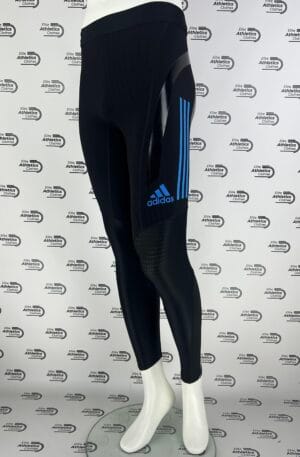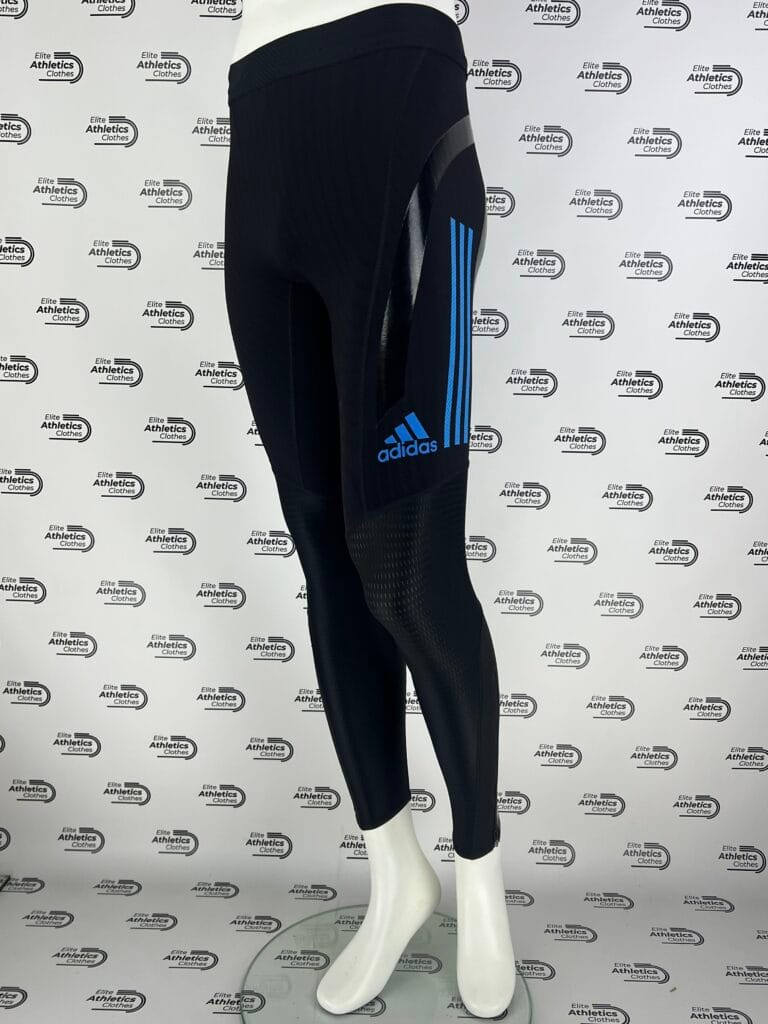
Adidas Pro Elite Team 2022 Long Tights - "Promo" New Material worn by the Pro Athletes sponsored by Adidas during the 2022 season.
Tap a crossed size and we write you the day one lands in it
Adidas Pro Elite Team 2022 Long Tights - "Promo" New Material worn by the Pro Athletes sponsored by Adidas during the 2022 season. - 100% Original • Color: Black/Blue • Main Material: 79% Polyester - 21% Elastane • Laces for fix it to the waist - Made in Portugal
Ships from Switzerland, tracked · processed in 1–3 business days · free over €150
| Size | Chest | Waist | Hip |
|---|---|---|---|
| XS | 83–86 | 71–74 | 81–85 |
| S | 87–92 | 75–80 | 86–91 |
| M | 93–100 | 81–88 | 93–99 |
| L | 101–108 | 89–96 | 100–107 |
| XL | 109–118 | 97–106 | 108–116 |
| XXL | 119–130 | 107–119 | 117–124 |
Listed size: S · body measurements in cm, as published by adidas
Use the brand body chart as a starting point. Ask us for flat measurements of this exact piece to compare with a garment you already wear.
The 2022 adidas cycle belongs to a shoe and the roads it won. The Adizero Adios Pro 3 was shown for the first time on 30 April at Road to Records, the record meeting adidas stages on its own campus in Herzogenaurach, went on sale in June, and by November had carried three marathon major winners home. By the brand's own count, ADIZERO athletes won half of the year's majors.
The season opened in Boston on 18 April, the first Patriots' Day edition since 2019, and adidas won both races: Evans Chebet in 2:06:51, thirty seconds clear, and Peres Jepchirchir in 2:21:01, four seconds ahead of Ababel Yeshaneh in the 50th women's race — twelve months after her New York title.
What Lyles and Amusan did at the Eugene World Championships that July — his 19.31 in the Nike kit of USATF, her 12.12 world record in Nigeria's federation kit — was done in other contracts and lives in the country pages, not in this kit's story.
Long tights are full-length stretch knits — roughly 20–28% elastane — worn in athletics for cold-weather training, winter warm-ups and, in events like cross country, for racing itself.
The engineering is settled: wicking knit, ankle zips for changing over spikes, hi-vis trims for dark miles, and brushed or merino-blend interiors when winter gets serious. The craft is in choosing for your coldest real training day — and dressing 10–20°F warmer than the forecast feels.
Long tights are the athletics wardrobe's cold-weather workhorse: full-length stretch knits worn for warm-up and cool-down at winter meets, for daily training through the cold months, and — when conditions truly demand it — for racing itself. Cross country, run through autumn and winter in rain, sleet and snow, is where you will most often see tights on a start line.