
LONG
TIGHTS
The winter workhorse: full-length knit, ankle zips, and the eternal question of when shorts stop being enough. What long tights are, what the guides really say, and how to choose a race-issued pair.
Long tights are full-length stretch knits — roughly 20–28% elastane — worn in athletics for cold-weather training, winter warm-ups and, in events like cross country, for racing itself. Below about 45°F / 7°C is where most guides draw the shorts-to-tights line.
The engineering is settled: wicking knit, ankle zips for changing over spikes, hi-vis trims for dark miles, and brushed or merino-blend interiors when winter gets serious. The craft is in choosing for your coldest real training day — and dressing 10–20°F warmer than the forecast feels.
This is Kit Anatomy, our series on each garment in the Pro Elite archive. Jump to the long tights in stock, or read on for the thermometer rail.
- What they are
- Full-length stretch knits — the cold-weather base layer of the kit
- The switch point
- Tights below ~45°F / 7°C per most guides; personal beyond that
- The golden rule
- Dress as if 10–20°F warmer — running heats you
- Fabric
- ~20–28% elastane blends; verified: 75/25, 72/28, 80/20 examples
- Thermal versions
- Brushed/fleece backs; premium: merino blends + windproof panels
- The athlete feature
- Ankle zips — on and off over spikes
- Race-issued vs retail
- Team training and warm-up pairs, one cycle, no restock
- In the archive
- 21 long tights catalogued
View the data
| Conditions | Legwear | Note |
|---|---|---|
| Above ~45°F / 7°C | Shorts | Personal — some run shorts below 30°F / −1°C |
| ~45°F down to 0°F | Long tights | Standard knit first; brushed/thermal as it drops |
| Below 0°F / −18°C | Insulated tights + shell | Waterproof or windproof layer over or instead |
| Any cold run | Dress +10–20°F warmer | Running's metabolic heat does the rest |
What long tights are
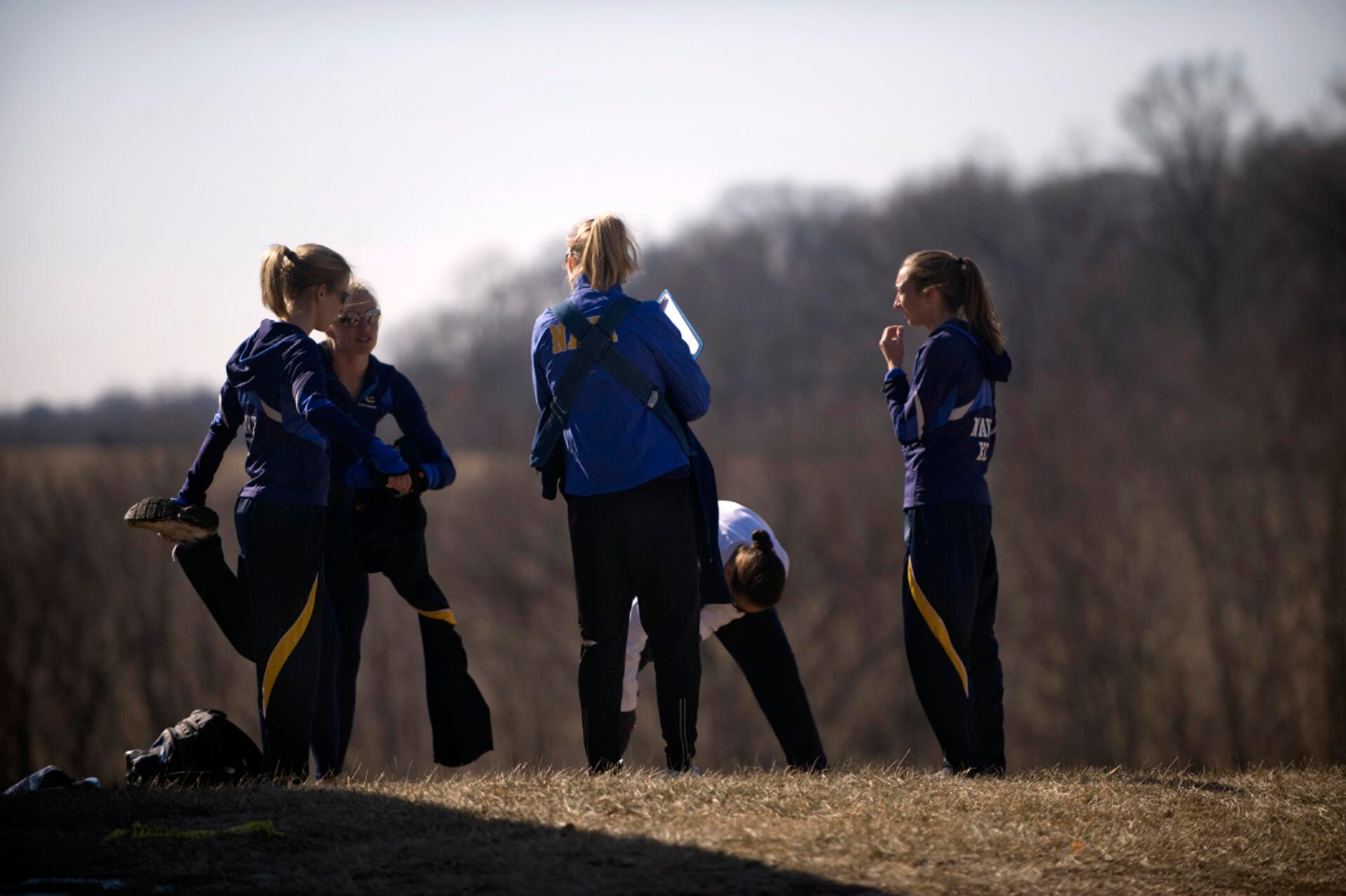
Long tights are the athletics wardrobe's cold-weather workhorse: full-length stretch knits worn for warm-up and cool-down at winter meets, for daily training through the cold months, and — when conditions truly demand it — for racing itself. Cross country, run through autumn and winter in rain, sleet and snow, is where you will most often see tights on a start line.
They occupy a specific slot in the layering system: the bottom base layer. Guides build the cold-day formula from tights outward — wicking knit against the skin, wind-resistant mid or shell over it when the thermometer really falls.
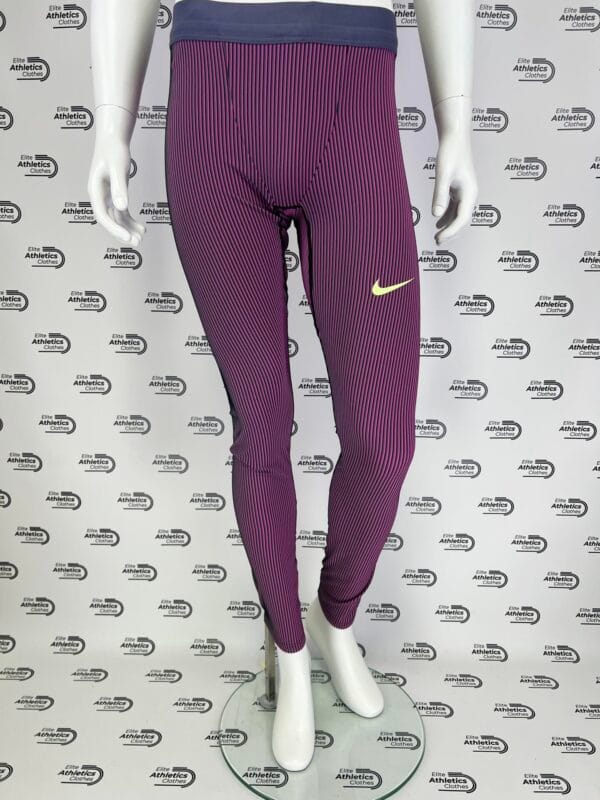 From this series · in the archiveNike Pro Elite Team 2024 Long TightsA race-issued team pair — the winter workhorse in federation colours.150,00 €View piece →
When to make the switch from shorts is the eternal question — the rail above collects what the guides actually say.
When shorts stop being enough
The most-cited switch point is around 45°F — about 7°C: below it, running guides point to tights or capris. But cold tolerance is personal to a degree that surprises people — the same guide notes some runners stay comfortable in shorts below 30°F (−1°C), and champion hard-men have raced colder.
Two rules do the real work. First, dress as if it were 10–20°F warmer than the forecast: running generates that much metabolic heat, and overdressing is the classic beginner error. Second, below about 0°F (−18°C) a knit tight alone stops being enough — that is insulated-tight and windproof-shell territory.
For track athletes the tights question is mostly a warm-up question: sprints and jumps are raced in briefs and half tights whatever the weather, so the long tight's job is keeping the engine warm until the last possible minute — then coming off cleanly over spikes, which is what the ankle zips are for.
How a pair is built
Manufacturer spec sheets agree on the recipe with unusual consistency.
- The knitSynthetic stretch blends at roughly 20–28% elastane — verified examples: 75/25 poly-elastane (Nike Phenom), 72/28 recycled poly (adidas), 80/20 polyamide-elastane (Tracksmith).
- Thermal versionsBrushed or fleece-backed interiors for deep winter; premium pairs go further — a verified merino blend runs 43% wool with windblocking overlays from waistband to knee.
- Ankle zipsThe athlete feature: zips at the leg opening let tights come on and off over spikes or trainers without sitting down in the mud.
- Hi-vis detailsTraining pairs carry light-catching piping and trims — winter miles happen in the dark.
- PocketsDrop-in and zip pockets on training tights; race-issued team pairs strip cleaner.
- The fitComfortably snug, not compressive — wicking only works with fabric against skin, and a tight that restricts the stride has failed its one job.
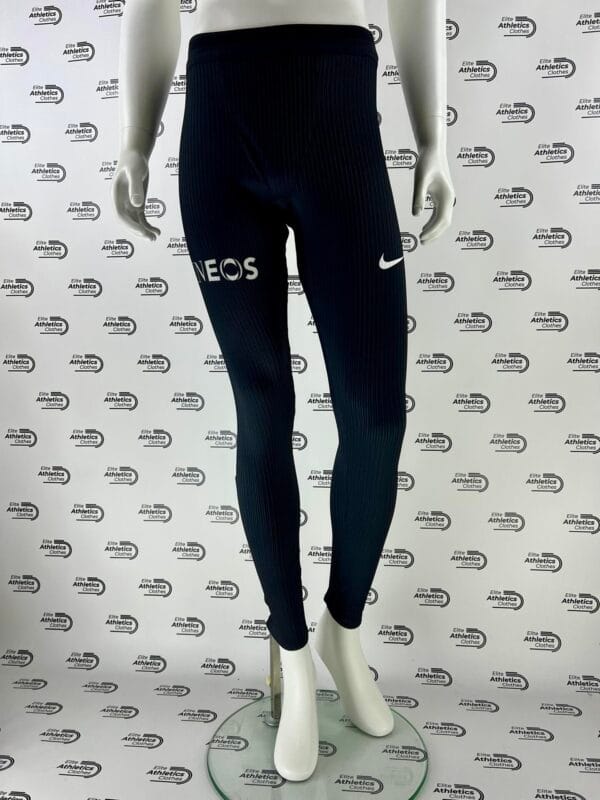 From this series · in the archiveRARE INEOS X Nike NN Running Team Pro Elite 2022 Long TightsA pro-team training pair — the winter-miles garment of a professional running squad.200,00 €View piece →
The differences between a 30-euro pair and a premium one live almost entirely in the thermal engineering — the silhouette has been settled for decades.
How to choose yours
Choosing tights is choosing for the coldest day you will actually train in.
- Standard knit firstA ~25%-elastane synthetic pair covers the whole autumn-to-spring range for most runners — the thermal pair is the second purchase, not the first.
- Check the ankleZips if you change over shoes or spikes; clean cuffs if you never do.
- Snug, not squeezedFabric flush to the skin with full knee drive — sizing up defeats the wicking, sizing down defeats the stride.
- Layer below zeroDeep-winter days want a brushed or merino-blend tight, and past −18°C a shell over it — no single knit does that job alone.
- Archive realityRace-issued team tights are one-cycle pieces matched to their kits — in-stock first, and gone when they are gone.
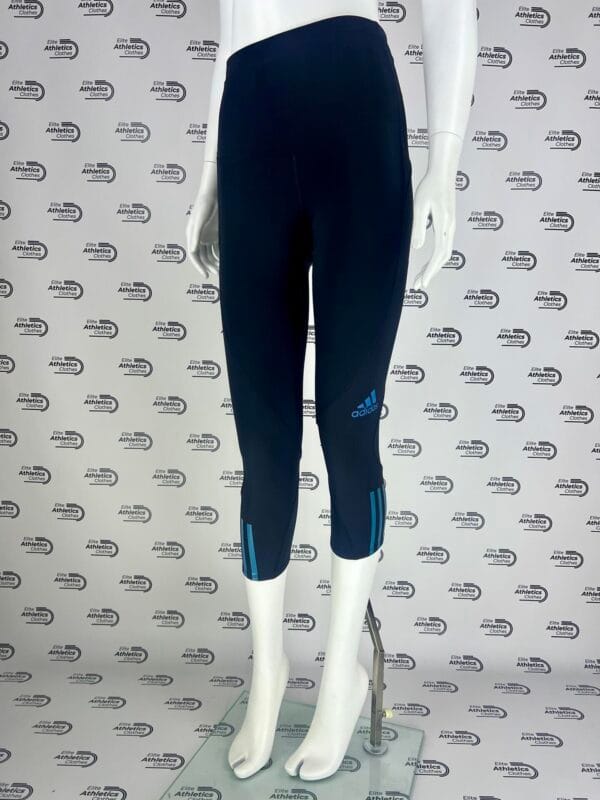 From this series · in the archiveAdidas Pro Elite Team 2022 Women Capri Long TightsA women's capri pair — the three-quarter cut of the same winter logic.140,00 €View piece →
Get the pair right and winter stops being a reason — which, for the athletes whose kits fill this archive, was always the point.
Long Tights in the Archive
Race-issued team tights from national squads and pro running teams — the winter workhorse of the elite kit, made for a single cycle and matched to specific kits in the archive. In-stock first; sold-out pieces stay listed because the runs are small and rarely return.
Adidas Pro Elite Team 2022 Women Capri Long Tights140,00 €View Piece →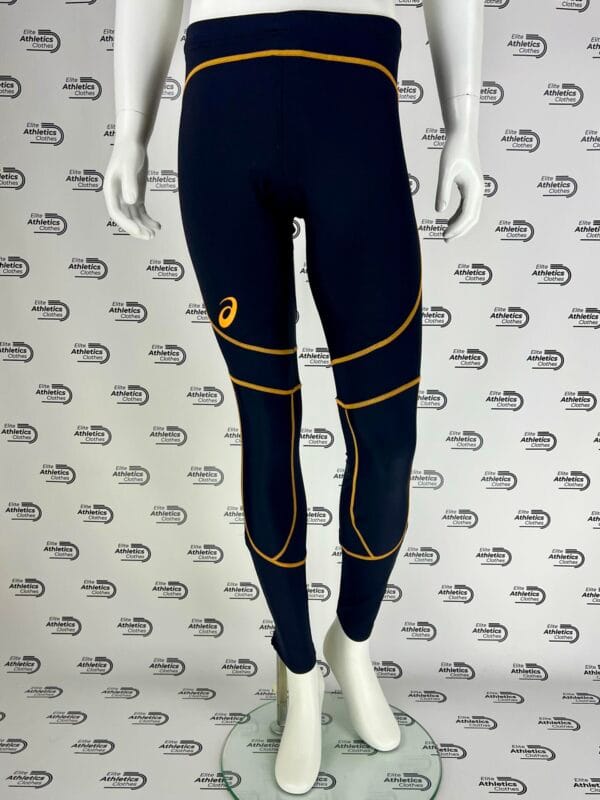 Asics Netherlands Pro Elite 2016 Long Tights60,00 €View Piece →Nike Pro Elite Team 2024 Long Tights150,00 €View Piece →
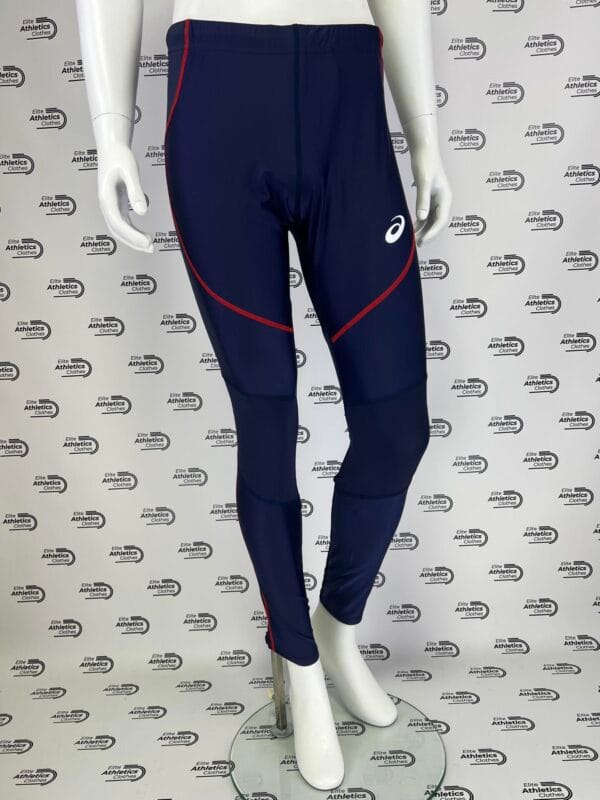 Asics France Pro Elite 2019 Long Tights70,00 €View Piece →RARE INEOS X Nike NN Running Team Pro Elite 2022 Long Tights200,00 €View Piece →
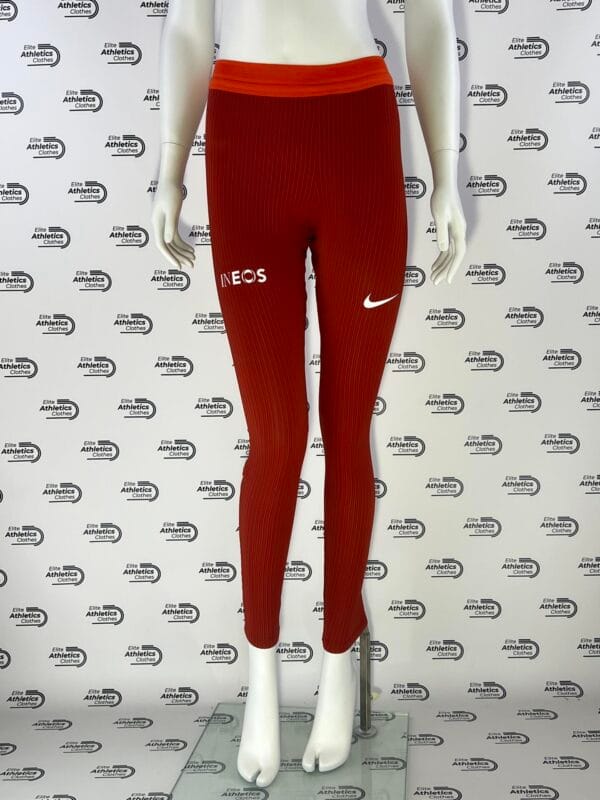 Nike NN Running Team Pro Elite 2023 Women Long Tights160,00 €View Piece →
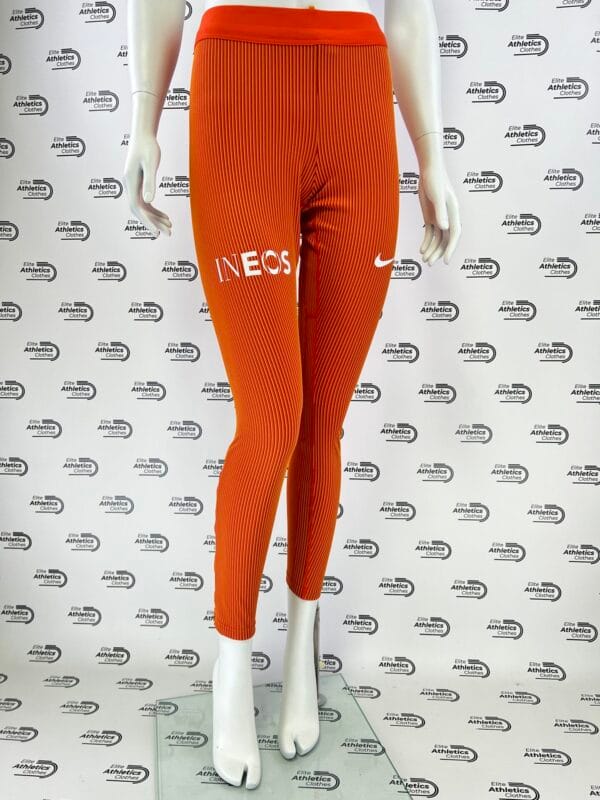 Nike Pro Elite NN Running Team 2024 Women Long Tights180,00 €View Piece →
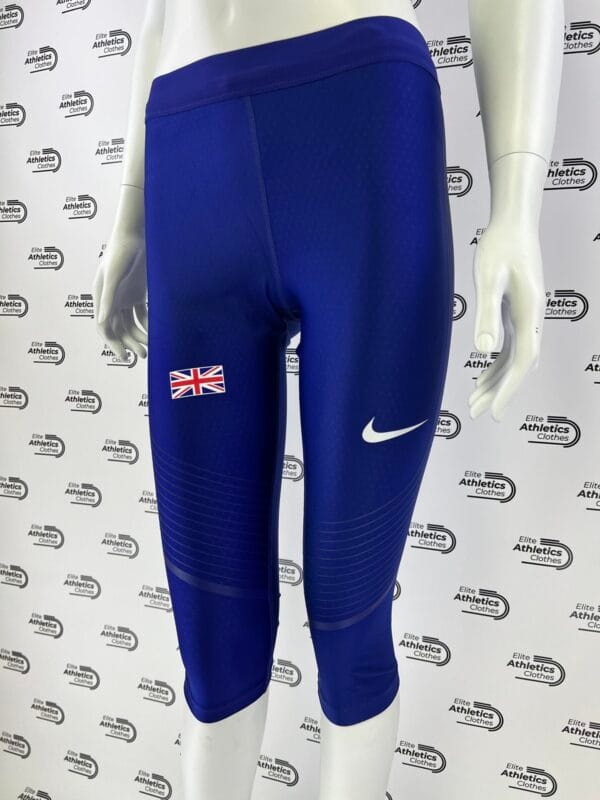 Nike Great Britain Pro Elite 2019 Women Capri Long Tights100,00 €View Piece →
When should runners switch from shorts to long tights?
The most-cited threshold is around 45°F (7°C): below it, running guides recommend tights or capris. Cold tolerance is personal — some runners stay in shorts below 30°F — and the standard rule is to dress as if it were 10 to 20°F warmer than the forecast, since running generates that much heat.
What are running tights made of?
Synthetic stretch knits with roughly 20–28% elastane — verified examples include 75/25 polyester-elastane and 80/20 polyamide-elastane. Winter versions add brushed or fleece-backed interiors, and premium thermal pairs use merino blends with windproof panels.
Why do running tights have ankle zips?
So they come on and off over shoes or spikes. Track and cross-country athletes warm up in tights and strip them minutes before racing; zips at the leg opening make that change possible without removing footwear.
Do elite athletes race in long tights?
Sometimes — mainly in cold-weather events. Cross country, run through autumn and winter, is where tights most often appear on start lines. On the track, sprinters warm up in tights but race in briefs or half tights whatever the temperature.
How should running tights fit?
Comfortably snug: fabric flush against the skin so wicking works, with full freedom at the knee. Running tights are not compression garments — a pair that restricts the stride is the wrong size, and one that bags at the knee defeats its own insulation.
Sources and References
- Marathon Handbook — what to wear running at every temperature — the 45°F threshold, dress-warmer rule
- REI — running clothing and layering guidance — base-layer role, snug fit for wicking
- Tracksmith — Turnover and NDO tights specifications — fabric compositions, thermal construction
- Wikipedia — cross country running (equipment) — tights in cold-conditions racing