

Finland
A Finn won every Olympic men’s 10,000 m from 1912 to 1936, and Finnish javelins have brought home nine Olympic golds. Athletics is Finland’s biggest Olympic sport — 114 medals — and the wait for the next gold has run since Atlanta 1996.
Finland’s athletics history is the purest golden era the sport has produced: 114 Olympic athletics medals (48 gold), a Finnish winner in every Olympic men’s 10,000 m from 1912 to 1936, nine Olympic javelin golds, the first World Championships ever staged (Helsinki 1983) — and no Olympic athletics gold since Heli Rantanen’s javelin in Atlanta 1996.
Between Hannes Kolehmainen’s three golds in Stockholm and the Berlin sweep of 1936, Finnish runners and throwers treated the Olympic distance races and the javelin as home turf; Paavo Nurmi alone left with nine golds. The decades since have been leaner, honestly so, and both halves of the story are told below. This is the complete history of athletics in Finland.
Finland’s kit history runs from Karhu spikes on the Flying Finns to Craft on today’s national team. Explore authentic race-issued kit at Elite Athletics Clothes — real pro elite gear, straight from team channels, never replicas.
- Federation
- Suomen Urheiluliitto (SUL), member of World Athletics
- Olympic athletics medals
- 114: 48 gold · 36 silver · 30 bronze — Finland’s biggest Olympic sport
- The streak
- Every Olympic men’s 10,000 m from 1912 to 1936 was won by a Finn
- The national event
- 9 Olympic javelin golds, from Myyrä '20 to Rantanen '96
- Nurmi
- 9 golds + 3 silvers from 12 Olympic events, 1920–28
- First Worlds ever
- Helsinki staged the first World Championships (1983) — and again in 2005
- Last Olympic gold
- Heli Rantanen, javelin, Atlanta 1996 (67.94 m)
- Kit supplier
- Craft, under a SUL deal through the LA 2028 Olympics · historically Karhu shod the Flying Finns
The Origins of Track and Field in Finland
Organised track and field arrived in Finland club by club in the late nineteenth century, through gymnastics halls and local sports societies, and it found ground that suited it: long distances, long winters, and a habit of measuring effort in silence. Within a generation the sport had become the young country’s proving ground.
The breakthrough came at Stockholm in 1912. Hannes Kolehmainen won three golds — the 5000 m, the 10,000 m and the individual cross country — and added a team cross-country silver. His 5000 m victory, 14:36.6 to beat Jean Bouin by half a metre, was the first sub-15-minute run and the first ratified world record at the distance. At the same Games Julius Saaristo won the two-handed javelin, an event that appeared at one Olympics only, and took silver in the standard throw.
Stockholm set the template Finnish athletics still lives by: distance running and the javelin, carried by athletes from small towns. The next quarter-century turned that template into the golden era Finns still measure everything against.
The Flying Finns: 1912–1936
Kolehmainen came back after the war and won the Antwerp 1920 marathon in 2:32:35.8. By then the next man was already on the track: Paavo Nurmi took the 10,000 m at those same Games, and for the rest of the decade the phrase “Flying Finns” meant the fastest distance runners on earth.
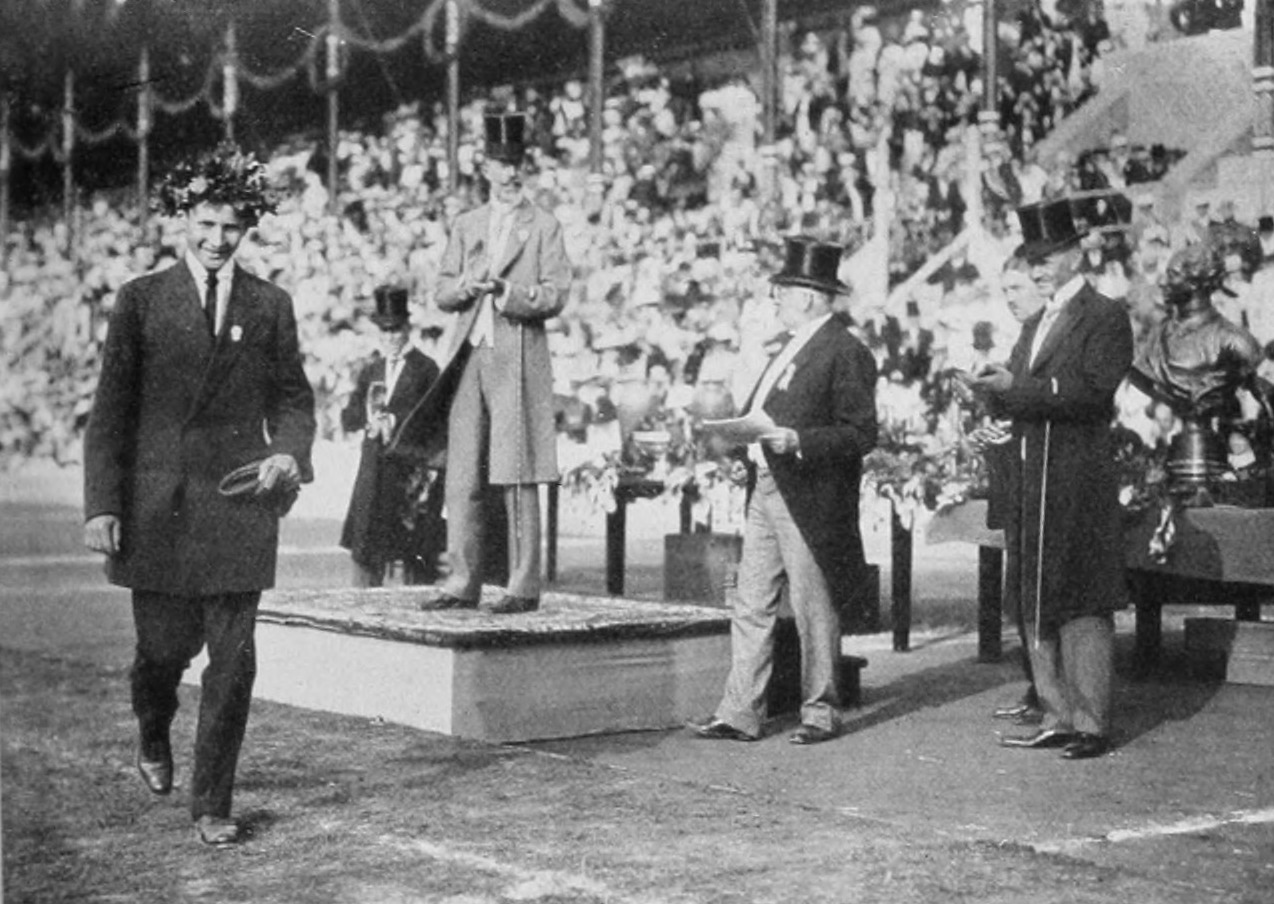

Paris 1924 was Nurmi’s masterpiece. On the afternoon of 10 July he won the 1500 m, waited while officials cleared the track, and lined up for the 5000 m final 52 minutes after the first race ended — and won that too. Five golds at a single Games remains the biggest athletics haul in Olympic history, and he had warmed up for it on 19 June by setting 1500 m and 5000 m world records in one Helsinki evening.
Ville Ritola’s Paris was nearly as absurd: four golds and two silvers at one Games, including a 10,000 m world record won by more than twelve seconds and a steeplechase won by 75 metres. In Amsterdam in 1928 he beat Nurmi for the 5000 m title. Nurmi closed his career with exactly nine golds and three silvers from twelve Olympic events — still tied for the most athletics golds ever.
The era ended in two acts. Days before the 1932 Games, an IAAF council rejected Nurmi’s entries over amateur-status allegations in a Swedish-led case — he never got the marathon gold he had trained for, and he was never formally declared a professional. Then Berlin 1936 gave the golden era one last blaze: Finnish runners took seven of the nine medals across the steeplechase, 5000 m and 10,000 m, including a full 10,000 m podium sweep led by Ilmari Salminen. Sixteen years later, when Helsinki finally hosted the Games in 1952, it was Nurmi who carried the flame into the stadium and Kolehmainen who lit the flame at the top of the stadium tower.
Finland’s Greatest Athletes
Six careers carry most of the story: the man who started it in Stockholm, the two Paris rivals who divided the 1920s between them, the quiet double-double runner of the 1970s, the most decorated Finnish thrower of the world-championships era, and the vaulter who owns the present.
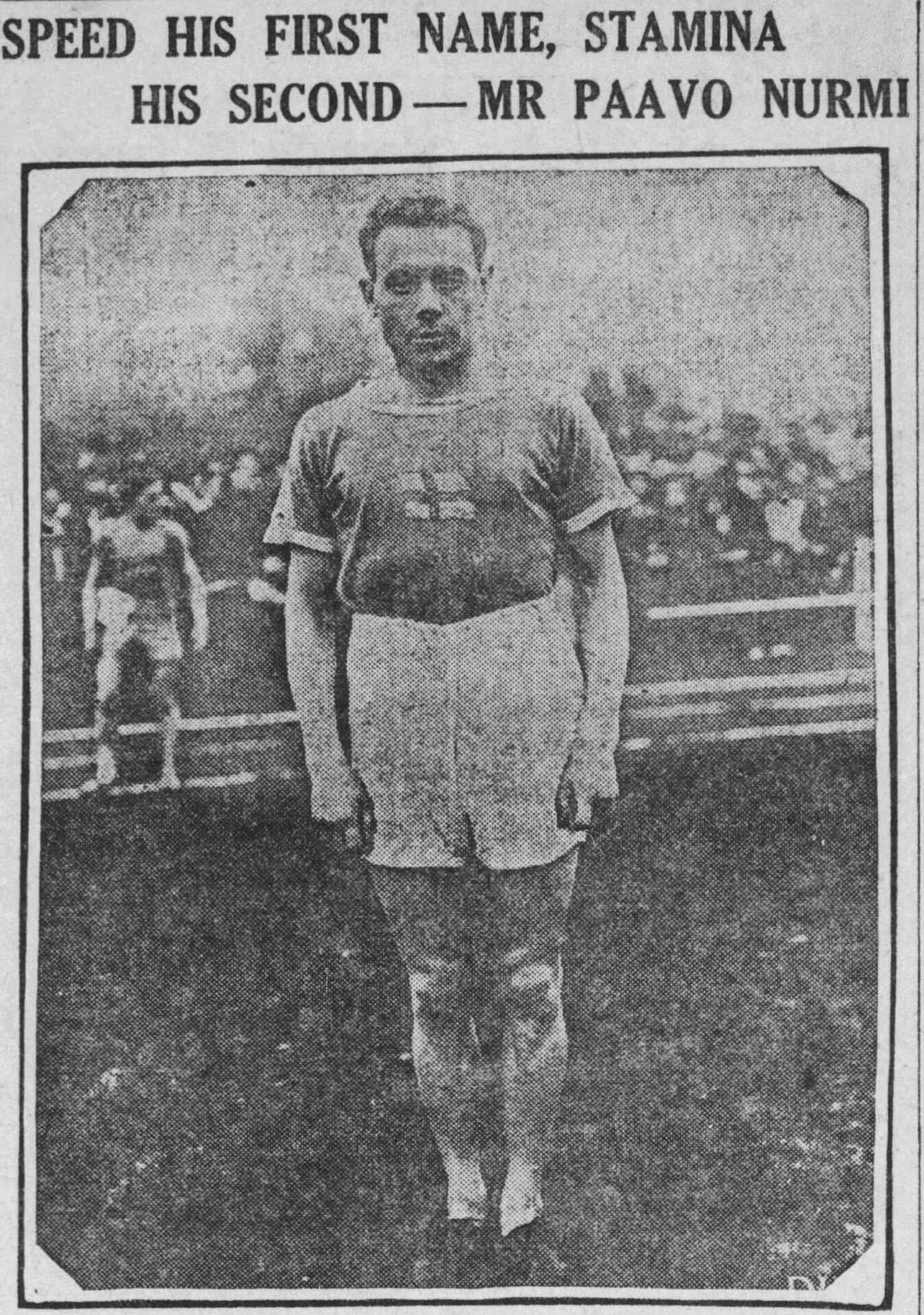

Hannes Kolehmainen
Three golds in Stockholm in 1912 — 5000 m, 10,000 m and cross country — plus a team silver. His 14:36.6 in the 5000 m beat Jean Bouin by half a metre: the first sub-15 and the first ratified world record at the distance. Eight years later he came back and won the Antwerp marathon in 2:32:35.8.
Paavo Nurmi
Nine Olympic golds and three silvers from twelve events. In Paris in 1924 he won the 1500 m and the 5000 m on the same afternoon, the second final starting 52 minutes after the first ended. Banned days before the 1932 Games over amateur-status allegations, he never got the marathon gold he wanted — but in 1952 he carried the Olympic flame into the Helsinki stadium.
Ville Ritola
Four golds and two silvers at Paris 1924 alone: the 10,000 m in a world record by more than twelve seconds, the steeplechase by 75 metres, the silvers behind Nurmi. In Amsterdam in 1928 he beat Nurmi himself for 5000 m gold — five golds and three silvers in all.
Lasse Virén
Fell mid-race in the Munich 1972 10,000 m final, got up, and won in a world record 27:38.35 — then took the 5000 m too. Four years later in Montreal he won both again. Nobody else has ever completed the 5000/10,000 double at consecutive Games.
Tero Pitkämäki
World champion in Osaka in 2007 with 90.33 m, silver in 2013, bronze in 2015 — three medals that make him Finland’s most-decorated World Championships athlete — plus Olympic bronze in 2008. He retired in August 2019.
Wilma Murto
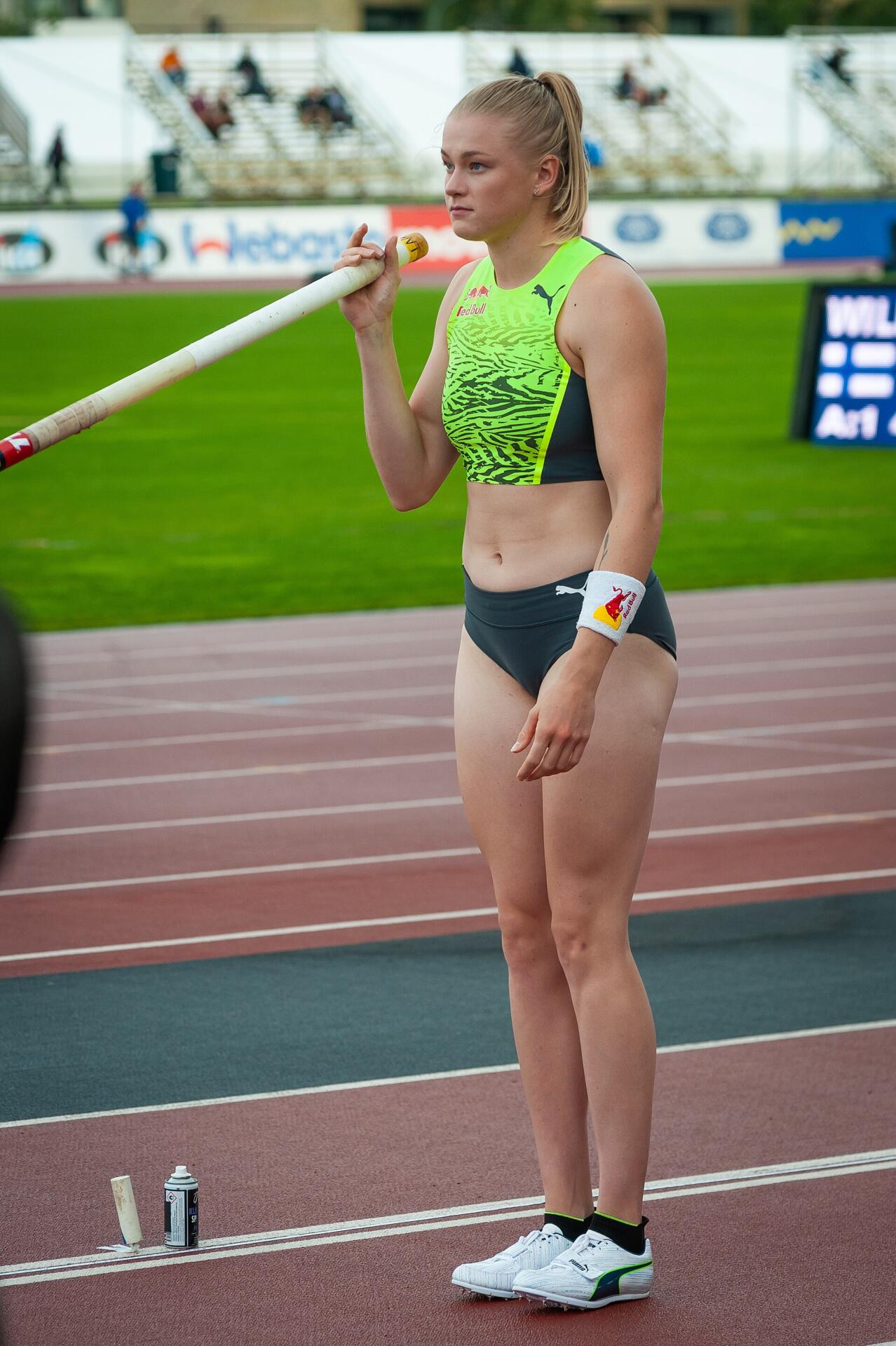
European champion in Munich in 2022 at 4.85 m — a national record and Finland’s first European gold in eight years — then world bronze in Budapest in 2023, taken at 4.80 m on countback. Still active, and still the national record holder outdoors and in (4.81 m indoors, Kuortane 2024).
One name missing above tells its own story. Seppo Räty, world javelin champion in Rome in 1987, produced the longest throw in the event’s history — 96.96 m at Punkalaidun on 2 June 1991 — with a javelin design that was outlawed within months. Every mark thrown with it was annulled from 20 September 1991, which is why Finland’s record books list Aki Parviainen’s 93.09 m instead, and why Räty’s official best is the 90.60 m he threw with the legal implement in 1992.
Olympic Achievements
Finland has won 114 Olympic athletics medals — 48 gold, 36 silver, 30 bronze — which makes athletics comfortably its biggest Olympic sport; wrestling, second on the list, has 83. (A few databases show 49 golds, a variance that comes down to how the one-off 1912 two-handed javelin is counted.) For a comparison: Finland’s entire Olympic total across all sports, summer and winter, is 486.
The javelin is the national event, and the numbers are blunt: nine Olympic golds. Saaristo in 1912, Jonni Myyrä in 1920 and 1924, Matti Järvinen in 1932, Tapio Rautavaara in 1948, Pauli Nevala in 1964, Arto Härkönen in 1984, Tapio Korjus in 1988, and Heli Rantanen — the first of the women — in 1996. At Antwerp in 1920 Finland took the first FOUR places; at Los Angeles in 1932 Järvinen led an all-Finnish podium with Sippala and Penttilä, in the middle of a stretch in which he broke the world record ten times in a row between 1930 and 1936. Nevala, the Tokyo 1964 champion, died in June 2025 at 84.
The 1970s brought one last track revival. In Munich in 1972 Lasse Virén fell in the 10,000 m final, got back up and won it in a world record, added the 5000 m, and Pekka Vasala beat Kip Keino for the 1500 m title in 3:36.3 at the same Games. Virén then repeated both wins in Montreal in 1976. Since Rantanen’s Atlanta gold the Olympic account reads: Tero Pitkämäki’s javelin bronze in 2008, and Antti Ruuskanen’s 2012 silver — upgraded after a doping disqualification and handed over in 2017.
What the golden era actually looked like, final by final, fits on two rows of podiums.
The golden era, podium by podium
Each glyph is one Olympic podium; a gold-filled step is a Finnish placing verified in our sources. The 1916 Games were cancelled by war. Where sources itemise only the winner, only the top step is filled. Antwerp 1920 gets a fourth step because Finland took the top FOUR in the javelin. Hover or tab onto a podium for names and marks. Sources: Wikipedia (Flying Finn; Finland at the 1920 Summer Olympics; Matti Järvinen), Olympedia, World Athletics Heritage.
View the data
| Games | Event | Finnish placings |
|---|---|---|
| Stockholm 1912 | 10,000 m | Gold — Hannes Kolehmainen |
| Antwerp 1920 | 10,000 m | Gold — Paavo Nurmi |
| Paris 1924 | 10,000 m | Gold — Ville Ritola (world record) |
| Amsterdam 1928 | 10,000 m | Gold — Paavo Nurmi |
| Berlin 1936 | 10,000 m | Gold — Ilmari Salminen · silver — Askola · bronze — Finland (full sweep) |
| Stockholm 1912 | Javelin | Gold — Julius Saaristo (two-handed event) · silver — Saaristo (standard event) |
| Antwerp 1920 | Javelin | Gold — Myyrä 65.78 (OR) · silver — Peltonen 63.50 · bronze — Johansson 63.09 · 4th — also Finland |
| Paris 1924 | Javelin | Gold — Jonni Myyrä |
| Los Angeles 1932 | Javelin | Gold — Matti Järvinen 72.71 · silver — Sippala · bronze — Penttilä (full sweep) |
World Championship Achievements
The World Championships were born in Finland. Helsinki’s Olympic Stadium staged the first-ever edition in 1983, and the home crowd got the finish it wanted: Tiina Lillak, trailing until her final throw, put the javelin out to 70.82 m in front of 54,700 people. She had set a world record of 74.76 m that same June. Arto Bryggare added 110 m hurdles silver and Martti Vainio 5000 m bronze at the same championships.
All told Finland has 23 outdoor world championship medals — 7 gold, 8 silver, 8 bronze — and the gold list is its own portrait of the country: Lillak’s javelin in 1983, Seppo Räty’s javelin in Rome 1987, Kimmo Kinnunen’s javelin in Tokyo 1991, Sari Essayah’s 10 km walk in Stuttgart 1993, Valentin Kononen’s 50 km walk in Gothenburg 1995, Aki Parviainen’s javelin in Seville 1999 (89.52 m) and Pitkämäki’s javelin in Osaka 2007 (90.33 m). Five of the seven are javelin golds; Pitkämäki’s three career medals make him Finland’s most decorated athlete at the event.
Helsinki hosted again in 2005 — one medal, Tommi Evilä’s long jump bronze — and the most recent Finnish medal is Wilma Murto’s pole vault bronze in Budapest in 2023, secured at 4.80 m on countback. The lean editions are part of the honest record too: 2003, 2009, 2011, 2017, 2019, 2022 and Tokyo 2025 all ended without a Finnish medal.
Running Culture in Finland
Finnish running culture has a one-word explanation that Finns themselves are careful not to overuse: sisu — the stubbornness to keep pressing when a race turns hostile. Virén picking himself up off the Munich track and running back through the field to a world record is the picture most often reached for, and it is a fair one.
The home crowd has had its own nights. At the 1971 European Championships in Helsinki, Juha Väätäinen won the 10,000 m in a national record 27:52.78 and then took the 5000 m with a 53.0-second last lap — a double run entirely in front of his own public.
Away from championships, running in Finland is a habit before it is a sport: forest trails in summer, lit tracks through the winter dark, club nights that feed the Kaleva Games. The 54,700 who roared Lillak’s final throw home in 1983 did not appear from nowhere — it is the same public that still treats a televised javelin final as a national event.
The Club System and Finnkampen
Finnish athletics is organised the Nordic way: local clubs feed a national federation, Suomen Urheiluliitto (SUL), and the domestic season builds to the Kaleva Games, the national championships. Most of the names in this article surfaced there first, in club vests, long before a Finland singlet.
The fixture that matters most is Finnkampen — the annual Finland–Sweden dual meet, played home and away between Helsinki and Stockholm. From the Finnish side it is less a meet than an audit: every event scored, every point counted against the neighbour, and a weekend in which athletics owns Finnish television in a way no medal table does. It is also, along with the Kaleva Games and the Motonet GP circuit, where the national-team kit gets its widest domestic audience.
The founding generation still names the calendar: the Paavo Nurmi Games in Turku are the country’s marquee international meeting, and in 2022 they produced a very Finnish result — Oliver Helander throwing 89.83 m to beat Neeraj Chopra and Anderson Peters.
The Current State of Finland Athletics
The modern high-water mark came in Munich in 2022, when Wilma Murto won the European pole vault title at 4.85 m — a national record, and Finland’s first European gold in eight years — and Topi Raitanen won the 3000 m steeplechase at the same championships. In March 2025 Saga Vanninen went one better in Nanjing: World Indoor pentathlon champion with 4821 points, the first Finnish woman to win a senior global combined-events title.
The hard numbers around those wins are harder. At Paris 2024 Finland won zero medals in the entire Games — the first Finnish Summer Olympics ever without one, ending a streak of 50 Games — with Murto sixth in the pole vault final among the best placings. At the Tokyo 2025 Worlds a 28-athlete team (7 men, 21 women) again came home without a medal: Vanninen was seventh in the heptathlon with 6396, Alisa Vainio fifth in the marathon in 2:28:32 for the team’s best result, Murto had no height in qualifying, and all three javelin men went out in qualifying. At the Toruń World Indoors in March 2026, Vanninen — injured — could not defend her title.
The kit, at least, is settled. Craft, the Swedish sportswear brand, supplies the Finnish national team under a SUL partnership — run through the distributor Trexet Finland, in place since 2019 and renewed through the LA 2028 Olympics — worn at every championships and across the televised meets, Finnkampen included.
The deeper kit story is Finnish, and it is one of the best in the sport. Karhu — founded in Helsinki in 1916 as Oy Urheilutarpeita and renamed in 1920 — made the birch javelins, the discs and the spikes the Flying Finns ran in: Kolehmainen, Ritola and Nurmi all wore them, Antwerp’s javelin sweep was thrown on its implements, and at Helsinki 1952 there were fifteen gold-medal performances in Karhu, three of them Emil Zátopek’s. And in 1952 Karhu sold its three-stripes trademark to a German company called adidas — for roughly €1,600 and two bottles of whisky. Race-issued Finnish kit carries all of that history, which is exactly why so little of it ever reaches the open market.
Future Stars and Emerging Talents
The next Finnish push is unusually broad for a lean spell: a global combined-events champion born in 2003, a reigning European steeplechase champion, the biggest javelin arm since Pitkämäki, and a marathoner rewriting the national record book.
Saga Vanninen
World indoor pentathlon champion in Nanjing in March 2025 with 4821 points — the first Finnish woman to win a senior global combined-events title — after world indoor silver in Glasgow in 2024 and European indoor gold in Apeldoorn in 2025. Seventh in the Tokyo 2025 heptathlon with 6396; an injury kept her from defending her world indoor title in Toruń in March 2026.
Topi Raitanen
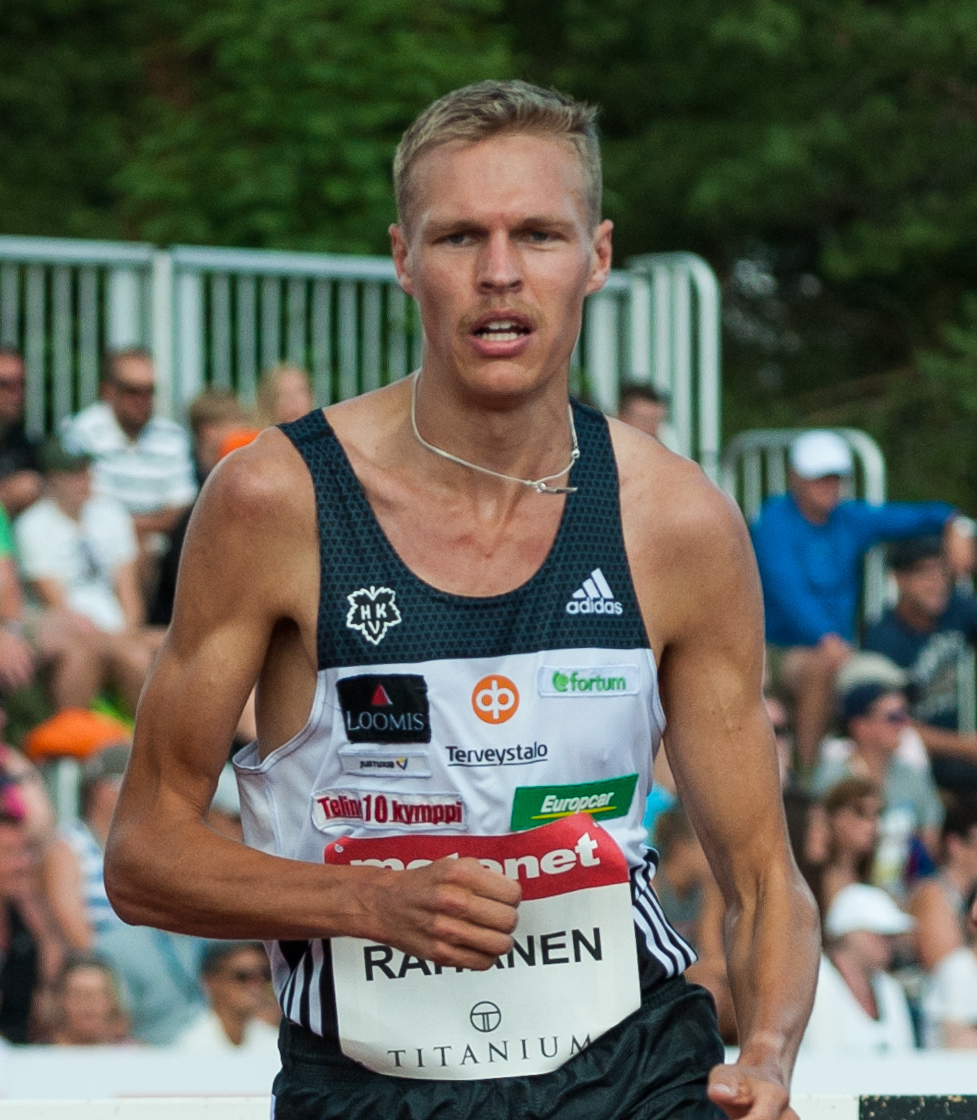
European champion in Munich in 2022 in 8:21.80 — one half of Finland’s double-gold championships alongside Murto. He missed the Tokyo 2025 team, but the Finnish steeple picture widened there anyway: Ilona Mononen ran a 9:21.02 national record in the heats.
Oliver Helander
One of the biggest arms in the event: 89.83 m at the Paavo Nurmi Games in Turku in 2022 to beat Neeraj Chopra and Anderson Peters, plus a European bronze medal. Out in qualifying at 79.75 m in Tokyo 2025 — but when the arm comes right, he is Finland’s likeliest next global javelin finalist.
Alisa Vainio
Finland’s best result at the Tokyo 2025 Worlds — fifth in the marathon in 2:28:32 — and the current national record holder at 2:20:39, set in Seville in February 2026.
Finland Records & Historic Milestones
The Finnish record book mixes very old ink with very fresh ink. Martti Vainio’s 10,000 m mark has survived since 1978; Santtu Heikkinen’s 1500 m record and Alisa Vainio’s marathon record were both set in 2026. And one famous number belongs in the ledger precisely because it does not count.
That last line deserves its plain statement: Räty’s 96.96 m is the longest javelin throw in history and it is not the Finnish record, because the implement it was thrown with was banned and every mark made with it annulled from 20 September 1991. The record is Parviainen’s 93.09 m from Kuortane in 1999. As for the biggest milestone still open — Heli Rantanen’s Atlanta javelin gold turns thirty years old on 27 July 2026, and no Finnish athletics gold has followed it yet. The next one will end the longest wait in the sport’s proudest country.
Shop Athletics Apparel
There is no Finland rail in the archive yet, and there is a reason: race-issued Finnish kit — Craft on the current national team — leaves team channels in tiny numbers, and Craft-era Finland pieces are among the hardest national-team items to source anywhere. While we hunt for them, these are the latest athlete-issued arrivals in the Elite Athletics Clothes archive — real pro elite gear, never replicas.
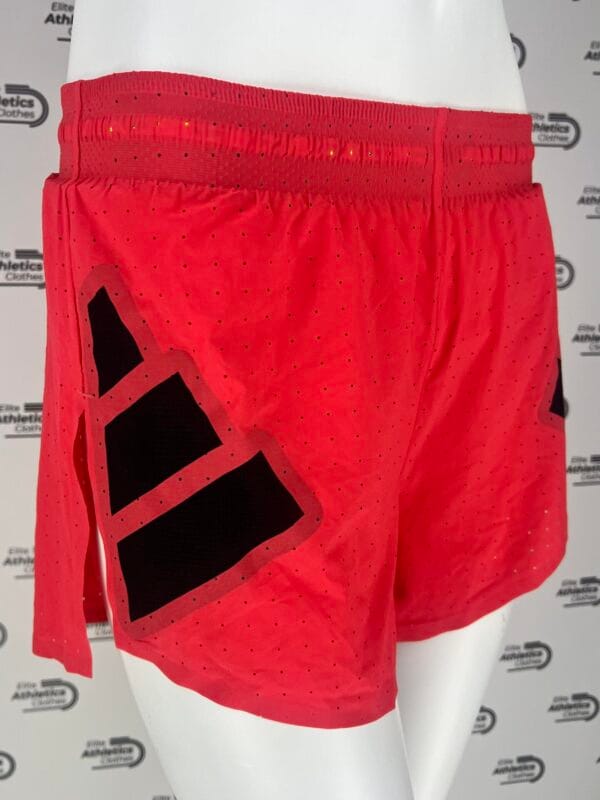 Adidas Pro Elite Team 2025 Road to Records Women Running Shorts180,00 €View Piece →
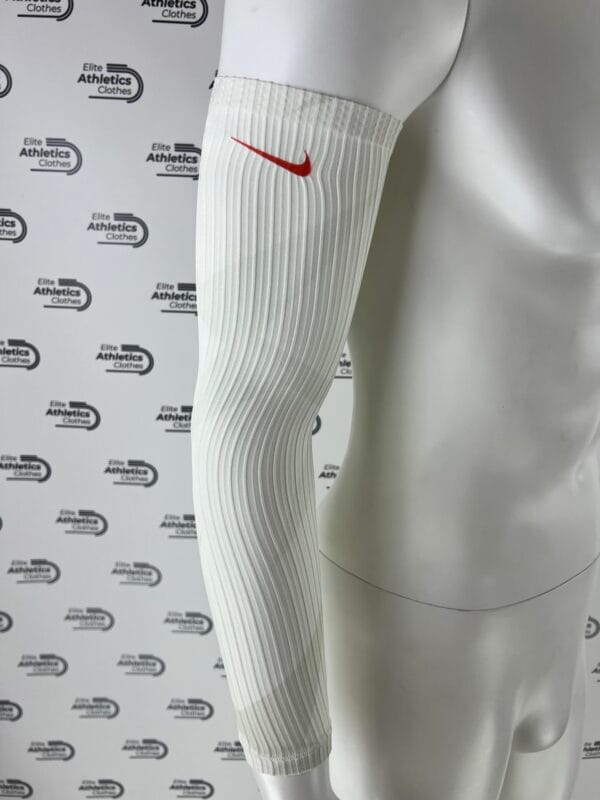 Nike NN Running Team Pro Elite 2022 Arm Sleeves150,00 €View Piece →
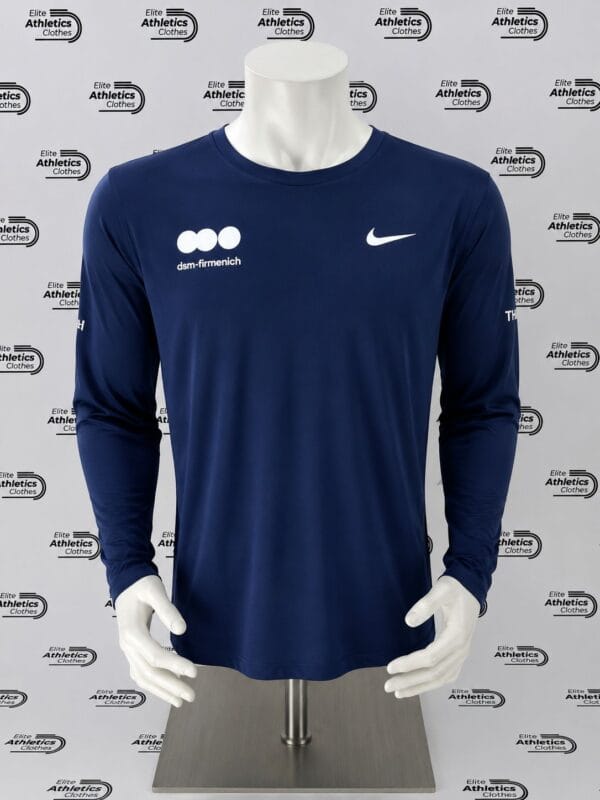 Nike DSM-Firmenich Team Pro Elite 2026 Training Long Sleeves Shirt180,00 €View Piece →
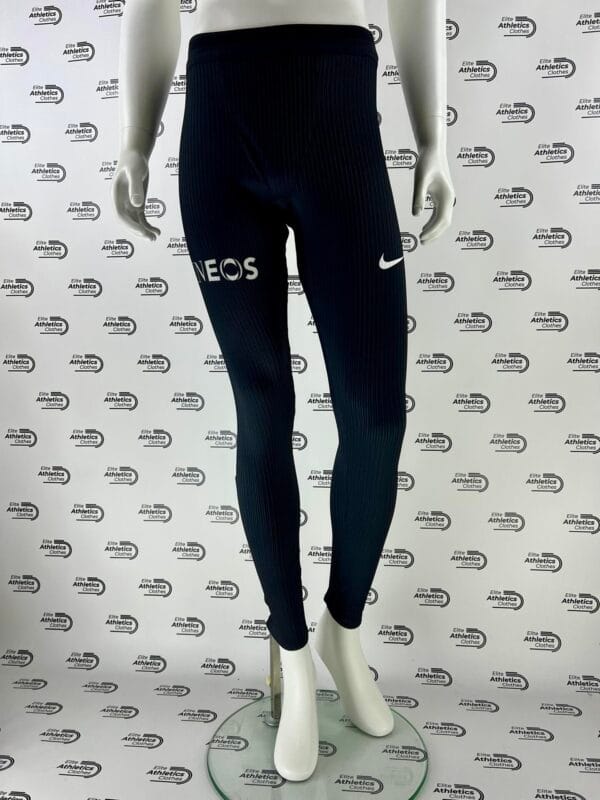 RARE INEOS X Nike NN Running Team Pro Elite 2022 Long Tights
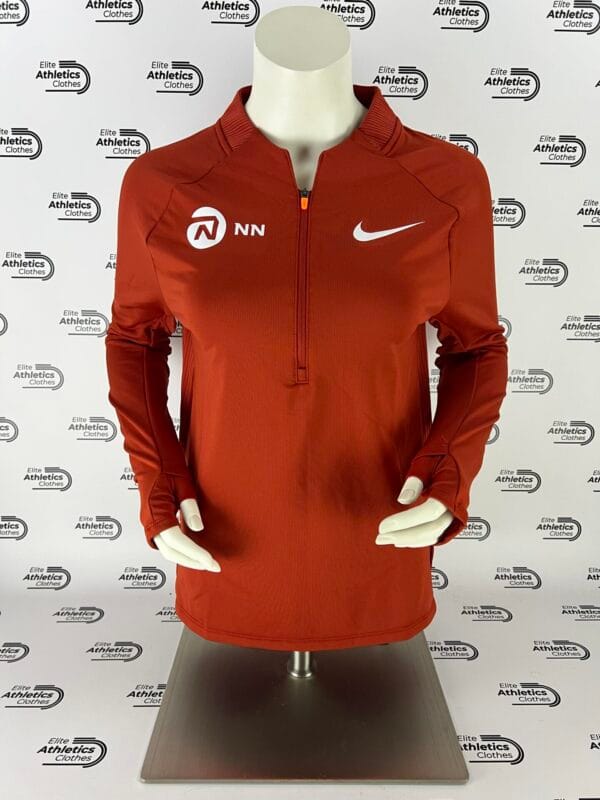 INEOS X Nike NN Running Team Pro Elite 2023 Women Half Zip Jersey180,00 €View Piece →
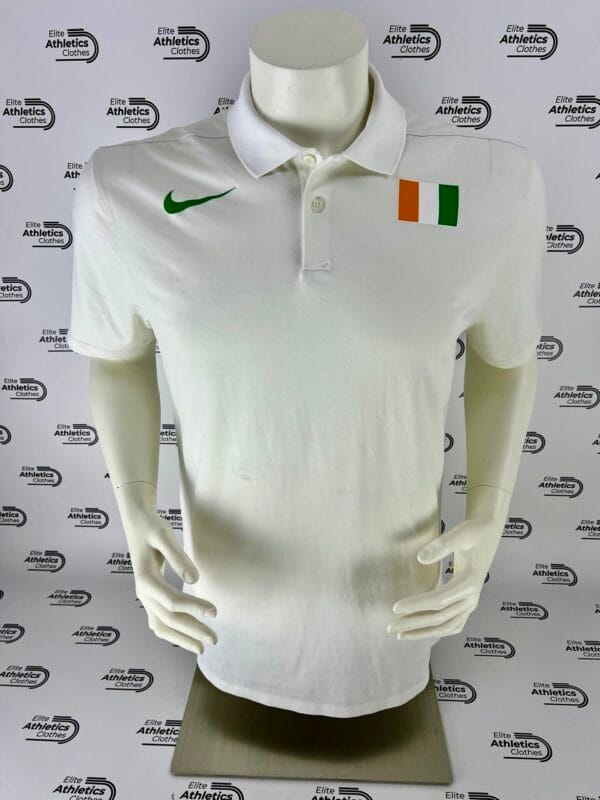 Nike Côte D’Ivoire Pro Elite 2019 Polo
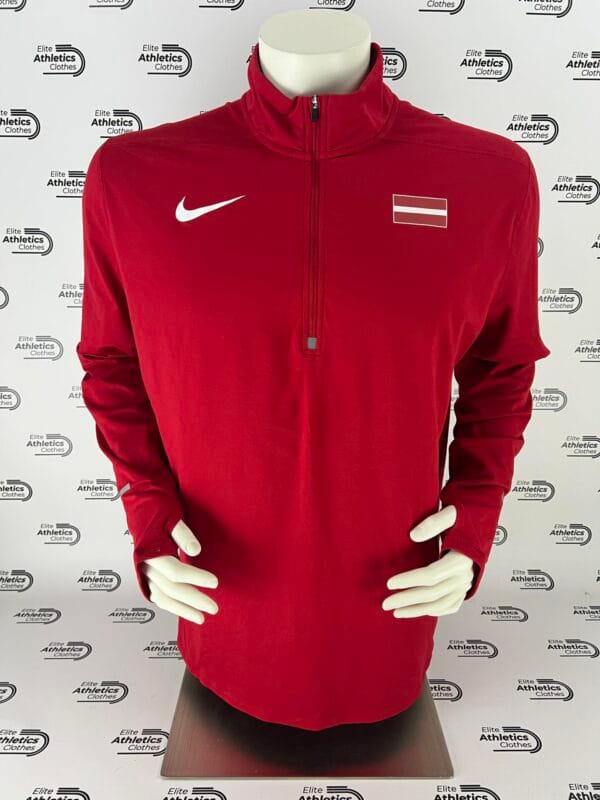 Nike Latvia International Team 2019 Pro Elite Half Zip Jersey120,00 €View Piece →
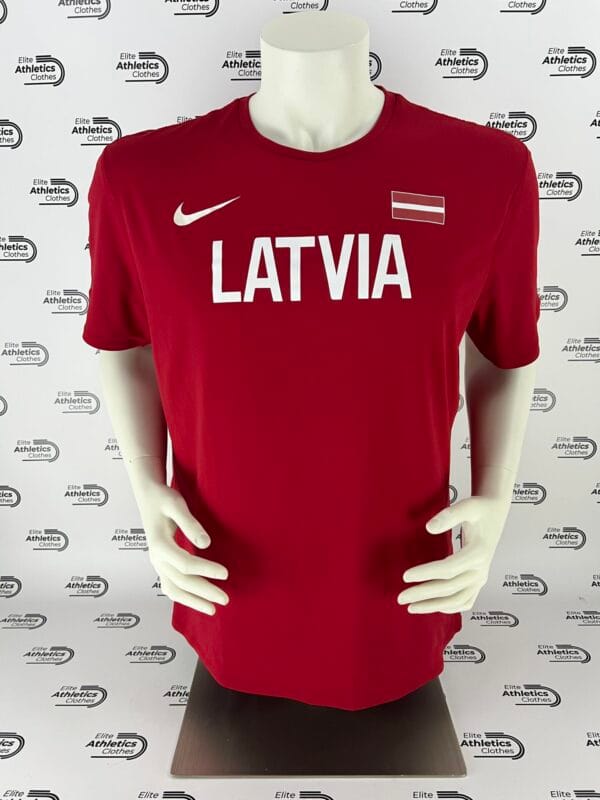 Nike Latvia International Team 2019 Pro Elite T-Shirt100,00 €View Piece →
How many Olympic athletics medals has Finland won?
Finland has won 114 Olympic athletics medals: 48 gold, 36 silver and 30 bronze. Athletics is Finland’s biggest Olympic sport by a wide margin — wrestling, in second place, has 83 medals.
Who was the greatest Flying Finn?
Paavo Nurmi. He won nine Olympic golds and three silvers from twelve events between 1920 and 1928 — still tied for the most athletics golds in Olympic history — including the 1500 m and 5000 m in Paris in 1924, won on the same afternoon with the second final starting 52 minutes after the first ended.
Why is Finland so good at javelin?
Nine Olympic javelin golds — more than any other nation’s haul in the event — plus five world titles, a sweep of the top FOUR places at Antwerp 1920 and a full podium sweep at Los Angeles 1932. Matti Järvinen alone broke the world record ten times in a row in the 1930s. The javelin is Finland’s national event, from Myyrä in 1920 to Rantanen in 1996.
When did Finland last win Olympic athletics gold?
Atlanta 1996, when Heli Rantanen won the women’s javelin with 67.94 m. No Finnish athletics gold has followed; the most recent Olympic athletics medals are Tero Pitkämäki’s javelin bronze in 2008 and Antti Ruuskanen’s upgraded 2012 silver.
What is the Finnish javelin record — didn’t Seppo Räty throw 96.96 m?
The Finnish record is 93.09 m, thrown by Aki Parviainen in Kuortane in 1999. Räty’s 96.96 m from 1991 — the longest throw in javelin history — was made with a modified javelin design that was banned soon afterwards, and every mark thrown with it was annulled from 20 September 1991. Räty’s best with the legal implement is 90.60 m.
Who makes Finland’s athletics kit today?
Craft, the Swedish sportswear brand, supplies the Finnish national team under a deal with the federation (SUL) that runs through the LA 2028 Olympics. Historically the kit story is Finnish: Helsinki-founded Karhu made the spikes and javelins of the Flying Finns — and in 1952 sold its three-stripes trademark to adidas for roughly 1,600 euros and two bottles of whisky.
Where can I buy authentic Finland athletics apparel?
Race-issued Finland kit is genuinely scarce — Craft-era national-team pieces rarely leave team channels — and there is no dedicated Finland category yet. The Pro Elite archive at Elite Athletics Clothes is the place to watch: authentic athlete-issued pieces from national teams and pro training groups, never replicas, with new arrivals as they surface.
Sources and References
- Finland at the Olympics (Wikipedia) — confirms the 48-36-30 (114) Olympic athletics medal count and athletics as Finland’s top Olympic sport.
- Finland — Olympedia — independent cross-check of the Olympic athletics medal table.
- Flying Finn (Wikipedia) — confirms the 1912–1936 Olympic 10,000 m streak and the Berlin 1936 haul: 7 of 9 distance medals with a full 10,000 m sweep.
- Paavo Nurmi’s five Paris victories (World Athletics Heritage) — confirms the 1500/5000 double of 10 July 1924, won 52 minutes apart, and the five-gold Games.
- Paavo Nurmi (Wikipedia) — confirms the 9 golds + 3 silvers from 12 events and the 1932 ban.
- Hannes Kolehmainen heritage plaque (World Athletics) — confirms the 1912 triple and the first ratified 5000 m world record (14:36.6).
- Ville Ritola (Wikipedia) — confirms 4 golds + 2 silvers at Paris 1924 and the 1928 5000 m win over Nurmi.
- Lasse Virén (Wikipedia) — confirms the Munich 1972 fall-and-world-record 10,000 m (27:38.35) and the 1972/1976 double double.
- World Athletics Championships (Wikipedia) — confirms Helsinki as host of the first-ever Worlds (1983) and of 2005, and Finland’s 7-8-8 all-time medal table.
- The day Helsinki went crazy in 1983 (World Athletics) — confirms Lillak’s last-round 70.82 m before 54,700 and her 74.76 m world record that June.
- Seppo Räty (Wikipedia) — confirms the 96.96 m with the soon-banned javelin, the 20 September 1991 annulment, and his 90.60 m legal best.
- List of Finnish records in athletics (Wikipedia) — confirms Parviainen’s 93.09, Murto’s 4.85, Vainio’s 27:30.99 and the 2026 records (Heikkinen 3:34.89, Vainio 2:20:39).
- Finland at the 2024 Summer Olympics (Wikipedia) — confirms zero medals in Paris 2024 — the first medal-less Finnish Summer Games, ending a 50-Games streak.
- Finland at the 2025 World Athletics Championships (Wikipedia) — confirms the 28-athlete Tokyo 2025 team and results: Vanninen 7th, Vainio 5th, Mononen’s 9:21.02 NR, javelins out in qualifying.
- Vanninen wins world indoor pentathlon title (Yle) — confirms the Nanjing 2025 title (4821 points) — the first senior global combined-events title by a Finnish woman.
- Craft kit deal through 2028 (yleisurheilu.fi) — confirms Craft as SUL kit supplier via Trexet through the LA 2028 Olympics (source in Finnish).
- Karhu (Wikipedia) — confirms the Karhu story: founded Helsinki 1916, the Flying Finns’ spikes, Helsinki 1952, and the 1952 three-stripes sale to adidas.