
Colombia
One Olympic gold, a 34-final unbeaten streak, a 43.93 that still leads South America — and a walking school founded in the Boyacá highlands in 1980 that keeps turning Andean altitude into world titles. Colombia’s athletics history climbs on two rails, and a 22-year-old from Valledupar is adding new rungs to both.
Colombia has won five Olympic athletics medals — one gold, three silver, one bronze — and ten outdoor World Championship medals, built by two distinct schools: the jumpers, one-lap runners and throwers led by Caterine Ibargüen and Anthony Zambrano, and a race-walking programme founded in Boyacá in 1980 that has produced two world champions and an Olympic silver.
The account opened on 5 August 1992, when Ximena Restrepo’s 49.64 in Barcelona won bronze — a time that is still the South American 400 m record. It runs through Ibargüen’s unbeaten years and Rio gold, Zambrano’s 43.93, the walking titles of López and Arévalo, and on to Natalia Linares, whose world medals in 2025 and 2026 arrived before her 23rd birthday. This is the complete history of athletics in Colombia.
Colombia is one of the few nations with its own rail in the Elite Athletics Clothes archive — race-issued Nike Colombia Olympic Team Pro Elite kit from the Tokyo cycle, real team-issue gear, never replicas. Shop the Colombia collection.
- Olympic athletics medals
- 5: 1 gold · 3 silver · 1 bronze
- The only gold
- Caterine Ibargüen · triple jump · Rio 2016
- Oldest record standing
- Ximena Restrepo’s 49.64 (Barcelona '92) — still the South American 400 m record; she is now Senior VP of World Athletics
- World Championship medals
- 10 outdoor — Ibargüen owns 5 of them (2 gold)
- The walking titles
- López, Daegu 2011 (upgraded after Russian doping DQs) · Arévalo, London 2017
- Fastest man
- Anthony Zambrano · 43.93 Olympic silver, Tokyo — the South American 400 m record
- Longest throw
- Flor Denis Ruiz · javelin 66.70 (SA record, 2024) · world silver, Budapest 2023
- The current star
- Natalia Linares, 22: world long jump bronze Tokyo 2025 (6.92 NR) + world indoor bronze 2026
The Origins of Track and Field in Colombia
Colombia’s Olympic history starts with one runner and a letter. In 1932 there was no Colombian Olympic Committee, so Jorge Perry wrote to the IOC himself, was accepted as the country’s sole representative at the Los Angeles Games, and lined up in the marathon. He collapsed after roughly ten kilometres — and the IOC gave him a medal of merit for getting to the start line at all.
Four years later, Colombia sent its first real delegation to Berlin: five athletes, every one of them from track and field. The Colombian Olympic Committee was founded that same year, 1936. Before football, before cycling, before boxing, Colombia’s Olympic project began as an athletics project.
The medals took another half-century to arrive, and when they did they came down two separate tracks: a line of jumpers, one-lap runners and throwers that produced the country’s biggest star, and a race-walking school built in the Andes that produced its most reliable system. This article follows both.
Barcelona 1992: Restrepo’s Breakthrough
On 5 August 1992, Ximena Restrepo ran 49.64 in the Olympic 400 m final in Barcelona and took bronze. It was Colombia’s first Olympic athletics medal and the first Olympic medal won by a Colombian woman in any sport.
The time has aged even better than the medal. 49.64 is still the South American 400 m record in 2026, thirty-four years on — no Colombian, Brazilian or Argentine quarter-miler has touched it. Among the marks in this article, only Restrepo’s has survived from the twentieth century.
Restrepo never left the sport. Elected to the World Athletics Council in 2019, she became the federation’s Senior Vice-President — the first woman to hold the role — and in 2025 was elected to the ASOIF Council through 2027. The woman who opened Colombia’s medal account now helps govern the sport worldwide.
Colombia’s Greatest Athletes
Six careers carry most of the story: the triple jumper who did not lose for four years, the 400 m pioneer who now helps run World Athletics, the man who broke the South American 400 m record twice in two years, and the three walkers who turned a highland training school into world titles.
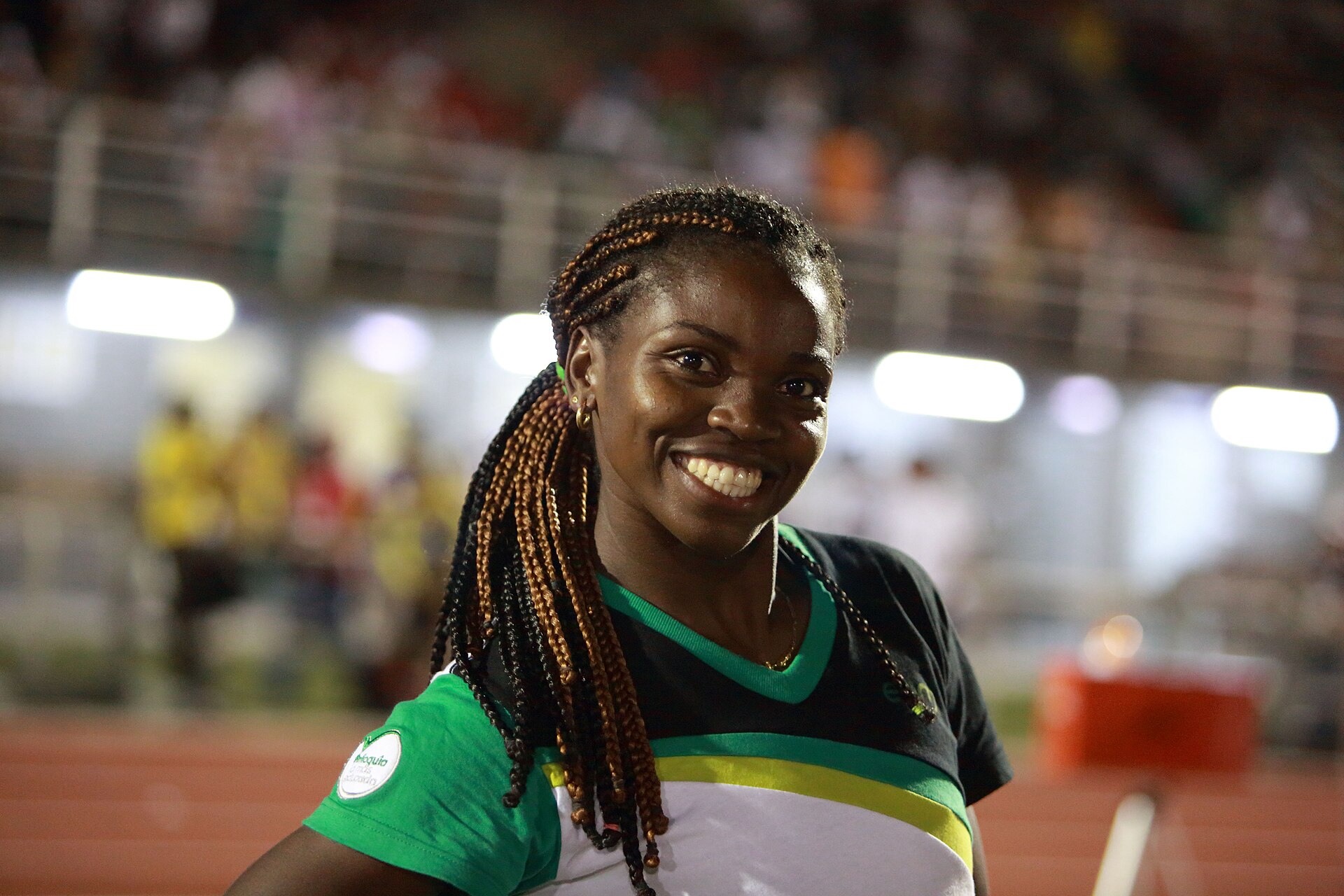
Caterine Ibargüen
Five World Championship medals, two of them gold, Olympic silver in London and Olympic gold in Rio — and between 2012 and 2016, 34 consecutive triple jump finals won. Her 15.31 m from Monaco in 2014 is still the Colombian record. She carried the flag in Tokyo and retired in August 2021, at 37.
Ximena Restrepo
Her 49.64 for bronze in Barcelona on 5 August 1992 was Colombia’s first Olympic athletics medal, the first Olympic medal by a Colombian woman in any sport — and it is still the South American 400 m record 34 years later. Today she is Senior Vice-President of World Athletics.
Anthony Zambrano
World silver in Doha in 44.15, then Olympic silver in the Tokyo final in 43.93 — breaking his own South American record and becoming the first Colombian man to win an Olympic track and field medal. An ankle injury ended his Paris 2024 campaign in the repechage round.
Luis Fernando López
Crossed the line third in Daegu in 1:20:38 for Colombia’s first Worlds medal of any colour. When the two Russians ahead of him were disqualified for doping, the bronze became gold: López is listed as the 2011 world champion, Colombia’s first.
Éider Arévalo
World champion in London in 2017 in 1:18:53, a lifetime best set on the biggest day of his career and Colombia’s second walking world title. Still racing in 2026, thirteen years after his first senior Worlds in Moscow.
Sandra Lorena Arenas
Olympic silver in the Tokyo 2020 women’s 20 km walk — the third global medal produced by the Boyacá school system — then an agonizing fourth at Paris 2024 in 1:27:03, one place off a second podium.
Ibargüen’s streak deserves its own paragraph. After taking silver at London 2012 she stopped losing: 34 consecutive triple jump competitions across four seasons, through world titles in Moscow and Beijing and Olympic gold in Rio, until Olga Rypakova — the woman she had chased in London — finally beat her in Birmingham in June 2016. In 2018, at 34, she won the Diamond League triple jump trophy in Zurich and the long jump trophy in Brussels on consecutive nights, two Diamond Trophies in one season, and was named IAAF Female Athlete of the Year.
Olympic Achievements
Colombia has won five Olympic athletics medals: one gold, three silver and one bronze. Restrepo opened the account in Barcelona in 1992; twenty years passed before Ibargüen added triple jump silver in London, then converted it to gold in Rio on 14 August 2016 — Colombia’s first and so far only Olympic athletics title.
The Tokyo Games doubled the haul in a single week. Anthony Zambrano ran 43.93 in the 400 m final — a South American record that still stands — to become the first Colombian man with an Olympic track and field medal, and Sandra Lorena Arenas took silver in the women’s 20 km walk, the walking school’s first Olympic podium.
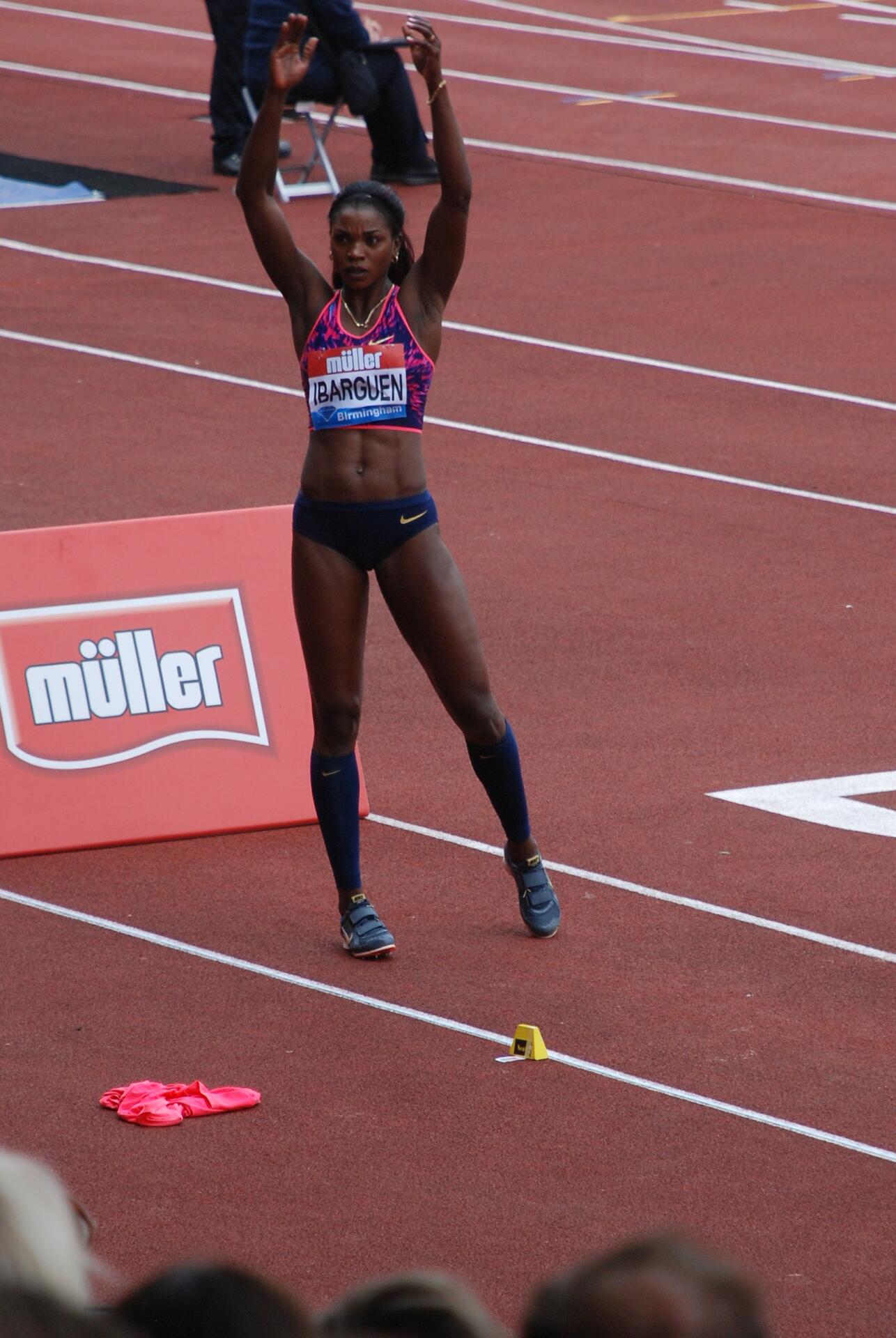
View the full Olympic ledger
| Athlete | Event | Games | Medal |
|---|---|---|---|
| Ximena Restrepo | 400 m · 49.64 | Barcelona 1992 | Bronze |
| Caterine Ibargüen | Triple jump | London 2012 | Silver |
| Caterine Ibargüen | Triple jump | Rio 2016 | Gold |
| Anthony Zambrano | 400 m · 43.93 SA record | Tokyo 2020 | Silver |
| Sandra Lorena Arenas | 20 km walk | Tokyo 2020 | Silver |
Paris 2024 was the reality check: no athletics medals, with Arenas fourth and Flor Ruiz fifth as the closest misses. The full picture of that team — and what has happened since — is in section 08.
World Championship Achievements
Colombia has ten outdoor World Championship medals, and the account opened twice in the same week. In Daegu in 2011, Luis Fernando López crossed the line third in the 20 km walk in 1:20:38 — the country’s first Worlds medal ever — and days later a 27-year-old Caterine Ibargüen took triple jump bronze.
López’s medal kept improving after he went home. The two Russians who finished ahead of him, Valeriy Borchin and Vladimir Kanaykin, were later disqualified for doping, their results annulled; by the time the reallocation was complete in 2016, López stood as the 2011 world champion. Colombia’s first world title was won in Daegu and confirmed five years later.
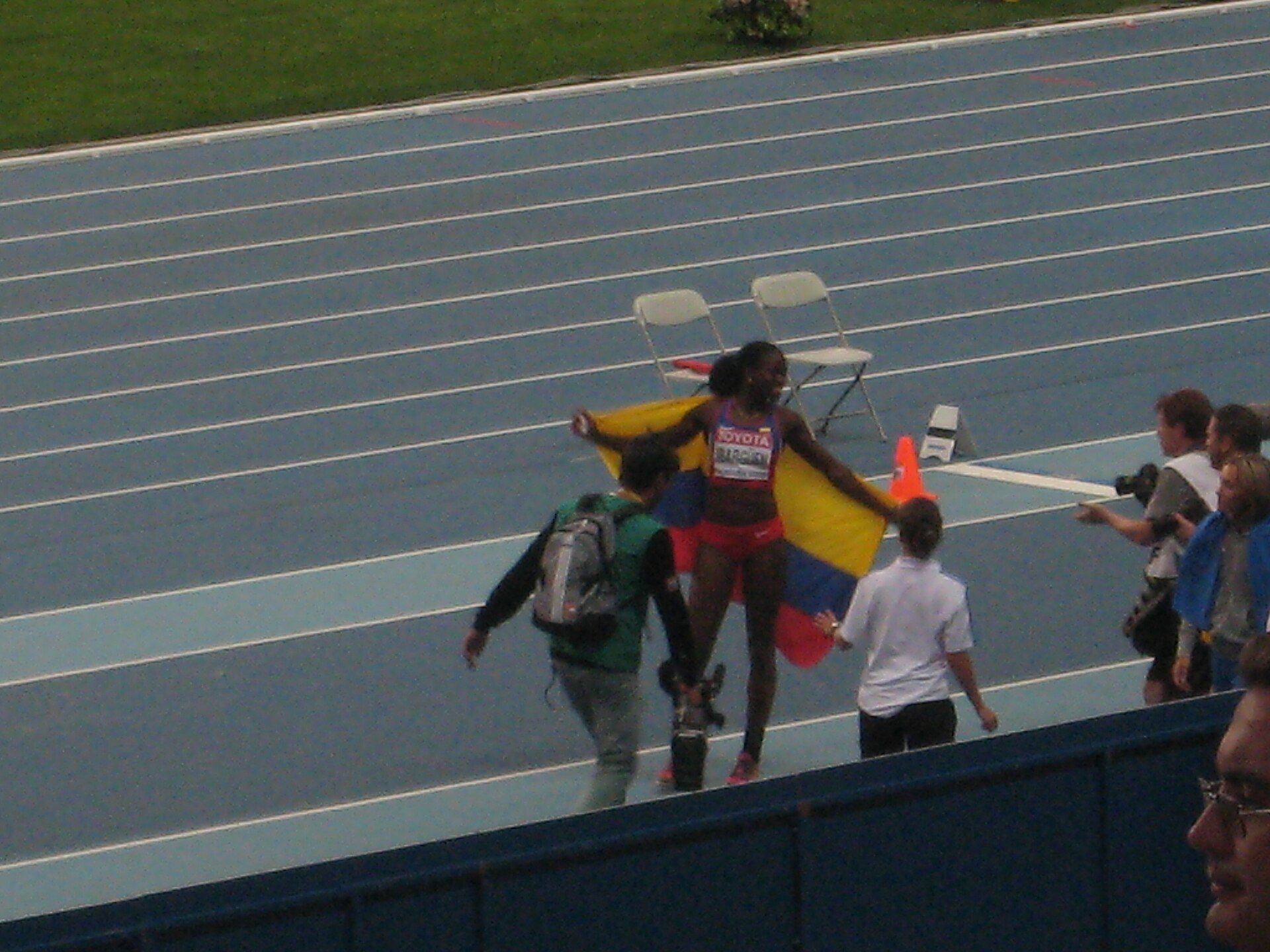
Ibargüen owns half the collection: five Worlds medals — gold in Moscow 2013 and Beijing 2015, silver in London 2017, bronzes in Daegu and Doha — making her Colombia’s most decorated athlete at the championships. Éider Arévalo added the second walking title in London 2017 in 1:18:53. Anthony Zambrano took 400 m silver in Doha in 44.15. Flor Denis Ruiz led the Budapest 2023 javelin final from her first-round 65.47 until Haruka Kitaguchi passed her with the last throw of the competition. And in Tokyo 2025, Natalia Linares jumped a 6.92 national record for bronze — behind only Tara Davis-Woodhall and Malaika Mihambo — then added world indoor bronze in Toruń in March 2026.
Two rails, one climb
Colombia’s two parallel schools, drawn as rails climbing by year — every global medal on the left came from the jumps, the one-lap events and the throws; every one on the right from the 20 km walk. Hover or tab onto a node for athlete, event and mark. Selected global medals; the complete ledgers are in sections 04 and 05. Source: Wikipedia (Colombia at the Olympics; Colombia at the World Athletics Championships), World Athletics.
View the data
| Year | Athlete | Medal | Event |
|---|---|---|---|
| 1992 | Ximena Restrepo | Olympic bronze | 400 m · 49.64 · Barcelona |
| 2011 | Luis Fernando López | World gold | 20 km walk · Daegu (upgraded) |
| 2012 | Caterine Ibargüen | Olympic silver | Triple jump · London |
| 2013 | Caterine Ibargüen | World gold | Triple jump · Moscow |
| 2015 | Caterine Ibargüen | World gold | Triple jump · Beijing |
| 2016 | Caterine Ibargüen | Olympic gold | Triple jump · Rio |
| 2017 | Éider Arévalo | World gold | 20 km walk · 1:18:53 · London |
| 2019 | Anthony Zambrano | World silver | 400 m · 44.15 · Doha |
| 2021 | Anthony Zambrano | Olympic silver | 400 m · 43.93 SA record · Tokyo |
| 2021 | Sandra Lorena Arenas | Olympic silver | 20 km walk · Tokyo |
| 2023 | Flor Denis Ruiz | World silver | Javelin · 65.47 · Budapest |
| 2025 | Natalia Linares | World bronze | Long jump · 6.92 NR · Tokyo |
| 2026 | Natalia Linares | World indoor bronze | Long jump · 6.80 · Toruń |
The Race-Walk School
Race walking reached Colombia in the 1960s and 70s through a handful of pioneers — Alaín Rodríguez, Enrique Peña, Ernesto Alfaro, Rafael Vega — competing on roads and tracks with no structure behind them. The structure came in 1980, when coach Enrique Peña founded a walking school in Boyacá, in the eastern Andean highlands.
The school’s first product was a family: the four Moreno brothers — Querubín, Héctor, Clodomiro and José Antonio. At the Los Angeles Olympics in 1984, Querubín finished ninth in the 20 km walk, Héctor twelfth and Francisco Vargas eighteenth; three years later, at the 1987 World Race Walking Cup in New York, Querubín was fourth and Colombia took third as a team, behind only Mexico and the Soviet Union. A country with no walking tradition twenty years earlier was suddenly a top-three walking nation.
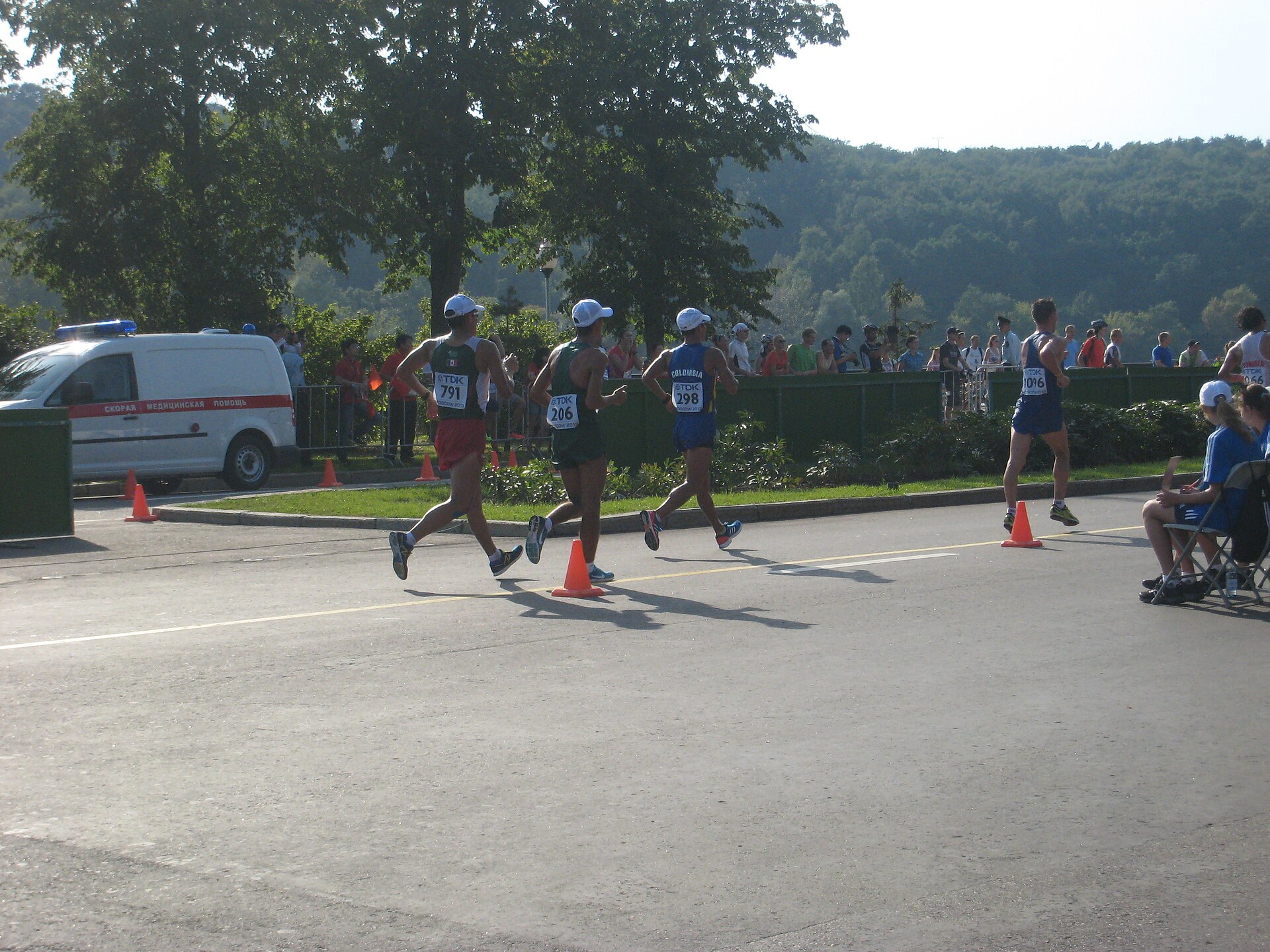
The lineage runs unbroken from Peña’s school to the present: López’s world title in 2011, Arévalo’s in 2017, Arenas’s Olympic silver in 2021. Three of Colombia’s thirteen global athletics medals — and two of its four world titles — have come from one event, the 20 km walk, out of one training system built in the highlands in 1980. No other Colombian sporting programme has produced at that rate for that long.
Altitude and the Highland Base
Geography does quiet work in this story. Bogotá sits at 2,640 m — the third-highest capital city in the world — and the Boyacá highlands where Peña built his school are of similar height. A Colombian walker does not travel to altitude for a training block; altitude is simply where home is, year-round, every season of a career.
The pattern in the medal table matches the map. Colombia’s endurance medals — all three walking podiums — trace back to the highland school, where athletes log every session in thin air and then descend to race at sea level. The explosive medals, in the jumps and the 400 m, come from a different athletic culture entirely. How much of the walkers’ success is physiology and how much is the school’s coaching and continuity is impossible to separate; what is certain is that the system and the altitude have always come as a package.
The Current State of Colombian Athletics
Paris 2024 was a hard Games. Colombia won four Olympic medals — in weightlifting, gymnastics and wrestling — but none in athletics. The near-misses stung: Sandra Arenas fourth in the 20 km walk in 1:27:03, Flor Ruiz fifth in the javelin final with 63.00, Martha Araújo seventh in the heptathlon, Arnovis Dalmero eleventh in the long jump, and Anthony Zambrano out at the repechage stage after an ankle injury.
Tokyo 2025 brought the reset. Colombia sent 18 athletes — nine men, nine women — and left with one medal that mattered more than the count: Natalia Linares’s long jump bronze with a 6.92 national record, the country’s first Worlds medal of the post-Ibargüen era. Ruiz was sixth in the javelin, Ronal Longa reached the 100 m semifinals in 10.21, and in March 2026 Linares added world indoor bronze in Toruń with 6.80. A generation born in the 2000s is now producing the medals.
The kit tells its own story. For the Tokyo 2020 Games, Colombia’s ceremonial and podium kit was made by Totto, the Colombian brand — a jaguar-inspired collection in the tricolor and dark blue, cut from fabric made in Colombia out of recycled plastic bottles. The competition garments were another matter: Nike-made Colombia Olympic track and field pieces from that cycle exist and circulate — Nike’s Pro Elite tier is its national-federation competition line — though no supply deal was ever trumpeted. One of those pieces, the Nike Colombia Olympic Team Pro Elite 2020 polo, anchors the Colombia collection at Elite Athletics Clothes.
Future Stars and Emerging Talents
For the first time since Ibargüen retired, the pipeline looks broad rather than dependent on one name: a world-medal long jumper who is still 22, a global-semifinal sprinter, a continental-record heptathlete and a second jumper on the men’s side.
Natalia Linares
The current face of Colombian athletics. Silver at the World U20 Championships in Cali in 2022 in front of a home crowd, world bronze in Tokyo 2025 with a 6.92 m national record, and world indoor bronze in Toruń in March 2026 with 6.80 m — two world medals before turning 23.
Ronal Longa
A 100 m semifinalist at the Tokyo 2025 World Championships, running 10.21 — sprint depth Colombia has rarely had at a global championship.
Martha Araújo
Set the South American heptathlon record of 6,475 points in mid-2025, a year after finishing seventh in the Paris Olympic final with 6,386 — the deepest combined-events run in Colombian history.
Arnovis Dalmero
Eleventh in the Paris 2024 Olympic long jump with 7.83 m, giving the men’s jumps a finalist-level presence alongside Linares on the women’s side.
Colombia Records & Historic Milestones
Four of the South American record book’s entries belong to Colombians — both 400 m records among them, one set in 1992 and one in 2021. The list below is the short version of everything above.
Three milestones frame the rest: Jorge Perry writing himself into the 1932 Olympics before Colombia had an Olympic committee; the week in Daegu in 2011 when the country went from zero Worlds medals to two; and Ibargüen’s 34 consecutive victories — a four-year stretch in which Colombia’s best athlete simply did not lose.
Shop the Colombia Collection
Colombia is one of the few nations with its own rail in the archive. The Nike Colombia Olympic Team Pro Elite 2020 polo below is team-issue from the Tokyo cycle — the competition-tier Nike line, never a replica — and around it are the latest athlete-issued arrivals from the wider Pro Elite archive. Pieces like these leave team channels in small numbers; when one sells, it is usually gone for good.
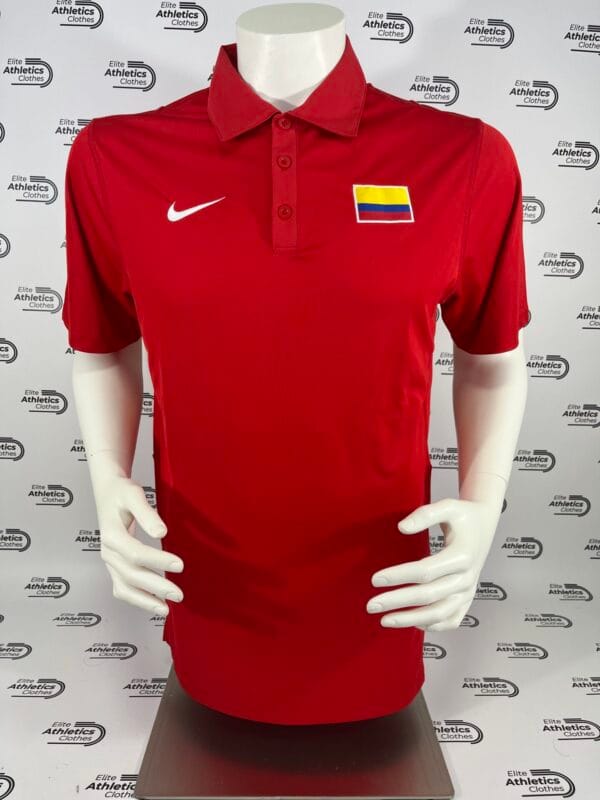 Nike Colombia Olympic Team Pro Elite 2020 Polo Shirt
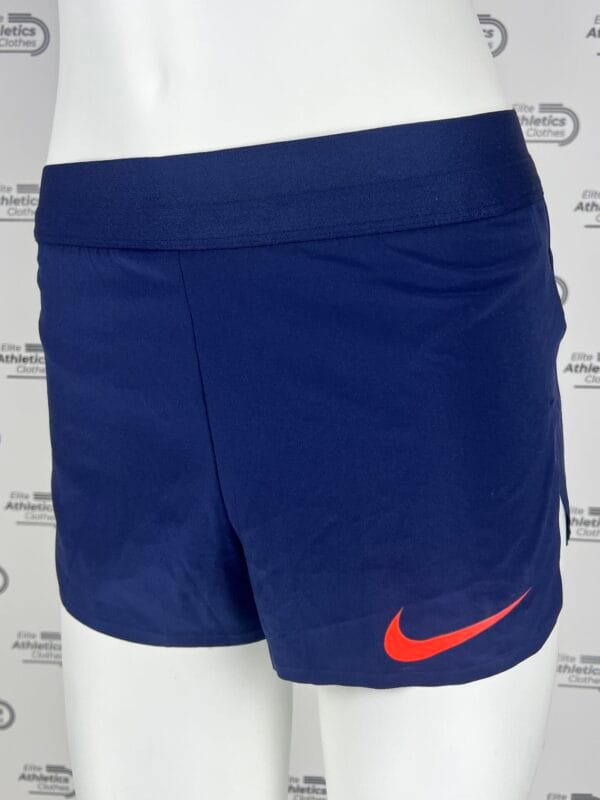 Nike Pro Elite Team 2025 Women Running Shorts200,00 €View Piece →
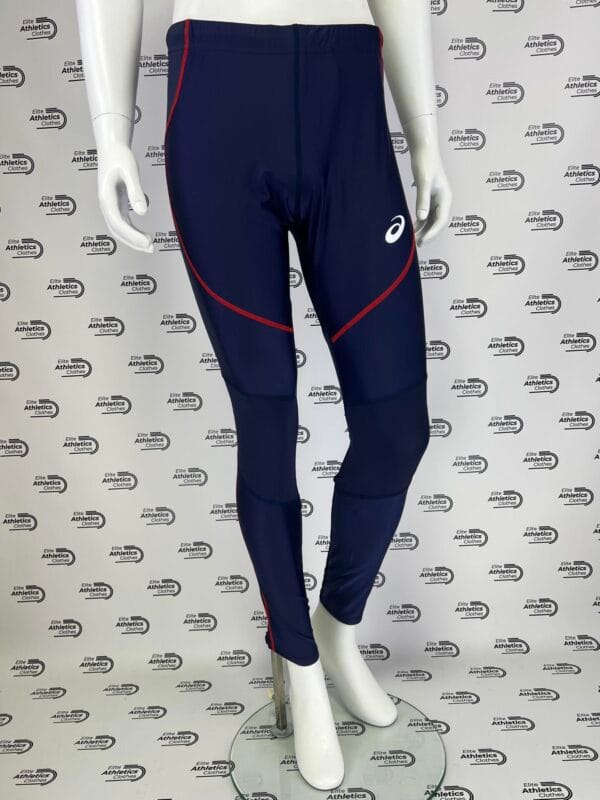 Asics France Pro Elite 2019 Long Tights70,00 €View Piece →
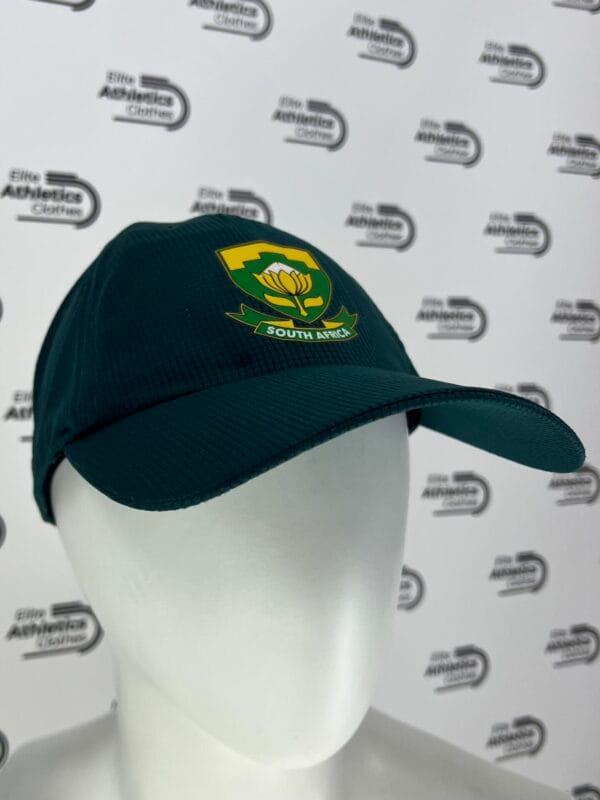 Adidas South Africa Pro Elite 2019 Running Cap120,00 €View Piece →
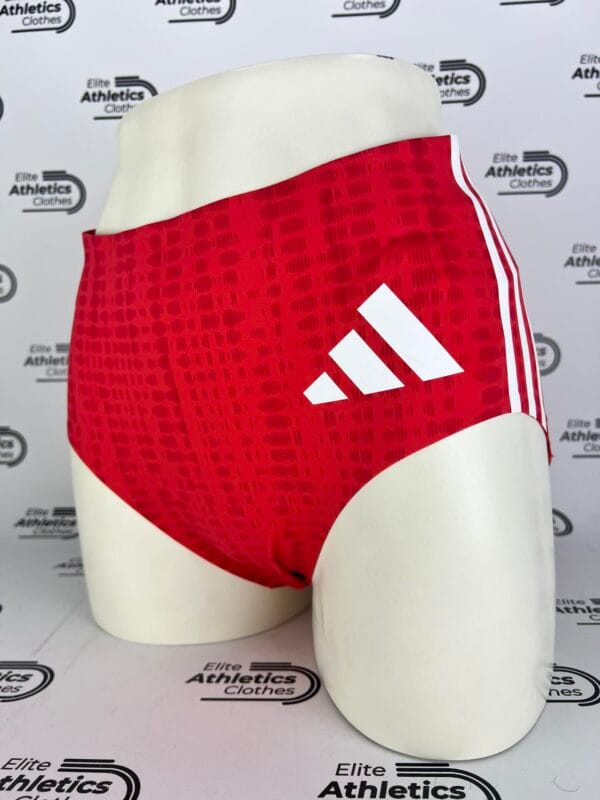 Adidas Pro Elite Team 2025 Women Sprint Briefs140,00 €View Piece →
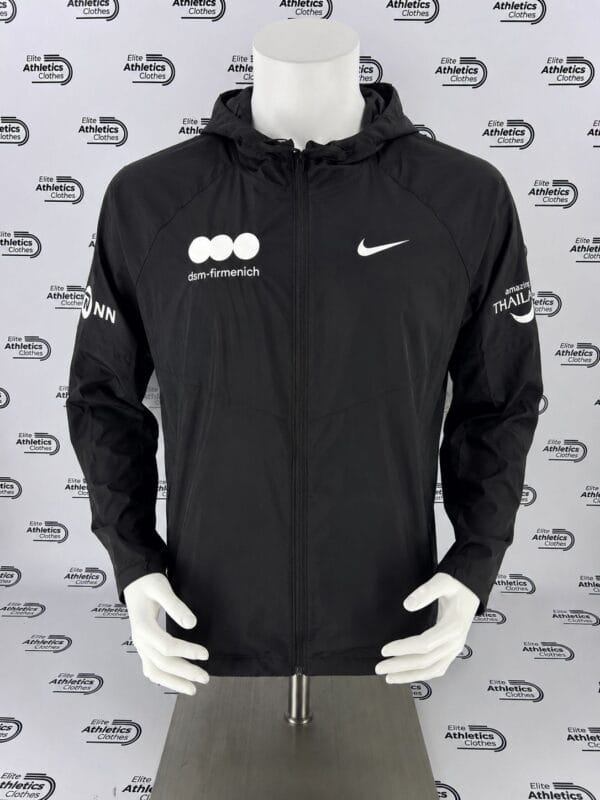 Nike DSM-Firmenich Team Pro Elite 2026 Training Jacket220,00 €View Piece →
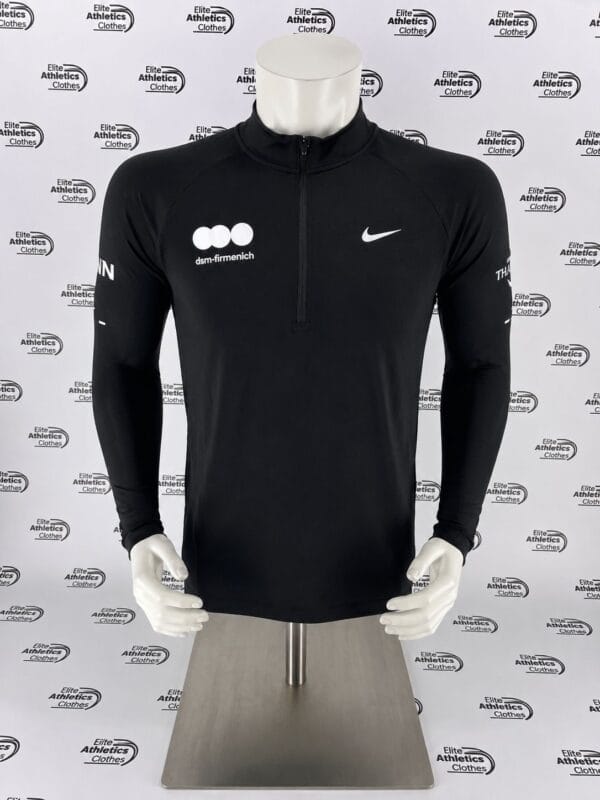 Nike DSM-Firmenich Team Pro Elite 2026 Training Half Zip Jersey180,00 €View Piece →
 Nike DSM-Firmenich Team Pro Elite 2026 Women Training Black Shirt120,00 €View Piece →
Who won Colombia’s first Olympic athletics medal?
Ximena Restrepo, with 400 m bronze at Barcelona 1992 in 49.64 — also the first Olympic medal by a Colombian woman in any sport. The time is still the South American 400 m record, and Restrepo is now Senior Vice-President of World Athletics.
Has Colombia ever won Olympic athletics gold?
Yes, once: Caterine Ibargüen’s triple jump gold at Rio 2016. Colombia’s five Olympic athletics medals are one gold, three silver (Ibargüen 2012, Zambrano and Arenas 2021) and one bronze (Restrepo 1992).
Why is Colombia so strong in race walking?
Because of a dedicated school founded in Boyacá in 1980 by coach Enrique Peña, built at Andean altitude. It produced the four Moreno brothers in the 1980s and, later, world champions Luis Fernando López (2011) and Éider Arévalo (2017) plus Olympic silver medallist Sandra Lorena Arenas (2021).
What was Caterine Ibargüen’s winning streak?
34 consecutive triple jump competition wins from after London 2012 until June 2016, spanning two world titles and the Rio Olympic gold. She retired in August 2021 after her third straight Olympic final, at 37.
Who is Colombia’s current athletics star?
Long jumper Natalia Linares, born in 2003 in Valledupar: world bronze at Tokyo 2025 with a 6.92 m national record and world indoor bronze at Toruń 2026 — two world medals at 22.
Who makes the Colombian athletics team kit?
For the Tokyo 2020 Games the ceremonial and podium kit was made by Totto, the Colombian brand — a jaguar-inspired collection in the tricolor and dark blue, its fabric made in Colombia from recycled plastic bottles. The competition garments were Nike: Nike Colombia Olympic track and field pieces from that cycle exist and circulate, from Nike’s Pro Elite national-team line, though the federation never publicised a supply contract.
Where can I buy authentic Colombia athletics apparel?
Elite Athletics Clothes keeps a dedicated Colombia collection, anchored by the race-issued Nike Colombia Olympic Team Pro Elite 2020 polo from the Tokyo cycle — authentic team-issue kit, never replicas, alongside the wider Pro Elite archive.
Sources and References
- Colombia at the Olympics (Wikipedia) — confirms the complete list of 5 Olympic athletics medals and Rio 2016 as the only gold.
- Colombia at the World Athletics Championships (Wikipedia) — confirms the 10 outdoor Worlds medals and Ibargüen’s 5 (2G-1S-2B).
- List of South American records in athletics (Wikipedia) — confirms Zambrano 43.93, Restrepo 49.64, Ruiz 66.70 and Araújo 6,475 as current SA records (retrieved 2026-07-15).
- Caterine Ibargüen (Wikipedia) — confirms the 15.31 m PB (Monaco 2014), five Diamond trophies and the 2018 double.
- Ibargüen retires (insidethegames) — confirms the August 2021 retirement, the Tokyo flagbearer role and the 34-win streak.
- Luis Fernando López (Wikipedia) — confirms the Daegu 2011 bronze-to-gold upgrade after the Borchin and Kanaykin DQs.
- Éider Arévalo — World Athletics profile — confirms the London 2017 title in 1:18:53 and his active 2026 ranking.
- Pioneros de la marcha en Colombia (atletismocolombiano.com) — confirms the 1960s–70s pioneers, the 1980 Boyacá school, the Moreno brothers and the 1984/1987 results.
- Enrique Peña, alma de la marcha atlética (El Espectador) — confirms Peña as founder of the Boyacá walking school.
- Jorge Perry, Colombia’s first Olympian (Colombia One) — confirms the 1932 solo entry, the marathon collapse and the IOC medal of merit.
- Colombia at the 2024 Summer Olympics (Wikipedia) — confirms zero athletics medals in Paris and the Arenas 4th / Ruiz 5th / Araújo 7th / Dalmero 11th results.
- Zambrano withdraws from the repechage (Infobae) — confirms the Paris 2024 exit was an ankle injury.
- Colombia at the 2025 World Athletics Championships (Wikipedia) — confirms the 18-athlete team, Linares’s 6.92 NR bronze, Ruiz 6th and Longa’s 10.21 semifinal.
- Toruń 2026 World Indoor Championships results (Olympics.com) — confirms Linares’s world indoor long jump bronze with 6.80 m.
- Totto Tokyo 2020 kit (Infobae) — confirms Totto as maker of the Tokyo 2020 ceremonial kit, jaguar design and recycled fabric.
- Restrepo elected to ASOIF Council (World Athletics) — confirms her role as World Athletics Senior Vice-President and the 2025–2027 ASOIF seat.