
Austria
Eight Olympic medals in 78 years — one gold, and seven of the eight won by women. From Herma Bauma’s 1948 javelin gold to Ilona Gusenbauer’s Vienna world record and the five national records that fell in 2025: a small country’s athletics history, counted honestly.
Austria’s Olympic athletics history fits on one honest line: eight medals in 78 years — one gold, two silver, five bronze — and seven of the eight were won by women. It runs from Herma Bauma’s javelin gold at London 1948 to Lukas Weißhaidinger’s Tokyo discus bronze in 2021, with Ilona Gusenbauer’s 1971 world record and Victoria Hudson’s Rome 2024 European title marking the peaks in between.
This is not a superpower’s medal table, and this article will not pretend it is. Austria’s athletics story is scarcity — droughts of 20, 24 and 21 years, then a medal an entire country remembers. Below: every verified Olympic and World Championships medal, the records still standing, the 2025 season in which five national records fell, and where the team stands going into the Birmingham 2026 Europeans.
Austria’s kit history has a hard edge for collectors: ERIMA dressed the ÖLV from 2013 to 2024, PUMA has since January 2025 — and race-issued pieces from the Erima era are a closed edition. The archive currently holds one: a real Erima Austria Pro Elite T-shirt, first in the Austria collection at Elite Athletics Clothes.
- Federation
- The ÖLV · kit by PUMA since January 2025; ERIMA 2013–2024
- Olympic athletics medals
- 8: 1 gold · 2 silver · 5 bronze — and 7 of the 8 won by women
- The only gold
- Herma Bauma, javelin, London 1948 — 45.57 m, an Olympic record
- The world record
- Ilona Gusenbauer’s 1.92 m high jump, Vienna 1971 — ended a record that had stood 10 years, before ~30,000 fans
- World Championships
- 4 outdoor medals (1 silver, 3 bronze) — two of them in one Doha 2019 championships
- The breakthrough
- Weißhaidinger’s Tokyo 2021 discus bronze: the first Olympic athletics medal by an Austrian man, 73 years after Bauma
- 2025
- Five national records fell in one year: 1500 m, javelin, triple jump and both marathons
- The institution
- Vienna City Marathon, every year since 1984 — a record ~46,000 registrations in 2025
The Origins of Track and Field in Austria
Start with the honest number: Olympedia’s complete record of Austrian Olympic athletics contains exactly eight medals, and none of them before 1948. Austria sent athletes to the early Games and came home without hardware, decade after decade. This article counts what is actually there — and what is there turns out to be worth counting.
The first breakthrough generation was female, and it formed between the wars. Herma Bauma, born in Vienna in 1915, was a dual-sport athlete — a famous handball player as well as a javelin thrower — who took silver at the 1934 Women’s World Games and competed at the 1936 Olympics while still in her early twenties. When Austrian athletics finally won something, it would be her arm that did it.
That set the pattern for everything that followed. Seven of Austria’s eight Olympic athletics medals belong to women, the national federation — the ÖLV — has been kept afloat between medals by individual careers rather than deep squads, and Vienna, not a mountain valley, is where the sport’s biggest days have happened.
London 1948: Bauma’s Gold and the First Women
On 31 July 1948 at Wembley, Herma Bauma threw the javelin 45.57 m — an Olympic record — and won Austria’s first and still only athletics gold. She was 33, twelve years past her Olympic debut, and at the peak of a career that had run through a world war. She would compete at one more Games, in 1952, before retiring; she died in Vienna on 9 February 2003.
The same London Games produced a second medal: Ine Schäffer’s bronze in the shot put at 13.08 m. Two Austrian athletics medals at one Olympics — it has never happened again. Both were won by women, at a Games where the women’s programme was still a fraction of the men’s.
For twenty years after London, nothing. The next entries in the ledger came at altitude in Mexico City in 1968: Liese Prokop’s pentathlon silver and Eva Janko’s javelin bronze at 58.04 m — another double, another all-female one. Prokop went one better the following autumn, setting a pentathlon world record over two days at the Südstadt stadium near Vienna in October 1969.
Austria’s Greatest Athletes
Six careers hold most of the weight: the javelin thrower who won the only gold, the pentathlete who became a minister, the high jumper who out-jumped a decade-old world record in front of 30,000 Viennese, the 800 m runner who pushed Maria Mutola to the line, and the two throwers who carry the current era.
Herma Bauma
Austria’s only athletics gold: 45.57 m in London in 1948, an Olympic record. A Vienna-born dual-sport athlete — she was also a famous handball player — Bauma had taken Women’s World Games silver back in 1934 and competed at three Olympics (1936, 1948, 1952). She died in Vienna in 2003.
Liese Prokop
Pentathlon silver in Mexico City 1968, then a world record set over two days at the Südstadt stadium near Vienna in October 1969. Her second life was political: Austria’s first female Interior Minister from December 2004, she died suddenly of an aortic dissection on New Year’s Eve 2006, still in office.
Ilona Gusenbauer
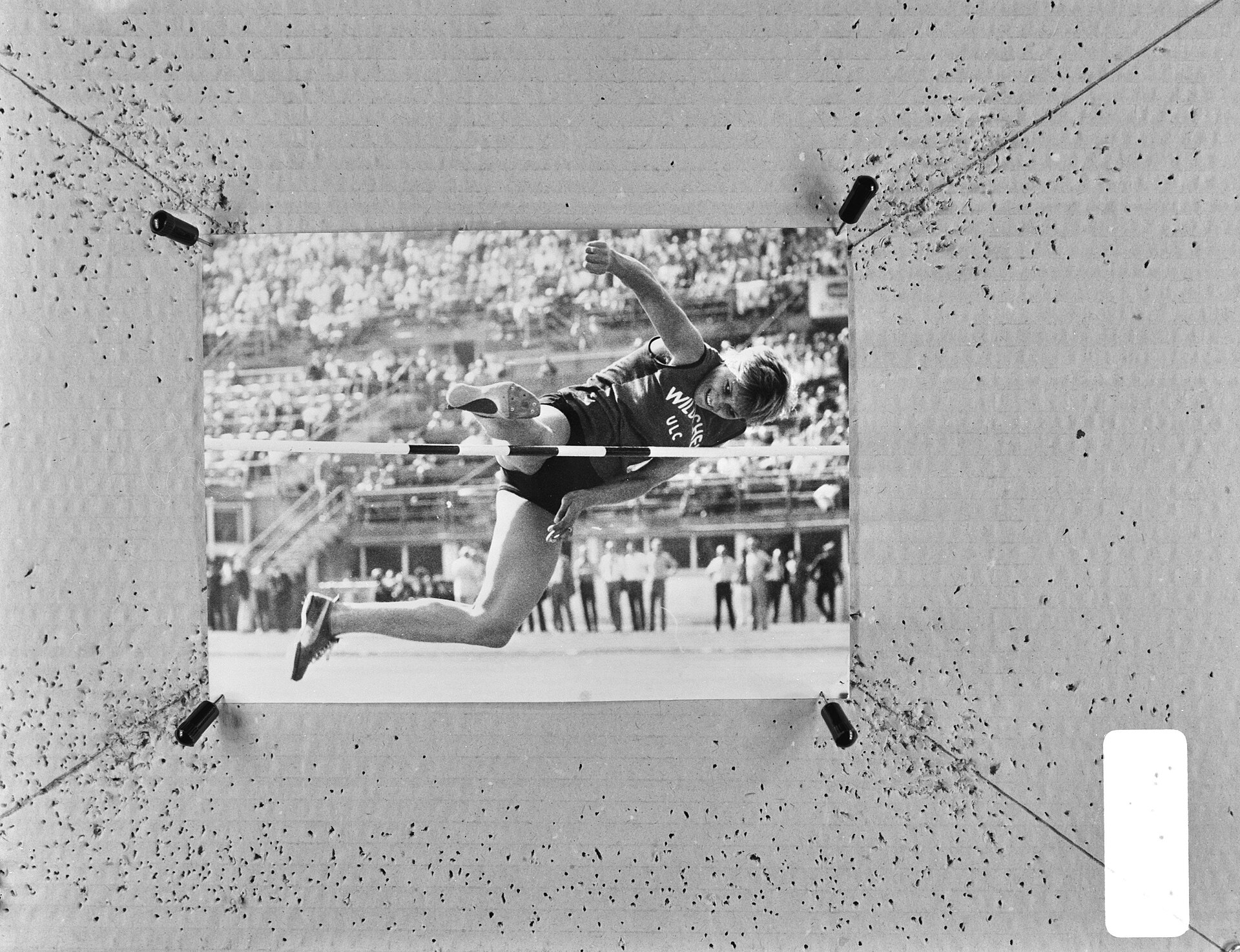
On 4 September 1971, in front of roughly 30,000 people in Vienna, she cleared 1.92 m and took down a world record that had stood for ten years. European champion that same summer, Olympic bronze in Munich 1972 — in the final where 16-year-old Ulrike Meyfarth won gold by equalling Gusenbauer’s own 1.92 m.
Stephanie Graf
Sydney 2000 silver in 1:56.64 behind Maria Mutola, Worlds silver in Edmonton a year later, and a 1:55.85 indoor run in March 2002 that is still the Austrian 800 m record. Her retirement was confirmed in 2005; no Austrian woman has run close since.
Lukas Weißhaidinger
The man who ended the droughts: Worlds bronze in Doha 2019 — thrown with his back-up discus after officials ruled his first choice damaged — then Tokyo bronze in 2021, the first Olympic athletics medal ever won by an Austrian man. European silver (Rome 2024) and bronze (Berlin 2018), national record 70.68 m, and an asteroid named after him.
Victoria Hudson
European champion in Rome in 2024 with 64.62 m — Austria’s first gold at the championships since 1971 — and national-record holder at 67.76 m since June 2025. A Tokyo 2025 finalist, she is the country’s best current bet for the next global medal.
Note what is missing from most national top-sixes: sprinters, distance runners, relay teams. Austria’s medals have come almost entirely from technical events and the middle distances, one athlete at a time — which is exactly what the medal timeline below looks like.
Olympic Achievements
Eight medals: one gold, two silver, five bronze, spread across 73 years. Seven of the eight were won by women — Bauma, Schäffer, Prokop, Janko, Gusenbauer, Kiesl and Graf — a share with few parallels anywhere in Olympic athletics. Until 2021, no Austrian man had ever stood on an Olympic athletics podium.
After the Mexico City double came Ilona Gusenbauer’s bronze at Munich 1972, cleared at 1.88 m in one of the strangest finals of the era — gold went to 16-year-old Ulrike Meyfarth, who equalled Gusenbauer’s own 1.92 m world record to win. Then a 24-year silence. Theresia Kiesl broke it in Atlanta in 1996 with 1500 m bronze in 4:03.02, a time that doubled as a national record and still is one. Stephanie Graf’s 800 m silver behind Mutola in Sydney closed the century.
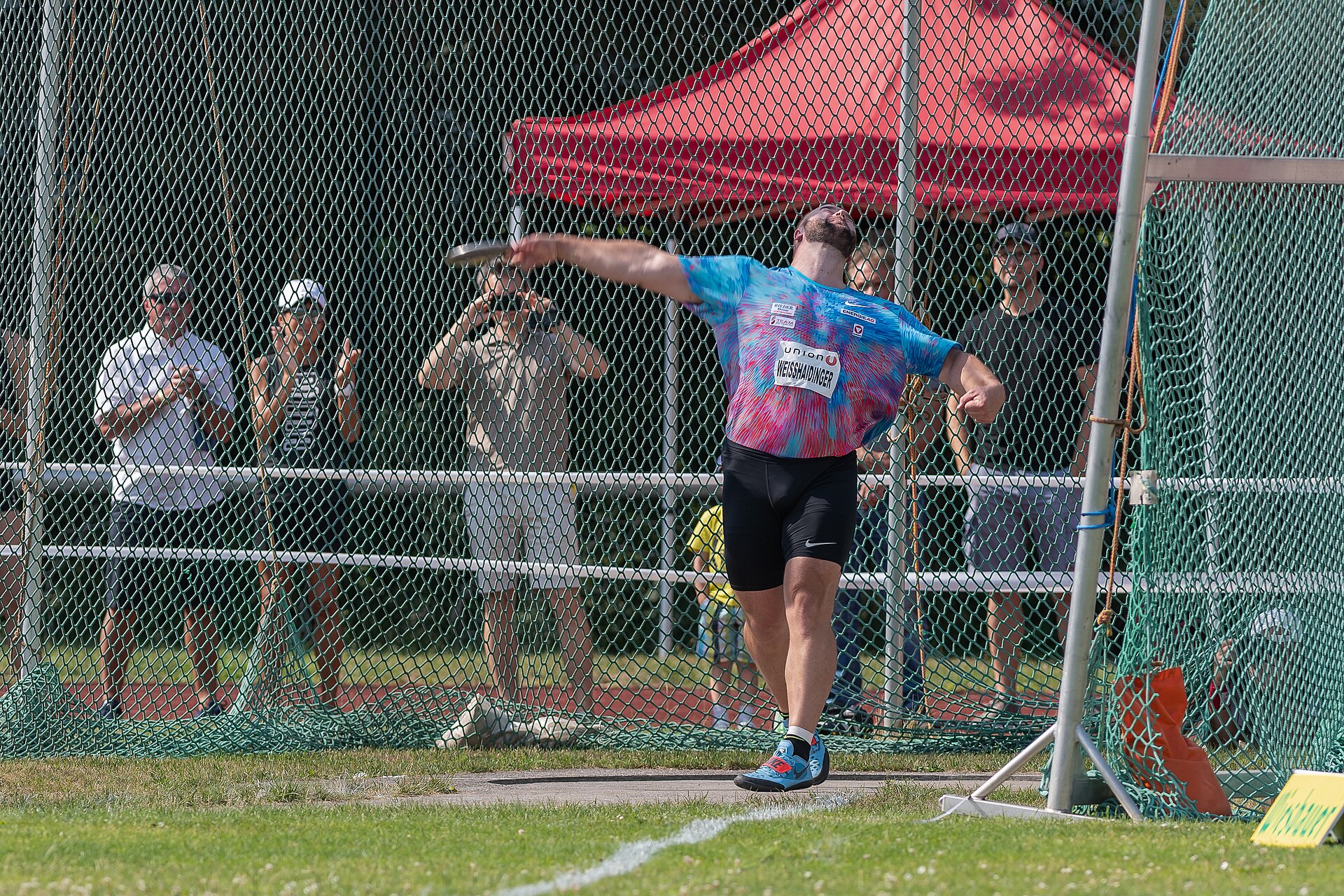
Then 21 more years of nothing, until Lukas Weißhaidinger threw the discus 67.07 m in Tokyo in 2021: bronze, the first Olympic athletics medal in Austrian history won by a man, 73 years after Bauma’s gold. Four days after the final, an asteroid — (341317) Weisshaidinger — was named after him. Drawn on one line, the whole record looks like this:
Eight medals, seventy-eight years
Austria’s complete Olympic athletics medal record, 1948–2026, on one line — the Doha 2019 double world bronze drawn hollow. The gaps carry the plot: 20 years, then 24, then 21, and five and counting since Tokyo. Scarcity is why each one gets remembered. Hover or tab onto a Games for the medallists. Source: Wikipedia (Austria at the Olympics), Olympedia.
View the medal data
| Year | Athlete | Event | Medal |
|---|---|---|---|
| 1948 | Herma Bauma | Javelin | Gold — 45.57 m, Olympic record |
| 1948 | Ine Schäffer | Shot put | Bronze — 13.08 m |
| 1968 | Liese Prokop | Pentathlon | Silver |
| 1968 | Eva Janko | Javelin | Bronze — 58.04 m |
| 1972 | Ilona Gusenbauer | High jump | Bronze — 1.88 m |
| 1996 | Theresia Kiesl | 1500 m | Bronze — 4:03.02 |
| 2000 | Stephanie Graf | 800 m | Silver — 1:56.64 |
| 2019 · Worlds | Lukas Weißhaidinger | Discus | Bronze — 66.82 m |
| 2019 · Worlds | Verena Preiner | Heptathlon | Bronze — 6560 pts |
| 2021 | Lukas Weißhaidinger | Discus | Bronze — 67.07 m |
World Championship Achievements
Austria has attended every outdoor World Championships since the first in 1983 and won four medals: one silver, three bronze, good for 82nd on the all-time table. The account opened in Stuttgart in 1993, when Sigrid Kirchmann took high jump bronze at 1.97 m — a height no Austrian woman has matched since; it remains the national record 33 years later. Stephanie Graf added 800 m silver in Edmonton in 2001, at the peak of her duel with Mutola.
Half of the total arrived in a single championships: Doha 2019. Weißhaidinger took discus bronze at 66.82 m with his back-up training discus, after officials ruled his first-choice implement damaged. Days later Verena Preiner scored 6560 points for heptathlon bronze, months after setting her 6591 national record in Ratingen. It was the first time Austria had won more than one medal at a Worlds.
Indoors, the count stands at one: Ivona Dadic’s pentathlon silver at the 2018 World Indoor Championships in Birmingham — to date the country’s only global indoor medal.
Running Culture and the Vienna City Marathon
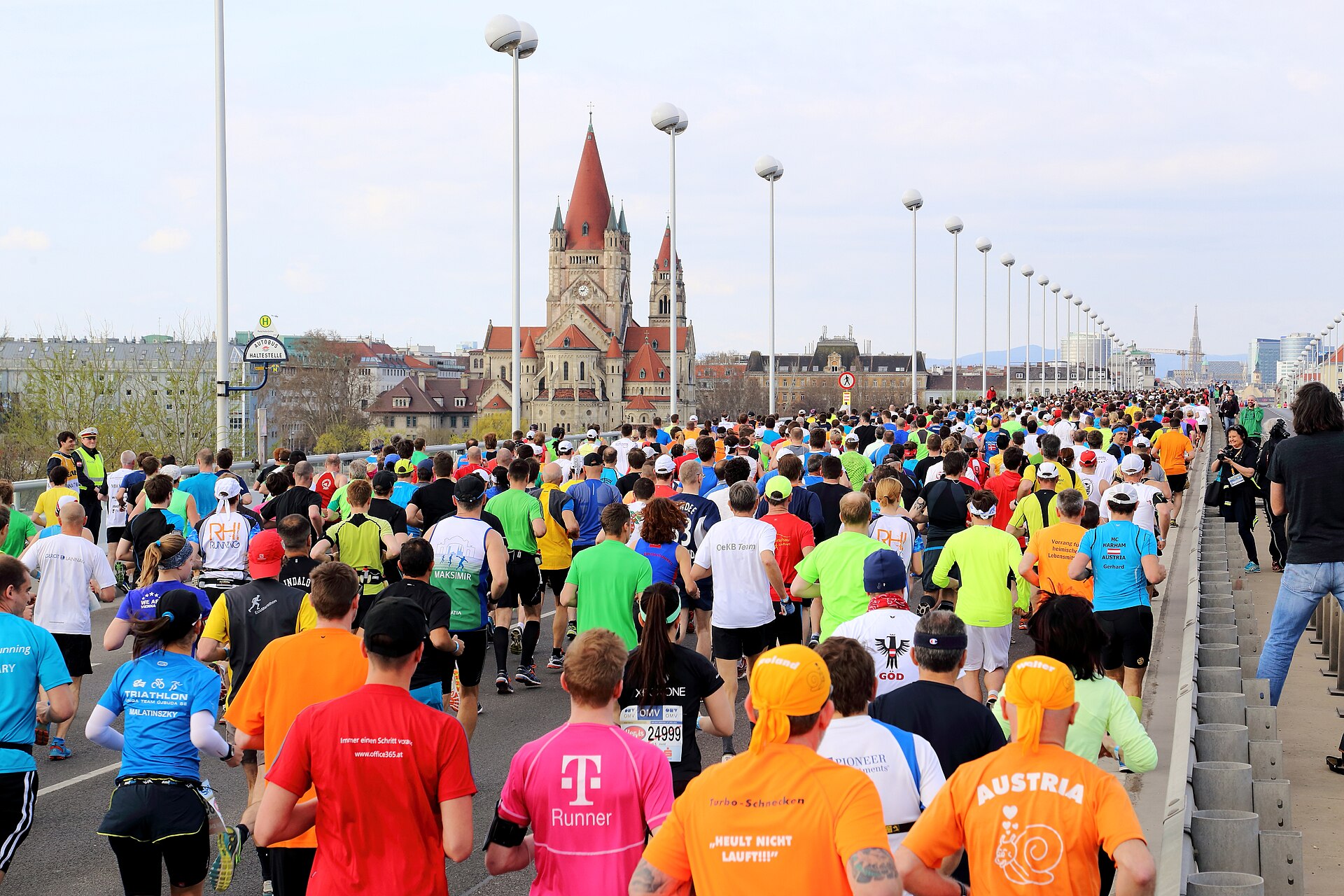
If the medal ledger is thin, the participation base is anything but. The Vienna City Marathon has been run every year since 25 March 1984, when 794 finishers crossed the line at the first edition. It is Austria’s largest road-running event by a distance, and in 2025 it set a participation record: roughly 46,000 registered runners from 146 countries, including a record 13,000 entries for the marathon itself.
The elite end of Austrian road running finally caught up with the mass one in 2025. Aaron Gruen ran 2:09:53 at the McKirdy Micro Marathon in New York on 30 March 2025 — the first Austrian marathon under 2:10, taking down Peter Herzog’s 2020 record — then broke Günther Weidlinger’s long-standing half-marathon record with 1:01:14 in Houston in January 2026. Gruen splits his days between training and the cello, which he practises three to eight hours a day.
The women’s marathon record fell the same year: Julia Mayer ran 2:26:08 on 7 December 2025, months after placing 33rd in the Tokyo Worlds marathon. For a federation whose distance-running history is mostly blank, two marathon records in one calendar year is new territory.
Development and the 2025 Record Wave
Austria does not usually rewrite its record book. Weidlinger’s steeplechase mark has stood since 1999, Kirchmann’s high jump since 1993, Graf’s 800 m since 2002. Which is what made 2025 so unusual: five national records fell in a single year.
Raphael Pallitsch ran 3:32.96 for the 1500 m at the Ostrava Golden Spike on 24 June — a 35-year-old who had quit the sport in 2015 and returned in 2020. Four days later Victoria Hudson threw the javelin 67.76 m. Aaron Gruen’s 2:09:53 had already made him the first Austrian sub-2:10 marathoner in March. In September, Endiorass Kingley triple-jumped 16.85 m in qualifying at the Tokyo Worlds. And in December, Julia Mayer closed the year with her 2:26:08 marathon.
The wave has kept rolling at the edges. Enzo Diessl, the 2023 European U20 and 2025 European U23 hurdles champion, ran 13.17 in Eisenstadt in July 2025 — three hundredths short of Mark McKoy’s 13.14 from 1994. Susanne Gogl-Walli had already lowered the 400 m record to 50.60 in September 2024. For a federation that once waited 24 years between Olympic medals, this density of progress is the real development story.
The Current State of Austrian Athletics
The recent championship record is honest mid-tier: competitive finalists, no medals. At Paris 2024, Austria entered seven track and field athletes; Weißhaidinger’s fifth place in the discus final at 67.54 m — in the final Roje Stona won with a 70.00 m Olympic record — was the best result, with Gogl-Walli a 400 m semifinalist in 51.17. The bright spot of 2024 came earlier, in Rome: Victoria Hudson’s European javelin gold at 64.62 m, Austria’s first title at the championships since Gusenbauer in 1971, with Weißhaidinger adding European silver at the same meet.
At the Tokyo 2025 World Championships, ten Austrians — five men, five women — produced two top-10 finishes: Kingley ninth in the triple jump final and Weißhaidinger ninth in the discus. Hudson placed tenth in the javelin final, and Pallitsch reached the 1500 m semifinal. At the Toruń 2026 World Indoors, Austria’s team was four women, and Karin Strametz missed the 60 m hurdles semifinal by thousandths of a second after running 8.03. Diessl, who had the qualifying limit, and Gogl-Walli, nursing a thigh injury, both skipped it to prioritise the outdoor season. The target now is the Birmingham European Championships in August 2026: Pallitsch has already run the limit, and Diessl is aiming at the 110 m hurdles.
The kit changed with the era. From 2013 to 2024 the national teams wore ERIMA — the red-black-white SQUAD teamline seen at Tokyo 2021 and Paris 2024. Since January 2025 the ÖLV has been dressed by PUMA on a long-term deal, with an exclusive red-and-white collection for championship teams. For collectors that split is clean: any race-issued Erima Austria piece dates to the 2013–2024 window, when both of the Doha bronzes and the Tokyo medal were won — and one of them is in the Austria collection right now.
Future Stars and Emerging Talents
Austria’s next chapter is being written by a small, oddly assorted group: a reigning European champion, a 1500 m runner who came back from five years away, a triple jumper who saved his best for a Worlds, a hurdler born in 2004 and a marathoner who plays the cello. Small federations do not get pipelines; they get people.
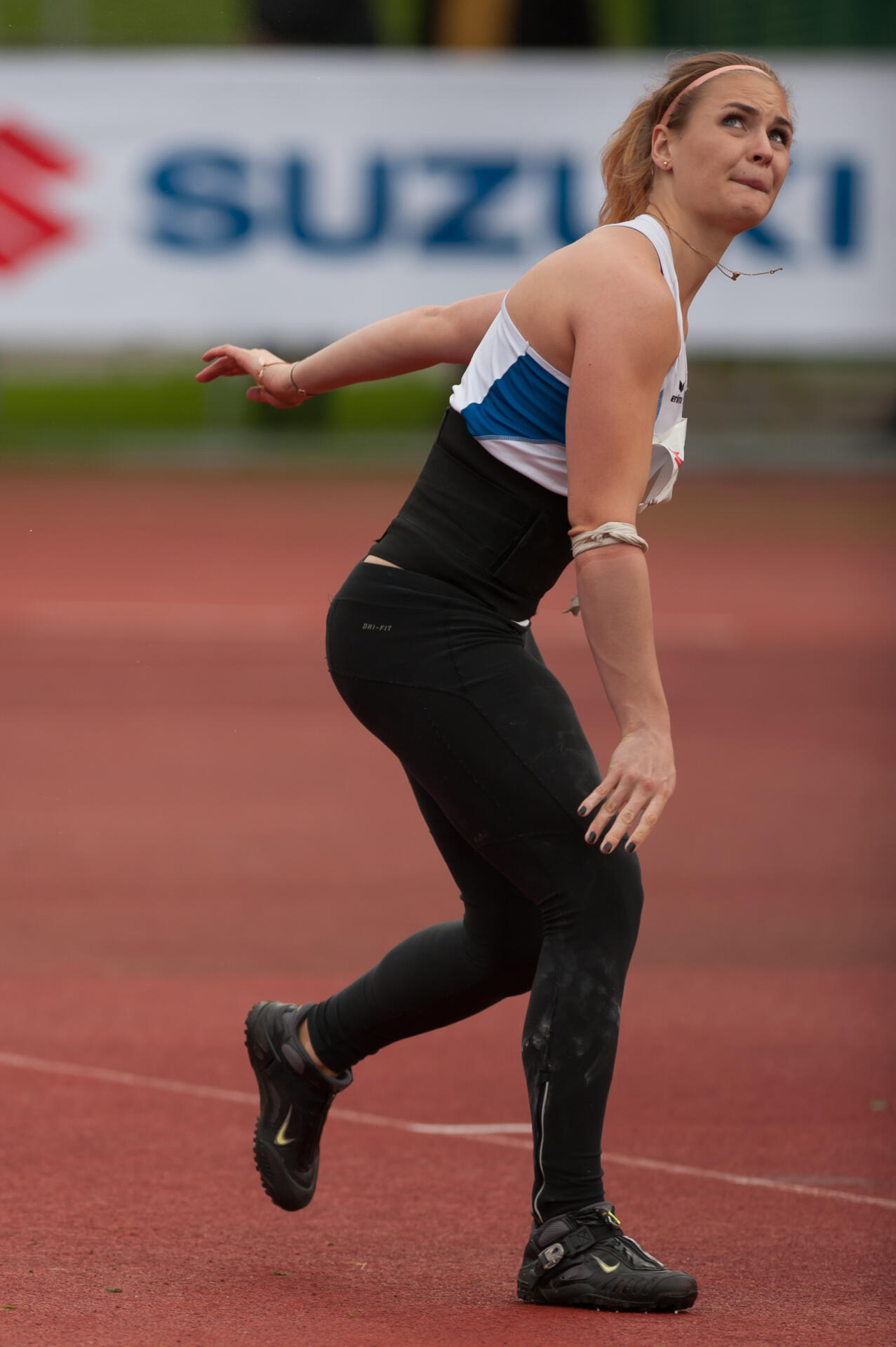
Victoria Hudson
The reigning European champion (Rome 2024, 64.62 m) pushed the national record to 67.76 m in June 2025 and made the Tokyo 2025 final, finishing 10th. No Austrian thrower enters a championship with better credentials.
Raphael Pallitsch
The comeback of Austrian athletics: he stopped competing in 2015, returned in 2020, and in June 2025 ran 3:32.96 in Ostrava for the national record. A Tokyo 2025 semifinalist, he has already run the qualifying limit for the Birmingham 2026 European Championships in Budapest.
Endiorass Kingley
Jumped a 16.85 m national record in qualifying at the Tokyo 2025 Worlds, then went 16.71 m in the final for 9th — one of Austria’s two top-10 finishes at those championships.
Enzo Diessl
European U20 champion in 2023, European U23 champion in 2025 (13.46 in Bergen), and a 13.17 personal best from July 2025 in Eisenstadt — three hundredths from Mark McKoy’s 1994 national record. He skipped the 2026 World Indoors to aim at the outdoor Europeans in August.
Aaron Gruen
The first Austrian under 2:10 — 2:09:53 in New York in March 2025 — and since January 2026 the half-marathon record holder too (1:01:14 in Houston). He is also a cellist who practises three to eight hours a day, and ran the Tokyo 2025 Worlds marathon, finishing 52nd.
Austria Records & Historic Milestones
The record book tells the same story as the medal table: long-lived marks set by singular athletes, several of them freshly broken in 2025 — and one entry that surprises everyone who reads it for the first time.
Three milestones frame the rest. Gusenbauer’s 1.92 m in Vienna on 4 September 1971 ended Iolanda Balaș’s ten-year hold on the high jump world record, with a crowd of around 30,000 turning out for the announced attempt; she later donated her record plaque to the Museum of World Athletics. Prokop’s 1969 pentathlon world record at Südstadt made Austria a combined-events country a half-century before Preiner’s Doha bronze. And Weißhaidinger’s Tokyo bronze got its name written in the sky — asteroid (341317) Weisshaidinger, designated 28 July 2021.
Shop the Austria Collection
Austria is one of the few nations with its own rail in the archive, and the first piece below is why: a race-issued Erima Austria Pro Elite T-shirt from the federation’s 2013–2024 Erima era — the kit family worn through Doha 2019, Tokyo 2021 and Paris 2024. PUMA has dressed the ÖLV since January 2025, so Erima-era pieces are a closed edition. Around it, the latest athlete-issued arrivals from the wider Pro Elite archive — real team-channel gear, never replicas.
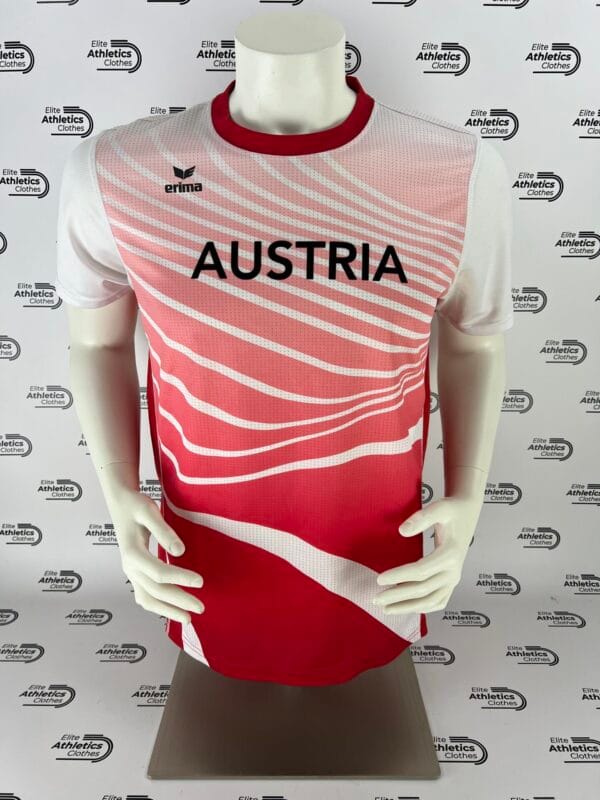 Erima Austria Pro Elite 2019 T-Shirt100,00 €View Piece →
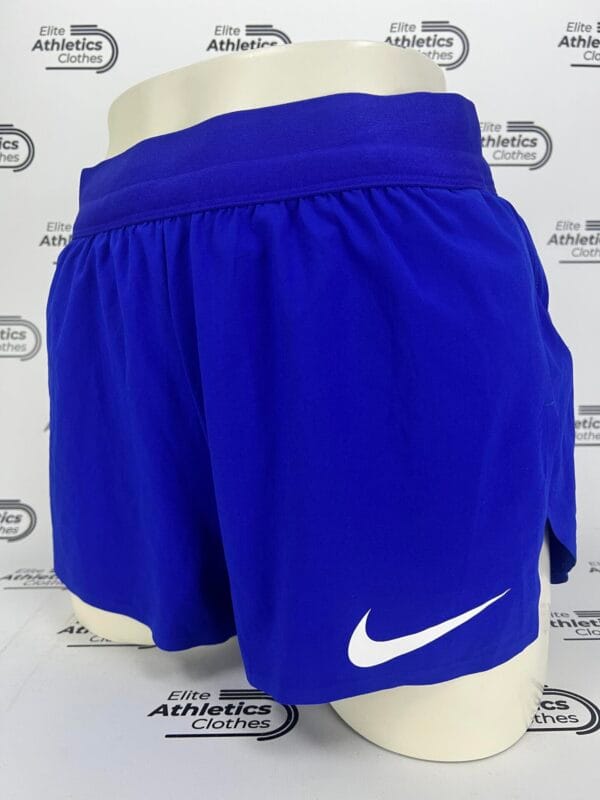 Nike Rosa & Co. Pro Elite 2024 Women Running Shorts180,00 €View Piece →
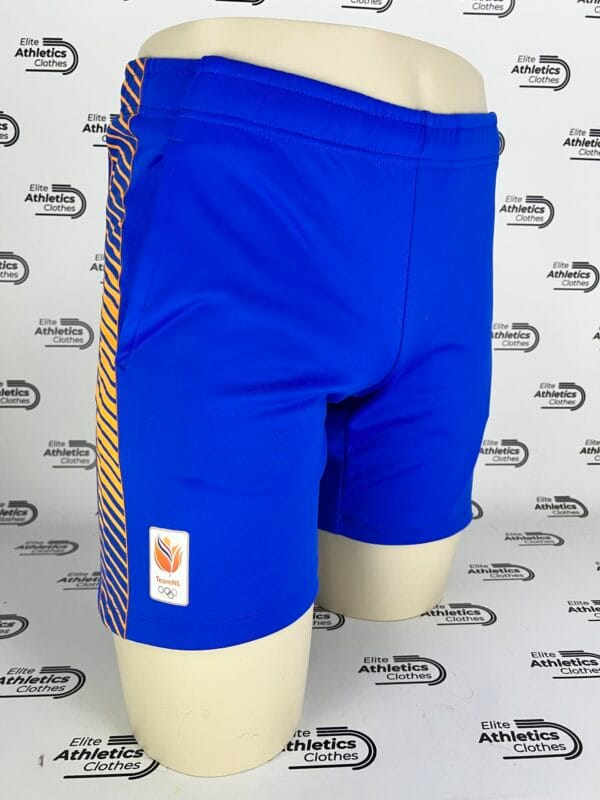 Asics Netherlands Pro Elite 2018 Women Short Pants
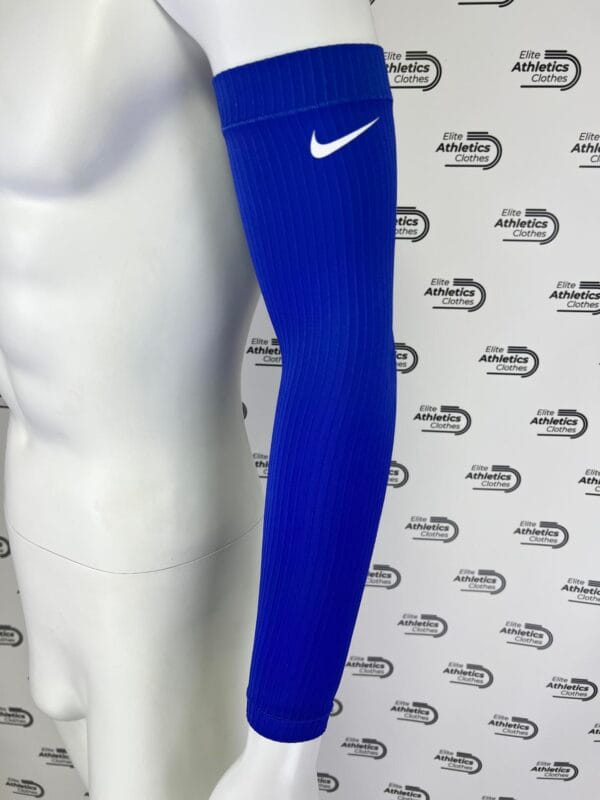 Nike Rosa & Co. Pro Elite 2024 Arm Sleeves180,00 €View Piece →
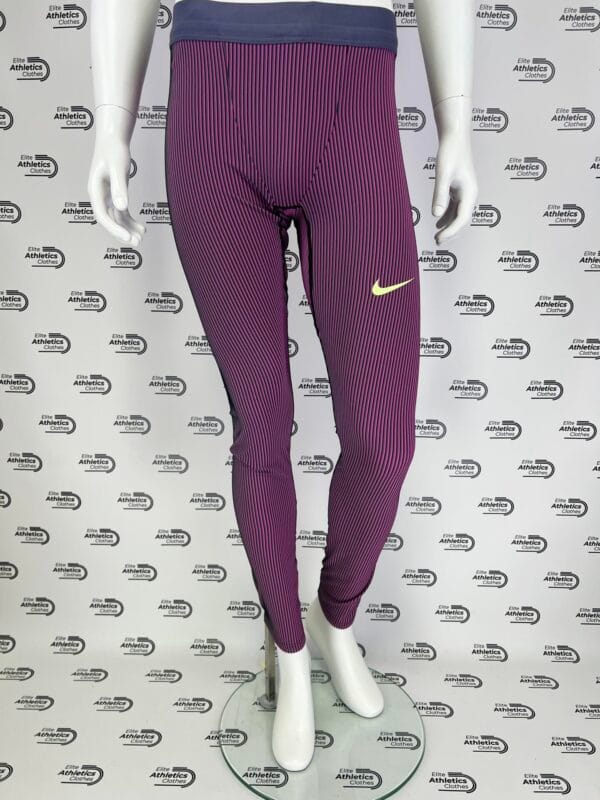 Nike Pro Elite Team 2024 Long Tights
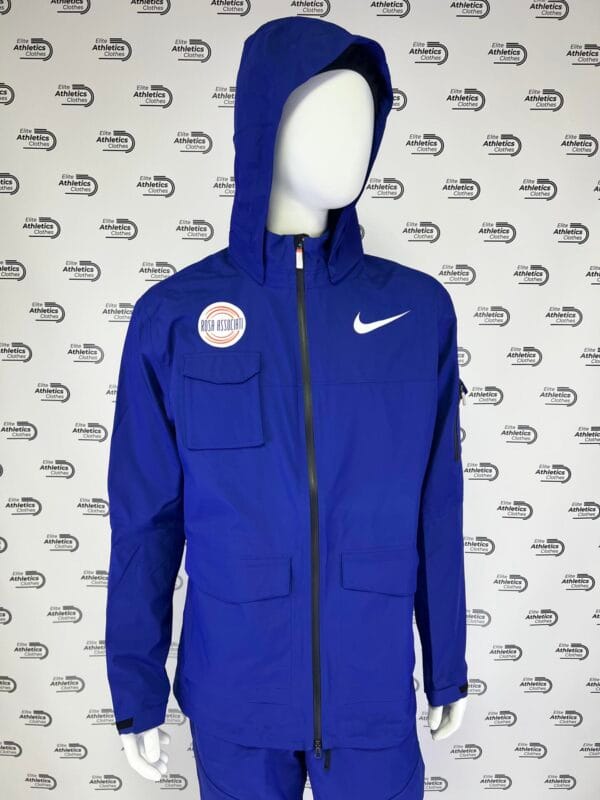 Nike Rosa & Co. Pro Elite 2023 Storm Fit Tracksuit
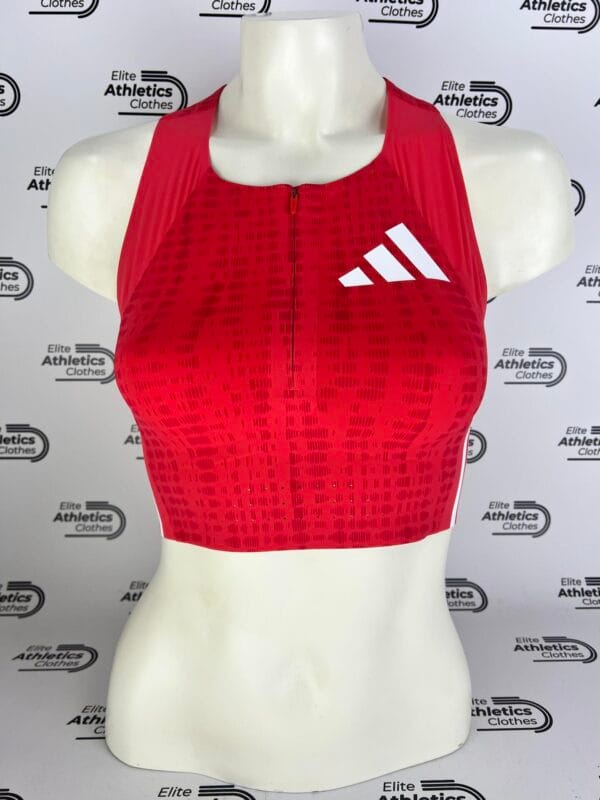 Adidas Pro Elite Team 2025 Women Crop Top180,00 €View Piece →
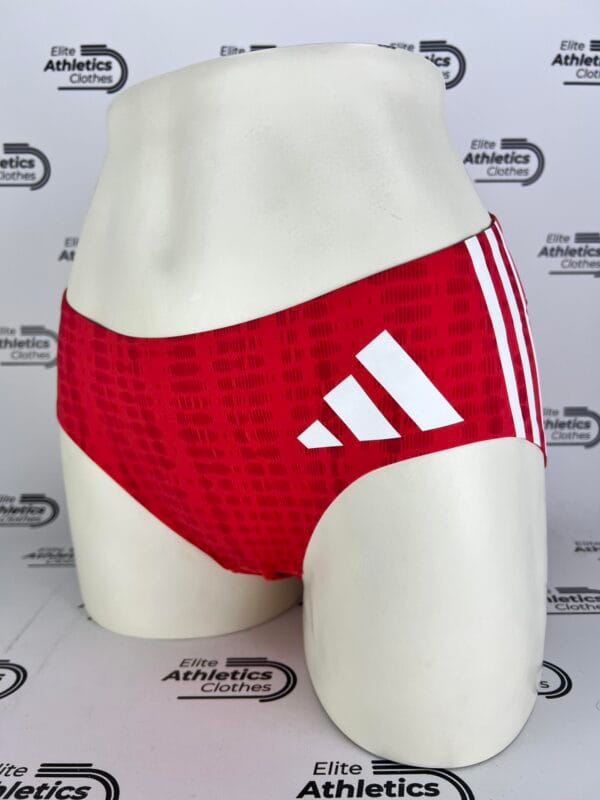 Adidas Pro Elite Team 2025 Women Distance Competition Briefs140,00 €View Piece →
Has Austria ever won Olympic gold in athletics?
Once. Herma Bauma threw the javelin 45.57 m — an Olympic record — at London 1948. It remains the country’s only athletics gold, and it came with a second medal at the same Games: Ine Schäffer’s shot put bronze.
How many Olympic athletics medals has Austria won?
Eight: one gold, two silver and five bronze, the first two at London 1948 and the most recent at Tokyo 2020 (held 2021). The gaps between them ran as long as 24 years.
Why have almost all of Austria’s athletics medals been won by women?
Seven of the eight Olympic medals are women’s — Bauma, Schäffer, Prokop, Janko, Gusenbauer, Kiesl and Graf. No Austrian man had ever won an Olympic athletics medal until Lukas Weißhaidinger’s discus bronze in 2021, 73 years after Bauma’s gold.
Who is Austria’s most successful track and field athlete right now?
Lukas Weißhaidinger: Olympic bronze (Tokyo 2020), Worlds bronze (Doha 2019), European silver (Rome 2024) and bronze (Berlin 2018), plus the 70.68 m national discus record. Victoria Hudson, the reigning European javelin champion and 67.76 m record holder, is the strongest current challenger for that label.
What kit do Austrian athletes wear?
PUMA, since January 2025 — a long-term deal with an exclusive red-and-white collection for championship teams. From 2013 to 2024 the federation was outfitted by ERIMA, so every Austrian championship kit from Doha 2019 through Paris 2024 is Erima-era — and the Austria collection at Elite Athletics Clothes stocks a real race-issued Erima Austria Pro Elite piece from that window.
Did Austria win anything at the most recent global championships?
No medals at Paris 2024, the Tokyo 2025 Worlds or the 2026 World Indoors. The best recent results: Weißhaidinger’s 5th in the Paris discus final, two 9th places in Tokyo 2025 finals (Weißhaidinger, and Endiorass Kingley with a triple jump national record in qualifying), and Victoria Hudson’s Rome 2024 European javelin gold — Austria’s first European title since 1971.
Where can I buy authentic Austria athletics apparel?
Elite Athletics Clothes runs a dedicated Austria collection, currently led by a race-issued Erima Austria Pro Elite 2019 T-shirt from the federation’s 2013–2024 kit era. Every piece is athlete-issued team gear, never a replica, and Erima-era stock will not be made again.
Sources and References
- Austria at the Olympics (Wikipedia) — confirms the athletics medal count: 1 gold, 2 silver, 5 bronze (8 total).
- Austria athletics results — Olympedia — independent per-medal cross-check of all 8 Olympic athletics medals; none before 1948.
- Athletics at the 1948 Olympics, women’s javelin (Wikipedia) — confirms Bauma’s gold: 45.57 m, Olympic record, London 1948.
- Herma Bauma (Wikipedia) — confirms Vienna 1915 birth, handball career, 1934 Women’s World Games silver, 1936/1952 Games, death 9 Feb 2003.
- Ilona Gusenbauer high jump world record (World Athletics Heritage) — confirms 1.92 m, Vienna, 4 Sept 1971, the ~30,000 crowd, the 10-year Balaş record it broke, and the MOWA plaque donation.
- Liese Prokop, Tokyo 1964 blazer (World Athletics Heritage) — confirms the pentathlon world record, 4–5 Oct 1969, Südstadt.
- Liese Prokop (Wikipedia) — confirms first female Interior Minister (Dec 2004) and death on 31 Dec 2006.
- Austria at the World Athletics Championships (Wikipedia) — confirms the 0-1-3 outdoor Worlds medal table, attendance since 1983, and Kirchmann’s 1993 bronze.
- World Championships Doha 2019 men’s discus report (World Athletics) — confirms Weißhaidinger’s 66.82 m bronze with the back-up discus.
- Lukas Weißhaidinger (Wikipedia) — confirms Tokyo 2021 bronze (67.07 m) as the first men’s medal, European medals, 70.68 m NR and the asteroid naming.
- Victoria Hudson (Wikipedia) — confirms Rome 2024 European gold (64.62 m), first Austrian gold since 1971, and the 67.76 m NR.
- List of Austrian records in athletics (Wikipedia) — confirms every national record cited: Fuchs, Pallitsch, Weidlinger, McKoy, Kirchmann, Kiesl, Graf, Hudson, Kingley, Gruen, Mayer.
- Austria at the 2025 World Athletics Championships (Wikipedia) — confirms the Tokyo 2025 team of 10, the two 9th places and Kingley’s 16.85 m NR.
- ÖLV presents new leadership and PUMA partnership (ÖLV) — confirms PUMA as kit supplier from the start of 2025.
- Austrian athletes continue with ERIMA (ERIMA press) — confirms ERIMA as federation supplier from 2013 through 2024.
- Vienna City Marathon (Wikipedia) — confirms the 1984 first edition (794 finishers) and the 2025 participation record (~46,000 from 146 countries).