
Morocco
Two world records set in Rome in 1998 and 1999 that nobody has touched since, the first Arab and African woman to win Olympic gold, and a steeplechaser who took the event back from Kenya: 21 Olympic medals, every single one of them won running.
Morocco’s athletics history runs from Rhadi Ben Abdesselam’s marathon silver behind barefoot Abebe Bikila at Rome 1960 to Soufiane El Bakkali’s Olympic steeplechase double: 21 Olympic medals (8 gold), 34 World Championships medals (12 gold) — and Hicham El Guerrouj’s 1500 m (3:26.00) and mile (3:43.13) world records, both still unbroken after nearly three decades.
No other nation’s medal record is this concentrated in running. Nawal El Moutawakel’s 1984 gold was a first for Morocco, Africa, the Arab world and Muslim women at once; Saïd Aouita broke 13 minutes for 5000 m before anyone else; and in 2026 the current generation opened the season with a world lead in Rabat and a national marathon record in Hamburg. This is the complete history of athletics in Morocco.
The eras of Moroccan running — from the Nike-clad El Guerrouj years to the El Bakkali present — live on in authentic, athlete-issued kit. Explore the race-issued archive at Elite Athletics Clothes — real pro elite gear, straight from team channels.
- Federation
- Fédération Royale Marocaine d’Athlétisme (FRMA), founded 1956, HQ Rabat · president Abdeslam Ahizoune since 2006
- Olympic athletics medals
- 21: 8 gold · 5 silver · 8 bronze (Rome 1960 – Paris 2024)
- Still standing
- El Guerrouj’s world records: 1500 m 3:26.00 ('98) and mile 3:43.13 ('99) — 28 and 27 years unbroken
- The first
- Nawal El Moutawakel, LA '84, 400 m hurdles (54.61) — first Moroccan, Arab, African and Muslim woman with Olympic gold
- World Championships
- 34 medals · 12 gold — four straight 1500 m titles for El Guerrouj (1997–2003)
- The streak-breaker
- Soufiane El Bakkali: steeple gold at Tokyo 2020 AND Paris 2024 — first back-to-back champion since 1932
- Sub-13 first
- Saïd Aouita, 12:58.39 (Rome '87) — first man under 13:00 for 5000 m; won 115 of 119 races '83–'90
- 2026 form
- El Bakkali world-leading 7:57.25 (Rabat DL) · El Goumri marathon NR 2:04:24 (won Hamburg)
The Origins of Track and Field in Morocco
Morocco’s governing body, the Fédération Royale Marocaine d’Athlétisme, was founded in 1956 and sits in Rabat. Four years later the country already had an Olympic medal, and the way it arrived set the tone for everything that followed: a distance runner, a marathon, and a duel decided in the final metres.
At Rome 1960, Rhadi Ben Abdesselam ran shoulder to shoulder with Ethiopia’s barefoot Abebe Bikila for roughly 20 kilometres of the marathon before Bikila broke away in the last 500 metres to win by 25 seconds. Rhadi’s silver was Morocco’s first Olympic medal in any sport — and it came within four years of the federation existing at all.
Then, nothing for a generation. Morocco waited 24 years for its next Olympic medal. When it finally came, it came twice in the same week — and both times it was gold.
Los Angeles 1984: El Moutawakel, Aouita and the Takeover
On 8 August 1984, Nawal El Moutawakel won the first women’s 400 m hurdles ever run at an Olympic Games, in 54.61. She became the first Moroccan, the first Arab woman, the first African woman and the first Muslim woman to win Olympic gold. Days later, Saïd Aouita took the men’s 5000 m. Two golds in one Games, from a country whose entire previous haul was one silver.
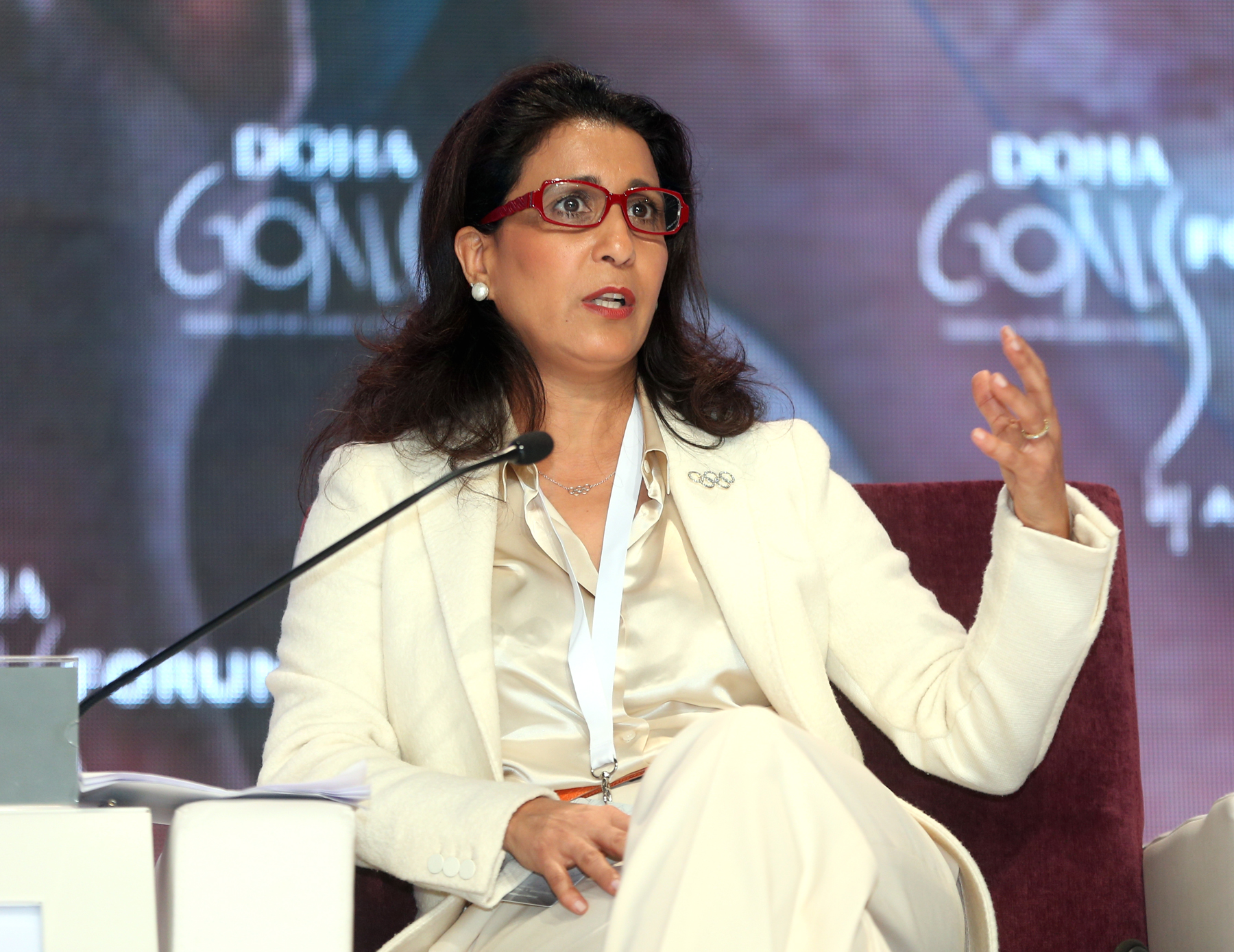
Aouita spent the rest of the decade rewriting the record book. The 1500 m world record fell to him in Berlin in 1985 (3:29.46); the 5000 m record twice, first 13:00.40 in Oslo and then 12:58.39 in Rome in July 1987 — the first time any human had run 5000 m inside 13 minutes. He added the 2000 m (4:50.81) and the 3000 m (7:29.45), and between September 1983 and September 1990 he won 115 of his 119 races.
Seoul 1988 confirmed the takeover was structural, not personal. Brahim Boutayeb won the 10,000 m, and an injured Aouita still dragged himself to 800 m bronze. Three Olympic golds in two Games — and the deepest bench in middle-distance running was now Moroccan.
Morocco’s Greatest Athletes
Six careers carry most of the story: the man with the two oldest running world records on the books, the record-breaker of the '80s who preceded him, the woman who opened the door for an entire region, a cross-country master with the strangest gold medal in Olympic history, a marathoner who started at 22, and the steeplechaser who owns the event right now.
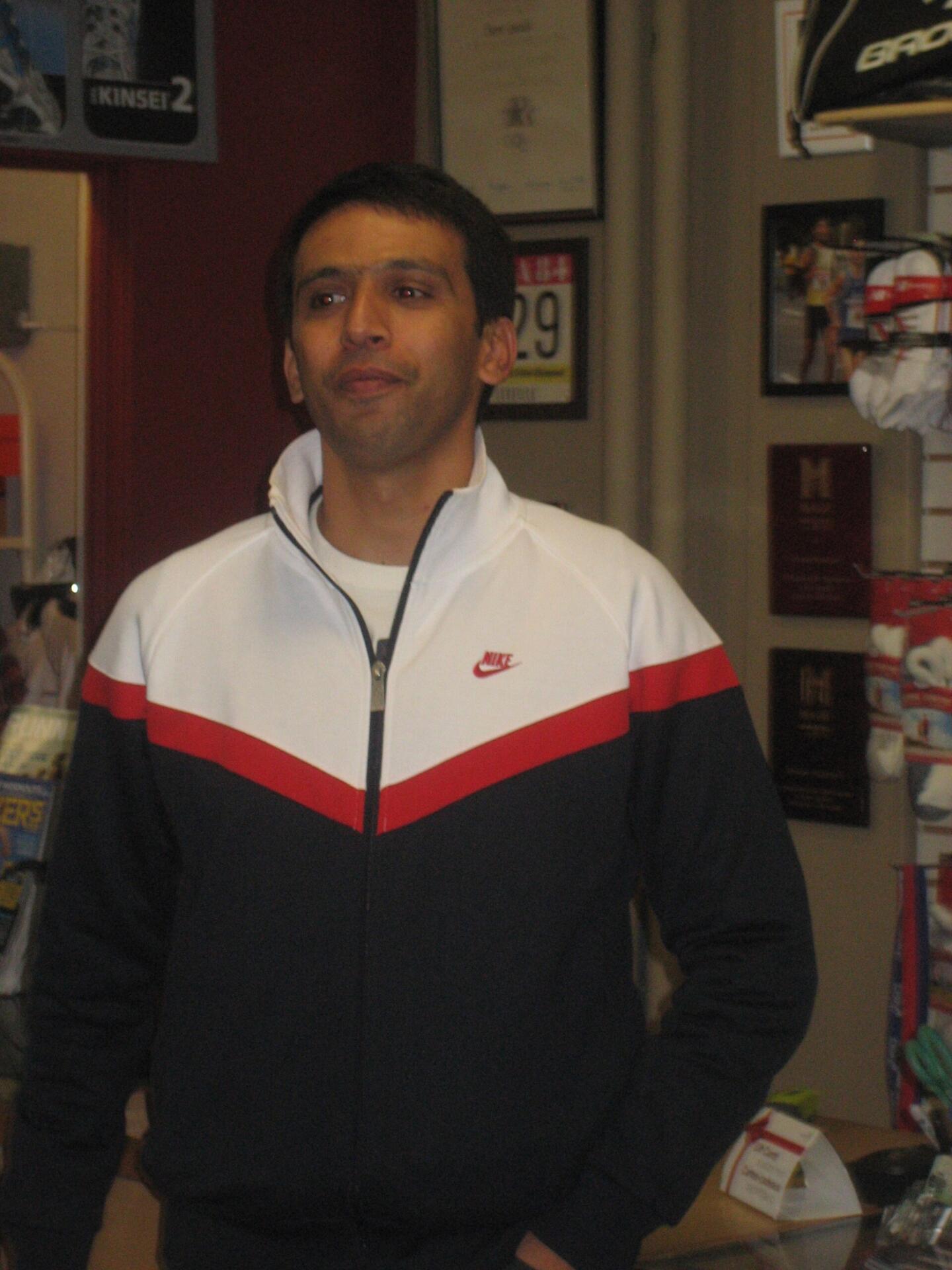
Hicham El Guerrouj
Four consecutive world 1500 m titles (1997–2003), then the Athens 2004 double — 1500 m and 5000 m at one Games, a first in 80 years, matching Paavo Nurmi. His 3:26.00 for 1500 m and 3:43.13 for the mile, both set in Rome, are still the world records in 2026.
Saïd Aouita
Olympic 5000 m champion in Los Angeles '84 and the first man ever under 13 minutes — 12:58.39 in Rome, 1987. World records at 1500 m, 2000 m, 3000 m and 5000 m, plus an 800 m bronze in Seoul while injured. Won 115 of 119 races between September 1983 and September 1990.
Nawal El Moutawakel
Won the inaugural women’s 400 m hurdles in Los Angeles in 54.61 — the first Moroccan, Arab, African and Muslim woman to take Olympic gold. Later Morocco’s Minister of Sports (2007–09), an IOC member since 1998 and an IOC vice-president since 2016.
Khalid Skah
Barcelona 1992 Olympic 10,000 m champion after the strangest afternoon of those Games: disqualified over a lapped teammate’s interference, reinstated on appeal about 14 hours later, booed at the ceremony. Also world cross country champion in 1990 and 1991 and world half marathon champion in 1994.
Jaouad Gharib
Started running at 22, after watching the Marrakech Marathon on television. World marathon champion back to back — Paris 2003 (2:08:31) and Helsinki 2005 (2:10:10), only the second man to retain the title — then Olympic silver in Beijing 2008 at 2:07:16.
Soufiane El Bakkali
Olympic steeplechase champion at Tokyo 2020 and Paris 2024 — the first man to go back to back since 1932, and the first champion born outside Kenya since 1980. Five World Championship medals, and a world-leading 7:57.25 in front of his home crowd in Rabat in 2026.
Skah’s Barcelona afternoon deserves its own paragraph. In the 1992 10,000 m final, his lapped teammate Hammou Boutayeb kept surging around the two leaders, Skah and Kenya’s Richard Chelimo, in what officials read as interference. Skah crossed the line first, was disqualified, and Chelimo was Olympic champion for roughly 14 hours — until Morocco’s appeal found the rule carried no defined penalty and the gold went back to Skah. The Barcelona crowd booed him on the podium. The medal, and the title, still stand.
Olympic Achievements
Morocco has won 21 Olympic athletics medals — 8 gold, 5 silver and 8 bronze — out of 26 Moroccan Olympic medals in all sports. Every one of the country’s Olympic golds and silvers has come on the track or the road; boxing and football account only for bronzes. The run stretches from Rhadi’s Rome 1960 marathon silver to Soufiane El Bakkali’s steeplechase gold in Paris 2024.
The peaks are sharp. Los Angeles 1984 brought two golds in a week; Sydney 2000 brought four medals in one Games, Morocco’s biggest single haul; Athens 2004 brought El Guerrouj’s 1500/5000 double plus Hasna Benhassi’s 800 m silver, run within days of each other. The multi-medallists tell the same story from another angle: El Guerrouj (two golds, one silver), Aouita (gold and bronze), El Bakkali (two golds), Benhassi (silver and bronze).
All 21 Moroccan Olympic athletics medals
| Athlete | Event | Games | Medal |
|---|---|---|---|
| Rhadi Ben Abdesselam | Marathon | Rome 1960 | Silver |
| Nawal El Moutawakel | 400 m hurdles | Los Angeles 1984 | Gold |
| Saïd Aouita | 5000 m | Los Angeles 1984 | Gold |
| Brahim Boutayeb | 10,000 m | Seoul 1988 | Gold |
| Saïd Aouita | 800 m | Seoul 1988 | Bronze |
| Khalid Skah | 10,000 m | Barcelona 1992 | Gold |
| Rachid El Basir | 1500 m | Barcelona 1992 | Silver |
| Salah Hissou | 10,000 m | Atlanta 1996 | Bronze |
| Khalid Boulami | 5000 m | Atlanta 1996 | Bronze |
| Hicham El Guerrouj | 1500 m | Sydney 2000 | Silver |
| Ali Ezzine | 3000 m steeplechase | Sydney 2000 | Bronze |
| Nezha Bidouane | 400 m hurdles | Sydney 2000 | Bronze |
| Brahim Lahlafi | 5000 m | Sydney 2000 | Bronze |
| Hicham El Guerrouj | 1500 m | Athens 2004 | Gold |
| Hicham El Guerrouj | 5000 m | Athens 2004 | Gold |
| Hasna Benhassi | 800 m | Athens 2004 | Silver |
| Jaouad Gharib | Marathon | Beijing 2008 | Silver |
| Hasna Benhassi | 800 m | Beijing 2008 | Bronze |
| Abdalaati Iguider | 1500 m | London 2012 | Bronze |
| Soufiane El Bakkali | 3000 m steeplechase | Tokyo 2020 | Gold |
| Soufiane El Bakkali | 3000 m steeplechase | Paris 2024 | Gold |
The Athens 2004 1500 m final is the one that gets replayed. El Guerrouj had fallen in Atlanta in 1996 and been outkicked by Noah Ngeny in Sydney in 2000; in Athens he finally won it in 3:34.18, then came back days later and took the 5000 m in 13:14.39 — the first man since Paavo Nurmi in 1924 to win both at the same Olympics.
World Championship Achievements
Morocco has 34 World Championships medals — 12 gold, 13 silver, 9 bronze — counting El Bakkali’s silver in Tokyo 2025, the country’s only medal of that edition. El Guerrouj is the most decorated Moroccan at the Worlds with six medals (four golds, two silvers); El Bakkali is already second with five.
Twelve golds on the start grid
Every Moroccan World Championship gold, one lane per title, its start block placed along the time axis like a waterfall start. Ten of the twelve came between 1997 and 2005; El Bakkali’s steeplechase pair reopened the account seventeen years later. Hover or tab onto a block for the full line. Sources: assahifa.com tally of Morocco’s World Championships medals; worldathletics.org.
View the data
| Year | Athlete | Event | Venue |
|---|---|---|---|
| 1987 | Saïd Aouita | 5000 m | Rome |
| 1997 | Hicham El Guerrouj | 1500 m | Athens |
| 1997 | Nezha Bidouane | 400 m hurdles | Athens |
| 1999 | Hicham El Guerrouj | 1500 m | Seville |
| 1999 | Salah Hissou | 5000 m | Seville |
| 2001 | Hicham El Guerrouj | 1500 m | Edmonton |
| 2001 | Nezha Bidouane | 400 m hurdles | Edmonton |
| 2003 | Hicham El Guerrouj | 1500 m | Paris |
| 2003 | Jaouad Gharib | Marathon | Paris |
| 2005 | Jaouad Gharib | Marathon | Helsinki |
| 2022 | Soufiane El Bakkali | 3000 m steeplechase | Eugene |
| 2023 | Soufiane El Bakkali | 3000 m steeplechase | Budapest |
The grid shows how concentrated the empire was. Seville 1999 alone produced five medals — two golds (El Guerrouj’s 1500 m, Hissou’s 5000 m), two silvers and a bronze — Morocco’s best single championships. Nezha Bidouane won the 400 m hurdles twice, in Athens 1997 and Edmonton 2001, each time on the same nights El Guerrouj was winning the 1500 m. And Jaouad Gharib retained the marathon title in 2005, a feat only Abel Antón had managed before him.
Then the seventeen-year gap — and El Bakkali closing it with steeplechase golds in Eugene 2022 and Budapest 2023, in exactly the manner of the old guard: championship racing, won in the last lap.
Running Culture in Morocco
Strip out Nawal El Moutawakel’s hurdles gold and every Moroccan Olympic title has come between 1500 m and 10,000 m, plus the steeplechase — and every Moroccan Olympic medal of any colour has come from running events. No throws, no jumps, no sprints. Few countries’ medal tables are this pure a statement of identity: Morocco runs, and above all it runs the middle distances.
The road side of that culture keeps producing its own stories. Jaouad Gharib took up running at 22 because he watched the Marrakech Marathon on television and thought he could do that; a world title double followed. In 2026 both national road records fell within weeks of each other — Othmane El Goumri’s 2:04:24 marathon in Hamburg and Mohammed El Youssfi’s 59:21 half.
And since the sport’s biggest circuit added a Moroccan stop, the country has a home stage: the Rabat Diamond League. In May 2026 El Bakkali opened his season there with a world-leading 7:57.25 steeplechase in front of his own crowd, beating Germany’s Frederik Ruppert by half a second. The night doubles as an annual audit of where Moroccan running stands — and in 2026 it stood first in the world.
How Morocco Develops Champions
The institutional spine is the FRMA, run since 2006 by president Abdeslam Ahizoune. Its most visible product may not be a runner at all: Nawal El Moutawakel went from the Los Angeles podium to Morocco’s Ministry of Sports (2007–09), IOC membership in 1998 and the IOC vice-presidency, elected in 2016 and re-elected in 2024. Moroccan athletics has had a seat at the sport’s top table for decades.
On the track, the system’s signature is succession. Aouita handed the 1500 m to El Guerrouj. Boutayeb’s 10,000 m gold was followed by Skah’s, then Hissou’s world record. Ali Ezzine’s steeplechase bronze in Sydney prefigured El Bakkali’s two golds, and behind El Bakkali the federation already has Ben Yazide, fifth in the world at 22. Event by event, the baton has rarely hit the ground.
The record carries one confirmed stain, and it belongs in the account. Brahim Boulami set a legal steeplechase world record of 7:55.28 in 2001; his faster 7:53.17 from 2002 was annulled after he tested positive for EPO, and he served a two-year ban. The 2001 mark remains the national record. Among the athletes named in this article, his is the only doping case in the cited sources.
The Current State of Morocco Athletics
At Paris 2024, Morocco sent 13 track and field athletes (8 men, 5 women) and El Bakkali delivered the headline: steeplechase gold in 8:06.05, running down American Kenneth Rooks in the home straight to become the first back-to-back Olympic steeplechase champion since 1932. It was Morocco’s only athletics medal of the Games.
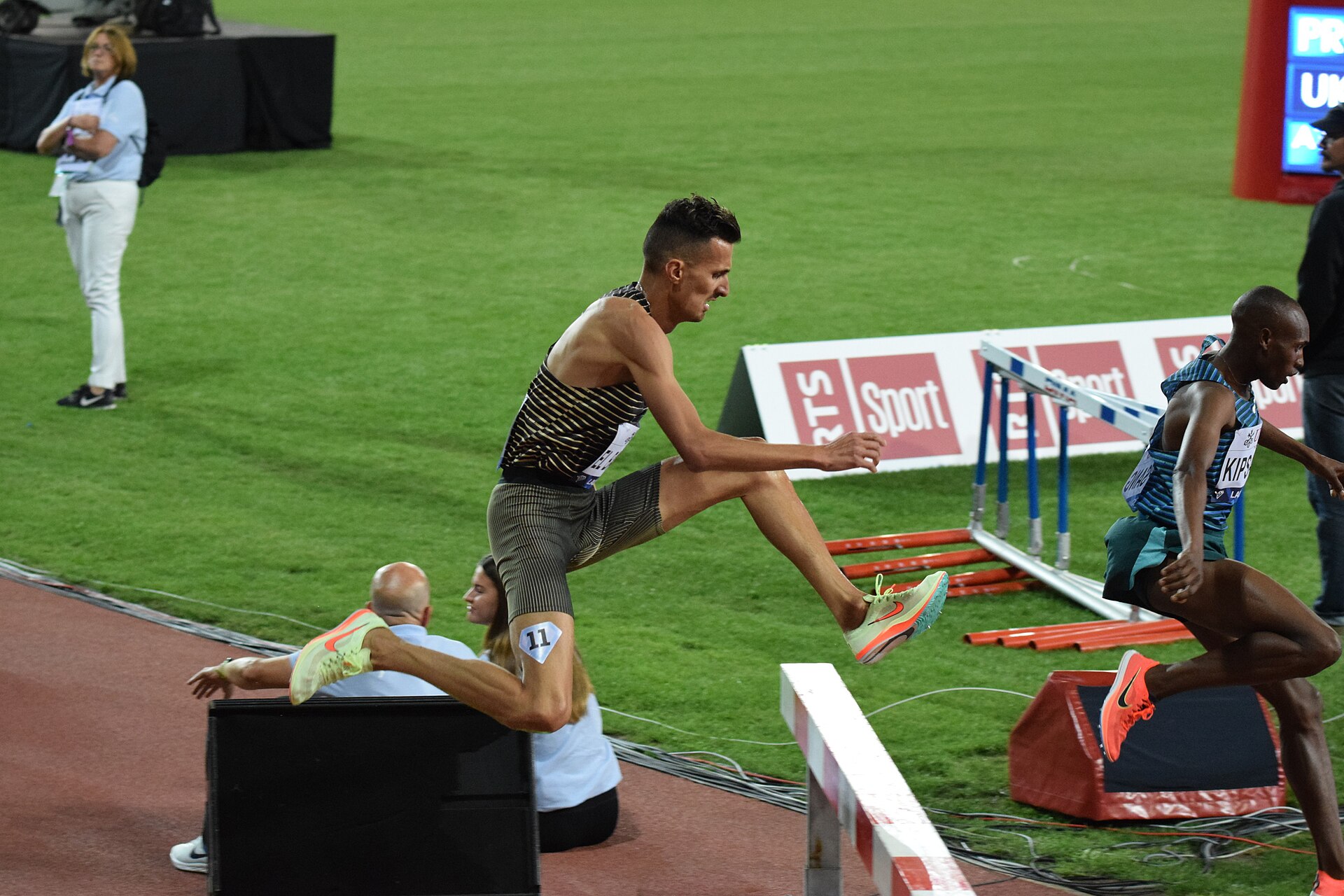
Tokyo 2025 brought the near-miss that humanized him. In the world final, New Zealand’s Geordie Beamish went from 11th to 1st on the last lap and caught El Bakkali in the final strides — 8:33.88 to 8:33.95, a margin of 0.07 seconds, ending his run at a fifth straight global title. Ben Yazide took 5th in the same race; that silver was Morocco’s only medal of the championships, and the team left the 2026 World Indoors in Toruń without one.
The 2026 outdoor season reads like the answer. El Bakkali opened with the world-leading 7:57.25 in Rabat, then won the Doha Diamond League steeple in extreme heat. On the roads, El Goumri won the Hamburg Marathon in April in a national-record 2:04:24 — the first Moroccan winner of the race.
On kit, honesty over neatness: the federation’s supplier history is thinly documented in public. A 2004 report records that Nike had equipped Moroccan athletics since the 1990s — the brand on the singlets of the El Guerrouj era — but no current supplier announcement could be verified for 2024–26. What is documented is the Paris 2024 parade outfit: designed by Moroccan designer Ali Drissi, produced entirely in Morocco, with the names of past medallists stitched into the jacket lining. Authentic race-issued pieces from national federations surface in the Pro Elite archive as they leave team channels.
Future Stars and Emerging Talents
The next generation clusters exactly where you would expect: the steeplechase, the 1500 m and the roads. None of them is a finished champion yet — but the events are the family businesses, and the apprenticeships are underway.
Salaheddine Ben Yazide
World U20 bronze medallist in 2022 and fifth in the Tokyo 2025 world final (8:35.16) — the same race El Bakkali lost by 0.07 — at 22. Morocco’s steeplechase line now has an heir in place before the incumbent has finished.
Anass Essayi
Ran a 3:30.17 personal best in June 2026, the fastest by a Moroccan of his generation over the distance El Guerrouj still owns. The gap to 3:26.00 is enormous — it is for everyone — but the event finally has a young Moroccan name on the world lists again.
Mohammed El Youssfi
Brought the Moroccan half marathon record down to 59:21 in 2026, one of two national road records rewritten that year alongside El Goumri’s marathon mark — a sign the road pipeline is moving again.
Morocco Records & Historic Milestones
Two lines in this table have outlived every athlete who has chased them. El Guerrouj’s 3:26.00 and 3:43.13, both set in Rome, have been the 1500 m and mile world records for 28 and 27 years; Jakob Ingebrigtsen has come closest at 3:26.73 and 3:43.73 and still fallen short of both. They are also, by definition, the African records.
Three footnotes complete the ledger. Salah Hissou’s 26:38.08 was the 10,000 m world record from Brussels 1996 until Haile Gebrselassie took it in Oslo the following July — and 30 years on it is still the Moroccan record. El Guerrouj did lose one of his three world records: his 4:44.79 for 2000 m fell to Ingebrigtsen’s 4:43.13 in Brussels in September 2023. And the two newest lines in the table — the marathon and the half — were both written in 2026, the first time in years the road records have moved.
Shop Athletics Apparel
Race-issued Morocco kit almost never leaves team channels — there is no dedicated Morocco rail in the archive yet, and when a federation piece does surface it tends to sell once and never return. While the Morocco rail waits for its first piece, these are the latest athlete-issued arrivals in the Elite Athletics Clothes archive — real pro elite gear, never replicas.
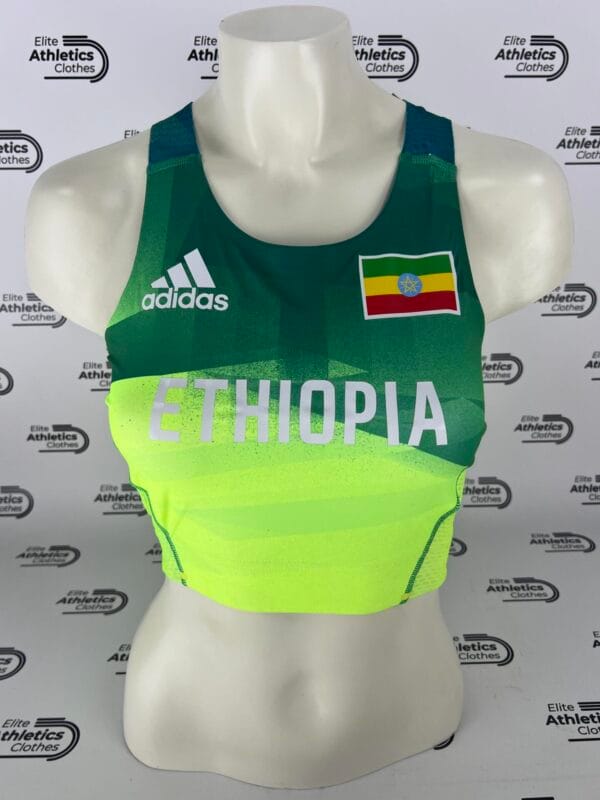 Adidas Ethiopia Pro Elite 2022 Women Crop Top80,00 €View Piece →
 Nike Rosa & Co. Pro Elite 2024 Running Shorts180,00 €View Piece →
 Asics Netherlands Pro Elite 2016 Long Tights
 Nike Rosa & Co. Pro Elite Team 2022 Half Zip Jersey200,00 €View Piece →
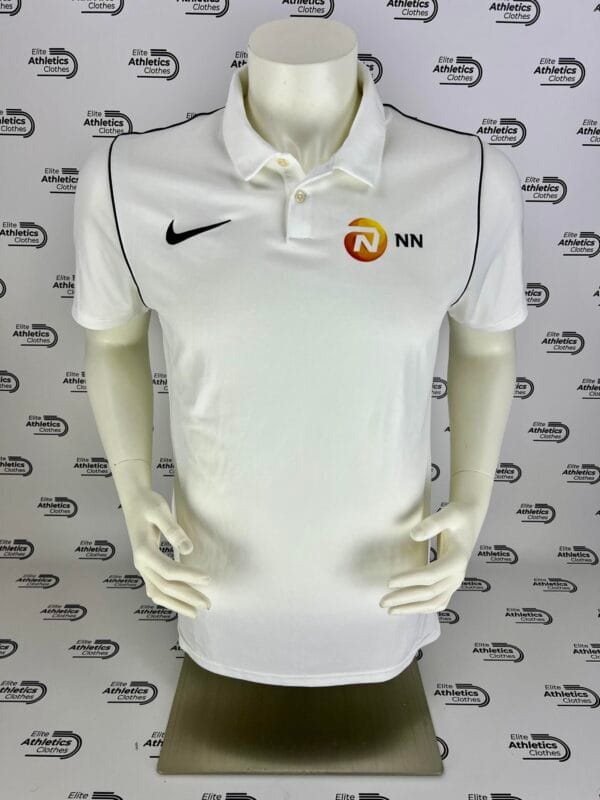 Nike NN Running Team Pro Elite Training White Polo80,00 €View Piece →
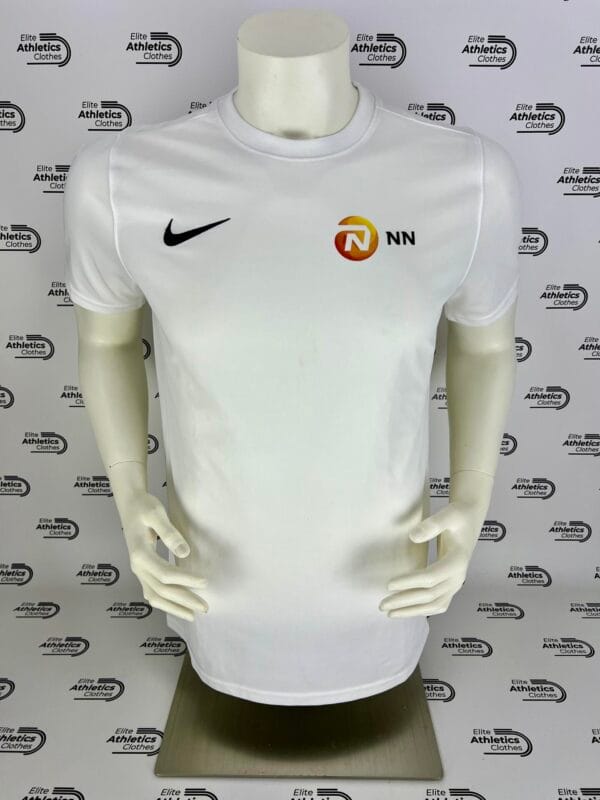 Nike NN Running Team Pro Elite Training Rare T-Shirt80,00 €View Piece →
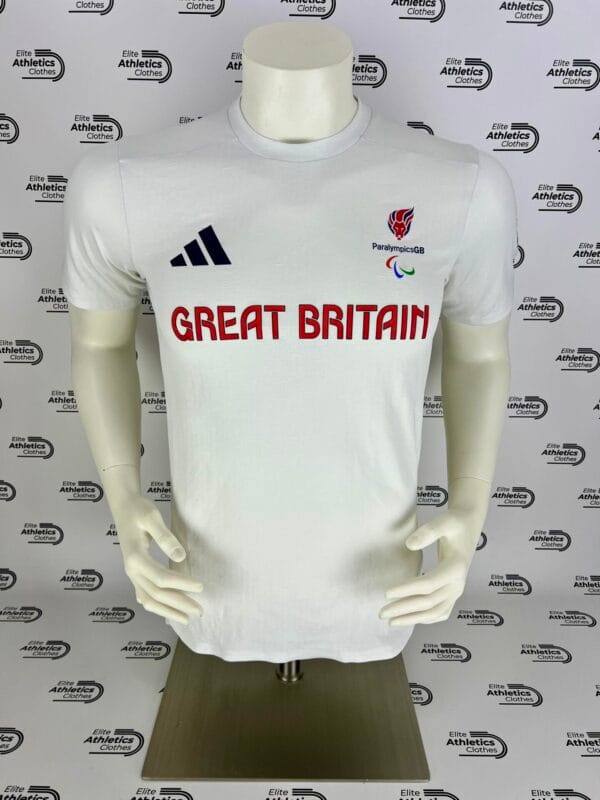 Adidas Great Britain Paralympics Team Pro Elite 2024 T-Shirt70,00 €View Piece →
 Nike Rosa & Co. Pro Elite 2023 Women Storm Fit Jacket240,00 €View Piece →
Who is Morocco’s greatest ever runner?
Hicham El Guerrouj. He won four consecutive world 1500 m titles (1997–2003), completed the Athens 2004 Olympic 1500/5000 double — the first in 80 years — and set world records for the 1500 m (3:26.00) and the mile (3:43.13) that still stand in 2026.
Does Hicham El Guerrouj still hold the 1500 m world record?
Yes. His 3:26.00 from Rome in July 1998 remains the world record as of July 2026 — 28 years on — and so does his 3:43.13 mile from 1999. Jakob Ingebrigtsen’s 3:26.73 is the closest anyone has come to the 1500 m mark.
Who was the first Moroccan Olympic champion?
Nawal El Moutawakel, who won the inaugural women’s 400 m hurdles at Los Angeles 1984 in 54.61 — days before Saïd Aouita added 5000 m gold. She was the first Moroccan, Arab, African and Muslim woman to win Olympic gold, and today she is an IOC vice-president.
How many Olympic medals has Morocco won in athletics?
21 — 8 gold, 5 silver and 8 bronze — out of 26 Moroccan Olympic medals in all sports, from Rhadi Ben Abdesselam’s marathon silver in Rome 1960 to Soufiane El Bakkali’s steeplechase gold in Paris 2024. Every Moroccan Olympic gold and silver has come from athletics.
What happened to Soufiane El Bakkali at the 2025 World Championships?
He lost by 0.07 seconds. New Zealand’s Geordie Beamish kicked from 11th to 1st on the last lap of the Tokyo final to win 8:33.88 to El Bakkali’s 8:33.95, denying him a fifth straight global steeplechase title. El Bakkali answered in 2026 by winning the Rabat Diamond League steeple in a world-leading 7:57.25 and the Doha meeting after it.
Who makes the Morocco athletics team kit?
The federation’s recent supplier history is not well documented publicly. A 2004 report records that Nike had equipped Moroccan athletics since the 1990s — the kit of the El Guerrouj era — but no current supplier announcement for 2024–26 could be verified. The Paris 2024 opening-ceremony outfits, by contrast, are well documented: designed by Ali Drissi and produced entirely in Morocco.
Where can I buy authentic Morocco athletics apparel?
Genuine race-issued Morocco pieces are extremely rare and there is no dedicated Morocco category at Elite Athletics Clothes yet. The archive of athlete-issued Pro Elite gear from other federations at eliteathleticsclothes.com is the place to start — new team-channel pieces are added as they surface.
Sources and References
- Morocco at the Olympics (Wikipedia) — confirms the 21 Olympic athletics medals (8-5-8) and the full medal list, Rome 1960 to Paris 2024.
- Morocco — Olympedia — independent cross-check of the athletics medal breakdown (8 G / 5 S / 8 B).
- Morocco’s World Championships tally (Assahifa) — confirms 33 medals and the list of all 12 golds through Budapest 2023, plus Seville 1999 as the best edition.
- Tokyo 2025 steeplechase report (World Athletics) — confirms Beamish 8:33.88, El Bakkali 8:33.95 silver, Ben Yazide 5th.
- Hicham El Guerrouj (Wikipedia) — confirms the 3:26.00 and 3:43.13 world records, four world titles and the Athens 2004 double.
- El Guerrouj 1500 m record feature (World Athletics Heritage) — confirms the 1500 m world record status of 3:26.00, Rome 1998.
- Saïd Aouita (Wikipedia) — confirms the 12:58.39 first sub-13 5000 m, his world records and the 115-of-119 winning run.
- Nawal El Moutawakel (Wikipedia) — confirms the 1984 gold (54.61), the firsts, and her IOC vice-presidency.
- Khalid Skah (Wikipedia) — confirms the Barcelona 1992 disqualification-and-reinstatement and his cross country titles.
- Jaouad Gharib (Wikipedia) — confirms the back-to-back marathon world titles (2003, 2005) and Beijing 2008 silver.
- List of Moroccan records in athletics (Wikipedia) — confirms the national records in the ledger, including the two 2026 road marks.
- El Goumri wins Hamburg in a national record (CNOM) — confirms the 2:04:24 Moroccan marathon record, Hamburg, 26 April 2026.
- El Bakkali wins the Rabat Diamond League steeple (Hespress) — confirms the world-leading 7:57.25 in Rabat, 31 May 2026.
- Royal Moroccan Athletics Federation (Wikipedia) — confirms the FRMA’s 1956 foundation, Rabat HQ and president Abdeslam Ahizoune.
- Nike and Moroccan athletics (Bladi.net, 2004) — the 2004 report noting Nike had equipped Moroccan athletics since the 1990s; no current supplier verified.