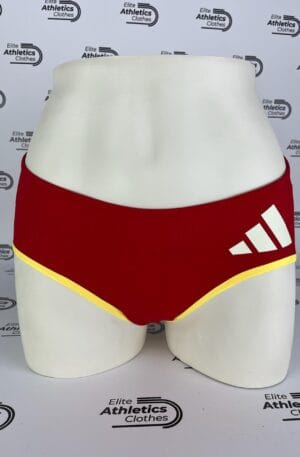
Adidas Ethiopia Pro Elite 2024 Women Distance Competition Briefs worn by Ethiopia Team during Paris 2024 Olympic Games.
Tap a crossed size and we write you the day one lands in it
Adidas Ethiopia Pro Elite 2024 Women Distance Competition Briefs worn by Ethiopia Team during Paris 2024 Olympic Games. 100% Authentic Color: Red/Yellow/White 84% Polyamide (100% Recycled) – 16% Spandex Made in Portugal Excellent Condition Still with its tags
Ships from Switzerland, tracked · processed in 1–3 business days · free over €150
| Size | Chest | Waist | Hip |
|---|---|---|---|
| XS | 77–82 | 61–66 | 86–91 |
| S | 83–88 | 67–72 | 92–97 |
| M | 89–94 | 73–78 | 98–103 |
| L | 95–101 | 79–85 | 104–110 |
| XL | 102–109 | 86–94 | 111–117 |
body measurements in cm, as published by adidas
Use the brand body chart as a starting point. Ask us for flat measurements of this exact piece to compare with a garment you already wear.
Ethiopia's 2024 season was built around the Paris Olympics, and it came down to the roads. Four athletics medals — one gold and three silver — and the gold was a marathon title the country had been waiting 24 years for.
Tamirat Tola was not supposed to run. He entered the Olympic marathon as a late replacement for the injured Sisay Lemma, and on 10 August he won it in 2:06:26 over one of the hardest courses the race has used, with the climb out through the western suburbs. The time took the Olympic record off Samuel Wanjiru, whose 2:06:32 from Beijing had lasted 16 years.
Competition briefs — race briefs, or “bun huggers” — are the snug, minimalist bottom half of the classic two-piece athletics kit, worn with a crop top or singlet by sprinters, hurdlers and jumpers for full hip movement with zero loose fabric.
No rule mandates them: World Athletics TR5 names no garment at all. The brief earned the start line on fit through the 1980s, survived a real argument about who decides what women race in, and remains the choice of most championship sprinters today.