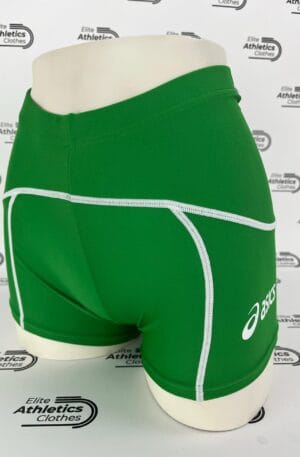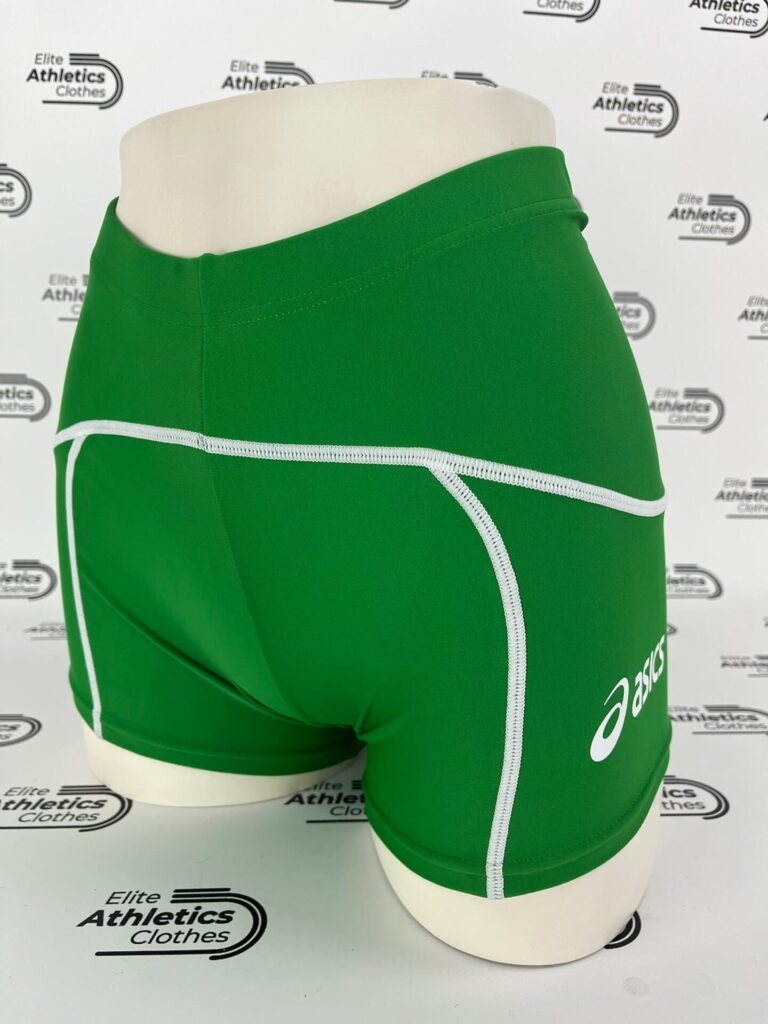
Asics Ireland Pro Elite 2012 Women Booty Short Tights worn by Irish Athletes during 2012 season.
Tap a crossed size and we write you the day one lands in it
Asics Ireland Pro Elite 2012 Women Booty Short Tights worn by Irish Athletes during 2012 season. 100% Authentic Color: Green/White Made in Japan New Condition With Original Tags
Ships from Switzerland, tracked · processed in 1–3 business days · free over €150
| Size | Chest | Waist | Hip |
|---|---|---|---|
| XS | 79–84 | 61–66 | 86–91 |
| S | 84–89 | 66–71 | 91–97 |
| M | 89–94 | 71–76 | 97–102 |
| L | 94–100 | 76–83 | 102–107 |
| XL | 100–108 | 83–90 | 107–114 |
Listed size: M · body measurements in cm, as published by Asics
Use the brand body chart as a starting point. Ask us for flat measurements of this exact piece to compare with a garment you already wear.
The men's 50 kilometre walk at the London Olympics started and finished on The Mall on 11 August 2012. Rob Heffernan, a Cork walker who had already finished ninth in the 20 kilometre race a week earlier, walked 3:37:54 and came fourth. It was an Irish record. Fourth place at an Olympic Games is the worst result in sport, and that is where the story sat for the next three and a half years.
Heffernan was 34 and at his fourth Olympics. The 3:37:54 he walked that afternoon is still the Irish record in August 2026, and it is now a record that cannot be beaten: the 50 kilometre walk has since been removed from the championship programme.
Half tights are close-fitting running shorts, usually finishing around mid-thigh. Their appeal is the feel: a stretch garment that follows your stride instead of a loose shell. Length, lining and compression vary by model; a snug fit alone does not tell you the pressure a garment applies.
Choose for fit, coverage and the details of the individual pair. Research on sports compression is useful context, but it does not establish performance benefits for every pair in this archive.