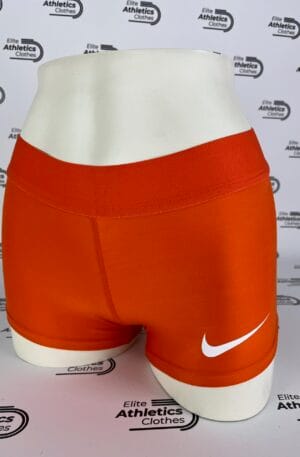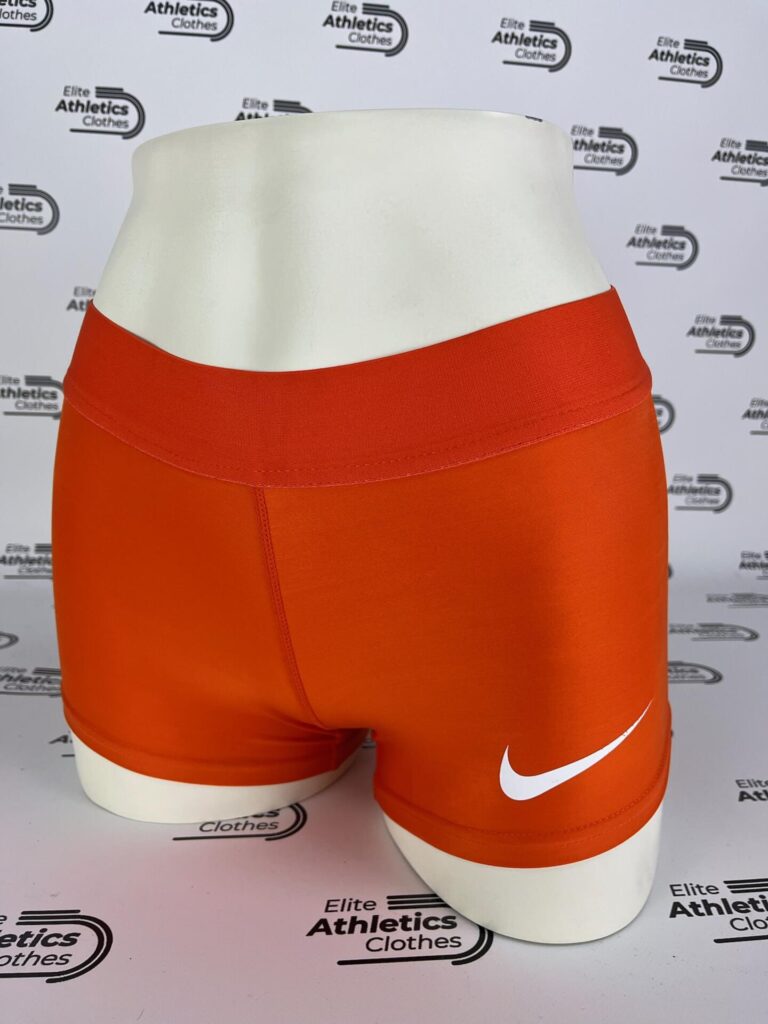
Nike NN Running Team Pro Elite 2019 Women Booty Short Tights worn by NN Running Team During 2019 season.
Tap a crossed size and we write you the day one lands in it
Nike NN Running Team Pro Elite 2019 Women Booty Short Tights worn by NN Running Team During 2019 season. 100% Authentic Color: Orange/White 74% Polyester - 26% Elastane Made in USA Worn by a NN Running Pro Athlete
Ships from Switzerland, tracked · processed in 1–3 business days · free over €150
| Size | Chest | Waist | Hip |
|---|---|---|---|
| XXS | 70–76 | 54–60 | 78–84 |
| XS | 76–83 | 60–67 | 84–91 |
| S | 83–90 | 67–74 | 91–98 |
| M | 90–97 | 74–81 | 98–105 |
| L | 97–104 | 81–88 | 105–112 |
| XL | 104–114 | 88–98 | 112–120 |
| XXL | 114–124 | 98–108 | 120–128 |
Listed size: S · body measurements in cm, as published by Nike
Use the brand body chart as a starting point. Ask us for flat measurements of this exact piece to compare with a garment you already wear.
If the NN Running Team has a golden age, it is these two seasons. Between March 2018 and December 2019 the squad set world records on the road, the track and the half marathon, won London twice, New York twice and a world cross title — and finished with the most famous morning in running history.
The centre of it all was Eliud Kipchoge: London in 2:04:17, then Berlin on 16 September 2018 — 2:01:39, a world record by 78 seconds. A year later, after a fourth London title, came Vienna: 1:59:40 at the INEOS 1:59 Challenge, the first time a human covered the marathon distance under two hours. An exhibition, never a record — and the reason the partnership that later branded the team's kit exists at all.
Half tights are close-fitting running shorts, usually finishing around mid-thigh. Their appeal is the feel: a stretch garment that follows your stride instead of a loose shell. Length, lining and compression vary by model; a snug fit alone does not tell you the pressure a garment applies.
Choose for fit, coverage and the details of the individual pair. Research on sports compression is useful context, but it does not establish performance benefits for every pair in this archive.