
A national team singlet is rare when three things align: an athlete-issue production tier that never reaches retail, a seasonal issue window that closed for good, and a nation collectors chase. Add provenance — ideally photo-matched to competition — and condition read in context, and you have the pieces that anchor serious collections.
Every serious collection starts the same way: one singlet that means something. A Kenya vest from a championship year. The kit your country wore the night a record fell. Then the questions start — what makes one of these genuinely rare, what should it cost, and how do you grow one meaningful piece into a collection with direction? This guide covers the fundamentals: the tier system that creates scarcity, how collectors grade condition, why provenance is the whole game, and three proven ways to focus a collection.
Key facts · Verified · updated August 2026
- What makes it rare
- Tier × season window × nation — all three at once
- Athlete-issue tier
- Produced for contracted athletes; never sold through retail
- Season windows
- FN1826-618 exists only as a 2024-season piece — then it closes
- Supply direction
- Only shrinks: pieces wear out, get lost or lock into collections
- Condition scale
- New → Issued → Worn — always read in context
- Where value lives
- Provenance — photo-matching is the gold standard
- Three collection theses
- By nation · by era · by event
- First rule
- Quality over quantity — one clean-provenance piece beats five maybes
What Makes a National Team Singlet Rare?
The athlete-issue tier
The first and biggest divider is production tier. Retail racing singlets — excellent garments like Nike’s AeroSwift Dri-FIT ADV line — are sold publicly and produced to meet demand. Athlete-issue federation kit is not. Within the collector community, Nike’s “Pro Elite” tier is understood to be produced for contracted elite athletes in limited quantities, never sold through Nike retail, and available only secondhand. Nike doesn’t even use the name publicly; the retail and issued tiers share fabric technology but live in separate worlds of scarcity.
If the tier system is new to you — replica versus athlete-issue versus race-issue versus race-worn — read our federation kit buying guide first. Everything below builds on it.
Seasonal production windows
Issued kit is tied to seasons and championship cycles. Pieces are issued per season — the 2024 Pro Elite Team W Distance Singlet, style code FN1826-618, exists specifically as a 2024-season piece for Nike international team athletes. When the season ends, so does the piece. As the collector community understands it, these garments typically reach the market via athletes’ seasonal kit allocations — a finite pool that only shrinks as pieces are worn out, lost, or locked into collections. A design from a memorable championship year becomes scarcer every season that passes.
Nation desirability
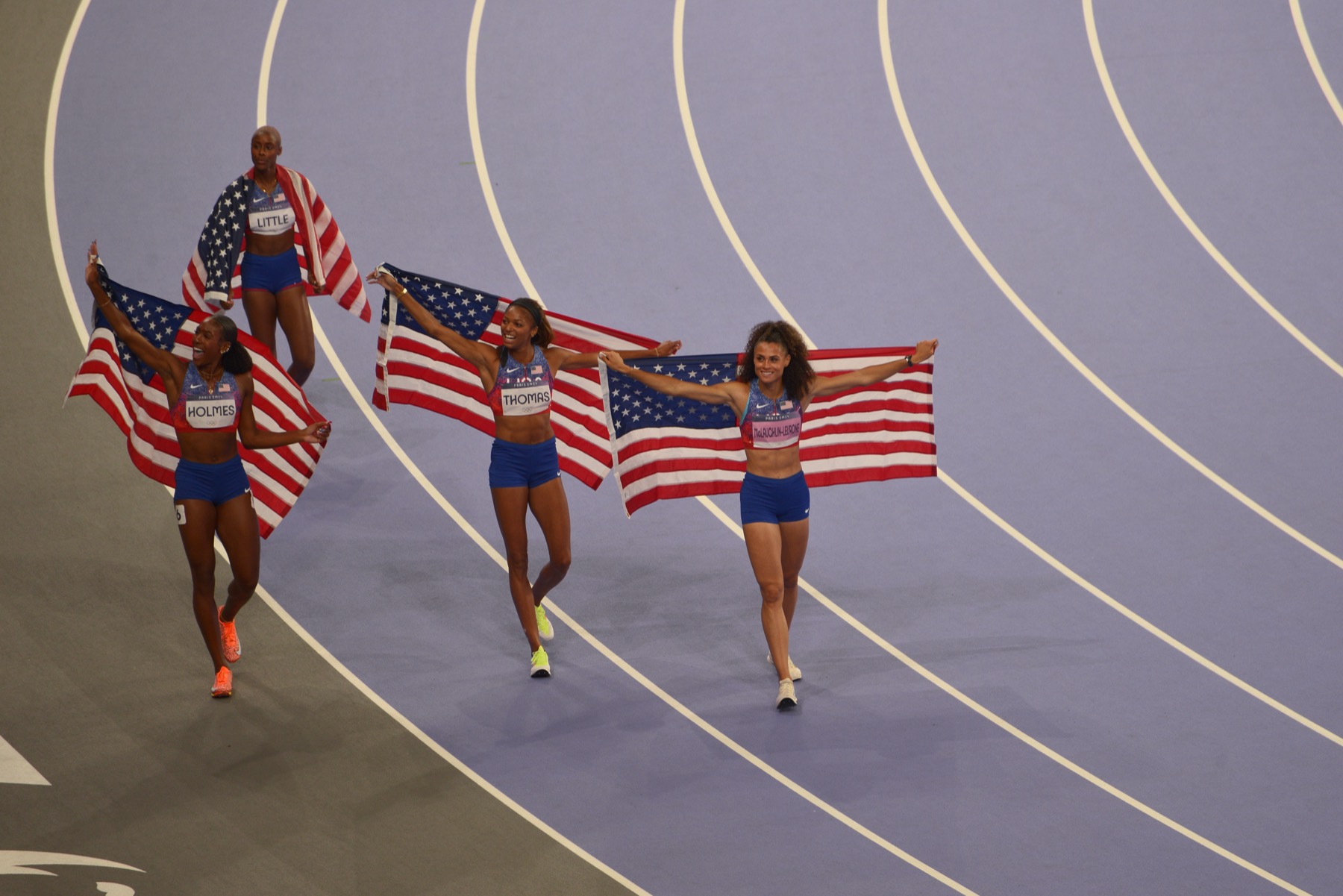
Rarity sets the floor; demand sets the price. And demand among collectors is not evenly distributed across nations. Distance-running powerhouses like Kenya and Ethiopia have devoted followings — their singlets are the ones fans watched break away at the front of championship finals, and that emotional gravity shows up in how quickly pieces move. Big federations like the USA carry broad appeal and Olympic designs the whole sport knows on sight; smaller nations can be sleepers, produced in tiny quantities for small teams and almost never surfacing at all. None of this is a formal ranking — it is collector-community sentiment — but it is consistent, and it should inform what you buy early.
Condition Grading: New, Issued, Worn
Track and field collecting has no universal grading authority, so collectors describe condition in practical tiers. Learn to read them — and to demand photos that back them up.
| Condition | What it means | What to check |
|---|---|---|
| New / unworn | Issued but never competed in; crisp labels, no wear. | Label sharpness, fabric hand, no bib or pin marks |
| Issued / excellent | Handled or lightly used within a team environment; effectively display-grade. | Light handling only; seams and prints intact |
| Worn / competition-used | Visible use — pin holes from bibs, fabric stress, print wear. | Whether wear is documented and consistent with claimed use |
Here is the counterintuitive part: wear is not automatically a defect. On an ordinary garment, pin holes lower the value. On a singlet with evidence tying it to a specific race, those same pin holes are the artifact. Condition and provenance have to be read together — undocumented wear is damage, documented wear is history.
Provenance and Photo-Matching: Where Value Really Lives
The gold standard, inherited from football-shirt collecting, is photo-matching: aligning unique features of a garment — wear marks, print placement, personalisation — with photographs of it being worn in competition, supported by a documented chain of custody. A match-worn claim without that evidence chain is just a story.
Provenance matters even more in this market than in most, for one hard reason: construction checks are no longer decisive. Collectors on LetsRun have documented counterfeits of current elite athlete vests convincing enough to replicate the construction details buyers used to rely on. Style codes on the sewn-in label remain worth cross-referencing, and general authentication tells — clean label typography, tight even stitching, a symmetrical Swoosh — still filter out lazy fakes. But the pieces that hold and grow value are the ones whose history is documented, not only the ones whose seams look right. When you buy, you are buying the paper trail as much as the polyester.
Practical habits that pay off for years:
- Keep everything. Listings, seller correspondence, invoices, sourcing stories — archive them with photos of the piece from day one.
- Buy from specialists. A seller with a reputation in track and field kit is itself a provenance link. An anonymous marketplace account is a dead end in your chain.
- Cross-reference style codes against known issued pieces before you commit.
The rarity funnel
Each filter cuts the pool — a piece is rare when it survives all four. The widths are illustrative; the direction is the point.
↓
↓
↓
↓
Data table — the rarity funnel
| Stage | What filters the pool |
|---|---|
| Racing singlets at large | Retail lines, produced to meet demand |
| Athlete-issue tier | Made for contracted athletes; never sold at retail |
| One season’s window | Issued per season — then the window closes for good |
| A nation collectors chase | Demand concentrates on the chased federations |
| Provenance on top | Documented history; photo-matched is the gold standard |
The tier system, season windows and provenance hierarchy as set out in this guide and the federation kit buying guide it builds on.
Building a Focused Collection
The difference between a collection and a pile of shirts is a thesis. Three frameworks that work:
By nation
Go deep on one country across seasons and kit cycles: every Kenya issue you can trace, or the Netherlands through decades of design changes. Depth makes you the expert in your niche — you will spot mispriced pieces others scroll past, and your collection tells one coherent story instead of thirty fragments.
By era
Anchor to a period — an Olympic cycle, or a design generation like the 2016 AeroSwift Vapor kits worn by the USA, Brazil, Germany, and China in Rio. Era collections capture a moment in apparel engineering as well as sport, and they have a natural completeness: a defined set you can actually finish.
By event
Collect the discipline you love: distance singlets, sprint kit, marathon vests. Event collections cut across nations and eras, and they pair naturally with fandom — the pieces on your wall are the pieces from the races you watched.
Whichever thesis you choose, let the first rule be quality over quantity: one athlete-issue piece with clean provenance beats five maybes. And decide early whether speedsuits belong in scope — our singlet vs speedsuit guide covers why singlets dominate display collections while suits remain a specialist pursuit.
Protecting What You Own
A rare singlet is a technical garment with heat-applied graphics and bonded construction — it does not want the ordinary laundry treatment, and a preservation mistake can undo everything the provenance built. Care and storage deserve their own deep dive, and we have one: see our complete guide to washing and caring for Pro Elite kit, with more preservation-focused pieces coming to the journal.
Are replica national team singlets worth collecting?
They are worth owning as fan apparel, but the collector market centers on the issued tiers. Replicas are licensed retail products made in volume with standard fabric and a looser cut; athlete-issue pieces are limited-production competition garments. If long-term value matters to you, put your budget toward the issued tier.
Which nations’ singlets are most sought after?
Within the collector community, distance-running nations like Kenya and Ethiopia enjoy especially devoted followings, and major federations like the USA carry broad appeal. But desirability is sentiment, not a fixed ranking — small-federation pieces can be exceptionally scarce, and the best collections usually follow the collector’s own connection to the sport rather than chasing consensus.
Does competition wear increase or decrease a singlet’s value?
It depends entirely on documentation. Wear that is photo-matched and provenance-backed makes a piece race-worn — the rarest tier. The same wear without evidence simply reads as condition damage. Buy documented wear or clean unworn pieces; be skeptical of everything between.
How can I verify a singlet is genuine athlete-issue?
Cross-reference the Nike style code on the sewn-in label, check the authentication basics (label typography, stitching quality, Swoosh symmetry), and weigh provenance and seller reputation above all — convincing counterfeits of elite kit now replicate construction details, so a documented sourcing chain from a reputable specialist is your strongest protection.
How should I display a collectible singlet?
Singlets are the easiest elite kit to display — they hang and frame flat like jerseys. Whatever method you choose, treat preservation as part of collecting: see our Pro Elite care and maintenance guide before washing or mounting anything rare.
Start — or sharpen — your collection with pieces that need no second-guessing. Our International Teams collection carries authentic federation singlets from Kenya, the Netherlands, the USA, and more, sourced by specialists; the full Pro Elite catalog covers the rest of the kit bag. The rarest pieces never wait long.