
OREGON
PROJECT
Nike's own running club: eighteen years of records on the Beaverton campus, ended in ten days in October 2019. What it was, what its athletes won, how it ended — and the one piece of its kit in this archive.
The Nike Oregon Project was a professional distance-running club founded by Nike in 2001 at its Beaverton headquarters, led by coach Alberto Salazar. Its athletes — Mo Farah, Galen Rupp, Matthew Centrowitz and Sifan Hassan among them — set European and American records from the mile to the half marathon before Nike closed the project on 10 October 2019, days after Salazar received a four-year anti-doping ban.
No Oregon Project athlete ever tested positive, and the arbitration panel saw no evidence any had doped — but the club itself never reopened. Its kit stopped being replaceable that October, which is what makes the single Oregon Project piece in this archive worth a chapter.
This is Club Series No. 01, part of the Nike Pro Elite Clubs Sponsored line. Jump to the club pieces in the archive, or read the sibling chapters linked below.
- What it was
- Nike's own professional distance-running club, founded 2001 on the Beaverton campus by Salazar with Nike's Tom Clarke
- The haul
- European records for Farah (1500 m, 10,000 m, half marathon), an American 10,000 m record for Rupp, a mile world record for Hassan
- The end
- USADA bans Salazar 4 years on 1 Oct 2019; Nike closes the project on 10 Oct 2019
- On appeal
- CAS upholds the ban in September 2021 — a sports arbitration ruling, not a criminal one
- The athletes
- No Oregon Project athlete ever tested positive; the panel saw no evidence any doped
- The separate file
- SafeSport barred Salazar from US Olympic sport permanently in 2021 (misconduct procedure, upheld Dec 2021)
- Where they are now
- Farah retired 2023 · Rupp preparing Boston 2026 · Hassan a marathon major winner, still with Nike
- In this archive
- 1 piece: the neon Team Pro Elite training tee — a closed set, since the club cannot issue more
Chart data as a table
| Athlete | Years at the project | Marks set while there |
|---|---|---|
| Mo Farah | 2011–2017 | ER 1500 m 3:28.81, ER 10,000 m 26:46.57, ER half 59:32, WR indoor 2 miles 8:03.40 |
| Galen Rupp | From high school to closure | AR 10,000 m 26:44.36 (2014); Chicago 2017 winner |
| Matthew Centrowitz | 2011–2018 | 3:30.40 (Monaco 2014); Wanamaker Mile 2016 |
| Sifan Hassan | 2017–2019 | WR mile 4:12.33; ER 3000 m 8:18.49 (2019) |
A club owned by a brand
In 2001, Nike did something no shoe company had done before: it founded its own running club. Alberto Salazar — three-time New York City Marathon winner and a friend of Phil Knight since his own racing days — convinced the company that American distance running had fallen too far behind the East Africans, and together with Nike executive Tom Clarke he set up the Oregon Project on the Beaverton campus. Nike wrote the contracts, paid the athletes and housed the operation at headquarters.
That arrangement made it unlike any club in this archive. FC Barcelona's runners answer to a members' club; the Aeronautica's to an air force. The Oregon Project answered to a brand, trained on its lawns, and tested every recovery gadget the company could build — underwater treadmills, altitude houses, and kit that never saw a shop.
This post is one of four club chapters hanging off our Clubs Sponsored line hub — the others cover Aeronautica Militare, FC Barcelona athletics and CA Montreuil 93.
What the roster won
For most of two decades the experiment simply worked, and the record book above is the proof. Mo Farah arrived from Britain in February 2011 an outsider and left in October 2017 with the European records for 1500 m (3:28.81, Monaco 2013), 10,000 m (26:46.57, Eugene 2011) and the half marathon (59:32, Lisbon 2015), a world indoor two-mile best (8:03.40, Birmingham 2015) and four straight Great North Runs. The championship doubles he won for Great Britain in those years were run in federation kit, and belong to that story.
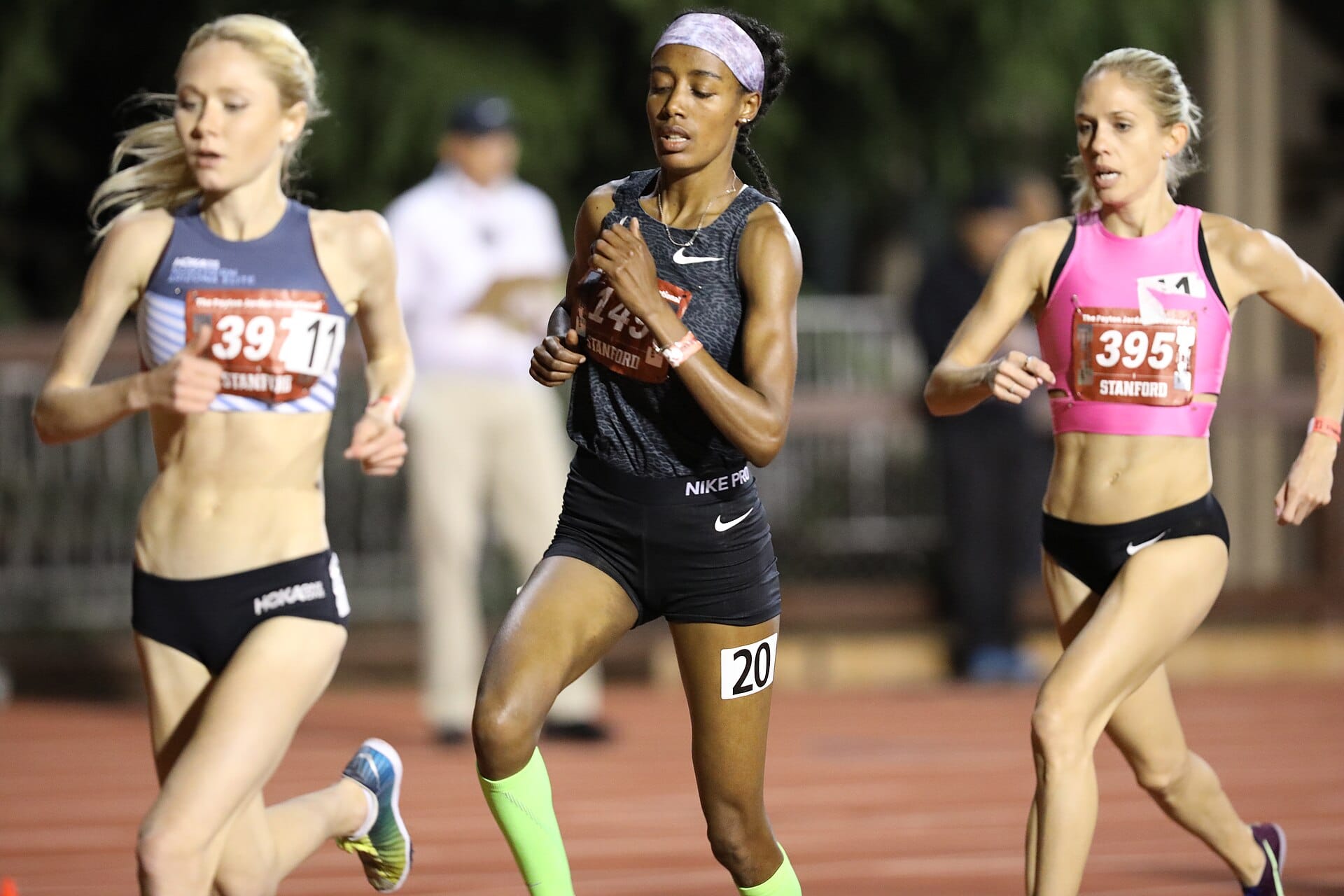
Around him the project collected exactly what it had been founded to collect: American records. Galen Rupp, coached by Salazar since high school, ran 26:44.36 for 10,000 m at the 2014 Prefontaine Classic, an American record, and won Chicago 2017 in 2:09:20 — the first American winner there in fifteen years. Matthew Centrowitz ran 3:30.40 in Monaco in 2014 and won the Wanamaker Mile at Millrose in 2016 in 3:50.63. And Sifan Hassan, who joined in 2017, closed the project's run in the summer of 2019 with a European 3000 m record at the Prefontaine Classic (8:18.49) and a mile world record in Monaco (4:12.33).
She was mid-championships in Doha, racing for the Netherlands in federation kit, when the project ceased to exist.
The ten days of October 2019
The end took ten days, and it is best told as a sequence of dates. On 1 October 2019, the US Anti-Doping Agency banned Salazar for four years for anti-doping rule violations — trafficking or attempted trafficking of testosterone, administering a prohibited L-carnitine infusion, and tampering with the doping control process. It was the ruling of a sports arbitration panel, not a criminal court, and it was upheld by the Court of Arbitration for Sport in September 2021. On 10 October, Nike CEO Mark Parker shut the project down, writing in an internal memo that the situation had become a distraction the athletes could not train under.
Two facts belong next to those dates every time they are told: the panel saw no evidence that Oregon Project athletes doped, and no athlete of the project ever tested positive. The athletes were, in the arbitrators' view, not the story.
There is a second file, often blurred into the first, that should stay separate: in 2021 the US Center for SafeSport — a misconduct body, not an anti-doping one — barred Salazar from US Olympic sport permanently, after complaints brought by former athletes. His appeal was rejected in December 2021, and that permanent ineligibility is where the record still stands today. The doping ban, for its part, expired in 2023 by simple passage of time.
The shirt that outlived the club
Which brings us to the shirt. The archive holds one Oregon Project piece: a training tee in the group's unmissable neon, worn by one of its athletes, swoosh on one side and the project's winged O on the other. When the club closed, its wardrobe closed with it — there is no team channel left for this kit to trickle out of, which makes every surviving piece a closed set.
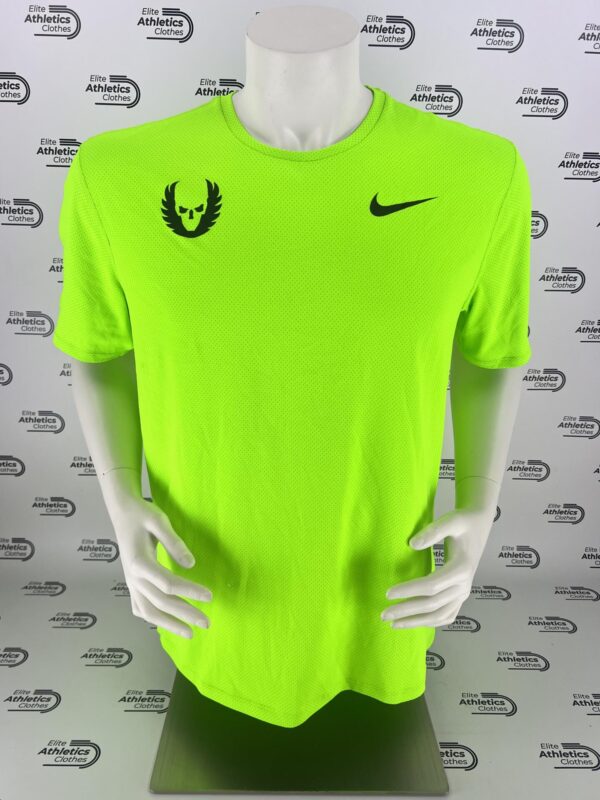 The club's one piece · in the archiveNike Oregon Project Team Pro Elite T-ShirtTraining-worn Oregon Project kit in the group's neon — from a club that no longer exists to issue another.240,00 €View piece →
The people moved on. Farah retired in September 2023 after a farewell Great North Run. Rupp, now coached at Northern Arizona, is preparing the 2026 Boston Marathon after hip surgery. Hassan stayed with Nike, moved to the marathon and won London and Chicago in 2023 and Sydney in 2025; injury took her out of London 2026. Centrowitz retired in 2024. The club that gathered them exists only in results databases — and in kit like this.
The Clubs Sponsored Archive
The Oregon Project tee lives in the Clubs Sponsored line alongside the kit of three clubs that are still running. Club runs are tiny and do not restock — and this club cannot restock at all.
Nike Oregon Project Team Pro Elite T-Shirt240,00 €View Piece →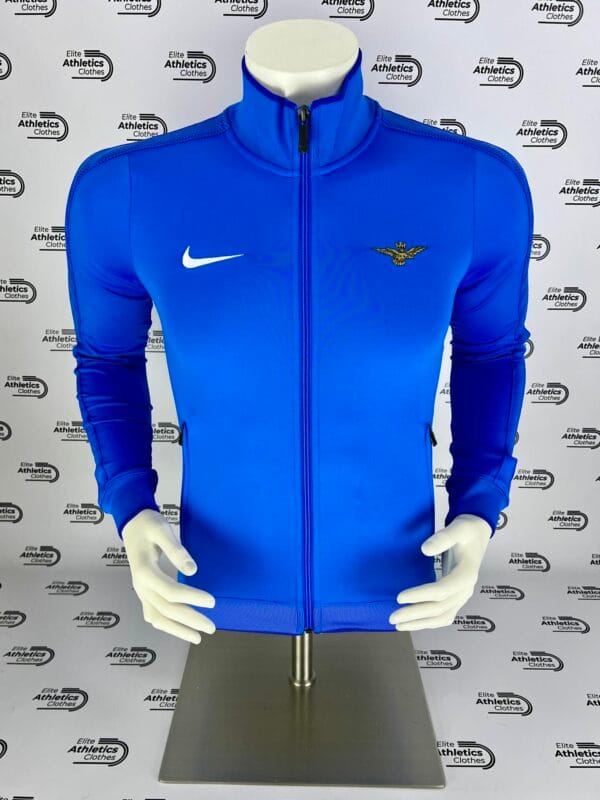 Nike Aeronautica Militare Pro Elite Jacket150,00 €View Piece →
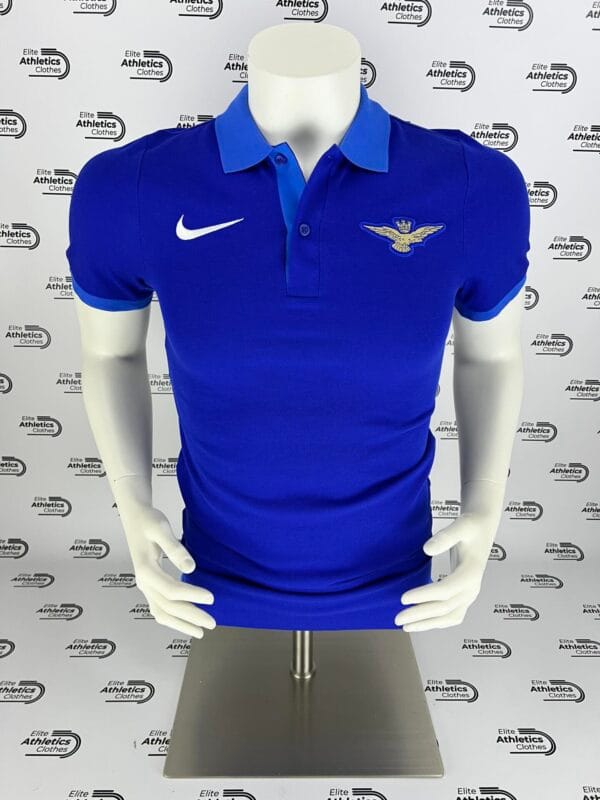 Nike Aeronautica Militare Pro Elite Polo100,00 €View Piece →
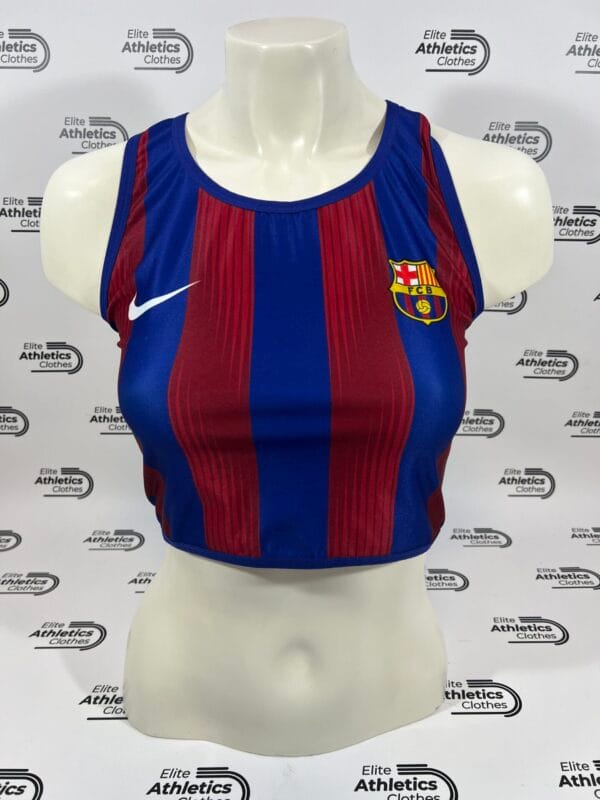 Nike FCB Pro Elite 2025 Women Crop Top120,00 €View Piece →
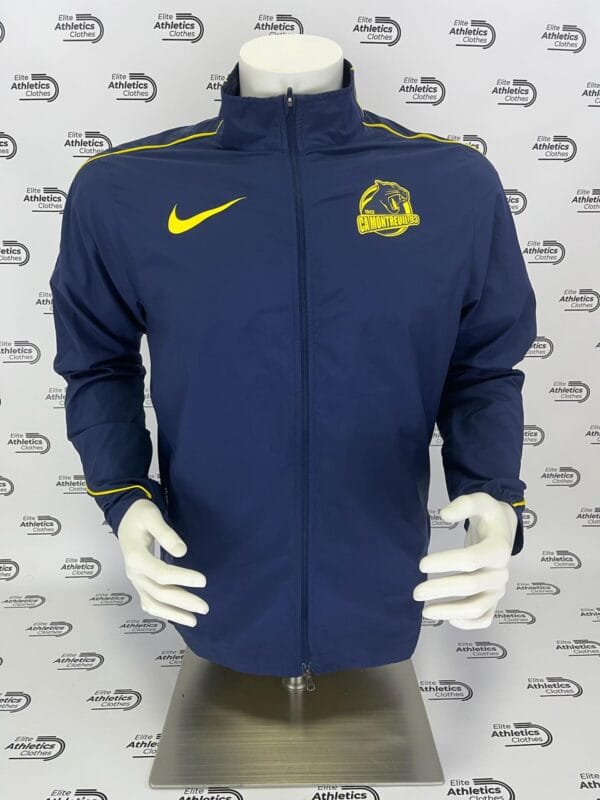 Nike CA Montreuil 93 Pro Elite 2023 Lightwear Jacket80,00 €View Piece →
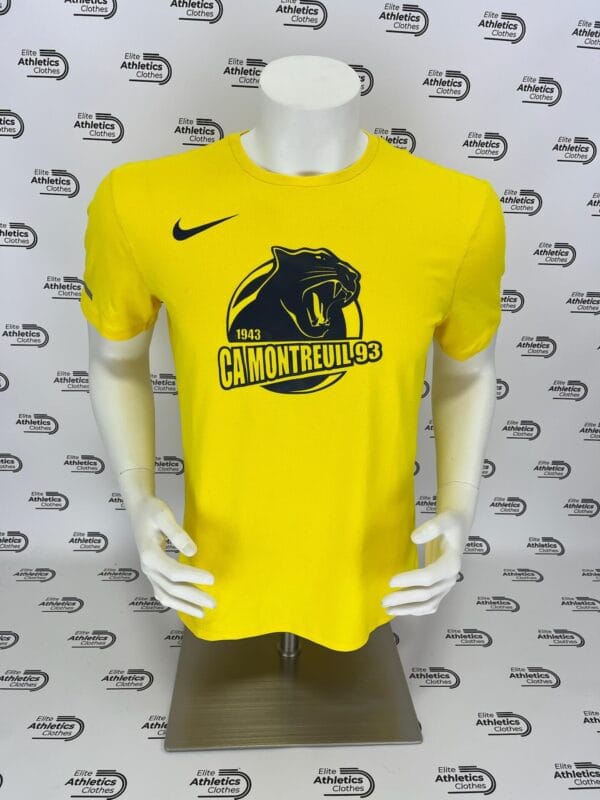 Nike CA Montreuil 93 2023 Pro Elite T-Shirt50,00 €View Piece →
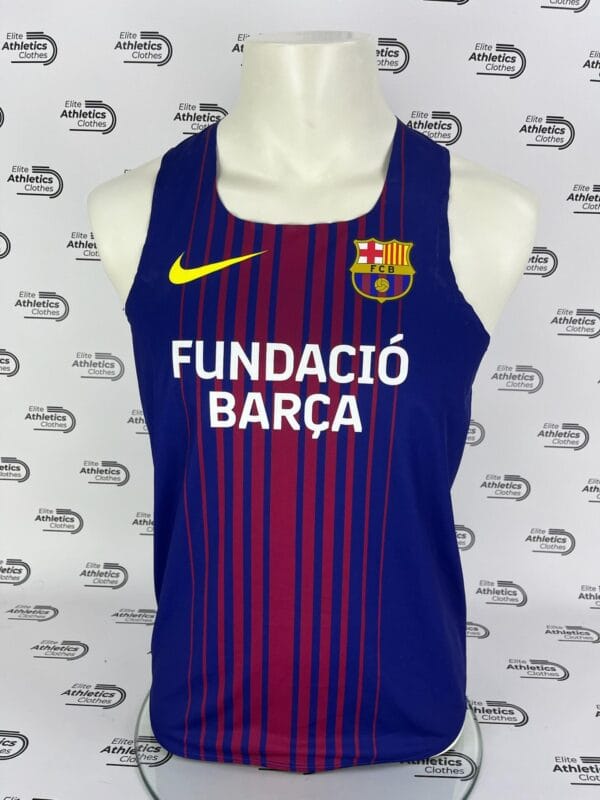 Nike FCB Pro Elite 2022 Distance SingletSold out · check back soonView Piece →
What was the Nike Oregon Project?
A professional distance-running club founded by Nike in 2001 at its Beaverton, Oregon headquarters and coached by Alberto Salazar. Built to revive American distance running, its roster included Mo Farah, Galen Rupp, Matthew Centrowitz and Sifan Hassan, who between them set European and American records from the mile to the half marathon while at the club.
Why did Nike shut down the Oregon Project?
Nike CEO Mark Parker closed the project on 10 October 2019, nine days after the US Anti-Doping Agency banned coach Alberto Salazar for four years for anti-doping rule violations. Parker called the situation a distraction that compromised the athletes' ability to train and compete.
Did any Oregon Project athlete fail a doping test?
No. No Oregon Project athlete ever tested positive, and the arbitration panel that judged the Salazar case saw no evidence that athletes at the club doped. The four-year ban concerned the coach's conduct, and CAS upheld it in September 2021.
Which records did Oregon Project athletes set?
While at the club: Mo Farah set European records for 1500 m (3:28.81), 10,000 m (26:46.57) and the half marathon (59:32) and a world indoor two-mile best; Galen Rupp set the American 10,000 m record (26:44.36) and won Chicago 2017; Matthew Centrowitz won the 2016 Wanamaker Mile in 3:50.63; and Sifan Hassan set the mile world record (4:12.33) and a European 3000 m record in 2019. Their championship medals were won for their countries, in federation kit.
Is Oregon Project kit still made?
No. The club closed in October 2019 and its kit closed with it — there is no team channel left to issue more, so the surviving pieces form a fixed set. The archive holds one: a training-worn Team Pro Elite tee in the project's neon.
Sources and References
- BBC Sport — Nike closes the Oregon Project — the Parker memo and closure, October 2019
- BBC Sport — the Salazar ban explained — the founding story and the USADA ruling
- U.S. News / AP — CAS upholds the four-year ban — the 2021 arbitration decision
- ESPN — SafeSport rejects Salazar's appeal — the separate, permanent ineligibility
- Wikipedia — Mo Farah — the 2011–2017 project years and retirement
- CBS Sports — Centrowitz wins first US 1500 m gold in 108 years — Rio 2016, 3:50.00
- LetsRun — Centrowitz leaves the Oregon Project — his 2012–2018 membership