
Bulgaria
A small Balkan nation with a monumental record in athletics — home to world records in the high jump and the 100 metres hurdles, and Olympic gold in the field.
Bulgaria’s athletics peaked in the 1970s and 1980s: Stefka Kostadinova’s 2.09m high jump world record from 1987 stood for 37 years, Yordanka Donkova set the 12.21s 100m hurdles world record and won Seoul 1988 gold alongside triple jumper Khristo Markov, and sprinter Ivet Lalova-Collio ran a national-record 10.77s in 2004 across a five-Olympics career.
This is the full history of athletics in Bulgaria — gold medals, world records, and marks that outlasted the athletes who set them. Through the golden era of the 1970s and 1980s, Bulgarian athletes matched the Soviet Union, East Germany and the United States in the hurdles, the high jump and the field, producing marks that in some cases stood for decades and are still among the most celebrated in the sport.
Honour the record of Bulgarian track and field with premium Pro Elite gear from Elite Athletics Clothes. Every item is built to the standard Bulgarian athletes have shown on the world’s biggest stages.
- Federation
- Bulgarian Athletics Federation, member of World Athletics
- Olympic athletics medals
- 19: 5 gold · 8 silver · 6 bronze (track & field)
- The signature
- 18 of 19 Olympic medals are women’s and/or field events; Bulgaria never built a sprint or distance tradition
- The record that defines it
- Stefka Kostadinova’s high jump 2.09m (1987) stood 37 years — the longest reign in the event’s history — until 2024
- The hurdles queen
- Yordanka Donkova: 100m hurdles world record 12.21 (1988, stood 28 years) and Seoul 1988 Olympic gold
- The lone king
- Hristo Markov, triple jump: 1988 Olympic gold and 1987 world title — Bulgaria’s only male Olympic athletics champion
- World titles
- 5 world championship golds — three at one meeting (1987 Rome: Kostadinova, Markov, Zagorcheva)
- The modern face
- Ivet Lalova, 100m in 10.77 (2004), a five-time Olympian and 2012 European champion
The Origins of Track and Field in Bulgaria
Organized athletics in Bulgaria traces its roots to the late nineteenth century, when the country was emerging from five centuries of Ottoman rule and beginning to forge a modern national identity. Physical education and sport became deeply intertwined with Bulgarian nationalism, with gymnastics clubs and sporting societies appearing in towns and cities across the country during the 1870s and 1880s. Running, jumping and throwing were among the first disciplines embraced by these early associations.
The Bulgarian Athletic Federation was formally established in 1924, coinciding with the country’s growing engagement with international sport. The early decades were marked by modest but passionate participation in regional competition, as Bulgarian athletes slowly built the infrastructure and coaching knowledge needed to compete at the highest levels. Schools and military institutions played a crucial role in developing talent, and by the 1930s and 1940s Bulgaria was producing athletes capable of holding their own on the European stage.
The post-war period reshaped Bulgarian athletics under the socialist state, which put heavy resources into sport as a source of national prestige. State programmes, dedicated facilities and systematic talent identification produced a generation that would compete at the top through the 1970s, 1980s and into the 1990s — the foundation of everything Bulgaria achieved in the sport.
The Golden Era: Bulgaria’s First Olympic Champions
Bulgaria’s first notable Olympic athletics results came in the 1950s and 1960s, but the 1970s and 1980s defined its golden age. The country produced a dense concentration of top athletes across several disciplines at once — something few nations of its size have matched.
The 1972 Munich Olympics were a turning point, with Bulgaria showing it could compete with the Soviet Union, East Germany and the United States in certain events. By Montreal 1976 its athletes were genuine medal contenders, and at Moscow 1980 they collected medals in the throws, hurdles and field events that set the country’s reputation.
The training system of this period drew international attention. Bulgarian coaches developed methods in the throws and hurdles that were studied abroad, high-altitude camps in the Rhodope and Rila mountains gave jumpers and distance runners an edge, and well-equipped facilities in Sofia drew some of the best coaching in the Eastern Bloc.
Bulgaria’s Greatest Athletes
Few nations of Bulgaria’s size have produced such a constellation of champions. From the queen of the hurdles to the greatest high jumper the sport has known, these are the athletes who defined Bulgarian track and field and carried its colours to the very top of the world.
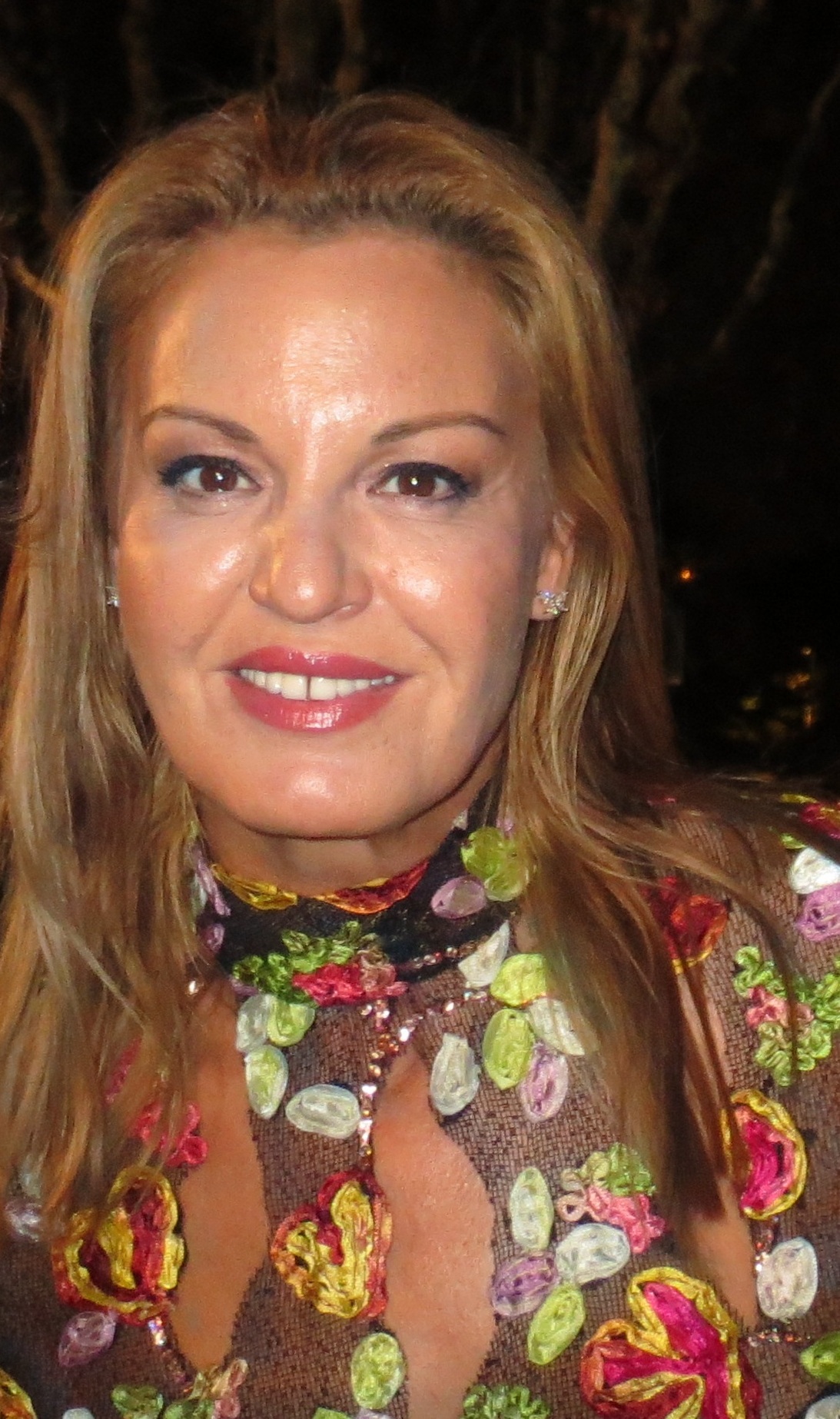
Stefka Kostadinova
Born in Plovdiv in 1965, she set the women’s high jump world record of 2.09m in Rome on 30 August 1987 — a mark that stood 37 years until 2024 and remains the European record — and won Olympic gold at Atlanta 1996.
Yordanka Donkova
Born in Pravets in 1961, she set a 100m hurdles world record of 12.21s in Stara Zagora on 20 August 1988 that stood for nearly three decades, and won Olympic gold at Seoul 1988 with a bronze following in 1992.
Khristo Markov
The triple jumper from Plovdiv dominated the late 1980s, claiming Olympic gold at Seoul 1988 with a jump of 17.61m and the world title in 1987 — Bulgaria’s most celebrated men’s field-event success.
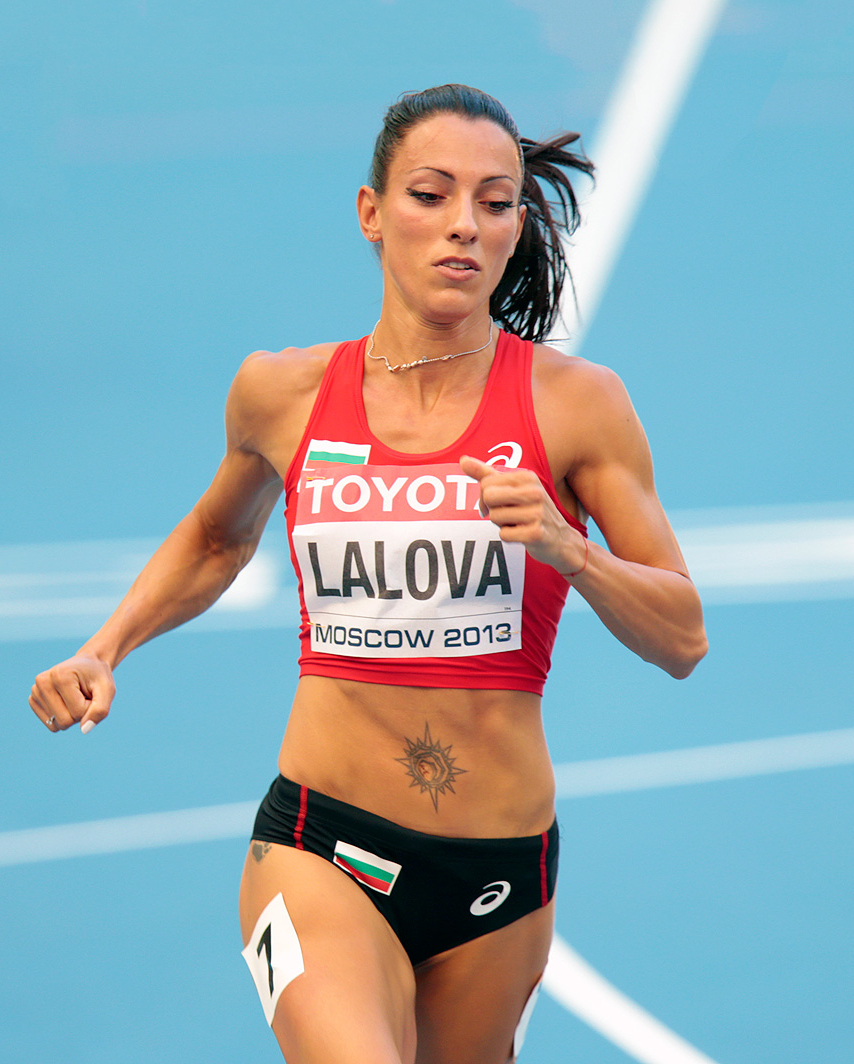
Ivet Lalova-Olio
Born in Sofia in 1984, she set the Bulgarian 100m record of 10.77s in Plovdiv in 2004. After a severe 2005 leg injury she returned to contest five Olympic Games (2004–2020), reaching the 200m final at Rio 2016.
Mirela Demireva
Born in Plovdiv in 1989, she claimed Olympic silver at Rio 2016 with a clearance of 1.97m and has ranked consistently among the world’s best, proving Bulgaria’s high jump tradition evolved beyond Kostadinova.
Olympic Achievements
Bulgaria’s Olympic athletics record is one of the most impressive of any small nation in the world. From the medal hauls of the 1970s and 1980s through the continued excellence of the 1990s and 2000s, Bulgarian athletes have stood on Olympic podiums more often than almost any other nation of comparable size.
Records that refused to fall
Bulgaria’s greatness is measured less in medals than in durability. Its world records stood for decades — and when one fell early, it was another Bulgarian who broke it.
Each dial shows how many years the record lasted (scale to 40). Kostadinova’s 2.09m is the longest-standing world record in high-jump history. Sources: World Athletics; Wikipedia.
View the data
| Athlete | Record | Set | Broken | Years |
|---|---|---|---|---|
| Stefka Kostadinova | High jump 2.09m | 1987 | 2024 (Mahuchikh 2.10m) | 37 |
| Yordanka Donkova | 100m hurdles 12.21 | 1988 | 2016 (Harrison 12.20) | 28 |
| Ginka Zagorcheva | 100m hurdles 12.25 | 1987 | 1988 (Donkova) | 1 |
A turning point: the national team showed it could compete with the Soviet Union, East Germany and the United States in certain events.
Bulgarian athletes emerged as genuine medal contenders across several disciplines as the golden generation matured.
Bulgaria collected medals in the throws, hurdles and field events, building a real reputation in those disciplines.
The pinnacle: gold for Yordanka Donkova in the 100m hurdles and Khristo Markov in the triple jump (17.61m), with Stefka Kostadinova taking high jump silver.
Yordanka Donkova added an Olympic bronze in the 100m hurdles, extending Bulgaria’s podium presence into a new decade.
Stefka Kostadinova won long-awaited high jump gold (2.05m Olympic record), an emotional triumph for the long-time world record holder.
Mirela Demireva took high jump silver with 1.97m as Ivet Lalova-Olio reached the 200 metres final in her third Olympic appearance.
World Championship Achievements
The World Athletics Championships, first held in Helsinki in 1983, gave Bulgarian athletes a stage outside the Olympic cycle. Their record is striking for a country of its size next to giants like the United States, Kenya and Ethiopia. Stefka Kostadinova set the tone at the 1987 Rome championships, winning the high jump with her 2.09-metre world record — one of the defining performances in the meeting’s history.
Yordanka Donkova’s command of the 100 metres hurdles through the mid-to-late 1980s brought a run of World and World Indoor medals, placing her among the best of her era. More recently, Mirela Demireva has been a regular finalist and medallist in the women’s high jump at World Championships, keeping Bulgaria present in Kostadinova’s event.
Running Culture in Bulgaria
Bulgaria is best known for its field-event and hurdles strength, but it also has a growing running scene, built up over the past two decades. Cross-country racing goes back to the early twentieth century, with club competitions across the country’s varied terrain. The geography helps: the Rhodopes, the Balkans, the Rila and the Pirin offer strong altitude-training environments that increasingly draw international athletes.
The Sofia Marathon has grown into one of the most popular mass-participation running events in Southeast Europe, drawing thousands of runners from Bulgaria and neighbouring countries each year. Road running clubs have proliferated across Sofia, Plovdiv, Varna, Burgas and Ruse, creating communities of passionate recreational runners who wear their national colours with pride and connect the elite tradition with grassroots participation sport.
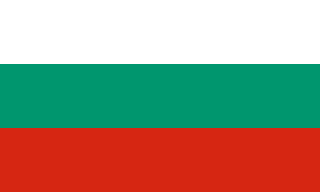
Runners across Bulgaria wear the red, white and green with pride — the same national colours that connect grassroots participation to the country’s elite athletics tradition.
Development, Coaching and the Domestic Scene
Bulgaria’s athletics development has long rested on a systematic base of coaching expertise, particularly in the technical throwing events and hurdles that made the nation famous. Bulgarian coaches retain a knowledge base recognized internationally, and it is now being applied to developing the next generation across hammer, discus and shot put as well as the jumps.
The Bulgarian Athletics Federation has worked to modernize coaching methodologies, improve training infrastructure and create pathways for talented young athletes to develop within the country rather than moving abroad. Partnerships with European athletics bodies have brought new expertise and resources, while youth development programs and improved access to international competition are broadening the base of the sport.
The national athletics championships, held annually at Sofia’s Vasil Levski National Stadium, attract genuine talent and provide an important platform for athletes aspiring to represent Bulgaria internationally — a celebration of the national tradition in one of Europe’s most beautiful athletics settings.
The Current State of Bulgaria Athletics
Bulgarian athletics today is rebuilding. The collapse of the state sports system after the end of communism in 1989 hit infrastructure hard, and the years that followed saw the country produce top athletes at a lower rate than during the golden era.
There are, however, significant signs of renewal. The national team continues to compete at the European Athletics Championships and World Athletics Championships with a particular focus on the events where the country has historical strength — jumps, hurdles and throws. With modernized coaching and a growing investment in athlete pathways, the outlook for the sport is increasingly optimistic.
Future Stars and Emerging Talents
The future of Bulgarian athletics rests on a generation of young athletes beginning to make their mark on the European and world junior circuits. Inspired by the legends of the golden era and by modern champions like Mirela Demireva and Ivet Lalova-Olio, they are competing with growing ambition — concentrated, as ever, in the disciplines Bulgaria has long made its own.
Women’s High Jump prospects
Bulgaria continues to produce exceptional high jumpers, with several young athletes progressing through the junior and under-23 ranks with clearances that suggest genuine senior potential.
Emerging sprinters
Young Bulgarian sprinters are increasingly competitive at European junior level, with times suggesting the tradition established by Ivet Lalova-Olio may have genuine successors.
Next-generation throwers
New talent is coming through in the throws, where Bulgarian coaches keep the technical expertise the country is known for.
Bulgaria Records & Historic Milestones
Shop Bulgaria Athletics Apparel
There are no Bulgaria pieces in the athlete-issued archive right now — Bulgarian federation kit rarely leaves the team channel. Until one surfaces, these are the latest arrivals from the wider Pro Elite archive, all authentic athlete-issued competition kit.
 Fila Netherlands Pro Elite 2020 OLY Women Short Pants
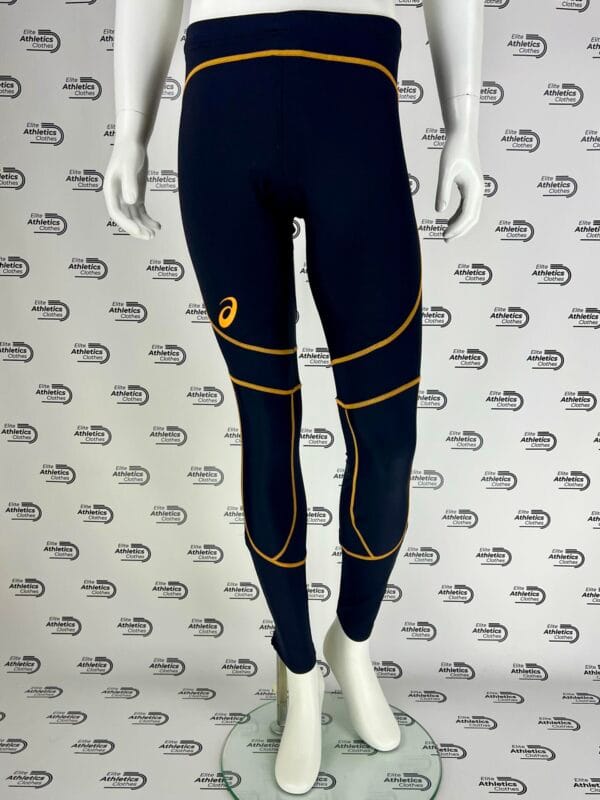 Asics Netherlands Pro Elite 2016 Long Tights
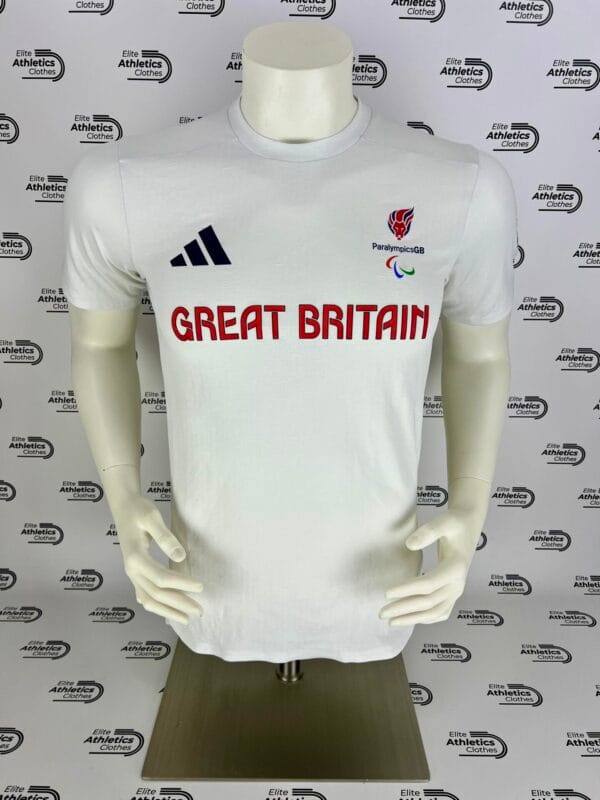 Adidas Great Britain Paralympics Team Pro Elite 2024 T-Shirt70,00 €View Piece →
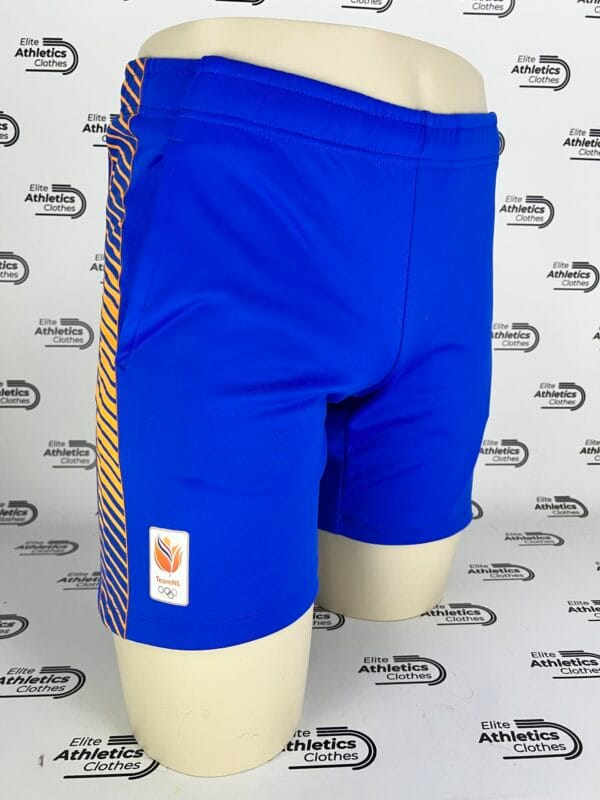 Asics Netherlands Pro Elite 2018 Women Short Pants
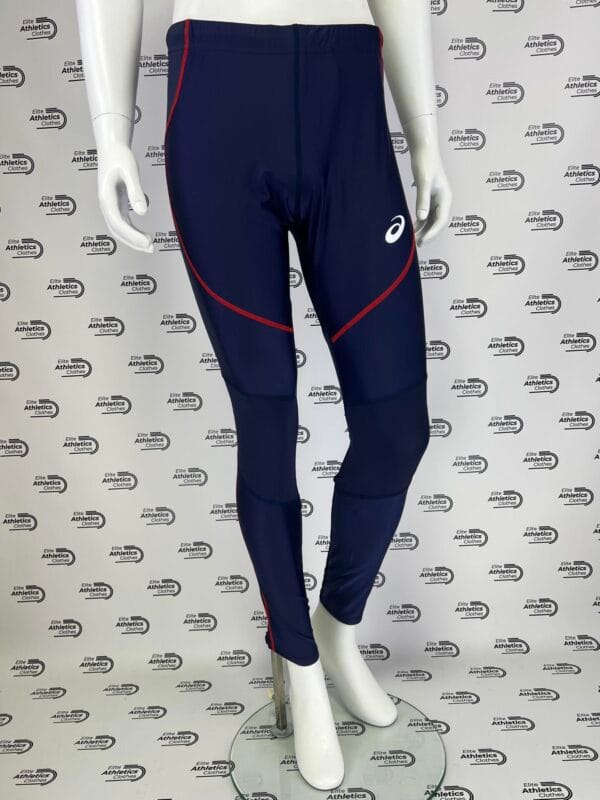 Asics France Pro Elite 2019 Long Tights70,00 €View Piece →
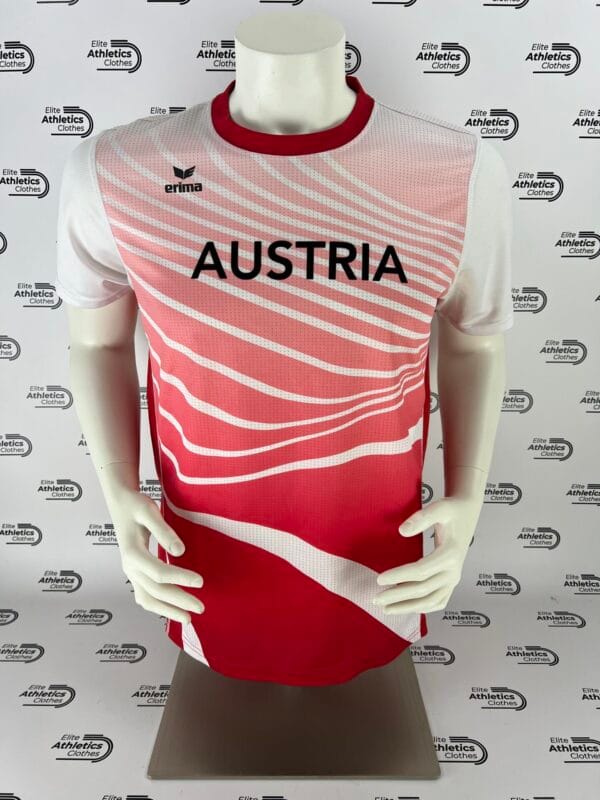 Erima Austria Pro Elite 2019 T-Shirt100,00 €View Piece →
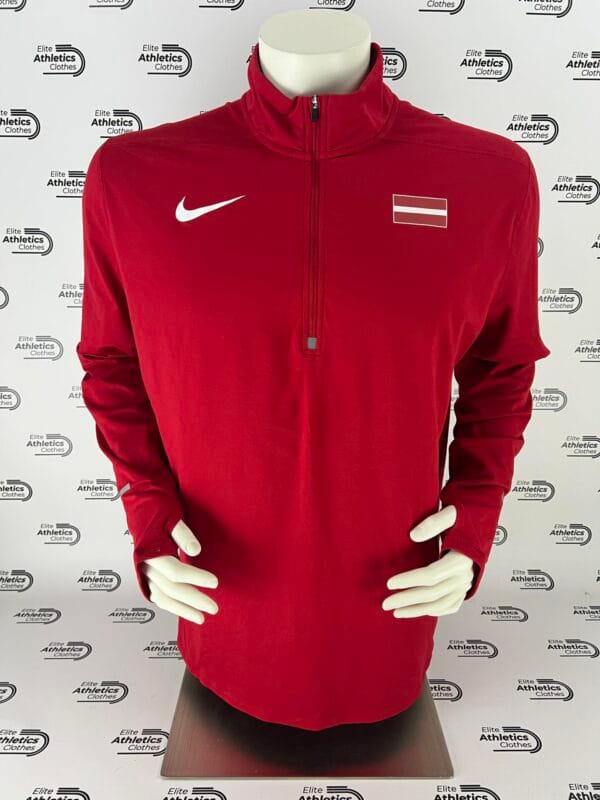 Nike Latvia International Team 2019 Pro Elite Half Zip Jersey120,00 €View Piece →
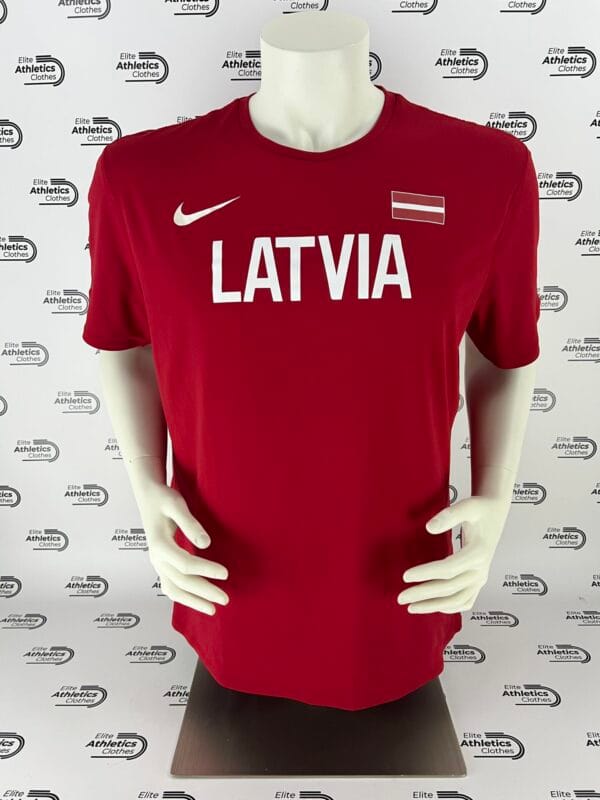 Nike Latvia International Team 2019 Pro Elite T-Shirt100,00 €View Piece →
Who is the greatest Bulgarian athlete of all time?
Stefka Kostadinova is widely regarded as the greatest. Her women’s high jump world record of 2.09m, set at the 1987 Rome World Championships, stood as the world record for 37 years before Yaroslava Mahuchikh cleared 2.10m in 2024, and it remains the European record. She also won Olympic gold at Atlanta 1996.
What is Bulgaria’s most famous athletics world record?
Stefka Kostadinova’s women’s high jump world record of 2.09m, set in 1987, stood as the world record for 37 years (1987–2024) before Yaroslava Mahuchikh of Ukraine broke it with 2.10m. It remains the European record and one of the most celebrated marks in the sport’s entire history.
How many Olympic gold medals has Bulgaria won in athletics?
Bulgaria’s most celebrated athletics golds are Yordanka Donkova’s 100m hurdles title at Seoul 1988, Khristo Markov’s triple jump title at Seoul 1988, and Stefka Kostadinova’s women’s high jump title at Atlanta 1996. These three represent the pinnacle of Bulgarian Olympic athletics achievement.
Who is the fastest Bulgarian sprinter of all time?
Ivet Lalova-Olio is the fastest Bulgarian sprinter in history. She set the national 100m record of 10.77s in Plovdiv in 2004, making her one of the fastest European women ever. Her career spanned five Olympic Games from Athens 2004 to Tokyo 2020, one of the most enduring in European sprinting.
Is there a running culture in Bulgaria?
Yes. The Sofia Marathon attracts thousands of participants annually and is one of the most popular mass-participation running events in Southeast Europe. Running clubs have proliferated across Bulgarian cities, and the country’s mountain terrain makes it an increasingly popular destination for trail and mountain running, complementing its elite athletics tradition.
What events is Bulgaria strongest in for athletics?
Bulgaria has historically been strongest in women’s high jump, women’s 100 metres hurdles and men’s triple jump — the events in which Bulgarian athletes have held world records or won Olympic gold. Throwing events such as hammer, discus and shot put have also been strong, with women’s high jump remaining the event most closely associated with Bulgarian excellence.
Who makes Bulgaria’s athletics kit?
Joma signed a new kit contract with the Bulgarian Athletics Federation announced in September 2025, refreshing a national kit that had been notably limited in previous seasons. Authenticated athlete-issued Bulgaria pieces surface at Elite Athletics Clothes when available.
Sources and References
- Yordanka Donkova – Wikipedia – Her 12.21 100m hurdles world record (20 August 1988, Stara Zagora), 1988 Seoul Olympic gold, 1992 bronze, and the record being broken by Kendra Harrison in 2016.
- Yordanka Donkova Profile – World Athletics – Official confirmation of her 12.21 personal best/world record and the 20 August 1988 date.
- Khristo Markov – Wikipedia – His 1988 Seoul Olympic triple jump gold with 17.61m and his 1987 world title.
- Stefka Kostadinova – Wikipedia – Her 2.09m high jump world record (Rome, 30 August 1987), 1996 Atlanta Olympic gold, World Championship golds (1987, 1995), and the record being broken by Yaroslava Mahuchikh in 2024.
- Stefka Kostadinova – Olympics.com – Her 1996 Atlanta Olympic high jump gold (2.05m OR) and 1988 Seoul silver.
- Ivet Lalova-Collio – Wikipedia – Her 10.77 Bulgarian 100m record (Plovdiv, 19 June 2004), five Olympic appearances, and the absence of any Olympic medal.
- Report: Women’s High Jump Final, Rio 2016 – World Athletics – Mirela Demireva’s 1.97m silver medal in the high jump at the 2016 Rio Olympics.