
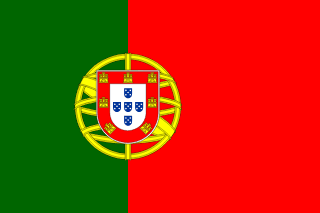
Portugal
A modest Atlantic nation that punches far above its size, Portugal has produced Olympic marathon champions, a women’s 10,000m world-record run, and a distance-running culture admired across the sport.
Portugal’s athletics story is built on distance running: Carlos Lopes won the 1984 Olympic marathon in a record 2:09:21, Rosa Mota took Olympic gold in Seoul 1988 plus three Boston Marathon titles, Fernanda Ribeiro won the 1996 Atlanta 10,000m, and Inês Henriques set the women’s 50km race walk world record of 4:05:56 in 2017.
From the roads of Lisbon to the track at the Los Angeles Coliseum, Portuguese athletes have carried the green and red to the top of the podium. Portugal first competed at the Olympics in 1912 in Stockholm; early results were modest, but those decades laid the base for one of Europe’s strongest running traditions — built on the marathon, the 10,000 metres, cross country and the race walk.
At Elite Athletics Clothes we celebrate the great nations of track and field with authentic Portugal athletics apparel for athletes and fans who want to wear the colours of this legendary running nation.
- Federation
- Federação Portuguesa de Atletismo, member of World Athletics
- Olympic athletics medals
- 13: 5 gold · 4 silver · 4 bronze (track & field)
- The signature
- Almost every Olympic medal comes from just two event families — distance running and the triple jump
- The endurance golden age
- Carlos Lopes (1984 marathon gold; 1985 world record 2:07:12) and Rosa Mota (1988 marathon gold; the only athlete to hold the European, World and Olympic marathon titles at once)
- The 10,000m gold
- Fernanda Ribeiro out-kicked world-record holder Wang Junxia for Atlanta 1996 gold in an Olympic record 31:01.63
- The jumps era
- Triple jumpers Nelson Évora (2008 gold) and Pedro Pichardo (2020 gold, 2024 silver) carried Portugal after the endurance years
- World Championships
- 25 medals, 9 gold; Rosa Mota was Portugal’s first world champion (marathon, 1987)
- The record-setter
- Inês Henriques set the first women’s 50km race walk world record winning 2017 world gold (4:05:56)
The Origins of Track and Field in Portugal
Organised athletics in Portugal traces its roots to the late 19th century, when sporting clubs in Lisbon and Porto began hosting track and field competitions inspired by the broader European athletics movement. The founding of the Federação Portuguesa de Atletismo (FPA) — the Portuguese Athletics Federation — formalised the sport’s governance and helped establish a national framework for competition and talent development.
Portugal first participated in the Olympic Games in 1912 in Stockholm, and while athletics success was modest in the early decades, the foundations were being laid for what would become one of Europe’s most celebrated running traditions.
The country’s geography and climate played a natural role in shaping its athletes. The rugged terrain of northern Portugal, the rolling hills of the Alentejo, and the coastal running routes around Lisbon created ideal training environments for endurance athletes, and Portuguese runners in the road and cross-country disciplines began making their mark at European level during the 1960s and 1970s.
The Golden Age: Carlos Lopes and the 1984 Olympic Marathon
If there is a single moment that defines Portuguese athletics in the public imagination, it is Carlos Lopes crossing the finish line in Los Angeles on August 12, 1984. At 37 years of age — then the oldest man ever to win an Olympic marathon — Lopes completed the course in an Olympic record time of 2:09:21, a mark that stood for decades. The image of Lopes in the distinctive Portuguese green vest breaking the tape at the Los Angeles Coliseum sent shockwaves through the global athletics community.
Lopes had shown his class at the 1976 Montreal Olympics, finishing second in the 10,000 metres in a close race. The road from that silver to marathon gold in 1984 is one of the sport’s great stories of persistence and late-career form. He also set a marathon world record of 2:07:12 in Rotterdam in 1985, a mark that stood for over a decade.
Carlos Lopes inspired an entire generation of Portuguese runners and helped put the nation firmly on the global athletics map. His success demonstrated that Portugal could compete at the very highest level, and the country has never looked back.
Portugal’s Greatest Athletes
Portugal’s roll of honour is anchored by distance runners and race walkers whose names resonate far beyond the nation’s borders — champions who turned a small country into a genuine power of world endurance sport.
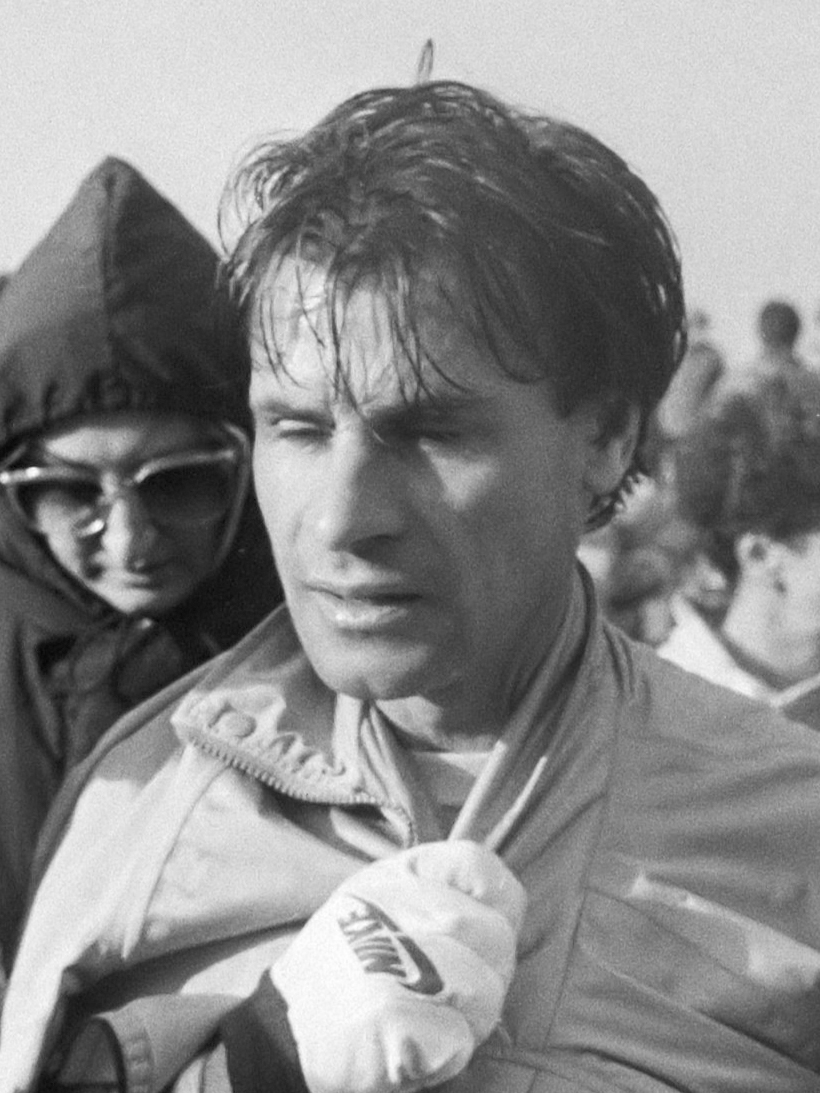
Carlos Lopes
Won the 1984 Los Angeles Olympic marathon in an Olympic record 2:09:21 aged 37, took 10,000m silver at Montreal 1976, and set a marathon world record of 2:07:12 in Rotterdam in 1985.
Rosa Mota
Born in Porto in 1958, she won the 1988 Seoul Olympic marathon gold, three consecutive Boston Marathons (1987, 1988, 1990), three European titles, and was named 1987 IAAF Athlete of the Year.
Fernanda Ribeiro
Won the 1996 Atlanta Olympic 10,000m in an Olympic record 31:01.63, took 10,000m silver at the 1997 World Championships in Athens, and helped Portugal win the 1994 World Cross Country team title.
Inês Henriques
Won the inaugural women’s 50km race walk world title at London 2017, breaking the world record in 4:05:56, and added bronze at the 2019 World Championships in Doha in one of the sport’s most gruelling events.
Rui Silva
Won the 2001 World Indoor 1500m title in Lisbon, added 2004 World Indoor 3000m silver, and claimed 1500m bronze at the 2004 Athens Olympics — proof of Portuguese excellence beyond the marathon and road.
Susana Feitor
A model of longevity, she competed at five consecutive Olympic Games from 1992 to 2008, with a best Olympic finish of 13th at the 1996 Atlanta Games — a feat that speaks to exceptional talent and dedication.
Olympic Achievements
From a modest debut in 1912 to a run of gold medals across the marathon and the track, Portugal’s Olympic story is one of quality over quantity — a handful of performances that defined an era.
From the marathon to the triple jump
Portugal’s 13 Olympic athletics medals, adding up over time. The colour of each step marks where the medal came from — and the palette flips at 2004.
Cumulative Olympic athletics medals. Every medal to 2000 came from the roads and long track; every medal from 2008 on came from the triple jump. Sources: Wikipedia (Portugal at the Olympics), Olympics.com.
View the data
| Year | Medal(s) | Running total |
|---|---|---|
| 1976 | Lopes 10,000m silver | 1 |
| 1984 | Lopes marathon gold; Mota and Leitão bronze | 4 |
| 1988 | Mota marathon gold | 5 |
| 1996 | Ribeiro 10,000m gold | 6 |
| 2000 | Ribeiro 10,000m bronze | 7 |
| 2004 | Obikwelu 100m silver; Silva 1500m bronze | 9 |
| 2008 | Évora triple jump gold | 10 |
| 2020 | Pichardo gold and Mamona silver, triple jump | 12 |
| 2024 | Pichardo triple jump silver | 13 |
Portugal makes its Olympic debut, starting a national athletics story that would take decades to reach the top of the podium.
Carlos Lopes wins silver in a thrilling 10,000 metres, narrowly missing gold and announcing Portugal as a genuine distance-running force.
Carlos Lopes wins the marathon in an Olympic record 2:09:21 at 37 — the defining moment of Portuguese athletics and a landmark in world running.
Rosa Mota claims the women’s marathon gold with a commanding performance, cementing her place among the all-time greats of the sport.
Susana Feitor begins her run of five consecutive Olympic appearances in the women’s race walk, a mark of Portugal’s depth in the discipline.
Fernanda Ribeiro wins the women’s 10,000m in an Olympic record 31:01.63, one of the defining performances in women’s distance running.
Rui Silva takes 1500m bronze, extending Portuguese Olympic success onto the track and beyond its traditional marathon strongholds.
World Championship Achievements
Portugal’s record at the IAAF / World Athletics World Championships is impressive for a nation of its size. Fernanda Ribeiro won silver in the 10,000m at the 1997 World Championships in Athens, backing up her Olympic gold from the previous year. Inês Henriques won the inaugural women’s 50km race walk world title in London in 2017 and added bronze in Doha in 2019, making her one of the most decorated Portuguese athletes at World Championship level. Rui Silva added to the medal haul with his 2001 World Indoor 1500m gold in Lisbon and 2004 World Indoor 3000m silver.
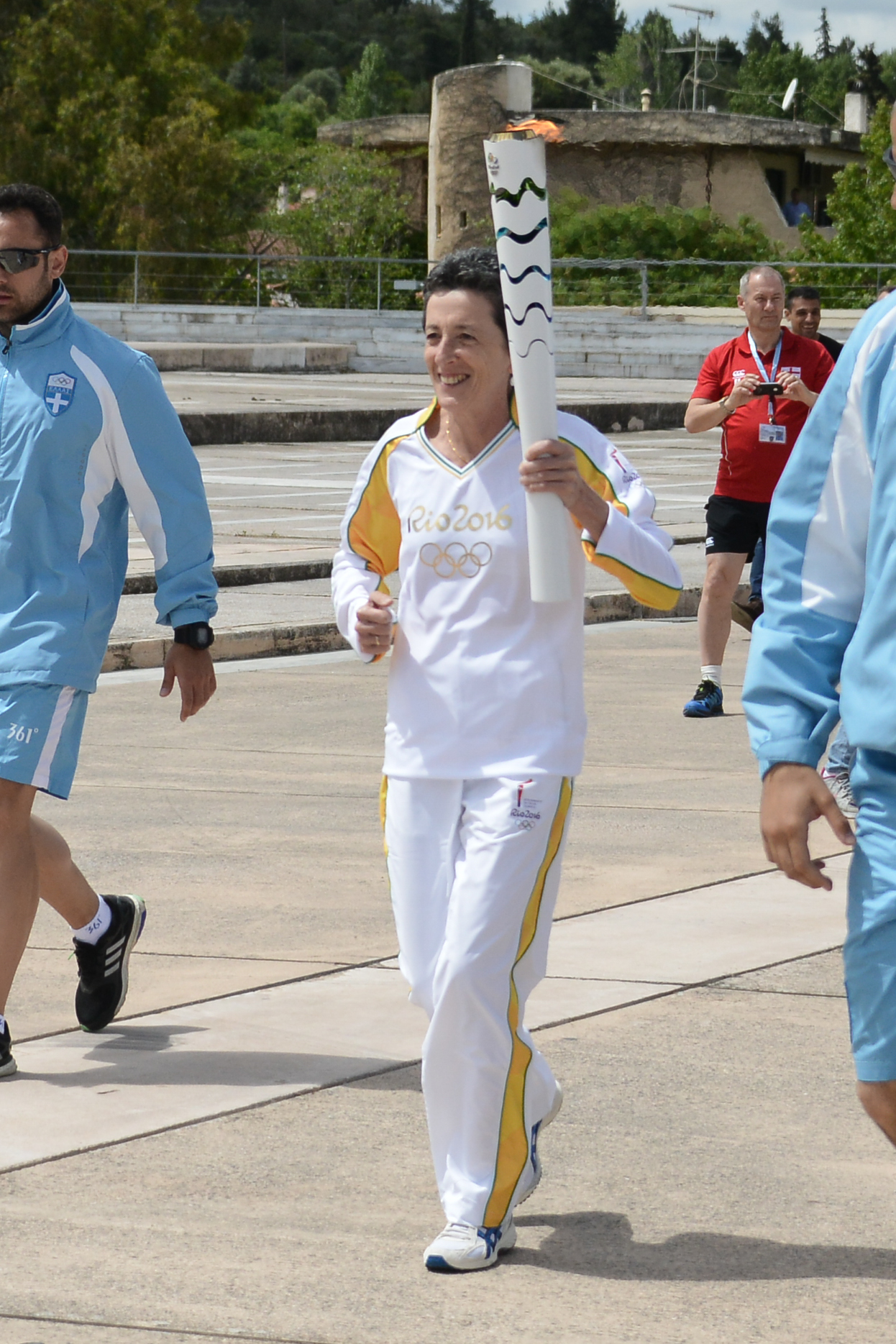
Portugal has also been a regular medallist at the World Cross Country Championships, with both individual and team medals cementing the country’s reputation as one of the world’s great cross-country nations. The annual appearance of Portuguese athletes at the front of the cross-country field, alongside consistent medals at the European Athletics Championships across multiple disciplines and generations, has become a reassuring constant in the global athletics calendar.
Portugal’s Race Walking Tradition
Race walking has been one of Portugal’s strongest disciplines across several generations. João Vieira became one of the most prolific Portuguese race walkers of the modern era, competing at multiple Olympics and posting times that placed him among Europe’s best. Susana Feitor competed at five consecutive Olympic Games from 1992 to 2008, with a best Olympic finish of 13th at Atlanta 1996.
Inês Henriques wrote the standout chapter in Portuguese race walking when she won the 50km race walk at the 2017 World Championships in London — the first time the women’s 50km was held at a World Championships — breaking the world record in 4:05:56. A new generation of walkers, including Rui Borges and Miguel Carvalho, has followed.
The green and red vest of the Portuguese national team is worn on the world’s biggest walking and running stages — and can be found in authentic form at Elite Athletics Clothes.
The Running Culture of Portugal
Running is deeply tied to Portuguese identity. Road races and cross-country events draw everyone from recreational runners to elite competitors, building a strong grassroots scene. The Lisbon Marathon (the EDP Lisbon Marathon) is one of Europe’s most scenic mass-participation races, taking tens of thousands of runners through the capital’s historic streets each year.
The São Silvestre road race, held on New Year’s Eve, is one of Portugal’s best-loved sporting events, drawing big crowds and putting Portuguese runners up against international fields in a festive setting. These races, with dozens of local events, show how closely running is woven into Portuguese life.
Cross-country running has a strong following too. Portugal’s teams have competed regularly at the World and European Cross Country Championships, keeping up the country’s record of producing strong endurance runners across all surfaces.
The Current State of Portugal Athletics
Portuguese athletics keeps developing, building on earlier generations. The Federação Portuguesa de Atletismo runs a well-developed talent-identification and development programme. Auriol Dongmo — born in Cameroon and competing for Portugal — has become one of the world’s leading shot putters, winning the 2021 European Indoor title and adding a throwing dimension to Portuguese athletics.
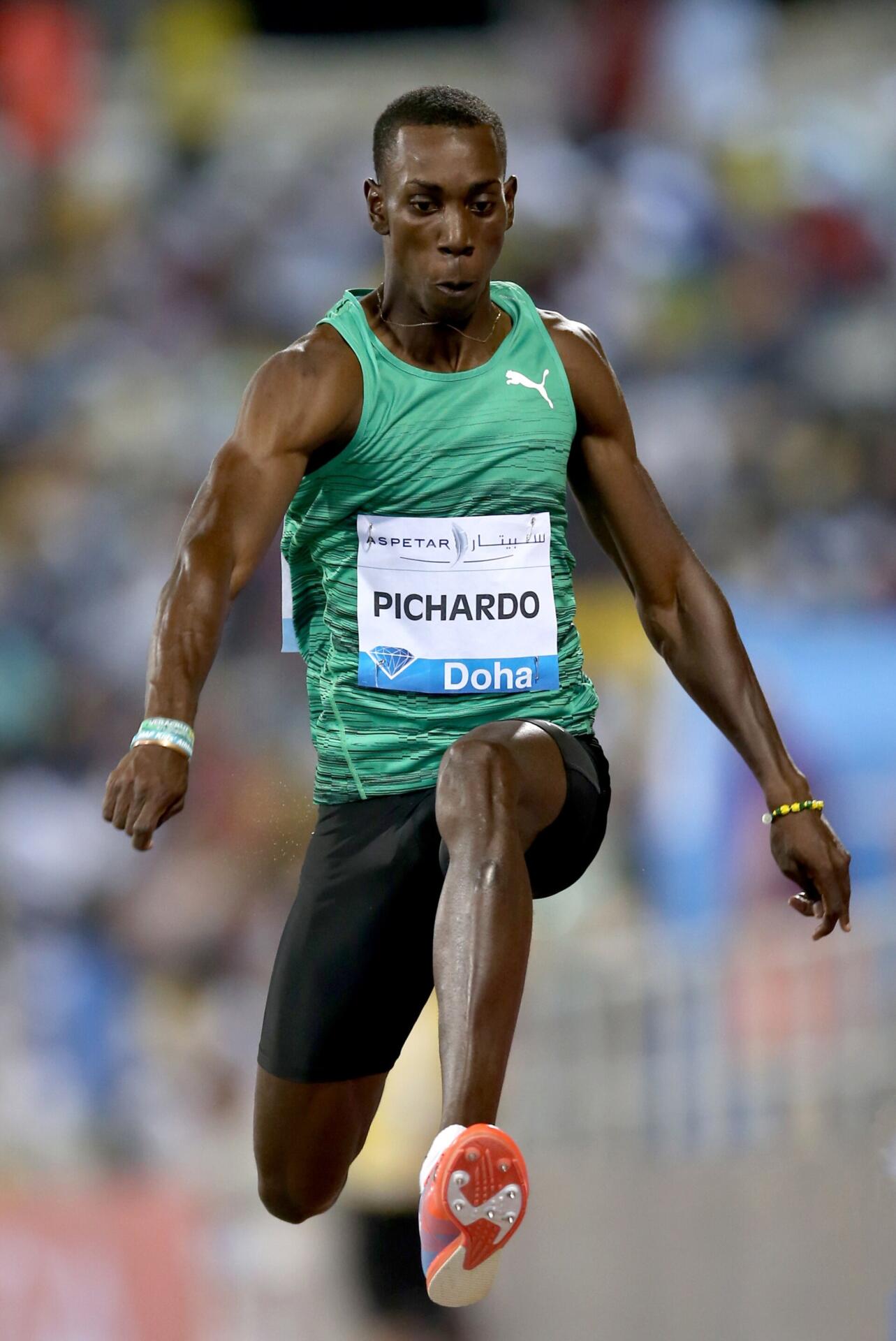
Patrícia Mamona is another standout of the current generation. The triple jump specialist won the 2021 European Indoor title in Toruń and has consistently been among Europe’s best in her event. In distance running, Sara Moreira maintained the tradition of Portuguese excellence on the roads, while a new generation keeps arriving through the club system and the national cross-country circuit. It paid off spectacularly at the Tokyo 2025 World Championships — the best in Portuguese history: Isaac Nader ran down the favourites for a shock 1500m world title, and Pedro Pichardo added triple jump gold, giving Portugal two golds at a single worlds for the first time.
Future Stars and Emerging Talents
The future of Portuguese athletics looks bright, with a strong tradition of youth competition — anchored by the Campeonato Nacional de Atletismo Jovem — feeding a pipeline of talent developed through clubs in Lisbon, Porto, Braga, and Coimbra.
Auriol Dongmo
Born in Cameroon and competing for Portugal, she won the 2021 European Indoor title and established the country as a serious force in the throwing events at world level.
Patrícia Mamona
The 2021 European Indoor champion in Toruń, whose technical excellence has made her one of the most recognisable names in Portuguese athletics today.
Sara Moreira
Maintained the tradition of Portuguese excellence on the roads, leading a new generation emerging through the club and national cross-country circuit.
Portugal Records & Historic Milestones
Shop Portugal Athletics Apparel
There are no Portugal pieces in the athlete-issued archive right now — Portuguese federation kit rarely leaves the team channel. Until one surfaces, these are the latest arrivals from the wider Pro Elite archive, all authentic athlete-issued competition kit.
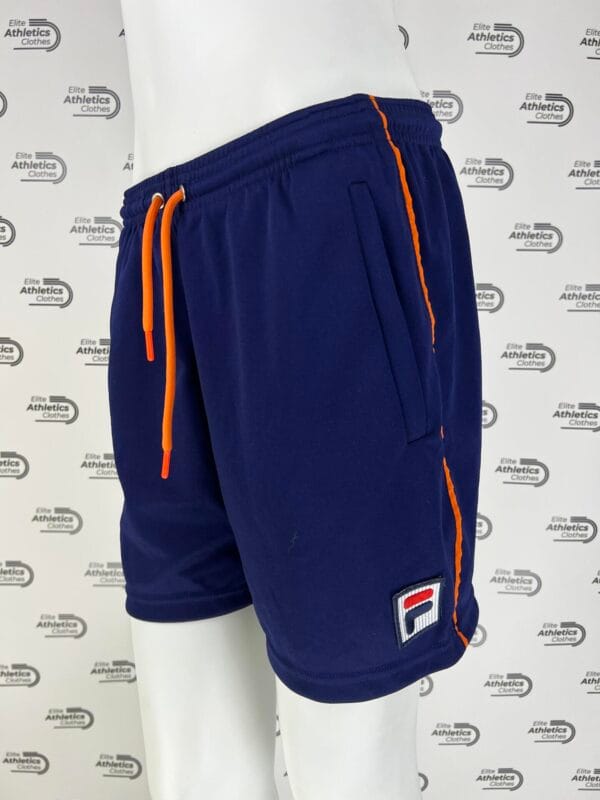 Fila Netherlands Pro Elite 2020 OLY Women Short Pants
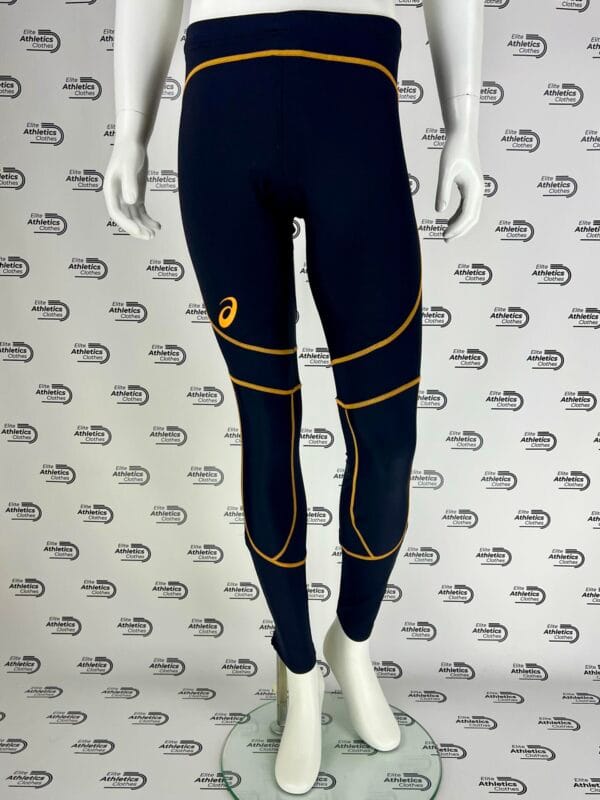 Asics Netherlands Pro Elite 2016 Long Tights
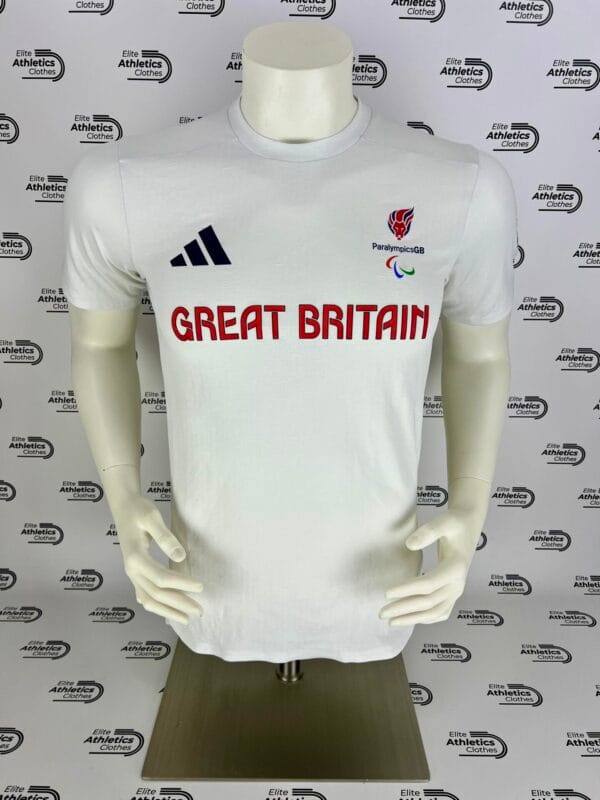 Adidas Great Britain Paralympics Team Pro Elite 2024 T-Shirt70,00 €View Piece →
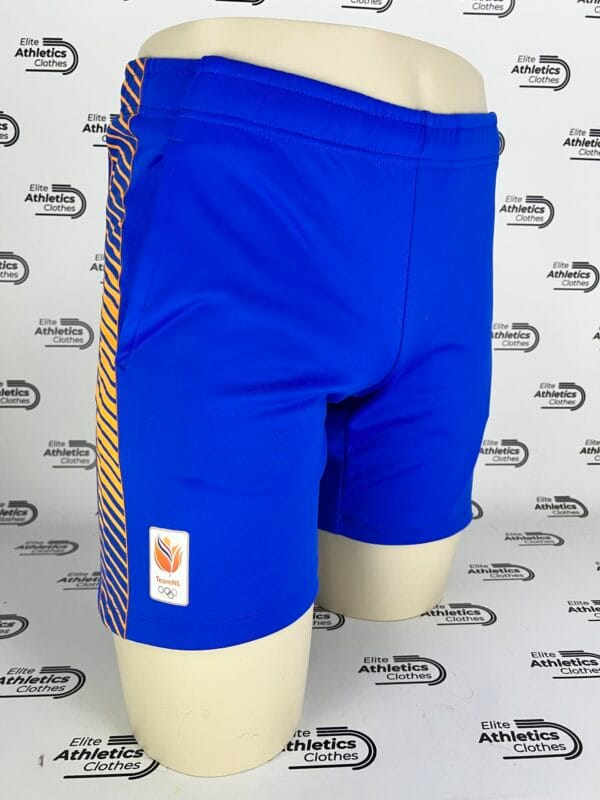 Asics Netherlands Pro Elite 2018 Women Short Pants
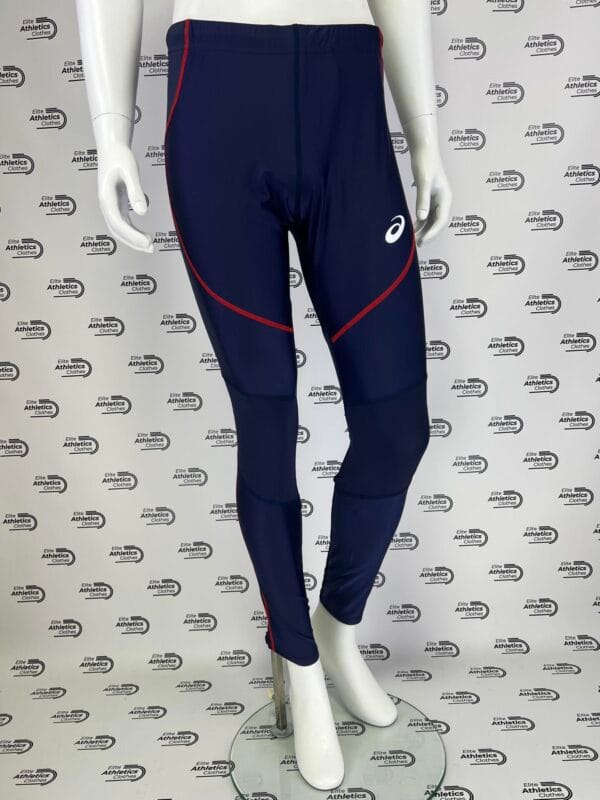 Asics France Pro Elite 2019 Long Tights70,00 €View Piece →
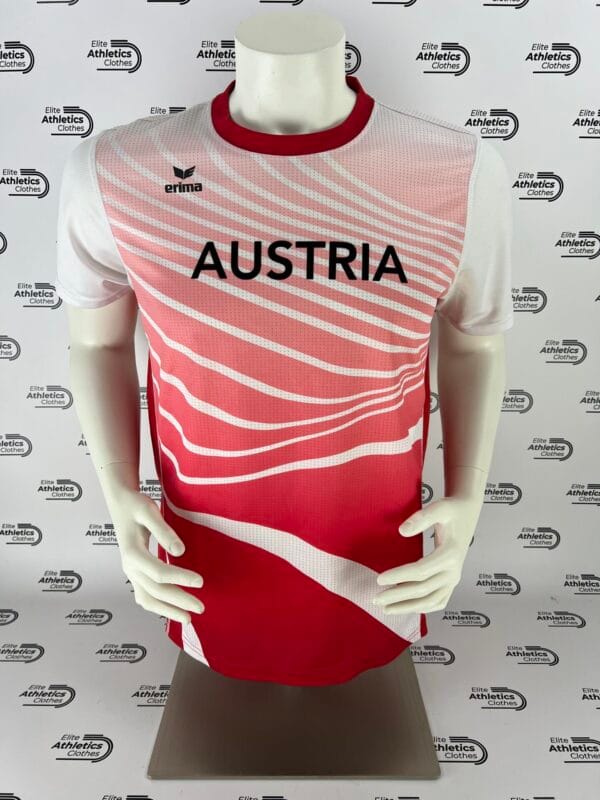 Erima Austria Pro Elite 2019 T-Shirt100,00 €View Piece →
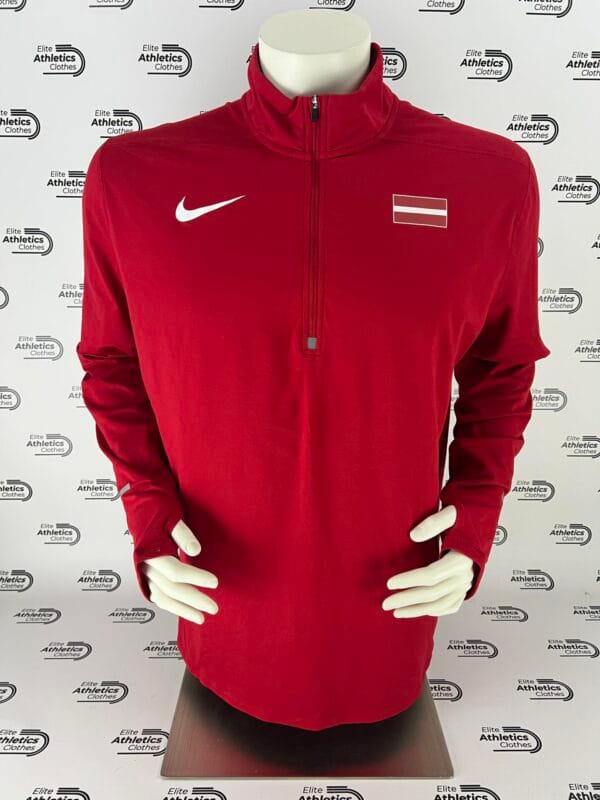 Nike Latvia International Team 2019 Pro Elite Half Zip Jersey120,00 €View Piece →
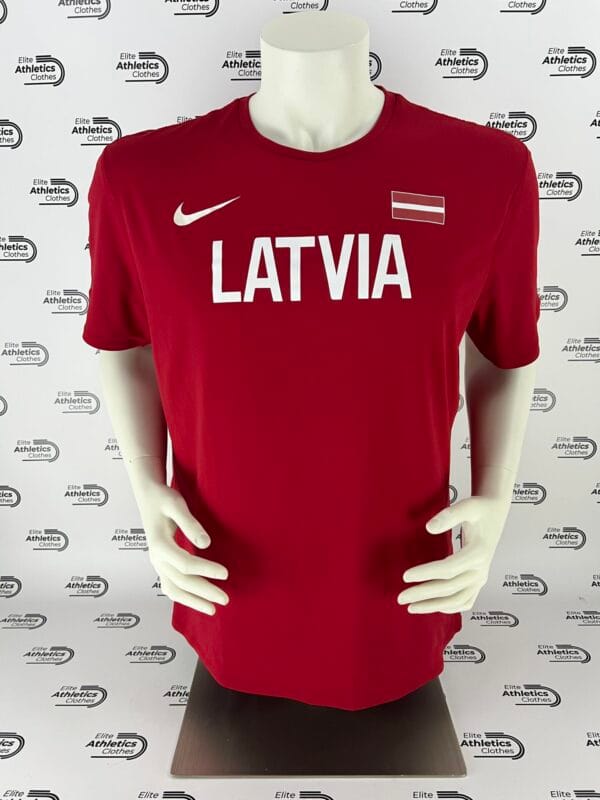 Nike Latvia International Team 2019 Pro Elite T-Shirt100,00 €View Piece →
Who is the greatest Portuguese athlete in history?
Carlos Lopes and Rosa Mota are widely considered Portugal’s two greatest athletes. Lopes won the 1984 Olympic marathon gold and set a world record in 1985, while Mota won three consecutive Boston Marathons, the 1988 Olympic marathon gold, and the 1987 IAAF Athlete of the Year award. Both remain national icons.
How many Olympic gold medals has Portugal won in athletics?
Portugal has won multiple Olympic athletics golds, the most celebrated being Carlos Lopes’s marathon gold in 1984, Rosa Mota’s marathon gold in 1988, and Fernanda Ribeiro’s 10,000m gold in 1996. These three medals represent the pinnacle of Portugal’s Olympic athletics achievement.
What is Portugal’s strongest athletics discipline?
Portugal’s traditional strength lies in distance running — particularly the marathon, 10,000m, and cross-country events. Race walking has also been consistently strong, with Inês Henriques winning the 50km world title. More recently, triple jump (Patrícia Mamona) and shot put (Auriol Dongmo) have added new dimensions.
Where can I buy Portugal athletics apparel?
You can shop authentic Portugal athletics apparel at Elite Athletics Clothes. Our Portugal section features a curated selection of competition kit, training gear, and collector-grade athletics clothing in Portuguese national team colours, sourced from the world’s leading athletics brands.
Who is the best current Portuguese athletics athlete?
Standout current athletes include Patrícia Mamona (triple jump, European Indoor Champion 2021) and Auriol Dongmo (shot put, European Indoor Champion 2021), alongside a new generation of distance runners and race walkers continuing to represent Portugal at international competitions.
What is the Federação Portuguesa de Atletismo?
The Federação Portuguesa de Atletismo (FPA) is the national governing body for athletics in Portugal. It oversees all competitive athletics from grassroots club competition through to the national team, managing the training, selection, and development of athletes who represent Portugal at European Championships, World Championships, and the Olympic Games.
Who makes Portugal’s athletics kit?
Puma signed a six-year deal with the Portuguese Athletics Federation in January 2019 covering the Paris 2024 cycle, and remains the federation’s competition kit brand. Authenticated athlete-issued Portugal pieces surface at Elite Athletics Clothes when available.
Sources and References
- World Athletics: Carlos Lopes’ historic sub-2:08 marathon — Lopes’s 2:07:12 marathon world record in Rotterdam (20 April 1985) and his 1984 Olympic marathon win.
- Wikipedia: Carlos Lopes — 1984 LA Olympic marathon gold in 2:09:21 (Olympic record) aged 37, and 1976 Montreal 10,000m silver.
- World Athletics Heritage: Rosa Mota’s three Boston victories — Corrects the Boston Marathon wins to 1987, 1988 and 1990.
- Wikipedia: Rosa Mota — 1988 Seoul Olympic marathon gold and 1987 IAAF Athlete of the Year.
- Wikipedia: Fernanda Ribeiro — Atlanta 1996 10,000m gold in 31:01.63 (Olympic record, not a world record) and 1997 World Championships 10,000m silver.
- World Athletics: Inês Henriques sets inaugural women’s 50km race walk world record — London 2017 world title and 4:05:56 world record.
- Wikipedia: Rui Silva — 2001 World Indoor 1500m gold (Lisbon), 2004 World Indoor 3000m silver, and 2004 Athens Olympic 1500m bronze.
- Wikipedia: Susana Feitor — Five Olympic appearances (1992-2008); best finish 13th (Atlanta 1996), 14th at Sydney 2000.