
Sweden
Host of the 1912 Games, home of the wartime mile duels and of the most-watched record in athletics: fifteen times since 2020, Armand Duplantis has raised the pole vault world record — one centimetre at a time, to 6.31 m.
Sweden’s athletics history runs from hosting the 1912 Olympics to owning the sport’s most-watched record: 85 Olympic medals, the Hägg–Andersson wartime mile duels, Carolina Klüft’s unbeaten decade — and Armand Duplantis raising the pole vault world record to 6.31 m in Uppsala in March 2026.
Few nations of ten million have shaped track and field this much. Sweden staged the first electrically timed Olympic athletics programme, kept world-record running alive through a world war on neutral grass tracks, and today fields the two most bankable gold medallists in the sport. This is the complete history of athletics in Sweden.
Every era of Swedish athletics lives on in authentic, athlete-issued kit — from the Craft years to the new adidas era. Explore the race-issued archive at Elite Athletics Clothes — real pro elite gear, straight from team channels.
- Federation
- Svensk Friidrott (Swedish Athletics), member of World Athletics
- Olympic athletics medals
- 85: 21 gold · 23 silver · 41 bronze
- The record
- Pole vault world record: 6.31 m, Armand Duplantis, Uppsala, 12 March 2026 — his 15th
- The sweep
- Duplantis holds every title available: Olympic (2020, 2024), world (2022, 2023, 2025), world indoor (2022–2026, four straight)
- Still standing
- Sjöberg’s 2.42 m (1987) — European high jump record for ~39 years
- The unbeaten one
- Carolina Klüft: 22 of 22 senior combined events won, 2002–2007; 7,032 still the European record
- The exiles
- Hägg & Andersson: mile world records in wartime, banned for life in 1946, never ran an Olympics
- Kit supplier
- adidas since 2025 · Craft (Swedish, Borås) for the decade before
The Origins of Track and Field in Sweden
Organised athletics reached Sweden in the late nineteenth century through the same channels as the rest of Scandinavia: gymnastics halls, military academies and the first sports clubs. The country already had a physical-training tradition of its own — the Ling system of gymnastics was a Swedish export taught across Europe — and competitive running, jumping and throwing grew out of it club by club.
The javelin came first. Eric Lemming, a Göteborg policeman’s son with a whip of a right arm, won Olympic javelin gold in London in 1908 — twice, in the regular and freestyle events — and defended his title in Stockholm four years later. Before Finland made the event its own, the javelin’s first Olympic dynasty was Swedish.
By 1912 Sweden was confident enough to host the Games themselves, and what happened that July shaped the country’s relationship with the sport for the next century.
Stockholm 1912: The Games That Built Swedish Athletics
The 1912 Olympics brought 28 nations and some 2,400 athletes to Stockholm, and the hosts made it count: Sweden topped the overall table with 65 medals. The athletics programme was the most technically advanced yet staged — Stockholm introduced the first fully automatic electric timing system ever used at the Games.
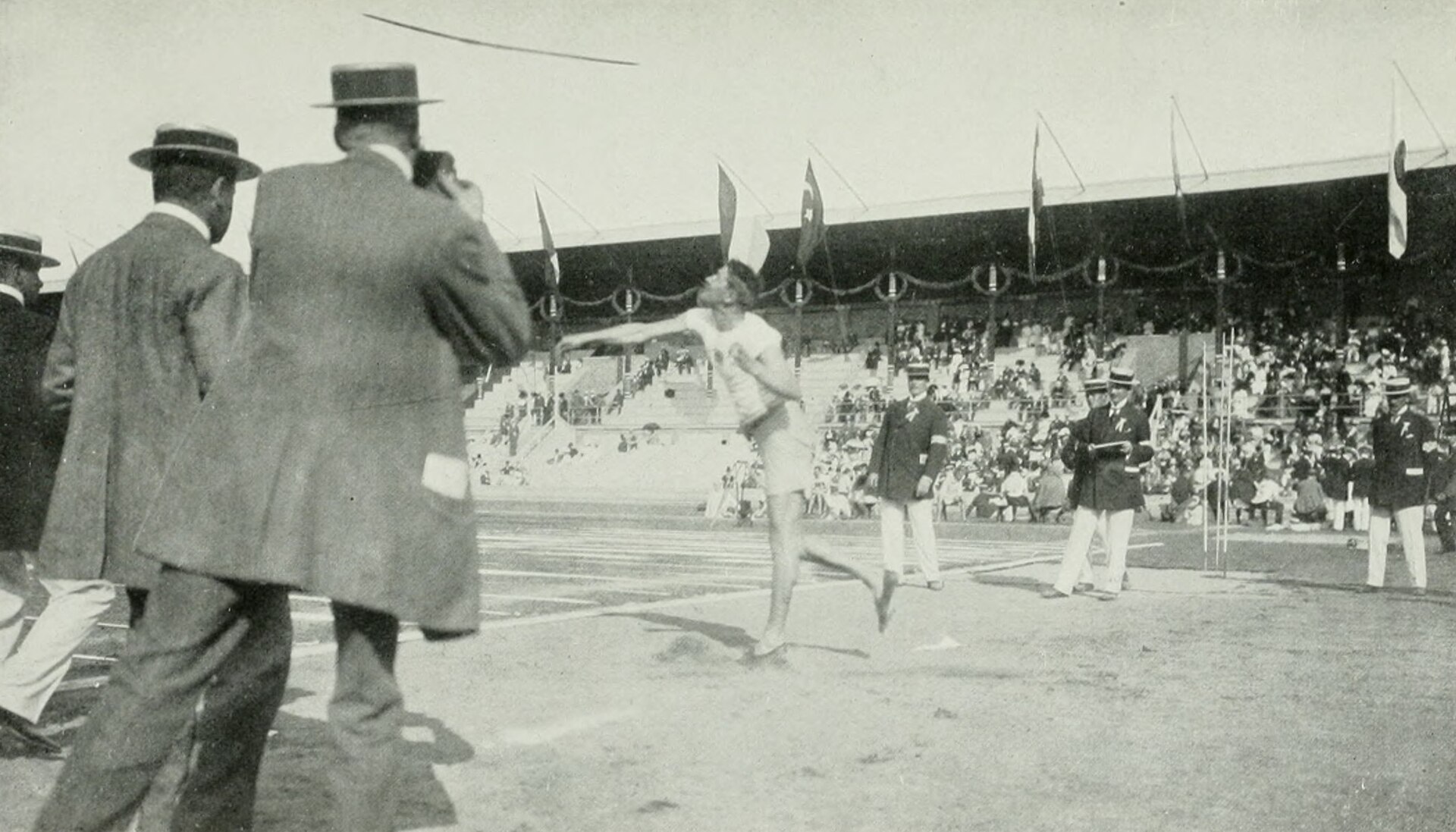

On the track and in the field the home crowd saw Lemming’s third javelin gold, Gustaf Lindblom’s triple jump win and a Swedish sweep of the team cross-country. The decathlon produced the Games’ most complicated story: Jim Thorpe won it, was disqualified in 1913 over prior professionalism, and Hugo Wieslander was declared champion — a title the IOC finally returned to Thorpe as sole champion in 2022, though the record books long carried Wieslander’s name.
Stockholm 1912 left Sweden with a purpose-built Olympic stadium that still hosts world-class athletics today, and a public that treated track and field as a national concern.
Sweden’s Greatest Athletes
Six careers carry most of the story: two middle-distance rivals who never got their Olympics, a steeplechaser who timed his best race perfectly, a high jumper whose record has outlived his sport’s generations, the most unbeatable combined-events athlete in history, and the two men who own Swedish athletics right now.
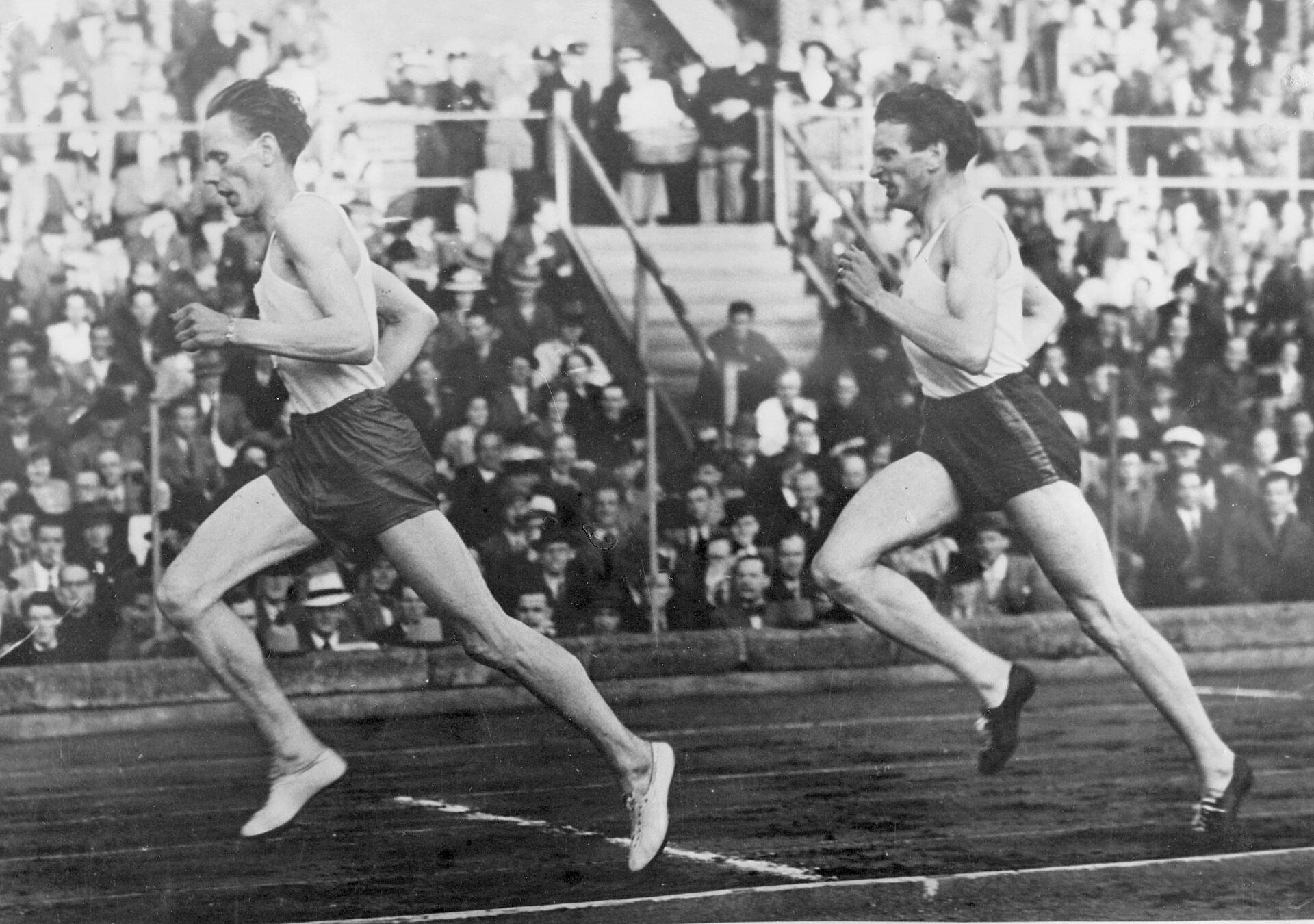

Gunder Hägg
Ten world records in twelve weeks in 1942, the first sub-14 5000 m, and a 4:01.4 mile in 1945 that stood until Roger Bannister broke four minutes. Banned for life in 1946 over appearance money, he never ran an Olympic Games.
Anders Gärderud
Four steeplechase world records, the last of them 8:08.02 in the Montreal 1976 final itself — still the only time a Swede has won Olympic gold with a world record on the track.
Patrik Sjöberg
Cleared 2.42 m in Stockholm on 30 June 1987, a world record then and the European record still, almost four decades on. World champion in Rome that same summer; only Sotomayor and Barshim have ever jumped higher.
Carolina Klüft
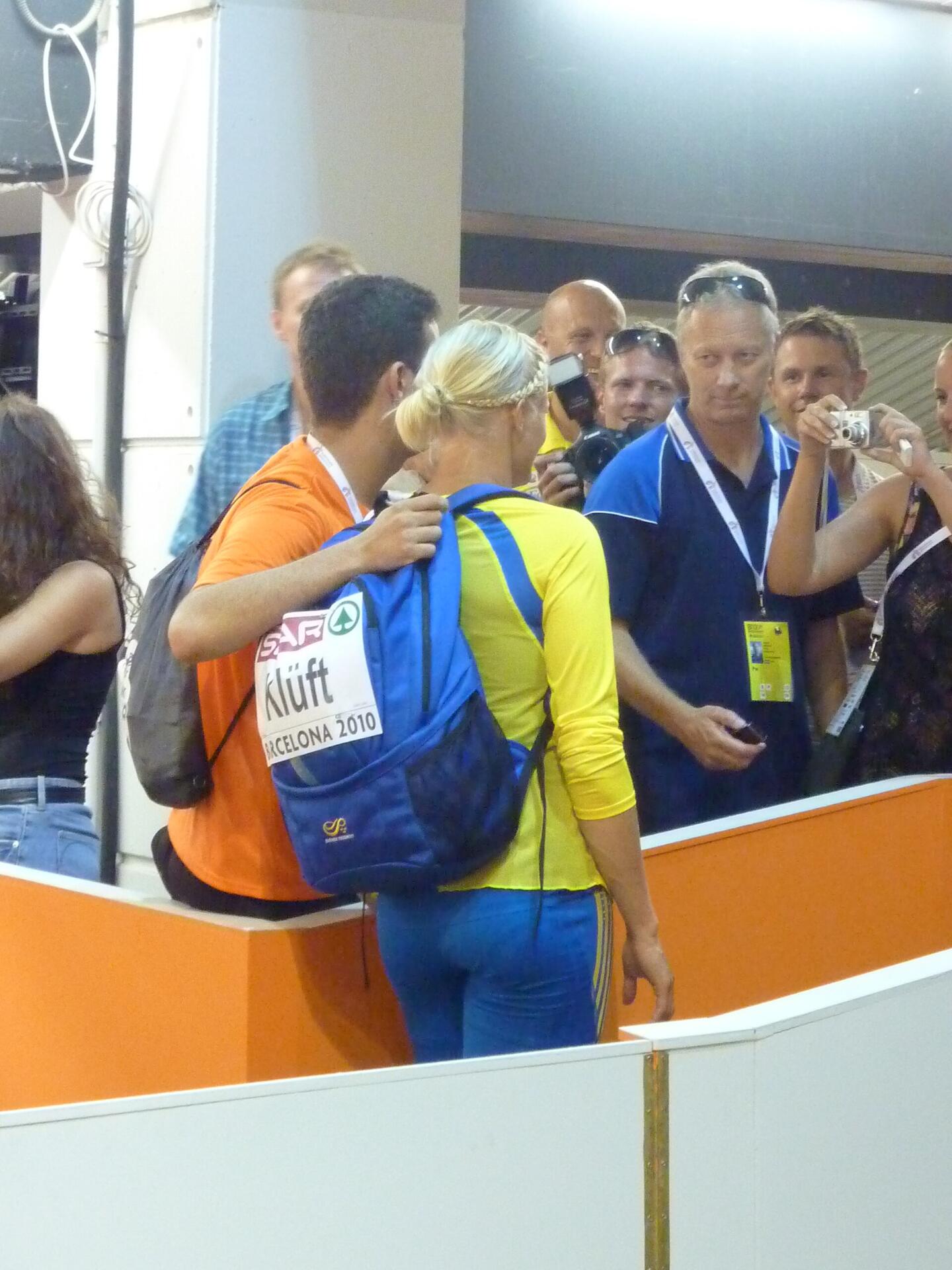
Entered 22 senior heptathlons and pentathlons between 2002 and 2007 and won all 22. Olympic champion in Athens, the only woman with three consecutive world heptathlon titles, and her 7,032 points from Osaka remain the European record.
Armand Duplantis
Born in Louisiana to a Swedish mother and vaulting for Sweden since his teens: two Olympic golds, three world outdoor titles, four straight world indoor titles, and fifteen world records — the latest 6.31 m in Uppsala in March 2026.
Daniel Ståhl
Three world discus titles (2019, 2023, 2025) and Olympic gold in Tokyo, where he led a Swedish one-two with Simon Pettersson. His 71.46 m in Budapest 2023 stands as the championship record.
Hägg and Andersson’s wartime duels deserve a line of their own. Between 1942 and 1945, while the rest of the world’s milers were at war, the two Swedes traded the mile world record on neutral ground: Andersson took it at 4:02.6, then 4:01.6; Hägg answered with 4:01.4 in Malmö in July 1945. Then, in March 1946, the Swedish federation banned them both for life for taking appearance money. Neither ever ran an Olympic Games, and the record they left stood until Bannister’s 3:59.4 in 1954.
Olympic Achievements
Sweden has won 85 Olympic athletics medals — 21 gold, 23 silver and 41 bronze — making athletics the country’s third-most successful Olympic sport. The peaks come in clusters: the home Games of 1912, a five-gold rush in London in 1948 (Henry Eriksson’s 1500 m, Tore Sjöstrand’s steeplechase, Arne Åhman’s triple jump and both race walks), and a three-gold evening of the modern era in Athens 2004, when Stefan Holm, Christian Olsson and Carolina Klüft all won inside a single Games.
Anders Gärderud’s Montreal 1976 steeplechase gold came in a world record 8:08.02. Ludmila Engquist won the 100 m hurdles in Atlanta months after taking Swedish citizenship. And in Tokyo 2020, Sweden went one-two in the discus — Daniel Ståhl gold at 68.90 m, Simon Pettersson silver — minutes before a 21-year-old Armand Duplantis won his first Olympic title.
In Paris in 2024 Duplantis defended it with a 6.25 m world record in the Olympic final itself, becoming only the third Swede to retain an Olympic athletics title. The chart below is what his era looks like drawn to scale.
Fifteen bars, one centimetre at a time
6.17 2022
6.19 2023
6.22 2024
6.24 2025
6.27 2026
6.31
Every pole vault world record of the Duplantis era, drawn to scale between 6.17 m and 6.31 m. He has never raised it by more than a single centimetre — fifteen times and counting. Hover or tab onto a bar for venue and date. Source: Wikipedia (Armand Duplantis), World Athletics, european-athletics.com.
View the data
| Height | Venue | Date |
|---|---|---|
| 6.17 | Toruń | 8 Feb 2020 |
| 6.18 | Glasgow | 15 Feb 2020 |
| 6.19 | Belgrade | 7 Mar 2022 |
| 6.20 | Belgrade · World Indoors | 20 Mar 2022 |
| 6.21 | Eugene · World Championships | 24 Jul 2022 |
| 6.22 | Clermont-Ferrand | 25 Feb 2023 |
| 6.23 | Eugene | 17 Sep 2023 |
| 6.24 | Xiamen | 20 Apr 2024 |
| 6.25 | Paris · Olympic final | 5 Aug 2024 |
| 6.26 | Chorzów | 25 Aug 2024 |
| 6.27 | Clermont-Ferrand | 28 Feb 2025 |
| 6.28 | Stockholm | 15 Jun 2025 |
| 6.29 | Budapest | 12 Aug 2025 |
| 6.30 | Tokyo · World Championships | 15 Sep 2025 |
| 6.31 | Uppsala · Mondo Classic | 12 Mar 2026 |
World Championship Achievements
Counting the Tokyo 2025 championships, Sweden has 30 outdoor World Championship medals, 14 of them gold. Patrik Sjöberg opened the account in Rome in 1987; Engquist added the 100 m hurdles in 1997; Christian Olsson and Carolina Klüft both won in Paris in 2003; and Klüft went on to the only three-peat in world heptathlon history (2003, 2005, 2007), with Kajsa Bergqvist taking high jump gold alongside her in Helsinki 2005. Abeba Aregawi added a 1500 m title in Moscow in 2013.
The modern haul belongs to two men. Daniel Ståhl has three discus world titles — Doha 2019, Budapest 2023 with a 71.46 m championship record, and Tokyo 2025 at 70.47 m. Duplantis has three outdoor golds of his own (2022, 2023, 2025), the last one a 6.30 m world record in the Tokyo final. Perseus Karlström’s four race-walk medals — including two at one championships in 2022, a Swedish first — round out the modern era.
Running Culture in Sweden
Sweden’s running culture was forged on grass tracks in wartime. With the Olympics cancelled and Europe at war, the Hägg–Andersson record duels turned neutral Sweden into the centre of world middle-distance running — ten world records in one summer of 1942 alone, run in front of packed provincial stadiums.
Today that energy lives on the roads. Göteborgsvarvet, the Göteborg half marathon, is one of the biggest races in Europe, and the Stockholm Marathon finishes on the 1912 Olympic stadium track. A strong allemansrätten outdoor tradition — the right to roam — keeps distance running woven into everyday Swedish life.
The elite end has caught back up. Andreas Almgren’s European-record streak on the track and roads, capped by a 26:45 road 10K in Valencia in January 2026, has given Swedish distance running its strongest moment since the 1940s.
The Swedish Club System
Swedish athletics runs on clubs — föreningar — that combine youth coaching, elite groups and volunteer culture under one roof, coordinated by Svensk Friidrott, the national federation. Most of the names in this article came up through a local club and stayed loyal to it deep into their professional careers.
Two fixtures anchor the calendar. Finnkampen, the annual Sweden–Finland dual meet, is one of the oldest and most heated national rivalries in the sport — a full team-versus-team battle that fills stadiums in Stockholm and Helsinki in alternating years. And the Bauhaus-Galan Diamond League meeting at the Stockholm Olympic stadium brings the world’s best to the 1912 arena every summer; Duplantis set his fourteenth-record predecessor of 6.28 m there in June 2025.
Uppsala has joined the map too: the Mondo Classic, the indoor meeting built around Duplantis, is where the current 6.31 m world record was set in March 2026.
The Current State of Sweden Athletics
Sweden left the Tokyo 2025 World Championships fifth in the medal table with three medals: Duplantis’ 6.30 m world-record gold, Ståhl’s third discus title and Almgren’s 10,000 m bronze. For a country of ten million, punching that high in a global championship is the strongest position Swedish athletics has held in decades.
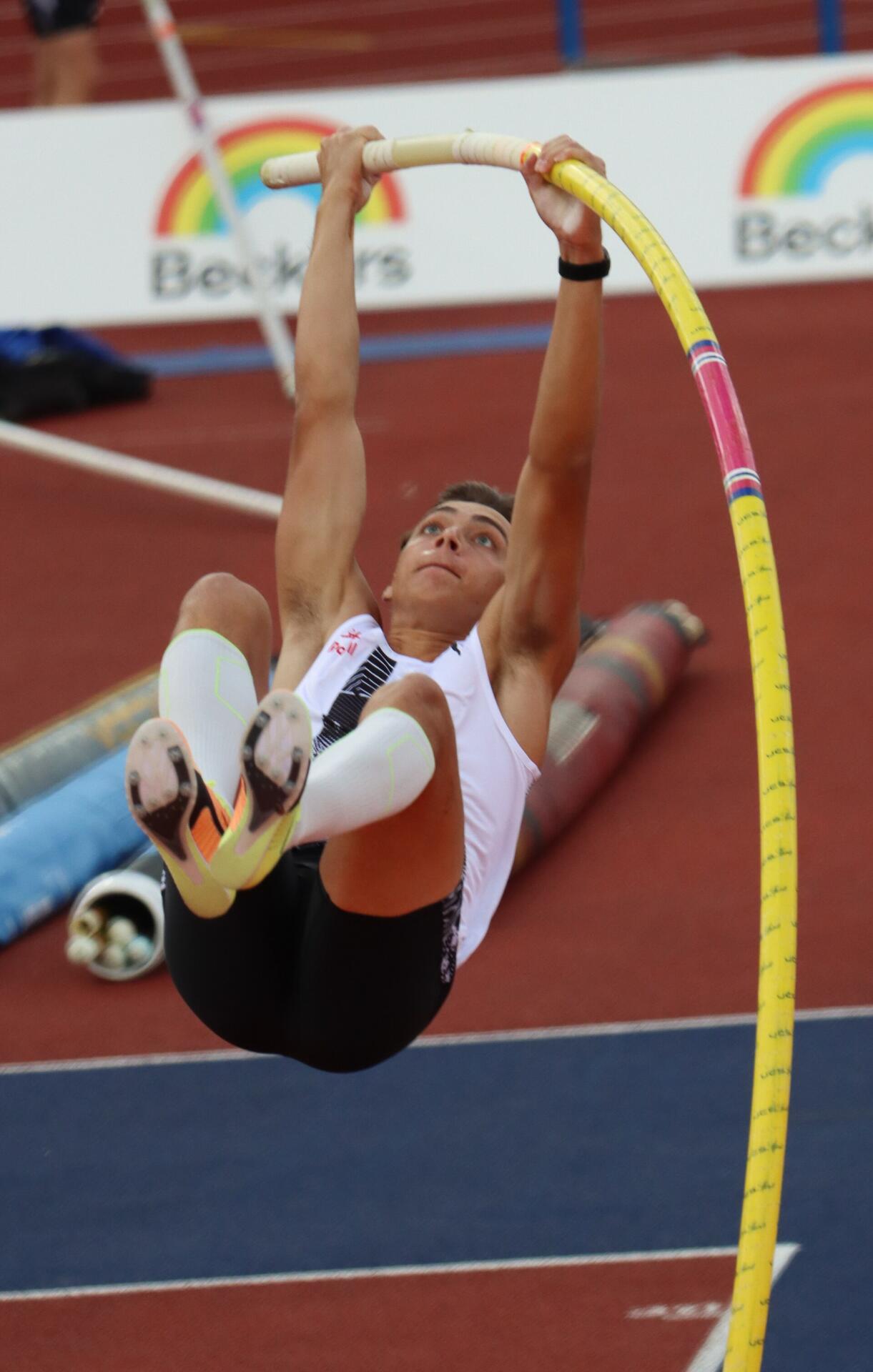
2026 has already been eventful. Duplantis raised the world record to 6.31 m in Uppsala in March, then won a fourth consecutive world indoor title in Toruń — the first man ever to do so, in the first indoor competition with three six-metre vaulters. In June came the shock: Kurtis Marschall beat him at the Bauhaus-Galan, ending a 40-meet winning streak stretching back to July 2023. Duplantis answered by winning in Paris at 6.13 m and in Monaco in July.
The kit changed too. After ten years in Craft, the Swedish brand from Borås, Svensk Friidrott switched to adidas from 2025 — the new national-team kit debuted at the European Indoors in Apeldoorn that March. For collectors, that split cleanly dates any race-issued Sweden piece: Craft through Paris 2024, adidas from 2025 onward. Authentic team-issued pieces from either era surface in the Pro Elite archive when they leave team channels.
Future Stars and Emerging Talents
The next Swedish generation is broader than the two megastars. The distance revival, the women’s throws group and a deep vault scene behind Duplantis give the federation more finalists than it has had since the golden post-war years.
Andreas Almgren
Four European records in twelve months: 5000 m in 12:44.27 (Stockholm 2025), the first European sub-59 half marathon (58:41, Valencia), and a 26:45 road 10K in January 2026. World 10,000 m bronze in Tokyo 2025 made him Sweden’s first global distance medallist in decades.
Vanessa Kamga
Fifth in the Paris 2024 final after throwing a 66.61 m national record in qualifying — the deepest Olympic run by a Swedish female discus thrower in the modern era, in the event Ståhl rules on the men’s side.
Fanny Roos
A fixture in global shot put finals, seventh at Paris 2024 with 18.78 m, and the anchor of a Swedish women’s throws group that now reaches finals in three different disciplines.
Sweden Records & Historic Milestones
Few countries this size hold this much of the record book. One current world record, a women’s world indoor record, four European records — and a European high jump record from 1987 that has now outlasted every man who has tried to break it.
Three milestones frame the rest: Stockholm 1912 giving athletics its first electric timing; the March 1946 lifetime bans that kept Hägg and Andersson — the two fastest milers alive — out of the London Olympics; and Ludmila Engquist coming back from cancer surgery on her 35th birthday to take world bronze in Seville four months later in 1999.
Shop Athletics Apparel
Race-issued Sweden kit is genuinely rare: national-team pieces — Craft through 2024, adidas from 2025 — only leave team channels in small numbers, and when a piece sells it is usually gone for good. While the Sweden rail rotates, these are the latest athlete-issued arrivals in the Elite Athletics Clothes archive — real pro elite gear, never replicas.
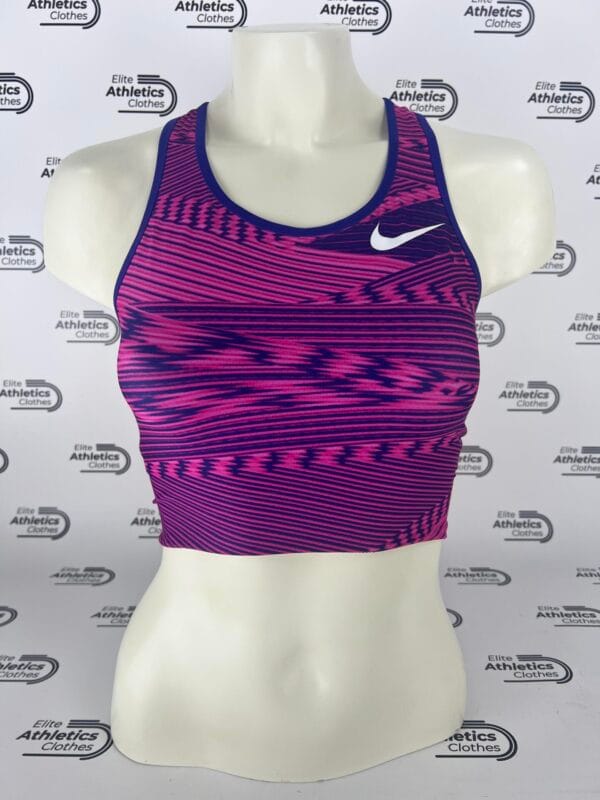 Nike Rosa & Co. Pro Elite 2019 Women Crop Top250,00 €View Piece →
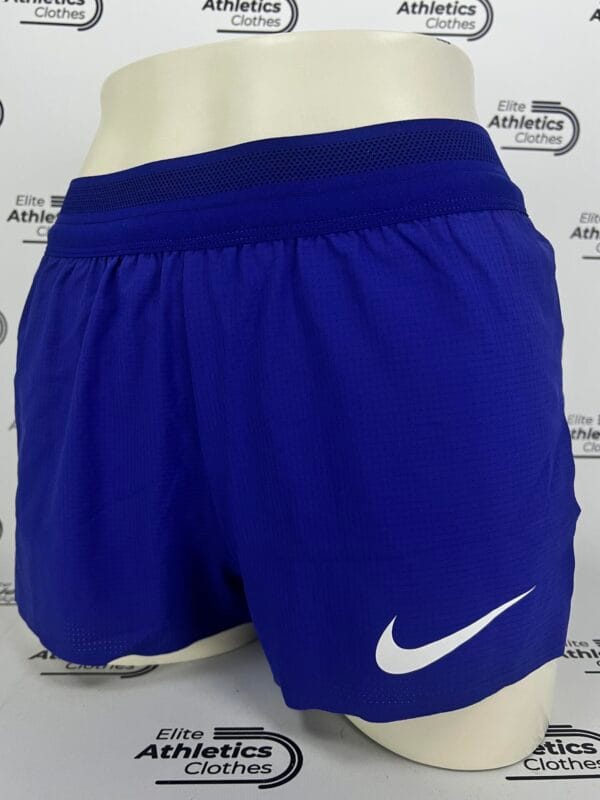 Nike Pro Elite Team 2020/2021 Women Running Shorts120,00 €View Piece →
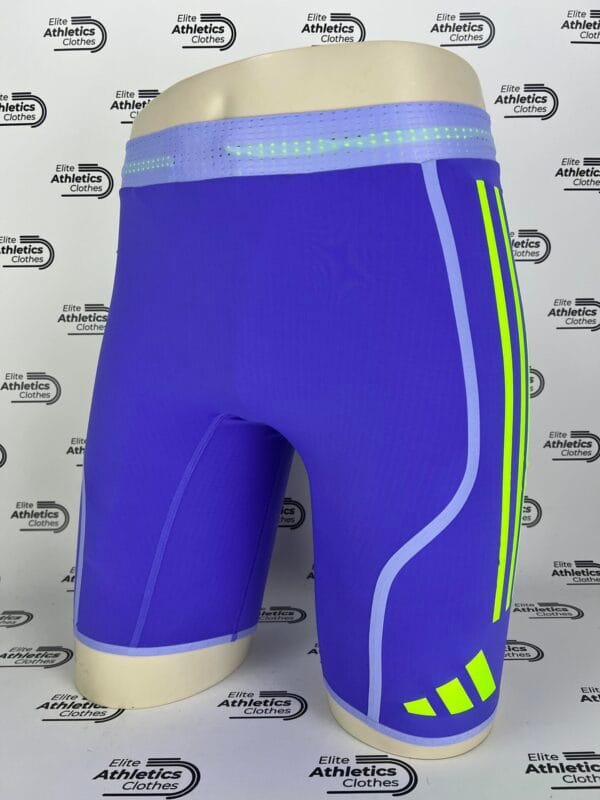 Adidas Pro Elite Team 2024 Half Tights200,00 €View Piece →
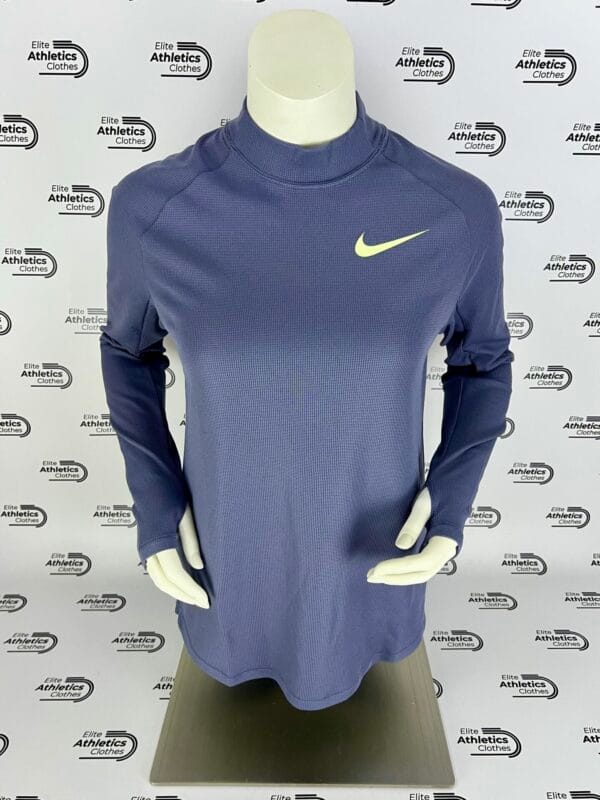 Nike Pro Elite Team 2024 Women Long Sleeves Shirt180,00 €View Piece →
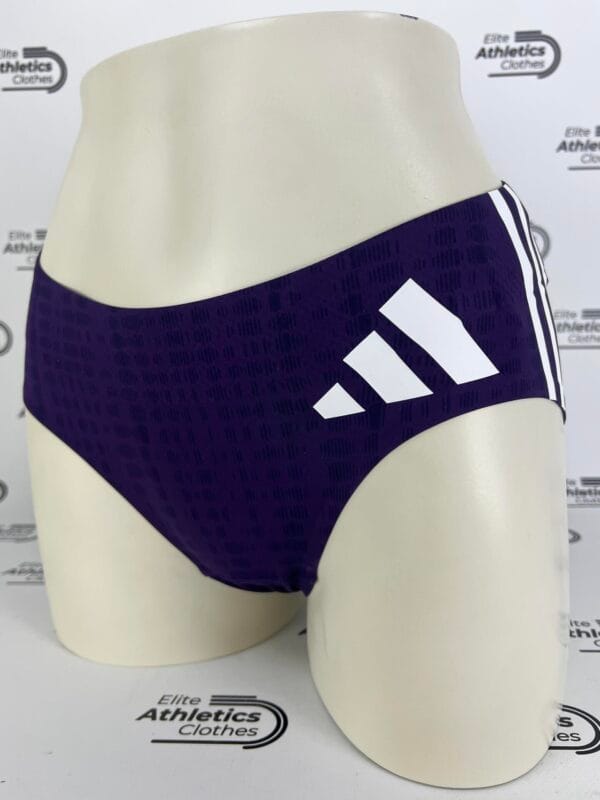 Adidas Pro Elite Team 2025 Women Distance Competition Briefs – Special Edition140,00 €View Piece →
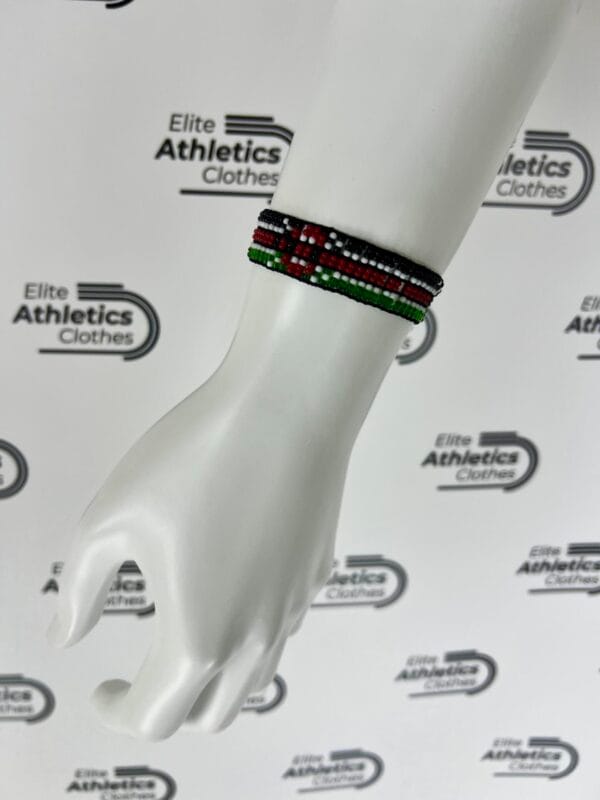 Elastic Kenya Running Bracelet – Handmade Kenyan Flag Beaded Bracelet50,00 €View Piece →
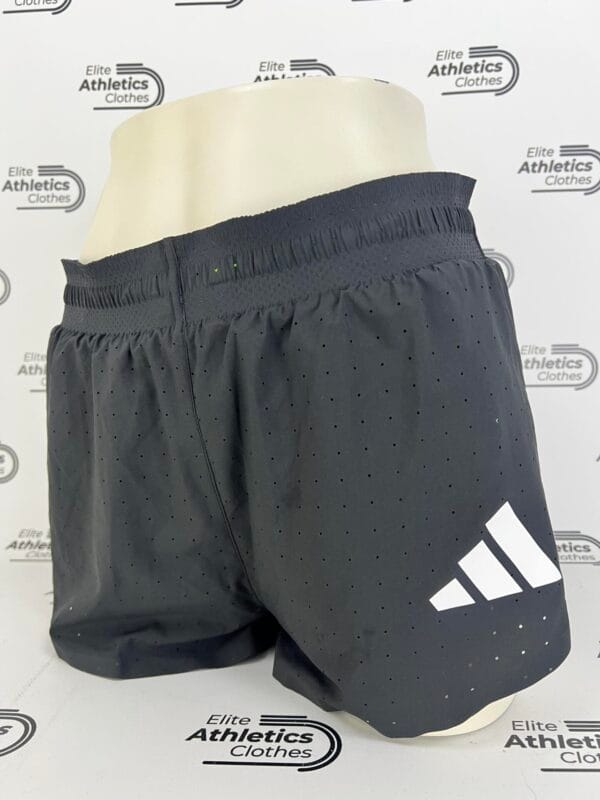 Adidas Pro Elite Team 2025 Women Running Shorts140,00 €View Piece →
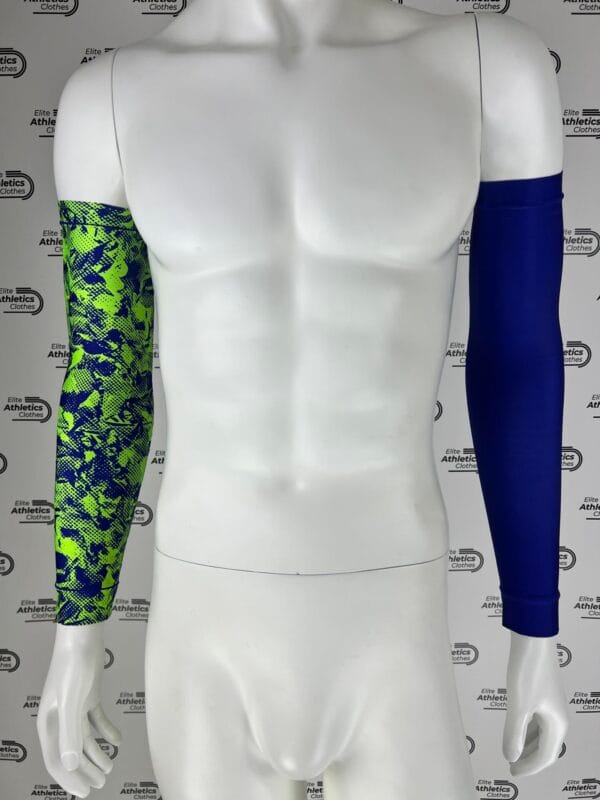 Nike Pro Elite Team 2019 Arm Sleeves200,00 €View Piece →
What is the pole vault world record and who holds it?
The pole vault world record is 6.31 m, held by Sweden’s Armand Duplantis, set indoors at the Mondo Classic in Uppsala on 12 March 2026. It was his fifteenth world record; every one of them has raised the bar by exactly one centimetre.
How many Olympic athletics medals has Sweden won?
Sweden has won 85 Olympic athletics medals: 21 gold, 23 silver and 41 bronze. Athletics is Sweden’s third-most successful Olympic sport, behind cross-country skiing and wrestling.
Has Sweden ever hosted the Olympic Games?
Yes. Stockholm hosted the 1912 Summer Olympics, where Sweden topped the overall table with 65 medals and the athletics programme used the first fully automatic electric timing system in Olympic history. The 1912 Olympic stadium still hosts the Bauhaus-Galan Diamond League meeting every summer.
Who is Sweden’s greatest ever athlete?
By global titles it is Armand Duplantis: two Olympic golds, three world outdoor titles, four consecutive world indoor titles and fifteen world records. By pure dominance the case belongs to Carolina Klüft, who won all 22 senior combined-events competitions she entered between 2002 and 2007.
Why did Gunder Hägg never run the Olympics?
War and a ban. The 1940 and 1944 Games were cancelled by the Second World War, and in March 1946 the Swedish federation banned Hägg — along with his rival Arne Andersson — for life for accepting under-the-table appearance money. His 4:01.4 mile world record from 1945 outlived his career by eight years.
Who makes the Swedish athletics team kit?
adidas has supplied Svensk Friidrott since 2025, when the new kit debuted at the European Indoor Championships in Apeldoorn. Before that the national team competed for ten years in Craft, the Swedish sportswear brand from Borås — the kit Duplantis wore for his Paris 2024 Olympic title.
Where can I buy authentic Sweden athletics apparel?
Authentic race-issued Sweden pieces appear at Elite Athletics Clothes as they leave team channels — both Craft-era and adidas-era kit. The Sweden rail is small and rotates quickly, so the archive of athlete-issued Pro Elite gear from other federations is the best place to start while you wait for a Swedish piece.
Sources and References
- Sweden at the Olympics (Wikipedia) — confirms the 21-23-41 (85) Olympic athletics medal count, cross-checked against Olympedia.
- Sweden — Olympedia — independent cross-check of the athletics medal table (21/23/41).
- Armand Duplantis (Wikipedia) — full world-record progression 6.17 (2020) to 6.31 (2026), Olympic and world titles.
- Duplantis clears 6.31 m in Uppsala (European Athletics) — confirms the current world record: 6.31 m, Mondo Classic, Uppsala, 12 March 2026, his fifteenth.
- World Indoor Championships Toruń 2026 pole vault report (World Athletics) — confirms the fourth consecutive world indoor title, 6.25 championship record.
- Duplantis beaten by Marschall in Stockholm (Olympics.com) — confirms the end of the 40-meet win streak, 7 June 2026.
- Sweden at the World Athletics Championships (Wikipedia) — World Championships medal table through 2023 (12/7/8); Tokyo 2025 medals added from the 2025 team page.
- Sweden at the 2025 World Championships (Wikipedia) — confirms Tokyo 2025: Duplantis gold (6.30 WR), Ståhl gold (70.47), Almgren bronze 10,000 m.
- Gunder Hägg mile world record feature (World Athletics) — confirms the 4:01.4 Malmö 1945 mile and the Hägg–Andersson duels.
- Gunder Hägg (Wikipedia) — confirms the 1942 record streak, first sub-14 5000 m, and the 1946 lifetime ban.
- Patrik Sjöberg raised the bar (European Athletics) — confirms 2.42 m, Stockholm, 30 June 1987, still the European record.
- Carolina Klüft retires (World Athletics) — confirms the unbeaten 22-for-22 combined-events record and three world titles.
- Bergqvist 2.08 world record (World Athletics) — confirms the women’s world indoor high jump record, Arnstadt 2006.
- Almgren breaks European 10K record again (Marathon Handbook) — confirms the 26:45 European road 10K record, Valencia, January 2026.
- Svensk Friidrott × adidas announcement (friidrott.se) — confirms adidas as kit supplier from 2025, after ten years of Craft.