

Estonia
A Baltic nation of fewer than 1.4 million people that has repeatedly out-performed its size on athletics’ biggest stages, from Olympic decathlon and discus gold to a long heritage in the throws and multi-events.
Estonia, a Baltic nation of fewer than 1.4 million, has been an athletics overachiever since its 1920 Olympic debut in Antwerp: Erki Nool won decathlon gold at Sydney 2000 with 8,641 points, Gerd Kanter took the 2007 world discus title and Beijing 2008 Olympic gold, and javelin thrower Magnus Kirt claimed world silver in Doha 2019.
This is the full story of athletics in Estonia: its roots in the national awakening of the late nineteenth century, its champions, and its Olympic titles. From the first organised competitions on Estonian soil, through the Soviet occupation years, to the restoration of independence in 1991, Estonian athletics has produced serious talent and championship moments well out of proportion to the country’s size.
Whether you are an athletics fan, a collector of authentic Pro Elite kit, or a supporter of Estonian sport, you can explore the full range of European athletics apparel at Elite Athletics Clothes. Every item is selected for its authenticity, quality and connection to elite athletics.
- Federation
- Estonian Athletic Association (Eesti Kergejõustikuliit), member of World Athletics
- Olympic athletics medals
- 6: 2 gold · 1 silver · 3 bronze (under the Estonian flag, 1920–2012)
- The signature
- All 6 Olympic medals come from three disciplines — discus (3), decathlon (2), marathon (1) — every one won by a man
- World Championship medals
- 10: 2 gold · 6 silver · 2 bronze (competing since 1993)
- The discus king
- Gerd Kanter: Olympic gold (2008) and bronze (2012), 2007 world champion; Estonian record 73.38m, 4th-best in history
- The decathlete
- Erki Nool: Sydney 2000 Olympic decathlon gold — the first athletics gold in an Estonian vest; national record 8,815 pts
- Punching above its size
- A nation of ~1.3 million with a century of Olympic athletics medals, 1920 to 2012
- The javelin line
- Andrus Värnik (2005 world champion) and Magnus Kirt (Estonian record 90.61m — the only Estonian over 90m)
The Origins of Track and Field in Estonia
Organised athletics in Estonia goes back to the late nineteenth century, when the Baltic provinces of the Russian Empire were caught up in a national awakening. Estonians already had a long tradition of physical contests: song festivals, the Laulupidu, and rural gatherings regularly featured running, jumping and feats of strength as part of community life.
The first formal athletics clubs began to emerge in Estonian cities in the 1890s and early 1900s, influenced by the broader European physical culture movement. Tallinn, then known as Reval, and Tartu, Estonia’s historic university town, became the two focal points of early organised sport. The Kalev Sports Society, founded in 1901, became one of the most important institutions in the development of Estonian athletics.
Following Estonia’s declaration of independence in 1918, sport took on even greater significance as a vehicle for nation-building and international recognition. The newly formed Estonian Athletics Association gave structure to a fragmented collection of local clubs, establishing national championships and creating the first formal pathway for elite athletes to represent their country on the European and world stages.
Early History: The First Golden Era
The interwar period, from 1918 to 1940, represented the first golden era of Estonian athletics. With independence came national pride, and sport became one of the most visible expressions of that pride. The first Estonian National Athletics Championships were held in 1920, and from this moment the country began producing athletes capable of competing at the highest European level.
Estonia first participated in the Olympic Games in 1920 at Antwerp, marking a historic debut on the world’s greatest sporting stage. Track and field quickly became the area where Estonian talent flourished, with competitors regularly appearing at European Championships and the Olympics throughout the 1920s and 1930s. The Sokol movement, a Baltic physical culture tradition emphasising gymnastics and general fitness, helped build the athletic foundation of many Estonian competitors.
The Soviet occupation of Estonia in 1940 dramatically altered the trajectory of Estonian athletics. During the occupation, many exceptional Estonian-born athletes competed as part of the Soviet Union’s programme. However, the distinct tradition of Estonian athletics was never extinguished; it was preserved in memory, in diaspora communities, and in the quiet resilience of a people determined to reclaim their voice on the world stage.
Estonia’s Greatest Athletes
When Estonia restored its independence in 1991 and returned to international competition under its own flag, it brought a strong generation of athletes with it. The story of modern Estonian athletics runs through a handful of individuals who redefined what a country of its size could do on the global stage.
Erki Nool
Estonia’s greatest athletics champion. Won decathlon gold at the 2000 Sydney Olympics with 8,641 points, Estonia’s first Olympic athletics gold as an independent nation, adding 1998 European gold and 1999 World Indoor heptathlon silver.
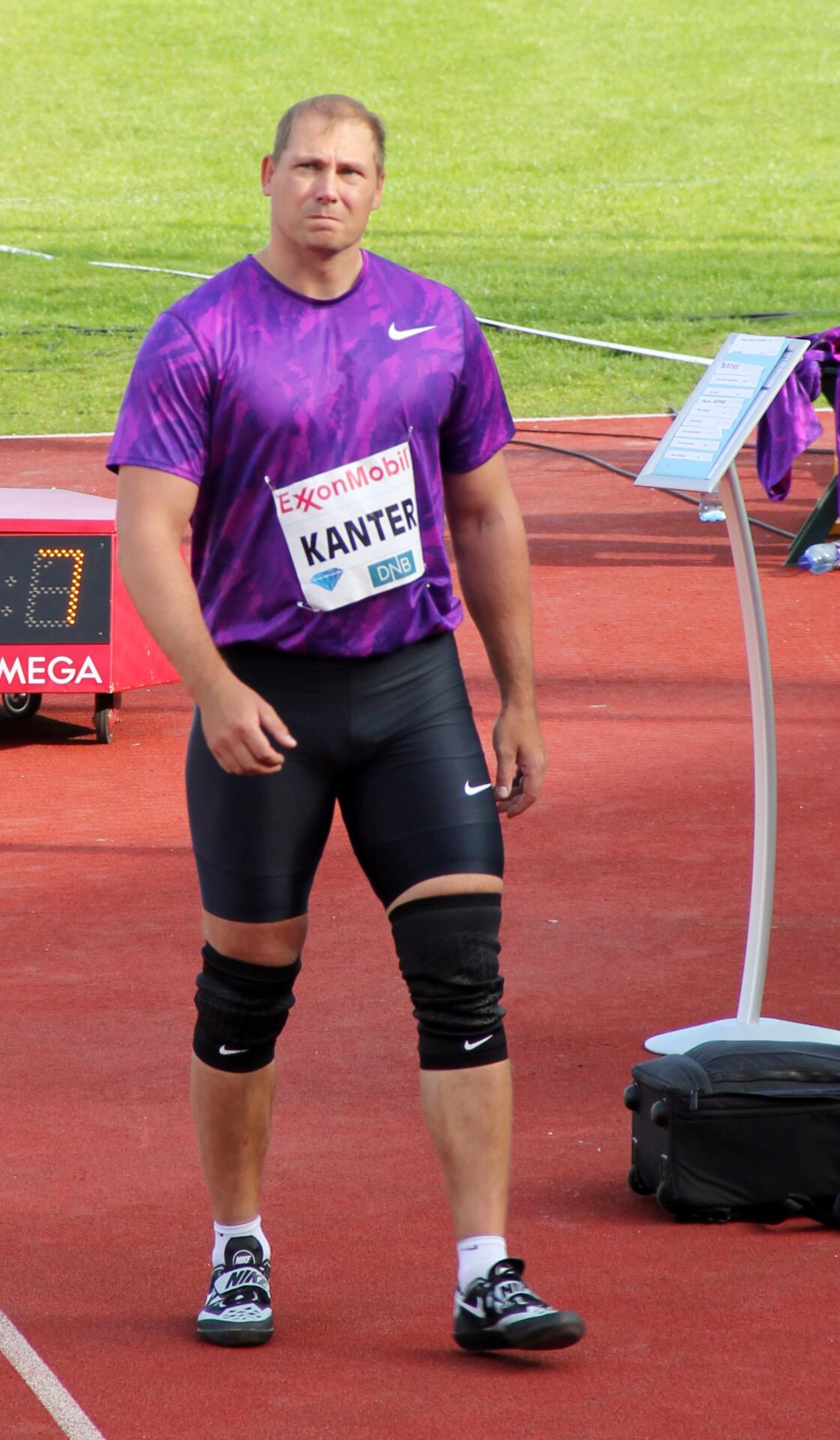
Gerd Kanter
One of the greatest discus throwers in history. Won the 2007 World title in Osaka (68.94m) and 2008 Beijing Olympic gold (68.82m) for a rare back-to-back double. Personal best of 73.38m set in Helsingborg in 2006.
Jüri Tarmak
Won high jump gold at the 1972 Munich Olympics, clearing 2.23 metres while competing for the Soviet Union, one of the most celebrated achievements of any Estonian-born athlete during the occupation years.
Magnus Kirt
Estonia’s javelin standout. He threw 89.75m in 2018, then took silver at the 2019 World Championships in Doha, extending Estonia’s strong record in the throwing events.
Ksenija Balta
One of Estonia’s most consistently successful modern athletes. A long jump and sprint specialist with a personal best of 6.87m and 2009 European Indoor gold, representing the country at the Olympics, European, and World Championships.
Olympic Achievements
Estonia’s Olympic athletics record, from a nation of fewer than 1.4 million, is out of all proportion to its size. It has produced Olympic athletics gold medallists across disciplines and eras, from Erki Nool’s 2000 decathlon title to Gerd Kanter’s 2008 discus gold.
Six medals, a century, one long silence
Estonia’s Olympic athletics medals add up slowly. Two came in the 1920s, then nothing under its own flag until 2000 — the width of the plateau is the Soviet occupation.
Cumulative medals won under the Estonian flag. Estonian-born athletes who won for the USSR (e.g. Jüri Tarmak, high jump 1972; Jaak Uudmäe, triple jump 1980) are not counted. Sources: Wikipedia (Estonia at the Olympics), Olympedia.
View the data
| Year | Athlete | Event & medal | Running total |
|---|---|---|---|
| 1920 | Jüri Lossman | Marathon silver — Antwerp 1920 | 1 |
| 1924 | Aleksander Klumberg | Decathlon bronze — Paris 1924 | 2 |
| 2000 | Erki Nool | Decathlon GOLD — Sydney 2000 | 3 |
| 2004 | Aleksander Tammert | Discus bronze — Athens 2004 | 4 |
| 2008 | Gerd Kanter | Discus GOLD — Beijing 2008 | 5 |
| 2012 | Gerd Kanter | Discus bronze — London 2012 | 6 |
Estonia makes its historic Olympic debut, participating in the Games for the first time shortly after declaring independence in 1918.
Estonia competes under its own flag for the last time before the Soviet occupation, closing the interwar golden era of Estonian athletics.
Jüri Tarmak wins high jump gold with 2.23 metres, competing for the Soviet Union during the occupation but belonging in heritage to the Estonian athletics story.
Estonia returns as an independent nation, its athletes competing under their own flag for the first time since 1936 following the restoration of independence.
Erki Nool wins decathlon gold with 8,641 points, Estonia’s first Olympic athletics gold as an independent nation and its most celebrated sporting moment.
Gerd Kanter wins discus gold with 68.82 metres, delivering back-to-back decades of Estonian Olympic athletics gold and confirming the country’s standing as a genuine power.
World Championship Achievements
The World Athletics Championships have produced some of Estonia’s best moments. Gerd Kanter’s 2007 world title in Osaka is arguably the finest single performance by an Estonian athlete at the championships: a throw of 68.94 metres for gold.
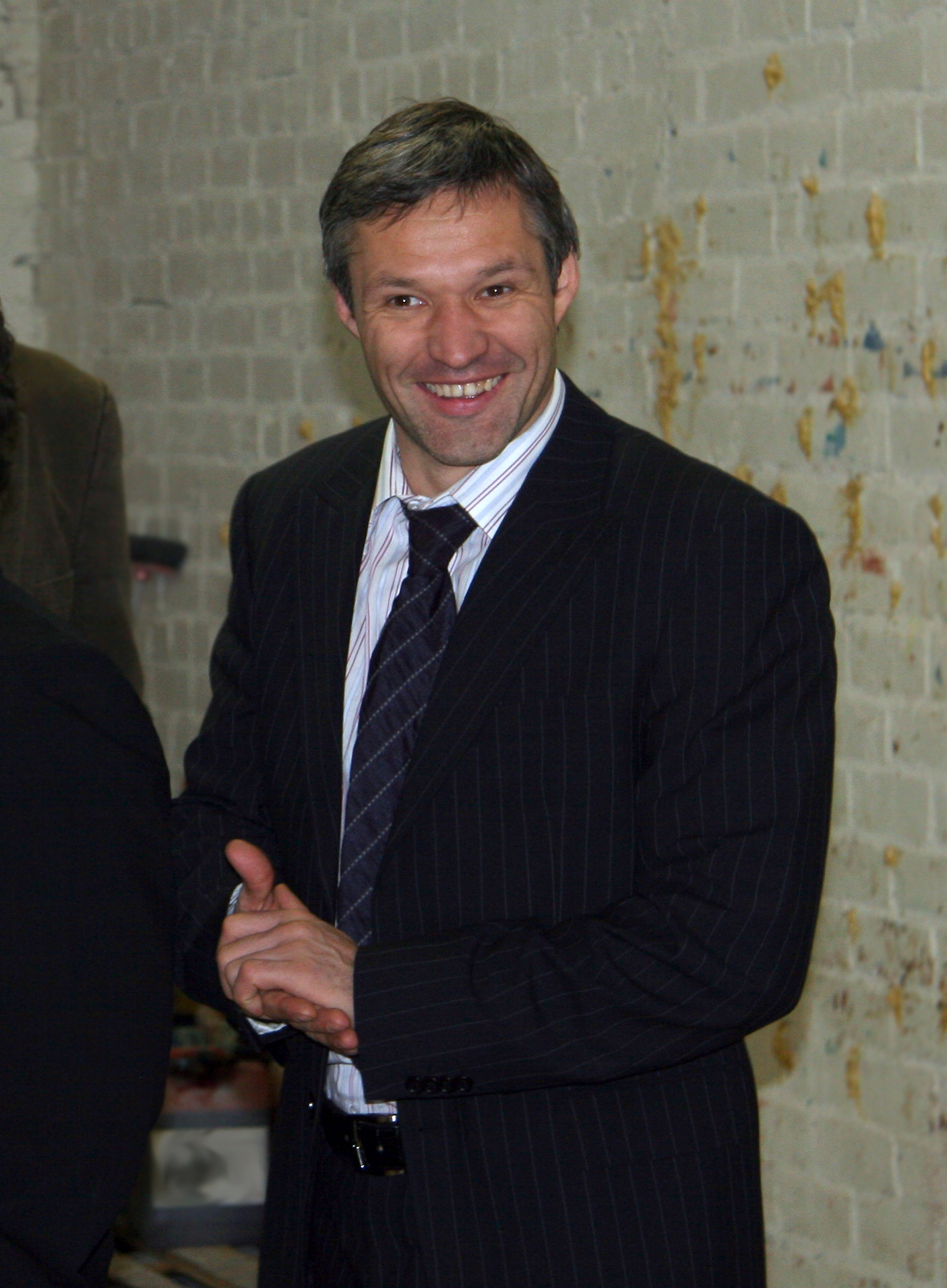
Erki Nool’s silver medal in the heptathlon at the 1999 World Indoor Championships in Maebashi confirmed his standing among the world’s very best all-round athletes heading into the Olympic year of 2000. At the 2019 World Athletics Championships in Doha, Magnus Kirt’s silver medal in the javelin, achieved with a best of 86.21 metres, reminded the world that Estonia’s tradition in the throwing events remains very much alive. Estonia has also enjoyed considerable success at the European Athletics Championships, where Kanter’s silvers in 2006, 2012, and 2014 and bronze in 2016 make him one of the country’s most decorated athletes at the continental level.
Running Culture in Estonia
Away from the championship stage, running has grown sharply in Estonia over the past two decades, now one of the busiest recreational running scenes in Northern Europe. The Tallinn Marathon, held each September through the UNESCO-listed Old Town, has become one of the most popular races in the Baltic region.
The Tartu Maraton, run partly as a ski marathon in winter, is the largest participation sports event in the Baltic states and draws on Estonia’s Nordic sporting roots. Running in Estonia is tied to national identity — a form of belonging and an expression of freedom for a people whose parents and grandparents lived through the loss of independence.
The blue, black, and white worn by Estonia’s athletes on the world’s greatest stages embodies a resilient, small-nation spirit that every athletics fan can connect with.
The Development System and Domestic Scene
Estonia’s athletics development has always been built on a comprehensive approach, from the university sports culture of Tartu to a growing national network of clubs. At the club level, organisations such as Tartu Ülikool Akadeemiline Spordiklubi and numerous urban clubs across the country nurture the next generation of Estonian champions.
In the throwing events, Estonia’s traditional strength, athletes still compete at the top level in the discus, javelin and hammer. In the multi-events, the country keeps producing capable decathletes and heptathletes, following on from Erki Nool. Women’s athletics has gained ground in recent years, with the Estonian Athletic Association investing in coaching, facilities and competition pathways across the jumps, throws and middle distances.
Estonia competes regularly in the European Athletics Team Championships and international relays, its teams holding their own against much larger nations across the disciplines.
The Current State of Estonia Athletics
Estonian athletics today stands at an exciting juncture. While the legendary era of Nool and Kanter belongs to history, the country’s athletics programme continues to produce athletes of genuine international quality, and there is considerable optimism about the direction the sport is heading. In the throwing events, athletes like Magnus Kirt in the javelin continue to represent Estonia at the highest level, while discus and hammer throwers regularly reach European Championship finals and World Championship qualifying rounds.
In the multi-events, Estonia keeps producing capable decathletes and heptathletes who see themselves as part of a continuing tradition. Women’s athletics has lifted the standard of the national programme, with coaching, facilities and competition pathways starting to show results across the jumps, throws and middle distances.
Future Stars and Emerging Talents
The outlook for Estonian athletics is strong. A new generation is coming through the country’s development system, drawing on the athletes who came before and backed by good coaching and facilities. Investment in youth sport infrastructure, including new tracks in Tallinn and Tartu, gives them the environment to develop.
Next-Generation Throwers
Young athletes produced by the federation’s talent identification programmes, training to carry forward the throwing traditions established by Gerd Kanter and Magnus Kirt.
Emerging Decathletes
Young multi-eventers rising through the Estonian system who see themselves as heirs to Erki Nool, competing with the confidence of a nation that has conquered the decathlon.
Rising Track Athletes
Sprinters, middle-distance runners, and hurdlers competing at European junior and under-23 championships, giving Estonia greater track depth than at any point in its post-independence history.
Estonia Records & Historic Milestones
Shop Estonia Athletics Apparel
There are no Estonia pieces in the athlete-issued archive right now — Estonian federation kit rarely leaves the team channel. Until one surfaces, these are the latest arrivals from the wider Pro Elite archive, all authentic athlete-issued competition kit.
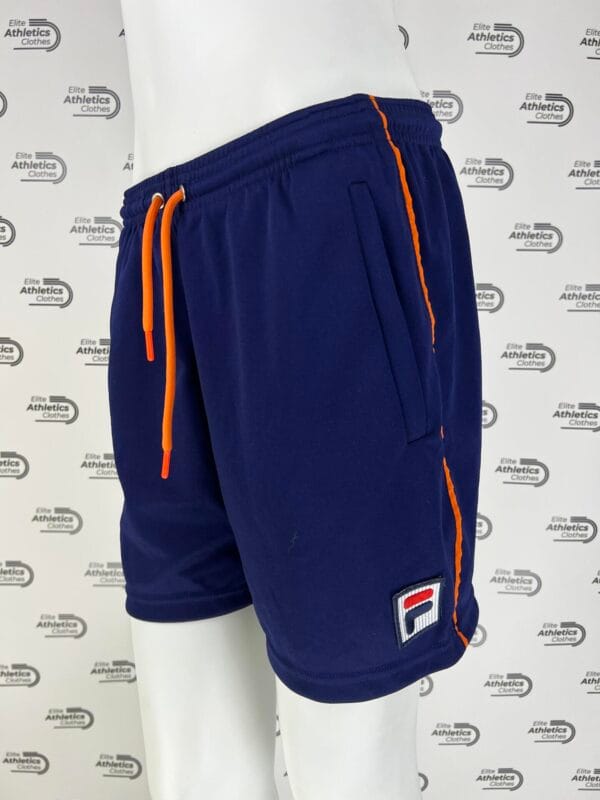 Fila Netherlands Pro Elite 2020 OLY Women Short Pants
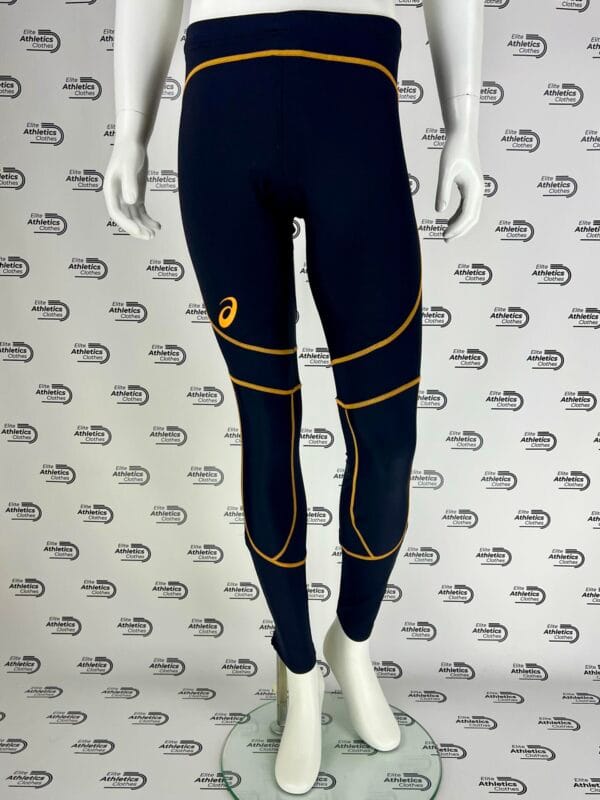 Asics Netherlands Pro Elite 2016 Long Tights
 Adidas Great Britain Paralympics Team Pro Elite 2024 T-Shirt70,00 €View Piece →
 Asics Netherlands Pro Elite 2018 Women Short Pants
 Asics France Pro Elite 2019 Long Tights70,00 €View Piece →
 Erima Austria Pro Elite 2019 T-Shirt100,00 €View Piece →
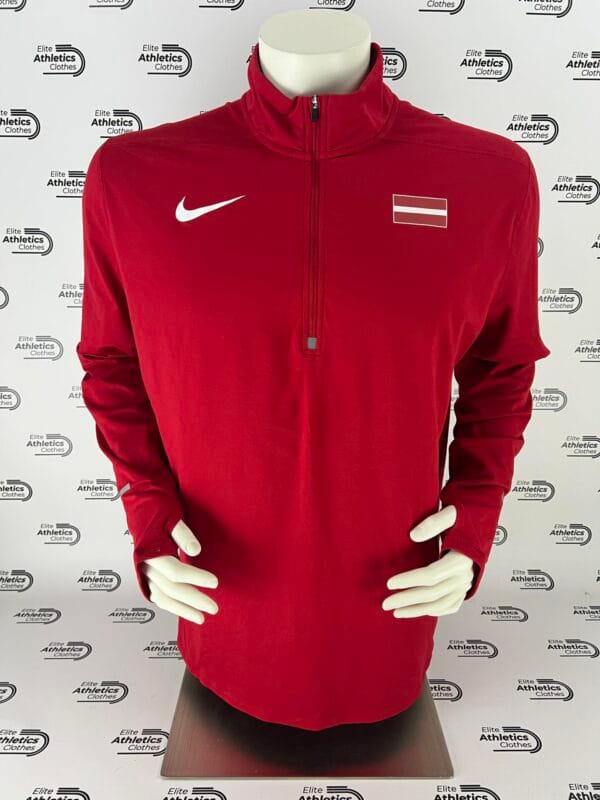 Nike Latvia International Team 2019 Pro Elite Half Zip Jersey120,00 €View Piece →
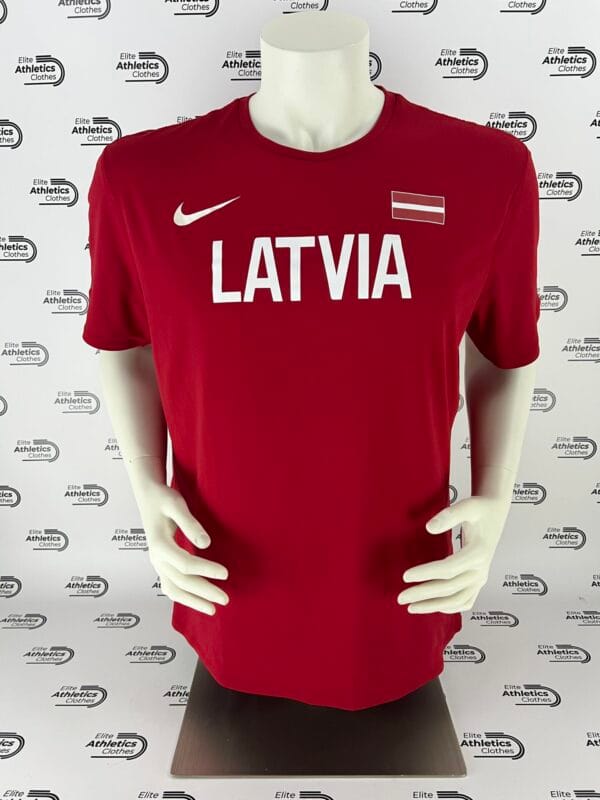 Nike Latvia International Team 2019 Pro Elite T-Shirt100,00 €View Piece →
Who is the greatest Estonian athletics athlete of all time?
Most historians and fans consider Erki Nool the greatest. His decathlon gold at the 2000 Sydney Olympics, Estonia’s first Olympic athletics gold as an independent nation, combined with European gold and World Championship silver, makes him the most decorated and historically significant Estonian athlete. Gerd Kanter is the other strongest contender.
Has Estonia won an Olympic gold medal in athletics?
Yes. Estonia has won two Olympic athletics golds as an independent nation: Erki Nool in the decathlon at the 2000 Sydney Olympics and Gerd Kanter in the discus at the 2008 Beijing Olympics. Historically, Jüri Tarmak also won high jump gold at the 1972 Munich Olympics while competing under the Soviet Union flag.
What is Estonia’s strongest athletics discipline?
Estonia has traditionally been strongest in the throwing events, particularly discus and javelin, and the multi-events. Gerd Kanter’s dominance in the discus and Erki Nool’s decathlon gold are the headline achievements, but Estonia has produced world-class athletes across throws, jumps, and multi-events throughout its post-independence history.
When did Estonia first compete in the Olympics?
Estonia first competed in the Summer Olympics in 1920 at the Antwerp Games, shortly after declaring independence in 1918. Following the Soviet occupation, Estonian athletes competed as part of the USSR until 1988, before returning as an independent nation at the 1992 Barcelona Olympics under their own flag for the first time since 1936.
What is the Tallinn Marathon?
The Tallinn Marathon is Estonia’s most prestigious road running event, held annually in September through the historic streets of the capital. It features a full marathon, half marathon, and shorter distances, attracting thousands of participants. Running through the UNESCO World Heritage-listed Old Town, it is one of the most scenic marathon courses in Northern Europe.
Where can I buy Estonia athletics team apparel?
You can explore Estonia and wider European athletics apparel at Elite Athletics Clothes. We offer a curated selection of Pro Elite athletics apparel, including items from European team collections. Visit our store to browse the full range of authentic Pro Elite track and field gear and related Northern European athletics kit.
Who makes Estonia’s athletics kit?
Nike is listed as the Estonian Athletic Association’s sportswear partner, supplied through local distributor Teamsport, and Nike has dressed the Estonian Olympic team across five consecutive Summer Games. Authenticated athlete-issued Estonia pieces surface at Elite Athletics Clothes when available.
Sources and References
- Erki Nool — Wikipedia — decathlon career, 2000 Sydney Olympic gold (8641 pts), 1998 European Championship gold, and 1999 World/World Indoor results.
- Osaka 2007 Men’s Discus Throw — World Athletics — Gerd Kanter’s 68.94 m world discus title in Osaka.
- Kanter bolts to discus victory in Beijing — World Athletics — Gerd Kanter’s 68.82 m Olympic discus gold at the 2008 Beijing Games.
- Gerd Kanter — Olympedia — full medal record showing European Championship silvers (2006, 2012, 2014) and bronze (2016), confirming he won no European gold.
- Gerd Kanter — Wikipedia — 73.38 m personal best set in Helsingborg, Sweden (2006); birth year 1979.
- Men’s High Jump, 1972 Summer Olympics — Wikipedia — Jüri Tarmak’s 2.23 m winning height for gold in Munich.
- Magnus Kirt — Wikipedia — 2019 Doha World Championship silver (86.21 m), 89.75 m thrown in Rabat 2018, and 90.61 m national record (Kuortane 2019).
- Ksenija Balta — Wikipedia — long jump personal best of 6.87 m and 2009 European Indoor gold.