
Japan
From the marathon dominance of the 1930s to Yoshihide Kiryu’s sub-10-second sprint, Japan blends technical excellence, endurance culture, and collective discipline into one of athletics’ most compelling and underappreciated heritages.
Japan’s athletics history spans more than a century: Mikio Oda became Asia’s first Olympic athletics champion in 1928, Naoko Takahashi won Sydney 2000 marathon gold and set a 2:19:46 world record, Koji Murofushi took Athens 2004 hammer gold, and the nation hosted the Olympic Games in 1964 and 2020 — all underpinned by its unique ekiden running culture.
Japan’s athletics story runs from its 1930s field-event golden age to the sprint-relay breakthroughs of the 2010s and 2020s. Organised athletics arrived in the Meiji era, grew through a strong university circuit, and built into a system defined by discipline and collective effort. This guide covers the origins of Japanese track and field, its greatest athletes, its Olympic and World Championship results, the ekiden running culture, and the talent being built toward Los Angeles 2028.
Wear Japan’s athletics heritage in competition-grade kit, including the full Asics Pro Elite Team range — the apparel of Japan’s best-known athletics brand. Explore the collection at Elite Athletics Clothes.
- Federation
- Japan Association of Athletics Federations (JAAF), member of World Athletics
- Olympic athletics medals
- 28: 8 gold · 10 silver · 10 bronze (track & field; Wikipedia & Olympedia)
- The signature
- Every one of Japan’s 8 Olympic golds is a field event or the marathon; it has never won an individual Olympic medal in a track sprint or flat race — its sprint success is the 4x100m relay
- The pre-war dynasty
- Three straight triple-jump golds: Oda (1928), Nambu (1932, world record 15.72m) and Tajima (1936, first man over 16m)
- The 64-year gap
- After 1936, Japan waited until Naoko Takahashi’s Sydney 2000 marathon (Olympic record 2:23:14) for its next athletics gold
- The marathon women
- Takahashi (2000) and Mizuki Noguchi (2004) won back-to-back Olympic women’s marathons
- The modern golds
- Koji Murofushi (hammer, 2004) and Haruka Kitaguchi (javelin, 2024 — Japan’s first women’s javelin gold)
- The walkers
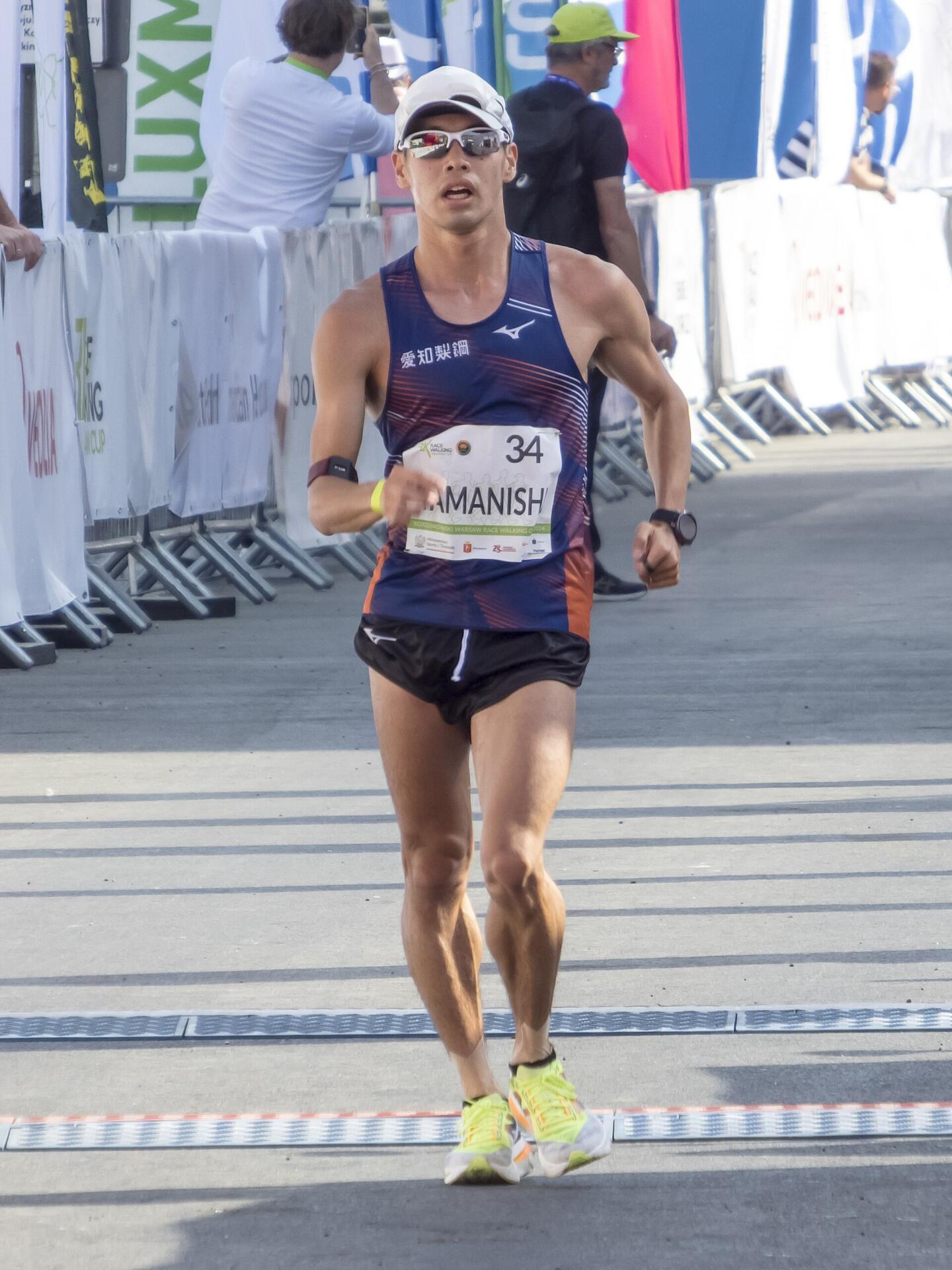
- Toshikazu Yamanishi, two-time 20km race walk world champion (2019, 2022), anchors a deep race-walk tradition
The Origins of Track and Field in Japan
Organised athletics arrived in Japan in the Meiji era, carried by Western influence during the country’s rapid modernisation in the late 19th century. The first formal track and field competitions were staged in the 1870s and 1880s at military and educational institutions, where Western sports were introduced alongside new academic curricula. The Japan Amateur Athletic Federation — now known as the Japan Association of Athletics Federations (JAAF) — was established in 1925, giving the sport its first national governing structure.
Japan’s earliest international footprint came through the Olympic Games. The country made its Olympic debut at the 1912 Stockholm Games, where sprinter Yahiko Mishima and marathon runner Shizo Kanakuri became the first Japanese Olympians. Neither achieved a podium finish — Kanakuri famously abandoned his marathon race due to heat exhaustion — but their participation marked the beginning of Japan’s long and passionate relationship with the Olympic movement.
Over the following decade, Japanese athletes refined their training systems, blending Western coaching methods with the discipline and collective spirit that would become hallmarks of the nation’s athletics. The sport grew quickly in schools and universities, and the emerging university athletics circuit — which continues to thrive today — became the engine of Japanese talent development.
The Golden Age: Marathon Dominance in the 1930s
The 1930s represent Japan’s first golden era in world athletics. At a time when the marathon was one of the most prestigious events in global sport, Japanese runners were virtually unbeatable. Athletes such as Kenkichi Masuda and Yasuzo Ikenaka were among the world’s leading marathoners of the era, even if no Japanese runner medalled at the 1932 Los Angeles Olympics, where Argentina’s Juan Carlos Zabala took gold.
By the 1936 Berlin Olympics, Japan’s marathon strength had reached its peak. Kitei Son — whose Korean name was Son Kee-chung, as Korea was then under Japanese colonial rule — won the Olympic marathon in a world-record time of 2:29:19, with fellow Korean-Japanese athlete Shoryu Nan taking bronze. The victory remains one of the most politically complex moments in Olympic history: Son famously covered the Japanese flag on his chest at the medal ceremony in silent protest.
The 1930s also saw Japan excel in the field events, particularly the triple jump. Chuhei Nambu won triple jump gold at the 1932 Los Angeles Olympics with a world record of 15.72m. Nambu, who had set a long jump world record in 1931 and won triple jump bronze at the 1928 Amsterdam Olympics, also claimed long jump bronze at Los Angeles 1932 — demonstrating Japan’s early versatility across the field events.
Japan’s Greatest Athletes
Japan’s athletics history is defined by pioneers and record-breakers across the marathon, the field events, and the sprints — figures whose achievements broke barriers not only for Japan but for Asian athletics as a whole.
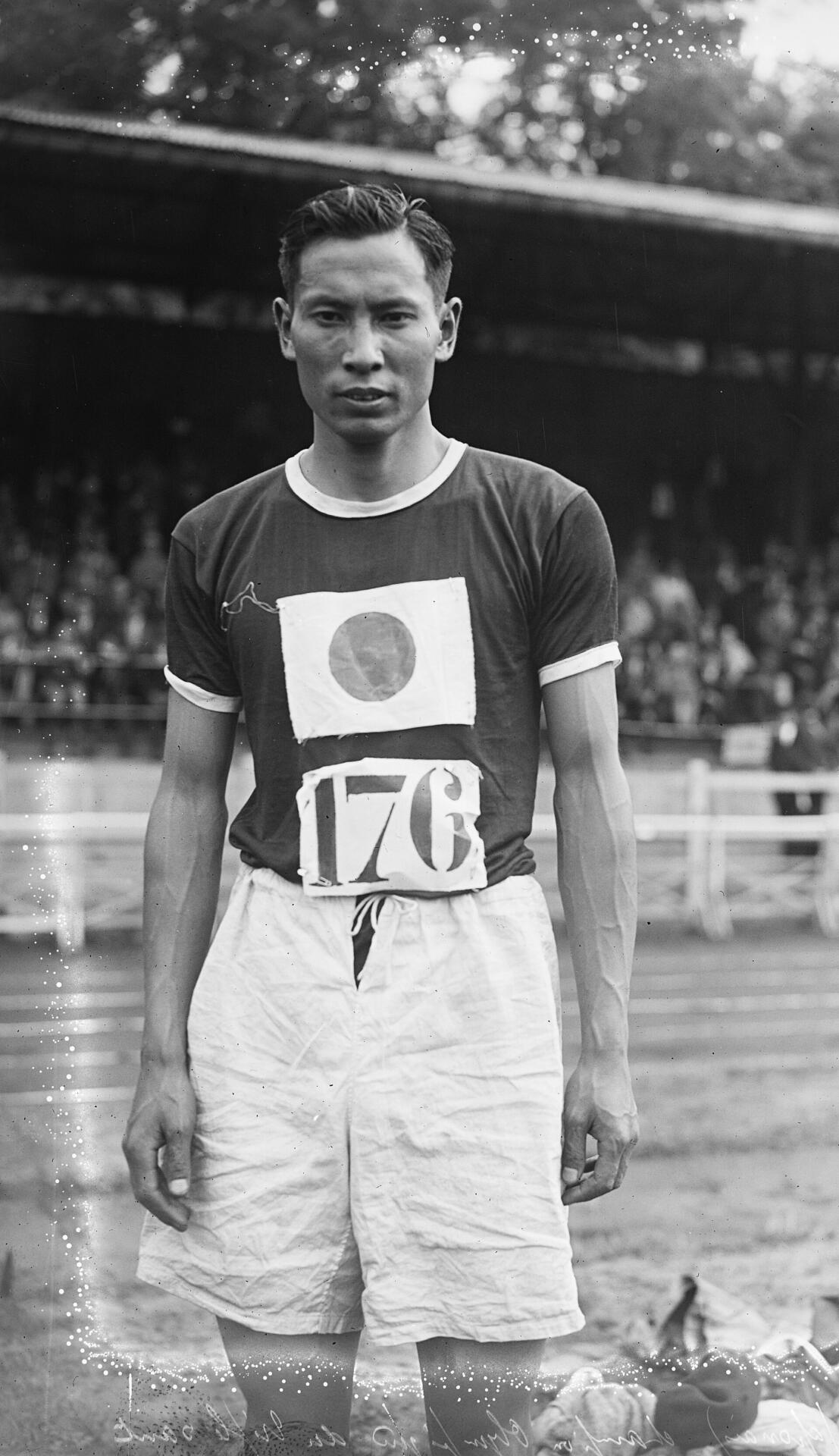
Mikio Oda
The first Asian athlete to win Olympic gold in a field event, taking the triple jump in 1928 with a leap of 15.21m — a landmark for Asian athletics. He stayed close to the sport until his death in 1998 at the age of 93.
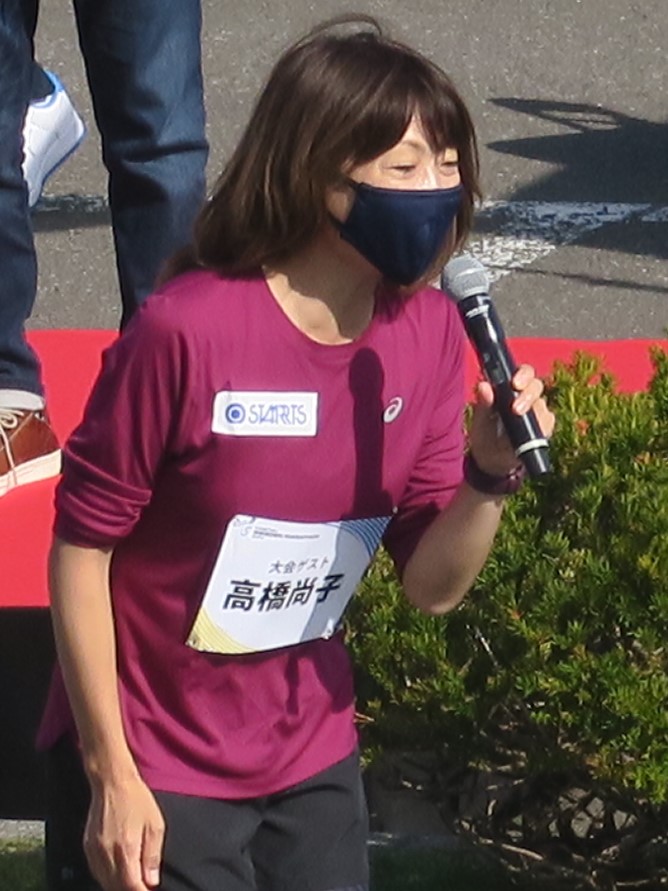
Naoko Takahashi
Arguably Japan’s greatest female athlete. She won Olympic marathon gold at Sydney 2000 — the first Japanese woman to win an athletics gold — then set a world record of 2:19:46 at the 2001 Berlin Marathon under coach Yoshio Koide, sparking a boom in women’s marathon running.
Mizuki Noguchi
Noguchi followed with the women’s marathon gold at Athens 2004, giving Japan back-to-back Olympic marathon titles. She set a Japanese record of 2:19:12 in Berlin in 2005; her Athens win came in brutal heat.
Koji Murofushi
Japan’s greatest thrower, son of a Japanese hammer thrower and a Romanian Olympic champion. He won hammer gold at Athens 2004 and multiple World Championship medals, and his Asian and Japanese record of 84.86m, set in 2003, ranks among the finest marks in history.
Yoshihide Kiryu
On 9 September 2017 he became the first Japanese sprinter to run 100m under 10 seconds, clocking 9.98 at an intercollegiate meet in Fukui. He went on to help the Japanese 4x100m relay team win bronze at the 2019 World Championships in Doha.
Hitomi Niiya
One of Japan’s finest long-distance runners of the modern era, holding multiple national records on the track and road. A fierce competitor, she has represented Japan at Olympic Games and World Championships across the 10,000m and road races, respected for her longevity at the top.
Olympic Achievements
Japan’s Olympic athletics record is rich with landmark achievements spanning nearly a century of competition — from Mikio Oda’s pioneering triple jump gold in 1928 to the sprint relay silver at Rio 2016.
Two golden ages, 64 years apart
Every Japanese Olympic athletics gold, by Games and event. The empty middle band is the story as much as the stars are.
The 1936 marathon gold (paler star) was won by Sohn Kee-chung, an ethnic Korean who competed as “Kitei Son” under Japanese colonial rule; the IOC still credits the medal to Japan. Sources: Wikipedia (Japan at the Olympics), Olympedia.
View the data
| Year | Event | Champion |
|---|---|---|
| 1928 | Triple jump | Mikio Oda · 15.21m |
| 1932 | Triple jump | Chuhei Nambu · world record 15.72m |
| 1936 | Triple jump | Naoto Tajima · world record 16.00m |
| 1936 | Marathon | Sohn Kee-chung · see note |
| 2000 | Marathon | Naoko Takahashi · Olympic record 2:23:14 |
| 2004 | Marathon | Mizuki Noguchi · 2:26:20 |
| 2004 | Hammer throw | Koji Murofushi · 82.91m |
| 2024 | Javelin | Haruka Kitaguchi · 65.80m |
Mikio Oda wins triple jump gold with 15.21m, becoming the first Asian athlete to win an Olympic field-event title.
Chuhei Nambu takes triple jump gold with a world record of 15.72m and adds long jump bronze at the same Games.
Kitei Son wins the Olympic marathon in a world-record 2:29:19, with Shoryu Nan taking bronze for Japan.
Naoko Takahashi wins the women’s marathon — the first Japanese woman to win an Olympic athletics gold medal.
Mizuki Noguchi wins women’s marathon gold and Koji Murofushi takes hammer throw gold in a landmark Games for Japan.
The men’s 4x100m relay wins silver in an Asian record 37.60 seconds, finishing behind Jamaica and ahead of the United States.
At the home Games, the marathon and race walk are held in Sapporo, where Japanese athletes compete with distinction in endurance events.
World Championship Achievements
At the World Athletics Championships, Japan has produced a steady stream of notable performances since the inaugural edition in Helsinki 1983. The country’s greatest achievements include Koji Murofushi’s hammer throw gold in Paris 2003 and silver in Berlin 2009; the men’s 4x100m relay bronze at Doha 2019 with a time of 37.43 seconds — the team’s fastest ever; marathon medals in multiple editions from both men and women; and field event representation across the hammer, pole vault, high jump, and triple jump.
The 2019 Doha World Championships were a high-water mark. The 4x100m relay bronze confirmed that the sub-10-second sprint breakthrough was a sustained national capability rather than a one-off. Japan has also long been a global power in race walking: Yusuke Suzuki, who set the 20km road walk world record in 2015, has brought the country multiple medals, and the women’s race walking programme has delivered consistent international performances at World Championships and Olympics alike.
The Sprint Revolution: Breaking the 10-Second Barrier
For generations, the 10-second barrier in the 100m was considered essentially unbreachable for Japanese sprinters. The physiological assumptions behind this belief were challenged repeatedly by coaches and athletes who believed that technical excellence, explosive training, and relay-specific speed could overcome the gap. When Yoshihide Kiryu clocked 9.98 seconds in 2017, it proved the barrier was psychological as much as physical.
Within a few years Japan had produced multiple athletes capable of running close to or under 10 seconds — Ryota Yamagata ran a national record of 9.95 seconds in 2021. The relay programme benefited most directly, with an aggressive baton-exchange technique that gave Japan a measurable advantage over rivals who relied on individual speed alone. Combined with new depth of sub-10 talent, it has made Japan’s 4x100m relay a consistent medal contender at the highest level.
The Asics Pro Elite competition range — worn on the world stage by Japan’s sprinters, distance runners, and field athletes — is available at Elite Athletics Clothes.
Ekiden and the Running Culture of Japan
To understand Japanese athletics, you must understand ekiden. The ekiden is a long-distance relay race, run on roads, with each team member covering a defined leg before passing a tasuki — a cloth sash — to the next runner. The format originated in Japan in 1917, inspired by the ancient messenger relay system, and has become one of the most popular sports in the country.
The Hakone Ekiden, run every January between Tokyo and Hakone, is one of Japan’s most-watched sporting events. University teams race over two days and more than 200 kilometres of road, drawing television audiences in the tens of millions. It is Japan’s main proving ground for young distance runners and a pipeline to future Olympic and World Championship squads.
Beyond Hakone, ekiden races run at every level — school, university, corporate, regional and national. Major companies fund elite ekiden teams with professional training and support. That corporate model, together with mass events like the Tokyo, Osaka and Nagoya Women’s Marathons, builds a deep talent pool that feeds the national system year-round.
The Current State of Japan Athletics
Japanese athletics in the mid-2020s is in a dynamic and competitive phase. The men’s sprint programme continues to develop depth below the 10-second barrier, and the relay team remains one of the world’s best. Distance running — both on the track and road — is as strong as ever, with a new generation of marathon runners being developed through the ekiden system and the national high-performance programme.
The Japan Athletics Federation has invested significantly in coaching education, sports science, and international exposure. Partnerships with world-leading training groups, competition experience at Diamond League and World Athletics Series events, and access to cutting-edge apparel technology from Asics — founded in Kobe in 1949 — have all contributed to modernising Japan’s elite infrastructure. Field events are a growing focus, with the hammer throw tradition established by Murofushi continuing to inspire new national record holders. In September 2025 the National Stadium hosted the World Championships — Tokyo’s second worlds after 1991, on top of two Olympic Games — and while the home team’s haul was two bronzes, Hayato Katsuki’s in the 35km walk among them, the packed evening sessions confirmed how deep the country’s athletics culture runs.
Future Stars and Emerging Talents
The future of Japanese athletics looks exceptionally bright. A new generation of sprinters, distance runners, and race walkers, developed through the university and corporate systems, is building methodically toward the 2028 Los Angeles Olympics.
Japan’s sprint cohort
A new group of university-trained sprinters is posting sub-10-second times at domestic meets, aiming to convert relay silver into gold at the 2028 Los Angeles Games.
Ekiden marathon pipeline
Young marathon runners emerging from the ekiden system have posted debut times among the fastest in Japanese history, backed by professional corporate-team support.
Women’s distance squad
A particularly deep women’s distance programme has multiple athletes capable of competing at the highest international level across track and road.
National race-walk system
Young walkers trained in Japan’s national programme are already posting internationally competitive times, keeping a priority discipline strong toward 2028.
Japan Records & Historic Milestones
Shop Japan Athletics Apparel
There are no Japan pieces in the athlete-issued archive right now — Japanese federation kit rarely leaves the team channel. Until one surfaces, these are the latest arrivals from the wider Pro Elite archive, all authentic athlete-issued competition kit.
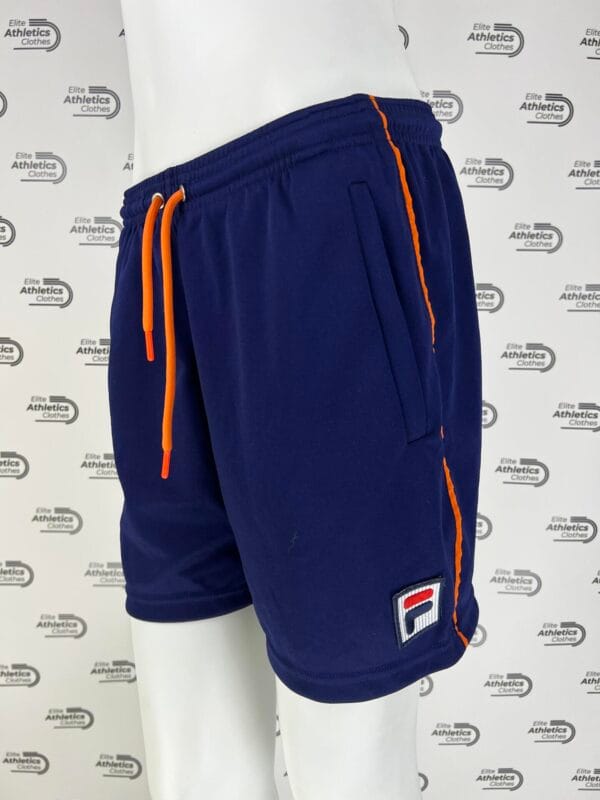 Fila Netherlands Pro Elite 2020 OLY Women Short Pants
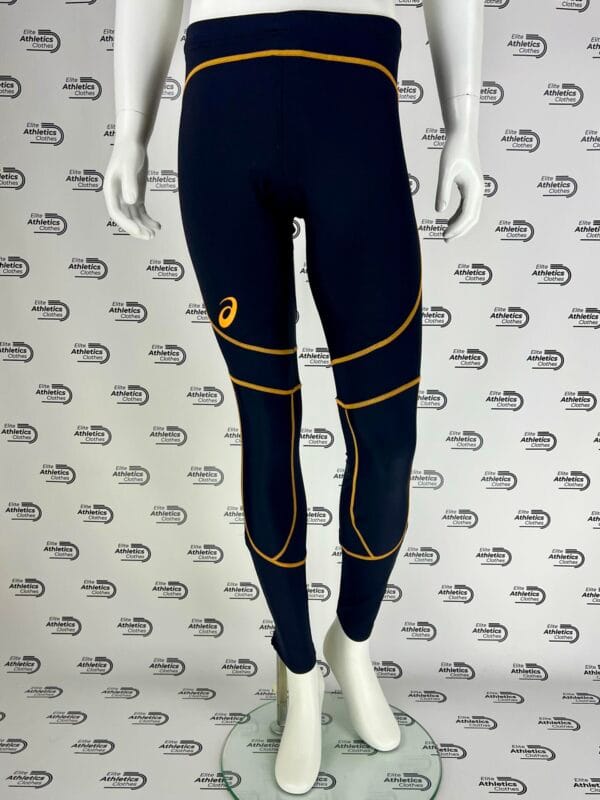 Asics Netherlands Pro Elite 2016 Long Tights
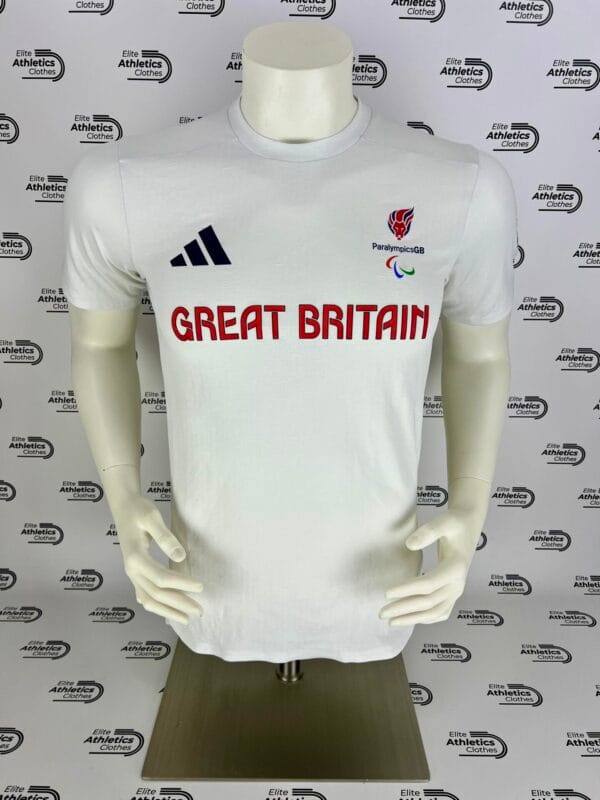 Adidas Great Britain Paralympics Team Pro Elite 2024 T-Shirt70,00 €View Piece →
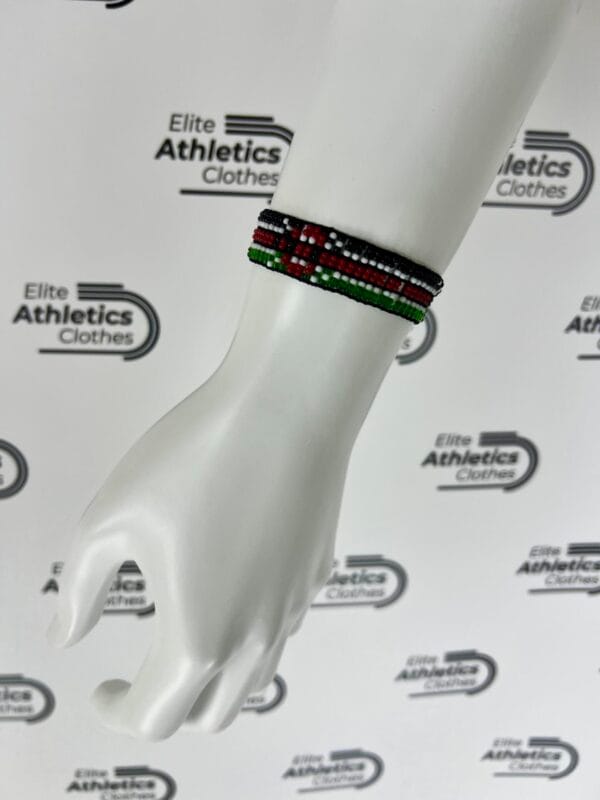 Elastic Kenya Running Bracelet – Handmade Kenyan Flag Beaded Bracelet50,00 €View Piece →
 Asics Netherlands Pro Elite 2018 Women Short Pants
 Adidas South Africa Pro Elite 2019 Running Cap120,00 €View Piece →
 Erima Austria Pro Elite 2019 T-Shirt100,00 €View Piece →
 Nike Côte D’Ivore Pro Elite 2019 Polo
Who is the greatest Japanese athlete in athletics history?
It depends on the discipline. In the marathon, Naoko Takahashi stands as Japan’s greatest female champion — Sydney 2000 Olympic gold medallist and former world record holder. In the field events, Koji Murofushi, the Athens 2004 hammer throw champion and Asian record holder, is Japan’s most decorated field athlete. For historic significance, Mikio Oda — the first Asian Olympic athletics champion in 1928 — holds a unique place.
Has Japan won an Olympic gold medal in a sprint or relay event?
Japan’s Olympic athletics golds have primarily come in the marathon and field events. The relay silver at Rio 2016 and the Doha 2019 World Championships bronze represent the country’s closest approach to sprint relay gold. With the depth of sub-10-second talent now in Japan, converting that medal colour to gold at a future Games is a realistic target.
What is the significance of ekiden in Japanese athletics?
Ekiden — long-distance road relay racing — is the foundation of Japan’s running culture. It functions as the primary talent-development system for distance runners, provides professional employment through the corporate team structure, and generates enormous public interest. The Hakone Ekiden is one of Japan’s most-watched sporting events, drawing audiences in the tens of millions. Without ekiden, Japan’s world-class distance depth would not exist.
Which Japanese athletes have broken world records in athletics?
Japan has produced world record holders across multiple disciplines. Koji Murofushi set the Asian hammer throw record of 84.86m in 2003. Naoko Takahashi set the women’s marathon world record of 2:19:46 in 2001. Yusuke Suzuki set the 20km road walk world record of 1:16:36 in 2015. In the 1930s, Chuhei Nambu set triple jump world records and Kitei Son ran an Olympic-record marathon of 2:29:19 in 1936.
What running brands are associated with Japanese athletics?
Asics is the most iconic brand associated with Japanese athletics. Founded in Kobe in 1949, it has deep roots in Japanese running culture and has served as kit supplier at multiple Olympic Games. The Asics Pro Elite competition range — available at Elite Athletics Clothes — is the choice of athletes who want to connect with Japan’s heritage through genuine performance gear. Mizuno, another iconic Japanese brand, also has strong associations with the sport.
How has Japan performed at the World Athletics Championships?
Japan has been a consistent performer since the inaugural 1983 edition. Key achievements include Koji Murofushi’s hammer throw gold at Paris 2003, multiple marathon medals from both men and women, the men’s 4x100m relay bronze at Doha 2019 in a then-national-record 37.43 seconds, and Yusuke Suzuki’s race walk world record and medals. Japan typically fields competitive teams across distance, relay, hammer, and race walking.
Who makes Japan’s athletics kit?
ASICS is the official clothing supplier of the Japanese national athletics team — an Official Partner of the JAAF since 2017, with the team’s signature Sunrise Red colour in use since 2015. Authenticated athlete-issued Japan pieces surface at Elite Athletics Clothes when available.
Sources and References
- Mikio Oda – Wikipedia — 1928 Amsterdam triple jump gold (15.21m), first Asian Olympic champion, dates of birth and death.
- Chūhei Nambu – Wikipedia — Triple jump world record 15.72m at the 1932 LA Olympics (gold), 1931 long jump world record, and 1932 long jump bronze.
- Athletics at the 1932 Summer Olympics – Men’s marathon – Wikipedia — Full 1932 LA marathon results (Zabala/Ferris/Toivonen medals; no Japanese medalist), correcting the Masuda/Ikenaka claim.
- Sohn Kee-chung (Kitei Son) – Wikipedia — 1936 Berlin Olympic marathon gold in 2:29:19 and the colonial-era context; Nam Sung-yong bronze.
- Naoko Takahashi – Wikipedia — Sydney 2000 Olympic marathon gold and 2001 Berlin Marathon world record (2:19:46).
- Mizuki Noguchi – Wikipedia — Athens 2004 Olympic marathon gold and 2:19:12 Japanese record at the 2005 Berlin Marathon.
- Koji Murofushi – World Athletics profile — Hammer personal best 84.86m (Asian/Japanese record, NOT a world record) and Athens 2004 Olympic gold.
- 2019 World Athletics Championships – Men’s 4×100m relay – Wikipedia — Japan won BRONZE in 37.43 at Doha 2019 (correcting the ‘silver’ claim).
- Suzuki breaks 20km race walk world record – World Athletics — Yusuke Suzuki’s 1:16:36 20km race walk world record at Nomi, 2015.