
Cuba
Eleven Olympic golds, twenty-three world titles, the only man ever to win the 400 m and 800 m at one Games — and a high jump world record, 2.45 m, that has now stood for 33 years. Pound for pound, no island has bent track and field like Cuba.
Cuba’s athletics history runs from a Havana postman finishing fourth in the 1904 Olympic marathon to the longest-standing men’s record in the sport: 45 Olympic medals, Alberto Juantorena’s Montreal double, 23 world titles — and Javier Sotomayor’s 2.45 m high jump, untouched for 33 years this month.
Cuba sits inside the all-time top ten of the World Athletics Championships, produced the only man ever to win the 400 m and 800 m at one Olympics, and still owns both high jump world records. This is the complete history of athletics in Cuba — including the honest chapter about the champions who now jump for other flags.
Race-issued national-team kit — the gear made for the athletes themselves, never sold in shops — is what Elite Athletics Clothes collects. Explore the athlete-issued archive at Elite Athletics Clothes — real pro elite gear, never replicas.
- Olympic athletics medals
- 45: 11 gold · 14 silver · 20 bronze
- World Championships
- Top-10 all-time: 23 golds, 66 medals through Tokyo 2025
- The record
- High jump: 2.45 m, Javier Sotomayor, Salamanca, 27 July 1993 — 33 years old this month; his 2.43 indoor (1989) stands too
- The double
- Alberto Juantorena, Montreal '76 — still the only man to win 400 m and 800 m at one Olympics
- The first
- María Caridad Colón, Moscow '80 — first Cuban and first Latin American woman to win Olympic gold
- The comeback
- Ana Fidelia Quirot: burned in a 1993 accident, world 800 m champion in '95 and '97
- Reigning now
- Leyanis Pérez — world triple jump champion outdoors (Tokyo 2025) and indoors (Nanjing '25, Toruń '26)
- Kit supplier
- adidas — Cuba’s Olympic team wear from Paris 2024 onward
The Origins: A Postman in St. Louis
Cuba’s Olympic athletics story opens with one of the strangest marathons ever run. Félix Carvajal — “Andarín” Carvajal, a Havana postman — raised his own money to reach the 1904 Games in St. Louis, lost it gambling in New Orleans, and hitchhiked the rest of the way.
He started the Olympic marathon in cut-off street trousers, ate apples from an orchard that turned out to be rotten, and lay down for a nap when the stomach cramps hit — and still finished fourth. Carvajal (1875–1949) never got another Olympic chance, and no one who read the reports doubted what a prepared version of him might have done.
The gap between the island’s first Olympic story and its first Olympic medal ran to sixty years. When the medals finally arrived, they came from the sprints.
First Medals: The Sprint Years
On 15 October 1964 in Tokyo, Enrique Figuerola took 100 m silver in 10.2 behind Bob Hayes — Cuba’s first Olympic athletics medal. Four years later in Mexico City he added a second silver with the 4×100 m relay, in 38.40.
The speed kept coming. Silvio Leonard took 100 m silver in Moscow in 1980, and Alejandro Casañas took 110 m hurdles silver twice, in 1976 and 1980. Sprints and hurdles were the island’s first identity; the jumps and throws dynasties came later.
Figuerola turned 88 in July 2026, a living link to the afternoon Cuban athletics arrived. By the time Leonard and Casañas collected their Moscow silvers, though, the biggest breakthrough had already happened — Montreal 1976 belongs to the next section.
Cuba’s Greatest Athletes
Six careers frame the story: the man who won two events nobody doubles, the man who owns the high bar, the runner who came back from fire, the long jump serialist, the hurdler whose time still leads the national book, and the woman who opened Olympic gold to all of Latin America.
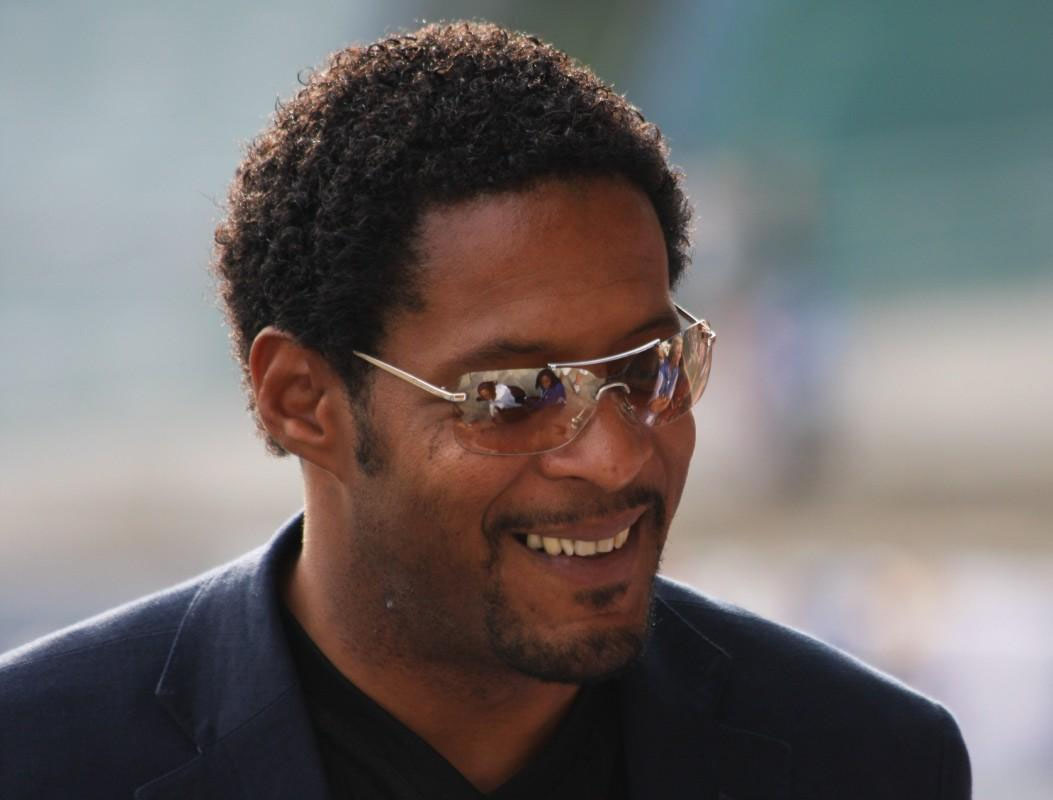
★Alberto Juantorena
Won the 400 m in 44.26 and the 800 m in a 1:43.50 world record at Montreal 1976 — still the only man to take both at one Olympics. Half a century later he is senior vice-president of the Cuban Olympic Committee and sits on the World Athletics Council.
★Javier Sotomayor
The first human over eight feet (2.44 m in San Juan, 1989) and the only one ever over 2.45, in Salamanca on 27 July 1993. Both his outdoor 2.45 and his indoor 2.43 from 1989 are still world records. Olympic champion in Barcelona, world champion in 1993 and 1997.
★Ana Fidelia Quirot
Ran 1:54.44 in 1989 — still the Cuban record — took Olympic bronze in 1992, then survived severe burns in a 1993 accident. Within months she was racing again: world champion in 1995 and 1997, Olympic silver in Atlanta between them.
★Iván Pedroso
Four consecutive world long jump titles (1995–2001), five world indoor titles, and Olympic gold in Sydney won with his final attempt. His 8.71 m from 1995 is still the Cuban record; today he coaches triple jump champions in Guadalajara, Spain.
★Dayron Robles
Ran a 12.87 world record in Ostrava on 12 June 2008 and won Olympic gold in Beijing (12.93) two months later. The world record has since moved on — 12.75 as of June 2026 — but no Cuban has ever run the hurdles faster.
★María Caridad Colón
Her 68.40 m in Moscow on 25 July 1980 was an Olympic record and a double first: the first Olympic gold by a Cuban woman, and the first by any Latin American woman in a summer event. She has been an IOC member since 2020.
Quirot’s comeback deserves more than a card. In 1993, severely burned in a domestic accident while pregnant — her baby did not survive — she was back on a track within months. She won the world 800 m title in Gothenburg in 1995, took Olympic silver in Atlanta, and defended the world title in Athens in 1997.
One card needs a footnote. Sotomayor’s career ended in September 2001 after a nandrolone positive, two years after a cocaine positive at the 1999 Pan American Games; he maintained his innocence in both cases. On the bar itself, no one has ever come within two centimetres of his 2.45.
Olympic Achievements
Cuba has won 45 Olympic athletics medals: 11 gold, 14 silver and 20 bronze. Across all sports the island’s total is 244, second among the nations of the Americas in summer golds behind only the United States — and athletics supplied some of the loudest of them.
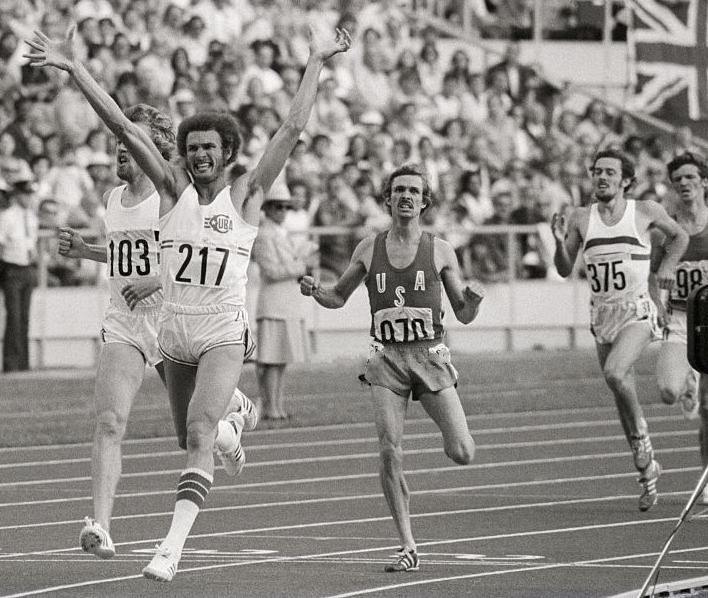

The golds tend to come in pairs. Juantorena’s 400/800 double in Montreal in '76. María Caridad Colón’s javelin in Moscow in '80. Barcelona '92 delivered two in two days — Sotomayor over the bar on 2 August, Maritza Martén winning the discus at 70.06 m on the 3rd. Sydney 2000 paired Anier García’s 110 m hurdles with Pedroso’s final-attempt long jump; Athens 2004 paired Osleidys Menéndez’s javelin with Yumileidi Cumbá’s shot put.
Beijing 2008 closed the run: Dayron Robles won the 110 m hurdles in 12.93, and Yipsi Moreno’s hammer silver became gold in 2016, when the Belarusian who had beaten her was disqualified for doping. Those remain Cuba’s most recent Olympic athletics golds — a fact that hangs over everything in the current chapter.
World Championship Achievements
The World Championships are where Cuba’s size stops mattering. With 23 golds, 25 silvers and 18 bronzes — 66 medals through Tokyo 2025 — Cuba sits eighth or ninth on the all-time table depending on how it is sorted: comfortably inside the top ten of world athletics history.
The run started in Stuttgart in 1993 with a Cuban one-two in the women’s high jump — Ioamnet Quintero (1.99 m) over Silvia Costa (1.97 m) — and Sotomayor’s first title at the same championships.
Then the serial winners took over. Pedroso’s four straight long jump titles, 1995 to 2001. Quirot’s two at 800 m. Moreno’s three consecutive hammer golds, 2001 to 2005. Menéndez’s two javelin titles, the second won in Helsinki in 2005 with a 71.70 m world record. Yargelis Savigne’s two triple jump golds in 2007 and 2009. Add Yoelbi Quesada (1997), Daimí Pernía (1999), Zulia Calatayud (2005), Denia Caballero and Yarisley Silva — both champions in Beijing 2015 — and Yaimé Pérez’s discus title in Doha 2019, and the count reaches 22.
The 23rd took six years and meant the most: Leyanis Pérez’s triple jump gold in Tokyo in September 2025 — Cuba’s first world title since Doha, won at 14.94 m with the reigning champion relegated to bronze.
The Women Who Carried the Team
Run the numbers and a pattern appears: Cuban women have won 16 of the country’s 23 world titles and five of its 11 Olympic golds. Few national programmes anywhere lean this heavily — and this successfully — on their women’s side.
María Caridad Colón started it in Moscow in 1980, the first Cuban and first Latin American woman to win an Olympic summer gold. Behind her came a lineage with few equals: Martén’s discus gold in '92, Quirot’s two world 800 m titles, Pernía’s 400 m hurdles gold in Seville at 52.89, Menéndez rewriting the javelin record book, Cumbá’s shot put gold in Athens, Moreno’s three hammer world titles, Calatayud at 800 m, and Savigne’s two triple jump titles plus a 15.28 national record that still stands.
The current team keeps the tilt. Yaimé Pérez won the 2019 world discus title; Leyanis Pérez owns the triple jump right now; Roxana Gómez ran a 49.48 national 400 m record in the Tokyo 2025 world final; and Silinda Morales took world discus bronze at the same championships with a 67.25 personal best.
Sport Culture on the Island
Cuban athletics is a state project. Sport on the island runs through government structures rather than commercial clubs, with talent spotted young and moved into national training systems — and the medal map shows what that machine was built to produce. Cuba has won global golds across the high jump, long jump, triple jump, pole vault, javelin, discus, hammer, shot put, sprint hurdles, 400 m hurdles and 800 m: power and technique events, not marathons.
The champions tend to stay inside the system. Juantorena is senior vice-president of the Cuban Olympic Committee and sits on the World Athletics Council; Yipsi Moreno served as national athletics commissioner from 2018 to 2022; Colón has been an IOC member since 2020. The expertise that does leave, leaves with coaches: Iván Pedroso’s training group in Guadalajara, Spain, works with Yulimar Rojas — the Venezuelan who long ruled the women’s triple jump — and Jordan Díaz, who won the Paris Olympic title for Spain.
That same system explains the sharpest tension in modern Cuban sport: the athletes it develops are wanted everywhere, and since the mid-2010s a series of them have chosen to compete under other flags. The next section counts what that means honestly.
The Current State of Cuban Athletics
The honest summary of the mid-2020s: Cuba’s production line still works, but not all of its output competes in Cuban colours anymore. Paris 2024 was the first Olympic Games since 1960 at which Cuba won no athletics medal. The nearest misses came in the triple jump — Liadagmis Povea fourth and Leyanis Pérez fifth — with Lázaro Martínez eighth; across all sports Cuba took nine medals in Paris, its lowest total since 1972.
The Paris triple jump podium told the other half of the story. Jordan Díaz, born in Havana in 2001, won Olympic gold for Spain at 17.86 m, three years after leaving the Cuban team at a meet in Spain. Pedro Pichardo, who left in 2017, had already won the Tokyo Olympic title for Portugal and added world golds in 2022 and Tokyo 2025. Yaimé Pérez, the 2019 world discus champion, stayed in the United States after the 2022 Eugene Worlds and trains there now; Yipsi Moreno took Albanian citizenship and, at 44, competed for Albania at the Tokyo 2025 World Championships.
The podium diaspora: global golds, by vest
Every Olympic and World Championships gold won by a Cuban-born athlete: solid squares were won in the Cuban vest, hollow squares in another one. Pichardo’s and Díaz’s titles count for Portugal and Spain in the official tables. Yipsi Moreno, gold for Cuba in 2008, competed for Albania at the Tokyo 2025 Worlds at 44. Hover or tab onto a row for the titles. Sources: Wikipedia (Cuba at the Olympics, List of Olympic medalists for Cuba, World Athletics Championships), Olympedia, World Athletics.
View the data
| Athlete | Vest | Global golds | Titles |
|---|---|---|---|
| Iván Pedroso | Cuba | 5 | OG 2000 · WCh 1995, 1997, 1999, 2001 (long jump) |
| Yipsi Moreno | Cuba | 4 | OG 2008 (upgraded 2016) · WCh 2001, 2003, 2005 (hammer) |
| Javier Sotomayor | Cuba | 3 | OG 1992 · WCh 1993, 1997 (high jump) |
| Osleidys Menéndez | Cuba | 3 | OG 2004 · WCh 2001, 2005 (javelin) |
| Alberto Juantorena | Cuba | 2 | OG 1976: 400 m and 800 m |
| Ana Fidelia Quirot | Cuba | 2 | WCh 1995, 1997 (800 m) |
| Yargelis Savigne | Cuba | 2 | WCh 2007, 2009 (triple jump) |
| Dayron Robles | Cuba | 1 | OG 2008 (110 m hurdles) |
| Leyanis Pérez | Cuba | 1 | WCh 2025 (triple jump) |
| Colón, Martén, A. García, Cumbá, Quintero, Quesada, Pernía, Calatayud, Caballero, Silva, Y. Pérez | Cuba | 11 | One global gold each, 1980–2019 |
| Pedro Pichardo | Portugal | 3 | OG 2020 · WCh 2022, 2025 (triple jump) — left Cuba 2017 |
| Jordan Díaz | Spain | 1 | OG 2024 (triple jump) — left Cuba 2021 |
In the Cuban vest, the rebuild runs through the triple jump. Cuba sent 17 athletes to the Tokyo 2025 Worlds and left with a gold and two bronzes — 16th in the medal table — plus national records for Roxana Gómez (49.48) and Anisleidis Ochoa (15:31.35 over 5000 m). In March 2026 Leyanis Pérez defended her world indoor title in Toruń, 14.95 m to Rojas’s 14.86 — her third global title in a row. Small numbers by the standards of 1992 or 2005, but real ones.
Future Stars and Emerging Talents
The next Cuban chapter is being written mostly in the jumps and throws — and mostly by women. Liadagmis Povea has finished fourth at the last Olympics, the last outdoor Worlds and the last indoor Worlds, one place off three straight podiums. The four names below carry the clearest medal cases into 2027 and Los Angeles 2028.
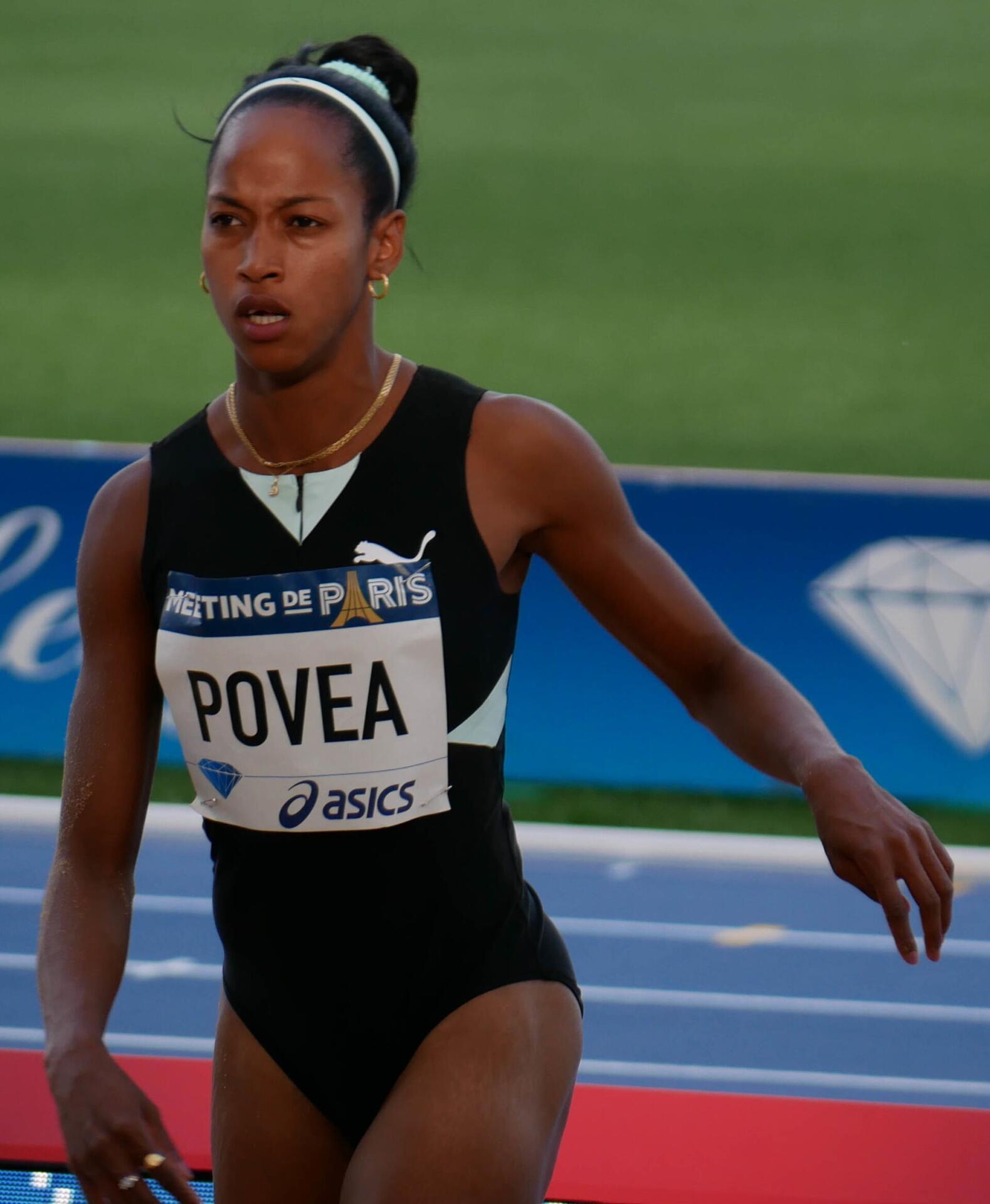
Leyanis Pérez
Already the team’s anchor: world outdoor champion in Tokyo 2025 with 14.94 m — the year’s best jump — and world indoor champion in both Nanjing 2025 and Toruń 2026, where she held off Yulimar Rojas, 14.95 to 14.86. Cuba’s first world champion since 2019, with two full Olympic cycles ahead of her.
Lázaro Martínez
World bronze in Tokyo 2025 with a season’s best 17.49 m, then fourth at the Toruń World Indoors. On startlines shared with Pichardo and Díaz, he is the man keeping Cuba itself on the men’s triple jump podium.
Roxana Gómez
Sixth in the Tokyo 2025 world final, where her 49.48 broke the Cuban 400 m record — a national mark set on the sport’s biggest stage rather than at a quiet meet.
Silinda Morales
World bronze in Tokyo 2025 with a 67.25 m personal best — the newest name in a Cuban discus line that runs from Maritza Martén through Denia Caballero and Yaimé Pérez.
Cuba Records & Historic Milestones
Cuba’s record book is unusually top-heavy: the two oldest marks on it are also the two biggest in the world. Javier Sotomayor still holds both high jump world records — 2.45 m outdoors from Salamanca 1993, 33 years old this month, and 2.43 m indoors from Budapest 1989 — and no one has ever cleared higher than 2.43.
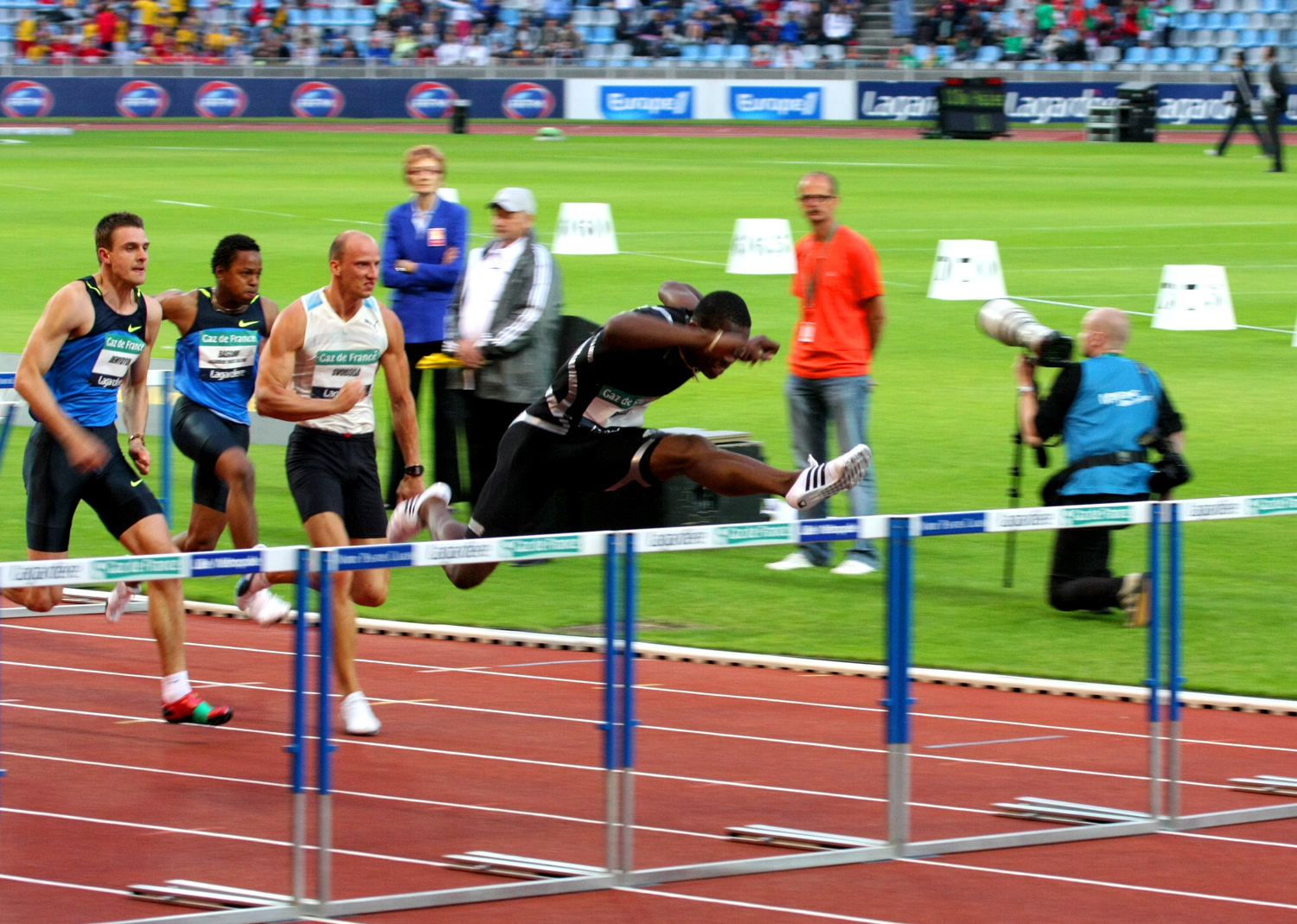
Robles’s 12.87 from Ostrava 2008 headlines the rest of the national book. It was the world record for four years, fell to Aries Merritt’s 12.80 in 2012, and the world mark now belongs to Ja’Kobe Tharp of the USA at 12.75, run in June 2026 — but no Cuban has ever gone faster than 12.87.
Four milestones to keep. Carvajal’s fourth place in the 1904 marathon, run on rotten apples and a nap. San Juan, 29 July 1989 — the day Sotomayor became the first human over eight feet. The 2016 reallocation that turned Yipsi Moreno’s Beijing hammer silver into gold, eight years after the fact. And Enrique Figuerola, the man who won Cuba’s first athletics medal, turning 88 in July 2026.
Shop Athletics Apparel
There is no Cuba rail in the archive today — race-issued Cuban kit almost never leaves team channels, and that scarcity is exactly what authenticity looks like. Cuba has competed in adidas since Paris 2024, and when a Cuban piece surfaces it will appear here first. In the meantime, these are the latest athlete-issued arrivals in the Elite Athletics Clothes archive — real pro elite gear, never replicas.
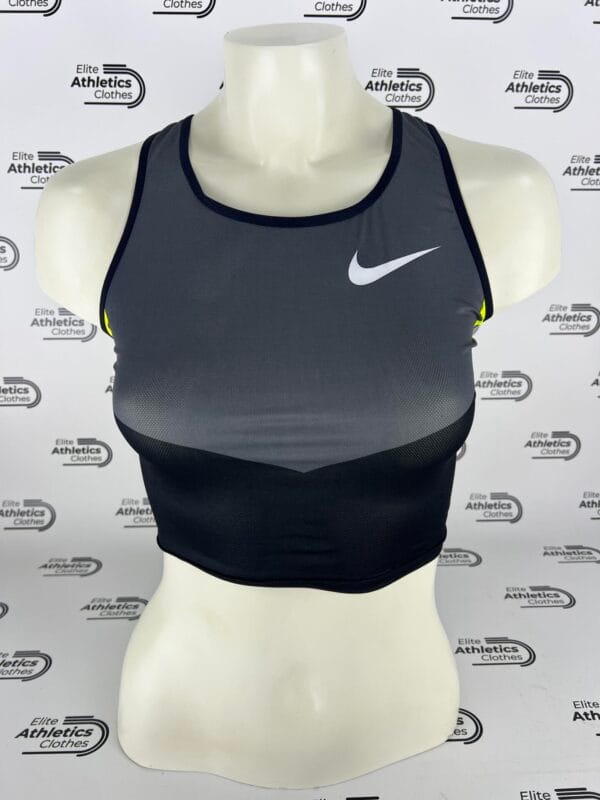 Nike Pro Elite 2012 Women Distance Crop Top80,00 €View Piece →
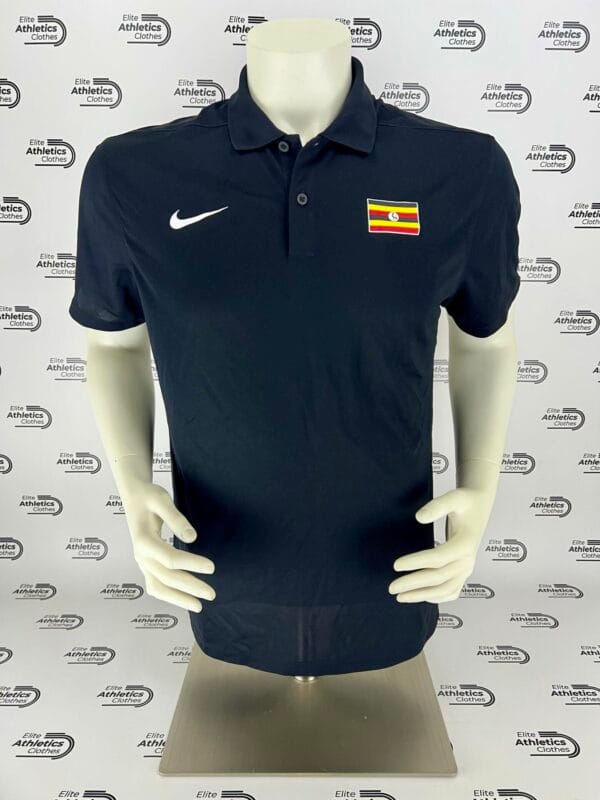 Nike Uganda Olympic Team Pro Elite 2024 Polo Shirt120,00 €View Piece →
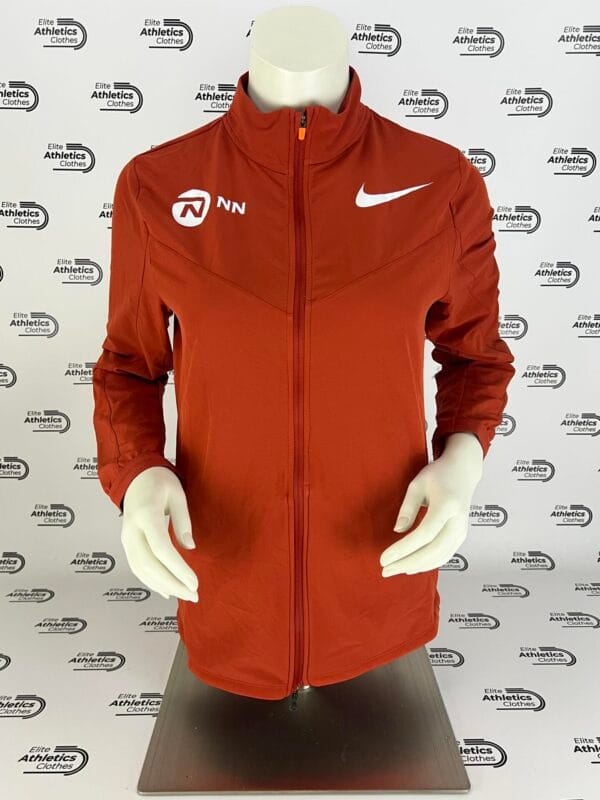 INEOS X Nike NN Running Team Pro Elite 2023 Women Lightweight Jacket180,00 €View Piece →
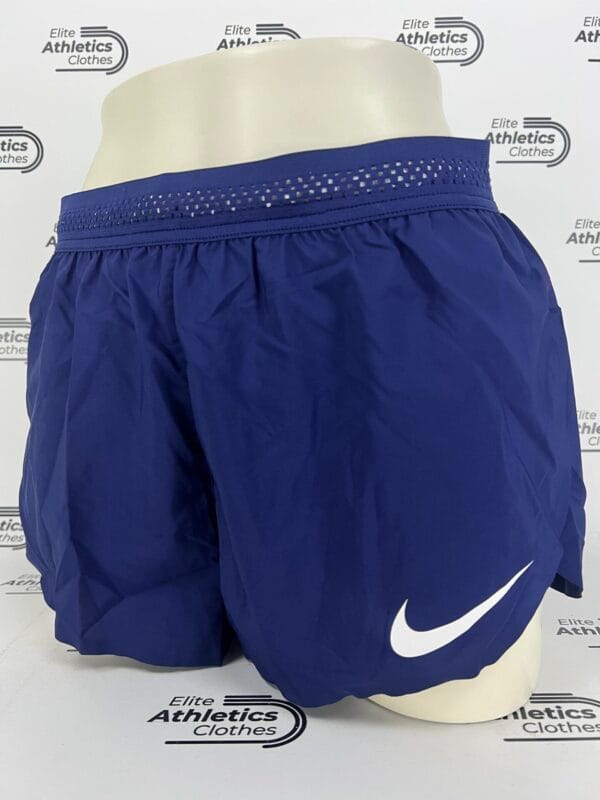 Nike Pro Elite Team 2017 Women Running Shorts120,00 €View Piece →
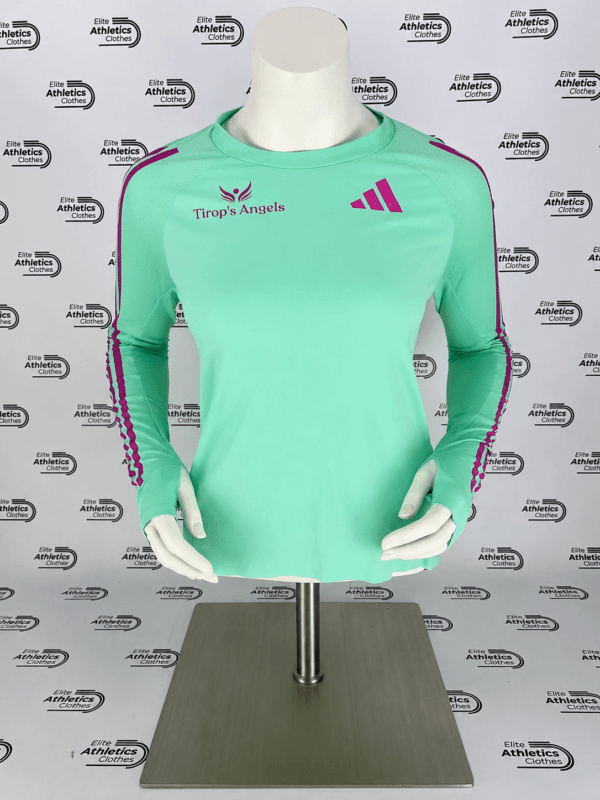 Adidas Tirop’s Angels Pro Elite 2023 Women Long Sleeves Shirt120,00 €View Piece →
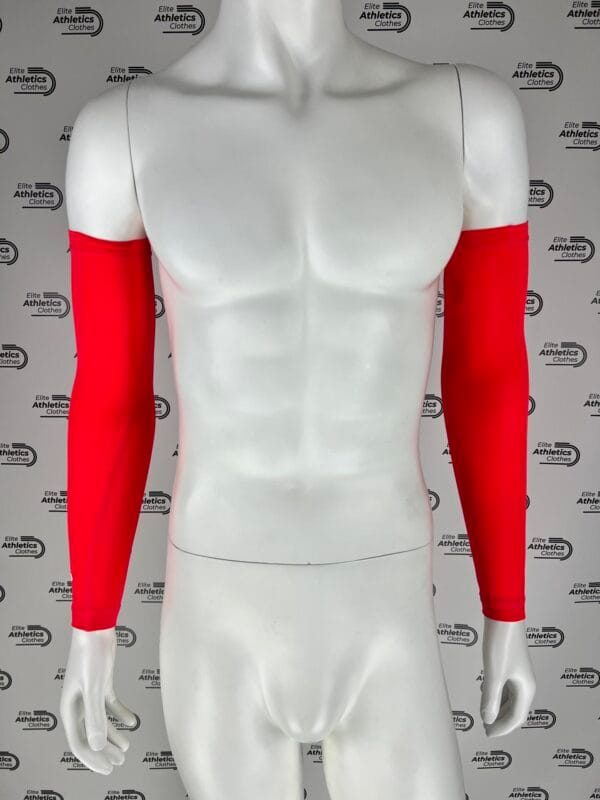 Adidas Pro Elite Team 2025 Arm Sleeves120,00 €View Piece →
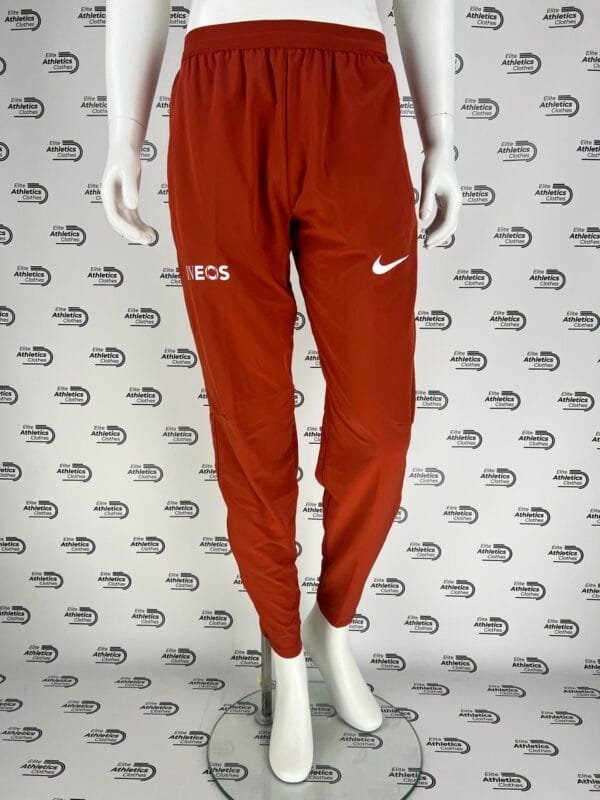 INEOS X Nike NN Running Team Pro Elite 2023 Lightweight Pants140,00 €View Piece →
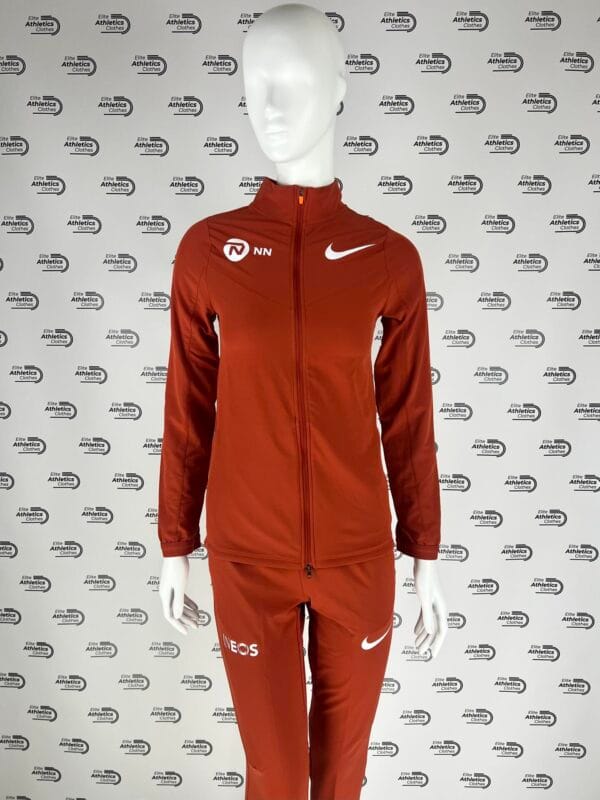 INEOS X Nike NN Running Team Pro Elite 2023 Women Lightweight Tracksuit240,00 €View Piece →
Is Javier Sotomayor’s high jump world record still standing?
Yes. His 2.45 m from Salamanca on 27 July 1993 is still the world record in 2026 — 33 years on, the longest-standing men’s high jump record ever, and nobody has ever cleared higher than 2.43. His 2.43 m indoor mark from 1989 also still stands.
Who is the only man to win the 400 m and 800 m at the same Olympics?
Cuba’s Alberto Juantorena, at Montreal 1976 — 44.26 in the 400 m and a 1:43.50 world record in the 800 m. No other man has won both events at one officially recognised Olympic Games.
How many Olympic athletics medals does Cuba have?
45 — 11 gold, 14 silver and 20 bronze — from Enrique Figuerola’s 100 m silver in Tokyo 1964 to the Beijing 2008 golds of Dayron Robles and Yipsi Moreno. Paris 2024 was Cuba’s first Games since 1960 without an athletics medal.
How many world titles has Cuba won in athletics?
23 world titles and 66 World Championships medals in total, which puts Cuba inside the all-time top ten. Iván Pedroso leads with four straight long jump golds (1995–2001); the most recent title is Leyanis Pérez’s triple jump gold in Tokyo in 2025.
Why do some Cuban-born jumpers compete for other countries?
Defections. Pedro Pichardo, who left in 2017, won Olympic and world triple jump titles for Portugal; Jordan Díaz, who left in 2021, won Paris 2024 Olympic gold for Spain — both connected to Cuban long jump great Iván Pedroso, who coaches in Spain. Yulimar Rojas, by contrast, is Venezuelan and was never a Cuban athlete.
Does Dayron Robles still hold the 110 m hurdles world record?
No. His 12.87 from 2008 fell to Aries Merritt’s 12.80 in 2012, and Ja’Kobe Tharp of the USA lowered the world record to 12.75 in June 2026. Robles’s 12.87 is still the Cuban national record, and his Beijing 2008 Olympic title is untouched.
Where can I buy authentic Cuba athletics apparel?
Cuban race-issued kit is among the rarest in the sport — there is no dedicated Cuba collection at Elite Athletics Clothes right now, and any authentic piece that surfaces tends to sell fast. Cuba has worn adidas since Paris 2024. The Pro Elite archive carries authentic athlete-issued gear from national teams and pro groups, and is the place to watch for a Cuban piece.
Sources and References
- Cuba at the Olympics (Wikipedia) — confirms the 11-14-20 (45) Olympic athletics medal count and the 244 all-sport total.
- Cuba — Olympedia — independent cross-check of the athletics medal table (11/14/20/45).
- List of Olympic medalists for Cuba (Wikipedia) — gold-by-gold verification of all 11 Olympic athletics titles.
- World Athletics Championships all-time medal table (Wikipedia) — confirms Cuba’s 23-25-18 (66), top-10 all-time; cross-checked against the Spanish-language table.
- Men’s high jump world record progression (Wikipedia) — confirms 2.45 m (Salamanca, 27 July 1993) as the standing world record.
- High jump outdoor men — records (World Athletics) — live confirmation that no one has surpassed 2.45 m.
- Alberto Juantorena (Wikipedia) — confirms the Montreal 1976 double — 44.26 and the 1:43.50 world record — and his current roles.
- Ana Fidelia Quirot (Wikipedia) — confirms the 1993 accident and the 1995/1997 world titles.
- Iván Pedroso (Wikipedia) — confirms four straight world long jump titles, Sydney 2000 gold and his coaching group in Guadalajara.
- Tharp breaks the 110 m hurdles world record (Olympics.com) — confirms the current world record: 12.75, June 2026 — Robles’s 12.87 remains the Cuban record.
- Cuba at the 2024 Summer Olympics (Wikipedia) — confirms zero athletics medals in Paris — the first Games since 1960 — and nine medals overall.
- Cuba at the 2025 World Athletics Championships (Wikipedia) — confirms Tokyo 2025: Leyanis Pérez gold, Morales and Martínez bronzes, Gómez and Ochoa national records.
- World Indoors Toruń 2026 — women’s triple jump report (World Athletics) — confirms the title defence: Pérez 14.95 over Rojas’s 14.86, March 2026.
- Pedro Pichardo (Wikipedia) — confirms the 2017 defection, Portuguese citizenship and his Olympic and world titles for Portugal.
- Jordan Díaz (Wikipedia) — confirms the 2021 defection, Spanish eligibility from June 2024, Rome 2024 (18.18) and Paris 2024 gold (17.86).
- adidas official team wear for Paris 2024 (adidas news) — confirms adidas as Cuba’s kit supplier from Paris 2024 onward.