
Germany
For well over a century Germany has shaped track and field, from the roar of the Berlin Olympiastadion to a throwing tradition and middle-distance pedigree that few nations can match.
Germany ranks among the most successful athletics nations in history, defined by Marita Koch’s 47.60 400m world record from 1985 — still standing — Heike Drechsler’s two Olympic long jump golds, and Robert Harting’s discus dominance. From the 1936 Berlin Olympics to the 2009 World Championships at the Olympiastadion, German track and field has shaped the sport.
This is the full history of athletics in Germany, from its 19th-century roots in the gymnastics movement to today’s world-class competitors. The story runs through Berlin 1936, the Cold War rivalry of East and West, and a line of throwing champions that stretches from Karl Hein to Robert Harting, all of it carried in the authentic Germany athletics kit worn at every major competition.
That proud heritage is woven into the authentic Germany Pro Elite kit worn by the national team. Explore the collection at Elite Athletics Clothes.
- Federation
- Deutsche Leichtathletik-Verband (DLV), founded 1898
- One nation, three teams
- Olympic athletics golds: East Germany 38 · Germany 20 · West Germany 12
- The untouchable record
- Marita Koch’s 400m in 47.60 (Canberra, 1985): the oldest world record in athletics
- Signature discipline
- The throws: a discus lineage from Karl Hein to Robert Harting
- Modern icon
- Robert Harting · World Champion 2009, 2011, 2013 and Olympic champion 2012
- The stage
- Berlin’s Olympiastadion, from the 1936 Games to today
- Grassroots
- Over 1 million registered athletics club members
- The road
- The Berlin Marathon: a World Marathon Major and home of world records, incl. Kipchoge’s 2:01:09
The Origins of Track and Field in Germany
The organised roots of German athletics trace back to the Turnbewegung, the gymnastics and physical fitness movement founded by Friedrich Ludwig Jahn in the early 19th century. Jahn, widely known as Turnvater, or Father of Gymnastics, established open-air exercise grounds called Turnplätze where young Germans trained in running, jumping, and throwing as part of a broader physical education philosophy.
That movement planted the seed for structured competitive athletics in the German-speaking world. As modern athletics formalised across Europe in the latter half of the 1800s, German clubs began organising track and field competitions alongside their gymnastics programmes.
The founding of the Deutsche Leichtathletik-Verband (DLV), Germany’s national athletics federation, in 1898 changed everything: one framework for competition, record-keeping and athlete development that persists to this day.
The Golden Age: Pre-War, Weimar and Berlin 1936
Between the turn of the century and the outbreak of World War I, Germany established itself as a serious athletics power. German athletes competed at the earliest modern Olympic Games, claiming medals in multiple disciplines at Paris 1900 and London 1908. The Weimar Republic era from 1919 to 1933 saw a resurgence in sporting activity, with mass participation in clubs and the growth of coaching infrastructure. Hanns Braun won 400m silver at the 1912 Stockholm Olympics, having earlier taken 800m bronze at London 1908, while Otto Peltzer broke the 1500m world record in 1926.
No discussion of German athletics can overlook the 1936 Berlin Olympic Games. Hosted in the newly constructed 100,000-seat Olympiastadion, these were the most politically charged Games in Olympic history. While American sprinter Jesse Owens dominated the headlines with four gold medals, German athletes performed admirably: Karl Hein won gold in the hammer throw, Gerhard Stöck took gold in the javelin, and Gisela Mauermayer set a discus world record en route to gold.
The Berlin Games confirmed Germany as a thrower’s powerhouse and put the Olympiastadion on the athletics map, where it has stayed for nine decades.
Germany’s Greatest Athletes
Germany’s list of athletics champions covers the whole event programme, from long-jump royalty and pioneering sprinters to the lineage of discus throwers that defines the nation.
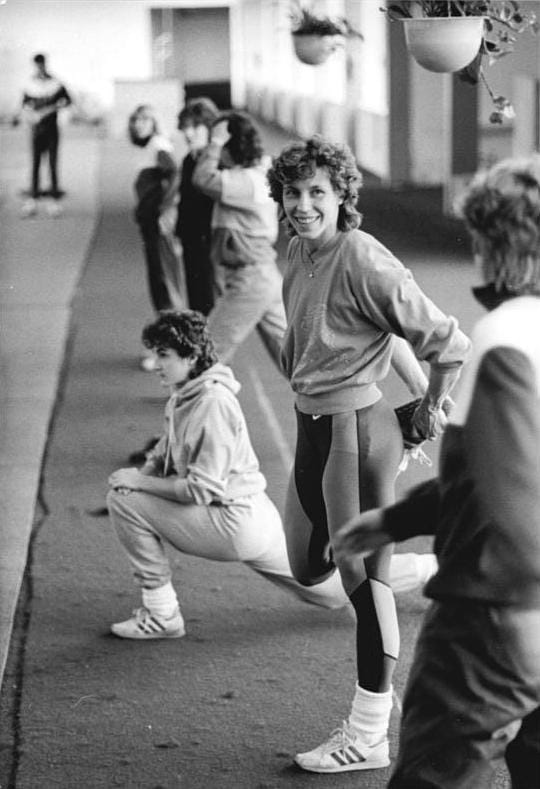
Heike Drechsler
Widely considered one of the greatest long jumpers of all time. Competing first for East Germany and then reunified Germany, she won Olympic long jump gold in 1992 and 2000, held the world record, and added multiple World titles.
Marita Koch
Set a 400m world record of 47.60 seconds in Canberra on 6 October 1985 while competing for East Germany. It remains the oldest standing world record in athletics.
Robert Harting
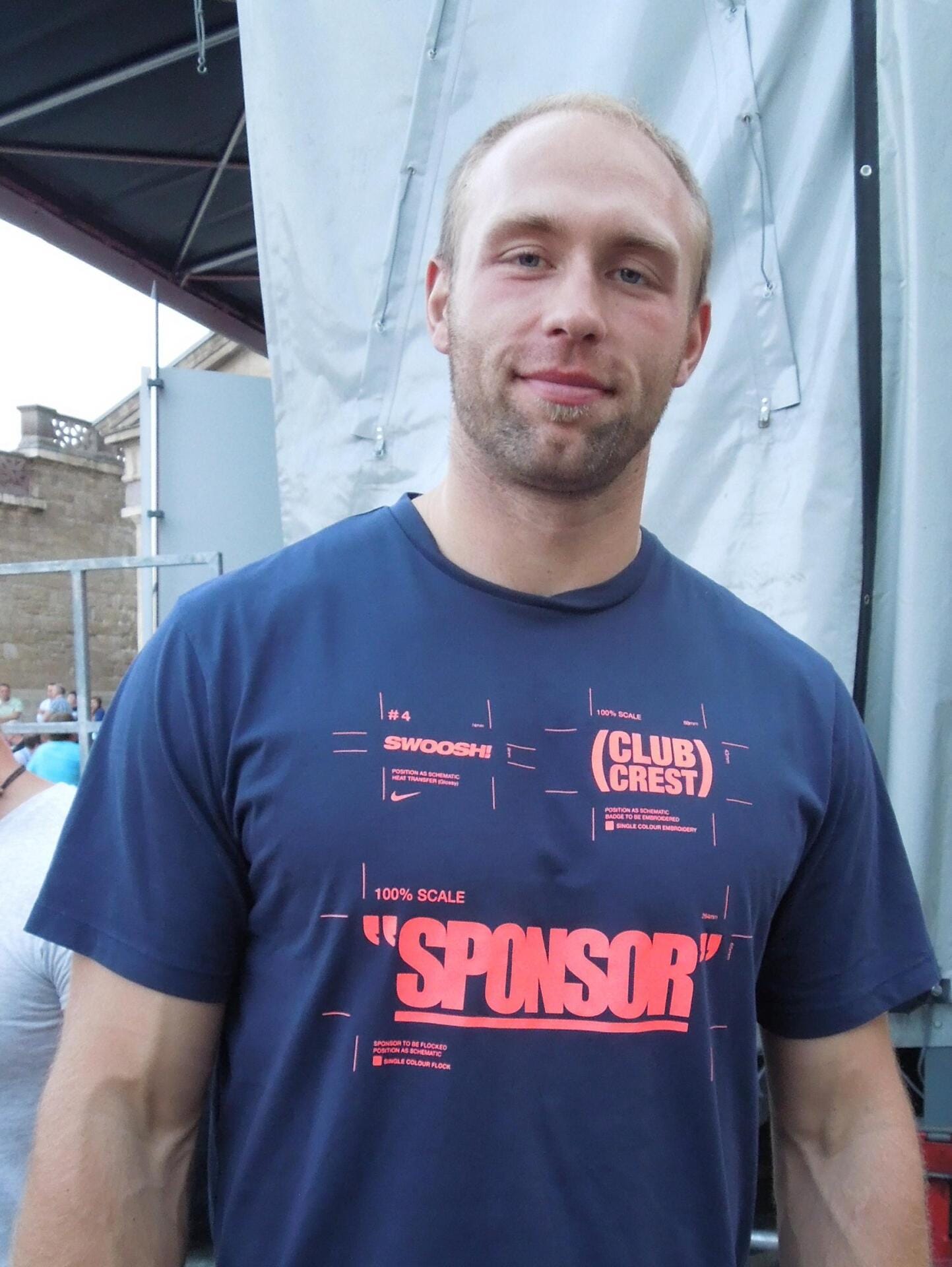
The defining figure of German athletics in the 21st century’s first two decades. A three-time World Champion in 2009, 2011 and 2013 and the 2012 Olympic champion, famous for tearing his shirt in celebration; his 2009 gold in Berlin is one of German sport’s great images.
Jürgen Schult
Threw the discus 74.08 metres on 6 June 1986, a world record that stood for nearly four decades until Mykolas Alekna broke it in 2024. Competing for East Germany, he went on to win Olympic gold at Seoul 1988.
Armin Hary
At the 1960 Rome Olympics he claimed 100m gold, having earlier that year become the first man to officially run 100 metres in 10.0 seconds, a world record set in Zurich in June 1960. He put West German sprinting firmly on the global map.
Dieter Baumann
Won the 5000m gold at the 1992 Barcelona Olympics with a famous last-lap surge, defeating the dominant Kenyans and Ethiopians. He remains the last non-African athlete to win an Olympic 5000m title.
Olympic Achievements
Germany’s Olympic athletics record is among the richest in the world. Across multiple eras and through the division of East and West, German athletes accumulated a formidable medal haul spanning virtually every discipline.
One nation, three teams
Olympic athletics gold medals by German team designation. The United Team of Germany (1956–1964) is counted separately by the IOC. Source: Wikipedia Olympic medal tables per NOC.
View the data
| Team | Athletics golds |
|---|---|
| East Germany (GDR) | 38 |
| Germany | 20 |
| West Germany (FRG) | 12 |
Germany won multiple gold medals in the throws on home soil, with Karl Hein taking the hammer and Gerhard Stöck the javelin at the newly built Olympiastadion.
Armin Hary’s sprint gold in the 100m electrified West Germany, capping the year he became the first man to run 100 metres in 10.0 seconds.
The Munich Games saw West Germany compete on home soil with strong across-the-board athletics performances.
East Germany dominated women’s athletics, a hallmark of the GDR’s state-sponsored development programme in sprints and throws.
East Germany again dominated women’s athletics, extending its run of championship performances.
Jürgen Schult won discus gold, adding an Olympic title to the world record he had set in 1986.
Reunified Germany’s most celebrated Olympic era arrived with gold for Heike Drechsler in the long jump and Dieter Baumann in the 5000m.
Robert Harting’s explosive discus gold became one of the championship’s defining images and a landmark for modern German athletics.
World Championship Achievements
The World Athletics Championships have been another stage on which Germany has consistently excelled, and the discus has been a particular stronghold. Robert Harting’s three consecutive world titles in 2009, 2011, and 2013 remain the most celebrated sequence. Germany has also produced World Champions in the hammer throw, long jump, triple jump, shot put, and middle-distance events, and David Storl’s back-to-back world shot put titles in 2011 and 2013 showed that German throwing dominance extended well beyond the discus.
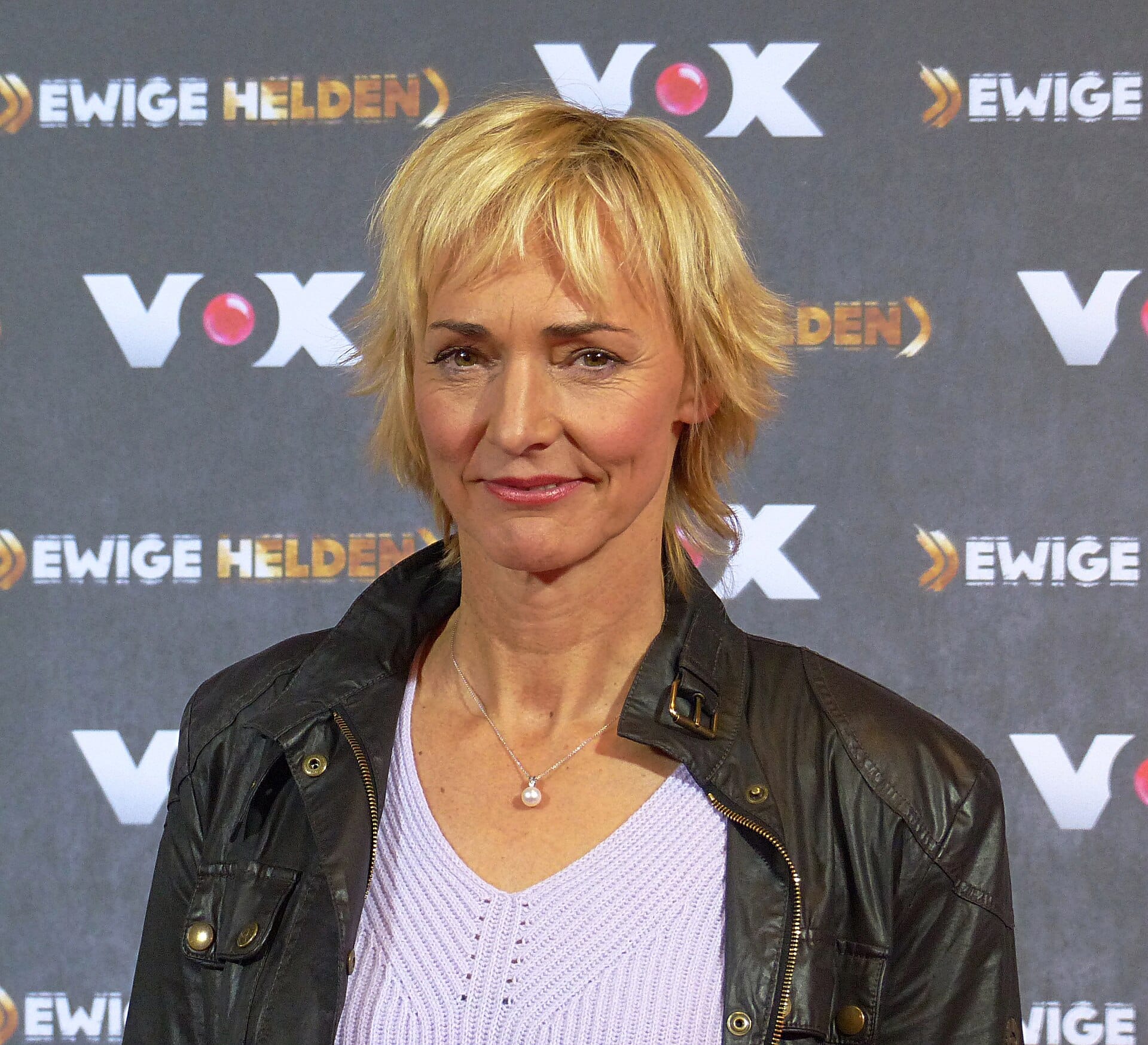
The 2009 Berlin World Championships, held in the same stadium that hosted the 1936 Olympics, were a landmark moment. Harting’s gold on home soil, combined with Usain Bolt’s world records on the German track, made it one of the greatest championship editions in the sport’s history.
The Throwing Tradition and the National Kit
If one thread runs through German athletics, it is the throws. From Karl Hein and Gerhard Stöck at Berlin 1936 to Gisela Mauermayer’s discus world record, and on through Jürgen Schult, Robert Harting, and David Storl, Germany has supplied champions in the discus, hammer, javelin, and shot put across every era of the sport.
That heritage is inseparable from the German national athletics kit worn at every major competition. The team’s distinctive red, with black and gold accents from the national flag, has been worn by champions for more than a century.
The German national team competes in distinctive red Nike Pro Elite kit, the same high-performance competition apparel available to collectors at Elite Athletics Clothes.
Running Culture and the Development System
Beyond elite competition, Germany has one of the world’s biggest grassroots running cultures, with over 1 million registered athletics club members. Road events like the Berlin Marathon, one of the World Marathon Majors, draw tens of thousands of runners and have hosted numerous world records, including Eliud Kipchoge’s 2:01:09 in 2022.
The DLV runs a sophisticated development pathway, with performance centres in major cities and a comprehensive talent identification system. The ISTAF Berlin, first held in 1921 and one of the world’s oldest athletics meetings, regularly attracts the world’s best athletes and sells out the Olympiastadion.
Germany’s deep club structure means even small towns typically have a working athletics club, feeding talent into the national system and sustaining a depth of participation few countries can match.
The Current State of Germany Athletics
Modern German athletics is in a period of genuine renewal. The DLV has invested heavily in coaching infrastructure, biomechanics research, and sports science, producing measurable improvements across disciplines. Gina Lückenkemper became European Champion in the 100m at Munich 2022, winning with a stunning season best and sparking widespread excitement about German sprinting. The results have followed at global level: Yemisi Ogunleye won Olympic shot put gold at Paris 2024 with a 20.00m final-round throw, and at the 2025 World Championships in Tokyo Leo Neugebauer took the decathlon world title by 20 points while Malaika Mihambo added long jump silver — five German medals in all.
The 4x100m relay teams have been competitive at European level, and the throws disciplines continue to produce world-class performers. The German national team continues to wear distinctive Nike Pro Elite kit, connecting today’s fans and athletes directly to the tradition and pride of German track and field.
Future Stars and Emerging Talents
The future of German athletics looks bright, with a new generation of sprinters and throwers pushing through a development system that targets multiple medals at the 2028 Los Angeles Olympics.
Alica Schmidt
A European Championship relay silver medallist who continues to develop as one of Europe’s finest 400m runners and relay specialists, bringing both performance and global visibility to German athletics.
Gina Lückenkemper
Became European Champion in the 100m at Munich 2022 with a stunning season best, sparking widespread excitement about the future of German sprinting.
Owen Ansah
Ran 9.99 seconds in 2024 to become the first German under 10 seconds, breaking Julian Reus’s national record of 10.01 and signalling a new era for German sprinting.
Germany Records & Historic Milestones
Shop Germany Athletics Apparel
We carry a carefully curated selection of authentic Germany Pro Elite athletics kit, the same apparel worn by Germany’s national team at Olympic Games, World Championships, and European Championships. All items are 100% authentic, made in USA, and still in their original packaging.
Who is the greatest German athletics athlete of all time?
There are several strong candidates. Heike Drechsler, with two Olympic long jump golds in 1992 and 2000, is often cited as the greatest. Marita Koch, holder of the 400m world record since 1985, and Robert Harting, three-time World Discus Champion and 2012 Olympic Champion, are equally strong contenders.
What is Germany’s most famous athletics world record?
Marita Koch’s 400m world record of 47.60 seconds, set in Canberra on 6 October 1985, is Germany’s most famous athletics world record. It is also the oldest standing world record in athletics and one of the most discussed marks in the sport given its longevity of over 40 years.
Where is the most famous athletics stadium in Germany?
The Olympiastadion Berlin is Germany’s most iconic athletics venue. Built for the 1936 Olympics, it hosted the 2009 World Athletics Championships, widely considered one of the greatest championship editions in history, and remains home to the ISTAF Berlin, one of the world’s oldest annual athletics meetings.
What colours does the Germany athletics national team wear?
The Germany athletics national team wears a predominantly red competition kit with black and gold accents, reflecting the colours of the German flag. The Nike Pro Elite kit features the distinctive German eagle emblem. You can shop authentic Germany athletics apparel at Elite Athletics Clothes.
Did Germany host the Olympic Games?
Yes. Germany hosted the Olympic Games twice: the 1936 Berlin Olympics and the 1972 Munich Olympics. Both Games featured landmark moments in German and world athletics history and left a lasting legacy on the sport’s development and organisation.
Can I buy authentic Germany athletics team kit at Elite Athletics Clothes?
Yes. Elite Athletics Clothes carries a selection of authentic Nike Germany Pro Elite athletics apparel including singlets, racing shorts, tights, jackets, and more. All items are 100% authentic, made in USA, and the same gear worn by Germany’s national team athletes.
Who makes Germany’s athletics kit?
Nike has been the German Athletics Association’s (DLV) general kit supplier since 1 January 2005, taking over from adidas — a notable switch given adidas’ German roots. Authenticated athlete-issued Germany pieces surface at Elite Athletics Clothes when available.
Sources and References
- Marita Koch – Wikipedia — confirms her 400m world record of 47.60 (Canberra, 6 October 1985), still the standing women’s world record.
- Jürgen Schult – Wikipedia — confirms the 74.08m discus world record set on 6 June 1986 in Neubrandenburg, and that it stood until Mykolas Alekna broke it in 2024.
- Heike Drechsler – Olympedia — confirms Olympic long jump golds in 1992 (Barcelona) and 2000 (Sydney).
- Armin Hary, first man to run 10-second 100m – World Athletics — confirms his 10.0 100m world record and 1960 Rome Olympic 100m gold.
- Robert Harting profile – World Athletics — confirms World discus titles (2009, 2011, 2013) and 2012 Olympic gold.
- Dieter Baumann – Wikipedia — confirms his 5000m gold at the 1992 Barcelona Olympics.
- Hanns Braun – Olympedia — confirms his 400m silver at Stockholm 1912 and 800m bronze at London 1908 (correcting the post’s misdating).
- ISTAF Berlin – Wikipedia — confirms the meeting was first held on 3 July 1921 and is one of the world’s oldest athletics meetings.