
Spain
From the Basque mountains to the plains of Castile, Spain built a distance-running powerhouse on altitude, grit, and the fierce national pride of the Selección Española de Atletismo.
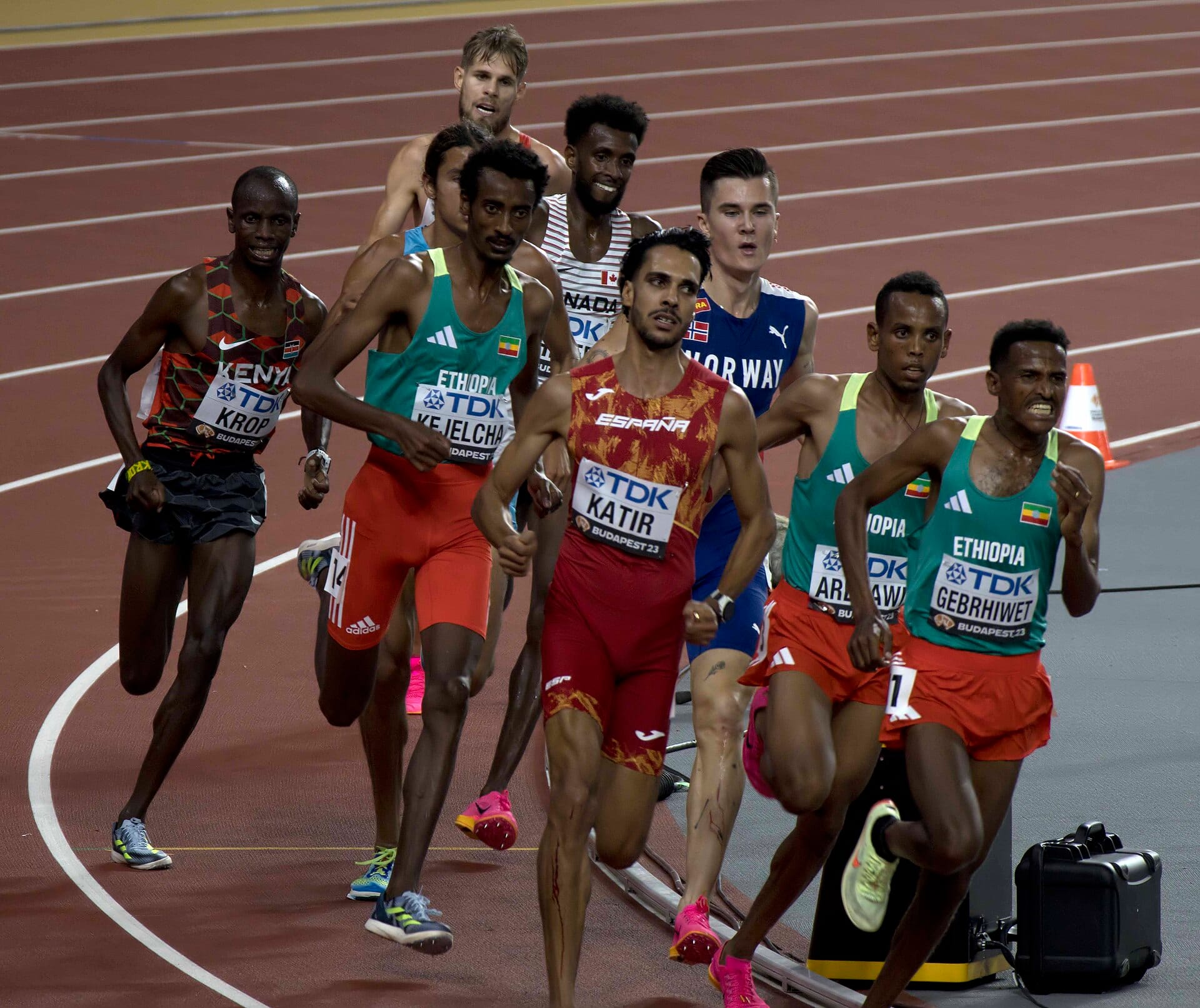
Spanish athletics is defined by middle-distance and race-walking excellence: Fermín Cacho won 1500m gold at the 1992 Barcelona Olympics on home soil, race walker Jesús Ángel García Bragado made eight consecutive Olympic appearances from 1992 to 2021, and Mohamed Katir broke the national 1500m, 3000m and 5000m records in 2021, leading a new generation.
This is the definitive story of athletics in Spain: over a century from the pioneering days of the early twentieth century, through the golden era of Fermín Cacho and Martín Fiz, to Mohamed Katir’s record-breaking present. Spanish athletics has produced world-class athletes who made the red and gold visible from Barcelona to Berlin, Sydney to Tokyo.
At Elite Athletics Clothes, we stock an authentic range of Spain athletics apparel, including the Joma Pro Elite competition kits worn by Spanish athletes at the highest levels of international competition. Explore the collection at Elite Athletics Clothes.
- Federation
- Real Federación Española de Atletismo (RFEA)
- Olympic athletics medals
- 20: 5 gold · 6 silver · 9 bronze
- The golden night arrives at home
- Barcelona 1992: Daniel Plaza and Fermín Cacho win Spain’s first athletics golds
- Signature discipline
- Race walking: from Plaza’s gold to the Paris 2024 mixed relay title
- The record of persistence
- Jesús Ángel García Bragado: 8 consecutive Olympic Games (1992–2021)
- Latest golds
- Paris 2024: Jordan Díaz (triple jump) and Martín & Pérez (race walk mixed relay)
- Kit supplier
- Joma, the Spanish brand founded in 1965 in Portillo de Toledo
- New wave
- Mohamed Katir: Spanish 1500m, 3000m and 5000m records, all broken in 2021
The Origins of Track and Field in Spain
The roots of organised athletics in Spain trace back to the late nineteenth century, when British influence via the Basque mining and railway communities introduced track and field competitions to the peninsula. The Real Federación Española de Atletismo (RFEA) traces its origins to 1918 and was formally constituted in 1920, establishing the governance structure that would shepherd the sport through the turbulent twentieth century.
In the early decades, Spanish athletics mirrored the country’s broader social struggles. Despite the interruptions of the Civil War (1936-1939) and the subsequent Franco era, athletics thrived as a grassroots pursuit. Rural races, mountain runs, and cross-country competitions kept the competitive flame alive. The Cinc Cims mountain race in Catalonia and the San Silvestre Vallecana in Madrid became cultural institutions, drawing thousands of participants and cementing a deep-rooted Spanish love for running.
Spain’s first Olympic athletics medals came in the middle distance and road events, disciplines that perfectly suited the country’s rugged terrain and the high-altitude training available in the Pyrenees, the Sierra Nevada, and the Picos de Europa. By the 1960s and 1970s, a new generation of Spanish athletes was beginning to make its presence felt on the international stage.
The Golden Era: Spain’s Rise to World Athletics Power
The 1980s and 1990s were the undisputed golden age of Spanish athletics. In two decades Spain went from a modest European athletics nation to one of the strongest track and field countries in the world. The formula: exceptional talent, world-class coaching, high-altitude training camps, and national pride that burned brightest on the biggest stages.
The 1992 Barcelona Olympic Games were the catalyst. With the world watching and the Estadi Olímpic Lluís Companys full, the Selección Española delivered performances that remain part of athletics folklore. The home advantage was real, the atmosphere electric, and Spanish athletes won medals across multiple disciplines, inspiring a generation of runners, jumpers and throwers.
The impact of Barcelona ’92 on Spanish athletics infrastructure was transformative. Investment poured into training facilities, coaching programmes, and talent identification systems. The Centros de Alto Rendimiento in Sierra Nevada, Madrid, and Sant Cugat became breeding grounds for champions, offering elite athletes the altitude, science, and support needed to compete at the very highest level.
Spain’s Greatest Athletes
No nation’s story is told without its heroes. From the electrifying track of Barcelona to the marathons of the world circuit, these are the athletes who defined Spanish athletics and made the red and gold a symbol of excellence.
Fermín Cacho
The Aragonese runner delivered the most celebrated moment in Spanish athletics, winning 1500m gold at the 1992 Barcelona Olympics on home soil, then adding silver at Atlanta 1996 and multiple World Indoor medals.
Martín Fiz
The Basque marathon runner became World Marathon Champion in 1995 in Gothenburg, the first Spaniard to claim the title over the classic distance. He also won the European Marathon title and represented Spain across multiple Olympic Games.
Yago Lamela
The Madrid-born jumper leapt 8.56 metres for a European indoor record in 1999, taking World Indoor silver in Maebashi and proving Spanish athletes could excel far beyond the track in the horizontal jumps.
Reyes Estévez
A fixture of Spain’s golden middle-distance tradition, Estévez won two World Championship bronze medals in the 1500m, in 1997 and 1999, helping sustain a talent pipeline that ran from the 1980s well into the 2000s.
Marta Domínguez
Domínguez won 3000m steeplechase gold at the 2009 World Championships in Berlin with a powerful, aggressive style. Her career was later clouded by doping: in 2015 the Court of Arbitration for Sport annulled her results from August 2009.
Jesús Ángel García Bragado
The Valencia-born race walker competed at eight consecutive Olympic Games from Barcelona 1992 to Tokyo 2021, among the most durable careers in Olympic history, and won World Championship gold in the 50km walk in 1993.
Olympic Achievements
Spain’s Olympic athletics history is defined by moments that transcended sport and entered national consciousness. The pinnacle remains 1992, when Barcelona hosted the Games and Spanish athletes rose to the occasion with performances that still echo through the country’s sporting memory.
Five golds, thirty-two years
Daniel Plaza
20km race walkFermín Cacho
1500mRuth Beitia
High jumpMartín & Pérez
Race walk mixed relayJordan Díaz
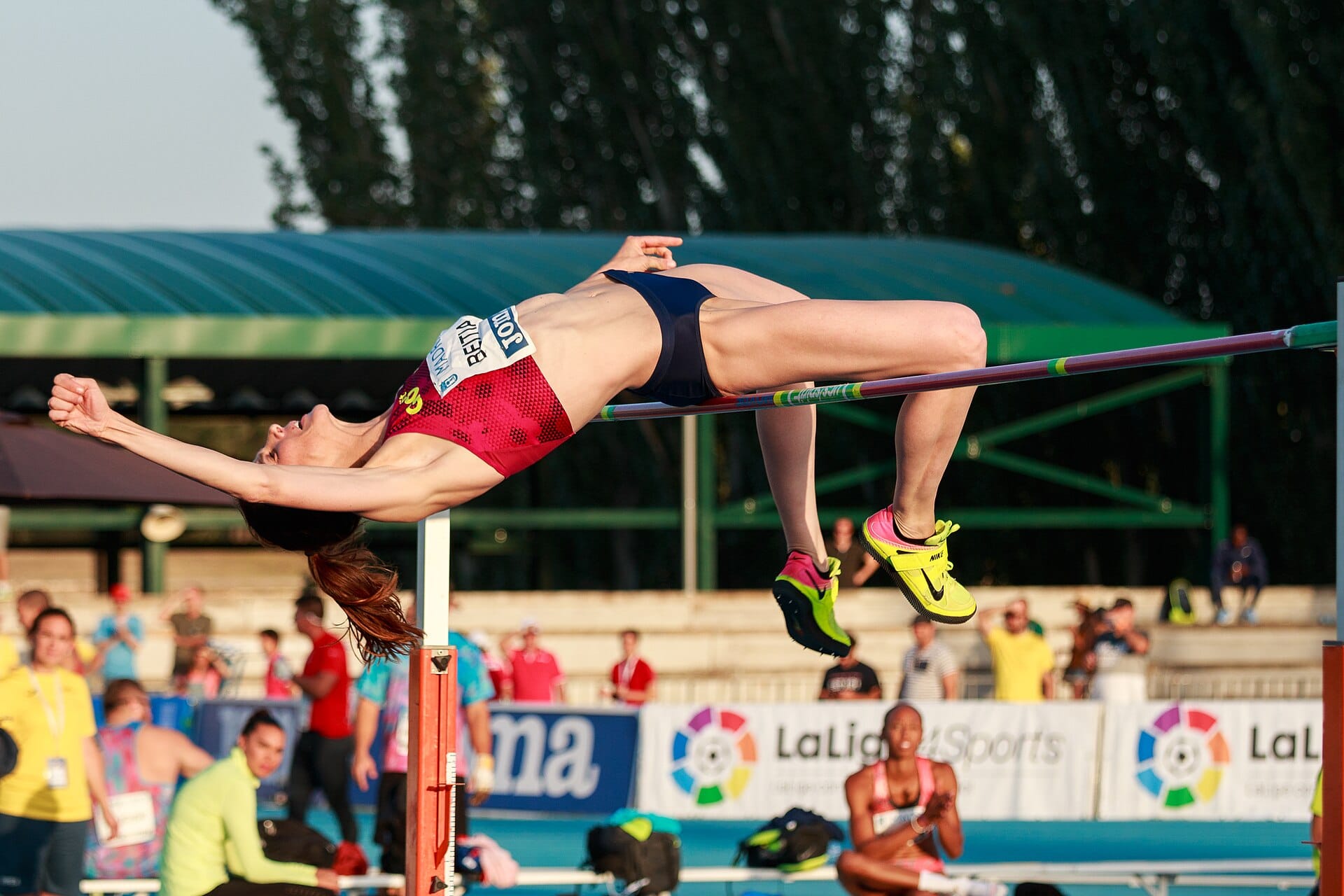
Triple jumpEvery Olympic athletics gold Spain has ever won. Two arrived at home in Barcelona 1992; after a 24-year wait, Ruth Beitia delivered in Rio; and Paris 2024 doubled the tally in a single week. Source: Olympics.com, Wikipedia.
View the data
| Games | Athlete | Event |
|---|---|---|
| Barcelona 1992 | Daniel Plaza | 20km race walk |
| Barcelona 1992 | Fermín Cacho | 1500m |
| Rio 2016 | Ruth Beitia | High jump |
| Paris 2024 | Álvaro Martín & María Pérez | Marathon race walk mixed relay |
| Paris 2024 | Jordan Díaz | Triple jump |
The catalyst. Fermín Cacho won 1500m gold on home soil at the Estadi Olímpic Lluís Companys, ahead of Rachid El Basir of Morocco and Mohamed Suleiman of Qatar.
Fermín Cacho delivered silver in the 1500m, and Spain’s race walkers continued to excel on the Olympic stage.
Spain claimed further medals, consistently performing above its weight class relative to population size.
The Games brought additional Spanish silverware as the country’s middle-distance and walking traditions endured.
A new generation of Spanish athletes competed at the highest level, carrying the red and gold onto the Olympic track.
Spanish athletes again represented the nation across the endurance disciplines that define the country’s Olympic strengths.
Veteran Jesús Ángel García Bragado’s eighth consecutive Olympic appearance says more about Spanish athletics culture than any statistic could.
World Championship Achievements
The World Athletics Championships have given Spain some of its best moments. Since Helsinki 1983, Spanish athletes have won gold, silver and bronze across the programme. Martín Fiz took marathon gold in Gothenburg 1995, with Fermín Cacho’s 1500m silver at the same championships, and Jesús Ángel García Bragado’s race walking title in 1993 came two years earlier. Marta Domínguez’s steeplechase gold in Berlin 2009 stood as Spain’s most recent women’s world title in a running event until it was annulled for doping in 2015.
At the indoor World Championships, Spain has been particularly successful, claiming medals in the 1500m, 3000m, long jump, and triple jump. The controlled environment of indoor athletics, where pace judgement and tactical racing are paramount, suits the intelligent, technically sophisticated approach that characterises the best Spanish athletes. Spain has also been a powerhouse at the European Athletics Championships, and the 2010 Barcelona European Championships, held at the same Estadi Olímpic Lluís Companys as the 1992 Olympics, were a particular triumph in front of passionate home crowds.
The Spanish National Athletics Kit: Joma and the Colours of España
The Spanish national athletics team wears the bold colours of the flag: deep red, golden yellow and the white of the Selección. For much of the modern era the kit has been designed and manufactured by Joma, the Spanish sportswear company founded in 1965 in Portillo de Toledo, Castilla-La Mancha: a Spanish brand dressing Spanish athletes, engineered for competition at altitude, in heat, and on the world’s hardest tracks and roads.
The Joma Spain Pro Elite competition kits worn at World Championships, Olympic Games and European Championships are among the most recognisable in world athletics: red crop tops with ESPAÑA across the chest, precision-cut competition shorts and tights, and aerodynamic speedsuits.
The red-and-gold Joma Spain Pro Elite kit, with ESPAÑA across the chest, is the same competition gear worn by Spanish national team athletes at the highest level.
Running Culture and Development in Spain
To understand Spanish athletics, you must understand the country’s deep-rooted running culture. Spain is a nation of runners in a way that goes far beyond professional sport. From the medieval pilgrim trails of the Camino de Santiago to the dramatic urban races of modern cities, running is woven into the fabric of Spanish life. The Madrid, Valencia, and Barcelona marathons are among Europe’s most prestigious road races, and Valencia in particular has established itself as one of the world’s fastest marathon courses.
Cross-country running has a particularly devoted following. The Cinc Cims in Catalonia, the Spanish Cross Country Championships and the regional leagues keep the discipline competitive, and Spain regularly challenges the East African nations at World and European Cross. Trail and mountain racing have grown too: the Zegama-Aizkorri in the Basque Country ranks among the world’s most prestigious mountain races.
Athletes like Kilian Jornet, arguably the greatest mountain runner in history, have brought global attention to the discipline, inspiring a new generation of young Spanish trail runners. Underpinning it all, the network of high-performance centres and the Real Federación Española de Atletismo ensure talented young athletes have access to world-class coaching, sports science, and competitive opportunities from an early age.
The Current State of Spain Athletics
Spanish athletics in the 2020s is at a crossroads, in the best sense. The golden generation of the 1990s is long retired, but a new wave is arriving with the strongest infrastructure Spain has ever had. In race walking, Diego García Carrera and Laura García-Caro carry a deep national tradition. In middle and long distance, Mohamed Katir broke the Spanish 1500m, 3000m and 5000m records in quick succession during 2021.
Those records still stand, but Katir will not add to them for a while: in 2024 he received a four-year ban for tampering with an anti-doping investigation, upheld by the Court of Arbitration for Sport, leaving him ineligible until February 2028. On the women’s side, Marta García has established herself as one of Europe’s finest middle and long-distance runners, and María Pérez has turned race walking into Spain’s most reliable gold mine: 20km and 35km world titles at Budapest 2023 and again at Tokyo 2025 — a historic double-double — plus Olympic gold in the Paris 2024 mixed relay with Álvaro Martín. Jordan Díaz’s Olympic triple jump title in Paris and Paul McGrath’s world 20km bronze in Tokyo complete the strongest Spanish moment in decades. In the sprints, Bruno Hortelano-Gutiérrez broke the Spanish 200m record before injuries curtailed his progress, as a new generation works to break into the global elite.
Future Stars and Emerging Talents
The future of Spanish athletics looks genuinely bright. Across multiple disciplines and age groups, young Spanish athletes are posting times and marks that suggest the next golden era may not be far away, from the middle distances reignited by Mohamed Katir to a race walking pipeline that remains a national speciality.
Mohamed Katir
Born 1998 in Mula, Murcia, and of Moroccan heritage, Katir broke the Spanish 1500m, 3000m, and 5000m records in 2021 — all three still stand. His career was halted by a four-year ban for tampering; he is ineligible until February 2028.
Marta García
García has established herself as one of Europe’s finest middle and long-distance runners, leading the women’s charge in Spain’s revived distance-running scene.
Diego García Carrera
One of a new generation of Spanish walkers carrying the country’s deep tradition in the discipline and pushing to challenge at the very top.
Laura García-Caro
A leading figure among Spain’s emerging race walkers, carrying forward a national speciality with a pipeline built to compete at the highest level for decades to come.
Spain Records & Historic Milestones
Shop Spain Athletics Apparel
Explore our authentic collection of Spain athletics team apparel at Elite Athletics Clothes. Every item is genuine competition-grade gear, the same Joma Pro Elite kits worn by Spanish athletes at the World Championships, European Championships, and Olympic Games.
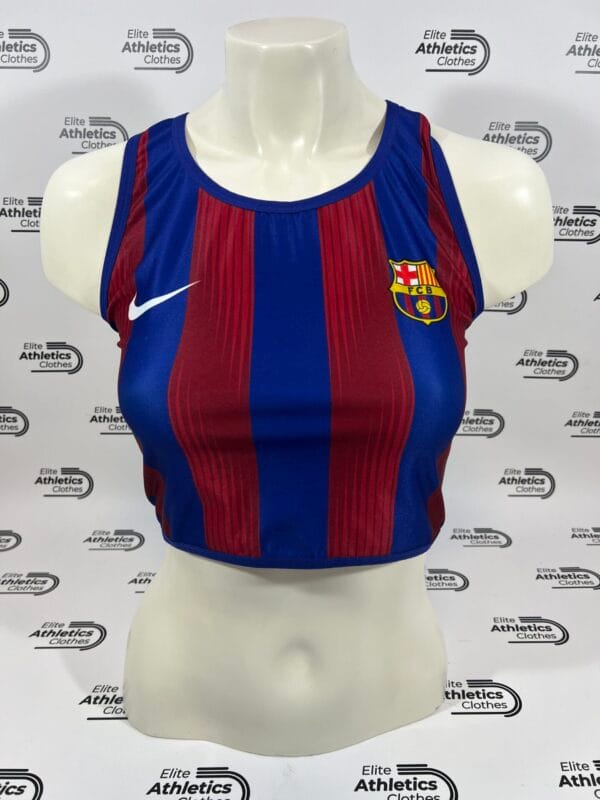 Nike FCB Pro Elite 2025 Women Crop Top120,00 €View Piece →
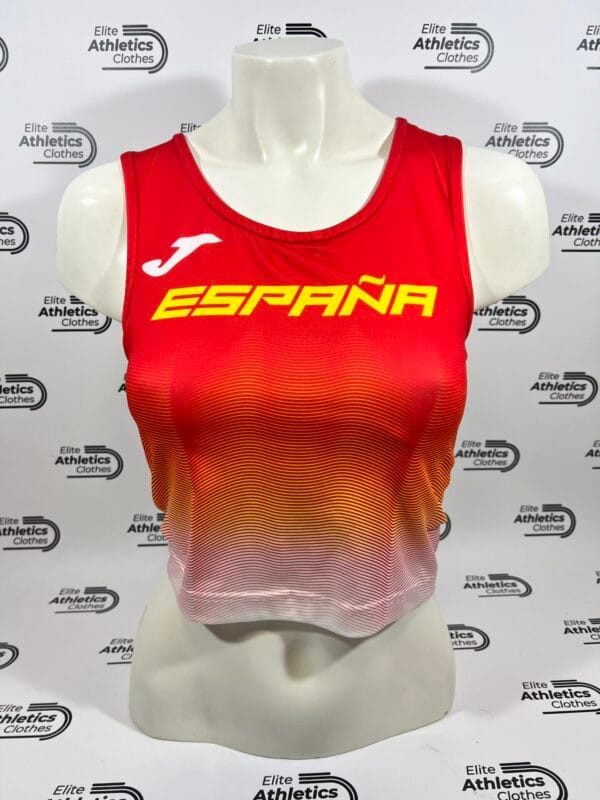 Joma Spain Pro Elite 2019 Women Crop Top80,00 €View Piece →
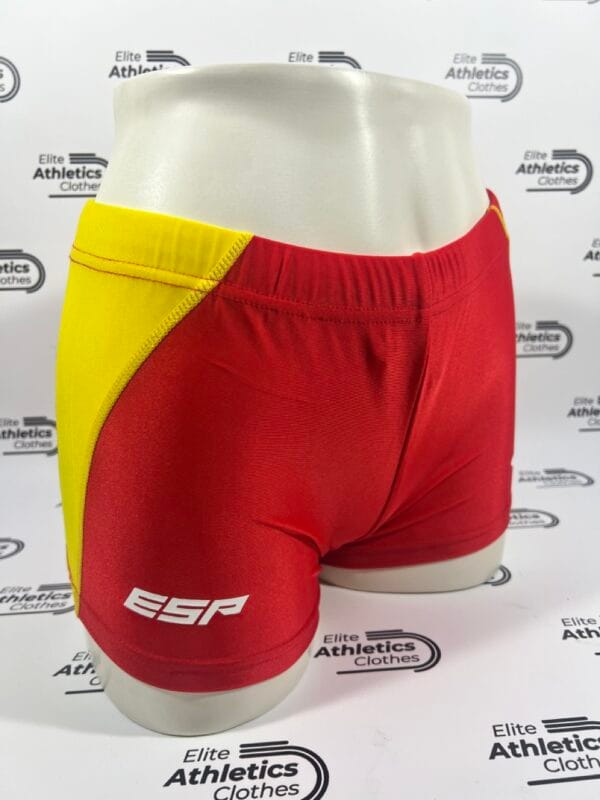 Joma Spain Pro Elite 2023 Women Booty Short Tights
 Joma Spain Pro Elite 2022 Women Competition Briefs
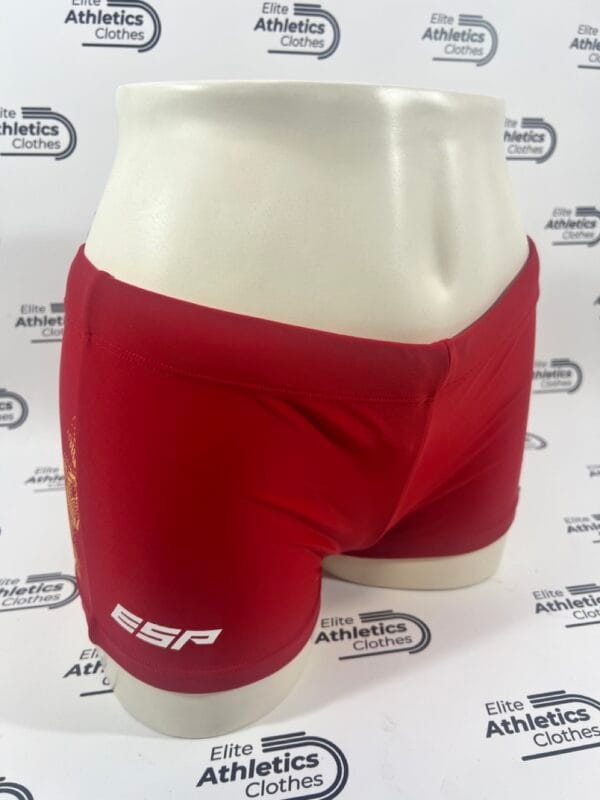 Joma Spain Pro Elite 2022 Women Booty Tights
Who is the greatest Spanish athlete of all time in track and field?
Fermín Cacho is widely considered the greatest, primarily for his 1500m gold at the 1992 Barcelona Olympics on home soil. However, Jesús Ángel García Bragado’s eight consecutive Olympic appearances (1992-2021) and his World Championship gold make him an equally compelling candidate for longevity and dedication.
What brand sponsors the Spanish national athletics team?
The Spanish national athletics team has long been sponsored by Joma, a Spanish sportswear brand founded in 1965 in Portillo de Toledo, Castilla-La Mancha. Joma’s competition kits, worn at the Olympics, World Championships, and European Championships, are available at Elite Athletics Clothes.
When did Spain host the Olympic Games?
Spain hosted the Summer Olympic Games in Barcelona in 1992. The Barcelona Olympics are considered a landmark moment in Spanish athletics history, particularly for Fermín Cacho’s memorable 1500m gold medal in front of a packed home crowd at the Estadi Olímpic Lluís Companys.
Who is Mohamed Katir?
Mohamed Katir is a Spanish middle and long-distance runner born in 1998 in Mula, Murcia. He broke the Spanish 1500m, 3000m, and 5000m records in 2021 — records that still stand — but he is currently serving a four-year ban for tampering with an anti-doping investigation and cannot compete until February 2028.
What are the most prestigious road races in Spain?
They include the Valencia Marathon (renowned as one of the world’s fastest courses), the Madrid Marathon, the Barcelona Marathon, and the San Silvestre Vallecana, a famous New Year’s Eve road race in Madrid. In trail running, the Zegama-Aizkorri in the Basque Country is one of the most respected mountain races in the world.
Where can I buy authentic Spain athletics team apparel?
Authentic Spain athletics team competition kits, including Joma Pro Elite crop tops, competition tights, booty shorts, and competition briefs worn by Spanish national team athletes, are available at Elite Athletics Clothes. All items are 100% authentic and worn by professional athletes.
Who makes Spain’s athletics kit?
Joma has kitted the Spanish athletics federation (RFEA) since 2009 — a rare case of a national federation wearing a domestic brand for over 15 years. Authenticated athlete-issued Spain pieces surface at Elite Athletics Clothes when available.
Sources and References
- Fermín Cacho — Wikipedia — 1500m gold at Barcelona 1992 and silver at Atlanta 1996.
- Martín Fiz — Wikipedia — 1995 World Marathon title (Gothenburg) and 1994 European marathon title.
- Yago Lamela jumps 8.56m — World Athletics — corrects the long-jump record: 8.56m in 1999, a European indoor mark, not a 1997 world record.
- Reyes Estévez — Wikipedia — two World Championship 1500m bronzes (1997, 1999), not silver.
- Jesús Ángel García — Wikipedia — eight Olympic Games (1992–2021) and 1993 World gold in the 50km walk (not 20km).
- Men’s 1500m, 1992 Summer Olympics — Wikipedia — actual medallists (Cacho, El Basir, Suleiman); disproves a Spanish bronze by José Manuel Moreno.
- Mohamed Katir — Wikipedia — born 1998 in Mula, Murcia; broke the Spanish 1500m/3000m/5000m records in 2021 (a distance runner, not a thrower).
- Marta Domínguez — Wikipedia — 2009 Berlin steeplechase gold and its subsequent annulment for doping.