
Prefontaine
Classic
America's only Diamond League meeting: born in 1975 as a memorial to Steve Prefontaine, raced at Hayward Field, and lately the most reliable world-record ground in the sport — five of its nine came in the last three editions.
The Prefontaine Classic is the biggest one-day track and field meeting in the United States and the country's only stop on the Diamond League. It has been held at Hayward Field in Eugene, Oregon since 7 June 1975, when a fundraising meet was renamed days after the death of Steve Prefontaine — the Oregon runner who held every American record from 2,000 to 10,000 metres when he died at 24. Nine world records have been set at the meet; five of them still stand.
The modern Pre Classic is where records go to fall: Duplantis and Tsegay on one 2023 afternoon, Chebet's first-ever sub-29:00 10,000 m in 2024, and Kipyegon's 3:48.68 plus Chebet's 13:58.06 within an hour at the 50th edition in 2025. As a one-day invitational it is raced in sponsor kit, not national kit — the brand universe our archive collects.
Part of our Competition Files — one competition at a time, explained. The sponsor-kit universe behind meetings like this lives in the Pro Elite archive. Jump to the Nike Pro Elite rail or start with the history of Nike Pro Elite.
- What it is
- The top US one-day meeting and the country's only Diamond League stop, at Hayward Field, Eugene
- First edition
- 7 June 1975 — renamed for Steve Prefontaine, who died on 30 May 1975 aged 24
- The name
- Pre held every American record from 2,000 to 10,000 m when he died; the meet is his memorial
- World records
- Nine set at the meet; five still stand — both Mosop marks, both Chebet marks, and Kipyegon's 1500 m
- The signature race
- The Bowerman Mile — fastest running 3:43.73, Ingebrigtsen, 2023
- The venue
- Hayward Field: built 1919, track since 1921, rebuilt 2018–2020, 12,650 seats expandable to ~25,000
- The milestone
- Hosted the first Diamond League Final on US soil, 16–17 September 2023
- Latest edition
- The 51st, 3–4 July 2026 — the first run over two days
From Restoration Meet to Living Memorial
The meet began as a favour to the stadium. In 1973, Oregon coach Bill Bowerman and the Oregon Track Club staged the Hayward Field Restoration Meet to raise money for the crumbling west grandstand — a fundraiser with a start list. By 1975 the plan was to rename it the Bowerman Classic, and the date was set for early June.
Steve Prefontaine died eight days before it, on 30 May 1975, when his car left a road above Eugene hours after he had won a 5000 m at Hayward Field. He was 24, and he held every American record from 2,000 to 10,000 metres — seven of them. On 1 June, Bowerman and the club announced the meet would carry Pre's name instead of his own, and on 7 June 1975 the first Prefontaine Classic was run as what the organisers still call a living memorial.
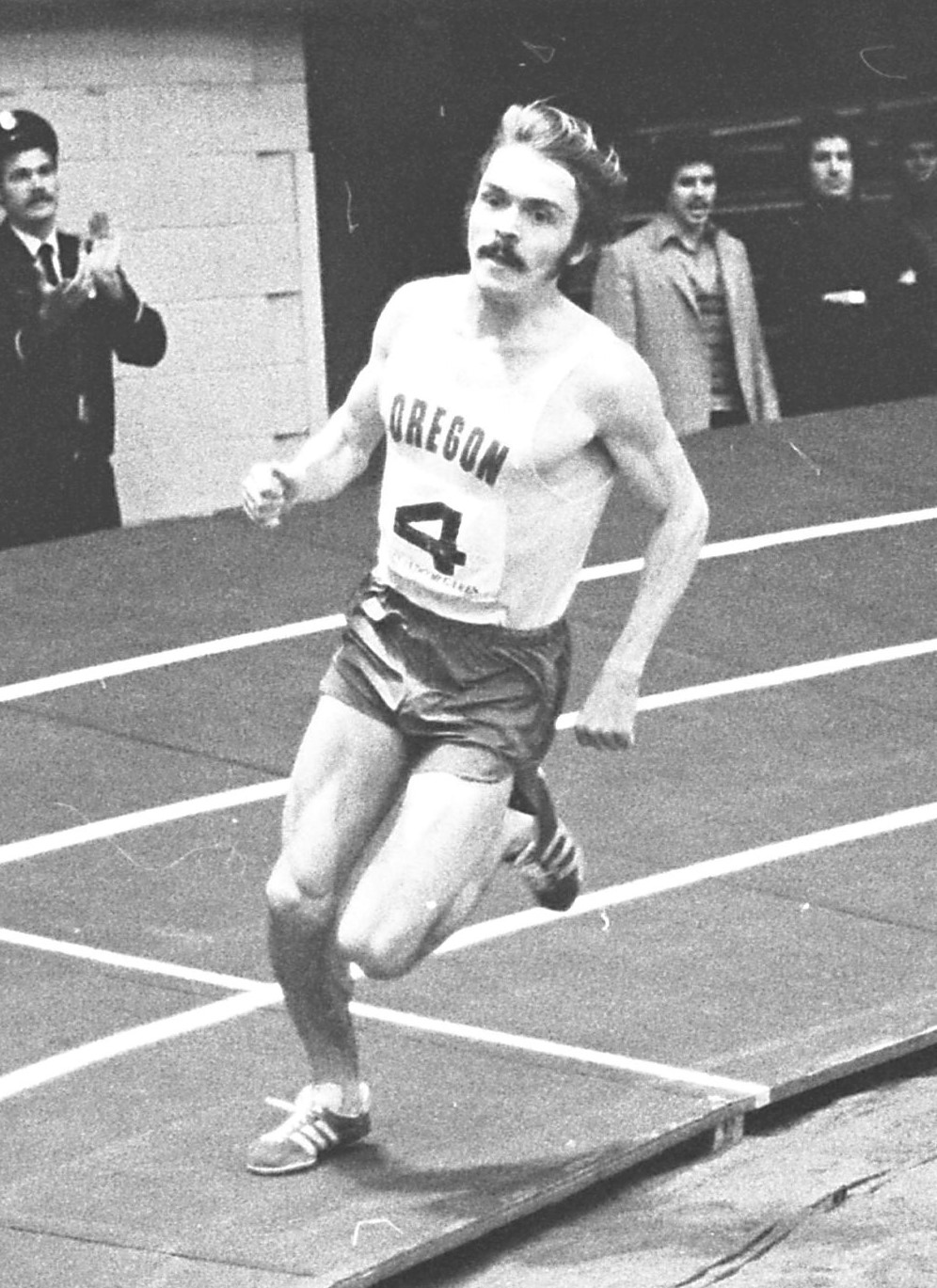
The first edition set the tone for the next fifty: Jamaica's Don Quarrie broke the 220-yard world record that afternoon, clocking 19.92. A world record at the very first meeting — the habit this page is largely about.
America's Date on the World Circuit
Fifty-one years on, the Prefontaine Classic is the biggest one-day invitational in the United States and its only stop on the Diamond League — of the fourteen scoring meetings on the 2026 tour, Eugene is the one American date. It has been on the circuit since the Diamond League's first season in 2010, and in September 2023 it hosted the Diamond League Final itself, the first ever staged on US soil.
The closing event carries the other founder's name. The Bowerman Mile is the meet's signature race, and its fastest running is Jakob Ingebrigtsen's 3:43.73 from that 2023 final — at the time the third-fastest mile ever, and still the fourth today, behind only Josh Kerr's 3:42.66 world record from July 2026, Hicham El Guerrouj's 3:43.13 and Noah Ngeny's 3:43.40. Nobody has run a faster mile on American ground.
The 51st edition, on 3 and 4 July 2026, stretched to two days for the first time. No world record fell, but the fields did what Pre fields do: Australia's Cameron Myers took the Bowerman Mile in an Oceanian record 3:46.06 ahead of Yared Nuguse, and Melissa Jefferson-Wooden beat Sha'Carri Richardson in the 100 m, 10.78 to 10.79, ten months after her three golds in Tokyo.
Nine Records Around One Lap
Nine world records have been set at the Prefontaine Classic, and the way they are spread out tells the story better than the count. Four arrived in the meet's first 48 years: Quarrie in 1975, Mary Decker's 5000 m in 1982, and Moses Mosop's long Friday of June 2011, when he broke the 25,000 m and the 30,000 m track records in a single race. Then a 29-summer silence. Then five records in three editions.
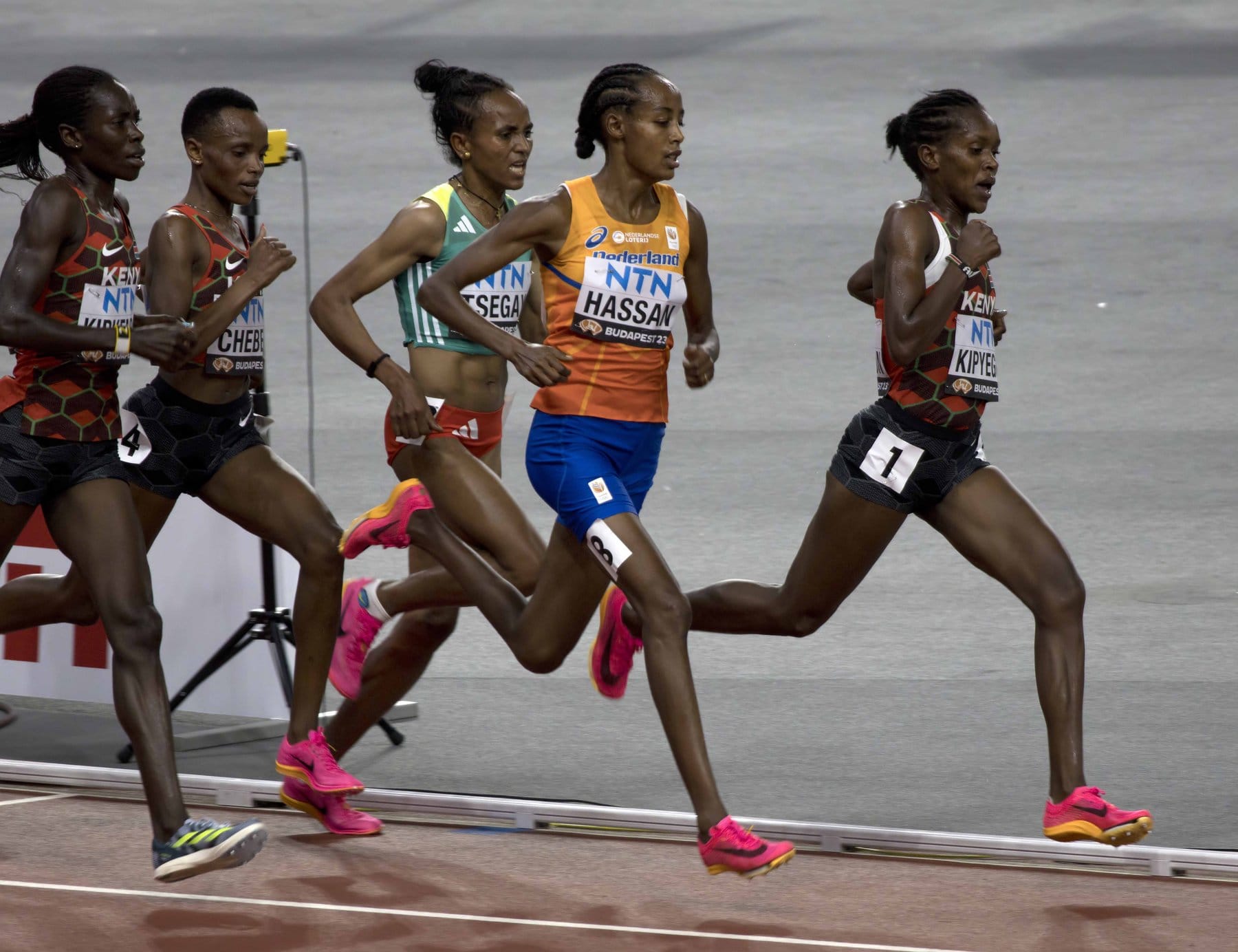
The new stadium did it. Since 2023 the meet has produced Armand Duplantis's 6.23 pole vault and Gudaf Tsegay's 14:00.21 on the same September afternoon, Beatrice Chebet's 28:54.14 — the first ever women's 10,000 m under 29 minutes, run in 2024 — and, at the 50th edition on 5 July 2025, Faith Kipyegon's 3:48.68 and Chebet's 13:58.06 inside the same hour: the first woman under 3:49 for 1500 m and the first under 14:00 for 5000 m. Three of the nine records fell in pairs.
Hover or tab on a pin for the detail; three of the nine fell in pairs — same race in 2011, same afternoon in 2023 and 2025. Sources: World Athletics meet reports (2011, 2023, 2024, 2025) and the meet's own record book at preclassic.com. Verified September 2026.
The nine world records, one by one
| Year | Event | Athlete | Mark | Where it is now |
|---|---|---|---|---|
| 1975 | 220 yards | Don Quarrie (JAM) | 19.92 | The event left the international programme; the book closed with it |
| 1982 | 5000 m women | Mary Decker (USA) | 15:08.26 | Since broken — the current record was also set at this meet |
| 2011 | 25,000 m track | Moses Mosop (KEN) | 1:12:25.4 | Still the world record (set en route to the 30,000 m) |
| 2011 | 30,000 m track | Moses Mosop (KEN) | 1:26:47.4 | Still the world record |
| 2023 | Pole vault | Armand Duplantis (SWE) | 6.23 m | Since raised — only by Duplantis himself (6.31 as of 2026) |
| 2023 | 5000 m women | Gudaf Tsegay (ETH) | 14:00.21 | Broken at this same meet two editions later |
| 2024 | 10,000 m women | Beatrice Chebet (KEN) | 28:54.14 | Still the world record — first woman under 29:00 |
| 2025 | 1500 m women | Faith Kipyegon (KEN) | 3:48.68 | Still the world record — first woman under 3:49 |
| 2025 | 5000 m women | Beatrice Chebet (KEN) | 13:58.06 | Still the world record — first woman under 14:00 |
Five of the nine are still the world record today — both of Mosop's, both of Chebet's, and Kipyegon's. Chebet is away from the sport in 2026, expecting her first child, and her marks wait untouched; Kipyegon came back to Eugene in July 2026 and ran the mile. Tsegay's 5000 m record is the odd one out: it was broken two editions later on the same track, by the same meet.
Hayward Field, Rebuilt
The stadium is older than almost everything in American track. Built in 1919 as a football ground and named for Bill Hayward, Oregon's track coach from 1904 to 1947, it has held a running track since 1921 — and it is the reason Eugene answers to TrackTown USA. The west grandstand is the one Pre's meet was invented to repair back in 1973.
Between 2018 and 2020 the old bowl was demolished and rebuilt from the ground up as a stadium for track and nothing else: 12,650 permanent seats, expandable to roughly 25,000, with no football lines and no compromise in the sight-planes — every seat exists for the track. The pandemic kept it waiting; the first competition in the new stadium was the Hayward Premiere on 2–3 April 2021.
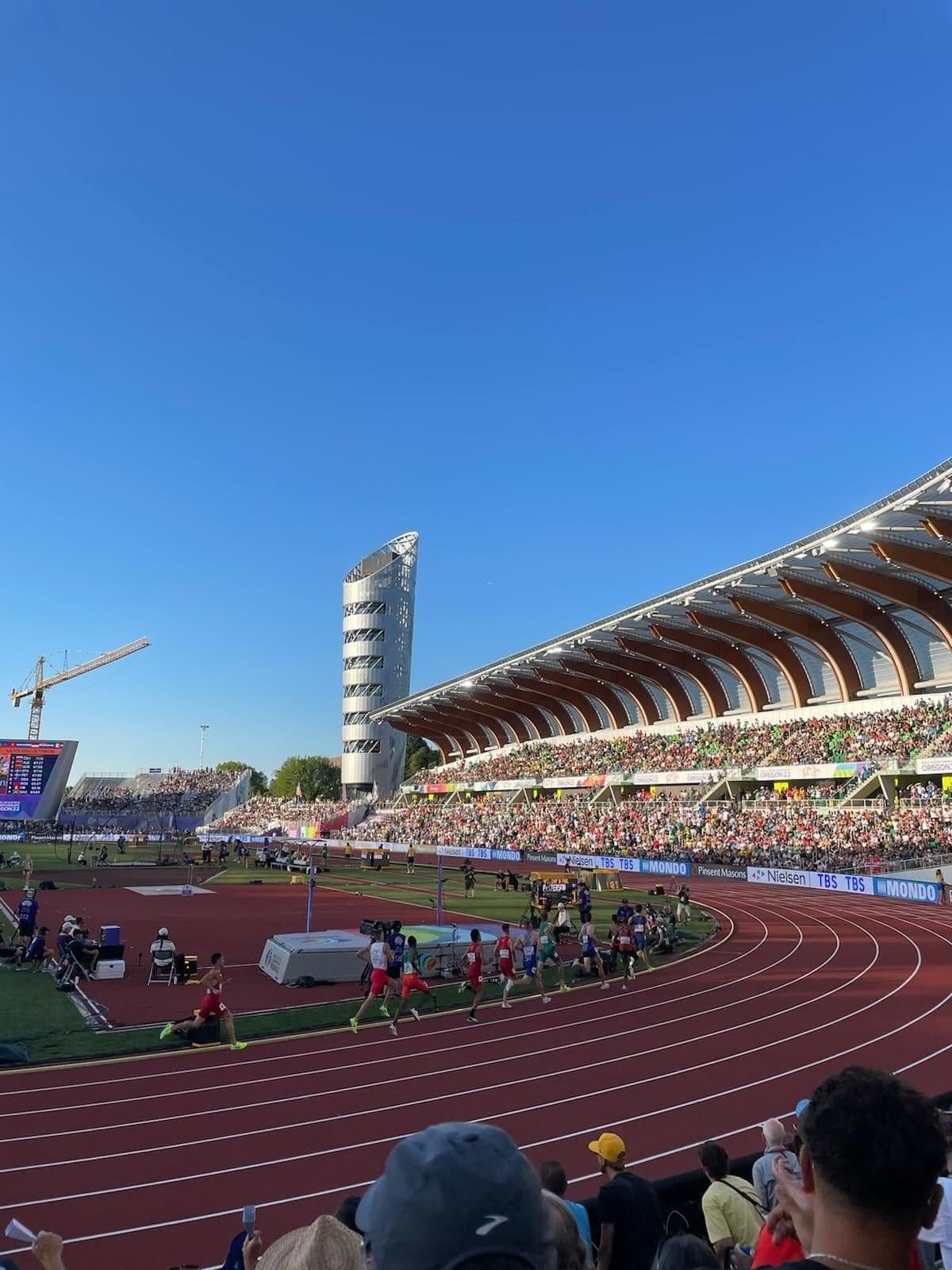
Since reopening it has hosted the 2021 and 2024 US Olympic Trials, the NCAA championships year on year, and — in July 2022 — the World Athletics Championships, the first ever held in the United States. The 2028 Trials will be back at Hayward too, Eugene's sixth in a row. The Prefontaine Classic is the one date on that list that returns every single summer.
Sponsor Kit: Nike's Home Fixture
One detail sorts every competition we cover into two universes, and the Pre Classic sits squarely in the second: championships are raced in federation kit, meetings are raced in sponsor kit. There are no national teams on the first weekend of July in Eugene — each athlete is invited as an individual and lines up in the gear of the brand or squad that pays them.
The house rule for reading any competition: championships mean federation kit, leagues and meetings mean sponsor kit. At a Worlds or an Olympics, everyone wears national colours; at the Prefontaine Classic, the start list reads like a catalogue of brand liveries. That second universe — the sponsor and team lines — is what our brand archive collects.
And no meeting is more tangled up with one brand than this one. Bowerman, whose name is on the mile, co-founded Blue Ribbon Sports with Phil Knight in 1964 — the company that became Nike. Prefontaine, whose name is on the gate, became the first track athlete Nike ever paid, in the summer of 1973, on a stipend of five thousand dollars a year. The meet is run in the state where the company was born. The history of Nike Pro Elite picks that thread up from 1973 and follows it to the present day.
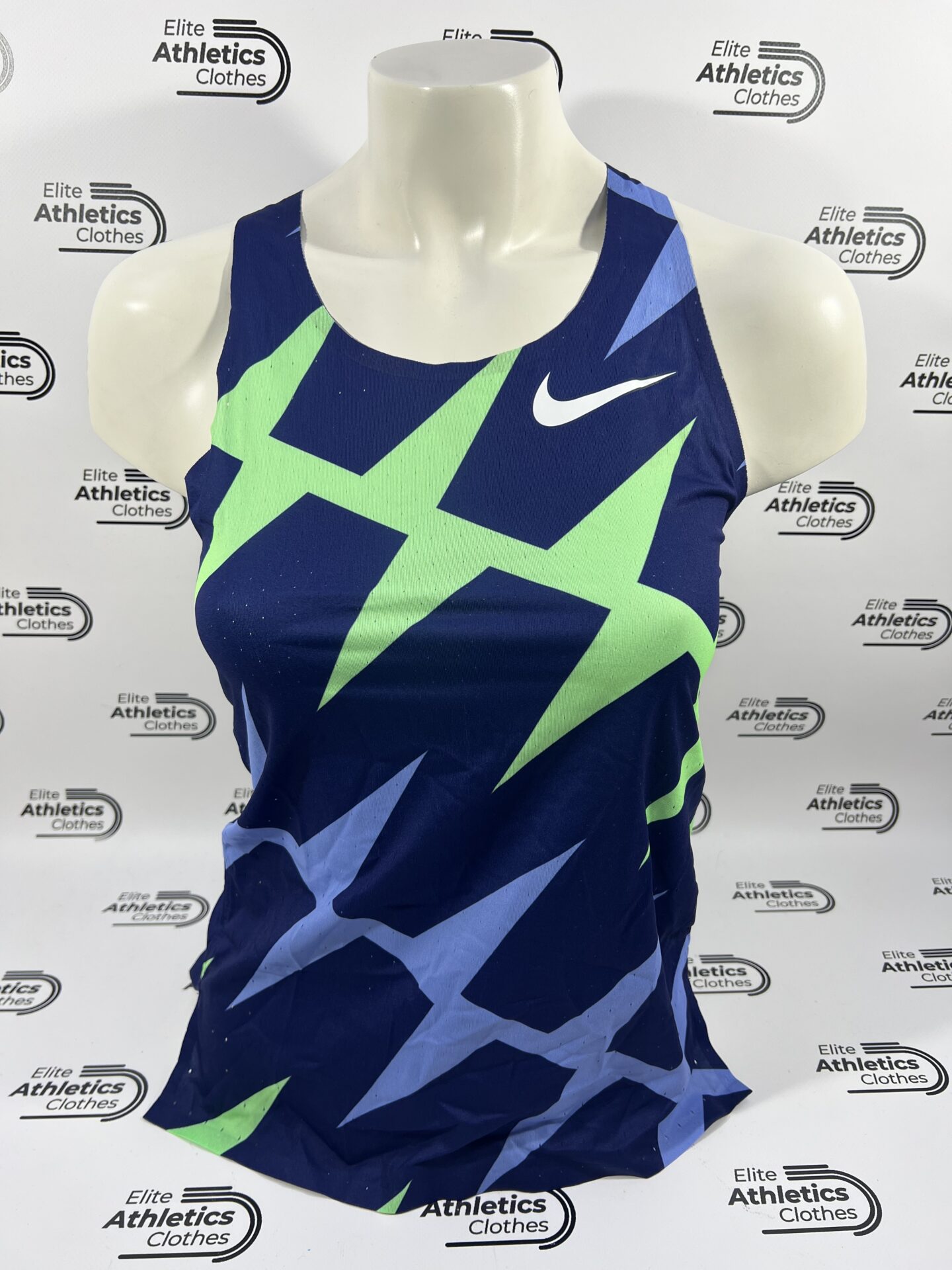 Sponsor kit · in the archiveNike Pro Elite 2020/2021 Women Distance SingletA race singlet from the Nike Pro Elite line — athlete-issue, never retail. The same universe of kit that fills the start lists on the first weekend of July in Eugene.150,00 €View piece →
That is why the rail below holds Nike Pro Elite: the athlete-issue line of the meet's house brand, from the nation that hosts it. Race-worn and team-issued pieces, the same universe that fills the infield in Eugene — never retail replicas.
Raced in Sponsor Kit
The Pre Classic is raced in brand gear, not national colours — and no brand belongs to this meeting like the one Bowerman co-founded. These are athlete-issued Nike Pro Elite pieces from the archive, the line worn where the start lists are written.
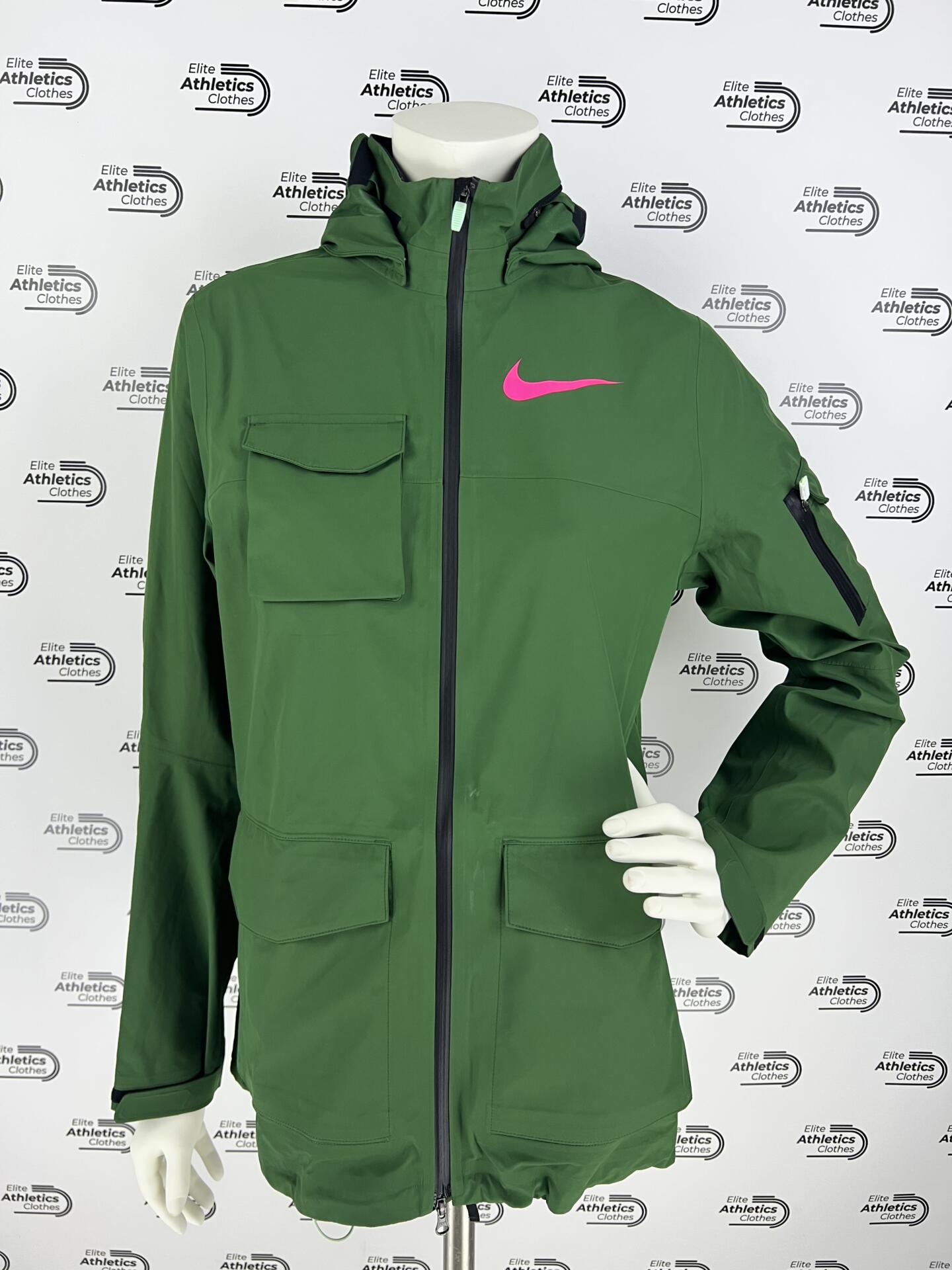 Nike Pro Elite 2023 Women Storm Fit Jacket150,00 €View Piece →2022
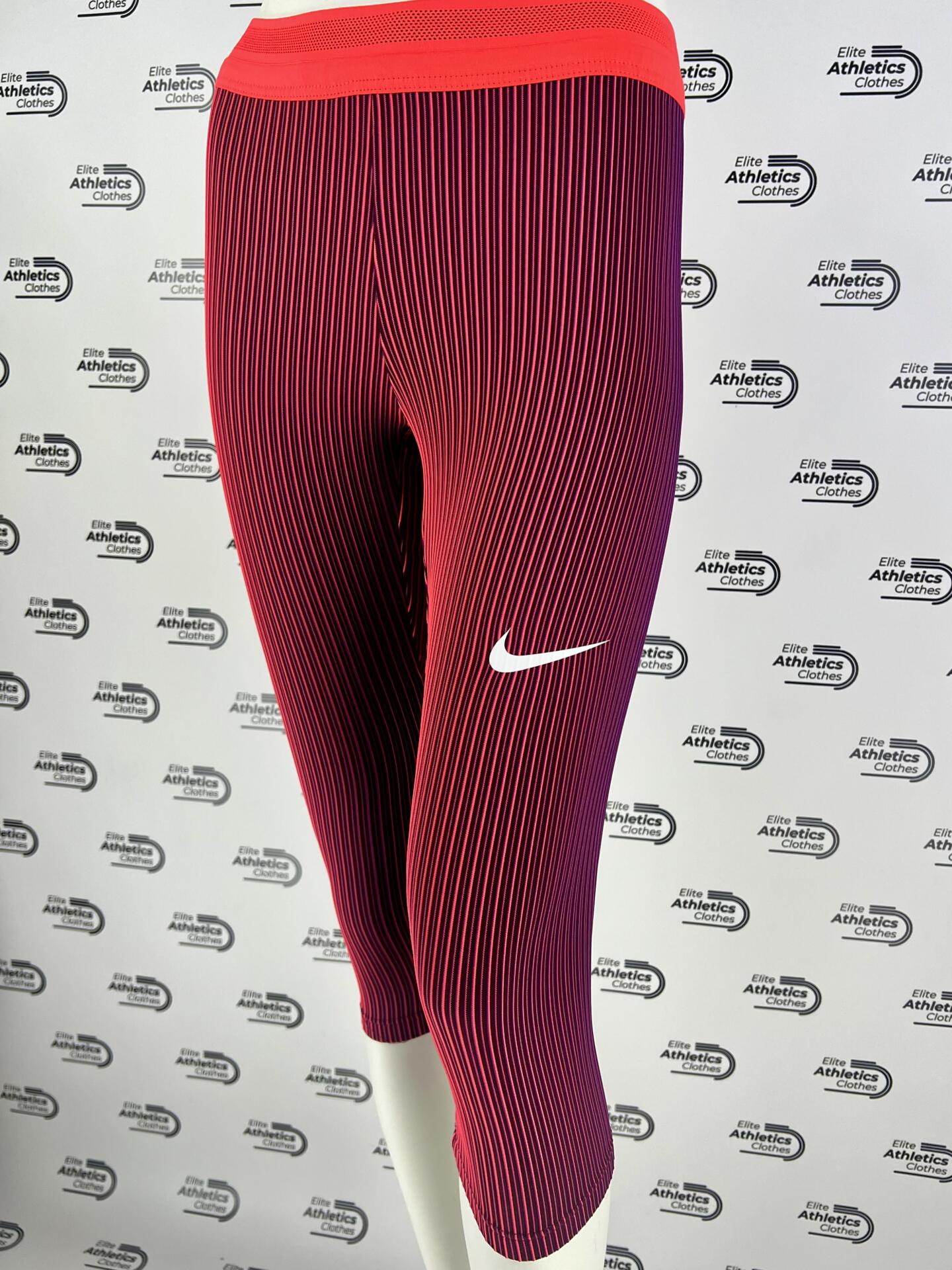 Nike Pro Elite Team 2022 Women Capri Long Tights140,00 €View Piece →2014
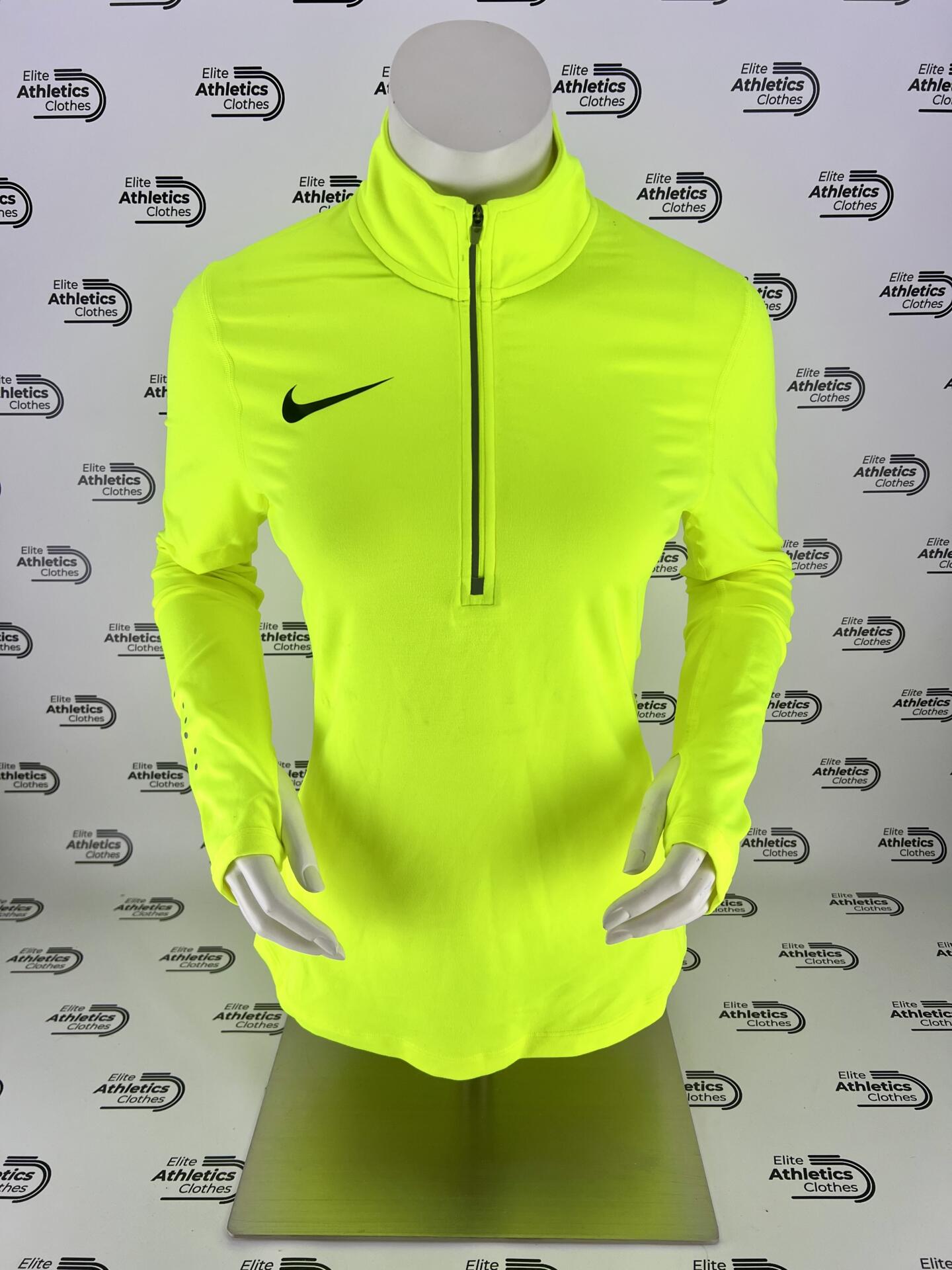 Nike Pro Elite Team 2014 Women Half Zip Jersey90,00 €View Piece →2012
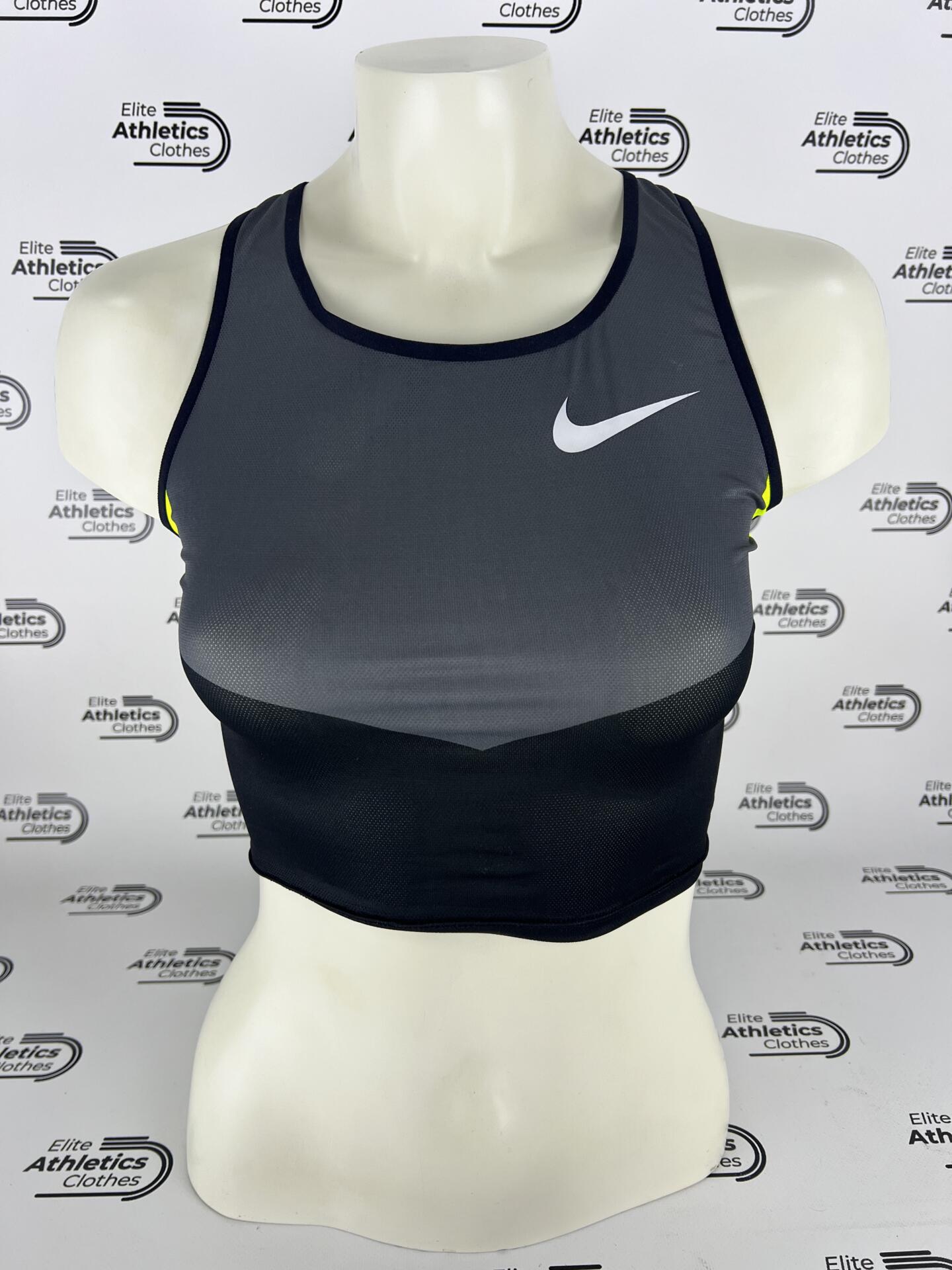 Nike Pro Elite 2012 Women Distance Crop Top80,00 €View Piece →2012
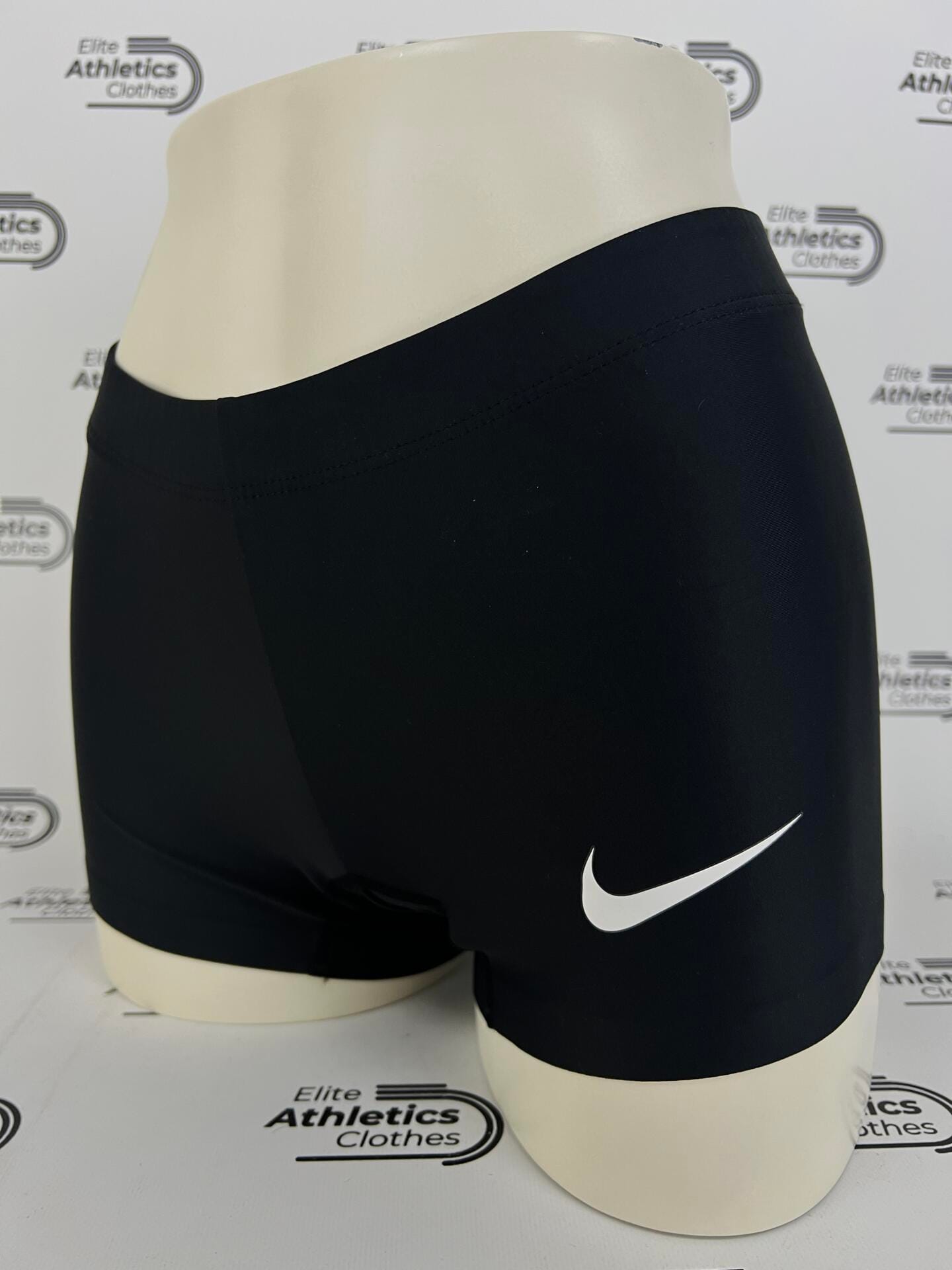 Nike Pro Elite Team 2012 Women Booty Short Tights80,00 €View Piece →2009
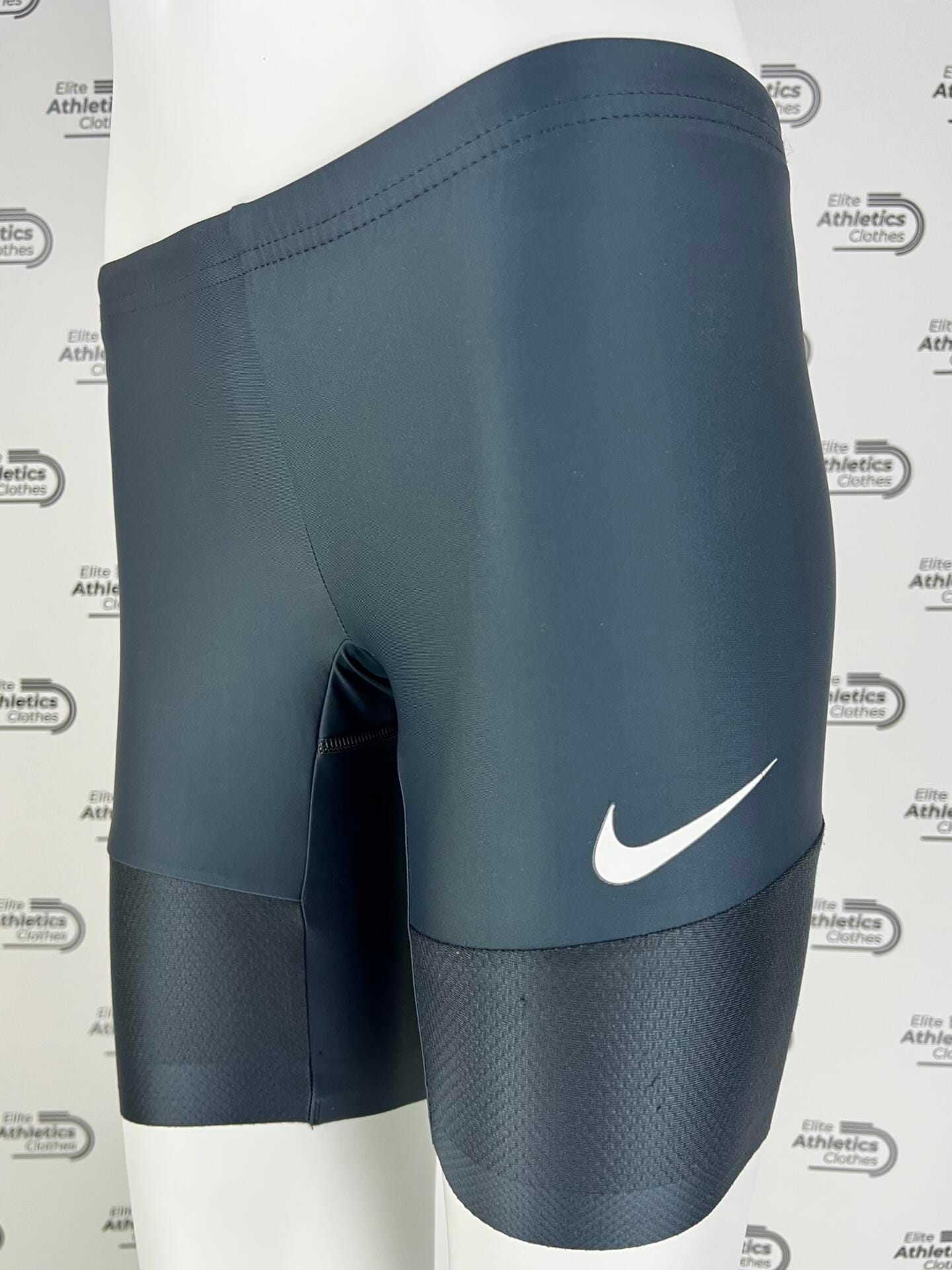 Nike Pro Elite Team 2009 Women Short Tights80,00 €View Piece →2017
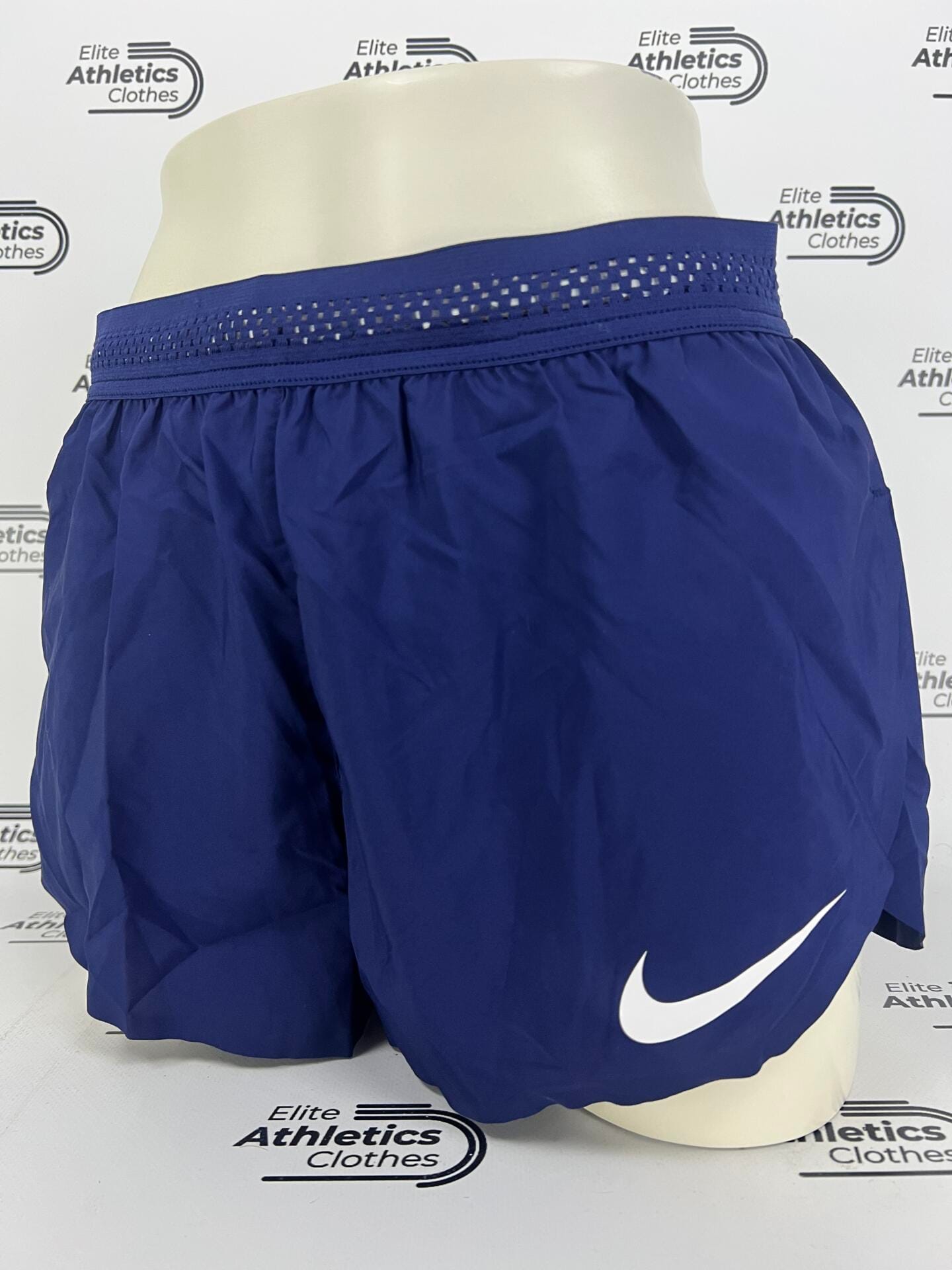 Nike Pro Elite Team 2017 Women Running Shorts120,00 €View Piece →2020/21
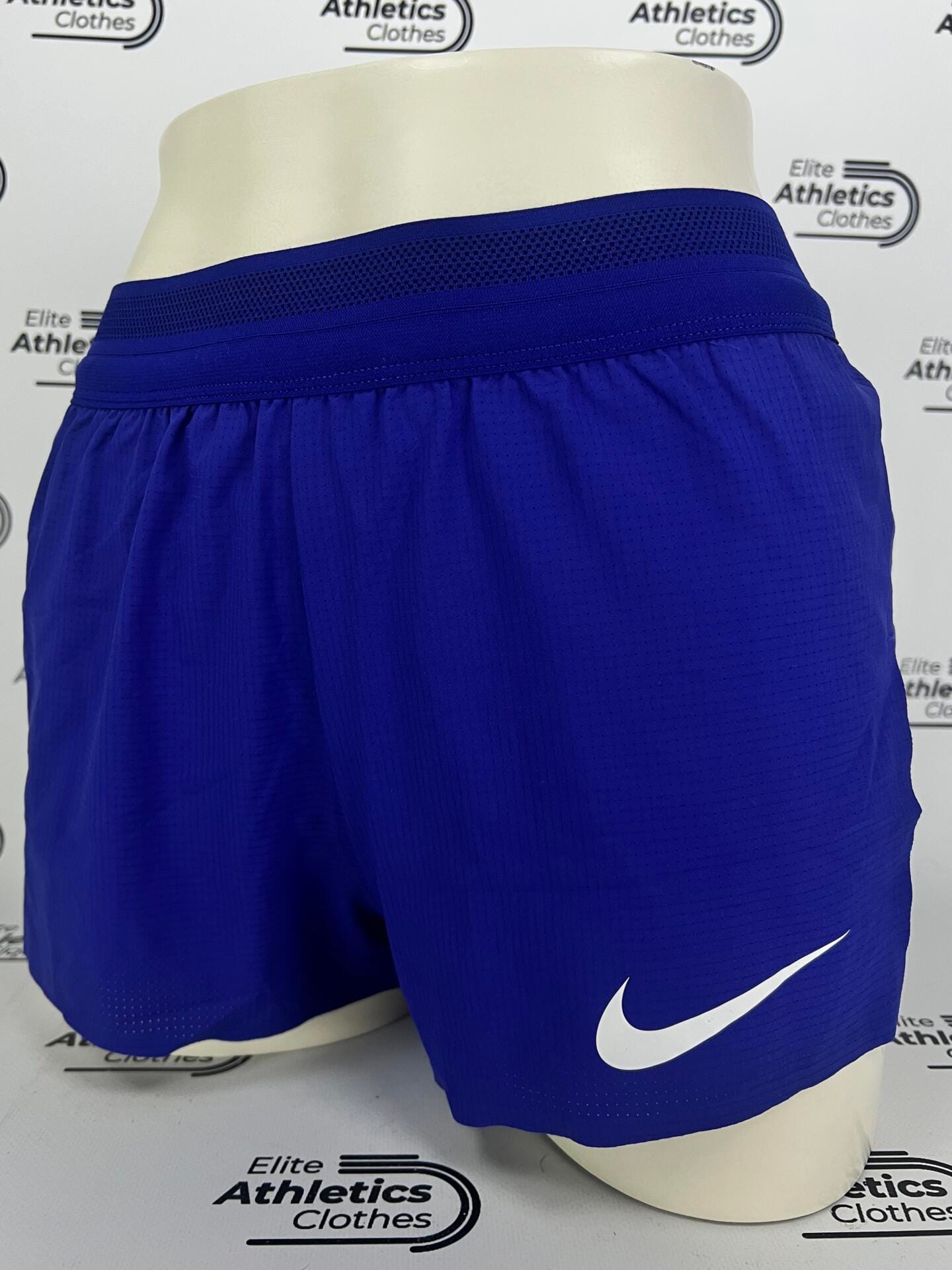 Nike Pro Elite Team 2020/2021 Women Running Shorts120,00 €View Piece →
What is the Prefontaine Classic?
It is the biggest one-day track and field meeting in the United States and the country's only Diamond League stop, held at Hayward Field in Eugene, Oregon. It began on 7 June 1975 as a memorial to Steve Prefontaine and reached its 51st edition on 3–4 July 2026, the first held over two days.
Why is it called the Prefontaine Classic?
The 1975 meet was due to be named the Bowerman Classic, after Oregon coach Bill Bowerman. When Steve Prefontaine died in a car crash on 30 May 1975, eight days before the meet, it was renamed in his memory. Prefontaine was 24 and held every American record from 2,000 to 10,000 metres.
How many world records have been set at the Prefontaine Classic?
Nine: Don Quarrie's 220 yards (1975), Mary Decker's 5000 m (1982), Moses Mosop's 25,000 m and 30,000 m in one 2011 race, Armand Duplantis's 6.23 pole vault and Gudaf Tsegay's 14:00.21 in 2023, Beatrice Chebet's 28:54.14 for 10,000 m in 2024, and Faith Kipyegon's 3:48.68 plus Chebet's 13:58.06 in 2025. Five still stand.
Where is the Prefontaine Classic held?
At Hayward Field, the University of Oregon's track stadium in Eugene. Built in 1919 and completely rebuilt between 2018 and 2020, it seats 12,650, expandable to about 25,000, and also hosted the 2022 World Championships — the first ever in the United States — and the US Olympic Trials of 2021 and 2024.
Sources and References
- The Prefontaine Classic — History — the 1973 Restoration Meet, the renaming and the record count
- World Athletics — world records for Chebet and Kipyegon in Eugene — the 13:58.06 and 3:48.68 of 5 July 2025, 50th edition
- World Athletics — Chebet breaks the world 10,000m record in Eugene — the 28:54.14 of 25 May 2024, first woman under 29:00
- World Athletics — Tsegay and Duplantis amaze in Eugene — the 6.23 and 14:00.21 of the 2023 Diamond League Final, the first on US soil
- World Athletics — Mosop rips apart world records for 25,000 and 30,000m — the double record race of 3 June 2011
- LetsRun — Ingebrigtsen tops Nuguse in epic 2023 Bowerman Mile — the 3:43.73 and where it sits on the all-time list
- Athletics Illustrated — the 51st Prefontaine Classic — the 3–4 July 2026 edition, the first over two days
- University of Oregon — Hayward Field history — 1919, Bill Hayward, the 1921 track and the 2018–2020 rebuild
- Nike, Inc. — How Steve Prefontaine Set the Pace for Nike — the 1973 stipend and the first paid track athlete