Nike
Pro Elite
The kit Nike issues to the fastest people alive — and never sells. From a handshake between a coach and a runner in Oregon to the first two-hour marathon, this is how athlete-issue kit became the rarest clothing in the sport.
Nike Pro Elite is the competition kit Nike issues to its contracted athletes and national teams — and has never sold in shops. Every genuine piece in existence was made for a professional, issued for a championship cycle, and replaced two years later.
This is the full history of that line: the Oregon track roots it grew from, the federation contracts that put it on national teams, the super-team and sub-two-hour projects that defined its greatest decade — and how to read, date and collect the pieces that escape the athlete channel.
Race-issued Nike Pro Elite pieces — singlets, speedsuits, crops and warm-up layers from the 2009–2025 cycles — live in our archive. Jump to the collection or browse the full Nike Pro Elite Team category.
- What it is
- Nike's athlete-issue competition line — distributed through teams and federations, never sold at retail
- Not to confuse with
- “Nike Pro”, the retail baselayer range — same word, different universe
- Company roots
- Blue Ribbon Sports, 25 Jan 1964; renamed Nike on 30 May 1971
- First track athlete
- Steve Prefontaine, 1973 — $5,000-a-year stipend
- Fabric platform
- Dri-FIT, introduced 1991 — still the base of every cycle
- Federation deals
- USATF since 1991, extended to 2040 (reported $450–500M); Athletics Kenya since 1993, to 2028
- Sub-two landmark
- Kipchoge 1:59:40, Vienna, 12 Oct 2019 (exhibition); official WR 2:01:39, Berlin 2018
- In our archive
- 48 race-issued pieces across 13 kit cycles, 2009–2025
What “Pro Elite” Actually Means
Nike Pro Elite is Nike's competition line for contracted professional athletes and national teams. It is made in small runs, distributed through federations, pro teams and athlete allocations — and it has never been sold in shops. If you have seen the words PRO ELITE on a singlet at a World Championships and then failed to find that singlet anywhere online, that is the system working as designed.
The name causes confusion with Nike Pro, the retail compression and baselayer range sold worldwide. The two share a word and nothing else. Nike Pro is a product you buy; Pro Elite is a status you reach. The kit travels one route only: Nike → federation or team → athlete. Whatever escapes that chain — a spare issued for a final, a piece gifted by an athlete, a team clear-out — is the entire worldwide supply of Pro Elite.
That scarcity is why a plain-looking race top can carry a three-figure price on the collector market, and why authentication matters as much in this corner of collecting as it does in watches. This page covers where the line came from, who wears it, and how to read a piece when one finally surfaces.
Timeline data (table)
| Year | Milestone |
|---|---|
| 1964 | Blue Ribbon Sports founded |
| 1971 | The name Nike appears |
| 1973 | Prefontaine signs |
| 1991 | Dri-FIT and USATF |
| 1993 | Athletics Kenya |
| 2014 | The 2040 contract |
| 2017 | Breaking2 & the first super-team |
| 2018 | Berlin, 2:01:39 |
| 2019 | Vienna & Doha |
| 2026 | The team renames |
Born Trackside: Blue Ribbon Sports (1964–1971)
Nike did not move into track and field; it was born inside it. On 25 January 1964, University of Oregon coach Bill Bowerman and his former half-miler Phil Knight each put $500 into a company called Blue Ribbon Sports and ordered 300 pairs of Japanese running shoes. Bowerman's side of the deal was product: he cut apart shoes, rebuilt them lighter, and tested them on his own athletes at Hayward Field.
On 30 May 1971 the company took the name Nike, and paid graphic design student Carolyn Davidson $35 for a logo — the Swoosh. The first products under the new name were track spikes and running flats. Apparel followed the same logic: make it for racers first, and let everyone else catch up later. Pro Elite is the modern descendant of that first principle — the racers-first product that never stopped being racers-only.
Prefontaine: The First Nike Track Athlete (1973)
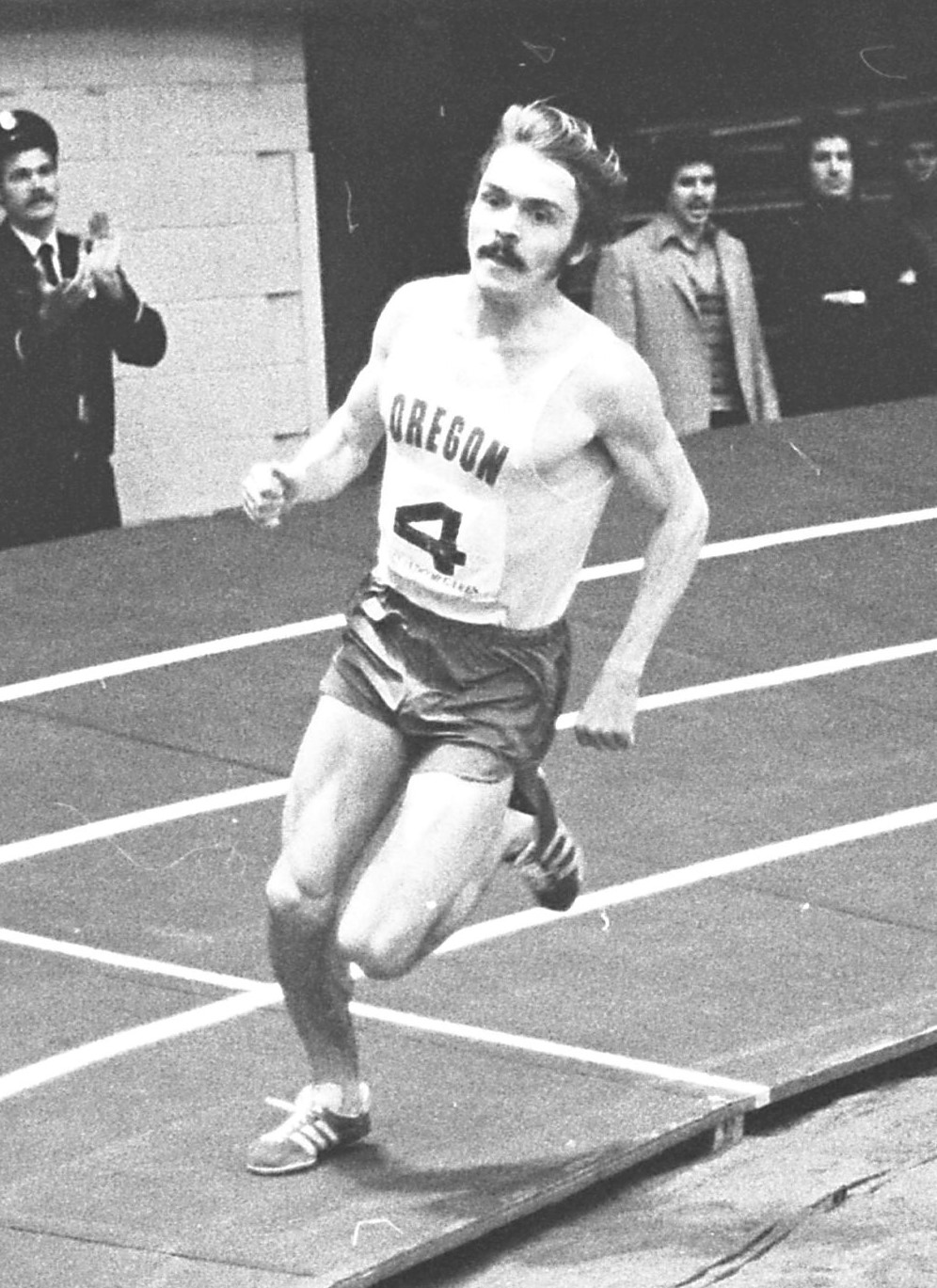
Steve Prefontaine graduated from Oregon in 1973 holding every American record from 2,000 to 10,000 metres, and promptly ran into the amateurism rules of the era: no prize money, no salary, bartending shifts to pay rent. In the summer of 1973, Knight and Bowerman put him on a $5,000-a-year stipend — the first time Nike paid a track athlete to wear the brand.
Prefontaine spent the next two years as the company's self-styled national director of public affairs, mailing shoes to rivals and talking anyone who would listen into trying them. He died in a car crash in May 1975, aged 24. The template he created — the brand builds for the athlete, the athlete carries the brand — is still exactly how Pro Elite kit works fifty years later.
The Federation Contracts (1991→)
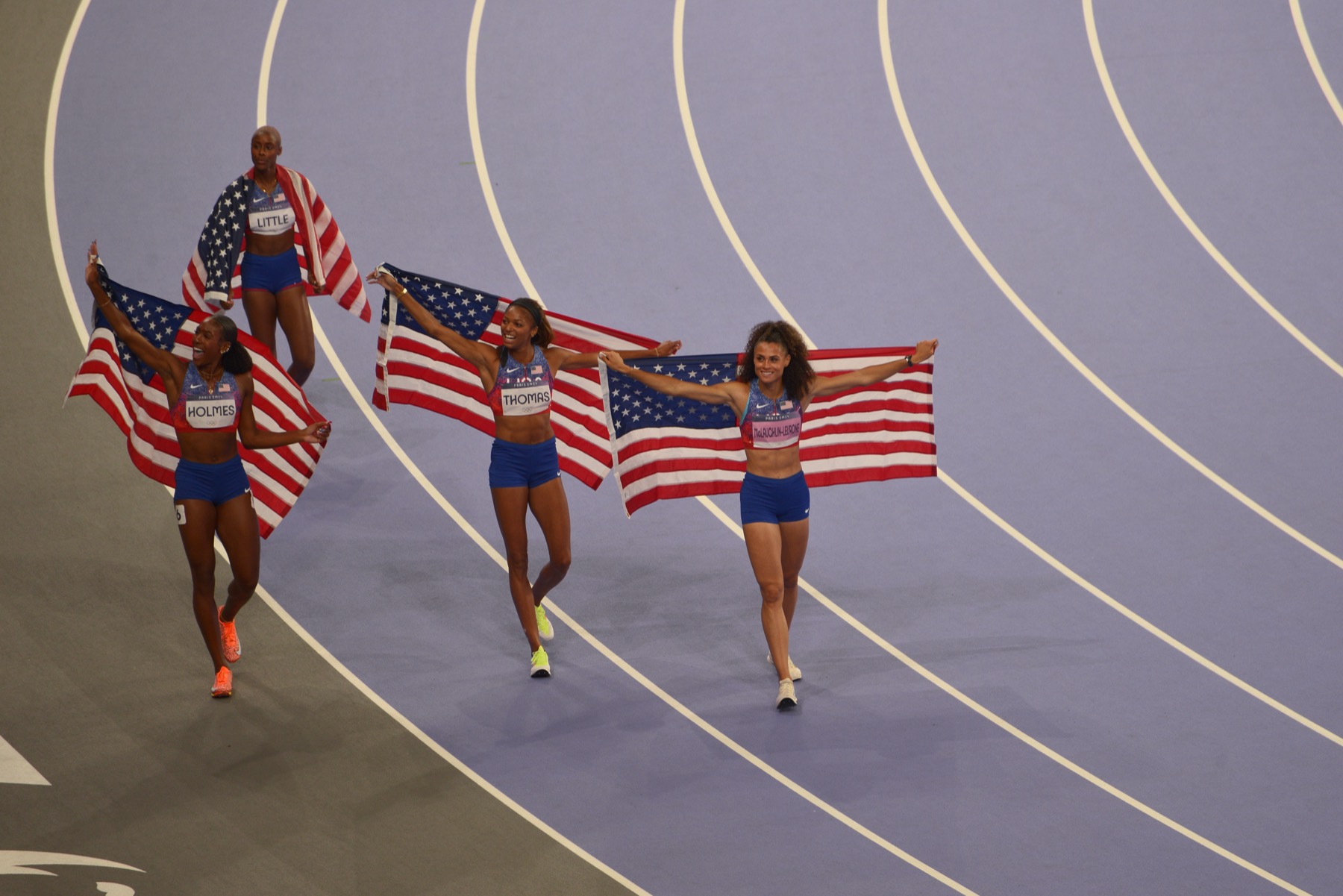
In 1991 Nike became the kit supplier to USA Track & Field, and the relationship has never broken. In April 2014 the two signed an extension running from 2017 through 2040 — reported by ESPN at $450–500 million in cash and goods, one of the longest sponsorship contracts in any sport. Every US vest at every Olympic Games and World Championships until 2040 will carry a Swoosh.
Two years after the USATF deal began, Athletics Kenya put its distance runners in Nike, and that agreement — running since 1993, currently signed to 2028 — dressed the greatest era of marathon running in history. The federation channel is where most Pro Elite kit actually goes: it is printed with national colours, issued for a championship cycle, and replaced by the next cycle two years later. Our Kenya and USA country archives cover what those athletes did in the kit.
Dri-FIT and the Fabric Arms Race (1991→)
The same year the USATF deal started, Nike introduced Dri-FIT: a microfibre polyester engineered to pull sweat off the skin and spread it across the fabric face to evaporate. It sounds routine now because it won — wicking synthetics became the default for all sportswear. In 1991 it separated race kit from the cotton it replaced.
Every Pro Elite generation since has been a refinement of the same brief: less weight, less drag, less between the athlete and the air. By the mid-2010s that meant engineered-mesh singlets and the aerodynamic race silhouettes worn at Rio 2016; by the sub-two projects it meant garments developed alongside the shoes in Nike's sport research lab. Retail versions of these fabrics exist — but the race-day cuts, the lightest cloth and the competition-only pieces stay inside the athlete channel.
The Super-Team Era: NN Running (2017→)
In 2017 the athlete manager Jos Hermens of Global Sports Communication launched the NN Running Team — the first professional running team, announced with Eliud Kipchoge and Kenenisa Bekele as its faces. For the first time, distance runners trained, raced and were marketed as one squad under one jersey — and Nike has been the team's apparel partner from day one. Its team-branded kit is its own line, distinct from Pro Elite proper, but the athletes inside it are the same ones Pro Elite exists for.
The roster reads like the record books: Kipchoge, double Olympic marathon champion; Joshua Cheptegei, who took both the 5,000 m and 10,000 m world records in 2020; Letesenbet Gidey, who set the half-marathon world record in 2021; Geoffrey Kamworor, three-time world half-marathon champion. By March 2022 the team counted 203 road-race wins and 16 world records. In January 2026 the title sponsorship changed and the squad became the dsm-firmenich Running Team — which quietly turned every NN-branded piece into a closed chapter no one can reissue.
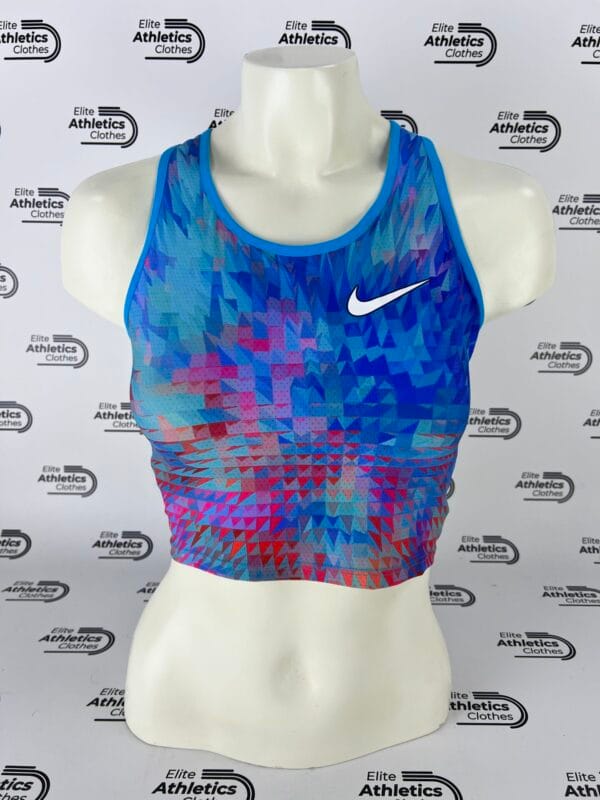 From this chapter · in the archiveNike Pro Elite Team 2017 Women Crop TopRace-issue from the 2017 cycle — the season the first professional running team launched and Breaking2 went to Monza.150,00 €View piece →
The Two-Hour Project (2017–2019)
On 6 May 2017, on the Monza motor circuit, Eliud Kipchoge ran a marathon in 2:00:25 — Breaking2, Nike's laboratory attempt at the two-hour barrier. It missed by 25 seconds and changed the sport anyway: the shoes, the fabrics and the pacing science built for it defined the next decade of distance running.
The official record came at Berlin on 16 September 2018: 2:01:39, taking 78 seconds off the previous mark — the largest single improvement in the modern era. And on 12 October 2019 in Vienna, at the INEOS 1:59 Challenge, Kipchoge covered the distance in 1:59:40. It was an exhibition, ineligible for ratification — and it remains the moment the two-hour marathon stopped being theoretical. He lowered his official record again in Berlin 2022, to 2:01:09.
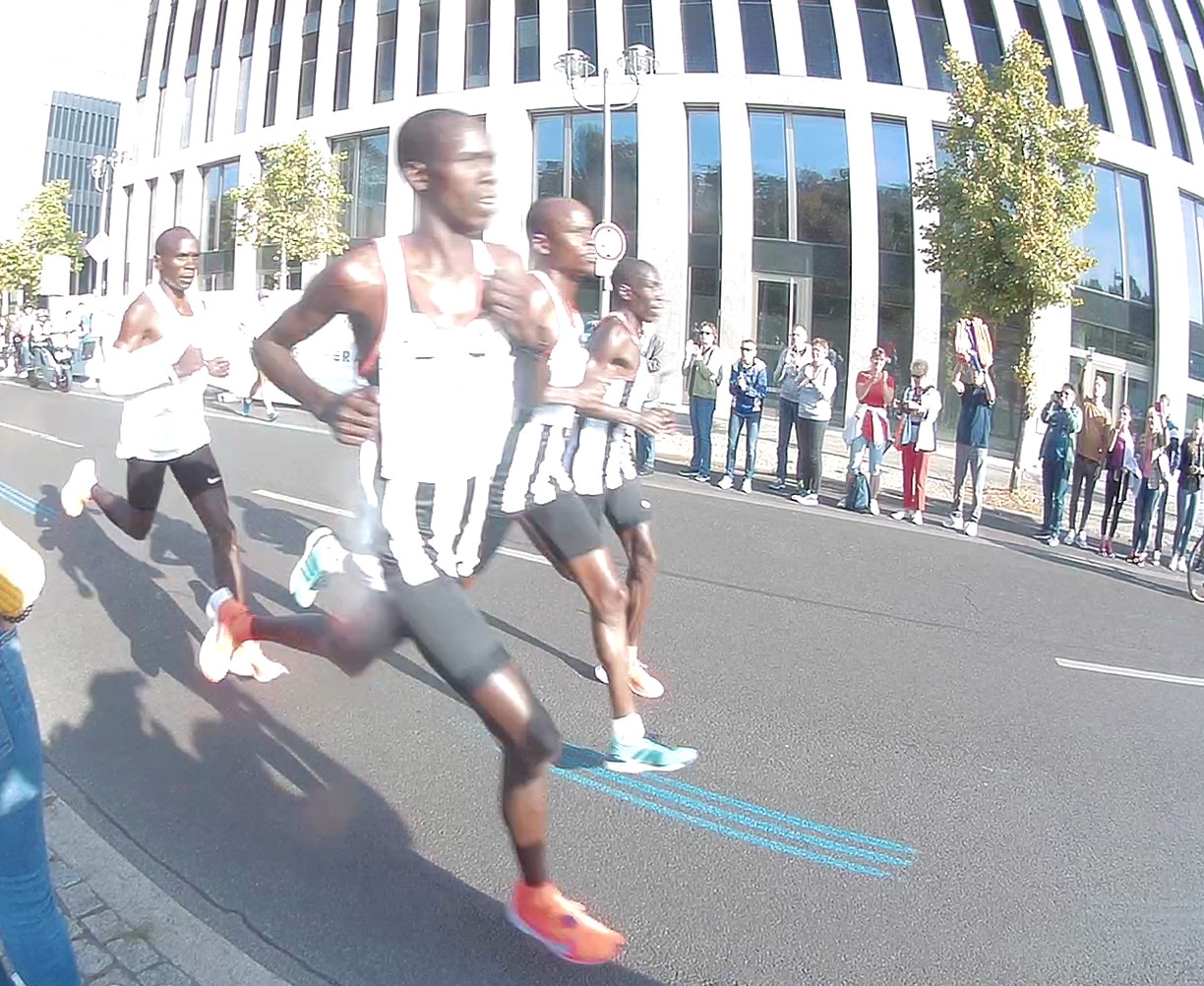
The record has since moved on — Kelvin Kiptum ran 2:00:35 in Chicago in 2023 before his death in a road accident in February 2024, aged 24, and Sabastian Sawe ran the first ratified sub-two, 1:59:30, in London in April 2026. But the door they walked through was opened between 2017 and 2019, by a runner in Nike race kit.
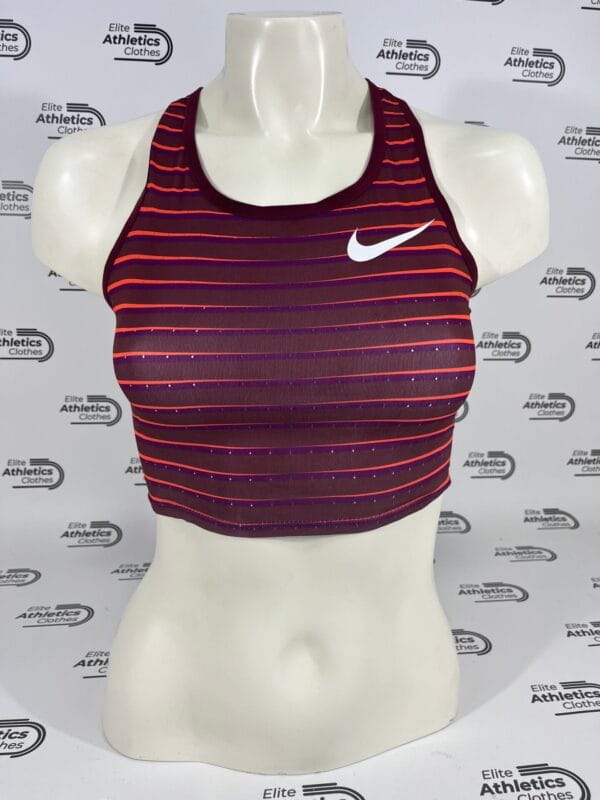 From this chapter · in the archiveNike Pro Elite 2022 Women Distance Crop TopDistance issue from the 2022 cycle — the generation on the road when Kipchoge lowered his official record to 2:01:09 in Berlin.150,00 €View piece →
Kit Cycles, Year by Year (2009→)
Pro Elite is issued in cycles, one generation per season, and each cycle is defined by what Nike's own athletes did in it. The clearest example is 2019: the kit Nike issued that season sat on three world records and the 1:59:40 of Vienna in eleven autumn weeks. We wrote a dedicated deep-dive on that season: Nike Pro Elite 2019: the autumn of 1:59:40.
The pattern repeats every season. The 2020/21 cycle is the one Cheptegei's records were run in, 2022 the year of 2:01:09, 2023 Kipyegon's 49 days, 2024 the cycle of 28:54.14 and 3:49.04. For a collector this is the single most useful fact about Pro Elite: the year is the identity. Date the kit and you have dated the records it was run in. What the Nike-dressed federations did at the championships of each year is a different contract, told in our country pages.
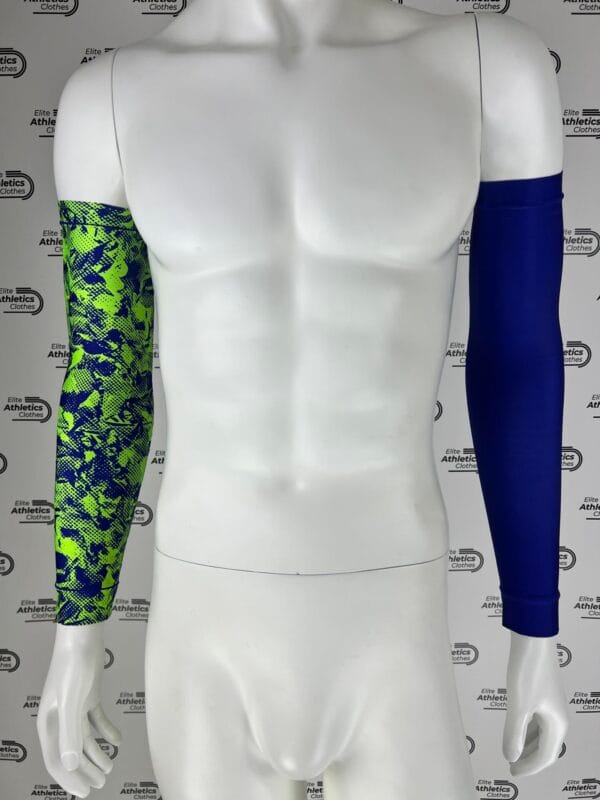 From this chapter · in the archiveNike Pro Elite Team 2019 Arm SleevesRace-issue from the 2019 cycle itself — the generation of the autumn of 1:59:40.200,00 €View piece →
Anatomy of a Pro Elite Kit
A full athlete allocation is a system, not a single garment. Distance runners and sprinters draw different pieces from the same cycle; women's racing kit has its own set of silhouettes; and around the racing layer sits an outer layer of podium and warm-up garments that most spectators never register as athlete-issue.
The centre of the range. Loose enough to breathe over 26.2 miles, light enough to forget. Kipchoge's world records were run in this silhouette.
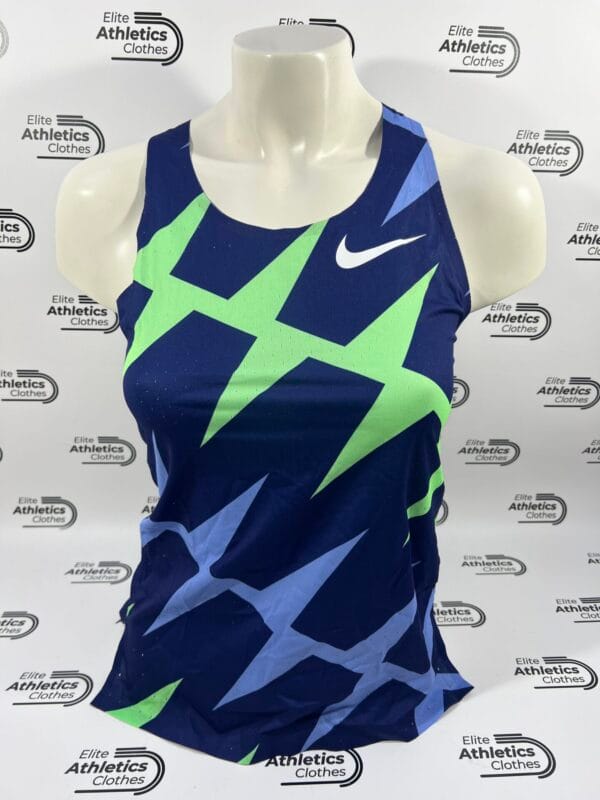 Nike Pro Elite 2020/2021 Women Distance Singlet150,00 €View piece →
One piece, zero flap. Built for sprints and championship finals where hundredths decide medals. The rarest garment in any cycle.
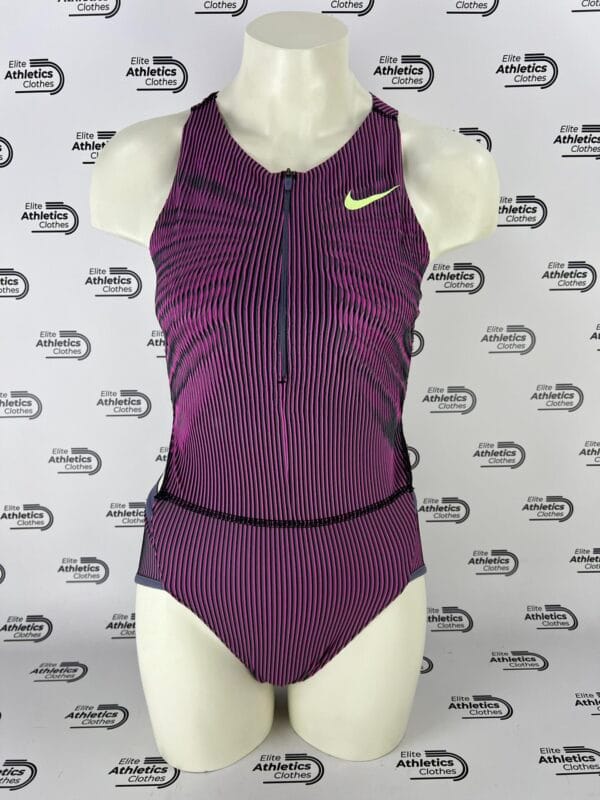 Nike Pro Elite 2024 Women SpeedsuitSold out · check back soonView piece →
The women's racing standard since the nineties: minimal coverage, maximal stride freedom, Dri-FIT against the skin.
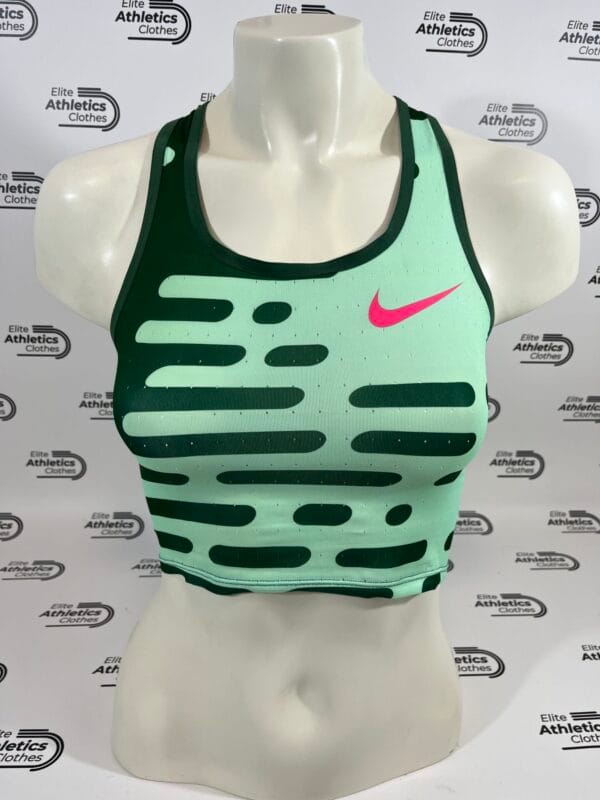 Nike Pro Elite 2023 Women Distance Crop Top150,00 €View piece →
Issued for cold championship evenings and warm-up laps. Because they were worn once and binned, surviving pairs are scarce.
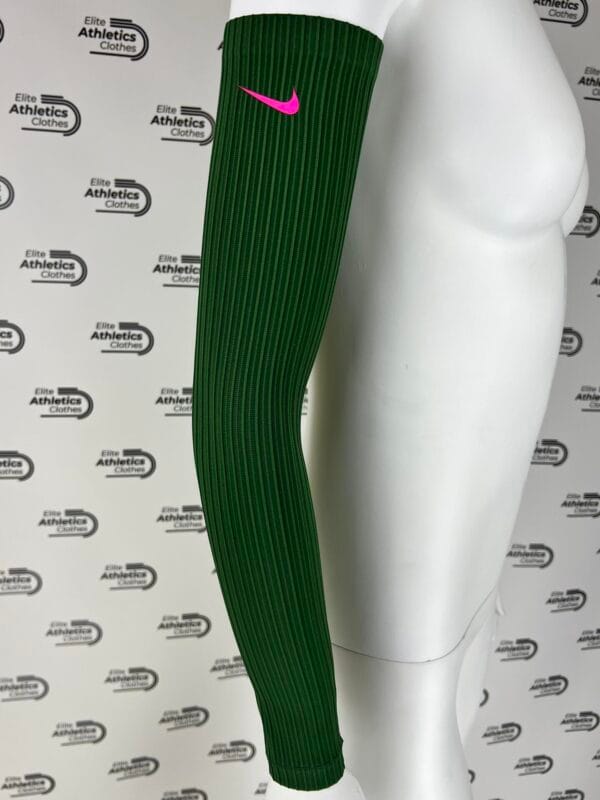 Nike Pro Elite 2023 Women Arm Sleeves180,00 €View piece →
Split shorts for distance, booty and long tights for sprint power. Cut tighter and lighter than anything on a shop rail.
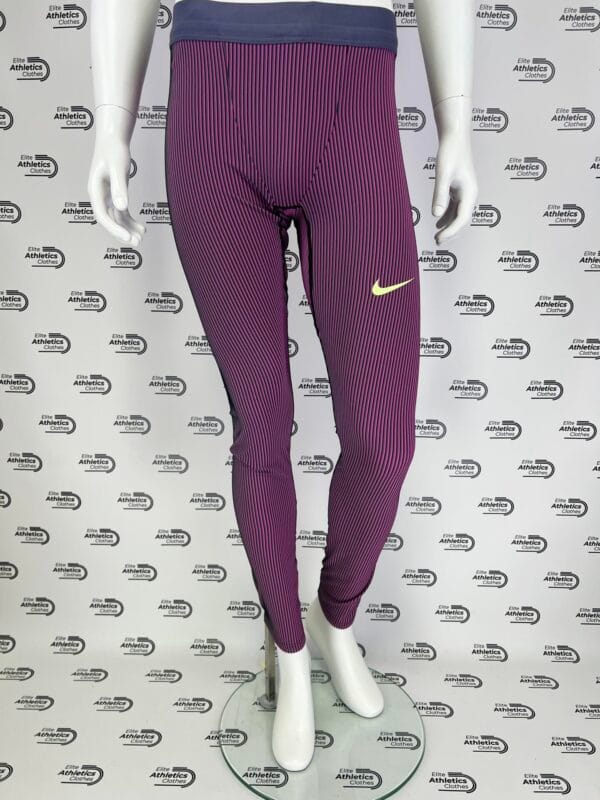 Nike Pro Elite Team 2024 Long Tights150,00 €View piece →
Tees, polos, half-zips and jackets worn on podiums and in call rooms. The most wearable entry point into athlete-issue collecting.
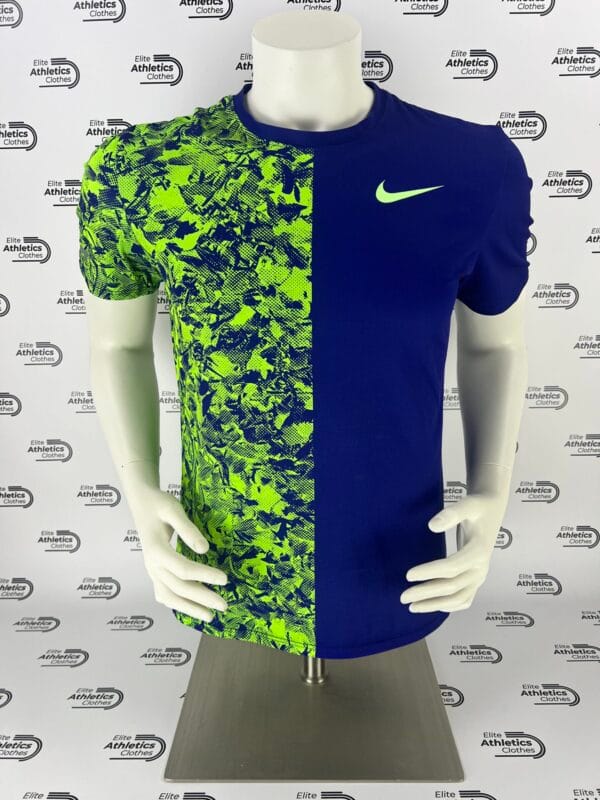 Nike Pro Elite Team 2019 T-Shirt250,00 €View piece →
Athlete-Issue vs Retail: How to Tell
Because Pro Elite never hits shops, fakes and mislabelled retail pieces fill the vacuum. The reliable tells are structural. Athlete-issue kit is cut for racing bodies — tighter, shorter, lighter than any retail equivalent. Fabric weight is lower than anything sold in stores. Print is part of the construction, not an afterthought. And supply is the giveaway in reverse: if a “Pro Elite” listing exists in every size and unlimited quantity, it is not Pro Elite.
We keep a full, photo-by-photo checklist in our authentication guide: real vs fake Pro Elite — sizing tags, era-correct labels, stitch patterns and the specific details counterfeiters miss. Every piece in our own archive passes that checklist before it is listed.
The Pro Elite Cycles, Year by Year (2009–2025)
The year is the identity: date a Pro Elite piece and you have dated the season it was run in. Below, the cycles held in our archive: how each generation looked, the season it was built for, and pieces from that season still in the collection. Sold-out pieces stay listed — a closed cycle only shrinks.
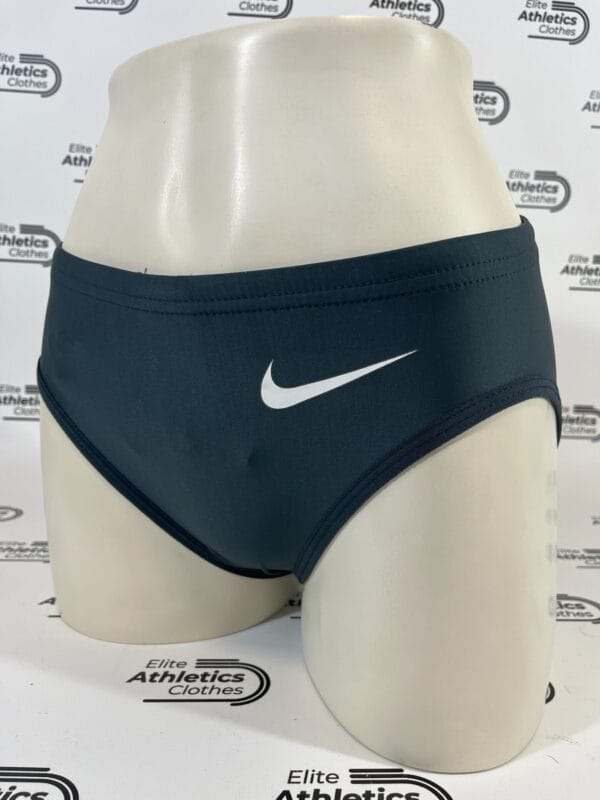
Graphite on anthracite: matt grey half tights and briefs with a plain white Swoosh. Pure function, from an era when Pro Elite was a rumour even among collectors. Read the full 2009 story →
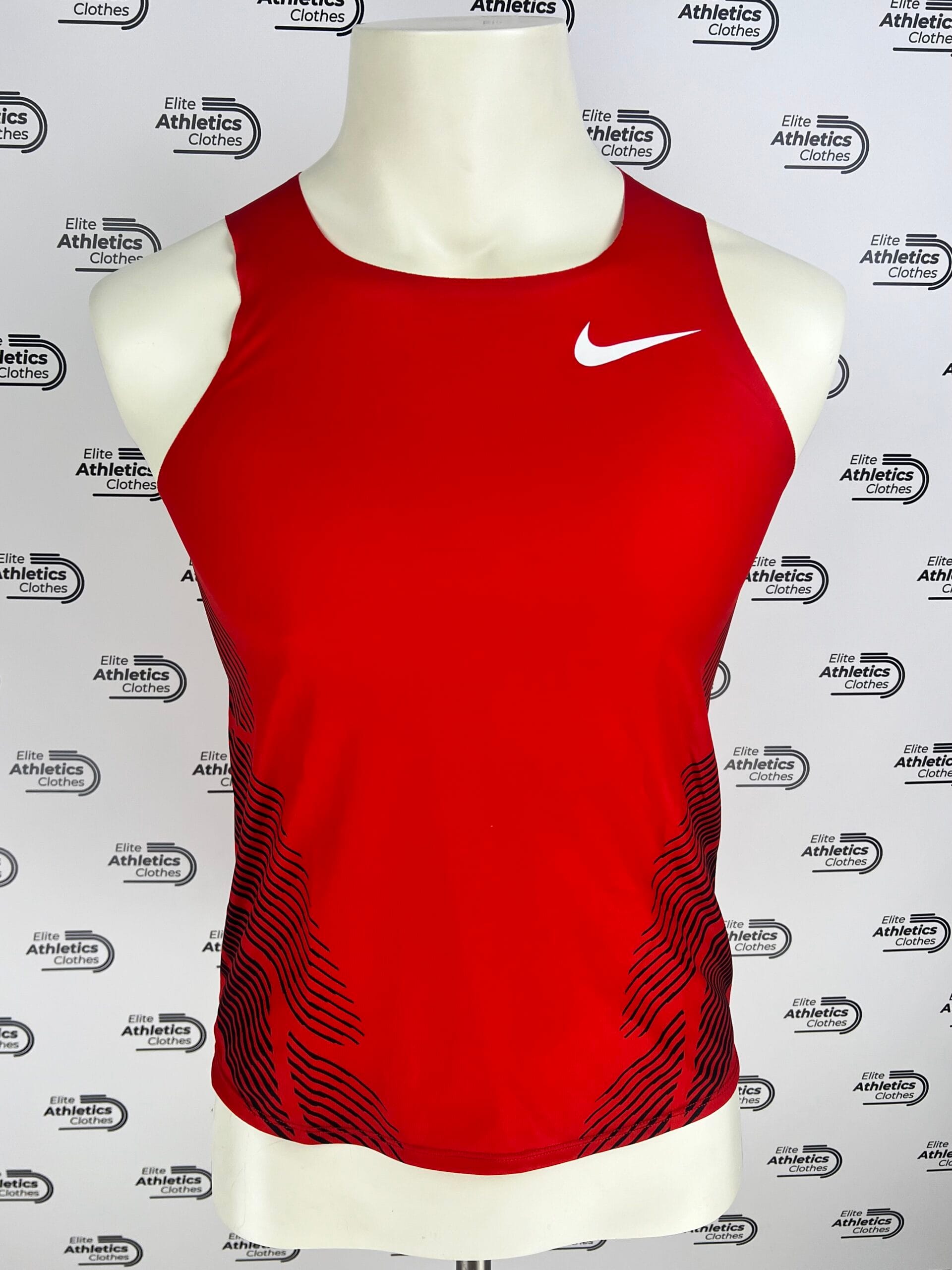
Bright red with a black speed-line graphic sweeping the hip and side seam, a white Swoosh on the chest and a mesh racerback — the last quiet Nike issue before the Volt collection of the London season. Read the full 2011 story →
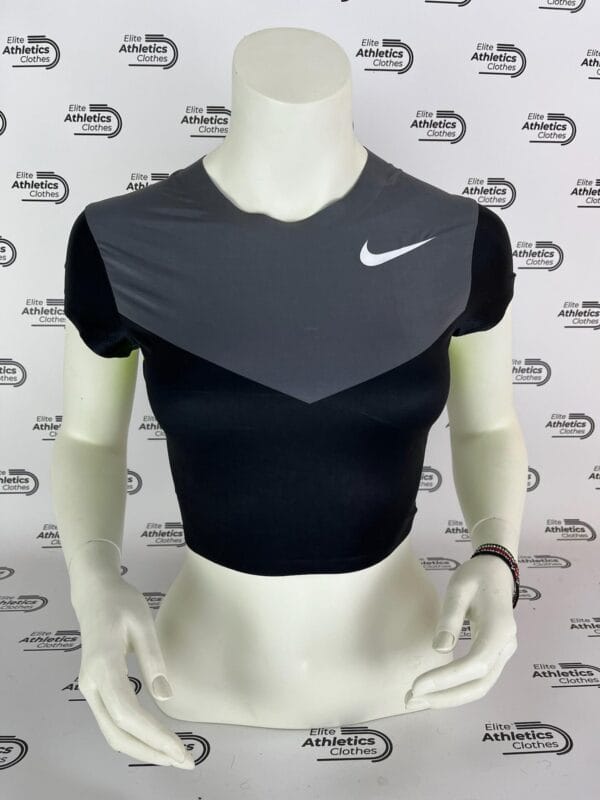
Black with slate-grey chest panels cut on a chevron line and volt flashes at the seams — the silhouette of the London Games years. Read the full 2012 story →
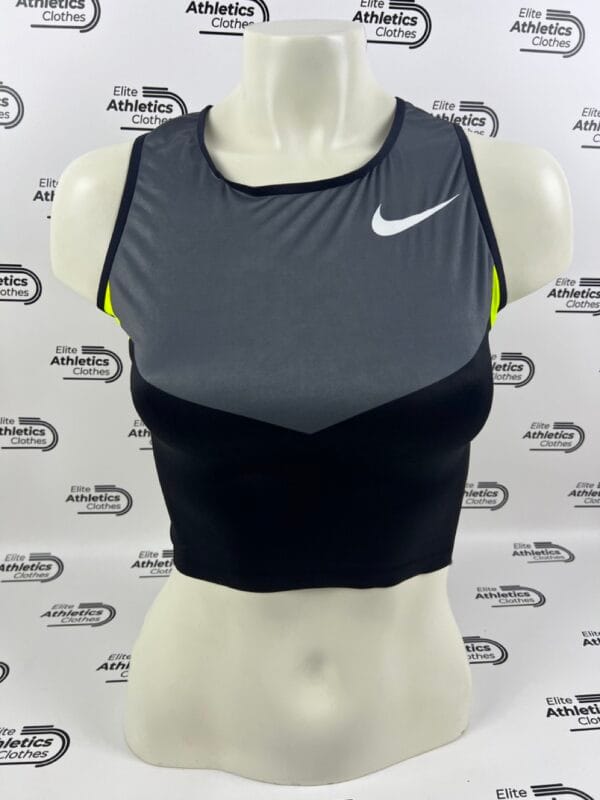
Four seasons of experiments on the way to the super era: honeycomb-print plum crops, textured red knits, laser-perforated black AeroSwift shorts with volt Swooshes, and the royal shorts and tie-dye crop of the Breaking2 season. Read the full 2014–17 story →
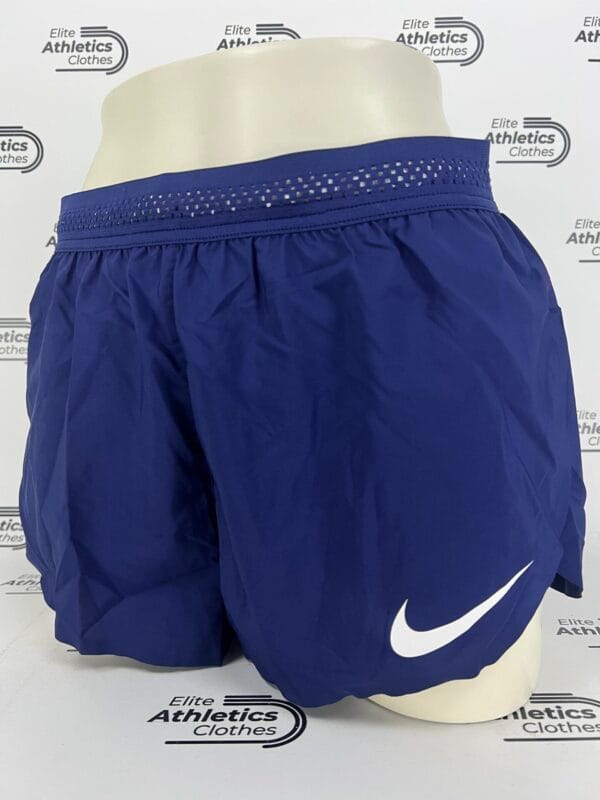 Nike Pro Elite Team 2017 Women Running Shorts120,00 €View Piece →Nike Pro Elite Team 2017 Women Crop Top150,00 €View Piece →
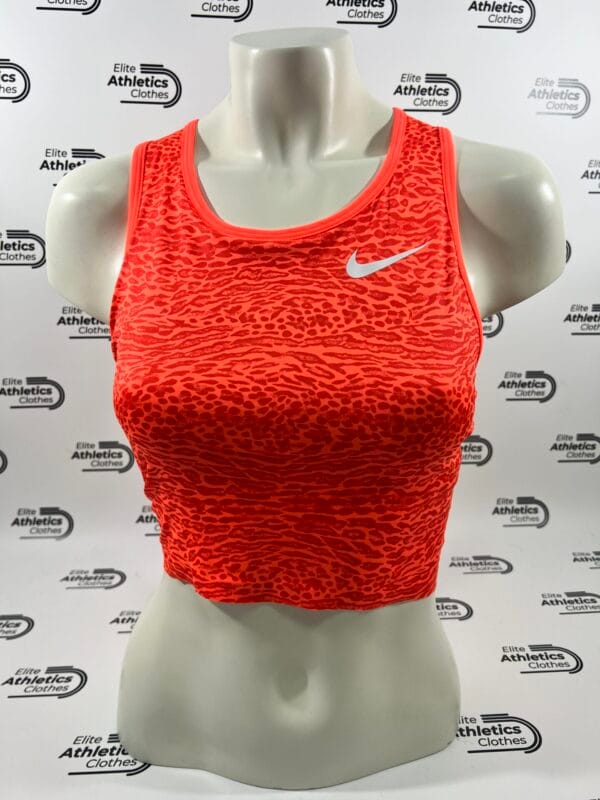 Nike Pro Elite 2015 Women Crop Top100,00 €View Piece →
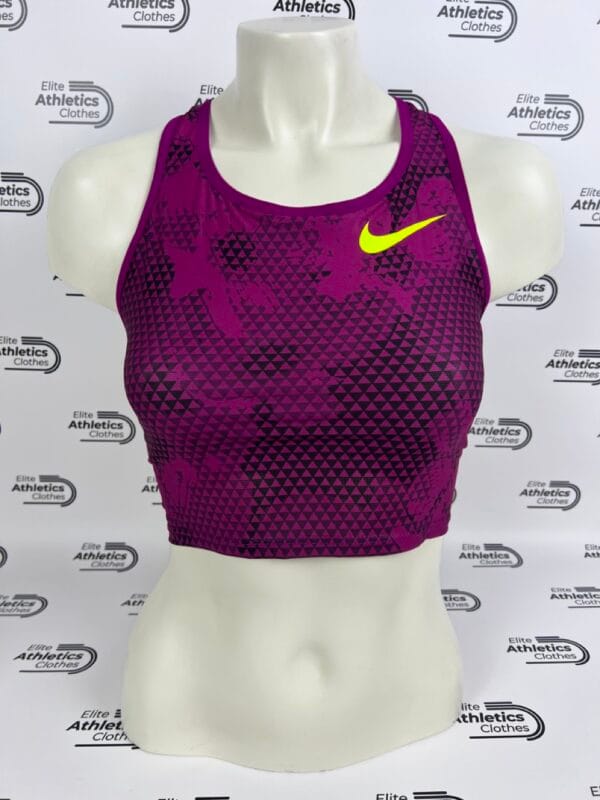 Nike Pro Elite 2014 Women Crop Top100,00 €View Piece →
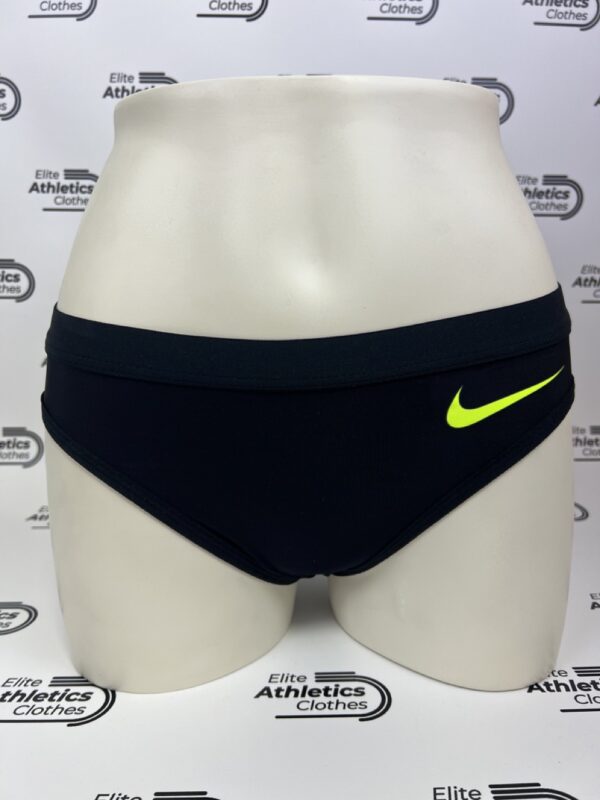 Nike Pro Elite 2016 Women Competition Briefs80,00 €View Piece →
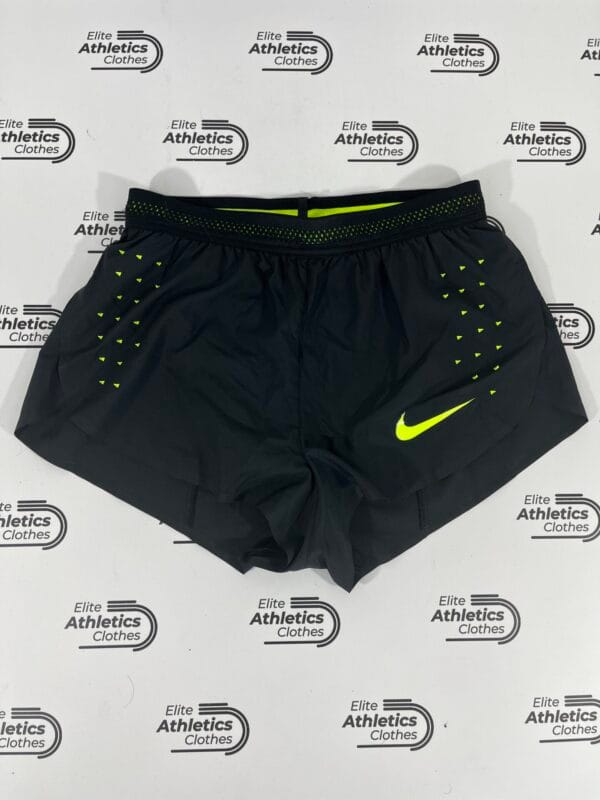 Nike Pro Elite 2016 Running ShortsSold out · check back soonView Piece →
Royal blue cut with volt-green digital shatter camo: split-print singlets, geometric-stripe women's speedsuits and matching arm sleeves — the generation of the autumn of 1:59:40 — three world records on the roads in eleven weeks. Read the full 2019 story →
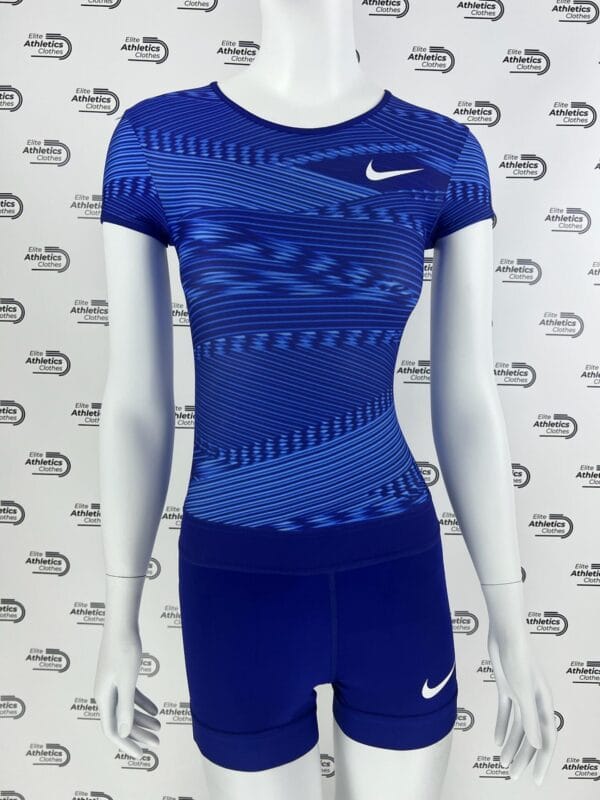
Shattered-glass geometry: royal blue broken by mint-green and sky-blue shard prints across crops and singlets, with a plain royal windbreaker over the top. Read the full 2020/21 story →
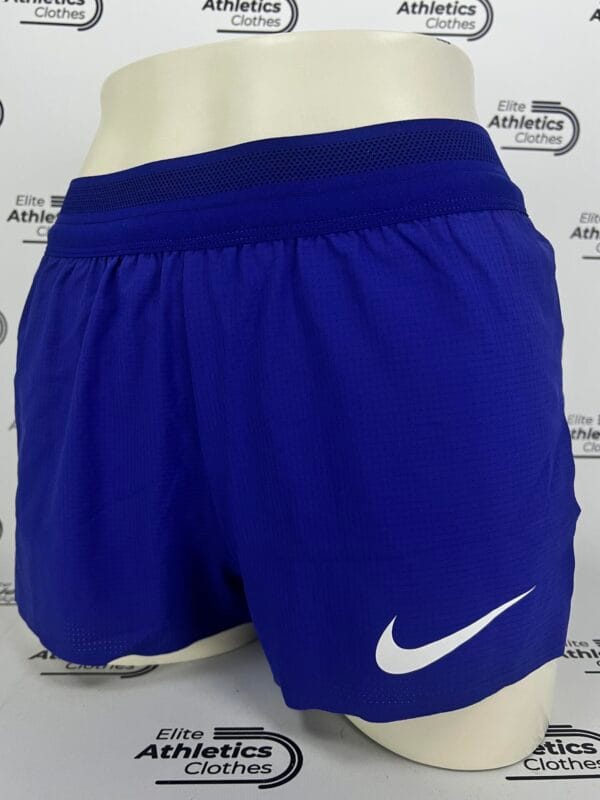 Nike Pro Elite Team 2020/2021 Women Running Shorts120,00 €View Piece →
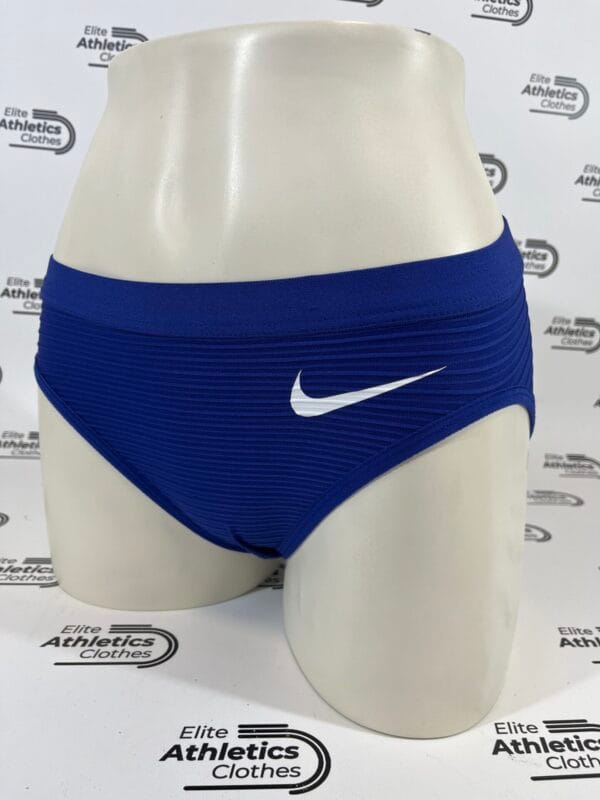 Nike Pro Elite 2021 Women Competition Briefs120,00 €View Piece →
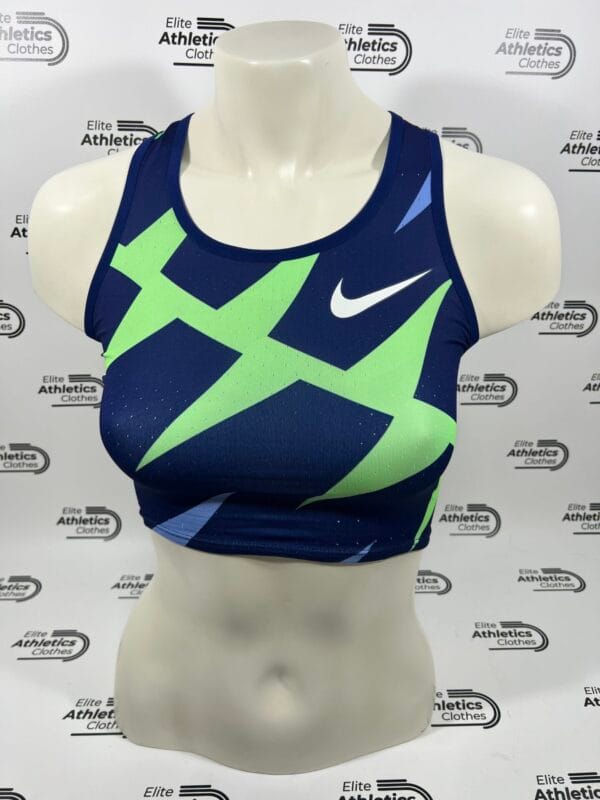 Nike Pro Elite 2020/2021 Women Distance Crop Top120,00 €View Piece →Nike Pro Elite 2020/2021 Women Distance Singlet150,00 €View Piece →
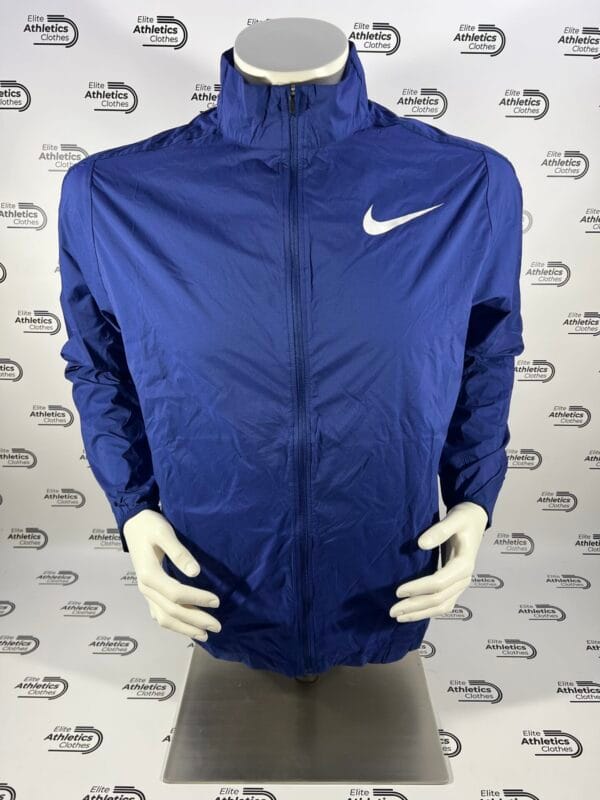 Nike Pro Elite 2020/2021 Lightweight JacketSold out · check back soonView Piece →
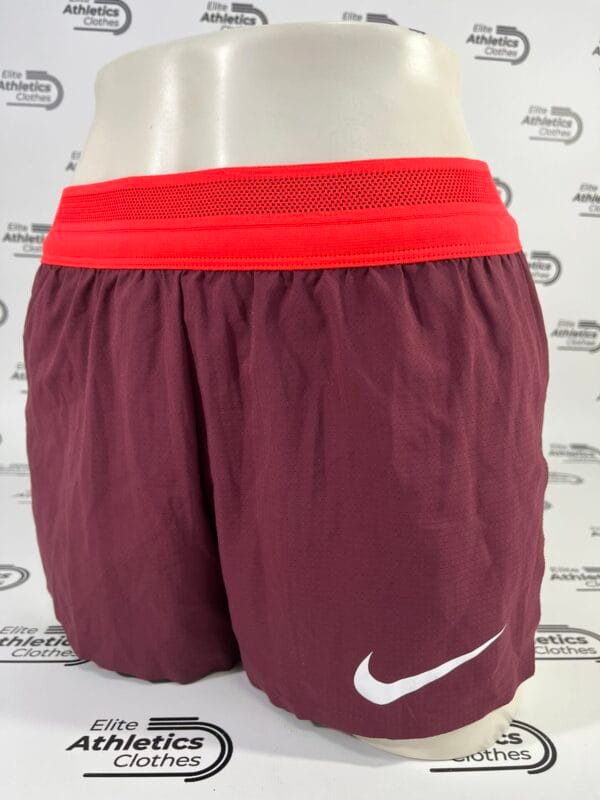
Burgundy and maroon with a bright-red waistband and sheer-stripe knit crops — the quietest palette of the modern cycles, the year Kipchoge ran 2:01:09. Read the full 2022 story →
Forest green and mint in two-tone pairs with shocking-pink Swooshes: slot-knit crops, calf sleeves in both colourways and a deep-green parka over it all. Read the full 2023 story →
Nike Pro Elite 2023 Women Arm Sleeves180,00 €View Piece →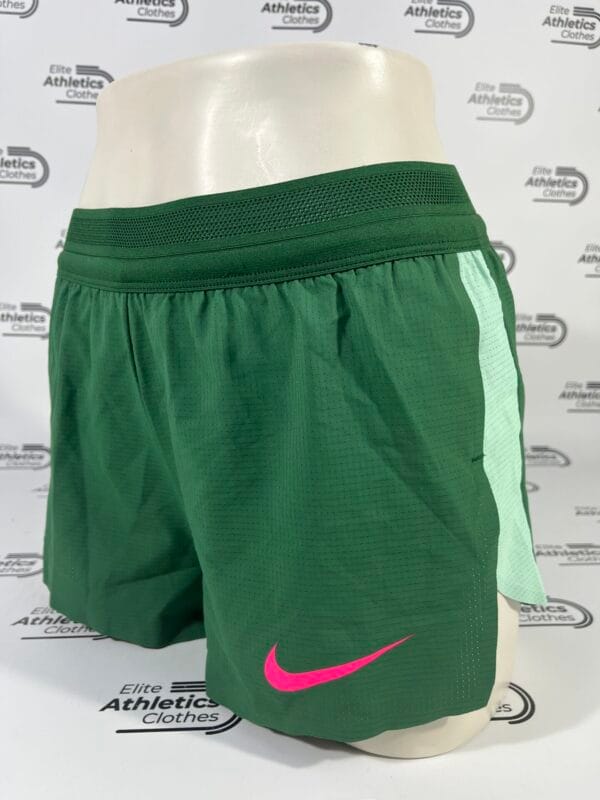 Nike Pro Elite 2023 Women Running Shorts150,00 €View Piece →
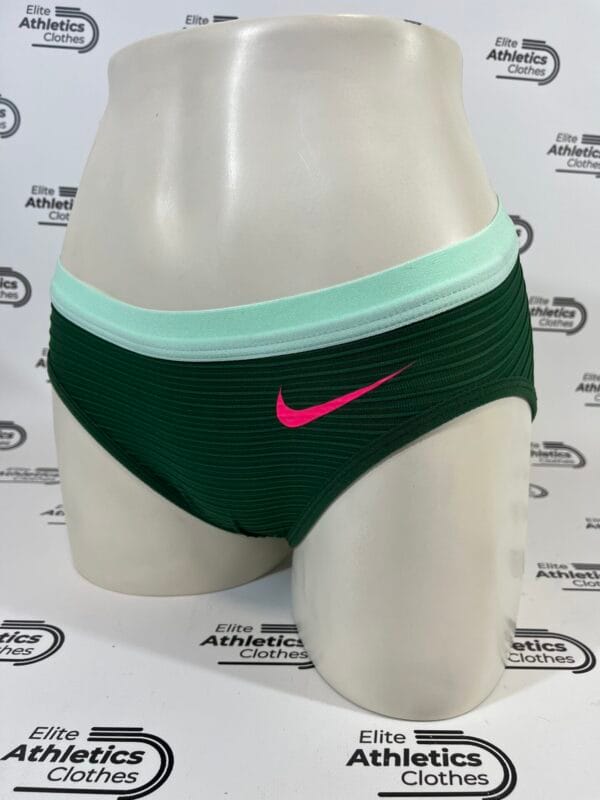 Nike Pro Elite 2023 Women Competition Briefs140,00 €View Piece →
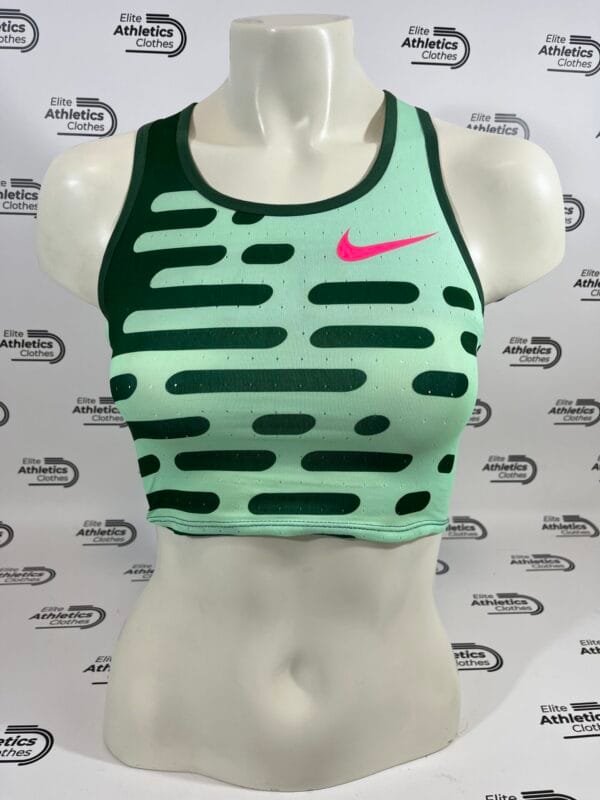 Nike Pro Elite 2023 Women Crop Top220,00 €View Piece →Nike Pro Elite 2023 Women Distance Crop Top150,00 €View Piece →
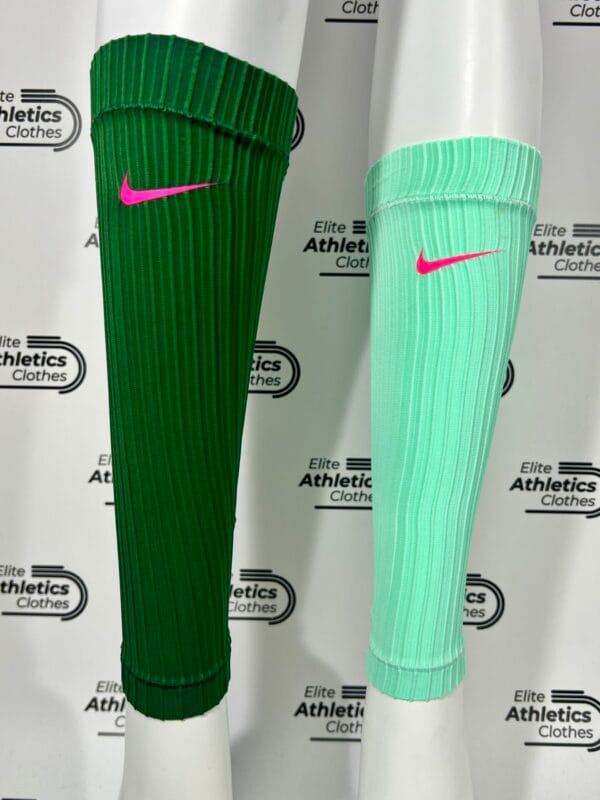 Nike Pro Elite 2023 Women Calf Warmers100,00 €View Piece →
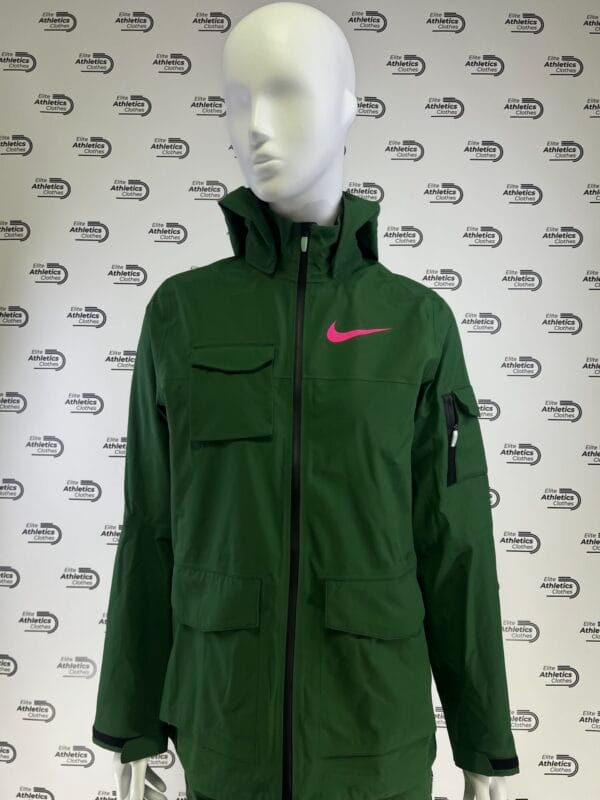 Nike Pro Elite 2023 Women Storm Fit TracksuitSold out · check back soonView Piece →
Dusk blue, plum and berry: ribbed tights and briefs with contrast waistbands, volt accents, a mint AeroSwift visor and the berry zip speedsuit — the cycle of Chebet's 28:54.14 in Eugene and Kipyegon's 3:49.04 in Paris. Read the full 2024 story →
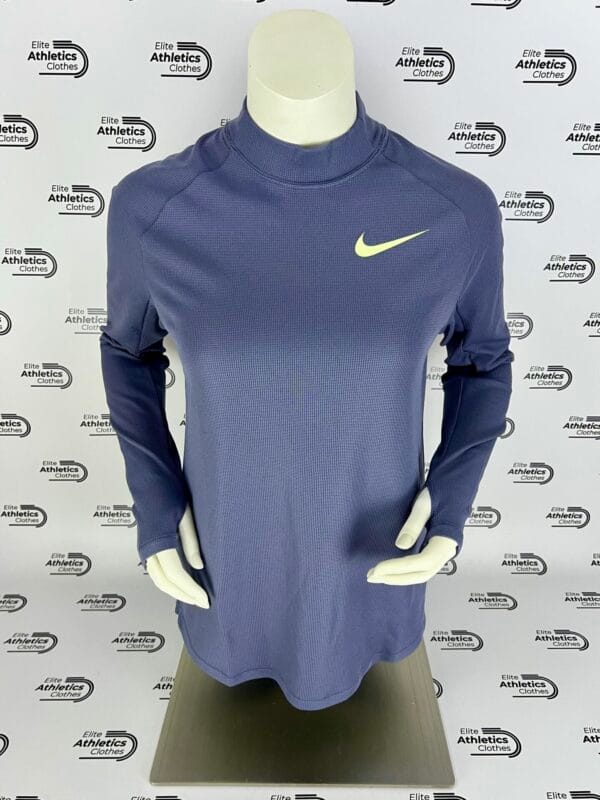 Nike Pro Elite Team 2024 Women Long Sleeves Shirt180,00 €View Piece →Nike Pro Elite Team 2024 Long Tights150,00 €View Piece →
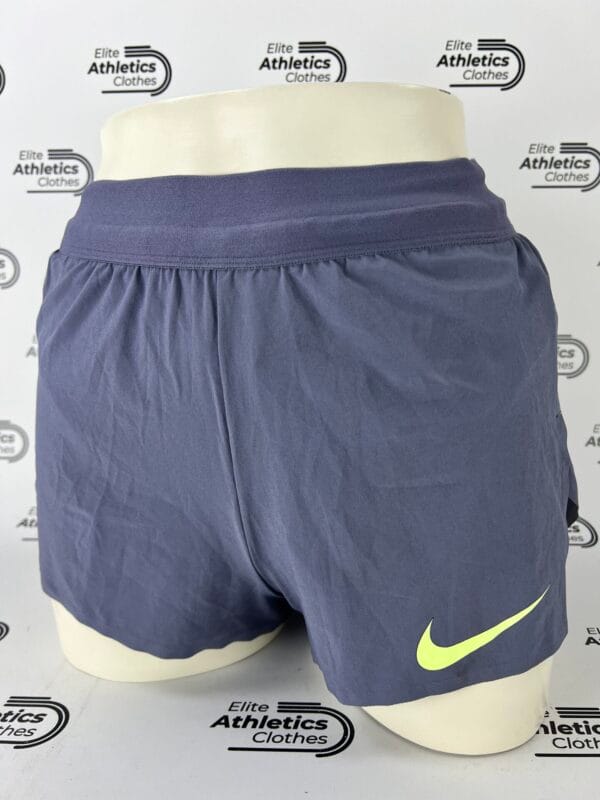 Nike Pro Elite Team 2024 Women Running Shorts140,00 €View Piece →
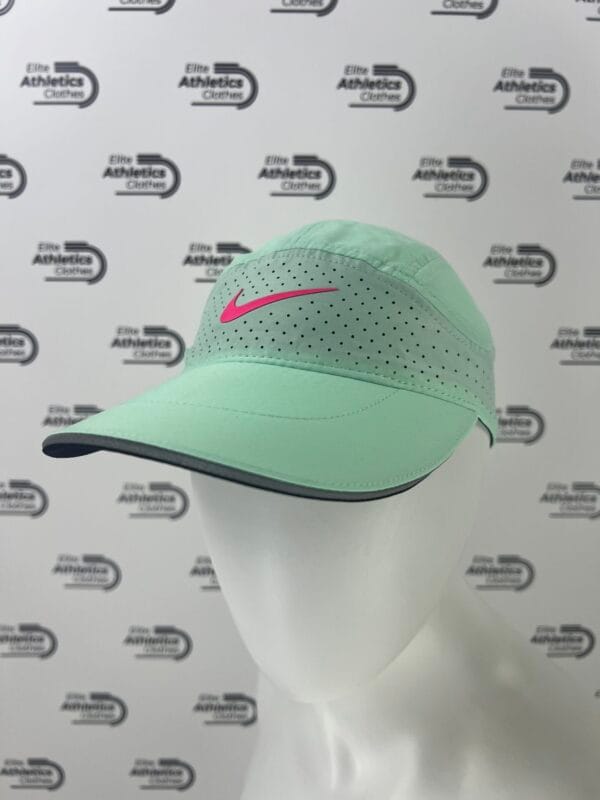 Nike Pro Elite 2024 Teal Tailwind Cap120,00 €View Piece →
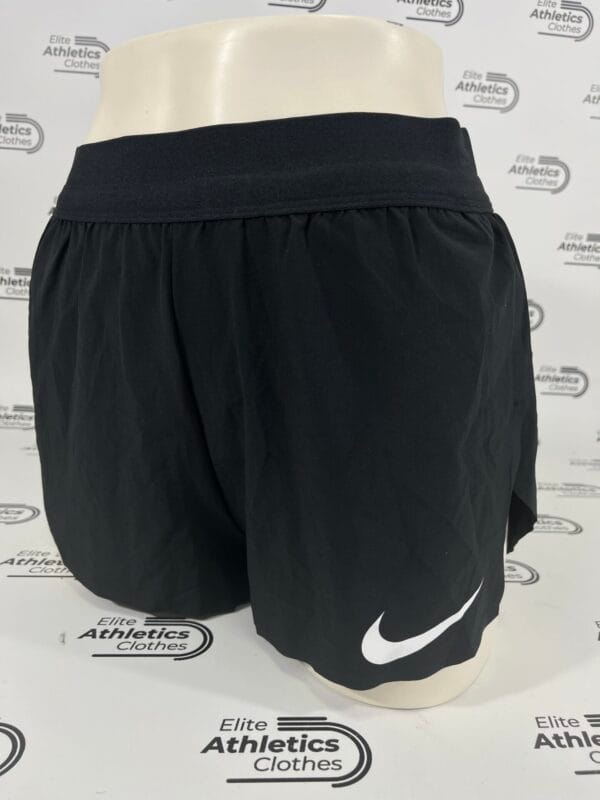 Nike Pro Elite 2024 Women Running Shorts160,00 €View Piece →
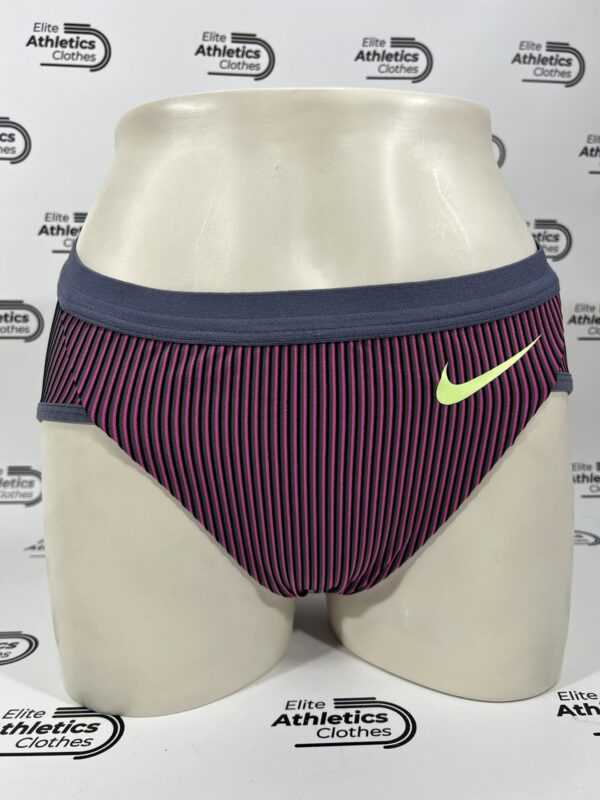 Nike Pro Elite 2024 Women Competition Briefs120,00 €View Piece →
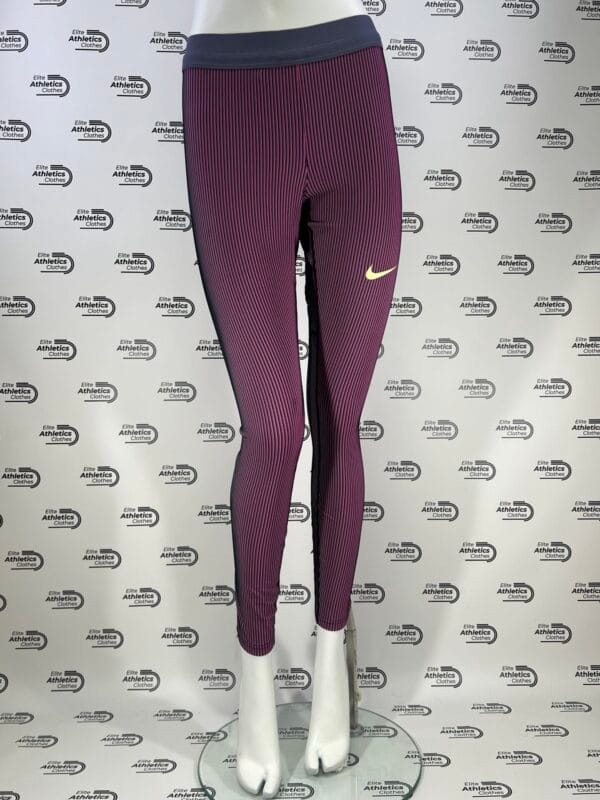 Nike Pro Elite 2024 Women Long TightsSold out · check back soonView Piece →Nike Pro Elite 2024 Women SpeedsuitSold out · check back soonView Piece →
The newest arrival: navy knit racing shorts with a red Swoosh — the first piece of the current generation to escape the athlete channel. Read the full 2025 story →
The Pro Elite Cycles in Our Archive (2009–2025)
Elite Athletics Clothes holds one of the larger Pro Elite archives in Europe: 48 pieces across the Nike Pro Elite Team collection as of September 2026, spanning thirteen kit cycles from 2009 to 2025. Singlets, speedsuits, crop tops, briefs, sleeves, caps and warm-up layers — each one race-issued, authenticated, and gone for good when it sells, because the supply of a closed cycle can only shrink.
The pieces below are the current highlights of the collection. Stock rotates: what is here today is what has surfaced from the athlete channel, not a catalogue that restocks.
The Nike Pro Elite Collection
The eight most recent race-issued pieces to reach the archive, from kit cycles between 2009 and 2025. Every piece left the athlete channel once and will not be restocked — the newest arrivals surface here first, and when one sells it is gone for good.
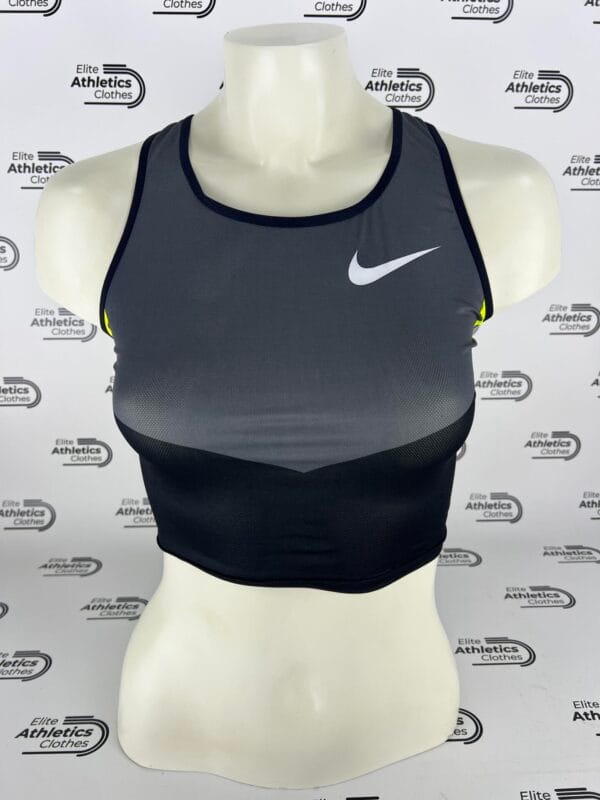 Nike Pro Elite 2012 Women Distance Crop Top80,00 €View Piece →
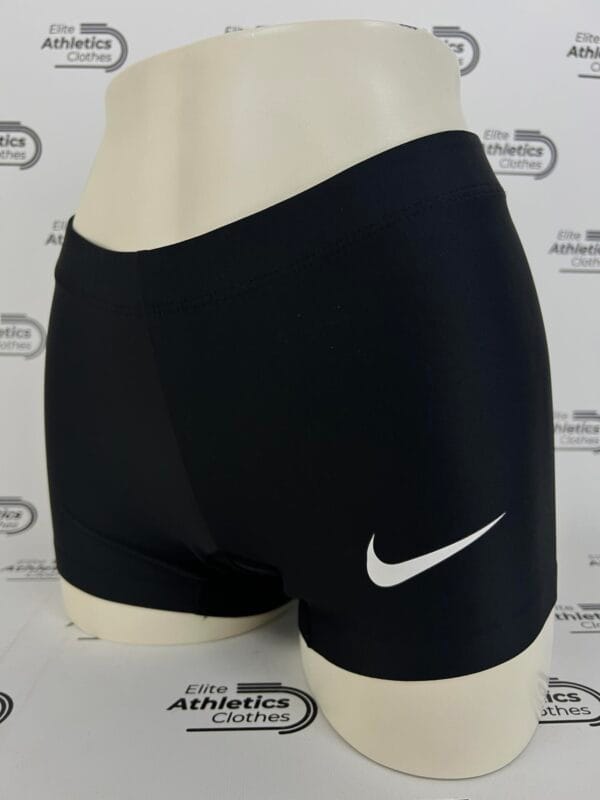 Nike Pro Elite Team 2012 Women Booty Short Tights80,00 €View Piece →
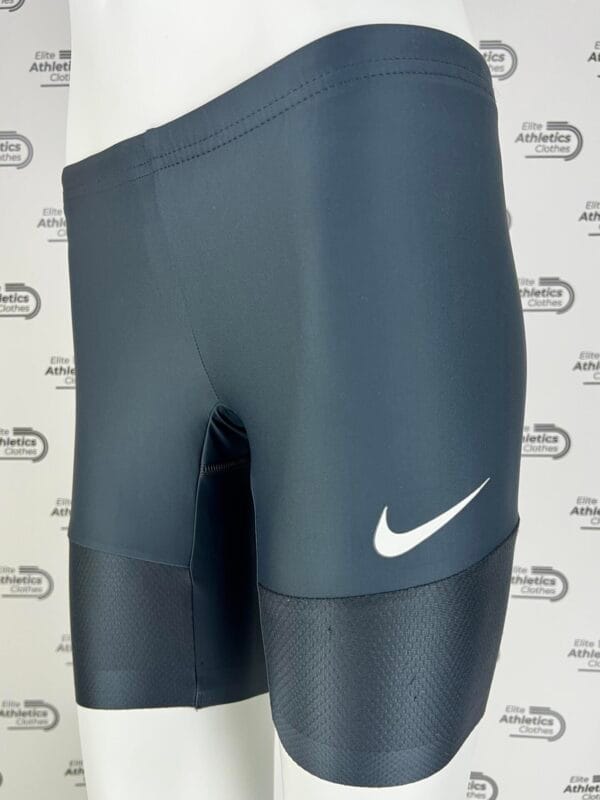 Nike Pro Elite Team 2009 Women Short Tights80,00 €View Piece →Nike Pro Elite Team 2017 Women Running Shorts120,00 €View Piece →Nike Pro Elite Team 2020/2021 Women Running Shorts120,00 €View Piece →
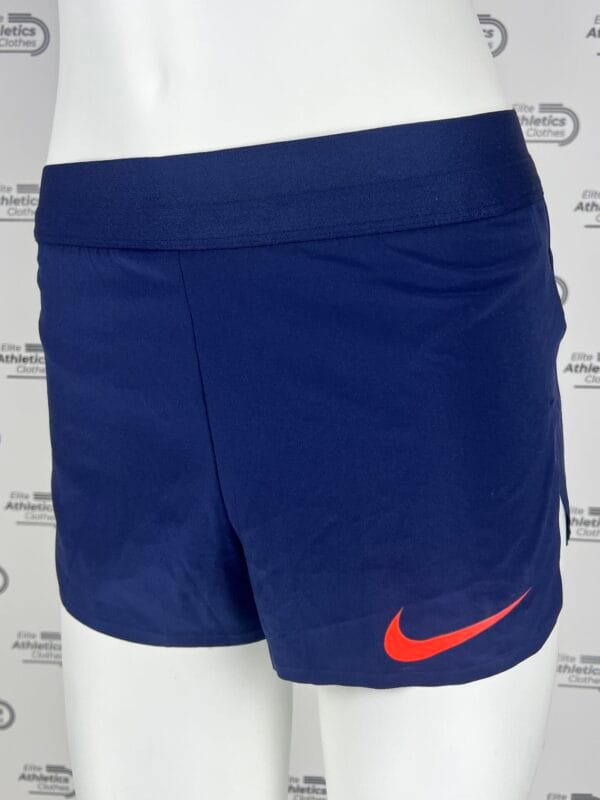 Nike Pro Elite Team 2025 Women Running Shorts200,00 €View Piece →Nike Pro Elite 2023 Women Arm Sleeves180,00 €View Piece →Nike Pro Elite Team 2024 Women Long Sleeves Shirt180,00 €View Piece →
What does Nike Pro Elite mean?
Pro Elite is Nike's competition line for contracted professional athletes and national federations. It is issued through the athlete channel — USATF, Athletics Kenya, individual Nike contracts — and is not sold at retail in any market. Nike's team- and club-branded kit (NN Running Team, sponsored clubs) is a separate family of issues.
Is Nike Pro Elite the same as Nike Pro?
No. Nike Pro is the retail compression and baselayer range available in any sports shop. Pro Elite is athlete-issue race kit that never reaches shops. The shared word is the only overlap.
Can you buy Nike Pro Elite kit anywhere?
Not new. The only Pro Elite in circulation is kit that left the athlete channel: spares, athlete gifts and team clear-outs. Specialist archives like ours authenticate and resell those pieces — when a piece sells, there is no restock.
Who gets issued Nike Pro Elite kit?
Athletes under Nike contract and members of Nike-outfitted national federations. USA Track & Field has raced in Nike since 1991 under a deal signed through 2040; Athletics Kenya since 1993, currently to 2028. Team- and club-branded Nike lines — NN Running Team or club kit — are separate issues, distinct from Pro Elite proper.
What kit did Eliud Kipchoge wear for his marathon records?
Nike race kit throughout: the official world records in Berlin 2018 (2:01:39) and Berlin 2022 (2:01:09), the Breaking2 run at Monza in 2017 (2:00:25) and the 1:59:40 INEOS exhibition in Vienna in 2019 were all run in Nike competition kit, as a member of the Nike-outfitted NN Running Team.
How do I know a Pro Elite piece is authentic?
Check construction, not logos: race-cut proportions, competition-weight fabric, era-correct labels and limited supply. Our step-by-step authentication guide covers the specific tells — every piece in the Elite Athletics Clothes archive is verified against it before listing.
What Nike Pro Elite pieces does Elite Athletics Clothes carry?
A rotating archive of 48 race-issued pieces spanning the 2009 to 2025 kit cycles — singlets, speedsuits, crop tops, briefs, arm sleeves, caps and warm-up layers. Stock is whatever has surfaced from the athlete channel, so sold pieces do not return.
Sources and References
- Nike, Inc. — Wikipedia — Blue Ribbon Sports founding (25 Jan 1964) and Nike rename (30 May 1971)
- How Steve Prefontaine Set the Pace for Nike — Nike, Inc. — Prefontaine 1973 stipend, first track endorser
- The Nike Swoosh Logo — Nike, Inc. — Carolyn Davidson, $35 Swoosh commission
- USATF and Nike Sign Sponsorship Deal Through 2040 — LetsRun — April 2014 extension, 2017–2040 term
- Nike extends deal with Team USA — ESPN — Reported $450–500M value; partner since 1991
- NN Running Team — Wikipedia — Founded 2017 by Jos Hermens; Nike apparel partner; dsm-firmenich rename January 2026; 203 wins / 16 WRs (March 2022)
- Ineos 1:59 Challenge — Wikipedia — Vienna, 12 October 2019, 1:59:40, non-ratified
- Kipchoge breaks two-hour barrier in Vienna — World Athletics — Official report of the 1:59:40 run
- Medal Table, Doha 2019 — World Athletics — USA 14 golds, 29 medals
- Nike Apparel Technologies 1990–2024 — Tennis Express — Dri-FIT introduced 1991