Adidas
Pro Elite
The kit adidas issues to its contracted athletes and federations — and never sells. From a laundry room in Bavaria to the first two-hour marathon, via a family feud that split a town in half: this is the longest origin story in athletics.
Athlete-issue adidas competition kit — what collectors call “Adidas Pro Elite” — is made for contracted professionals and national federations, issued for a championship cycle, and never sold at retail. Every genuine piece in circulation escaped the athlete channel.
This is the full history behind that kit: the Dassler brothers' factory and the feud that created adidas and Puma, the stripes bought from Finland for 1,600 euros, Owens and Zátopek, the Berlin marathon era, RHEON, Road to Records — and the April 2026 morning when two adidas runners went under two hours.
Race-issued adidas pieces from the 2013–2025 cycles live in our archive — the largest single-brand collection we hold. Jump to the collection or browse the full Adidas Pro Elite Team category.
- What it is
- adidas athlete-issue competition kit — federation and contract-athlete issue, never retail
- The name
- “Pro Elite” is the collector market's label for athlete-issue kit — adidas itself doesn't use it
- Company roots
- Gebrüder Dassler Schuhfabrik, Herzogenaurach, July 1924; adidas registered 18 Aug 1949
- First giant moment
- Jesse Owens, Berlin 1936 — four golds in Dassler spikes
- The stripes
- Bought from Finland's Karhu in 1952 for about 1,600 euros
- Marathon lineage
- 2:03:59 (2008) → 2:02:57 (2014) → 1:59:30, Sawe, London 2026 — first sub-two in a record-eligible race
- Federations today
- Ethiopia · France · Team GB (Olympic) — while Germany's own federation wears Nike
- In our archive
- 87 athlete-issue pieces across 9 kit cycles, 2013–2025
What “Adidas Pro Elite” Actually Means
The adidas kit in this archive was made for contracted professional athletes and national federations: competition singlets, briefs, sleeves and warm-up layers issued for a championship cycle and never put on a shop rail. adidas itself does not use a “Pro Elite” label — that name comes from the collector market, borrowed from the athlete-issue system it describes. What adidas does have is the thing the name points at: a closed channel of race kit that goes brand → federation or contract athlete → track, and stops there.
You can see the pattern most clearly in the shoes. The Adios Pro Evo 1 won the 2023 Berlin Marathon with 521 pairs on sale worldwide; the Evo 3 won London 2026 in a drop so small that resale passed $3,000 within days. The apparel works the same way, with even smaller numbers and no launch announcement at all. Whatever escapes that channel — a spare issued for a final, an athlete's gift, a team clear-out — is the entire supply. That is what this page collects, and why authentication matters as much here as it does with our Nike Pro Elite archive.
The story behind the kit is longer than any other brand on the start line: it begins in a Bavarian laundry room in the 1920s, splits a family and a town in two, and runs through Owens, Zátopek and the first two-hour marathon.
Timeline data (table)
| Year | Milestone |
|---|---|
| 1924 | Gebrüder Dassler Schuhfabrik |
| 1936 | Owens wins four golds |
| 1948 | PUMA |
| 1949 | adidas |
| 1952 | The stripes & Zátopek |
| 1968 | Mexico City |
| 2008–14 | The Berlin era |
| 2021 | Road to Records |
| 2023 | Adios Pro Evo 1 |
| 2026 | The two-hour wall falls |
A Laundry Room in Herzogenaurach (1924–1936)
Adolf “Adi” Dassler started making sports shoes after the First World War in his mother's laundry room in Herzogenaurach, a small town in Bavaria. In July 1924 his older brother Rudolf joined him and the business became the Gebrüder Dassler Schuhfabrik — the Dassler Brothers Shoe Factory. Adi was the product man: he filed, cut and rebuilt shoes for specific events, and drove to track meets to put them on athletes' feet.
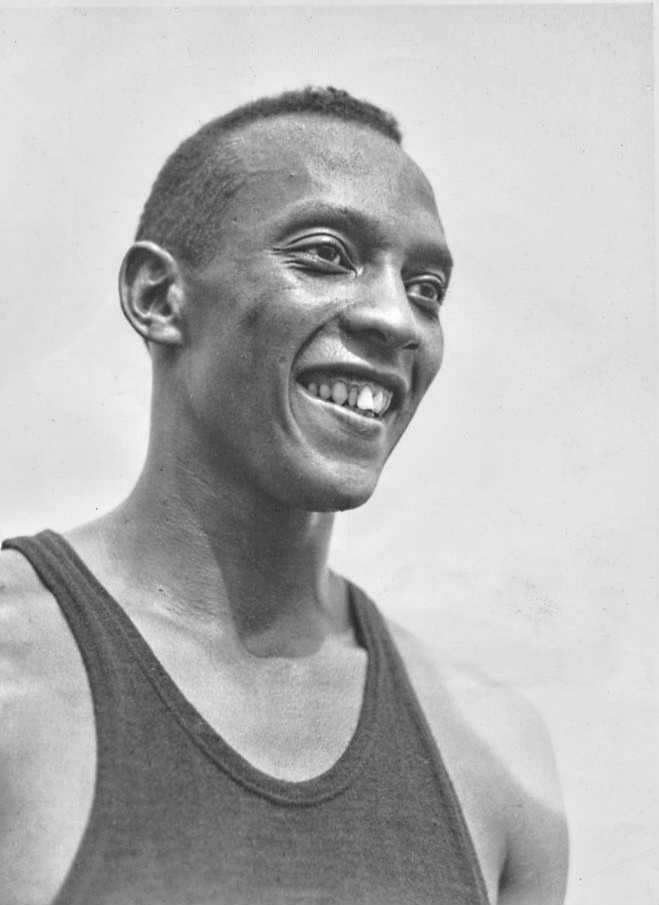
The factory's defining moment came at the 1936 Berlin Games, where Jesse Owens won his four gold medals wearing Dassler spikes — the Olympic Museum in Lausanne still catalogues a Dassler shoe worn by Owens in Berlin. The famous scene of Adi sneaking into the Olympic village to hand him the shoes personally is company legend, told for decades and documented never; the shoes themselves are the verifiable part. The world's fastest man had raced in shoes from a town of a few thousand people, and the brothers' order books filled accordingly.
The Split and the Stripes (1948–1952)
The brothers came out of the Second World War barely speaking, and in 1948 they divided the company. Rudolf crossed the Aurach river and registered his own factory in January 1948 — renamed PUMA that October. Adi stayed, and on 18 August 1949 registered “Adolf Dassler adidas Sportschuhfabrik”, adding the “i” to the form by hand because a children's shoe firm already owned “addas”. Herzogenaurach spent the next half-century as a two-brand town where people checked your shoes before deciding how friendly to be.
The three stripes were not an adidas invention. In 1952 the company bought the mark from Karhu, the Finnish brand whose runners had just worn it at the Helsinki Games — for a sum equivalent to about 1,600 euros (plus, as the much-repeated and never-proven anecdote has it, two bottles of whisky). It may be the cheapest trademark purchase in sport: the stripes went on to appear on every Olympic podium from then to now.
Zátopek, Mexico City and the Spike Decades (1952–1990)
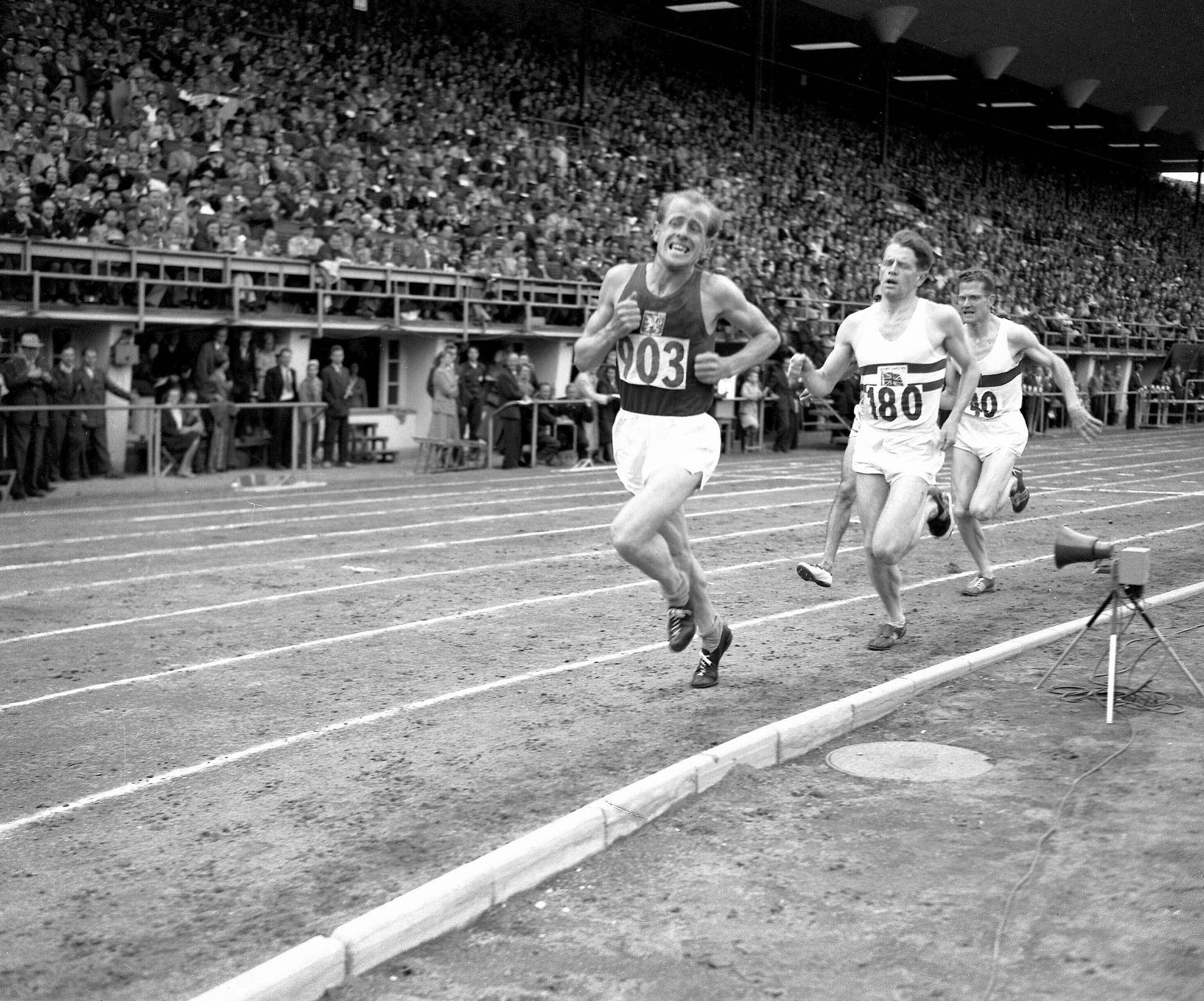
Weeks before the stripes changed hands, Emil Zátopek had given Adi Dassler's shoes the greatest distance-running performance ever seen: gold in the 5,000 m, the 10,000 m and the marathon — his first ever — at the 1952 Helsinki Games. No runner has repeated the triple. The Olympic Museum keeps his Helsinki marathon shoe; the same Games saw Dassler's new removable-spike system used for the first time.
From there the spike business became an arms race the brand mostly won. At Mexico City 1968, Jim Hines took the 100 m gold in adidas — the brand's own accounting claims around 85% of athletes at those Games wore the stripes. Through the 1970s and 80s, adidas track kit dressed federations across Europe and Africa; the vests of that era, cotton then early synthetics, are the ancestors of every athlete-issue piece in our archive. Our Ethiopia and France country archives cover two nations whose athletics history is stitched to the brand.
The Federation Contracts & RHEON (Today)
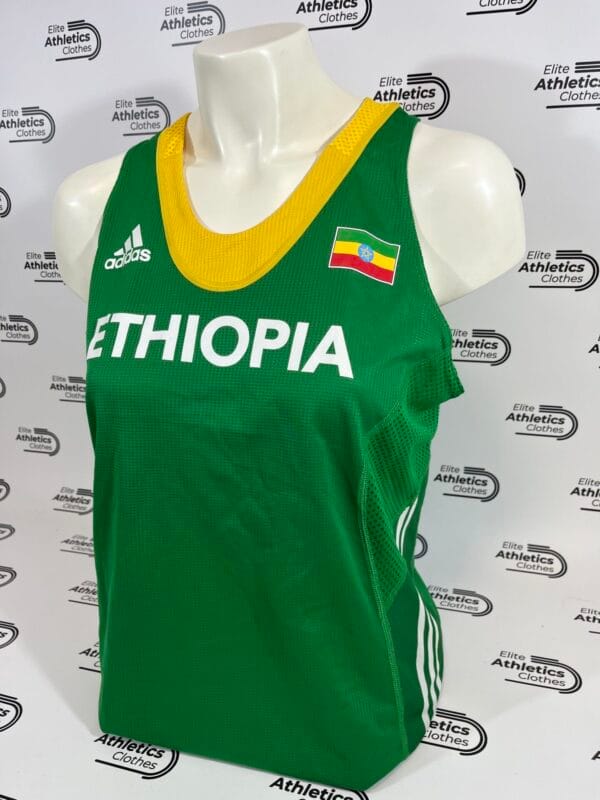
Athlete-issue kit mostly reaches athletes through federation deals, and adidas holds three of the most visible in athletics. Ethiopia's federation has raced in adidas for years — the deal is worth roughly half the federation's annual income — and wore it in Paris 2024. France came back to adidas in 2022 after an eight-year Asics interlude, having previously worn the stripes for about forty years. And while UK Athletics switched its federation deal to Nike in 2014, Team GB at the Olympics is dressed by adidas under the British Olympic Association partnership. The strangest footnote is at home: Germany's own athletics federation has raced in Nike since 2005.
The Paris 2024 cycle brought a genuinely new material into the kit: RHEON, a strain-reactive polymer from London's Rheon Labs that stays soft until sudden deformation stiffens it. adidas built it into the sprint suits of Team GB, France and Ethiopia for Paris — visible as printed panels on legs, back and chest — and into athlete-issue pieces of the same generation. The 2024 RHEON pieces in our archive come from exactly that chapter.
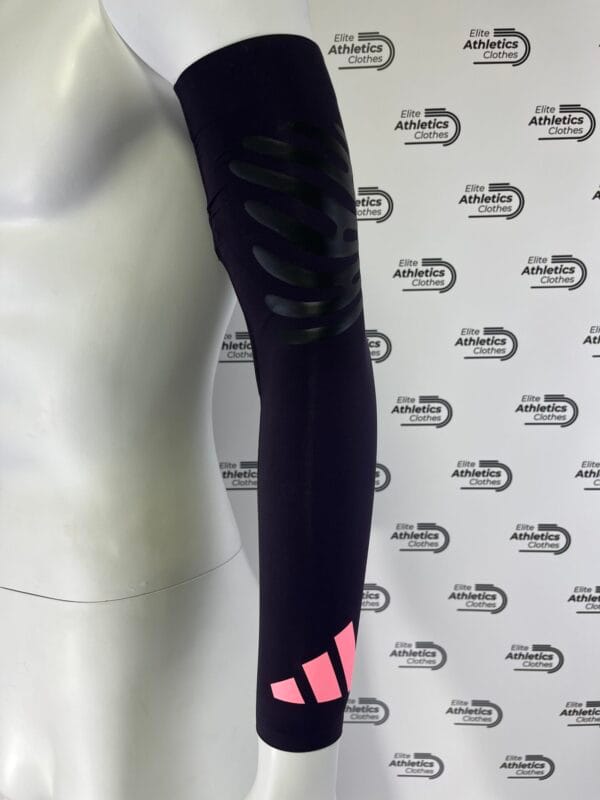 From this chapter · in the archiveAdidas Pro Elite 2024 Rheon Arm SleevesAthlete-issue sleeves from the Paris 2024 cycle, built with the same RHEON strain-reactive polymer that ran in the Team GB, France and Ethiopia kits.150,00 €View piece →
Berlin and the Boost Era (2008–2014)
For a stretch of the 2010s the men's marathon world record simply lived in adidas shoes on the Berlin course. Haile Gebrselassie opened the era in 2008 with 2:03:59, the first marathon under 2:04. Wilson Kipsang took the record to 2:03:23 in 2013, and a year later Dennis Kimetto ran 2:02:57 — the first sub-2:03 in history. Both came in adidas's Adizero Adios racing flat. Kimetto's pair was the Adios Boost 2, built on the expanded-TPU foam adidas introduced in 2013. Kipsang raced London that spring in the first Boost version; whether he kept it for Berlin or went back to the older EVA-soled Adios 2 is disputed between shoe histories, so this page credits the brand, not the model.
The record then left the family for nearly a decade — taken over by Nike's super-shoe project and the Kenyan generation around Eliud Kipchoge. How adidas answered is the second half of this story.
Adizero and the Evo Project (2004–2025)
Adizero began in 2004 as adidas's lightweight competition franchise, and from 2008 the Adios line — developed with Japanese master shoemaker Toshiaki Omori — became its marathon flagship. But the modern chapter starts in September 2023 with the Adizero Adios Pro Evo 1: 138 grams, roughly 40% lighter than any super-shoe before it, sold at $500 in an initial run of 521 pairs.
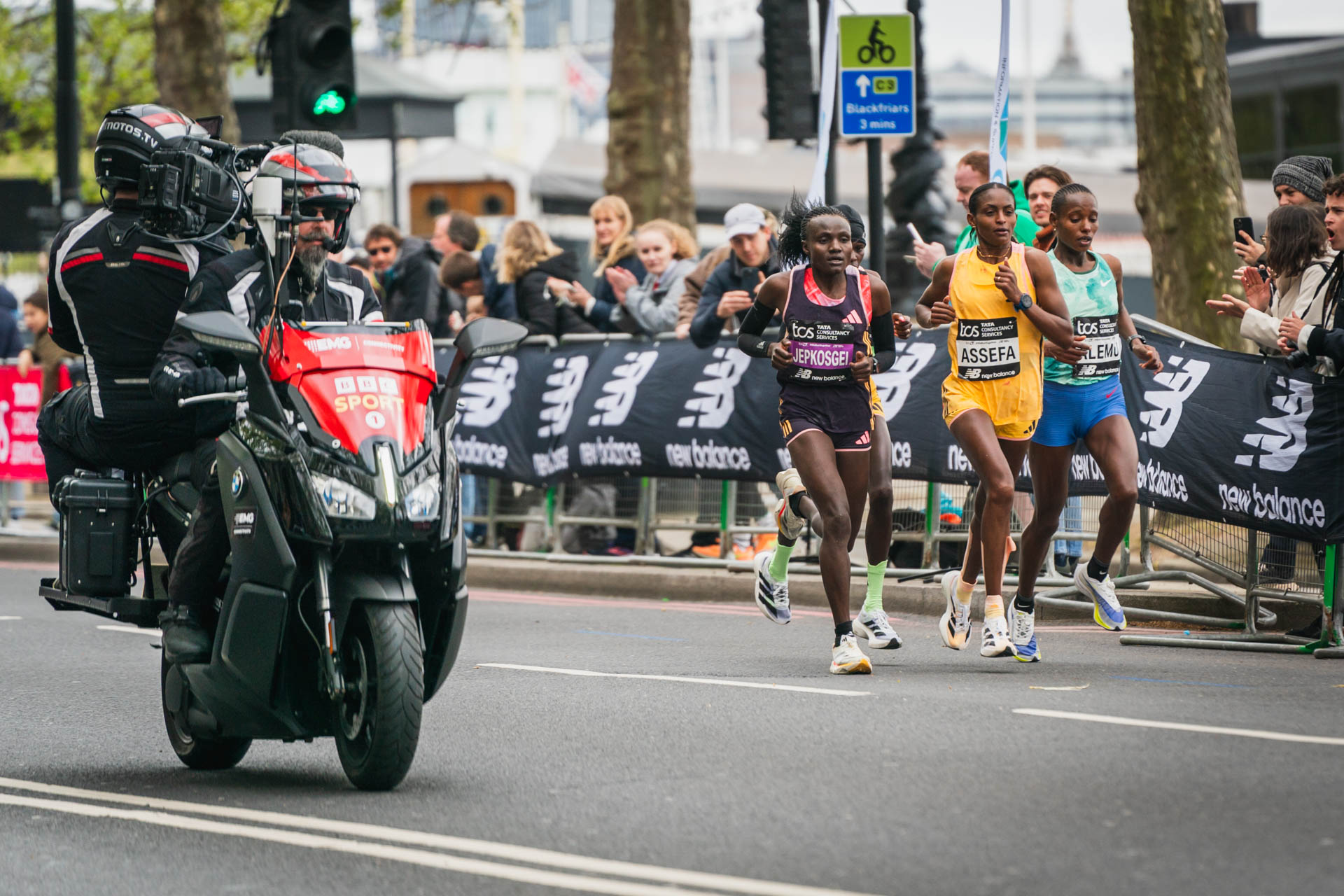
Tigst Assefa gave the Evo 1 its competition debut at the 2023 Berlin Marathon and destroyed the women's world record with 2:11:53 — more than two minutes off the old mark, the biggest single improvement in four decades. That record has since been overtaken as an absolute mark, but Assefa kept climbing: in London in April 2026 she lowered the women-only world record to 2:15:41, her second time improving it on that course. Meanwhile a Kenyan road-race machine named Sabastian Sawe won his debut marathon in Valencia 2024 at 2:02:05 — in the Evo 1 — and started the countdown everyone could feel coming.
Road to Records: A Record Meeting at Headquarters (2021→)
In September 2021 adidas started staging its own world-record meeting — Adizero: Road to Records — on the campus of its world headquarters in Herzogenaurach. The idea is unapologetically direct: flat loops, paced fields of contracted athletes, and clocks set up for history. The first edition delivered immediately: Agnes Tirop broke the women-only 10 km world record with 30:01, and Senbere Teferi set the women's 5 km road record at 14:29.
The event has kept producing. Emmanuel Wanyonyi broke the road mile world record there in 2024 (3:54.56, since lowered elsewhere), and in April 2025 Agnes Ngetich ran 29:27 — the first woman under 30 minutes in a women-only 10 km, taking down the mark Tirop had set on the same roads. A record meeting in a factory town of 25,000 people is a very adidas idea: the brand has been engineering its home advantage since Adi drove his van to track meets.
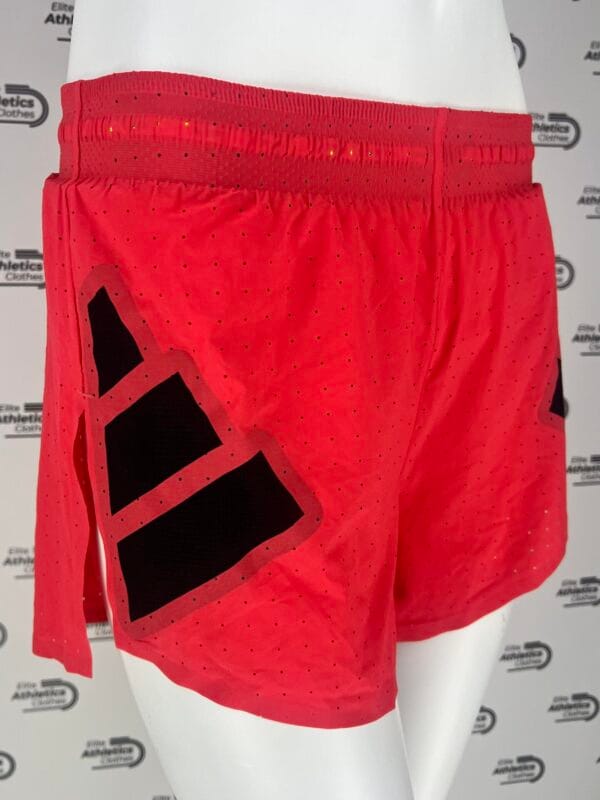 From this chapter · in the archiveAdidas Pro Elite Team 2025 Road to Records Women Running ShortsIssued for the 2025 Road to Records weekend in Herzogenaurach — the edition where Agnes Ngetich became the first woman under 30 minutes in a women-only 10 km.180,00 €View piece →
Agnes Tirop and Tirop’s Angels
Agnes Tirop was 25 and one of the best distance runners alive — world cross-country champion at 19, twice a world championship 10,000 m medallist, fourth in the Tokyo Olympic 5,000 m — when she was found stabbed to death at her home in Iten, Kenya, on 13 October 2021, weeks after her world record run in Herzogenaurach. Her husband, Ibrahim Rotich, was charged with her murder and pleaded not guilty; released on bail in November 2023, he failed to appear, a warrant was issued for his arrest in March 2025, and he has not been found since. The case is now before Justice John Chigiti, with hearings listed to resume on 3 November 2026. Nobody has been convicted.
Her fellow athletes answered by building something. Tirop’s Angels, founded that same year by runners including Viola Cheptoo, Joan Chelimo and Mary Keitany, works against gender-based violence in Kenya's running heartland; in 2024 it opened a shelter for survivors in Iten. adidas has backed the foundation publicly — company officials visited Tirop's home with the organisation in 2023 and put its name onto athlete kit of that cycle. The piece below is one of those: a garment that carries the reason the foundation exists. Read the full Tirop's Angels story →
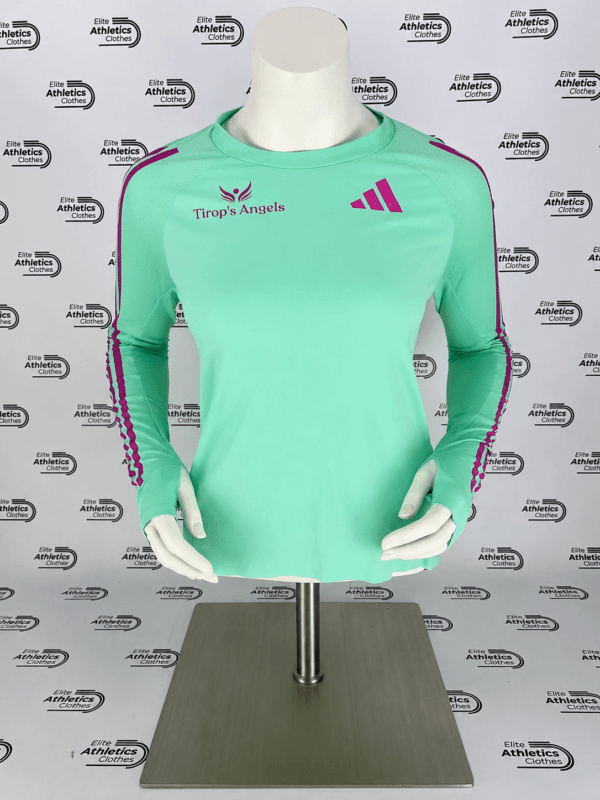 From this chapter · in the archiveAdidas Tirop’s Angels Pro Elite 2023 Women Long Sleeves ShirtA 2023 athlete-issue long sleeve carrying the Tirop’s Angels name — the foundation Kenyan runners built in Agnes Tirop’s memory.120,00 €View piece →
London 2026: The Two-Hour Wall Falls
On 26 April 2026, on the London Marathon course, Sabastian Sawe ran 1:59:30. It was the first time a human being covered a record-eligible marathon in under two hours — 65 seconds inside the late Kelvin Kiptum's world record, and unlike the paced Vienna exhibition of 2019, it happened in an open race with a full field. Yomif Kejelcha of Ethiopia followed him home in 1:59:41: two men under two hours, both in adidas, on the same morning that Tigst Assefa lowered the women-only record in the same kit.
Sawe wore the Adizero Adios Pro Evo 3, released the day before the race in a drop so limited that pairs resold for $3,000–4,600 within the week — and re-opened the running argument about World Athletics' rule that record-legal shoes be “reasonably available” to everyone. Availability, of course, has been the theme of this whole story: from Owens' hand-delivered spikes to a 521-pair super-shoe, the fastest adidas product has never really been for sale.
The sprint side of the stable carries the same weight: Noah Lyles renewed with adidas in February 2024 on what his agency called the richest track deal since Usain Bolt, and has been the face of the brand's sprint side since — what he wins at the championships, he wins in the federation kit of USATF, which is a different contract and a different page.
Anatomy of an Athlete-Issue Adidas Kit
An athlete's allocation is a system of pieces, not one garment: racing silhouettes in distance and sprint cuts, small accessories issued per championship, and a warm-up layer around all of it. Each card below is a garment family from the adidas cycles in our archive, with a real race-issued piece from the collection.
The racing centrepiece. The 2024 issue carries RHEON panels — the strain-reactive polymer adidas put into its Paris 2024 federation kits.
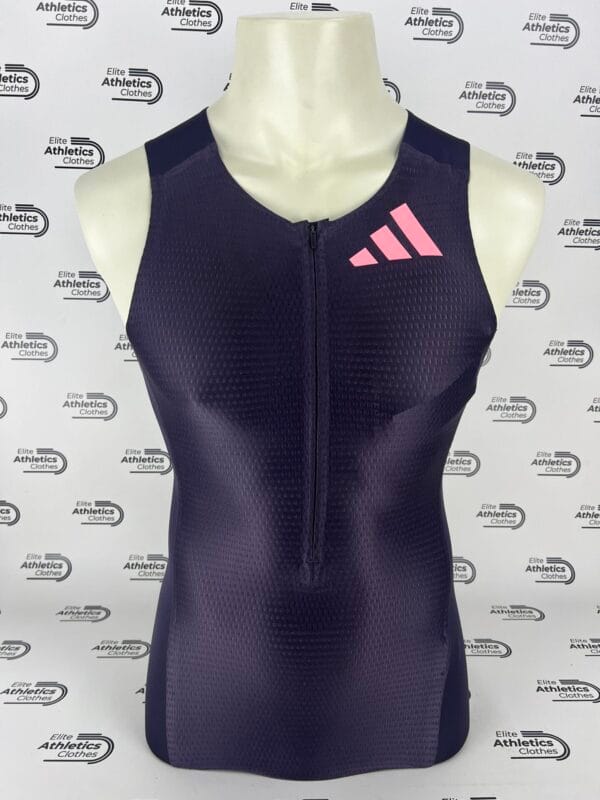 Adidas Pro Elite Team 2024 Rheon Singlet160,00 €View piece →
One-piece kit for championship finals. adidas issues them in tiny numbers and they rarely leave the athlete channel — every one in our archive so far has sold.
 Adidas Pro Elite 2023 Women SpeedsuitSold out · check back soonView piece →
The women's racing standard: minimal cover, full stride freedom, competition-weight cloth. Issued per cycle in distance and sprint cuts.
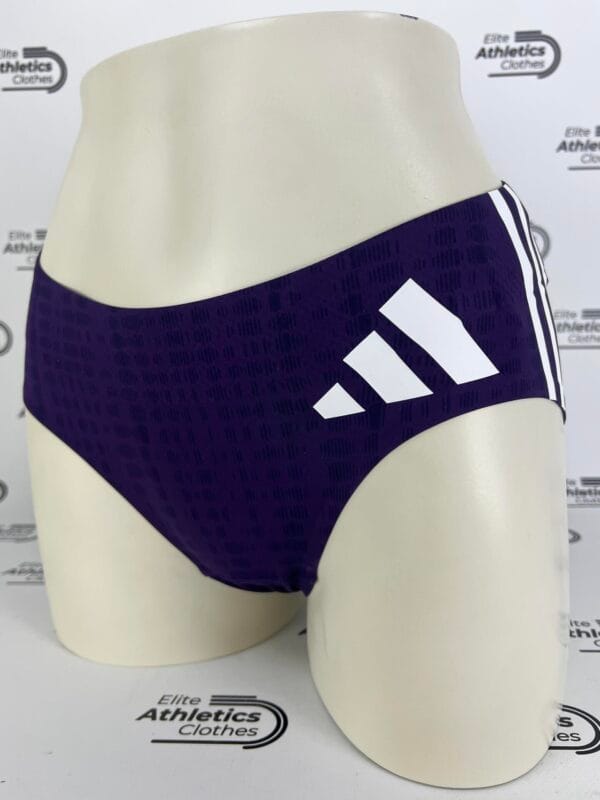 Adidas Pro Elite Team 2025 Women Distance Competition Briefs – Special Edition140,00 €View piece →
Cold-evening issue for championship rounds and record attempts. Worn once, binned often — surviving pairs are the scarcest small piece in any cycle.
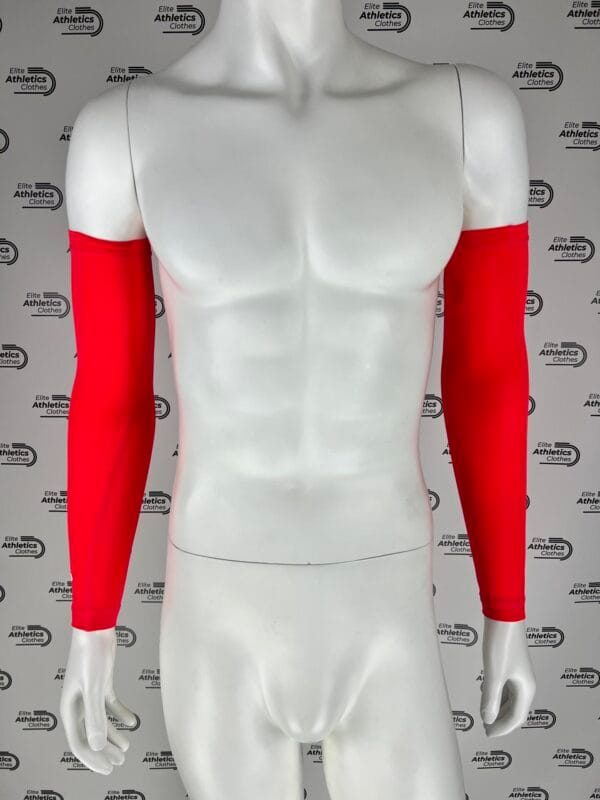 Adidas Pro Elite Team 2025 Arm Sleeves120,00 €View piece →
Half tights for sprint power, capris and long tights for warm-up laps and cold sessions — cut tighter and lighter than anything retail.
 Adidas Pro Elite Team 2022 Women Capri Long Tights140,00 €View piece →
Long sleeves, tees and layers worn in call rooms and on podiums. The most wearable entry point into athlete-issue adidas.
 Adidas Pro Elite 2023 Women Long Sleeves Shirt90,00 €View piece →
The Adidas Cycles, Year by Year (2013–2025)
Every athlete-issue piece is stamped by its cycle, and each cycle has its own face. Below, the adidas years held in our archive: what each kit was built for, how to recognise it at a glance, and pieces from that season still in the collection. Sold-out pieces stay listed — the supply of a closed cycle only shrinks.
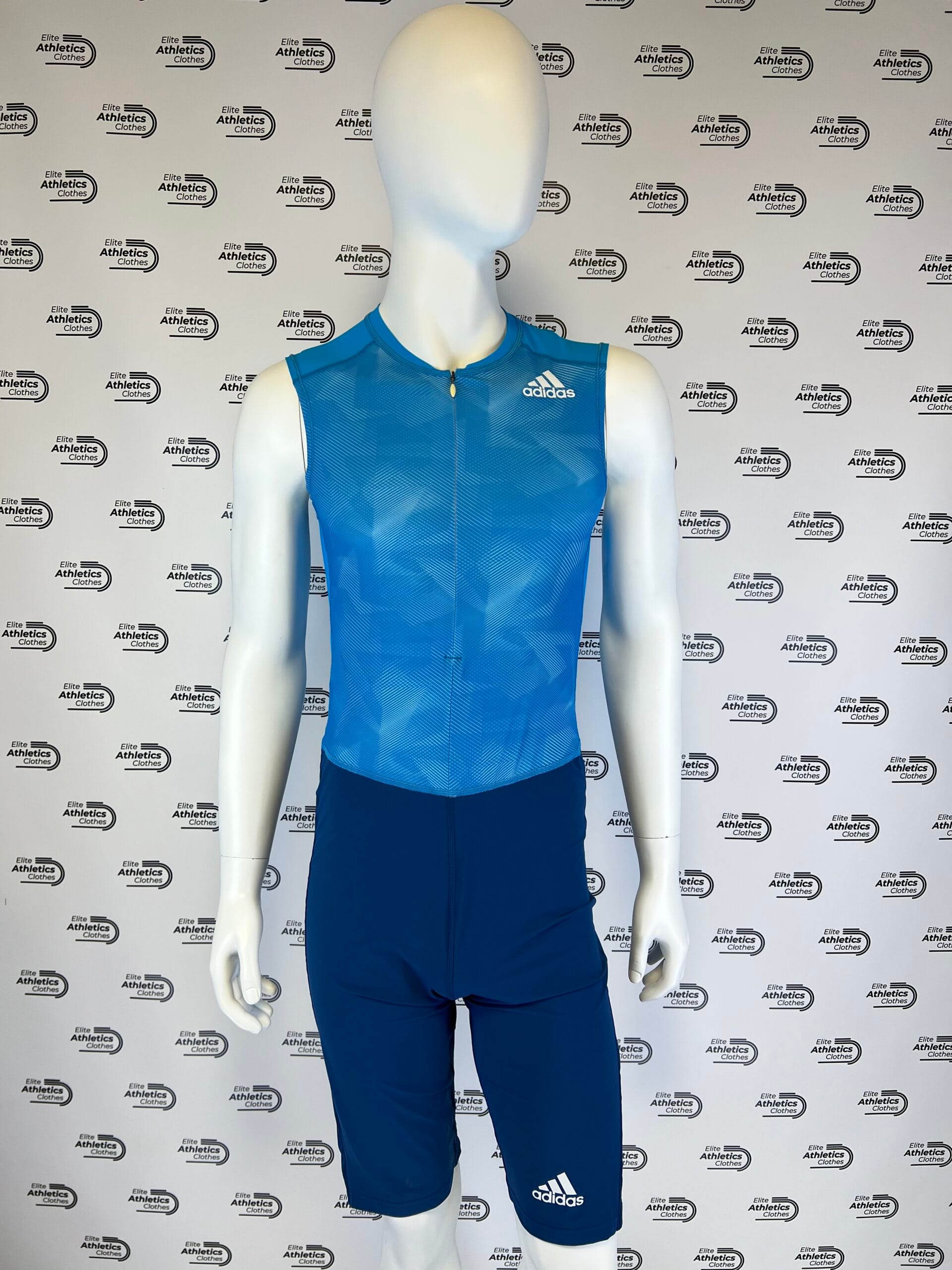
Two blues in one piece: an azure top with a tonal facet print, a zip front with a gold-toned pull and a small white logo, over navy half-tight legs — the oldest adidas issue we hold, from the first season of Boost. Read the full 2013 story →
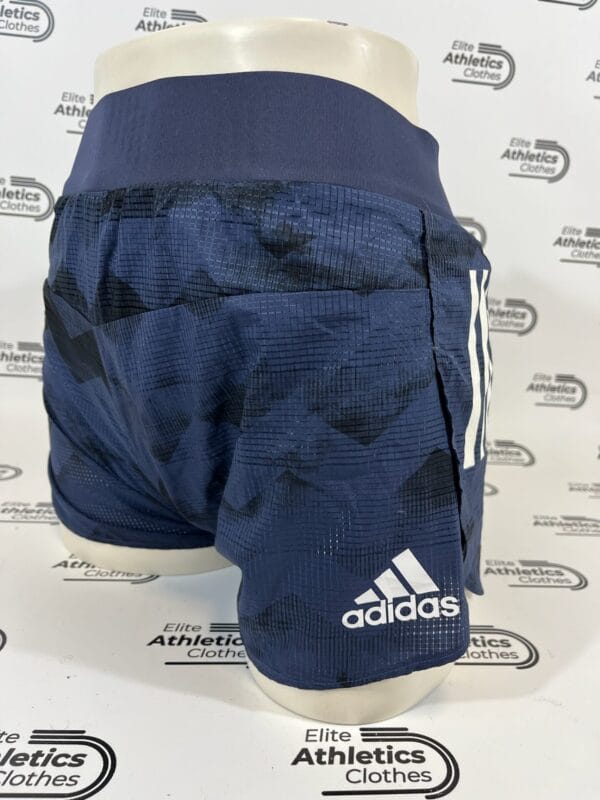
Deep navy with a tonal shattered-camo print, a plain white performance logo and the three stripes riding the hip seam — a quiet, pre-super-shoe design language, two years before adizero went record-hunting in Berlin. Read the full 2018 story →
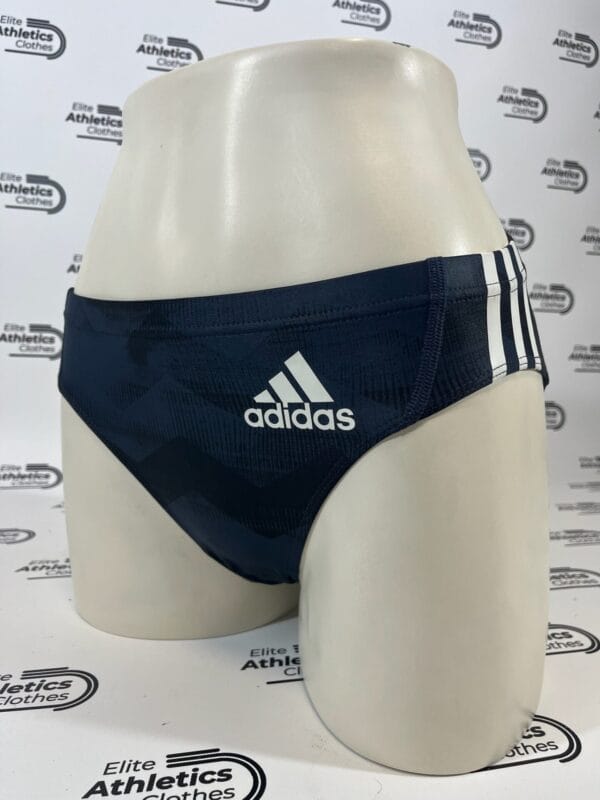
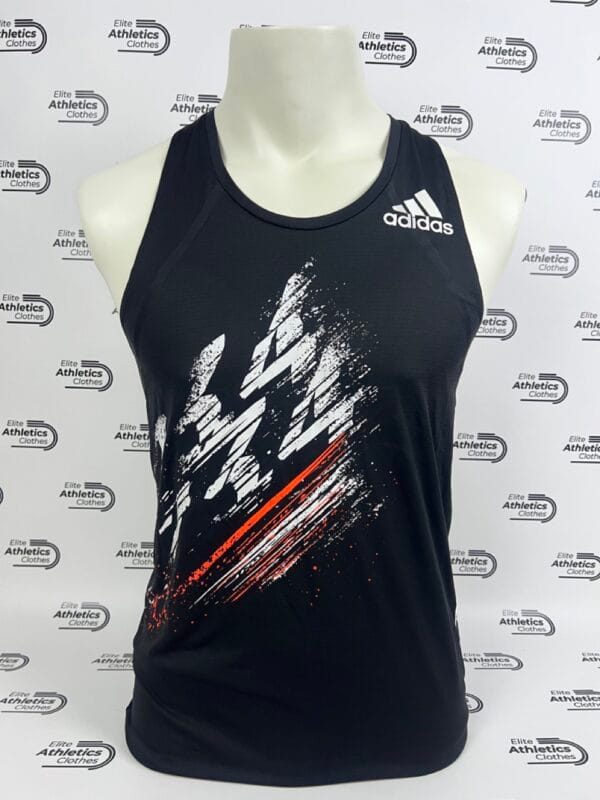
Built for a Tokyo Games that moved a year: black bases with a painterly white-and-red brushstroke slashed across the singlet chest, next to matt-black crops and briefs carrying nothing but a small white mark. Read the full 2020 story →
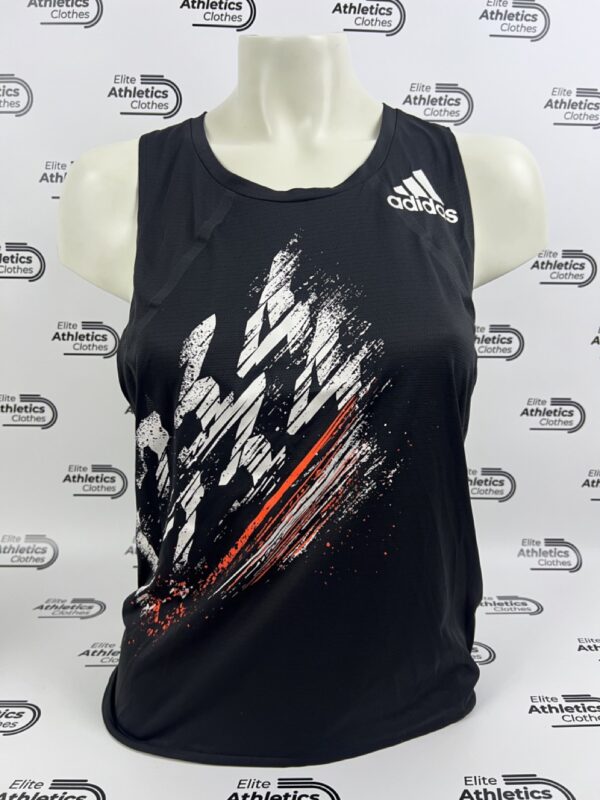
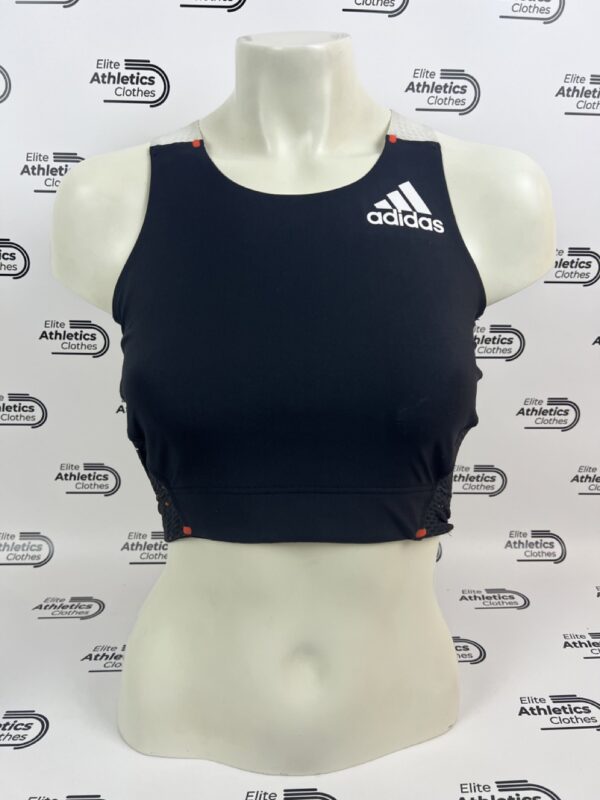
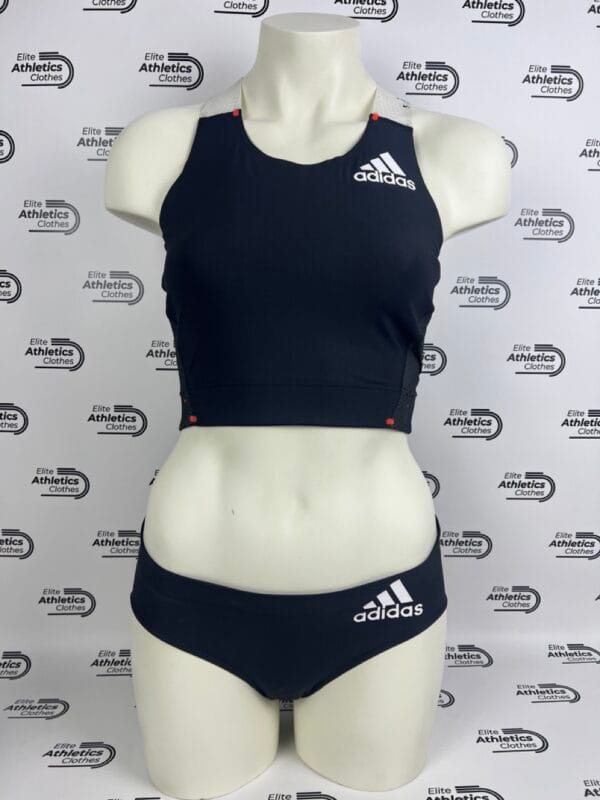
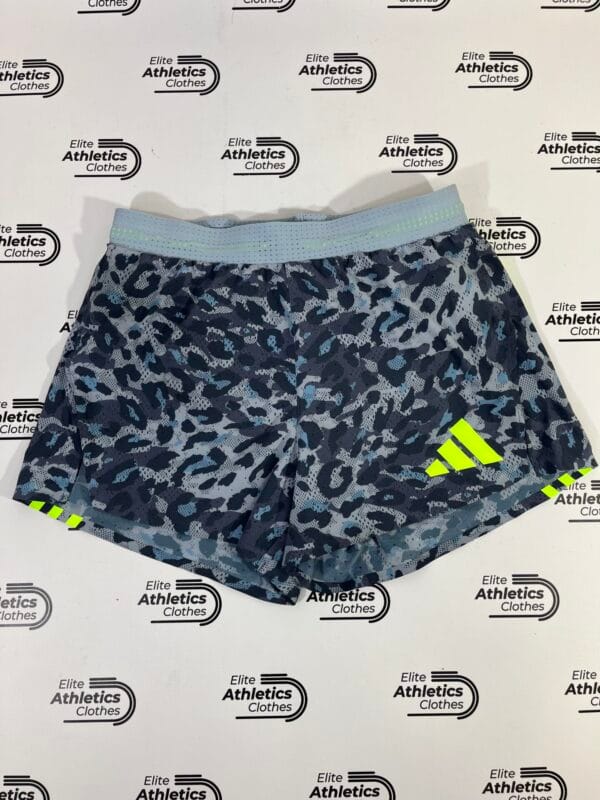
The camo year — grey-black and blue leopard camo across briefs and split shorts, lit by volt-yellow waistbands, stripe tape and logos. This is the season adidas opened Road to Records in Herzogenaurach and Agnes Tirop ran her 30:01 there. Read the full 2021 story →
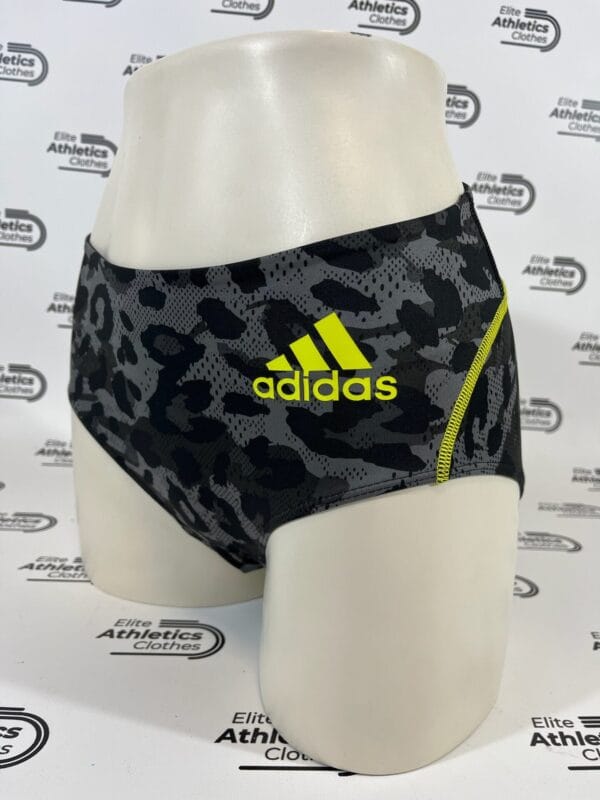 Adidas Pro Elite 2021 Women Speed Competition Briefs90,00 €View Piece →
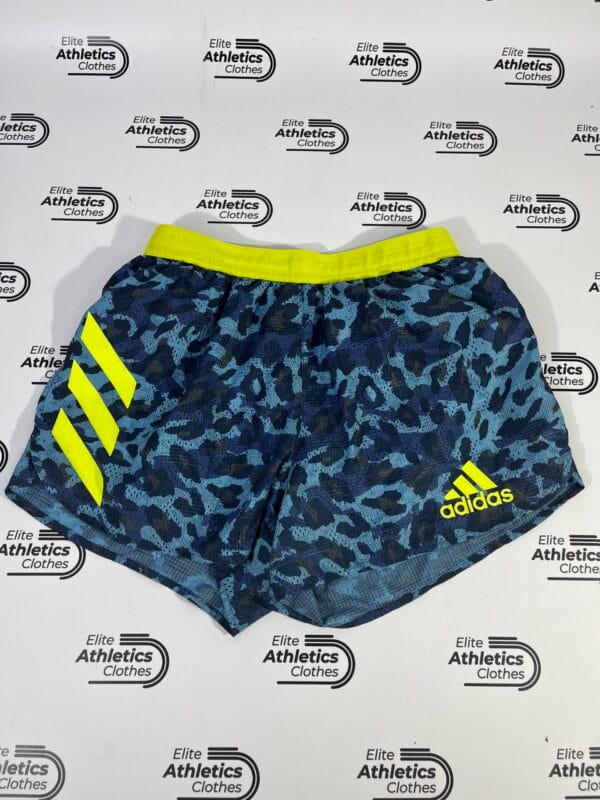 Adidas Pro Elite 2021 Running Shorts – Special Edition140,00 €View Piece →Special Edition
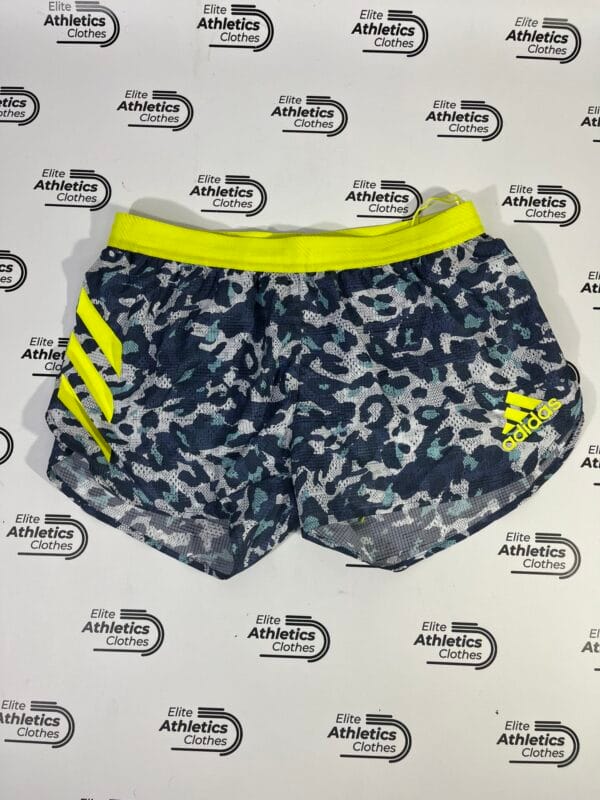 Adidas Pro Elite 2021 Women Running Shorts – Special Edition100,00 €View Piece →Special Edition
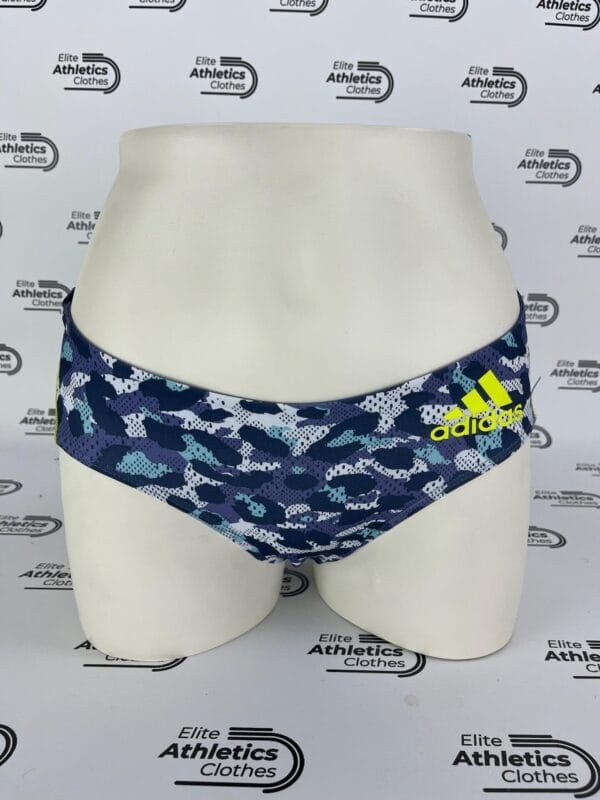 Adidas Pro Elite 2021 Distance Competition Briefs – Special Edition80,00 €View Piece →
White-to-black gradients and hard colour-blocking: ombré singlets, block-panel bras, and competition briefs with the three stripes in sky blue or volt against black. Read the full 2022 story →
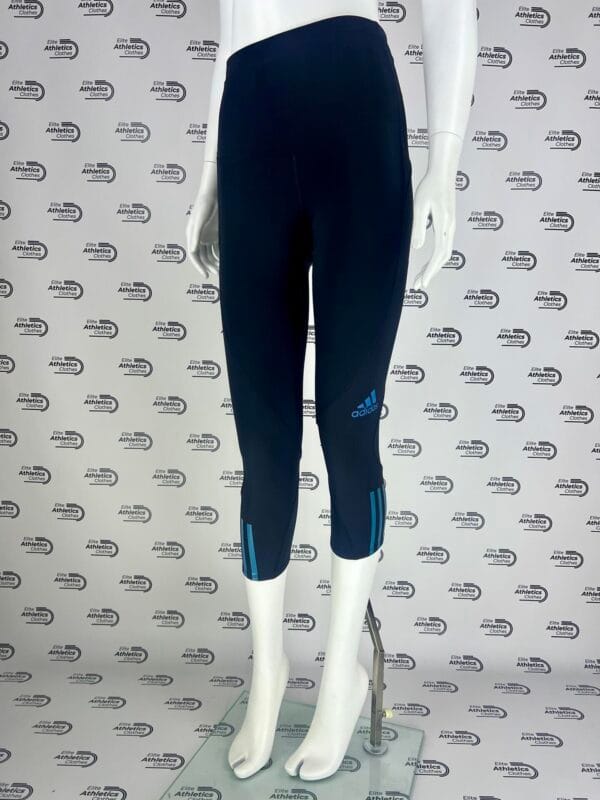 Adidas Pro Elite Team 2022 Women Capri Long Tights140,00 €View Piece →
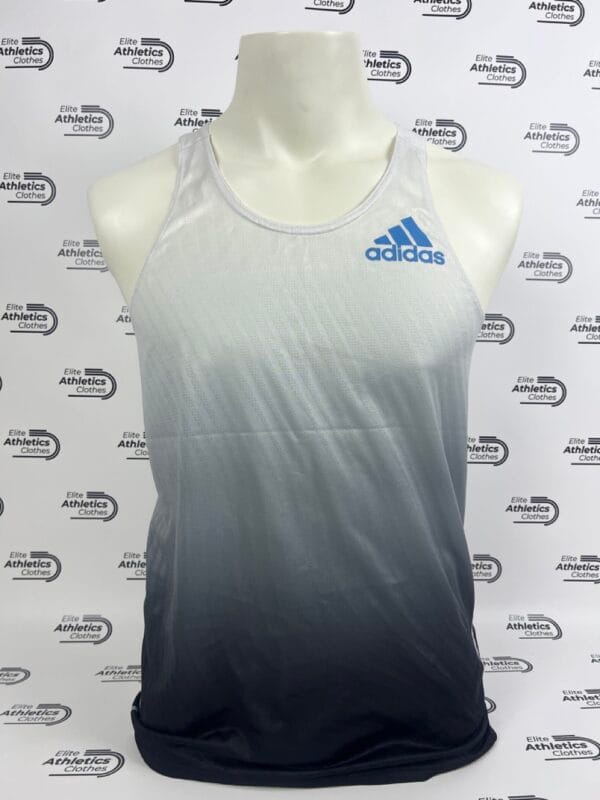 Adidas Pro Elite 2022 Men Distance Singlet120,00 €View Piece →
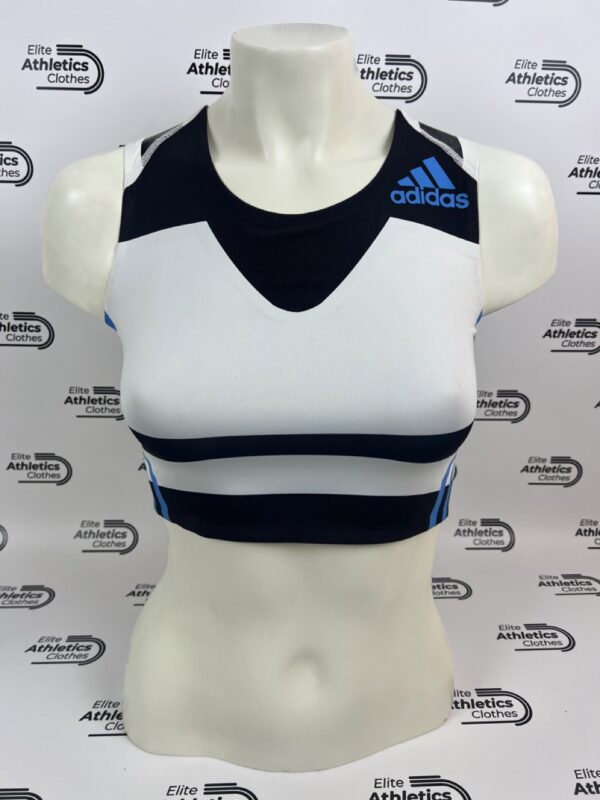 Adidas Pro Elite 2022 Women Crop Top90,00 €View Piece →
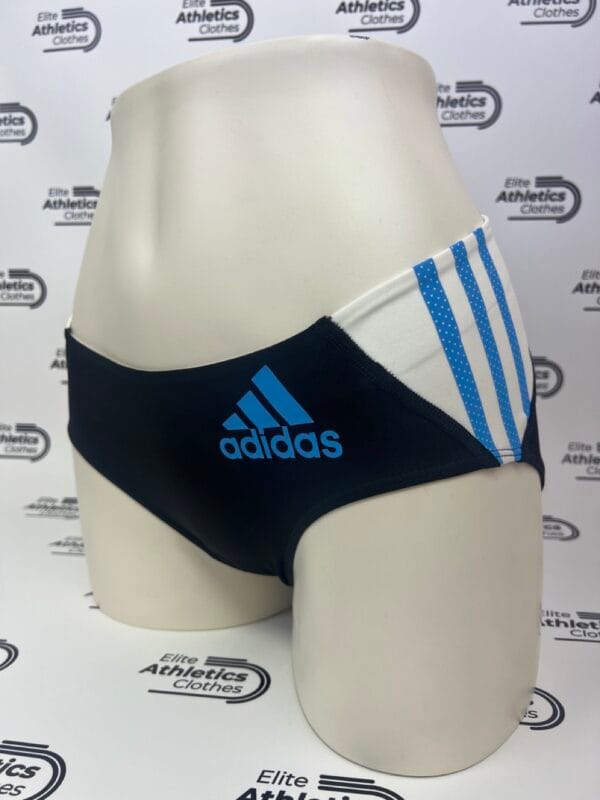 Adidas Pro Elite 2022 Team Distance Competition Briefs70,00 €View Piece →
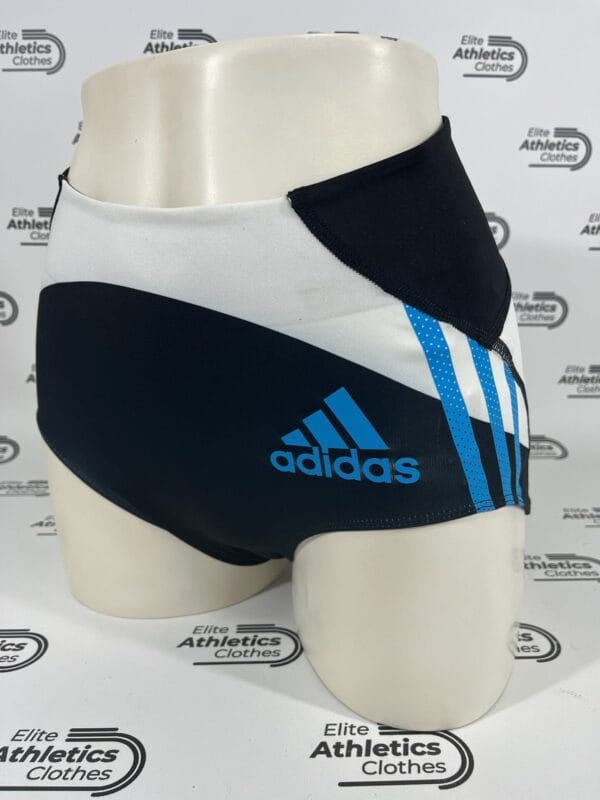 Adidas Pro Elite 2022 Team Sprint Competition BriefsSold out · check back soonView Piece →
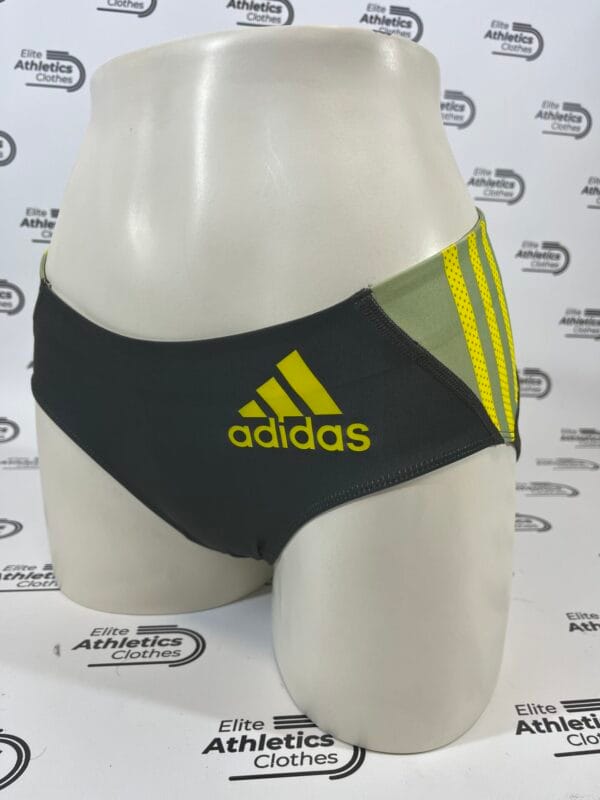 Adidas Pro Elite 2022 Team Distance Competition Briefs – PROMO EDITIONSold out · check back soonView Piece →
Mint and petrol green set against navy, with magenta and cyan pops on logos and side stripes, and tonal wave prints over the half tights. The mint Tirop's Angels long sleeve with its magenta mark belongs here — and so does the season Assefa ran 2:11:53 in Berlin. Read the full 2023 story →
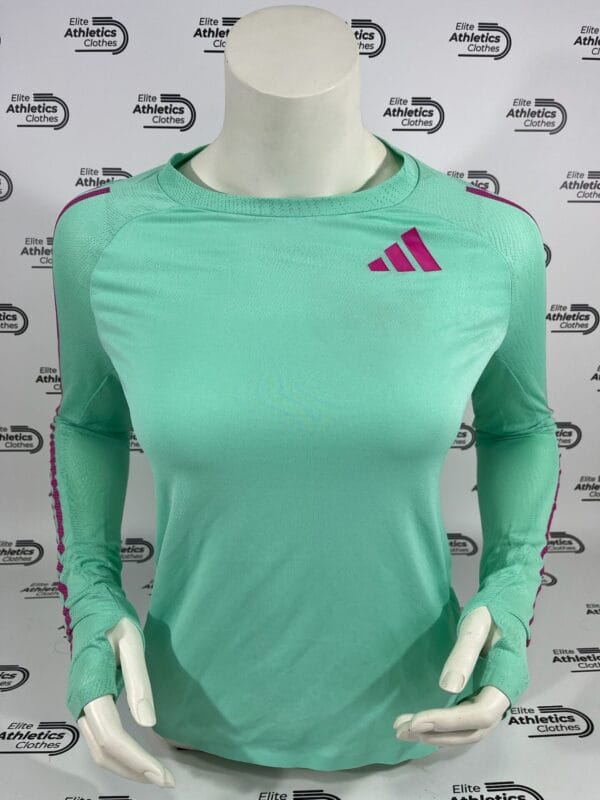 Adidas Pro Elite 2023 Women Long Sleeves Shirt90,00 €View Piece →Adidas Pro Elite 2023 Women SpeedsuitSold out · check back soonView Piece →
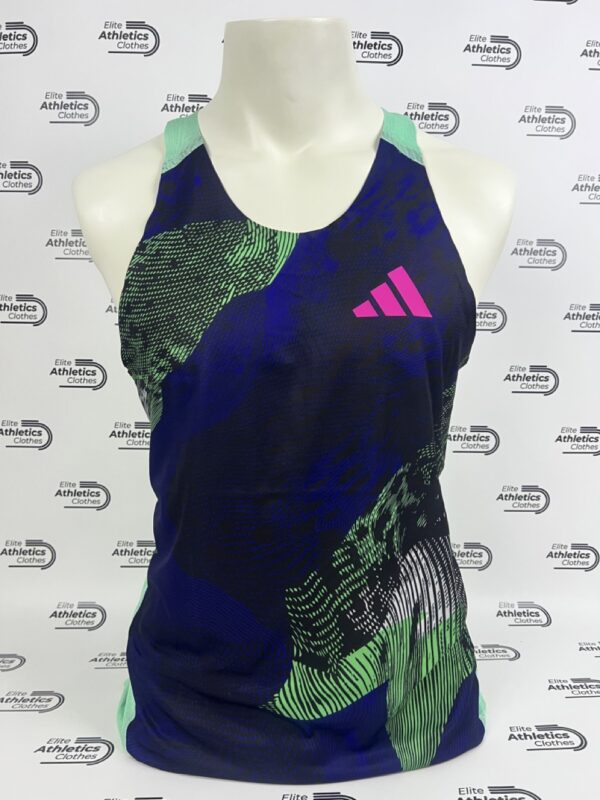 Adidas Pro Elite 2023 Men Distance SingletSold out · check back soonView Piece →Adidas Tirop’s Angels Pro Elite 2023 Women Long Sleeves Shirt120,00 €View Piece →
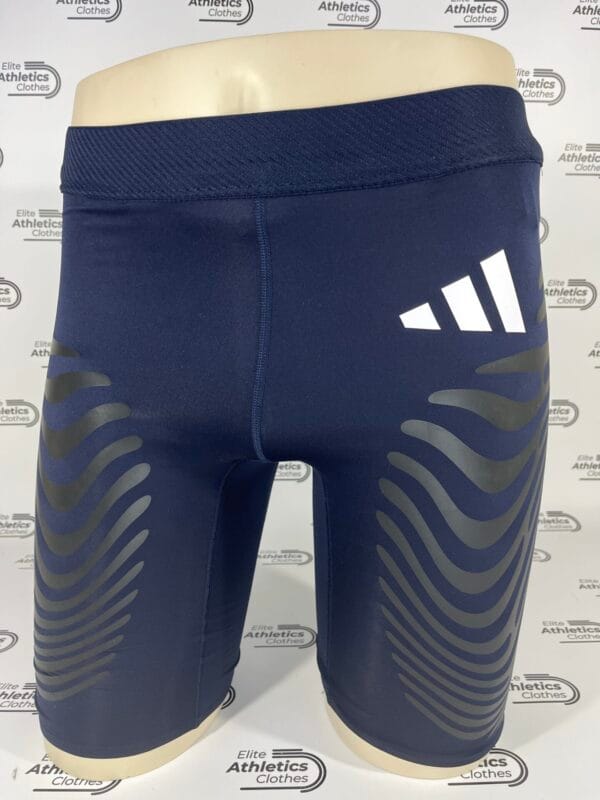 Adidas Pro Elite 2023 Rheon Half Tights – PROMO EDITION120,00 €View Piece →
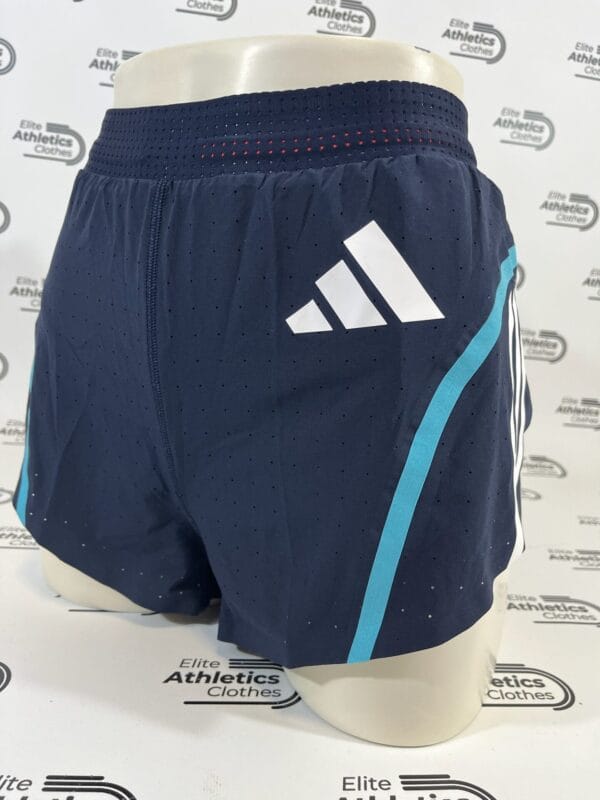 Adidas Pro Elite 2023 Women Racing Shorts – Promo edition100,00 €View Piece →Promo Edition
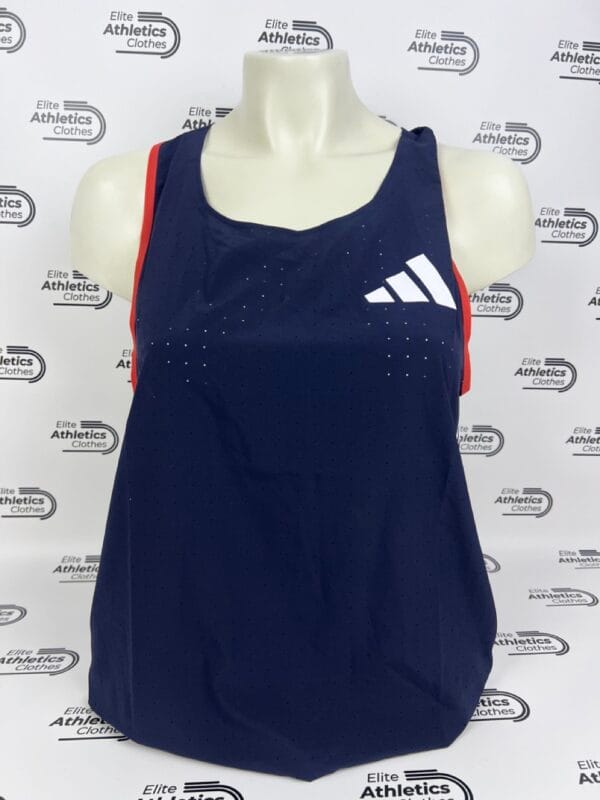 Adidas Pro Elite 2023 Women Distance Singlet – Promo edition90,00 €View Piece →Promo Edition
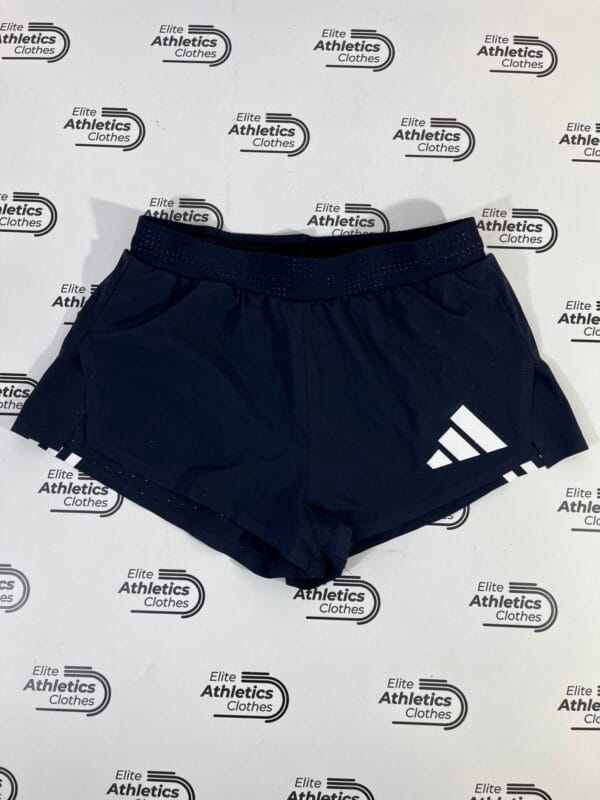 Adidas Pro Elite 2023 Running Shorts 1” – PROMO EDITIONSold out · check back soonView Piece →Promo Edition
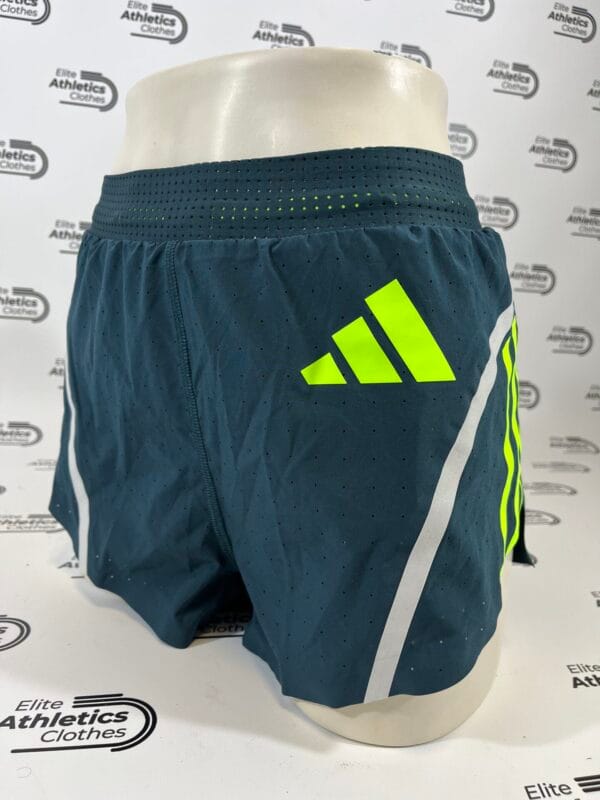 Adidas Pro Elite 2023 Women Running Shorts 3” – PROMO EDITIONSold out · check back soonView Piece →Promo Edition
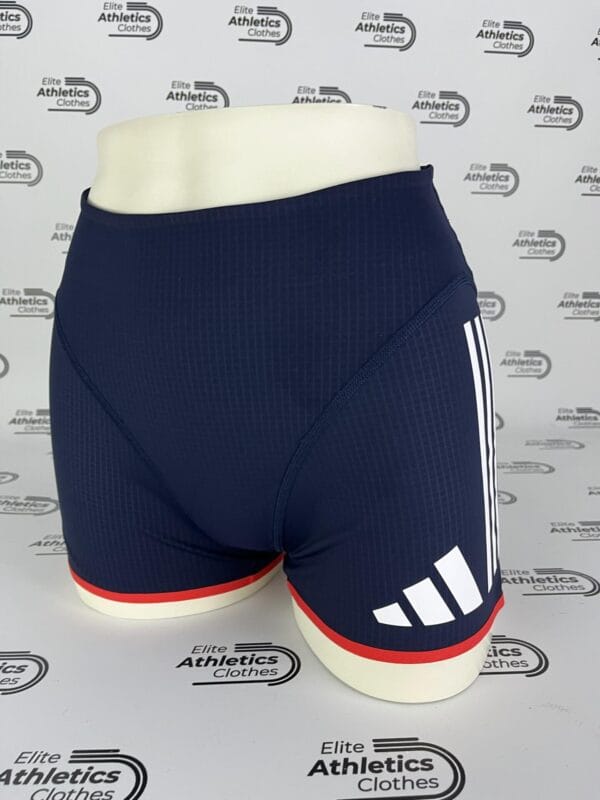 Adidas Pro Elite 2023 Women Booty Short Tights – Promo editionSold out · check back soonView Piece →
Violet and ink black with volt-green and pink performance logos and laser-perforated arm sleeves. The tell of the cycle is the black RHEON swirl printed over tights and half tights — the same strain-reactive panels adidas built into the Team GB, France and Ethiopia kits in Paris. The deepest cycle in the archive: 28 pieces. Read the full 2024 cycle story →
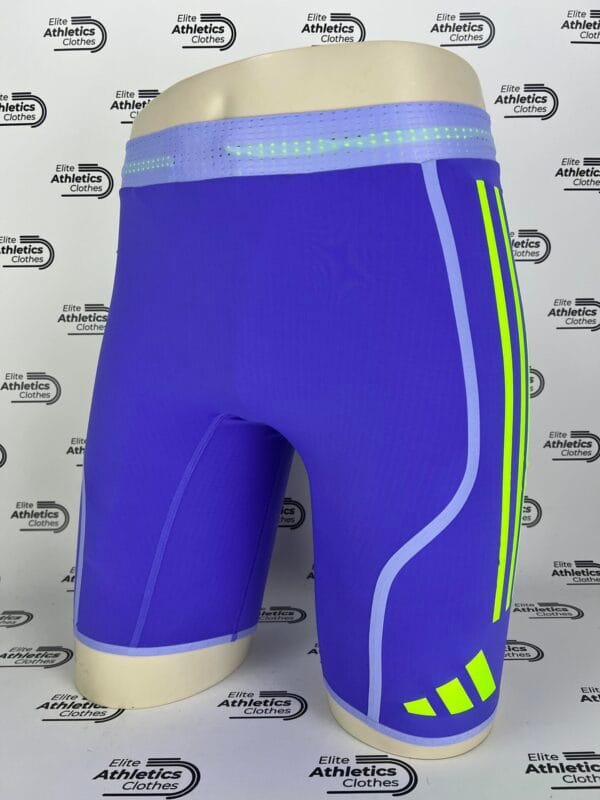 Adidas Pro Elite Team 2024 Half Tights200,00 €View Piece →
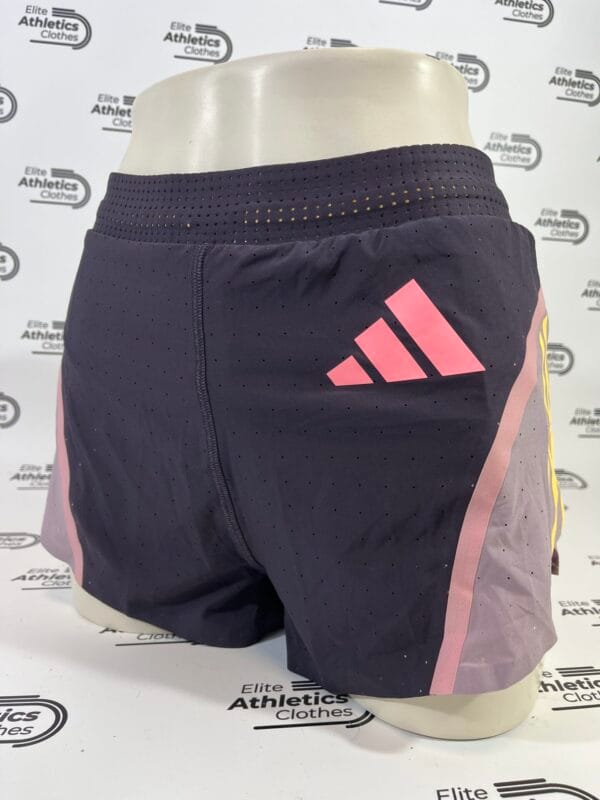 Adidas Pro Elite Team 2024 Women Racing Shorts90,00 €View Piece →
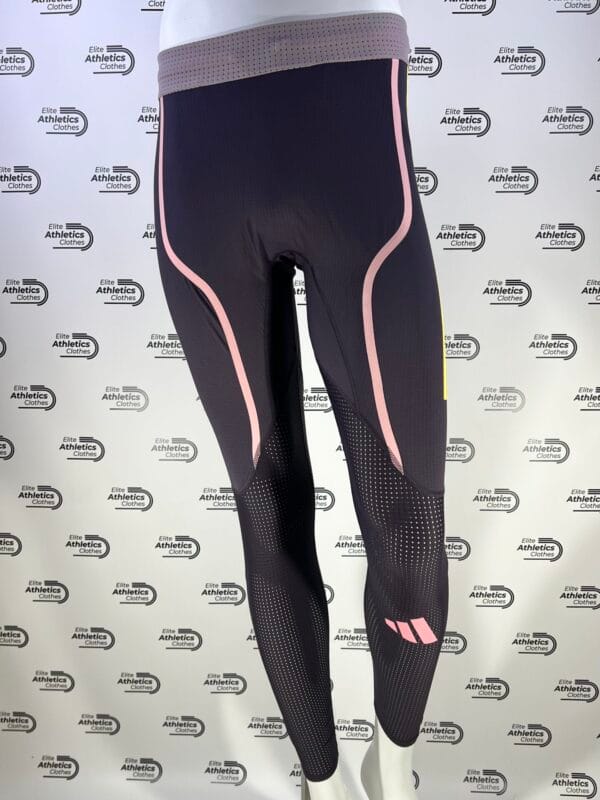 Adidas Pro Elite 2024 Long Tights120,00 €View Piece →
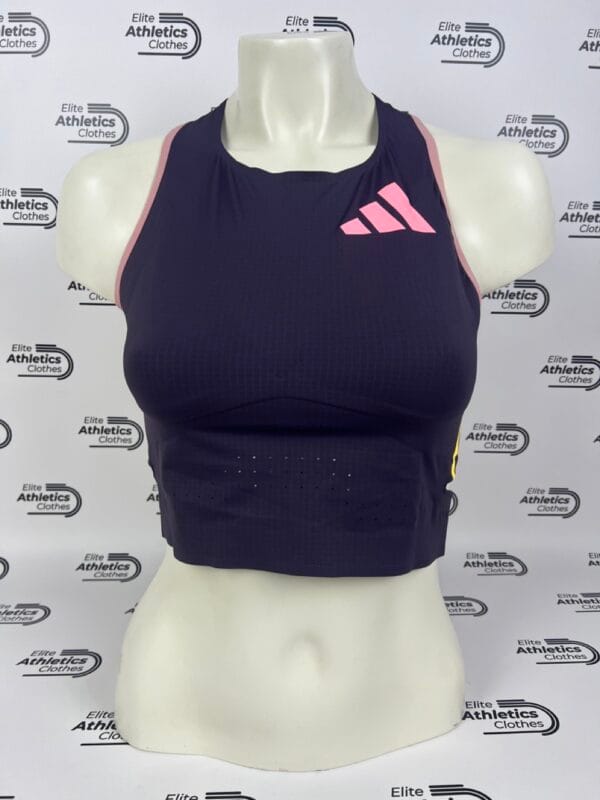 Adidas Pro Elite 2024 Women Crop Top120,00 €View Piece →
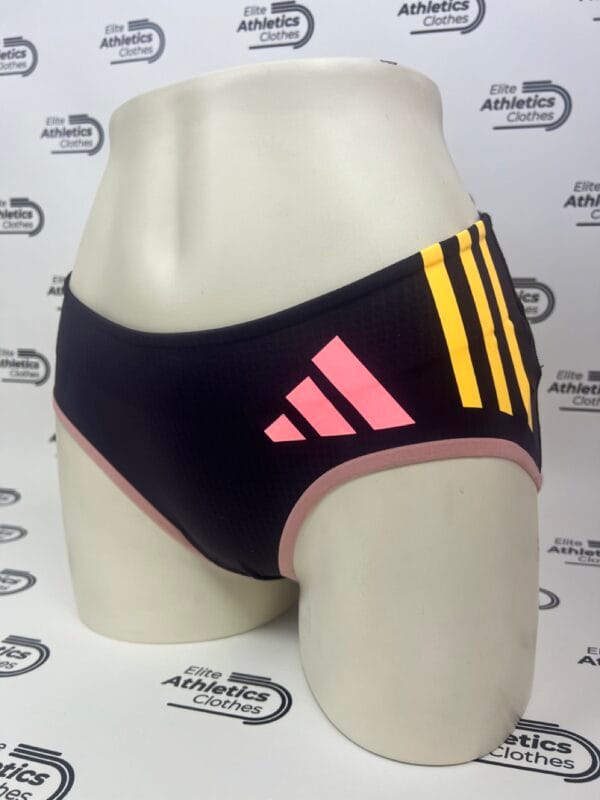 Adidas Pro Elite 2024 Women Distance Competition Briefs100,00 €View Piece →
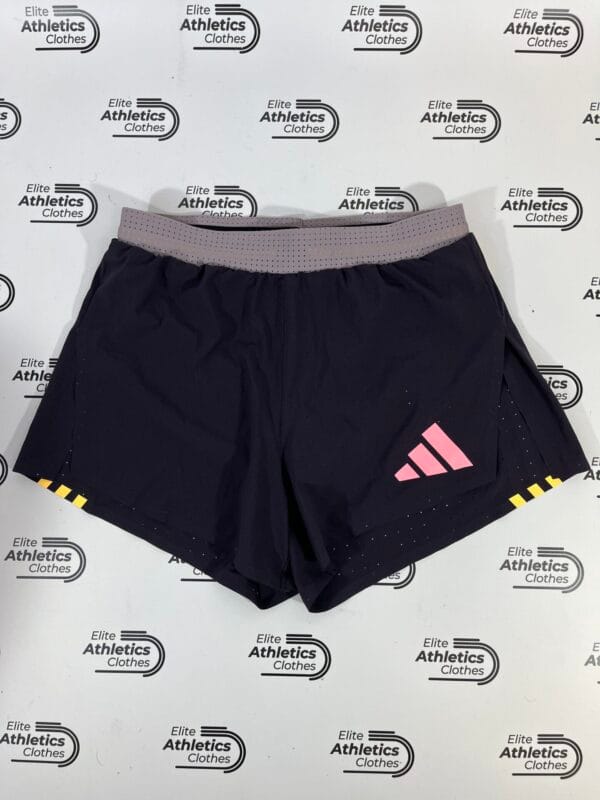 Adidas Pro Elite Team 2024 Racing Shorts100,00 €View Piece →
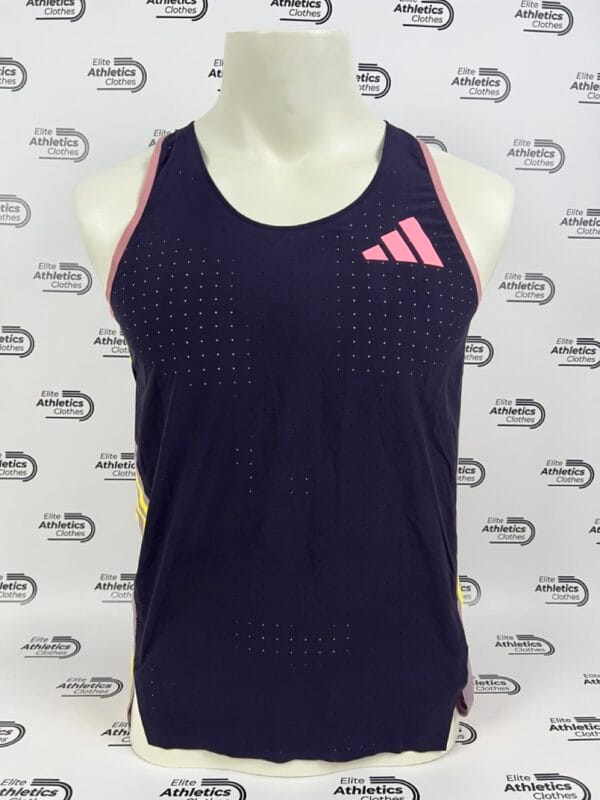 Adidas Pro Elite Team 2024 Distance Singlet140,00 €View Piece →
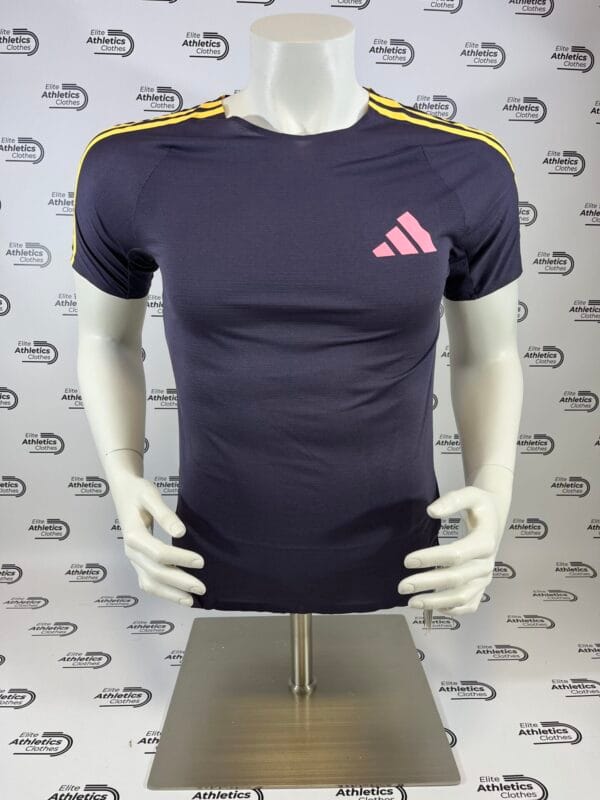 Adidas Pro Elite 2024 T-ShirtSold out · check back soonView Piece →
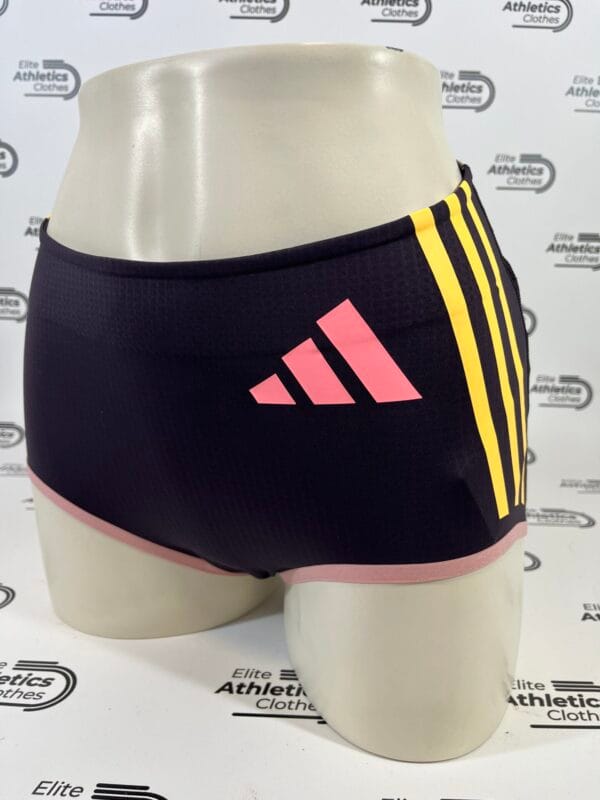 Adidas Pro Elite 2024 Women Speed Competition BriefsSold out · check back soonView Piece →
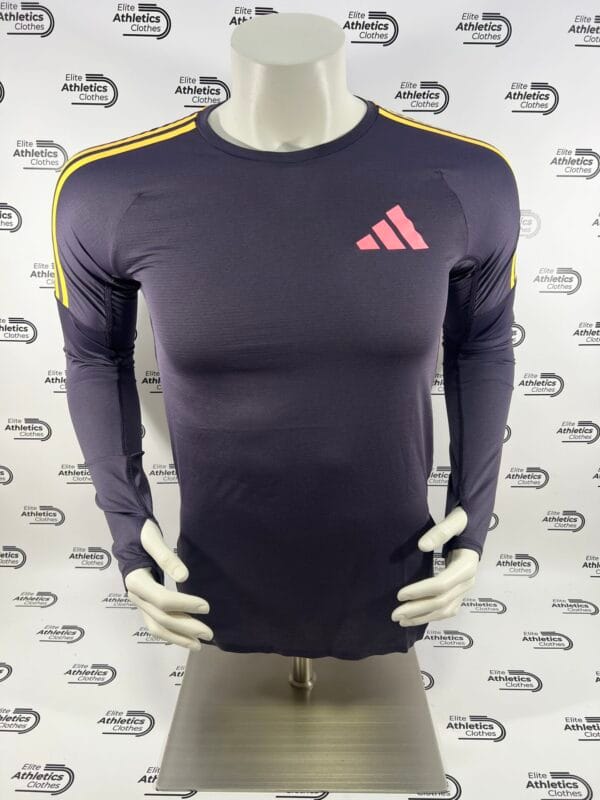 Adidas Pro Elite 2024 Men Long Sleeve T-ShirtSold out · check back soonView Piece →
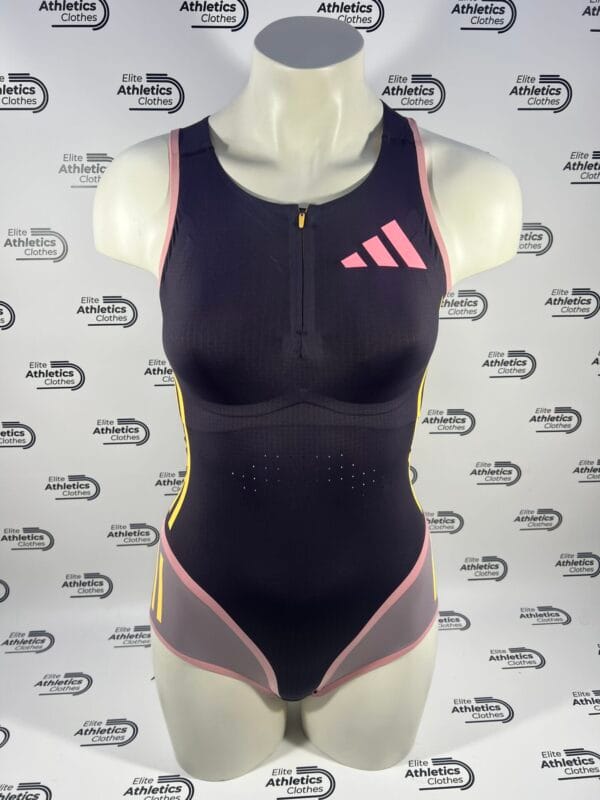 Adidas Pro Elite 2024 Women Sleeveless SpeedsuitSold out · check back soonView Piece →
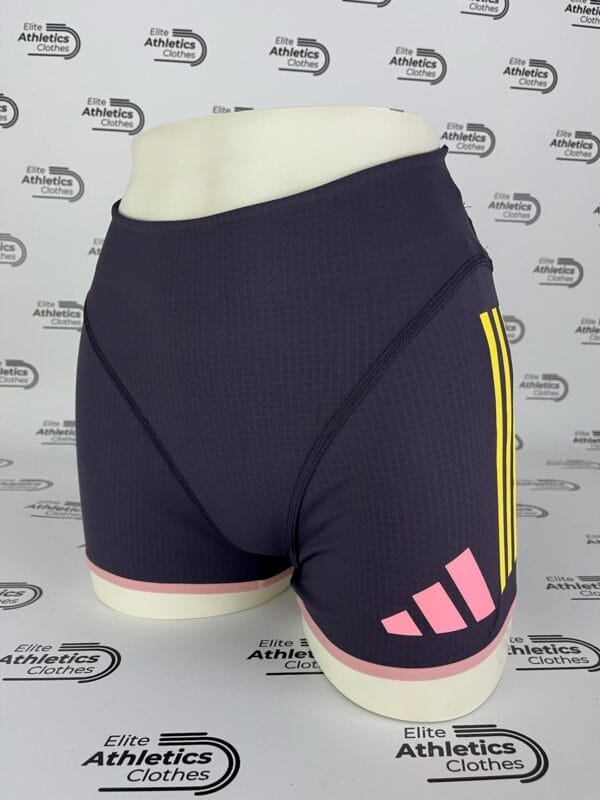 Adidas Pro Elite 2024 Women Booty Short TightsSold out · check back soonView Piece →
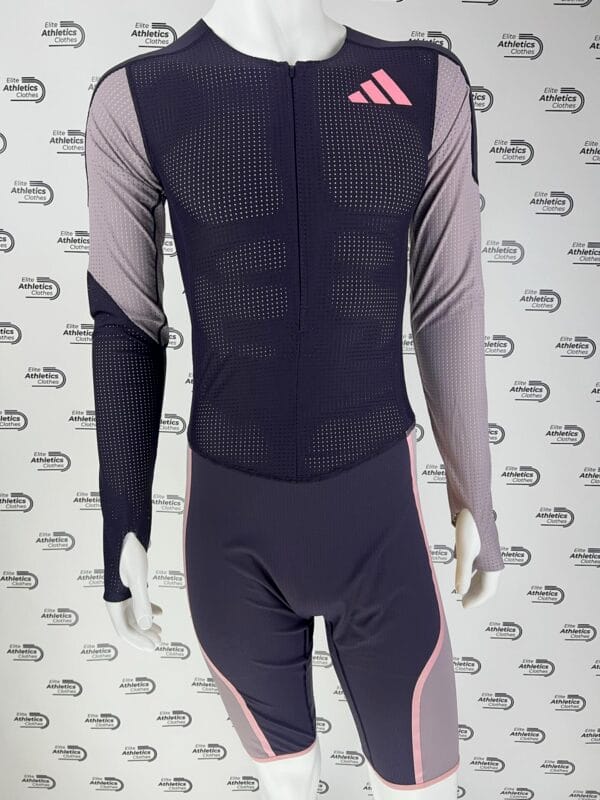 Adidas Pro Elite 2024 Long Sleeves SpeedsuitSold out · check back soonView Piece →Adidas Pro Elite 2024 Running Shorts 3” – Road to RecordsSold out · check back soonView Piece →Adidas Pro Elite Team 2024 Rheon Singlet160,00 €View Piece →RHEONAdidas Pro Elite 2024 Rheon Arm Sleeves150,00 €View Piece →RHEON
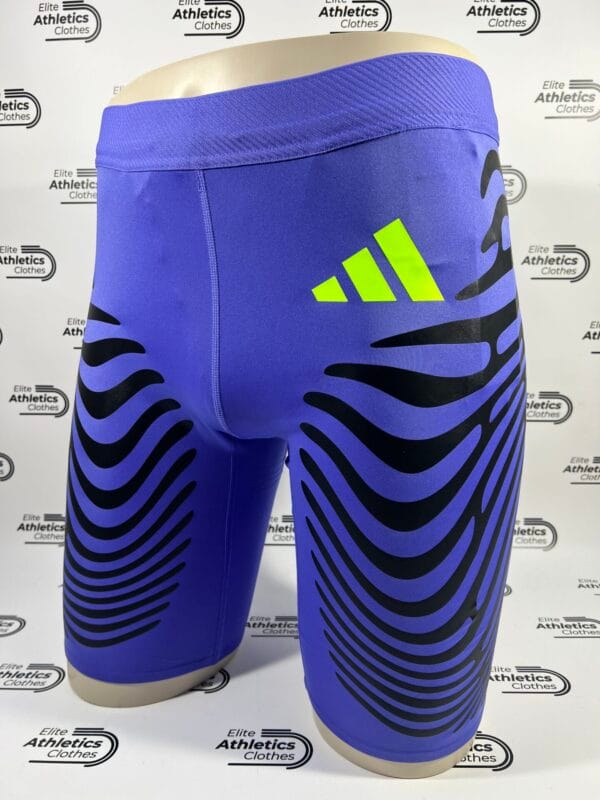 Adidas Pro Elite 2024 Men Rheon Short Tights – Special Edition150,00 €View Piece →RHEON
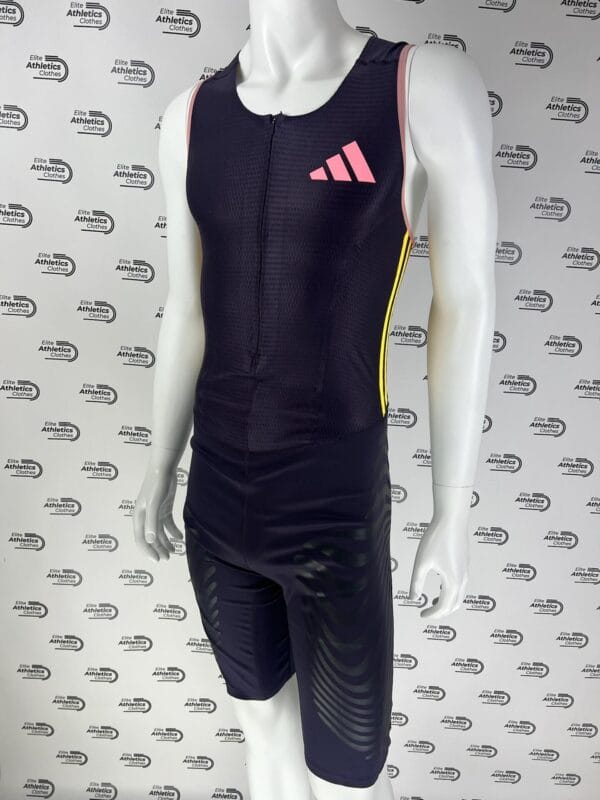 Adidas Pro Elite 2024 Rheon Sleeveless SpeedsuitSold out · check back soonView Piece →
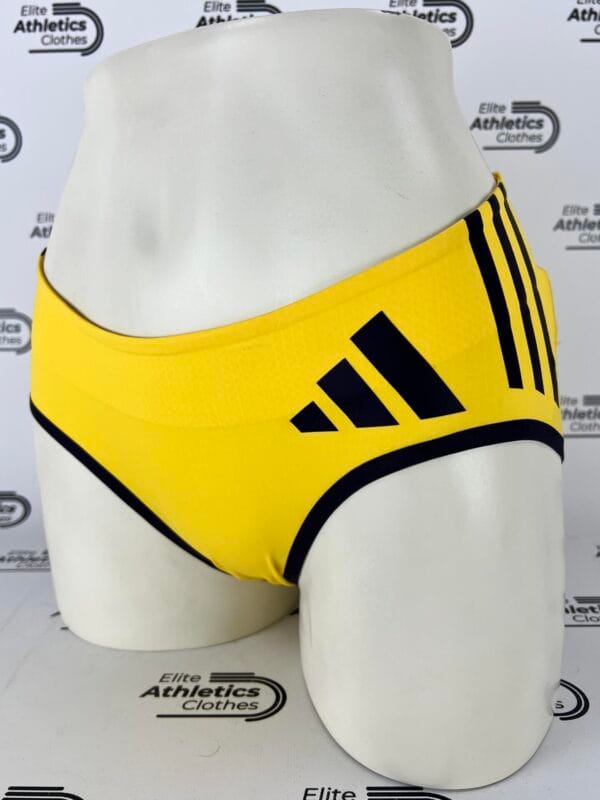 Adidas Pro Elite 2024 Women Distance Competition Briefs – Medallist EditionSold out · check back soonView Piece →
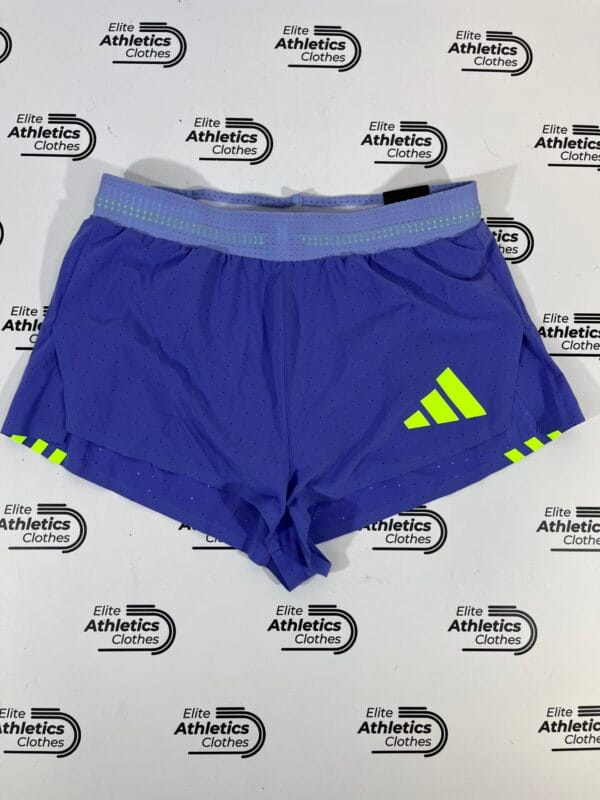 Adidas Pro Elite Team 2024 Special Edition Racing Shorts 1”120,00 €View Piece →Special Edition
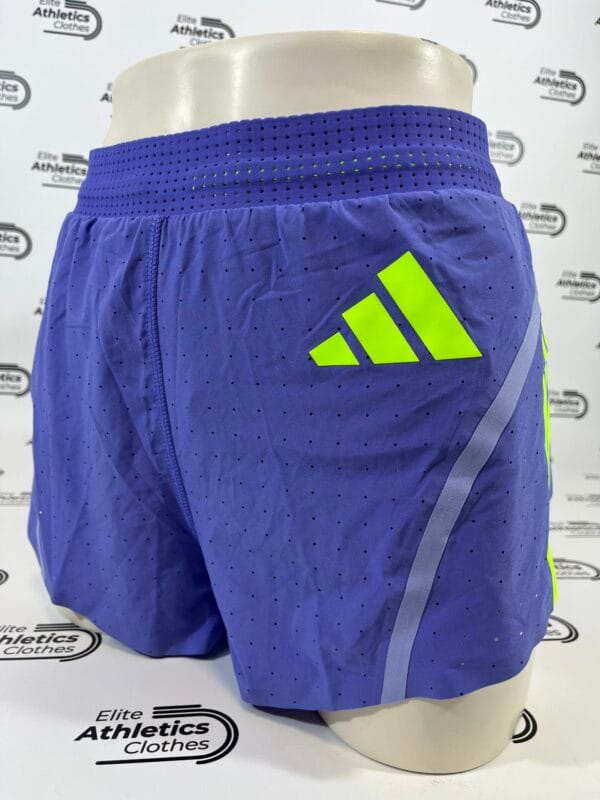 Adidas Pro Elite Team 2024 Special Edition Women Racing Shorts 2”120,00 €View Piece →Special Edition
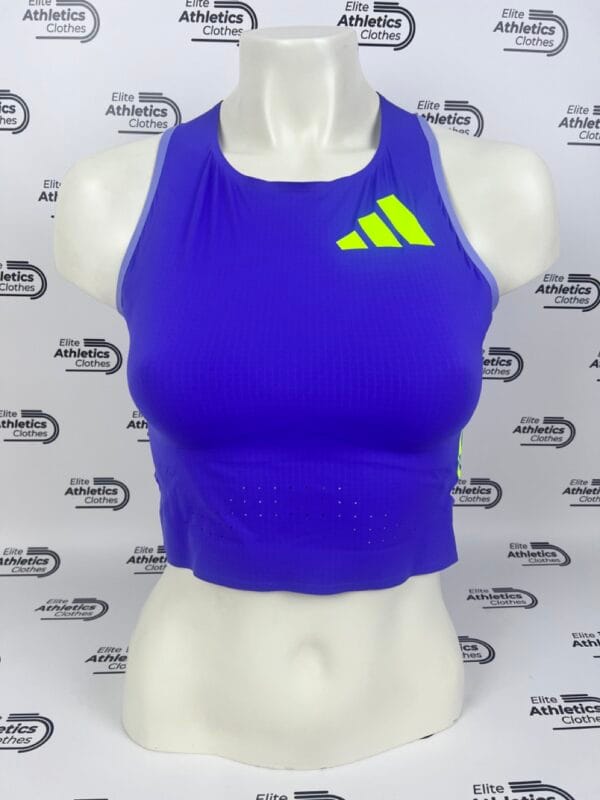 Adidas Pro Elite 2024 Women Crop Top – Special Edition120,00 €View Piece →Special Edition
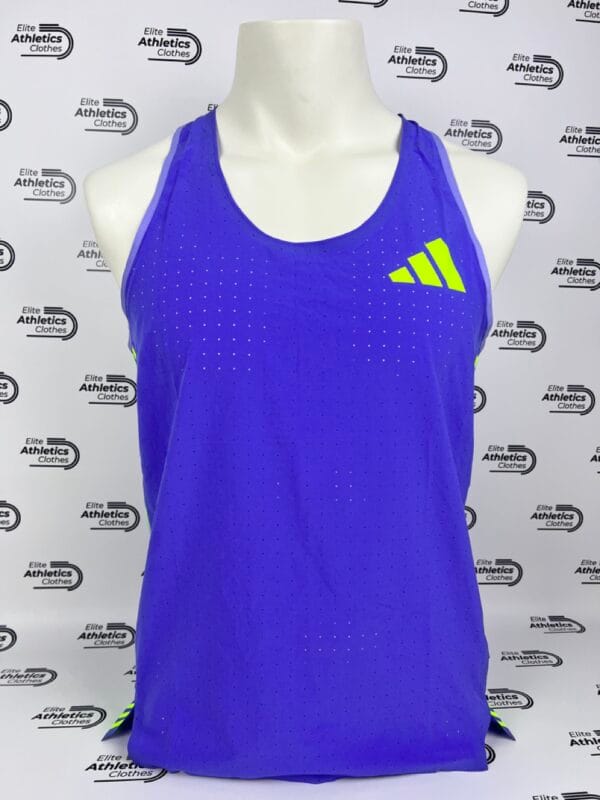 Adidas Pro Elite 2024 Men Distance Singlet – Special Edition150,00 €View Piece →Special Edition
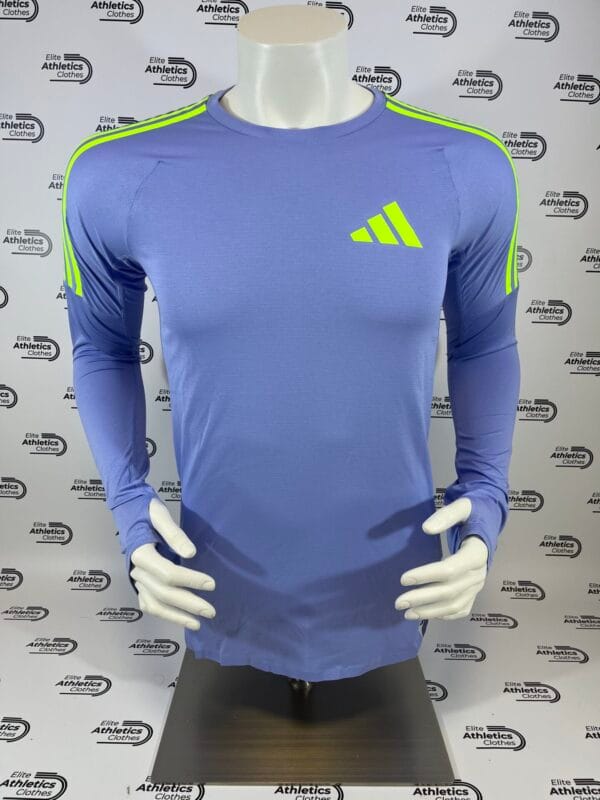 Adidas Pro Elite 2024 Long Sleeves Shirt – SPECIAL EDITIONSold out · check back soonView Piece →Special Edition
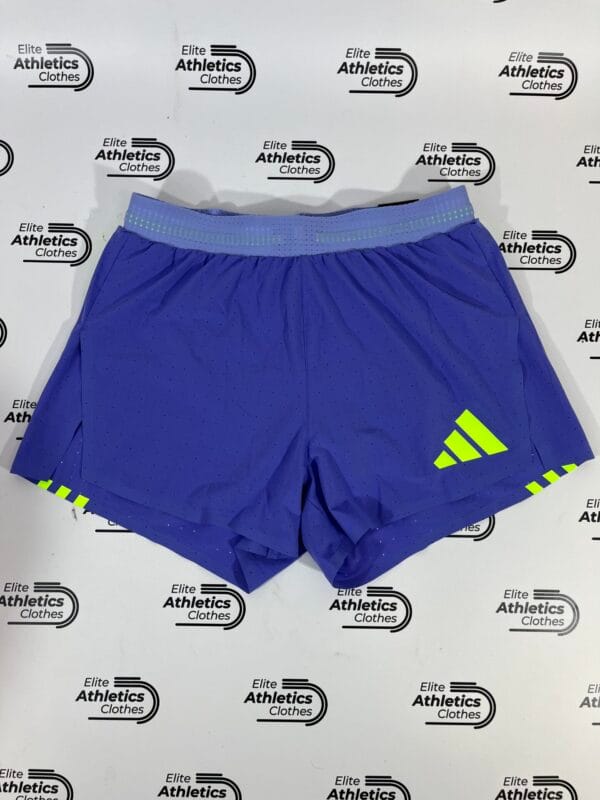 Adidas Pro Elite Team 2024 Special Edition Racing Shorts 3”Sold out · check back soonView Piece →Special Edition
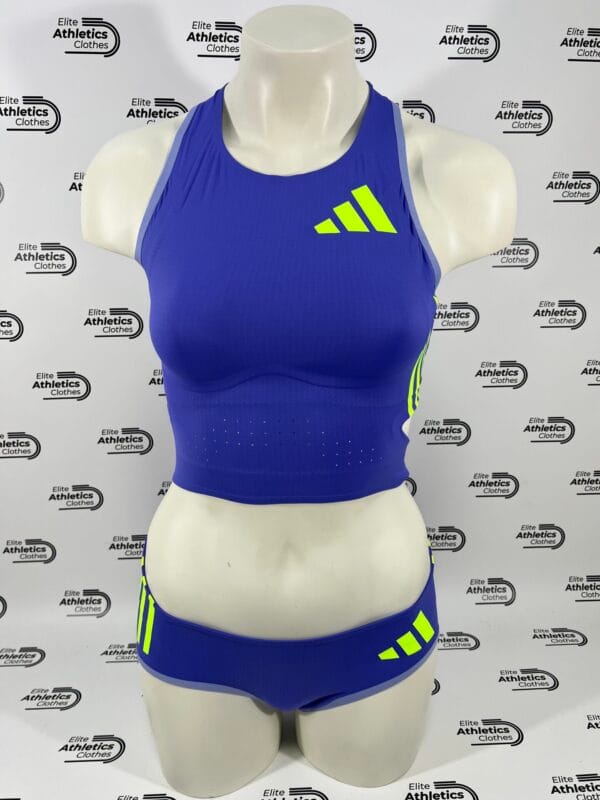 Adidas Pro Elite 2024 Special Edition Women Competition KitSold out · check back soonView Piece →Special Edition
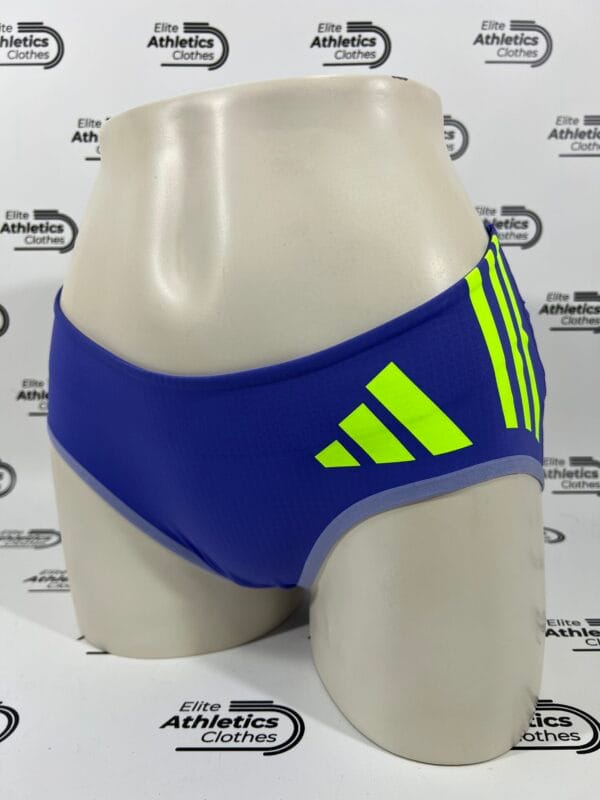 Adidas Pro Elite 2024 Special Edition Women Competition BriefsSold out · check back soonView Piece →
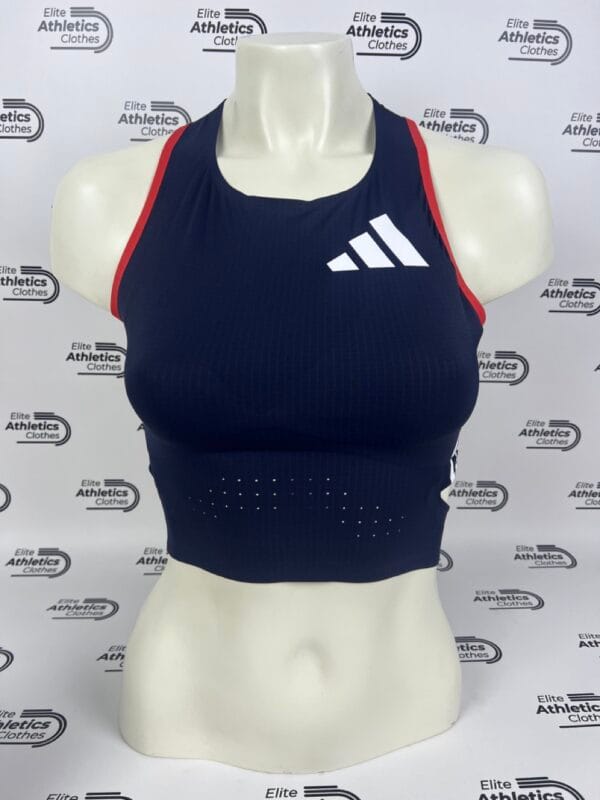 Adidas Pro Elite 2024 Women Crop Top – Promo edition140,00 €View Piece →
Bold red and black with oversized logos and textured knits, plus a deep-purple brief and a lavender singlet — the loudest palette of any adidas cycle, and the newest pieces to surface from the athlete channel. Read the full 2025 story →
Adidas Pro Elite Team 2025 Arm Sleeves120,00 €View Piece →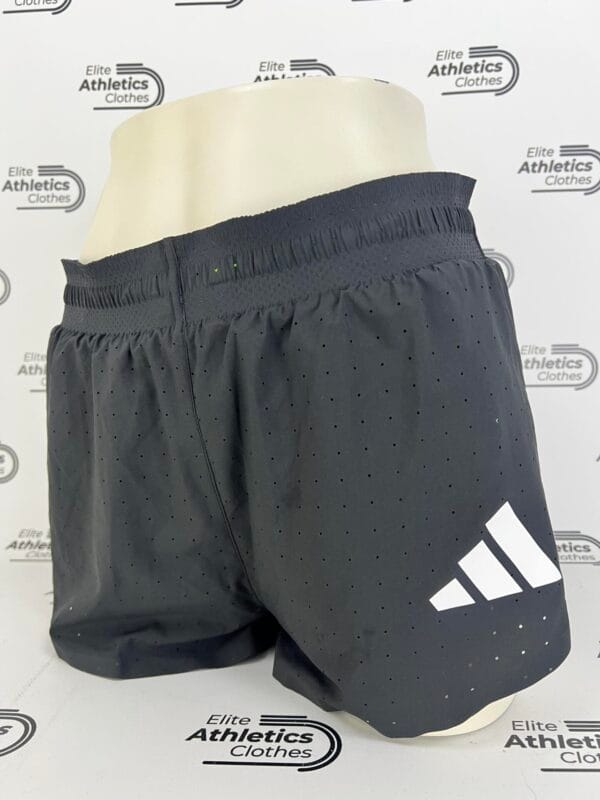 Adidas Pro Elite Team 2025 Women Running Shorts140,00 €View Piece →
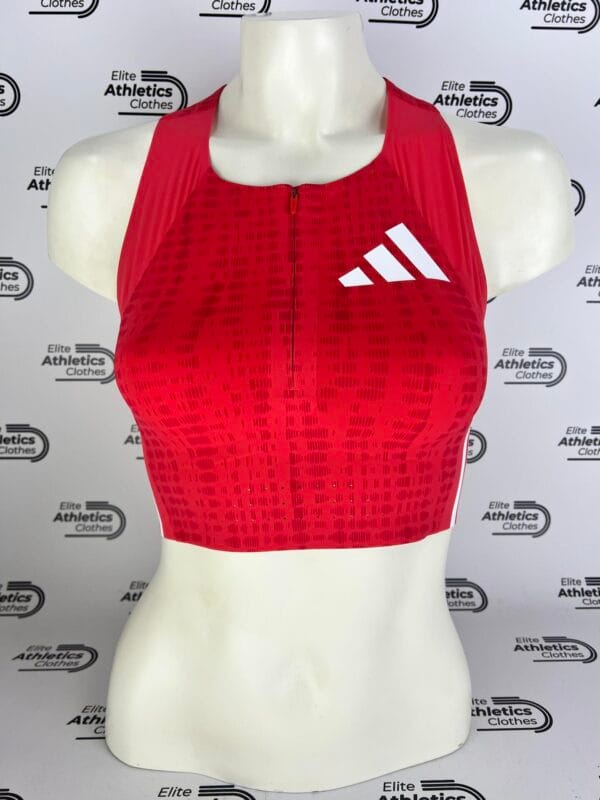 Adidas Pro Elite Team 2025 Women Crop Top180,00 €View Piece →
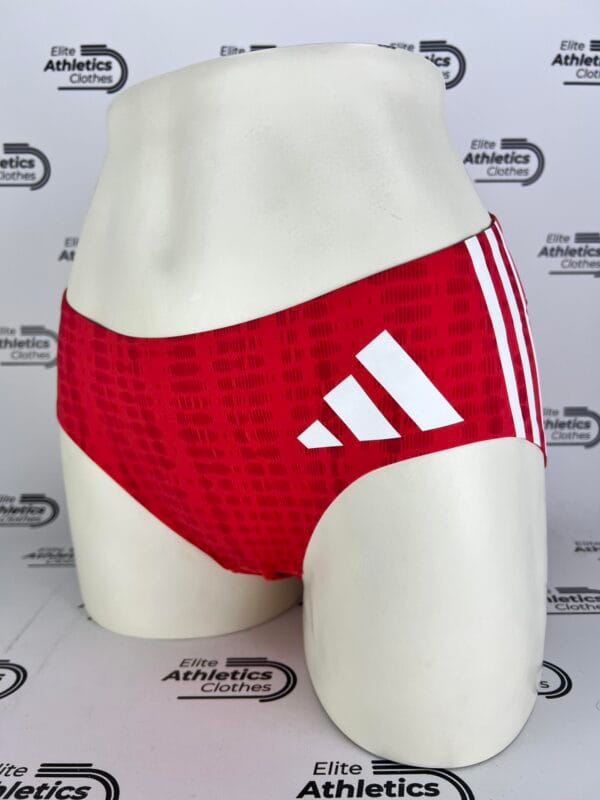 Adidas Pro Elite Team 2025 Women Distance Competition Briefs140,00 €View Piece →
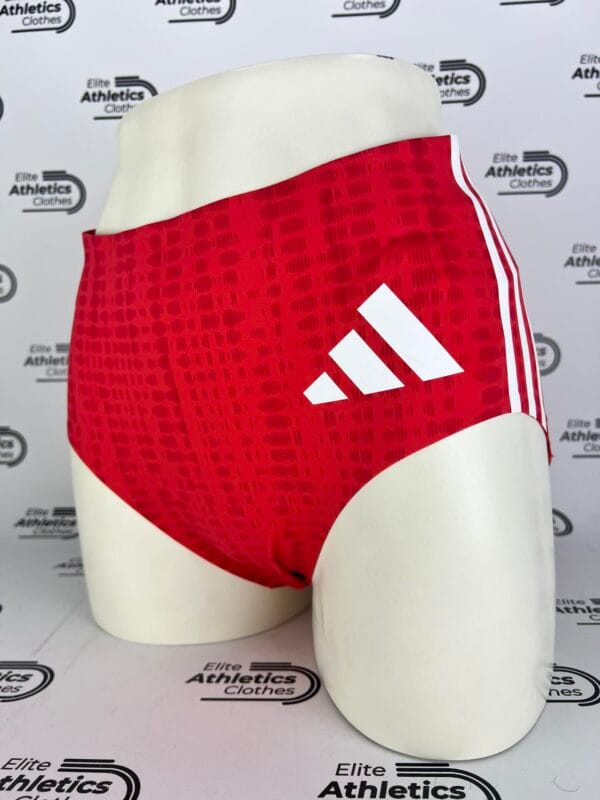 Adidas Pro Elite Team 2025 Women Sprint Briefs140,00 €View Piece →
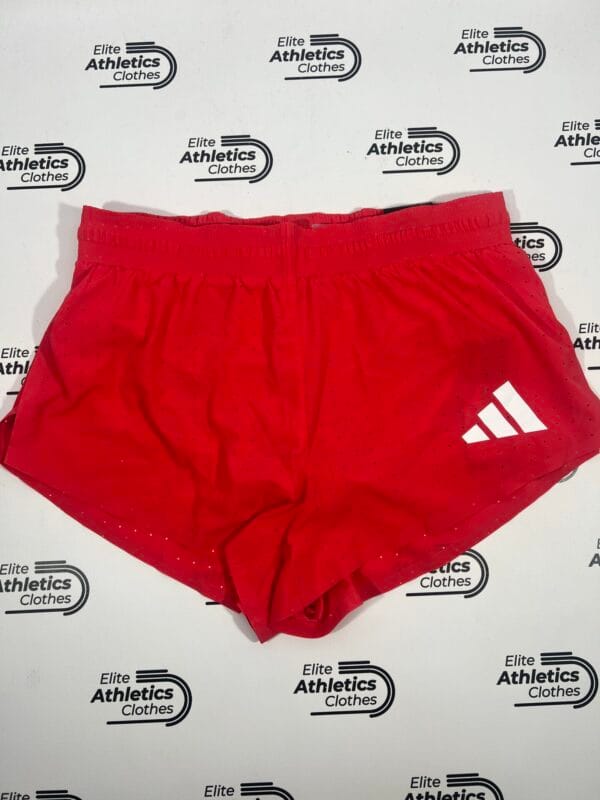 Adidas Pro Elite 2025 Women Running Shorts140,00 €View Piece →
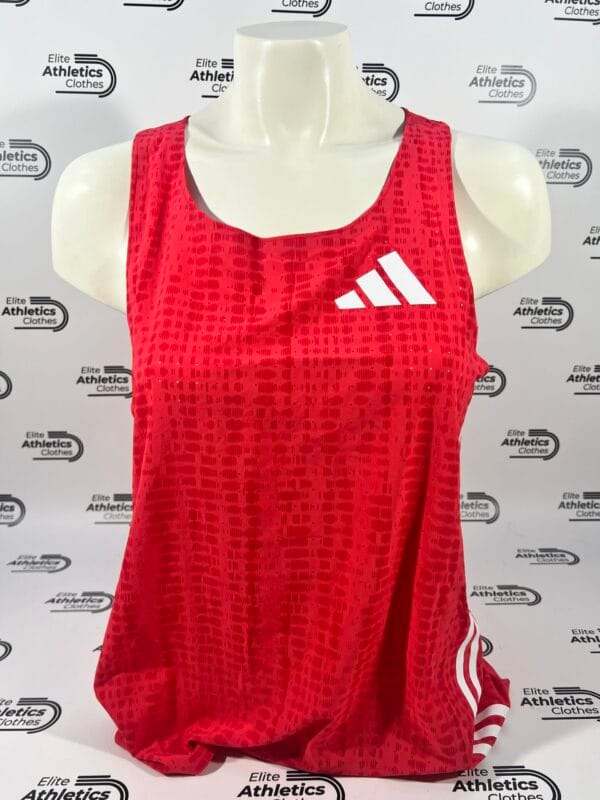 Adidas Pro Elite 2025 Women Distance SingletSold out · check back soonView Piece →Adidas Pro Elite Team 2025 Road to Records Women Running Shorts180,00 €View Piece →Adidas Pro Elite Team 2025 Women Distance Competition Briefs – Special Edition140,00 €View Piece →Special Edition
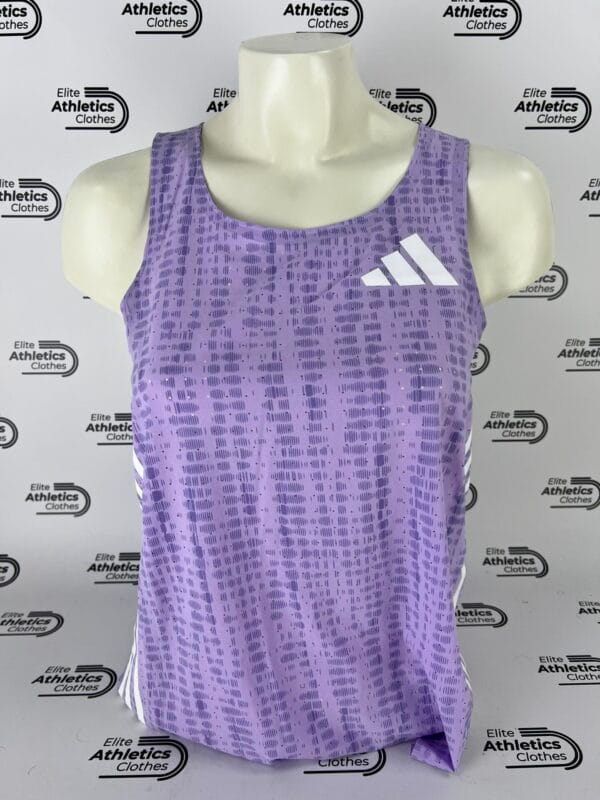 Adidas Pro Elite Team 2025 Women Distance Singlet – Special Edition140,00 €View Piece →Special Edition
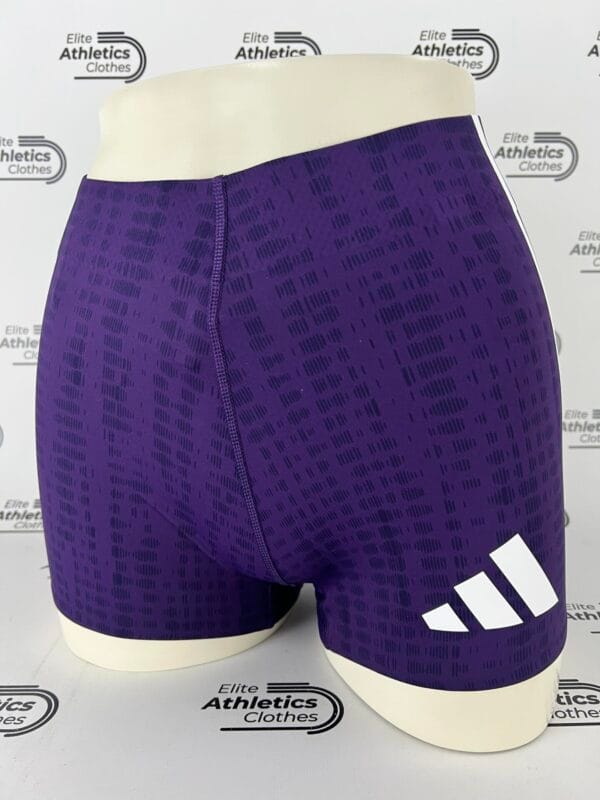 Adidas Pro Elite Team 2025 Women Shortly Tights – Special EditionSold out · check back soonView Piece →Special Edition
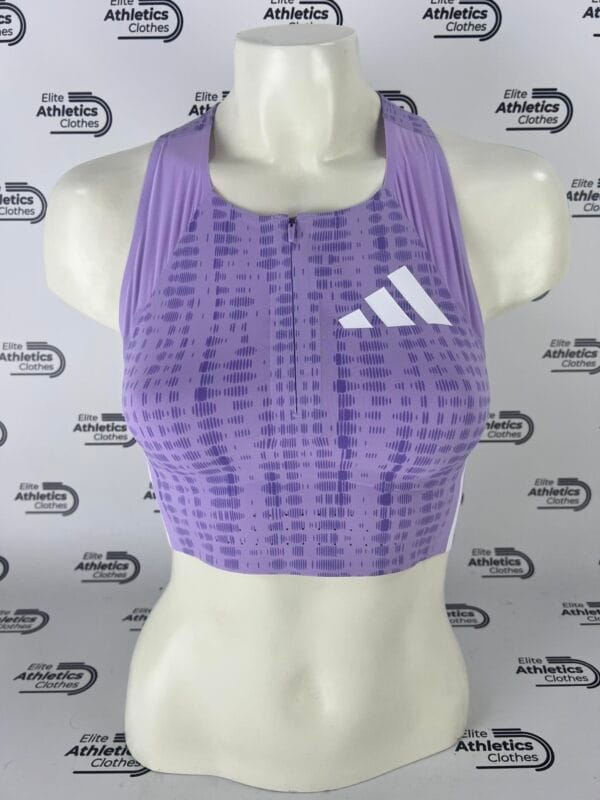 Adidas Pro Elite Team 2025 Women Crop Top – Special EditionSold out · check back soonView Piece →
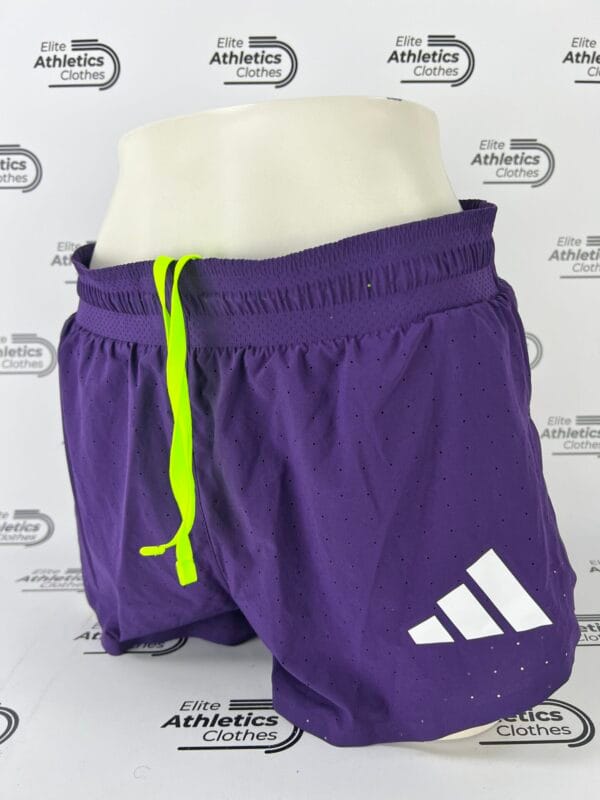 Adidas Pro Elite Team 2025 Women Running Shorts – PROMO EDITION120,00 €View Piece →
The Adidas Cycles in Our Archive (2018–2025)
Elite Athletics Clothes holds the largest single-brand collection in our archive under the stripes: 67 athlete-issue adidas pieces spanning eight kit cycles from 2018 to 2025 — singlets, speedsuits, crop tops, briefs, sleeves, tights and warm-up layers, including RHEON pieces from the Paris cycle and the Road to Records and Tirop’s Angels issues covered above. Every piece left the athlete channel once; none of it restocks.
The pieces below are the eight most recent arrivals in the adidas collection. Stock is whatever has surfaced — when a piece sells, that cycle gets one piece rarer.
The Adidas Pro Elite Collection
The eight most recent athlete-issue adidas pieces to reach the archive, from kit cycles between 2013 and 2025. Every piece left the athlete channel once and will not be restocked — new arrivals surface here first, and when one sells it is gone for good.
Adidas Pro Elite Team 2024 Rheon Singlet160,00 €View Piece →Adidas Tirop’s Angels Pro Elite 2023 Women Long Sleeves Shirt120,00 €View Piece →Adidas Pro Elite Team 2025 Road to Records Women Running Shorts180,00 €View Piece →Adidas Pro Elite Team 2025 Arm Sleeves120,00 €View Piece →Adidas Pro Elite Team 2022 Women Capri Long Tights140,00 €View Piece →Adidas Pro Elite Team 2024 Half Tights200,00 €View Piece →Adidas Pro Elite Team 2025 Women Distance Competition Briefs – Special Edition140,00 €View Piece →Adidas Pro Elite Team 2025 Women Running Shorts140,00 €View Piece →What is Adidas Pro Elite?
“Adidas Pro Elite” is the collector-market name for adidas's athlete-issue competition kit: garments made for contracted professional athletes and national federations, issued for a championship cycle and never sold at retail. adidas does not market a line under that name — the term describes the closed athlete channel the kit comes from.
Is Pro Elite an official adidas product line?
No. The “Pro Elite” label originated with Nike's athlete-issue programme and collectors apply it across brands as shorthand for athlete-only kit. Genuine adidas athlete-issue pieces carry real article numbers but no retail listing — the absence from shops is part of what marks them out.
Which athletics federations wear adidas today?
Ethiopia's athletics federation races in adidas, France's federation returned to adidas in 2022, and Team GB at the Olympic Games is dressed by adidas through the British Olympic Association — although UK Athletics' own federation deal moved to Nike in 2014, and Germany's DLV has raced in Nike since 2005.
Did Jesse Owens really wear adidas in 1936?
He wore Dassler spikes — made by the Dassler brothers' factory thirteen years before the adidas name was registered in 1949. The Olympic Museum catalogues a Dassler shoe worn by Owens in Berlin. The story of Adi Dassler personally delivering the shoes to the Olympic village is company legend without primary documentation.
What world records have been set in adidas?
The marathon carries the headline list: Gebrselassie's 2:03:59 (2008), Kimetto's 2:02:57 (2014), Tigst Assefa's 2:11:53 (Berlin 2023) and women-only 2:15:41 (London 2026), and Sabastian Sawe's 1:59:30 in London 2026 — the first sub-two-hour marathon in a record-eligible race, with Yomif Kejelcha also under two hours the same day. adidas's own Road to Records meeting has produced road world records since 2021.
How do I know an athlete-issue adidas piece is authentic?
Structure over logos: race-cut proportions, competition-weight fabric, era-correct labels and article numbers, and scarcity that matches the athlete channel — genuine issues never exist in every size. Our step-by-step authentication guide covers the tells; every piece in the Elite Athletics Clothes archive is verified against it before listing.
What adidas pieces does Elite Athletics Clothes carry?
A rotating archive of 87 athlete-issue pieces from the 2013 to 2025 cycles — the largest single-brand collection we hold — including RHEON pieces from the Paris 2024 generation, Road to Records issue and the Tirop’s Angels 2023 long sleeve. When a piece sells it does not return.
Sources and References
- Adidas — Wikipedia — Dassler brothers 1924, adidas registration 18 Aug 1949, Karhu stripes 1952
- History — adidas Group — Company timeline: split, registration, naming
- 75 years ago PUMA founder Rudolf Dassler registered RUDA — Puma SE — RUDA registration Jan 1948, PUMA Oct 1948
- Dassler shoe worn by Jesse Owens — Olympic Museum collection — Owens Berlin 1936 Dassler spikes artefact
- Adidas marathon shoe worn by Emil Zátopek, Helsinki 1952 — Olympic Museum collection — Zátopek Helsinki 1952 shoes artefact
- Three stripes trademark sold to adidas — Karhu — 1952 purchase of the three-stripe mark
- Marathon world record: Dennis Kimetto, Berlin — World Athletics — 2:02:57, first sub-2:03, 2014
- Dennis Kimetto sets marathon world record wearing the adidas Adizero Adios Boost 2 — Complex — Kimetto’s Berlin 2014 shoe
- 2013: Wilson Kipsang — Marathon Shoe History — the disputed Berlin 2013 shoe: Adios Boost in London, Adios 2 per the Berlin race photos
- adidas launches Adizero Adios Pro Evo 1 — adidas News — 138 g, Sept 2023, athlete-first release
- Two adidas athletes break the sub-2-hour marathon barrier — adidas News — Sawe 1:59:30 & Kejelcha 1:59:41, London 2026, both adidas
- Marathon world record progression — Wikipedia — Record status cross-check, July 2026
- Adizero: Road to Records — Wikipedia / World Athletics reports — Event since 12 Sept 2021; Tirop 30:01; Ngetich 29:27 (2025)
- Agnes Tirop — Wikipedia — Career, death 13 Oct 2021, case status (accused at large, no verdict); Tirop’s Angels
- adidas extends contract with Noah Lyles — LetsRun — Lyles adidas deal to ~2029
- Engineered with RHEON — Rheon Labs — RHEON in adidas Paris 2024 federation kits (GB, France, Ethiopia)