
Grand Slam
Track
Michael Johnson's track league promised US$12.6 million in prize money and lasted three meets: the full story, from the June 2024 launch to the US$40.7 million Chapter 11 and the April 2026 settlement.
Grand Slam Track was a professional track league founded by Michael Johnson: announced in June 2024 with more than US$30 million behind it, launched in April 2025 with US$12.6 million in promised prize money, and stopped after three of its four meets, out of cash. It filed for Chapter 11 bankruptcy on 11 December 2025 owing US$40.7 million to 340 creditors, and left bankruptcy on 16 April 2026 under a plan that pays athletes about 70 cents on the dollar. As of September 2026, no second season has been announced.
The racing itself was real — Kenny Bednarek and Melissa Jefferson-Wooden swept every short sprints title, Alison dos Santos never lost, Sydney McLaughlin-Levrone ran world-leading times — which is exactly why the unpaid cheques mattered so much. This page keeps the two ledgers side by side: the sporting one and the financial one.
Part of our Competition Files — one competition at a time, explained. League nights are raced in sponsor kit, and that universe lives in the Pro Elite archive. Jump to the team lines or start with the Nike Pro Elite story.
- What it was
- Michael Johnson's professional track league — running events only — announced 18 June 2024 with over US$30 million in commitments
- The promise
- US$12.6 million in season prize money: US$100,000 per Slam group win, 48 salaried Racers, 48 invited Challengers
- The season
- Three of four Slams held: Kingston (4–6 Apr), Miami (2–4 May), Philadelphia (31 May–1 Jun 2025)
- The cancellation
- The Los Angeles final at UCLA, set for 28–29 June, was called off on 12 June 2025
- The debt
- About US$19 million owed to athletes and vendors by September 2025; half the athlete money wired 3 October
- Chapter 11
- Filed 11 December 2025 in Delaware: US$40.7 million owed to 340 creditors, about US$143,000 in cash
- The exit
- Plan approved 16 April 2026: athletes recover about 70 cents on the dollar, vendors about 14
- Where it stands
- Out of bankruptcy; no second season announced as of September 2026
The Richest Startup the Sport Had Seen
Michael Johnson announced Grand Slam Track on 18 June 2024 with a simple diagnosis: track athletes race each other too rarely, and get paid too little when they do. His answer was a league — four three-day meets a year, called Slams, in which 48 contracted “Racers” on annual salaries would meet 48 invited “Challengers” picked meet by meet. The venture launched with more than US$30 million in commitments, led by Winners Alliance, the commercial arm of the Professional Tennis Players Association chaired by Bill Ackman.
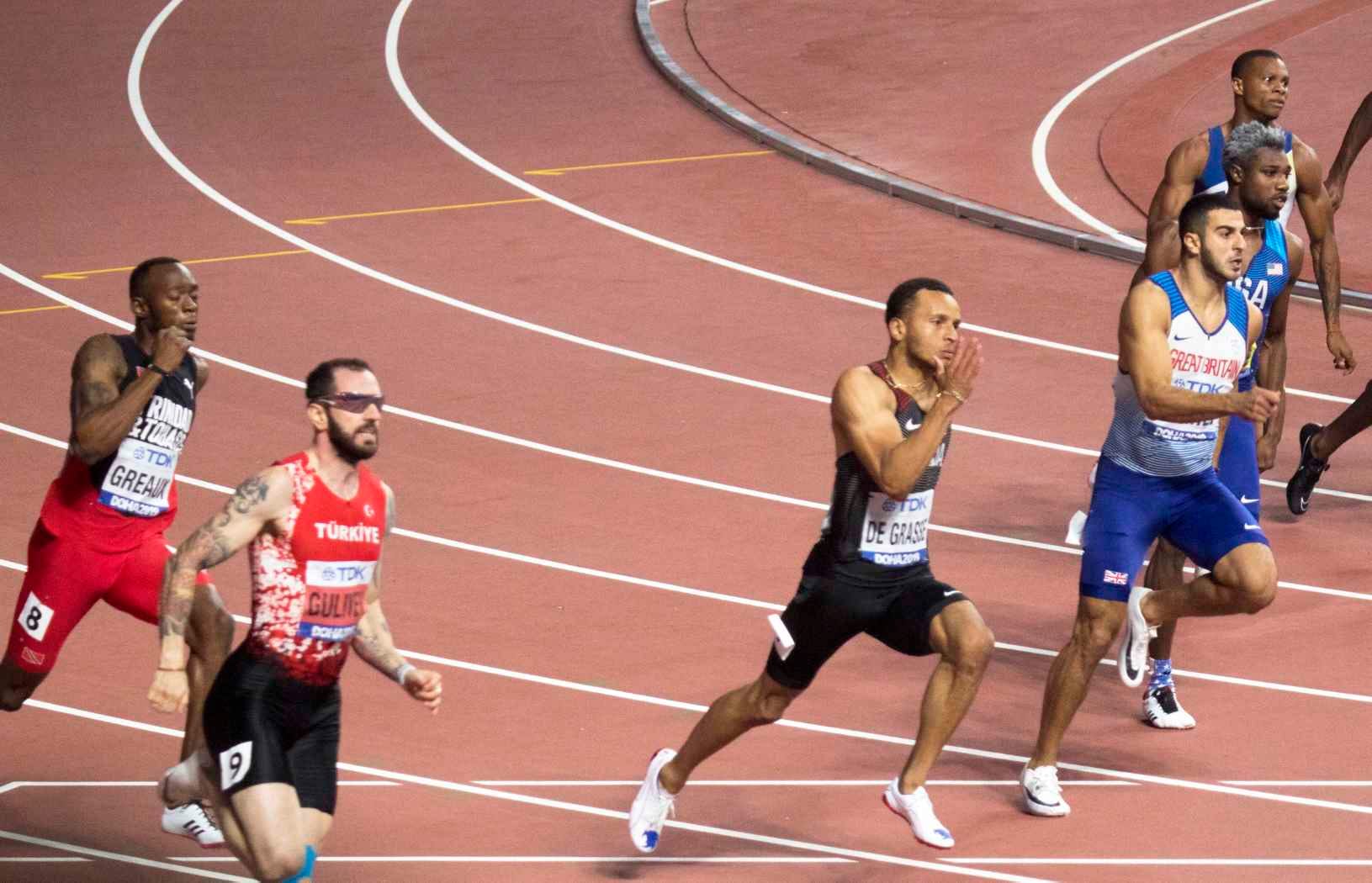
The competitive design was genuinely new. Every athlete belonged to one of six event groups per sex — short sprints, long sprints, short hurdles, long hurdles, short distance, long distance — and had to race twice at every Slam, with combined placings deciding the group title. The 400 m hurdler had to run a flat 400; the 1500 m runner had to come back for an 800. There were no field events at all: Johnson wanted one race at a time inside a three-hour broadcast window, and jumps and throws did not fit. The CW carried the meets on US television, Peacock streamed them, and NBC ran a highlights show.
The money was the headline. Each Slam offered US$100,000 to every group winner on a scale running down to US$10,000 for eighth — US$3.15 million per meet, US$12.6 million for the season, at the time the biggest regular prize pot in the sport's history. It was also, from the start, the pitch's weak point: some of the biggest names did the maths and stayed out.
Three Slams, and the Racing Was Real
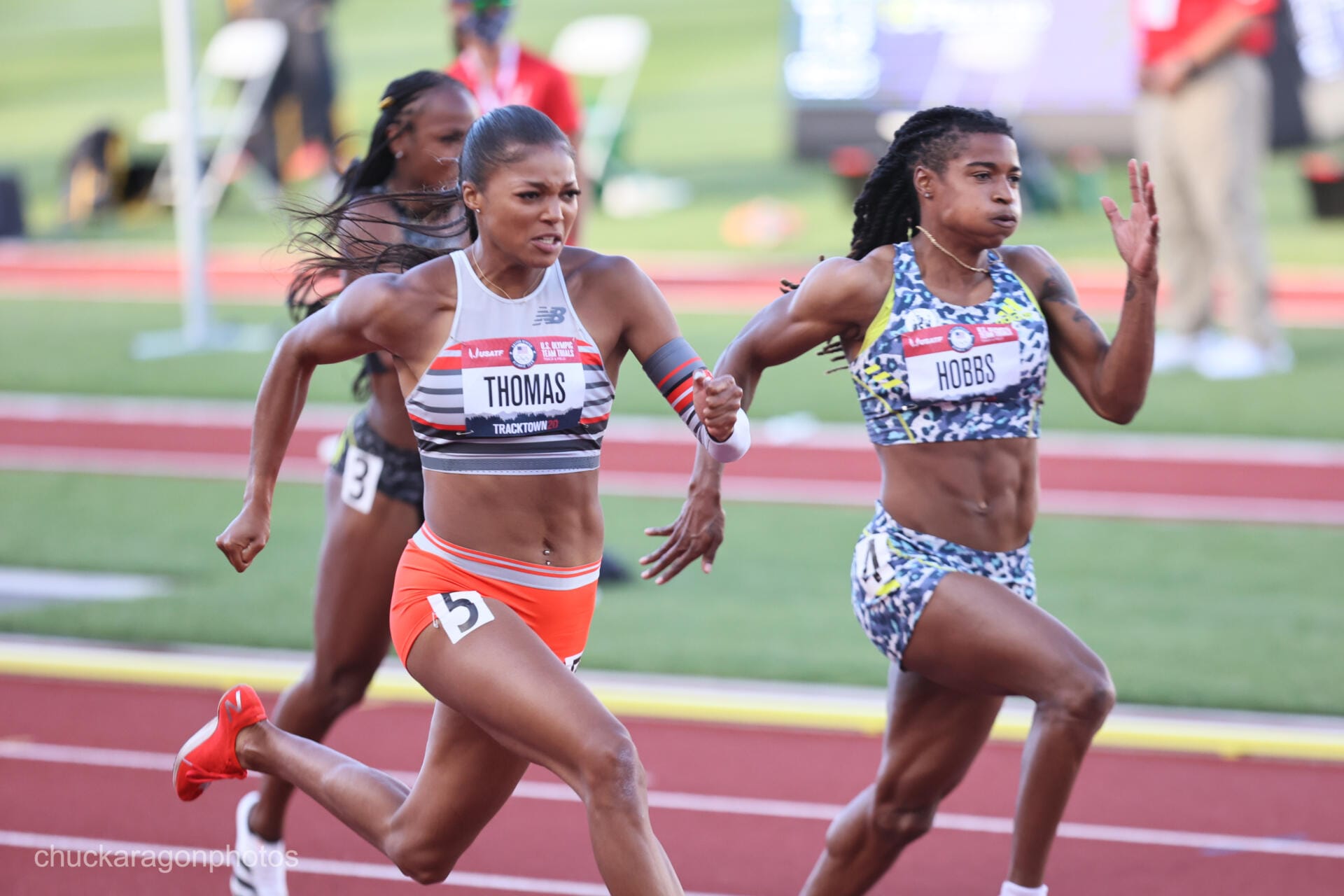
The first Slam ran in Kingston's National Stadium from 4 to 6 April 2025, and the pattern of the whole season was visible on night one: superb racing in front of stands that stayed mostly empty in a 35,000-seat ground. Gabby Thomas took the first long sprints title with a 400 m lifetime best of 49.14 alongside her 200 m win, and Sydney McLaughlin-Levrone opened her season by winning the long hurdles group, taking the 400 m hurdles by 1.83 seconds from Dalilah Muhammad.
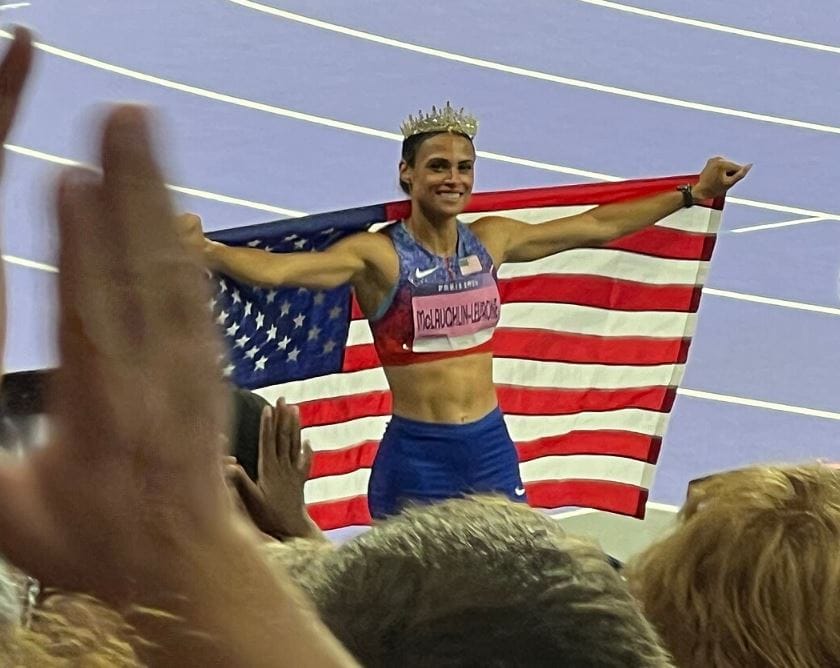
Miami, 2 to 4 May, moved to a far smaller venue and looked better for it. McLaughlin-Levrone scored a perfect 24 points again, running a world-leading 52.07 in the hurdles and 49.69 in the flat 400, both wins by around two seconds. Philadelphia's Franklin Field, 31 May to 1 June, was the format's best weekend — more than 10,000 people a day — and also the first visibly cut-down one: the meet was compressed from three days to two, and the long distance group raced only a 3000 m, its winner's cheque halved to US$50,000.
The sporting ledger of those three meets holds up against any circuit that year. Kenny Bednarek swept all three short sprints titles, closing in Philadelphia with a 9.86 lifetime best over 100 m. Melissa Jefferson-Wooden swept all three on the women's side and signed off with 10.73, then the fastest time in the world in 2025. Alison dos Santos never lost a race in the league. McLaughlin-Levrone, chasing a challenge, jumped into the short hurdles group in Philadelphia against the specialists and finished second overall to Ackera Nugent, with a 100 m flat best of 11.21.
The Money Stops
On 12 June 2025, two weeks out and with more than 10,000 tickets sold, the league cancelled its Los Angeles final, scheduled for UCLA's Drake Stadium on 28 and 29 June. The statement spoke of concluding a “groundbreaking” first season early; reporting around it cited the tense situation in Los Angeles that month and a bad lease with the university. Whatever the framing, the season was over — and almost nobody had been paid.
Only the appearance fees from Kingston had gone out. By late June the reported hole was around US$13 million owed to athletes — more than US$9 million of it prize money — and by September, counting vendors, about US$19 million. In August Johnson apologised publicly, said a funder had failed to deliver promised investment, and conceded there would be no 2026 season until athletes were paid; World Athletics said it would not sanction future Grand Slam Track events until the debts were settled.
A rescue arrived in stages. In early October 2025 the league's existing investors, led again by Winners Alliance, put in emergency financing of roughly US$10 million, and on 3 October the league wired athletes half of what they were owed. A November offer to settle vendor debts at 50 cents on the dollar was turned down. The court filings later put names on the arithmetic: Josh Kerr was owed US$218,000, McLaughlin-Levrone US$350,000.
Case 25-12188
On 11 December 2025 Grand Slam Track filed a voluntary Chapter 11 petition in the United States Bankruptcy Court for the District of Delaware, case number 25-12188, before Chief Judge Karen B. Owens. The petition listed 340 creditors and US$40,679,508.68 in liabilities — athletes still owed about US$7 million, the television production company more than US$3 million — against roughly US$143,000 of cash on hand, all of it collateral of Winners Alliance as secured creditor. By the January creditors' meeting the stated cash figure had fallen to US$7,300.
The league's February 2026 plan proposed paying athletes about 85 per cent of what they were still owed and other creditors 1.5 per cent. Vendors rejected it, and the creditors' committee filed objections that included sharp allegations about how the company had been run — allegations Johnson disputes. The resolution came by agreement rather than trial: athletes would recover about 70 cents on the dollar, roughly US$4.9 million, accepted by a unanimous vote of the athlete class; vendors about 14, sharing some US$1.8 million; and Johnson agreed to return a US$500,000 payment he had received from the league in June 2025, whose characterisation by the committee he also disputes. Winners Alliance and Johnson fund the plan.
Hover or tab on any line for the detail. Sources: ESPN and Grand Slam Track launch releases (June 2024); Front Office Sports and NBC News on the debts; Canadian Running on the October 2025 payment; Sportico, Front Office Sports and the Stretto case docket on the Chapter 11 figures and the approved plan. Verified September 2026.
The ledger, line by line
| Date | Entry | Amount | Side |
|---|---|---|---|
| 18 June 2024 | Financial commitments announced at launch, Winners Alliance lead investor | over $30 million | in |
| October 2025 | Emergency financing from existing investors; half of outstanding athlete money wired 3 October | about $10 million | in |
| 2026 | Payment returned by Michael Johnson under the bankruptcy settlement | $500,000 | in |
| 2025 season | Prize pot promised across four Slams | $12.6 million | owed |
| September 2025 | Owed to athletes and vendors after three of four Slams | about $19 million | owed |
| 11 December 2025 | Liabilities in the Chapter 11 petition, 340 creditors | $40,679,508.68 | owed |
| 11 December 2025 | Cash on hand at the filing | about $143,000 | balance |
| 16 April 2026 | Plan approved: athletes recover about 70 cents on the dollar, vendors about 14 | $4.9M + $1.8M | settlement |
Judge Owens approved the plan on 16 April 2026, and the company left bankruptcy saying the reorganisation gave it “the ability to return for future seasons” and to build participatory events and media around the brand. As of September 2026, no second season has been announced, and World Athletics' condition — debts settled before any future licence — still frames whatever comes next.
What It Leaves the Sport
It is tempting to file the league away as a cautionary tale, and the number does the talking: a venture that raised more than US$30 million reached its first winter with US$143,000 in the till. But the racing itself proved something the sport had long argued about — that stars will double up, race each other in April, and produce world-leading times doing it, if the cheque is big enough. The problem was never the product on the track. It was that the cheque bounced.
The athletes it briefly enriched went on to define the next eighteen months. Jefferson-Wooden left Philadelphia with three Slam titles and a 10.73; in Tokyo that September she won the world 100 m title in a championship-record 10.61, added the 200 and the relay, and became the first American woman to sweep all three. McLaughlin-Levrone moved to the flat 400 and won the world title in 47.78, the second-fastest time ever run. Dos Santos, unbeaten in the league, took the 400 m hurdles world record itself at 45.80 in Zurich in August 2026. Bednarek's 9.86 made him a genuine 100 m force. And the pay conversation the league forced did not leave with it: thirteen months after the Los Angeles cancellation, World Athletics staged the Ultimate Championship in Budapest with a US$10 million pot and US$150,000 per champion — the sport's establishment answering the startup's question with the startup gone.
The house rule for reading any competition: championships mean federation kit, leagues and meetings mean sponsor kit. Grand Slam Track was a league — its athletes raced in their sponsors' colours, not national uniforms — so its universe in this archive is the brand one: Nike Pro Elite, adidas Pro Elite and the other team lines, explained in What Is Pro Elite Clothing.
 Sponsor kit · in the archiveNike Pro Elite 2023 Women Storm Fit JacketRace-issued gear from the Nike Pro Elite line — the sponsor-kit universe that league nights like Grand Slam Track are raced in.150,00 €View piece →
League Colours
Grand Slam Track nights were raced in sponsor gear, not national uniforms. These are athlete-issued pieces from the brand and team lines in the archive — one per line, from the universe league racing belongs to.
Nike Pro Elite 2023 Women Storm Fit Jacket150,00 €View Piece →adidas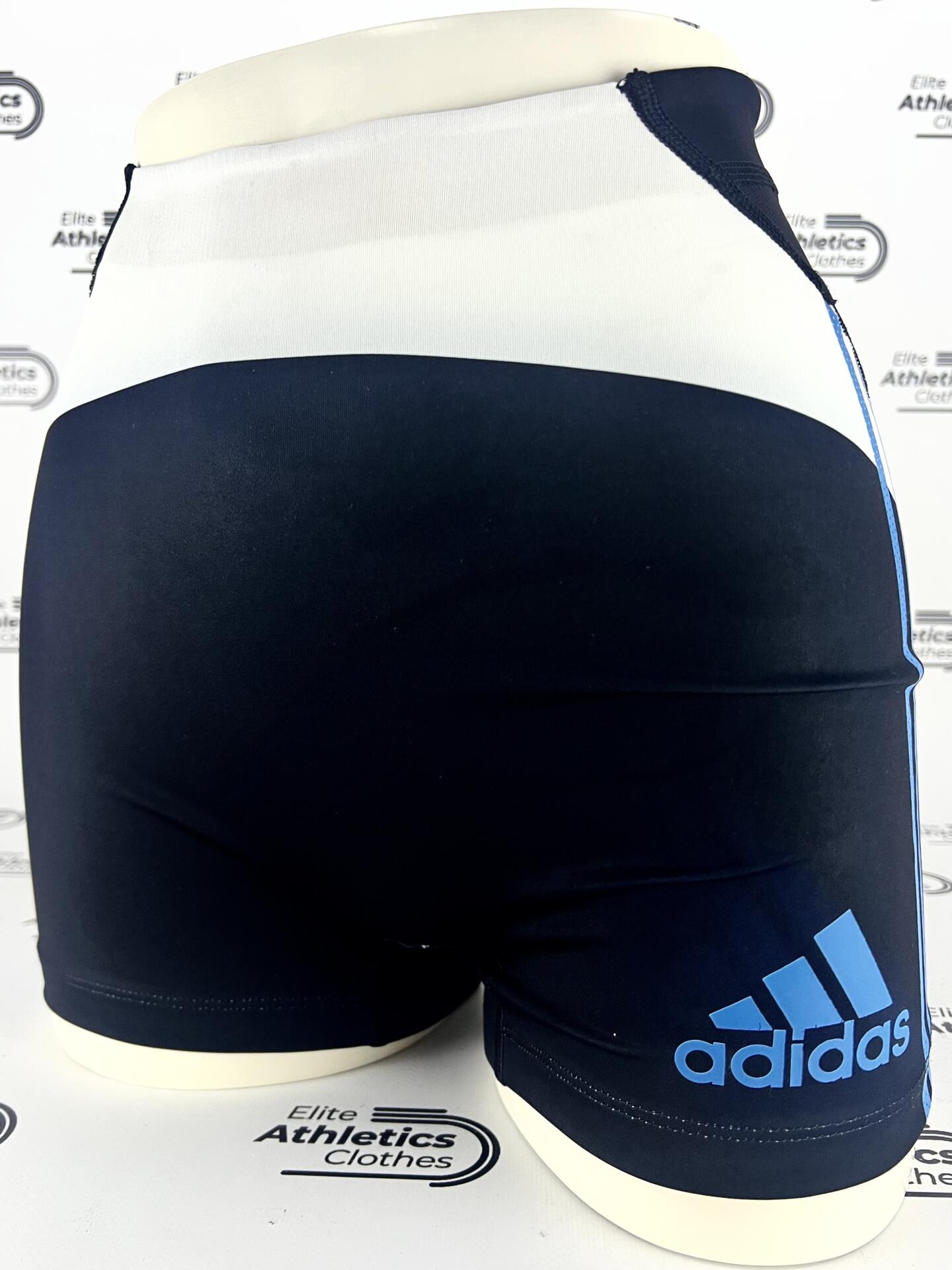 Adidas Pro Elite 2022 Women Booty Short Tights100,00 €View Piece →NN Running
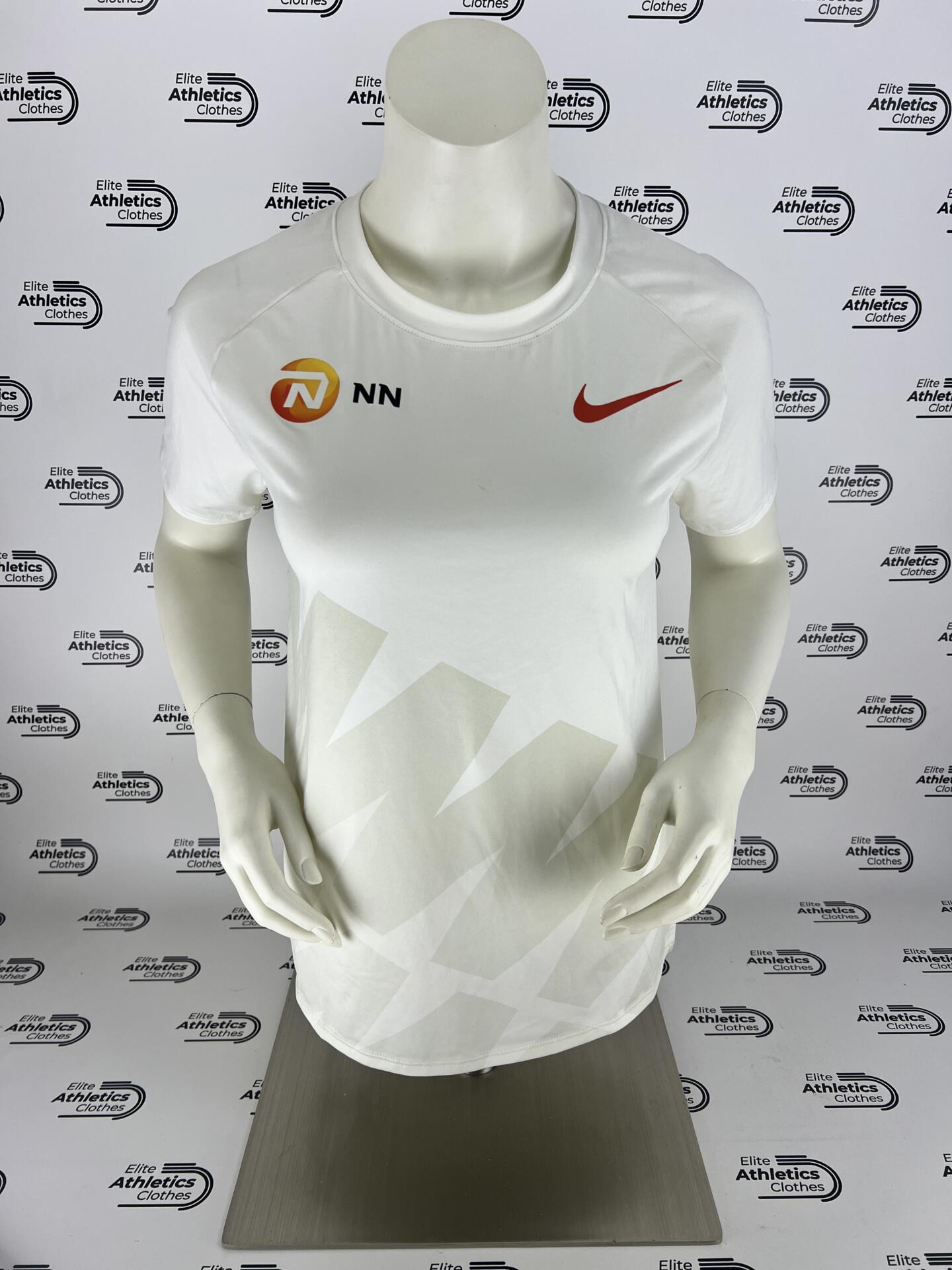 INEOS X Nike NN Running Team Pro Elite 2020/2021 Women T-Shirt150,00 €View Piece →Rosa & Co
 Nike Rosa & Co. Pro Elite 2019 Women Crop Top250,00 €View Piece →Asics
 Asics Actibreeze Distance Singlet100,00 €View Piece →On
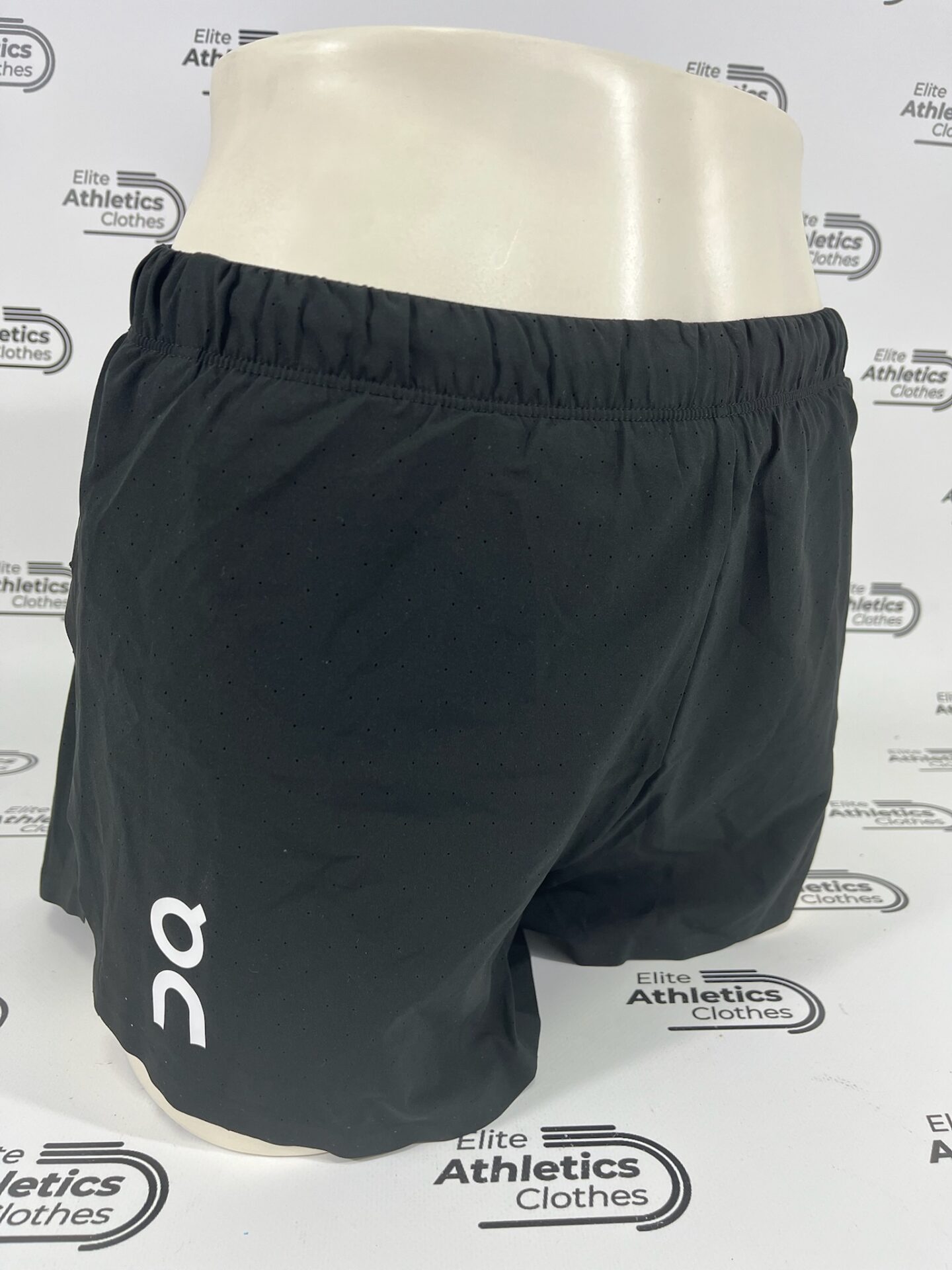 ON Running Pro Elite 2025 Women Black Racing Shorts120,00 €View Piece →Gold Medallist
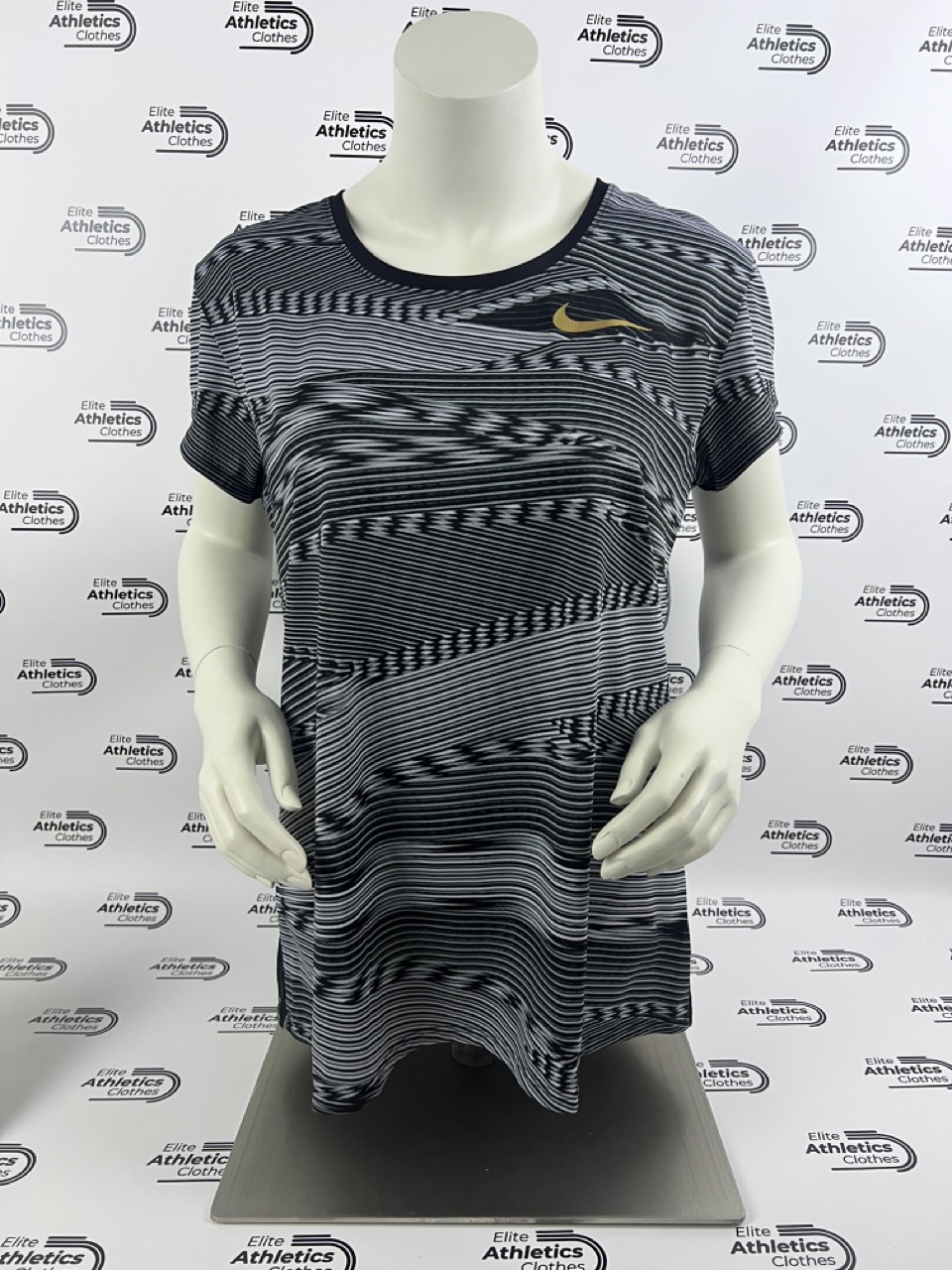 Nike Gold Medallist Pro Elite 2019 Women T-Shirt140,00 €View Piece →Clubs
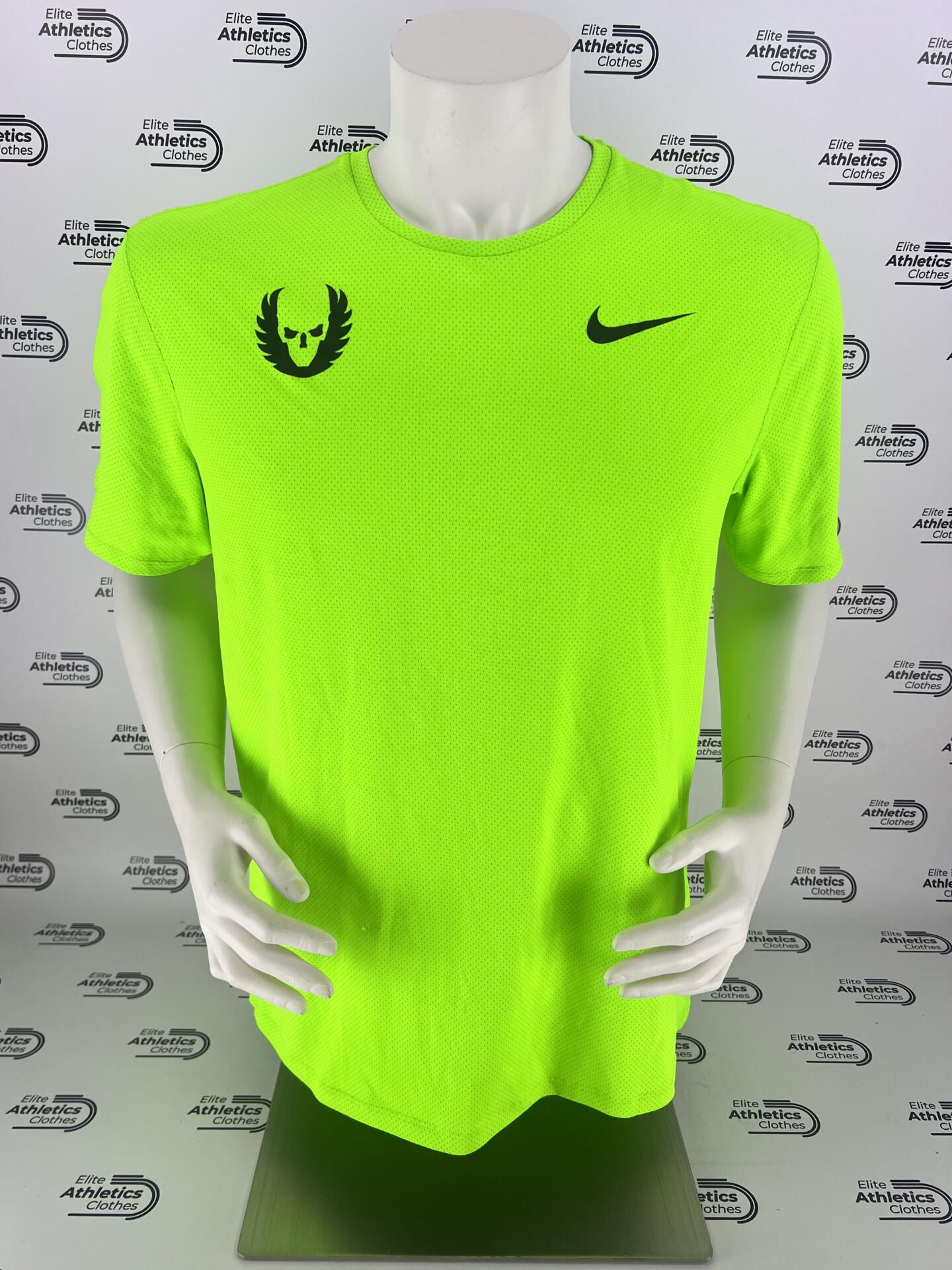 Nike Oregon Project Team Pro Elite T-Shirt240,00 €View Piece →
What was Grand Slam Track?
A professional track league founded by Michael Johnson and announced in June 2024, backed by more than US$30 million. It signed 48 salaried Racers, added 48 invited Challengers per meet, ran six event groups per sex with every athlete racing twice per Slam, offered US$12.6 million in season prize money — and held no field events. Its only season, 2025, completed three of four scheduled Slams.
Why did Grand Slam Track fail?
Costs outran the funding. After sparse crowds in Kingston and a promised investment that never arrived, the league cancelled its Los Angeles final on 12 June 2025 and ended the season owing roughly US$19 million to athletes and vendors. It filed for Chapter 11 bankruptcy on 11 December 2025 with US$40.7 million in liabilities and about US$143,000 in cash.
Did Grand Slam Track athletes get paid?
Partly. Kingston appearance fees were paid, athletes received half of what they were owed on 3 October 2025 after an emergency financing round, and the bankruptcy plan approved on 16 April 2026 returns about 70 cents on the dollar of the roughly US$7 million still outstanding — terms the athlete class accepted by unanimous vote. Vendors recover about 14 cents on the dollar.
Will Grand Slam Track come back?
Unclear. The company left bankruptcy in April 2026 saying the reorganisation lets it return for future seasons, but as of September 2026 no second season has been announced, and World Athletics has said it will not sanction future Grand Slam Track events until the league's debts to athletes and vendors are settled.
Sources and References
- ESPN — Michael Johnson launching Grand Slam Track (June 2024) — the launch, the format and the backing
- Grand Slam Track — how it works — Racers, Challengers, event groups and the prize scale
- ESPN — broadcast deal with Peacock and The CW — the television setup
- NBC Sports — Jefferson-Wooden's 10.73 in Philadelphia — the Philadelphia results and the sweeps
- CBC — Grand Slam Track cancels L.A. event — the 12 June cancellation and the reasons given
- ESPN — Johnson apologises for missing payments — the August 2025 apology and the failed funding
- Canadian Running — emergency funding pays half — the October 2025 rescue and the 3 October payment
- Sportico — the Chapter 11 filing — the Delaware case, the cash position and the docket
- Front Office Sports — the debts and the approved plan — the $40.7M in filings, the settlement percentages and the exit
- Field Level Media — Johnson returns $500,000 — the disputed payment and the consensual resolution