Pro Elite
Explained
The most coveted running kit on earth never reaches a shop shelf. Here is what athlete-issue Pro Elite gear actually is, why it exists outside the retail market, and why it is nearly impossible to buy.
Pro Elite clothing is the competition kit that athletics brands issue only to their sponsored professional athletes and national teams — and never sell in shops. It is the rarest performance apparel on the planet, and its scarcity is built into how it is made, not manufactured to sell.
This is the complete guide: what Pro Elite gear is, who makes it and who gets to wear it, why the fabric sits above anything at retail, why it is almost impossible to buy, and how to tell a genuine piece from a replica.
Every piece in our archive is athlete-issue and authenticated. Jump to the latest arrivals or browse the full Pro Elite collection.
- What it is
- Athlete-issue competition kit — made for sponsored pros and national teams, never sold at retail
- Not to confuse with
- “Nike Pro” and other retail performance lines — same brands, different universe
- Who makes it
- Nike, adidas, ASICS, Puma, New Balance and others, via sponsorship channels
- How it is issued
- Brand → agency / federation / pro team → athlete (USATF since 1991, Kenya since 1993)
- Fabric platform
- Competition-grade wicking weaves — e.g. Nike Dri-FIT (since 1991), denser and lighter than retail
- Where to buy new
- Nowhere — no store, no brand site, no restock; only athletes/staff release pieces
- Why it is collected
- Original, race-issued, non-repeating — supply only shrinks as seasons pass
- How to verify
- Race-cut proportions, competition fabric, team branding, era-correct labels
What Pro Elite Clothing Actually Is
Pro Elite clothing is competition kit made for sponsored professional athletes and national teams, distributed through sports agencies and federation contracts, and never sold to the public. It is not a premium retail line with a higher price tag — it is a separate category of product that exists outside the consumer market entirely. No stores. No brand-website checkout. No restocks.
The confusion usually starts with the name. Nike sells a retail range called Nike Pro — compression and baselayers you can buy anywhere. Pro Elite is a different thing entirely: the race kit issued to Nike's contracted athletes. The same split exists across brands. What reaches the public is the consumer product; what reaches the start line of an Olympic final is athlete-issue, and it travels a completely separate supply chain.
That single fact — built for athletes, issued through teams, never retailed — is what makes the whole category rare, and it is why authentication matters so much when a piece finally surfaces. The rest of this guide unpacks how the system works.
Pro Elite vs retail — the full comparison
| Dimension | Pro Elite (athlete-issue) | Standard retail |
|---|---|---|
| Made for | Contracted athletes & national teams | The general public |
| Production run | ~30–300 per piece, per season | Tens of thousands per style |
| Where to buy | Nowhere — no store, no brand site | Global stores & e-commerce |
| Branding | Agency / federation / team, athlete-stitched | Standard brand logo |
| Materials | Competition-grade, race-validated | Consumer-grade |
| Restocks | None — seasonal, non-repeating | Multiple replenishment cycles |
Who Makes It — and Who Gets to Wear It
Pro Elite gear is produced by the major athletics brands — Nike, adidas, ASICS, Puma, New Balance and a few others — but through channels that run entirely separately from the shops. Each season, a brand works directly with its sponsored agencies, teams and national federations to build a kit collection for the athletes on the roster, and only those athletes.
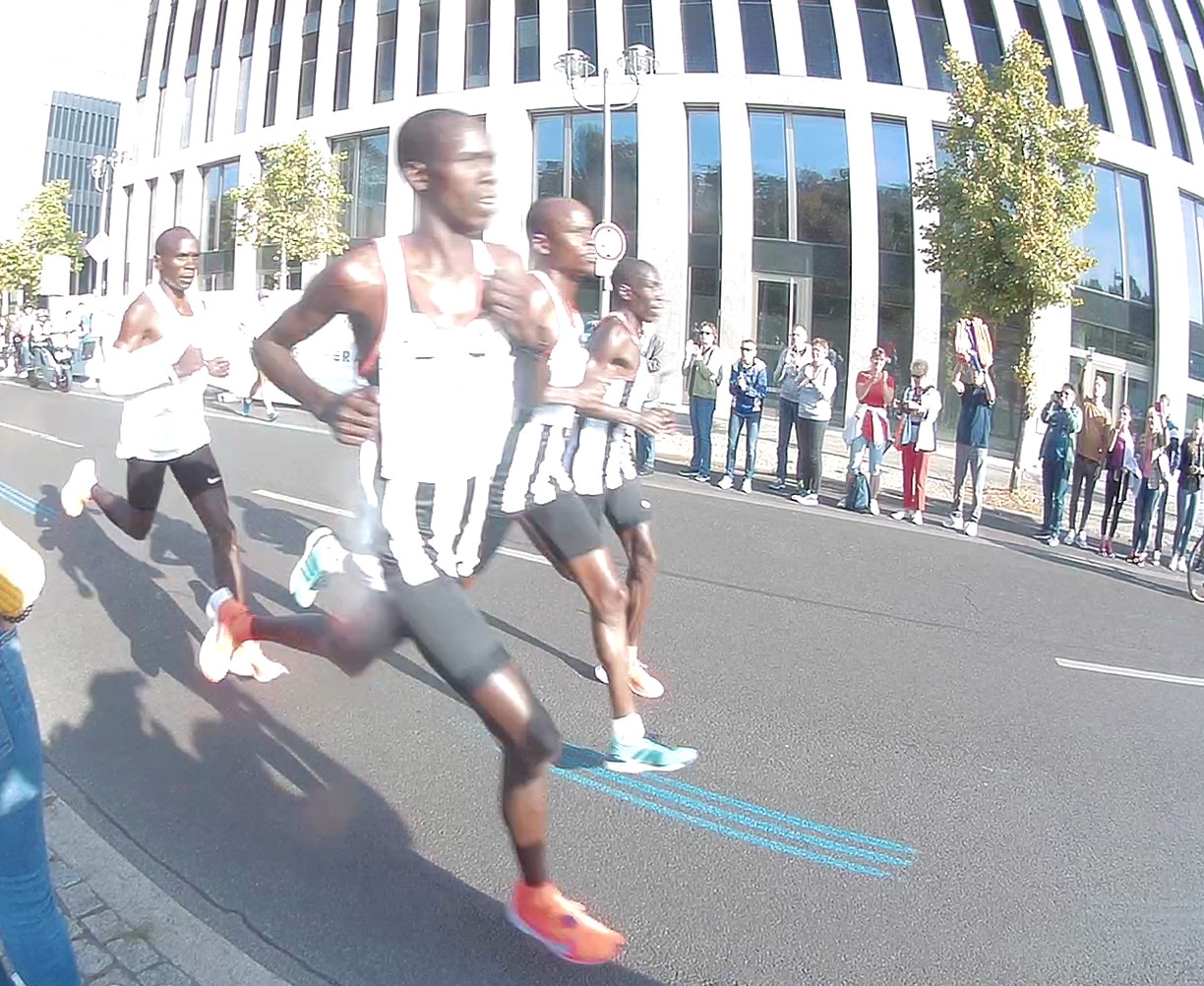
The route is always the same: brand → federation, pro team or athlete contract → athlete. USA Track & Field has raced in Nike since 1991 under a deal now signed through 2040; Athletics Kenya since 1993. Pro teams like the dsm-firmenich (formerly NN) Running Team draw their kit the same way. Singlets, speedsuits, tights, half-zip jerseys, arm sleeves and competition briefs are issued to the athletes, their coaches and sometimes their physios. That is the entire distribution list — and none of it passes through a till. The history of Nike Pro Elite follows one brand's version of this system from Prefontaine to the two-hour marathon.
The Fabric and Construction Gap
The material spec of Pro Elite kit sits above anything on a shop rail, because it is built to a different brief: make a world-class athlete measurably faster, not to survive a retail wash-cycle at scale. Competition singlets use ultralight, heavily perforated polyester engineered for airflow at racing intensity. Sweat-wicking platforms like Nike's Dri-FIT — introduced in 1991 and refined every cycle since — appear in competition-grade weaves that are denser and lighter than the versions sold at retail.
Race tights use high-density polyester-and-elastane blends calibrated for support without restricting stride; warm-up layers such as Storm-Fit tracksuits are cut to shed wind and rain and then be thrown off at the start line without a thought. Every seam placement, panel and zipper pull is there for a reason that was tested in competition. It is the difference between clothing designed to sell and clothing designed to win.
Why It Is So Hard to Buy
The scarcity of Pro Elite kit is structural, not a marketing tactic. Four things put it out of reach:
Kit is issued directly to contracted athletes. There is no retail pipeline, no wholesale channel and no authorised reseller. Pieces reach the open market only when athletes or staff release them privately.
Quantities are set by roster size, not demand. A team of 25 needs 25 singlets, not 25,000. When the season ends, production stops — what exists is all that will ever exist.
Brands do not market Pro Elite to the public. It is absent from campaigns, lookbooks and e-commerce. The only way to learn a piece exists is through the athletics community itself.
Each season generates a unique set of pieces that will never be reproduced. The 2023 singlet differs from the 2022 in materials, colourway and finish. Miss the window and it is gone for good.
Why Collectors and Runners Want It
In the running world, Pro Elite kit occupies a space that is part performance artifact, part historical document. Owning a singlet issued for a Diamond League season or a tracksuit from a marathon campaign is not the same as buying a replica. It is the original — the piece built for an athlete who raced it on the world stage.
The value logic is simple: these pieces will never be remade. The scarcity is not engineered to drive demand; it is a by-product of their purpose. As seasons pass and athletes retire, the surviving supply of genuine kit from a given era only shrinks. Pieces from current seasons carry the provenance of live competition; pieces from past seasons carry the weight of history — which is exactly why a plain-looking race top can command a serious price on the collector market.
How to Tell It Is the Real Thing
Because Pro Elite never hits shops, replicas and mislabelled retail pieces rush to fill the gap. The reliable tells are structural, not cosmetic: race-cut proportions (tighter and shorter than any retail equivalent), competition-weight fabric, agency or federation branding rather than a plain brand logo, era-correct labels, and supply itself — if a “Pro Elite” listing exists in every size and unlimited quantity, it is not Pro Elite.
We keep a full, photo-by-photo checklist in our authentication guide: real vs fake Pro Elite. Every piece in the Elite Athletics Clothes archive is verified against it before it is listed — which is the whole point of sourcing through a specialist rather than an open marketplace.
Authentic Pro Elite Gear
The eight most recent athlete-issue pieces to reach our archive, across Nike, adidas and the pro teams. Each one left the athlete channel once, is authenticated before listing, and will not be restocked.
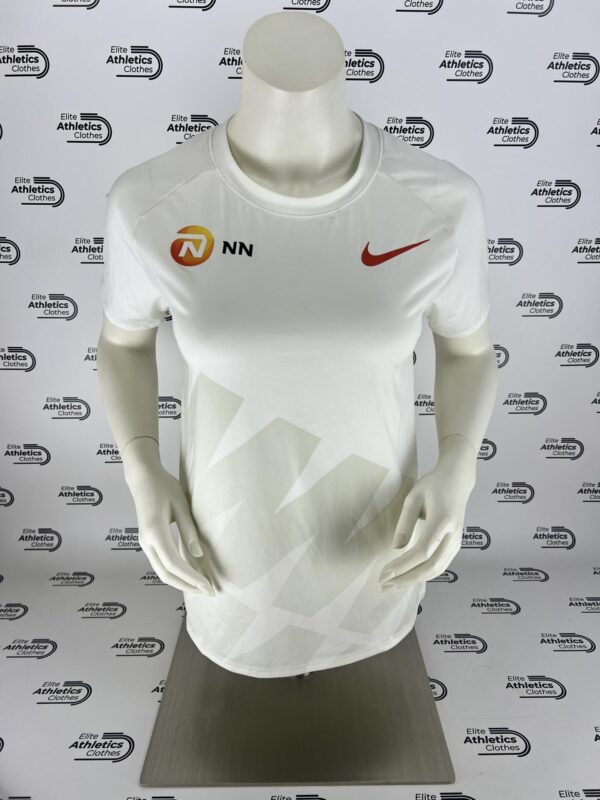 INEOS X Nike NN Running Team Pro Elite 2020/2021 Women T-Shirt150,00 €View Piece →
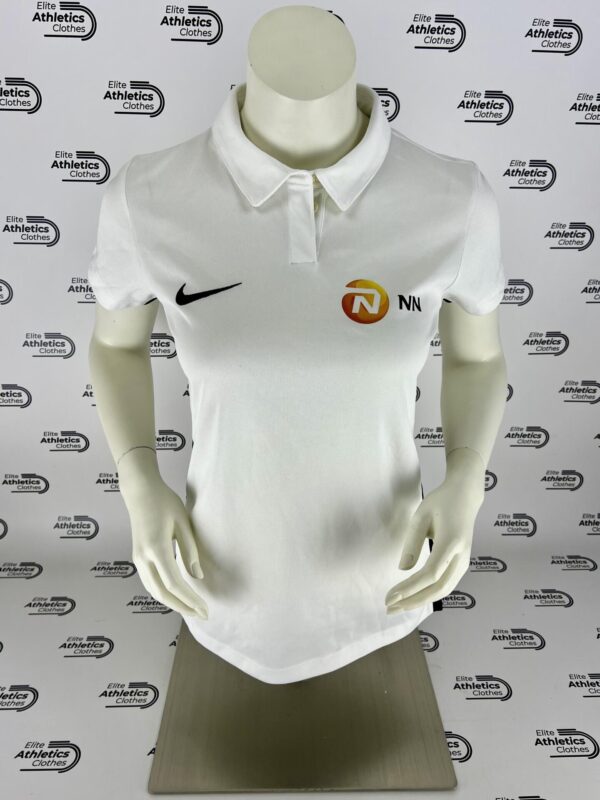 Nike NN Running Team Pro Elite Training Women Polo80,00 €View Piece →
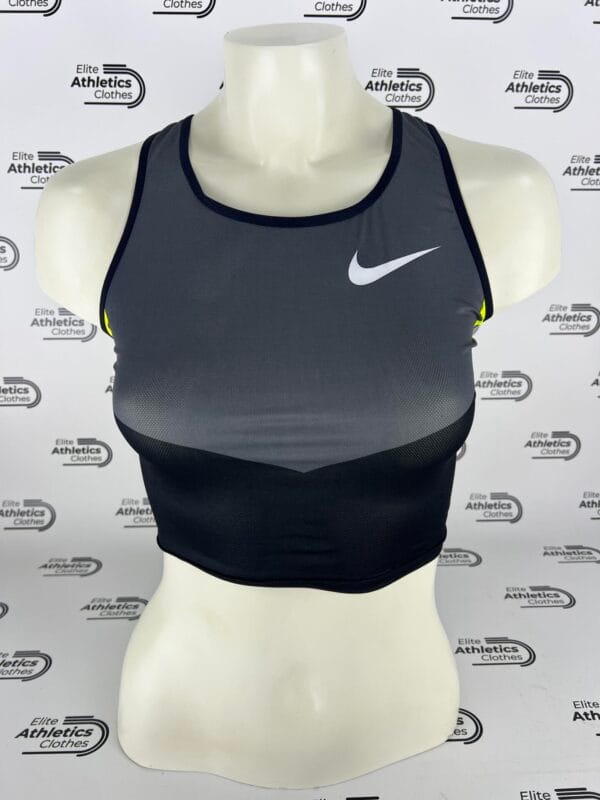 Nike Pro Elite 2012 Women Distance Crop Top80,00 €View Piece →
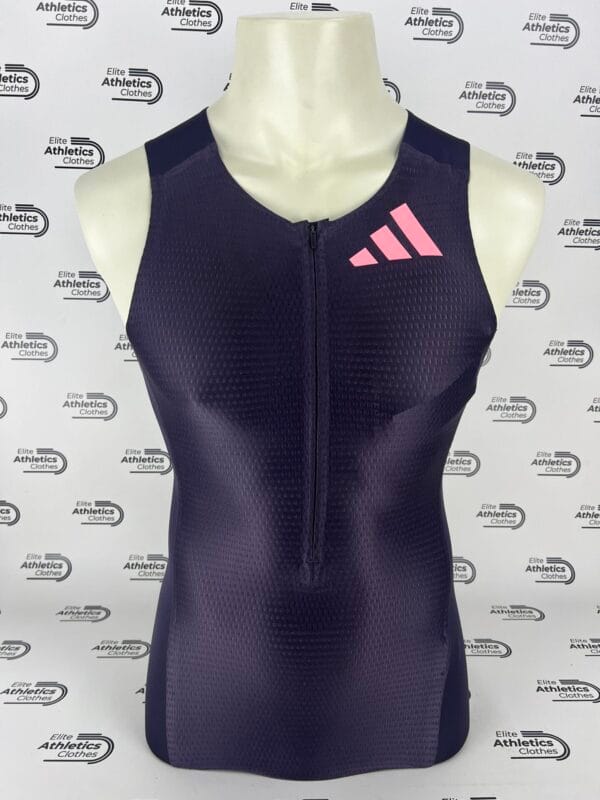 Adidas Pro Elite Team 2024 Rheon Singlet160,00 €View Piece →
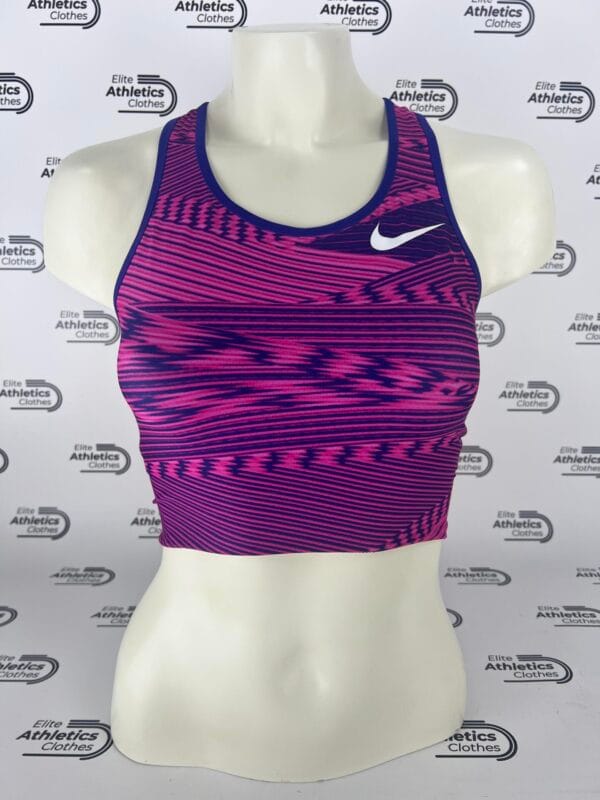 Nike Rosa & Co. Pro Elite 2019 Women Crop Top250,00 €View Piece →
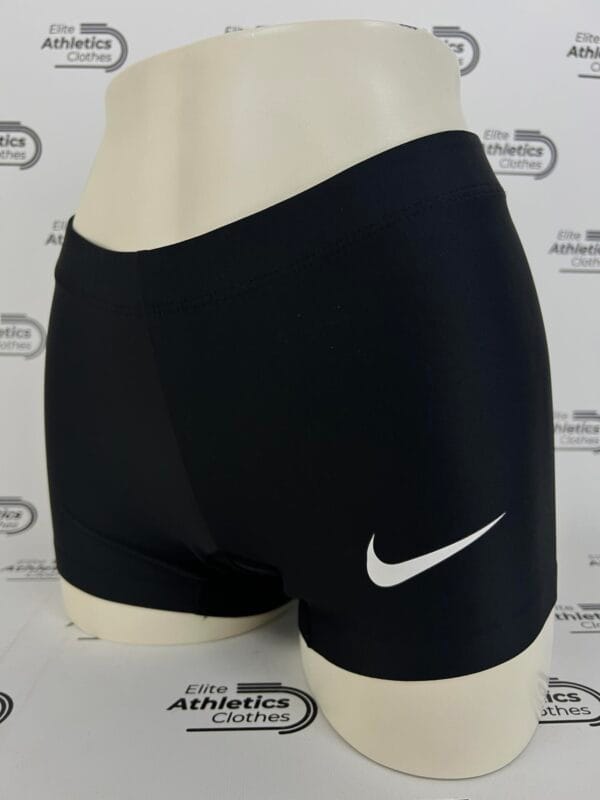 Nike Pro Elite Team 2012 Women Booty Short Tights80,00 €View Piece →
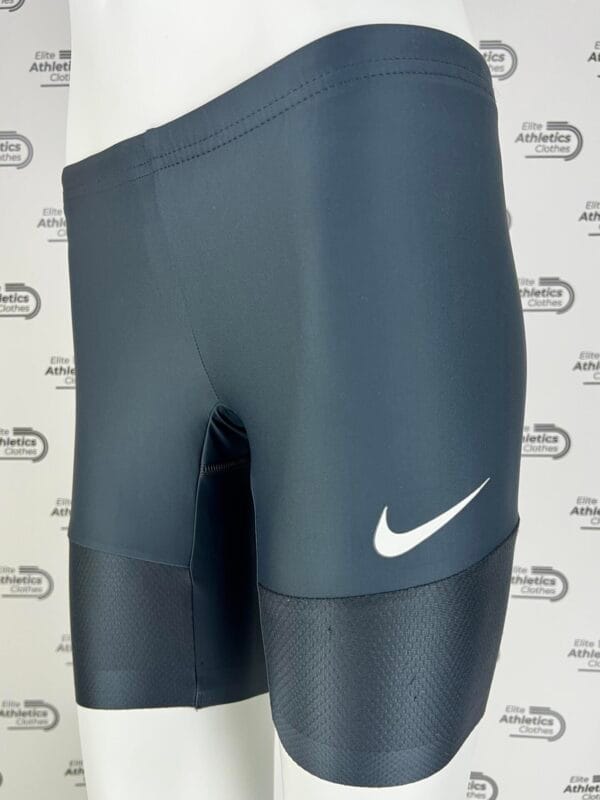 Nike Pro Elite Team 2009 Women Short Tights80,00 €View Piece →
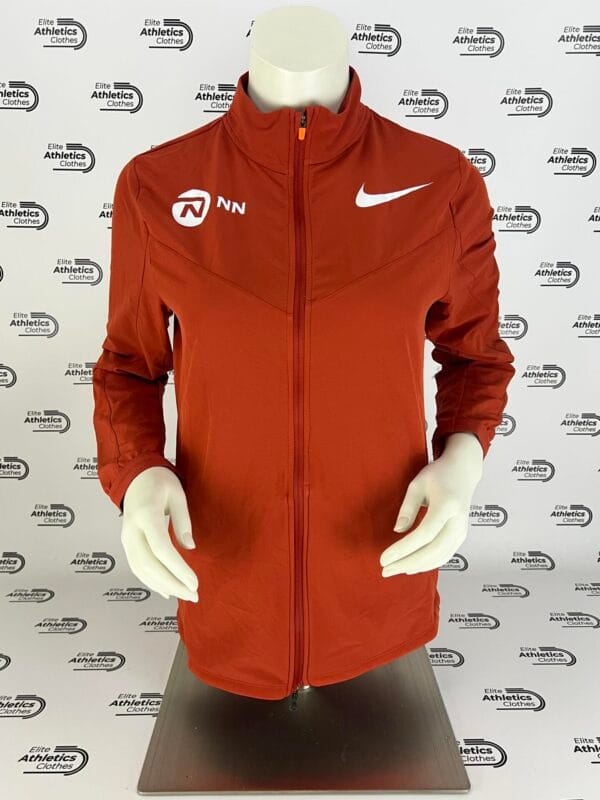 INEOS X Nike NN Running Team Pro Elite 2023 Women Lightweight Jacket180,00 €View Piece →
What is Pro Elite clothing?
Pro Elite clothing is competition kit made by athletics brands for their sponsored professional athletes and national teams. It is issued through agencies and federation contracts and is not sold at retail in any market — no store, no brand website, no restock.
Is Pro Elite clothing the same as team replica gear?
No. Replica gear is manufactured for public sale and copies the look of a team kit. Pro Elite is the actual kit issued to athletes — different materials, different construction, and authentic agency, team or federation branding rather than a plain retail logo.
Can I buy genuine Pro Elite gear without being an athlete?
Yes, but only through specialist sources with access to athlete-issued pieces — never through brand websites or ordinary sports shops. Elite Athletics Clothes sources and verifies authentic Pro Elite gear for collectors and runners.
Why is Pro Elite clothing so expensive?
The price comes from structural scarcity, not a markup. A piece might be produced in a few hundred units for one season and never remade; the supply of genuine kit from a given era only shrinks over time. You are paying for an original race-issued item, not a replica.
Why does Pro Elite kit look different from standard brand clothing?
It is cut and built for racing, not retail: tighter, shorter, lighter, in competition-grade fabric, with agency or federation branding. Retail versions of the same brand use consumer-grade materials and standard logos.
How do I know a Pro Elite piece is authentic?
Check construction, not logos: race-cut proportions, competition-weight fabric, era-correct labels, team or federation branding, and limited supply. Our step-by-step authentication guide covers the specific tells, and every piece in our archive is verified against it before listing.
Do Pro Elite pieces from past seasons increase in value?
Often, yes. Because production never repeats and surviving supply shrinks as athletes retire, genuine pieces from sought-after eras tend to become harder to find over time — scarcity is built into the category.
Sources and References
- Nike, Inc. — Wikipedia — Dri-FIT and the athlete-sponsorship model
- Nike extends deal with Team USA — ESPN — USATF partnership since 1991
- USATF and Nike Sign Sponsorship Deal Through 2040 — LetsRun — Federation contract structure and term
- NN Running Team — Wikipedia — Pro-team kit issue channel; dsm-firmenich rename 2026
- The History of Nike Pro Elite — Elite Athletics Clothes — One brand's athlete-issue system in depth