
Ultimate
Championship
Track and field's new season-ending championship: three evenings in Budapest, 28 finals, a US$10 million pot — and every champion paid US$150,000, the biggest winner's cheque the sport has offered.
The World Athletics Ultimate Championship is the sport's new season-ending global championship, held every two years in the seasons without a Worlds or an Olympics. The first edition runs 11–13 September 2026 at the National Athletics Centre in Budapest: 28 finals across three evening sessions, a US$10 million prize pot — the largest in track and field history — and US$150,000 for every champion.
Qualification comes through four doors: Paris 2024 Olympic champions, Tokyo 2025 world champions and 2026 Diamond League Final winners enter automatically, and the world rankings fill the rest. All of it will be raced in national federation kit — the same universe our archive collects.
Part of our Competition Files — one competition at a time, explained. The kits behind the championships live in the Pro Elite archive. Jump to the federation kits or start with a nation's story.
- What it is
- World Athletics' new season-ending global championship, announced June 2024, held every two years
- First edition
- 11–13 September 2026 — three evening sessions of about three hours each
- The venue
- National Athletics Centre, Budapest — built for the 2023 World Championships
- The prize pot
- US$10 million — the largest ever offered at a track and field event
- The top cheque
- US$150,000 per champion — a Tokyo 2025 world title paid US$70,000
- The programme
- 28 finals: 13 men's, 13 women's and two mixed relays
- The premiere
- The mixed 4×100 m relay — never before run at a global championship
- How you get in
- Olympic, world and Diamond League Final champions enter automatically; world rankings fill the field. Entries out 3 September
A New Title on the Calendar
World Athletics announced the Ultimate Championship in June 2024 as the missing piece of its calendar. The sport already had a World Championships in odd years and the Olympics every fourth summer — but even years without a Games ended with no global title on the line at all. The Ultimate Championship fills exactly that hole: a season-ending championship held every two years, so that athletics now crowns world-level winners in every single calendar year.
The first edition runs from 11 to 13 September 2026 at the National Athletics Centre in Budapest. The whole thing fits into three evening sessions of about three hours each — no morning heats, no half-empty qualifying days. World Athletics has already opened the bidding process for the 2028 host, which tells you how it sees this: not an experiment, but a fixture.
The Biggest Cheque in the Sport
The number that made every headline is the purse. The total prize pot is US$10 million — the largest ever offered at a single track and field event — and each of the 28 champions walks away with US$150,000. For scale: a gold medal at the Tokyo 2025 World Championships paid US$70,000, and winning a final at a regular Diamond League meeting is worth US$30,000. An Ultimate title pays more than both put together, twice over.
The money reaches deeper than the winners. World Athletics has confirmed that every athlete who competes in Budapest gets paid, down the full order — when the men's 1500 m field was expanded to thirteen in August 2026, the federation specified that 13th place would collect US$5,000, in line with the scale used across the other events.
Three Nights, One Script
The format is built for television and for the stadium, in that order of honesty. Each of the three sessions is scripted like a broadcast rather than timetabled like a meet: the running order is designed so that, wherever possible, only one field event is happening at a time, and nothing on the programme survives past the finish line of its own final.
Almost everything goes straight to the decider. Only the races of 800 m and shorter keep a semifinal round: sixteen athletes per event, two semis of eight, first four in each through to a final of eight. The 1500 m and 5000 m are straight finals of twelve. Field events bring eight athletes each, and the horizontal jumps and throws run four rounds with every athlete guaranteed two attempts — nobody flies to Budapest to make one jump and go home.
Hover or tab on a stage for the detail. Sources: World Athletics format announcement and the exceptional-invitations release of August 2026. Verified August 2026.
Field sizes and rounds, event by event
| Event group | Field size | Rounds | Route to the title |
|---|---|---|---|
| 100 m to 800 m, both hurdles | 16 | Semifinals + final | Two semis of 8; first four in each reach the final of 8 |
| 1500 m and 5000 m | 12 | Straight final | One race decides it (the 2026 men's 1500 runs with 13) |
| Jumps and throws | 8 | One competition | Four rounds in horizontals and throws, two attempts guaranteed |
| Mixed 4×100 and 4×400 | 8 teams | Straight final | One race decides it |
What Made the Cut
Twenty-eight finals means hard choices, and World Athletics made them. On the track, each sex runs the 100, 200, 400, 800, 1500 and 5000, plus the short hurdles and the 400 m hurdles — eight events. In the field there are five per sex, and they are not the same five: the men jump high, pole vault and long, and throw hammer and javelin; the women swap the hammer for the triple jump.
The list of what is missing is just as telling. No shot put, no discus, no men's triple jump, no women's hammer. No steeplechase, no 10,000 m, no race walks, no combined events, no marathon. This is the World Championships programme cut down to what fits inside nine televised hours.
The two additions go the other way. Both relays are mixed — a 4×400, which global championships have run since 2019, and a 4×100, which has never been contested at an Olympics or a World Championships. When the baton goes around in Budapest, the mixed sprint relay makes its world-stage debut.
Four Doors to Budapest
There are four ways into the field. Win an Olympic title at Paris 2024, win a world title at Tokyo 2025, or win your event at the 2026 Diamond League Final in Brussels — held on 4 and 5 September, one week before Budapest — and the invitation is automatic. Everyone else qualifies through the world rankings, tracked on the federation's Road to the Ultimate tool. The ranking window closes on 1 September 2026 and the provisional entry lists are published on 3 September.
There is a fifth door, used sparingly: exceptional invitations, capped at one per event for this first edition, with a deadline of 17 August 2026. The cap broke exactly once. The men's 1500 m received two — Josh Kerr and Jakob Ingebrigtsen — because World Athletics' board decided the race could not honestly be called a field of the best without both of them. Their final will run with thirteen athletes instead of twelve.
The context for that exception is the season itself. Kerr, the 2023 world 1500 m champion from the British middle-distance line, broke the world mile record with 3:42.66 at the London Diamond League on 18 July 2026 — the first man under 3:43, ending the 27-year reign of Hicham El Guerrouj's 3:43.13. Ingebrigtsen already held an automatic place in the 5000 m as the reigning Olympic champion, and will now double. Among the other names confirmed by the organisers is Gianmarco Tamberi in the men's high jump. Beyond officially announced entries like these, this page names nobody: the full provisional lists arrive on 3 September, and predictions are not what we do here.
The Budapest Stage
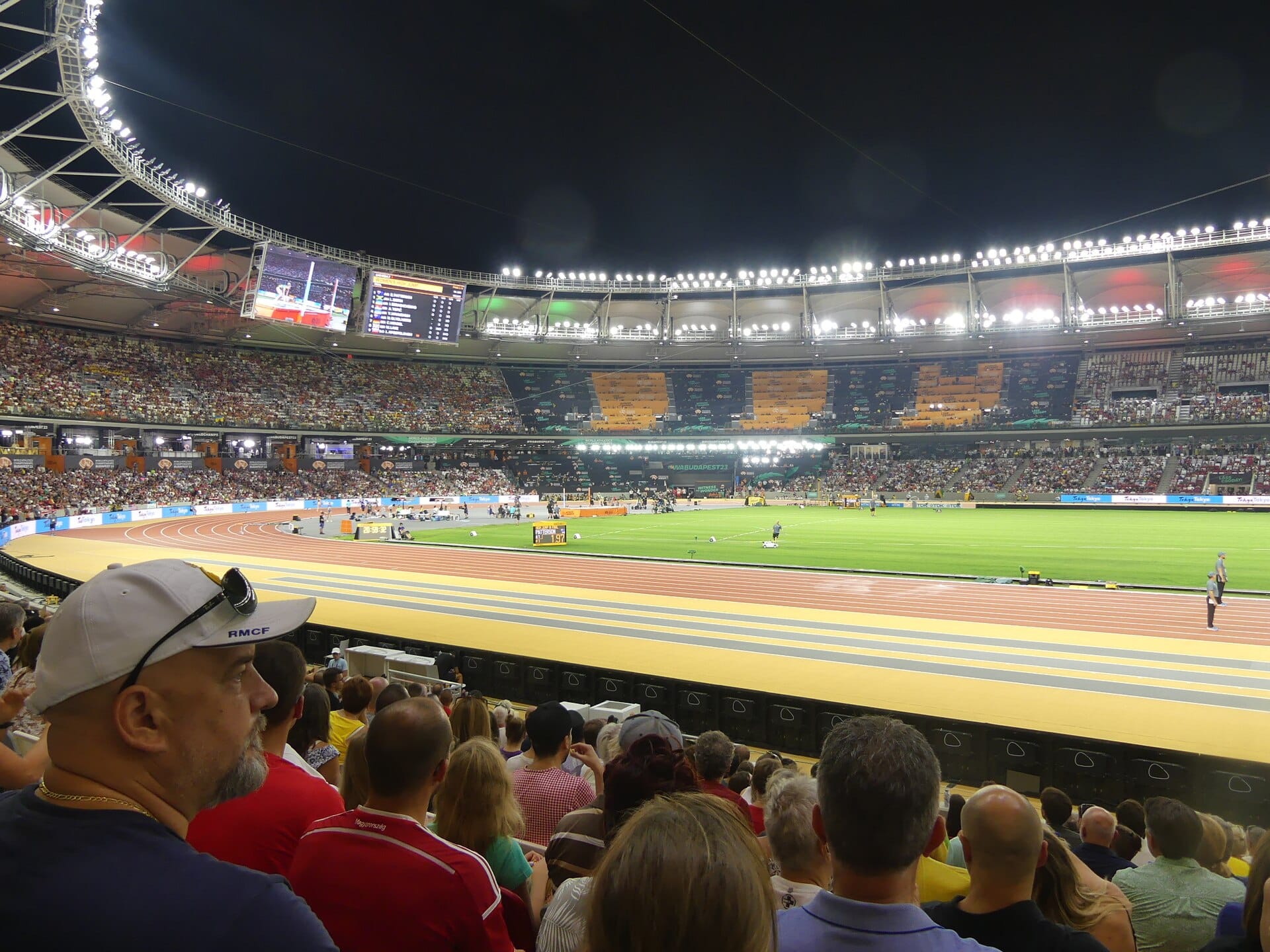
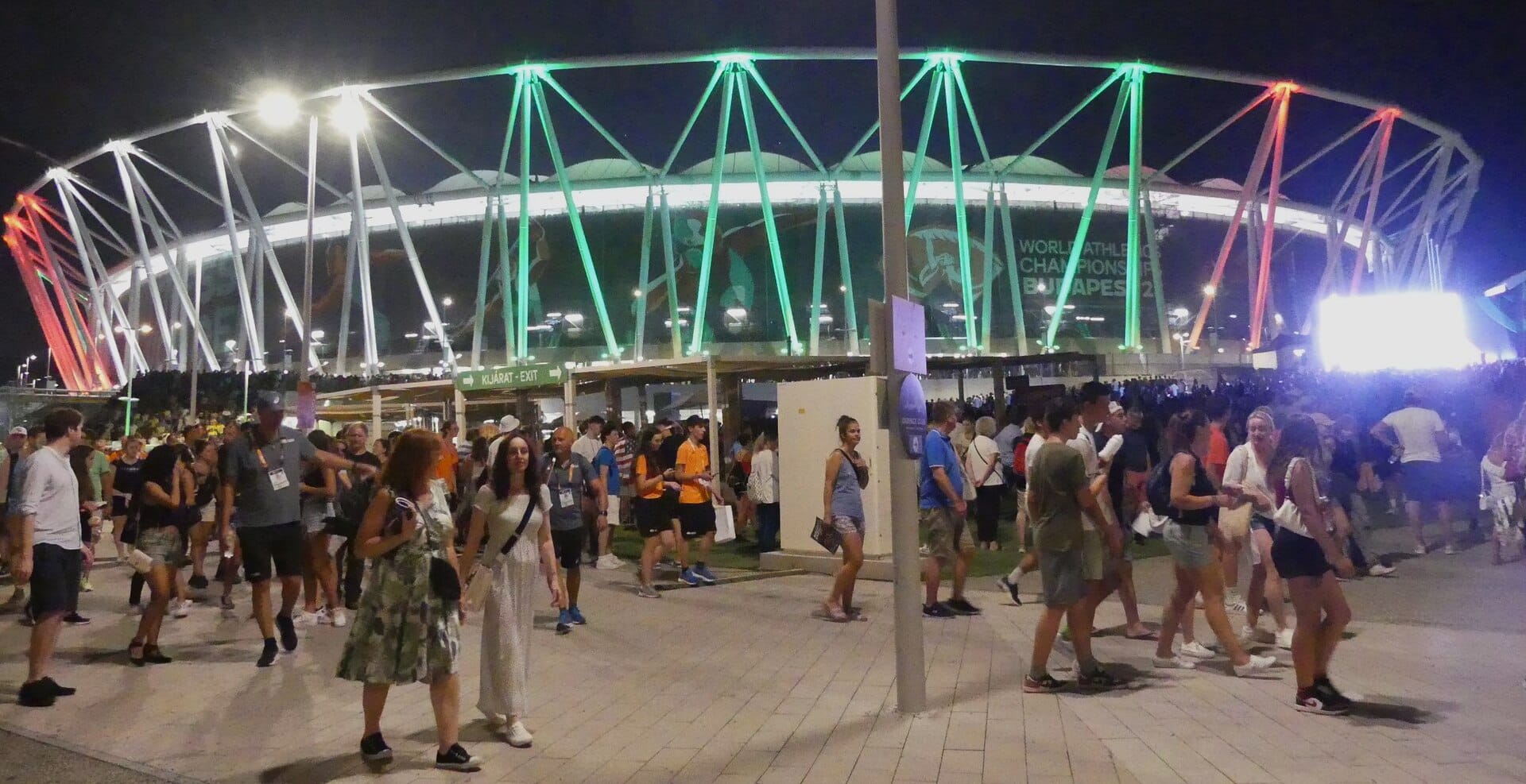
The venue is the National Athletics Centre on the east bank of the Danube, the stadium Hungary built for the 2023 World Championships. During that Worlds it held around 35,000 spectators on temporary upper tiers; afterwards the top ring came down as planned, leaving a permanent bowl of roughly 14,000 seats with a public park wrapped around it.
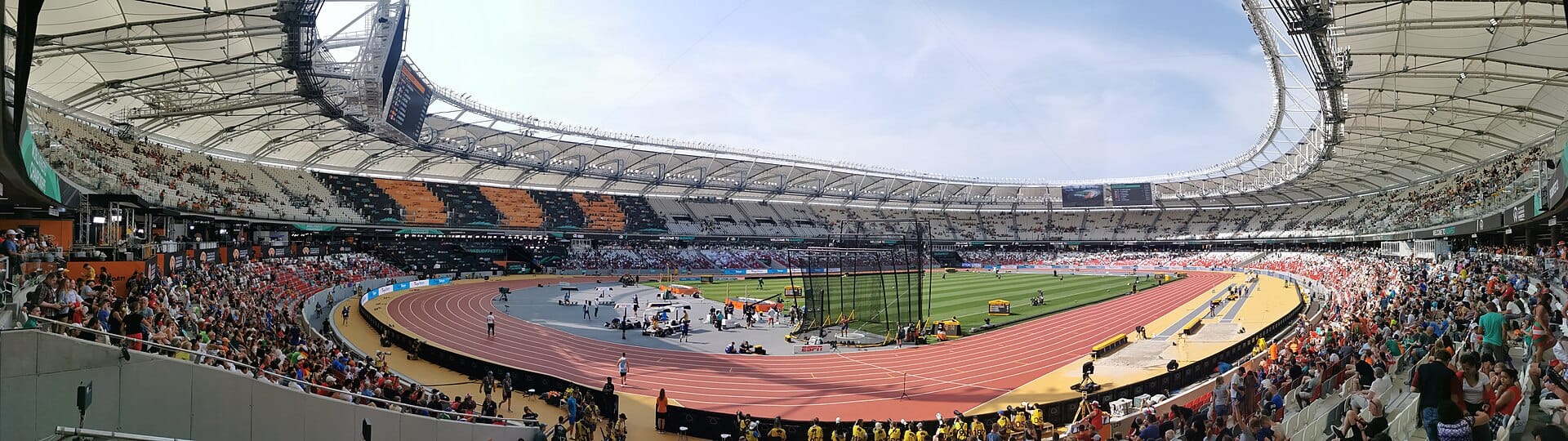
Three years after hosting the biggest championship in the sport, Budapest gets the newest one. World Athletics president Sebastian Coe called the city a natural partner for the launch, and the choice is easy to read: a proven organiser, a purpose-built stadium, and a public that filled it in 2023.
Federation Kit, Not Sponsor Kit
One detail matters more than any other to what we do at Elite Athletics Clothes: in Budapest, athletes compete in their national team uniforms. The richest night the sport has ever staged will be raced in federation kit — the same Nike USA, adidas Ethiopia and 4F Poland pieces whose team-issue versions live in our archive.
The house rule for reading any competition: championships mean federation kit, leagues and meetings mean sponsor kit. At a Worlds, an Olympics or the Ultimate Championship, everyone wears national colours; at a Diamond League meeting, contracted athletes race in their brand's gear. This series flags which universe each competition belongs to — the Ultimate belongs to the federations.
 Federation kit · in the archiveNike USA Team Pro Elite 2026 Women Storm Fit JacketNike USA women's Storm Fit jacket marked for 2026 — team-issue federation outerwear from the season the Ultimate Championship was born into.240,00 €View piece →
That is why this page points at the nations archive rather than at any single brand. The athletes chasing the US$150,000 cheques will do it in the colours of their federations — and the athlete-issued versions of those kits, from the USA to Great Britain, are exactly what the rails below hold.
Championship Colours
The Ultimate Championship will be raced in national team kit. These are athlete-issued federation pieces from the archive — one per nation, from the same universe that takes the track in Budapest.
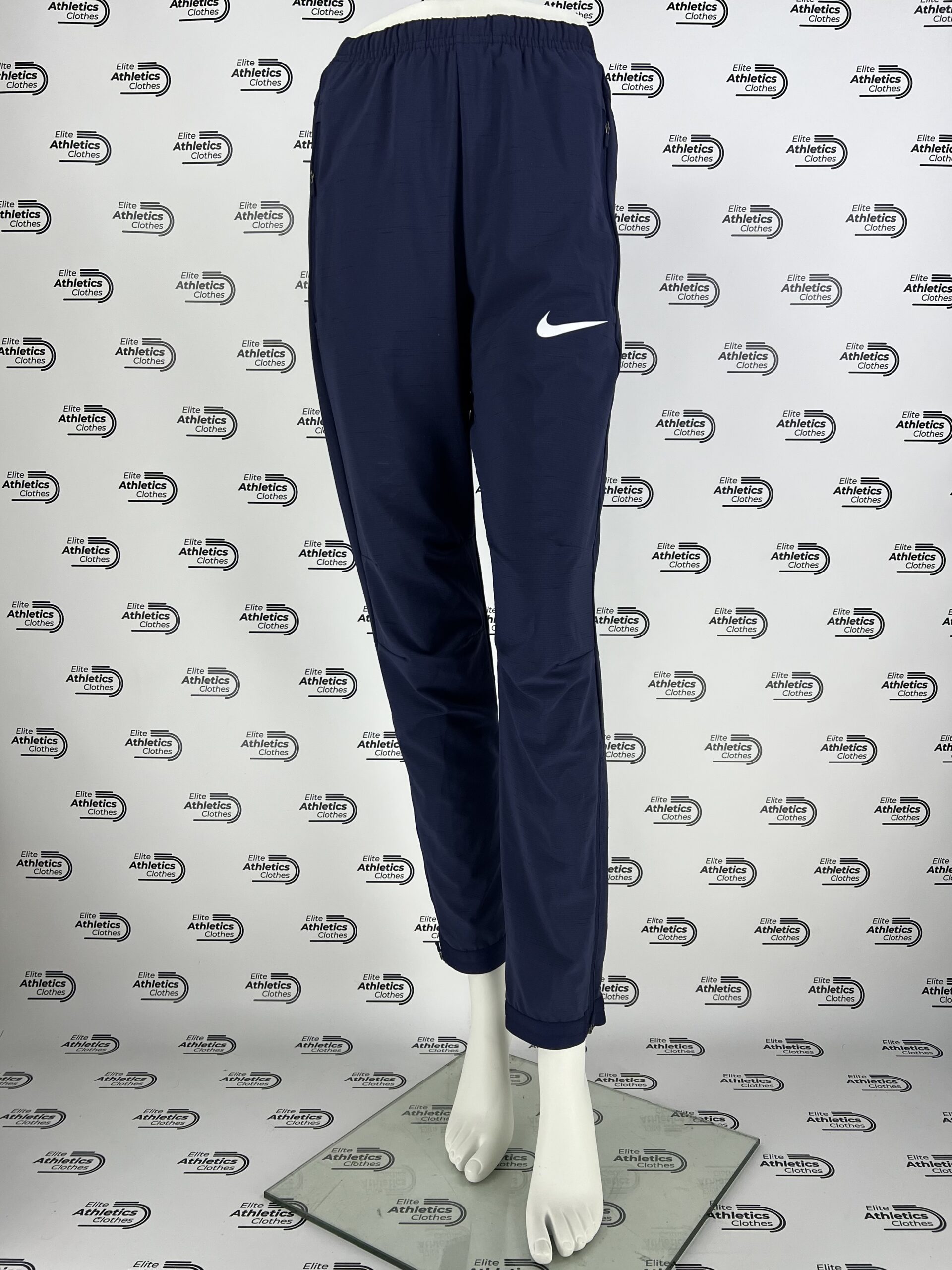 Nike USA International Team Pro Elite 2025 Women Lightweight Pants140,00 €View Piece →Great Britain
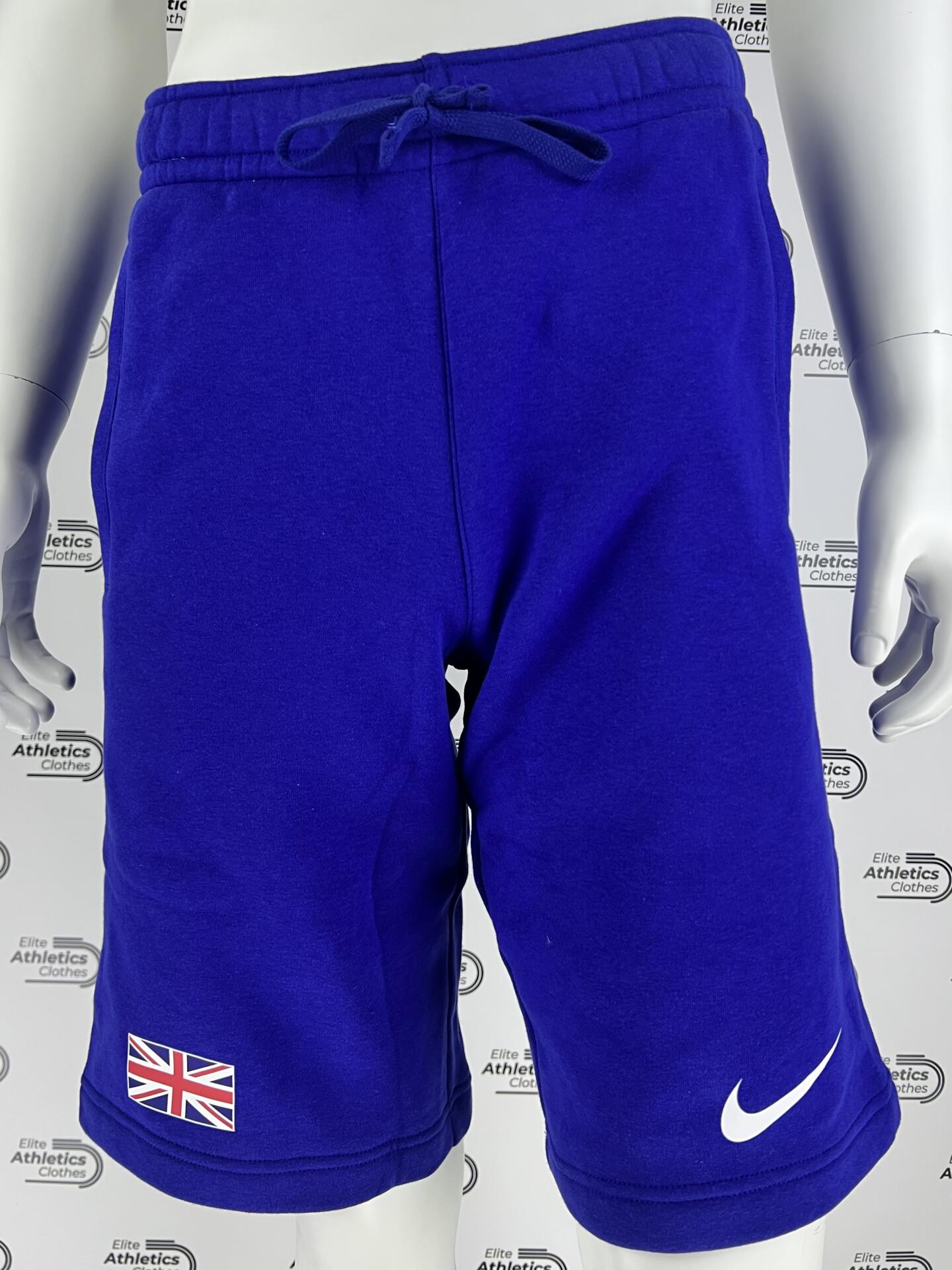 Nike Great Britain Pro Elite 2019 Cotton Short Pants50,00 €View Piece →Ethiopia
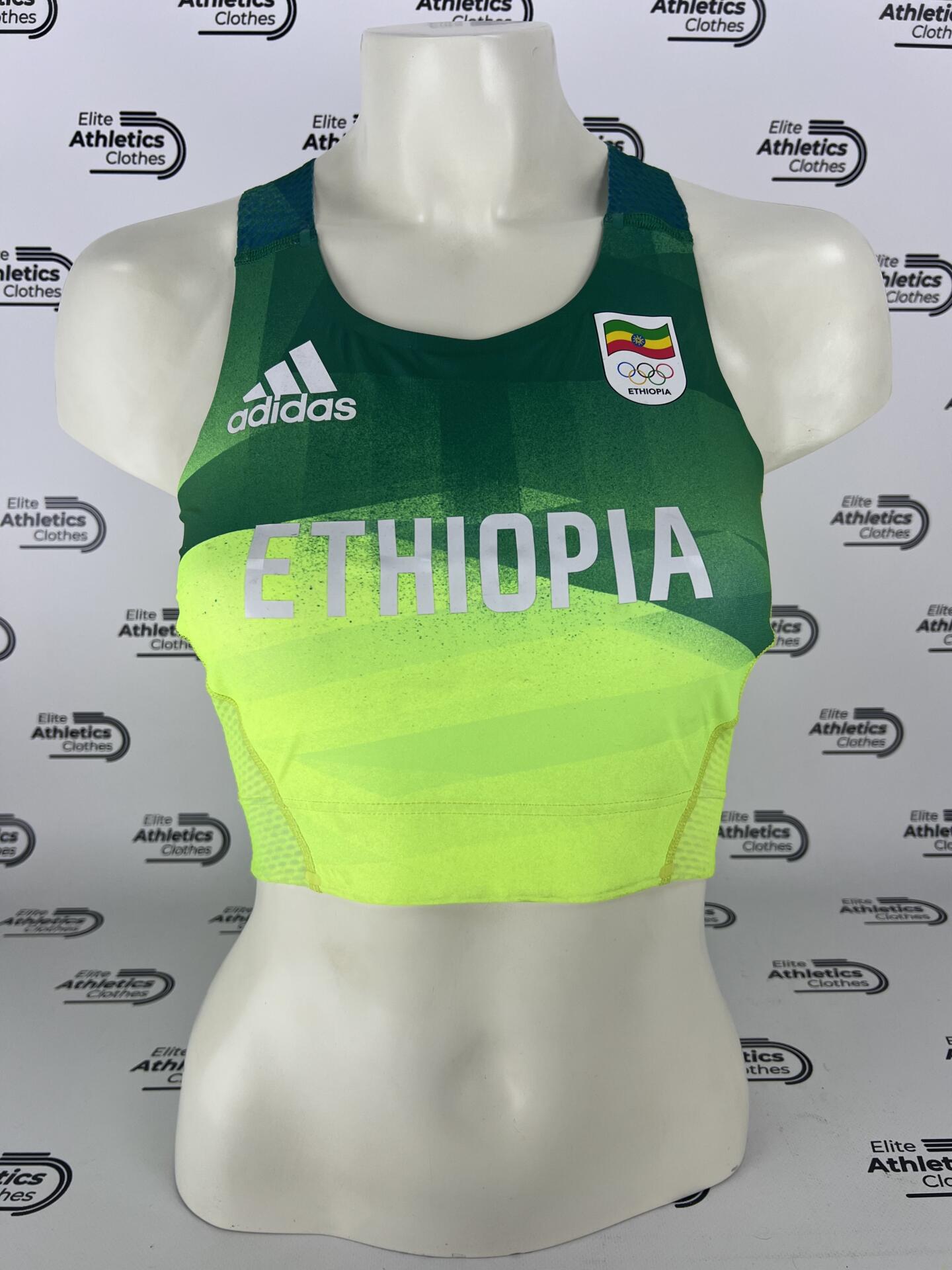 Adidas Ethiopia Olympic Team Pro Elite 2020 Women Crop Top90,00 €View Piece →Germany
 Nike Germany International Team Pro Elite 2019 Polo Shirt70,00 €View Piece →France
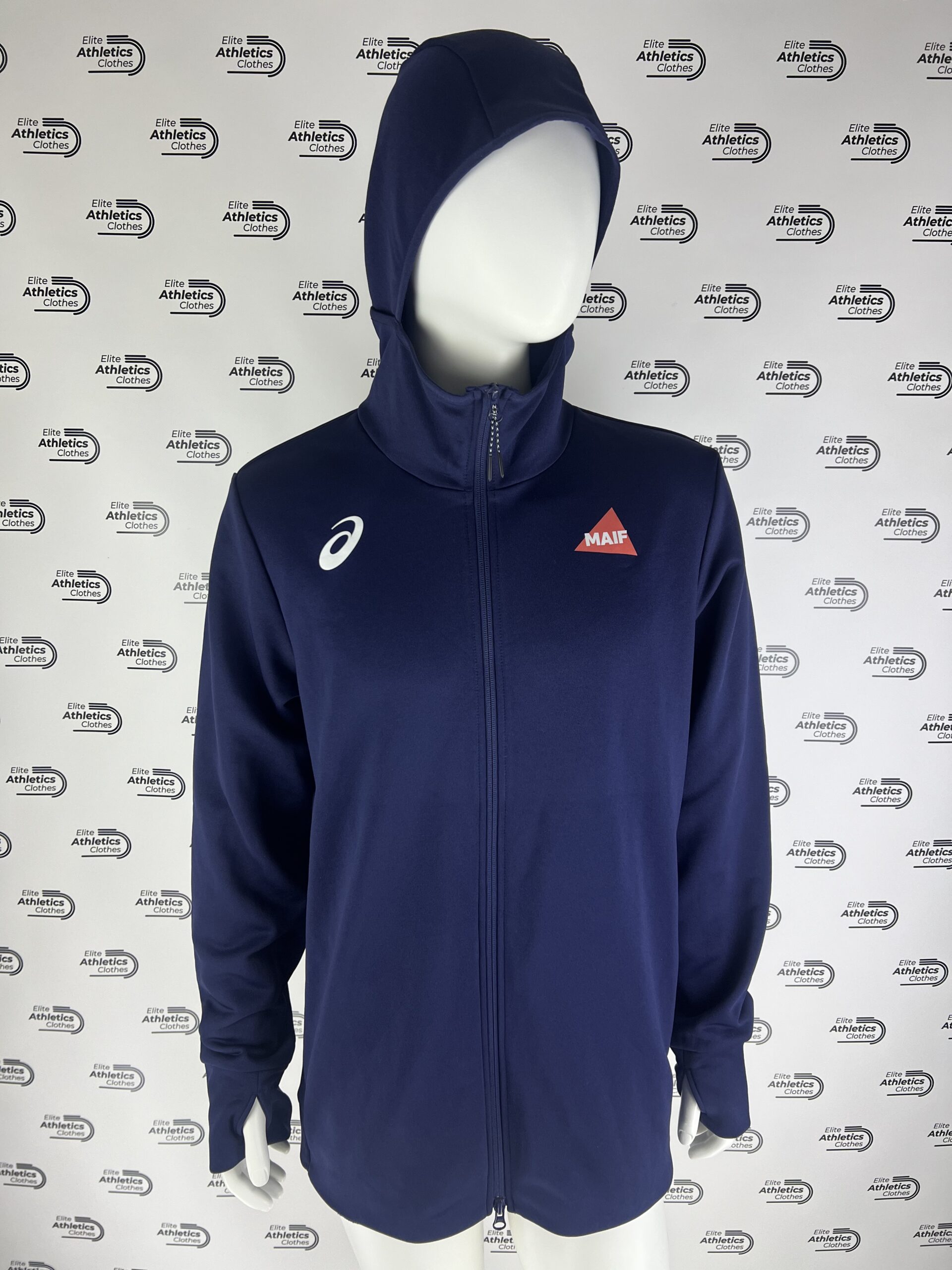 Asics France International Team Pro Elite 2021 Hoodie Jacket120,00 €View Piece →Netherlands
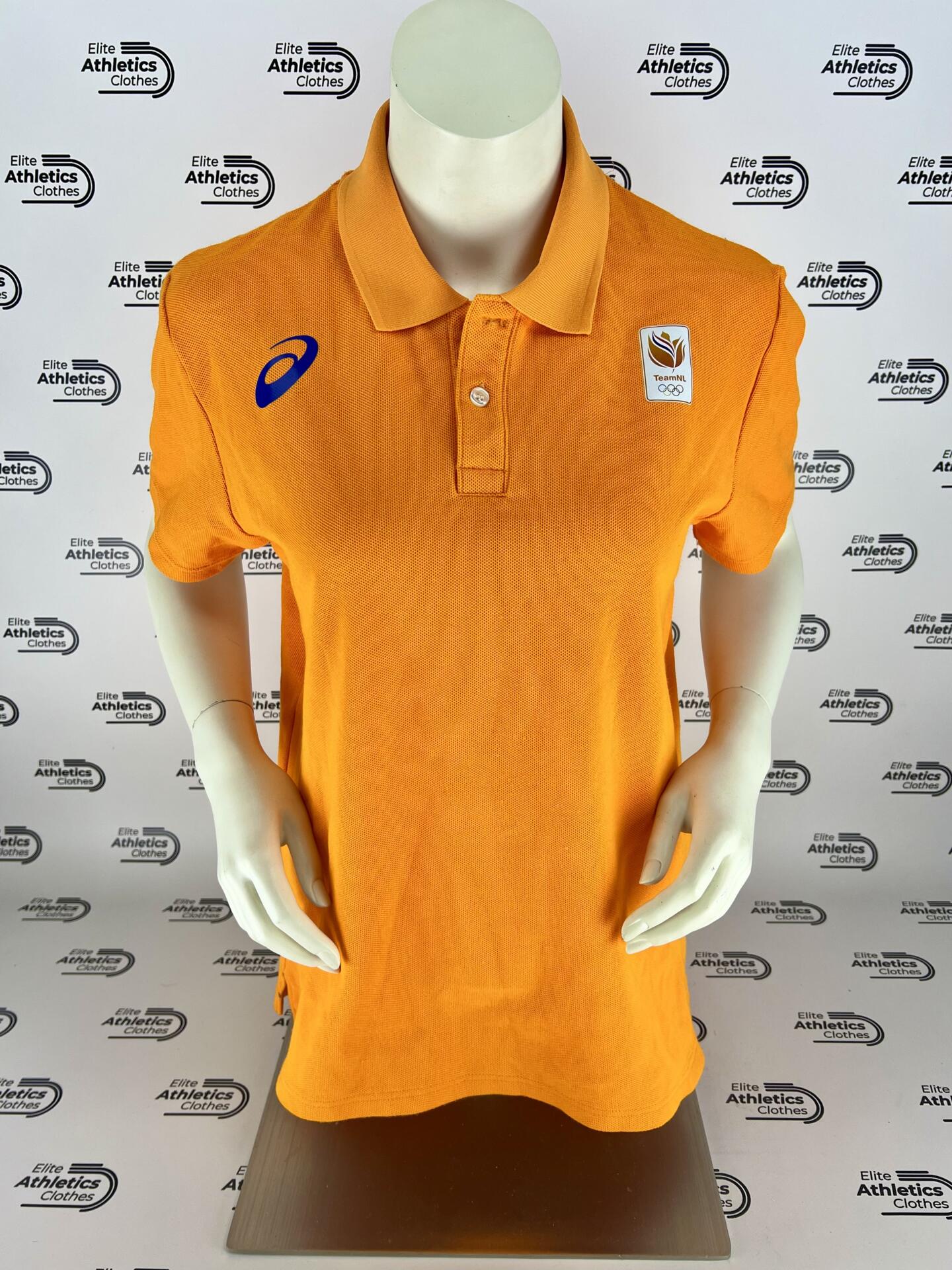 Asics Netherlands International Team Pro Elite 2018 Women Polo Shirt60,00 €View Piece →Spain
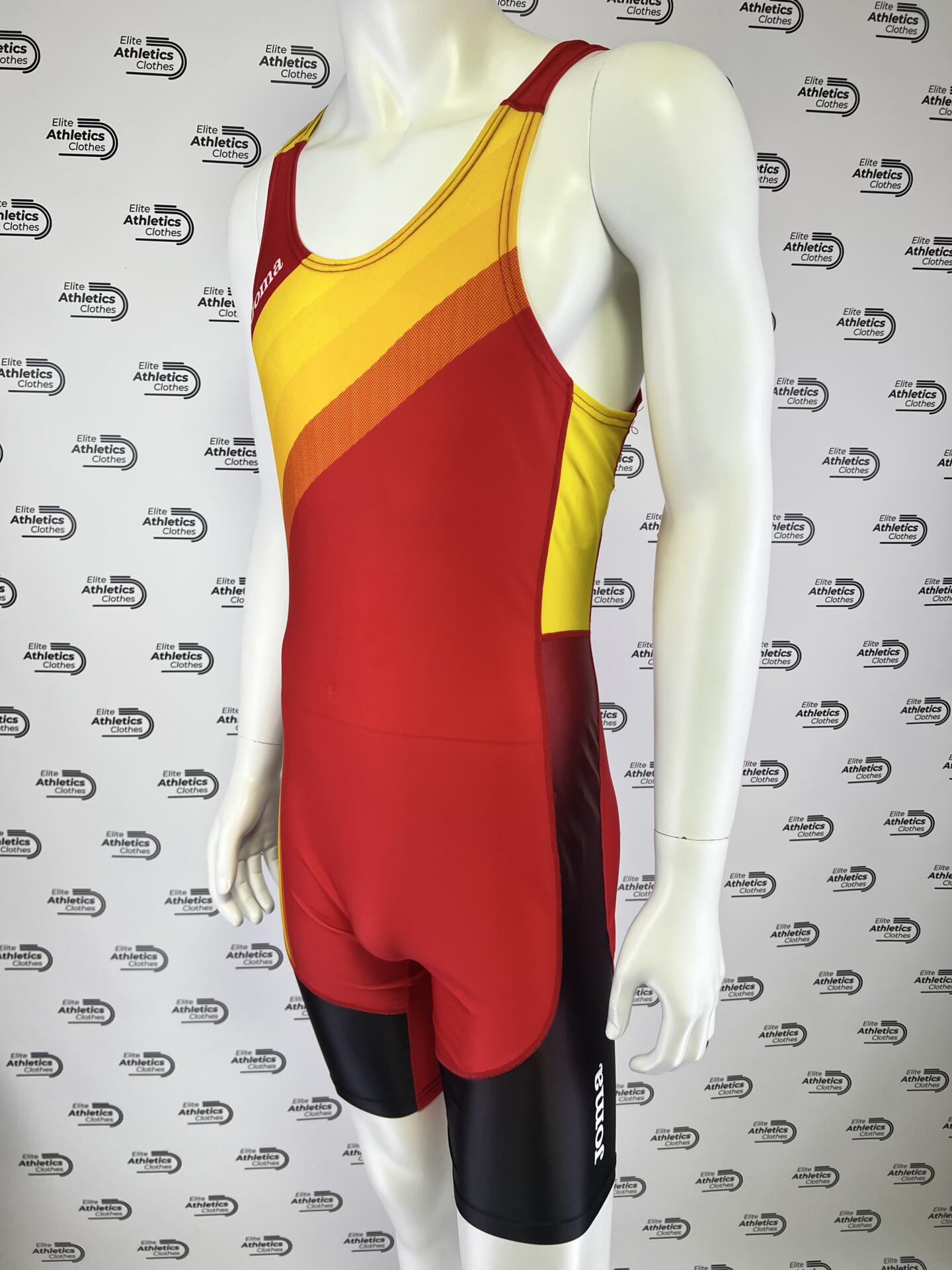 Joma Spain Pro Elite Team 2018 Speedsuit100,00 €View Piece →Poland
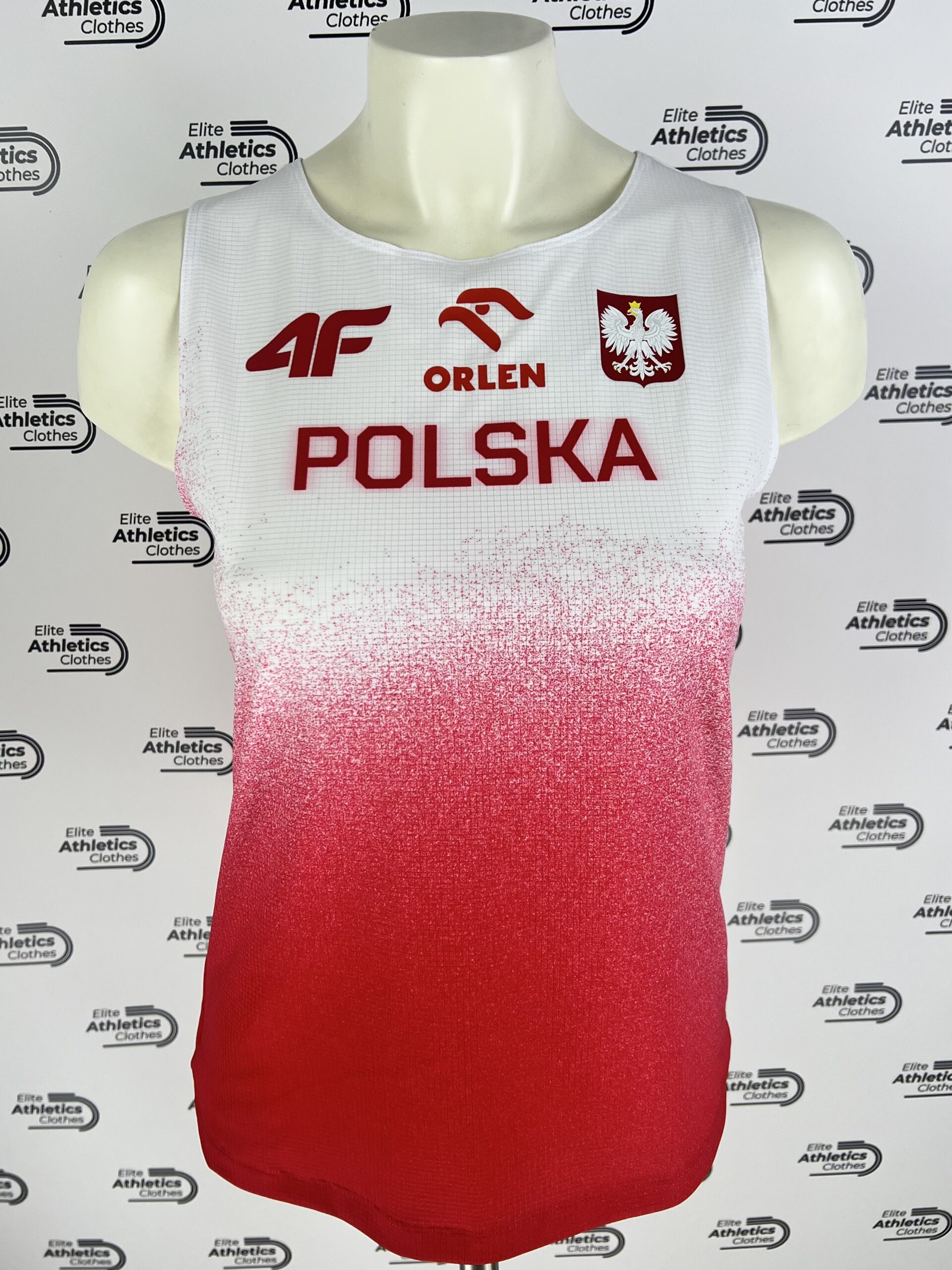 4F Poland International Team Pro Elite 2026 Women Distance Singlet160,00 €View Piece →
What is the World Athletics Ultimate Championship?
It is track and field's new season-ending global championship, announced in June 2024 and held every two years in seasons without a World Championships or an Olympics. The first edition takes place on 11–13 September 2026 at the National Athletics Centre in Budapest, with 28 finals across three evening sessions.
How much prize money does the Ultimate Championship pay?
The total pot is US$10 million, the largest ever offered at a track and field event. Every champion receives US$150,000 — more than double the US$70,000 a world title paid at Tokyo 2025 — and every athlete who competes gets paid, down to US$5,000 for 13th in the expanded men's 1500 m.
Which events are on the Ultimate Championship programme?
There are 28 finals: for each sex the 100 m, 200 m, 400 m, 800 m, 1500 m, 5000 m, short hurdles and 400 m hurdles, plus five field events — and two mixed relays. The mixed 4×100 m has never been run at an Olympics or a World Championships. There is no shot put, discus, steeplechase, 10,000 m, race walk or combined event.
How do athletes qualify for the Ultimate Championship?
Four routes: Paris 2024 Olympic champions, Tokyo 2025 world champions and 2026 Diamond League Final winners qualify automatically, and the world rankings fill the remaining places. A small number of exceptional invitations exist — in 2026, Josh Kerr and Jakob Ingebrigtsen both received one for the men's 1500 m. Provisional entries are published on 3 September 2026.
Sources and References
- World Athletics — Ultimate Championship: a new global event — the June 2024 announcement, the biennial plan and the prize pot
- World Athletics — extensive innovations announced — field sizes, semifinal structure and the show-script sessions
- World Athletics — exceptional invitations announced — Kerr, Ingebrigtsen, the 13-man 1500 m and the US$5,000 floor
- NBC Sports — Ultimate Championship events announced — the event list, the mixed 4×100 premiere and the national team uniforms
- CITIUS Mag — the qualifying process for Budapest 2026 — qualification routes, the ranking window and the entry dates
- World Athletics — Kerr breaks the world mile record in London — the 3:42.66 of 18 July 2026
- Wikipedia — National Athletics Centre (Budapest) — the 2023 build, the temporary tiers and the permanent bowl