
Diamond
League
Track and field's travelling top flight: fourteen one-day meetings on four continents, eight points for a win, and a two-night final in Brussels where all 32 Diamond Trophies are decided.
The Wanda Diamond League is the top annual series of one-day meetings in track and field, founded in 2010 as the successor to the Golden League. In 2026 it runs to fourteen scoring meetings on four continents between 8 May and 27 August: the first eight finishers in each event score 8-7-6-5-4-3-2-1 points, and the best qualify for the two-day final in Brussels on 4–5 September, where all 32 Diamond League champions are crowned.
The 2026 series pays US$9.24 million, equally for men and women — up to US$60,000 for a title at the final — and its champions take the Diamond Trophy plus an automatic place at the Ultimate Championship in Budapest. Unlike a championship, it is all raced in sponsor kit, not national kit — the brand universe our archive collects.
Part of our Competition Files — one competition at a time, explained. The sponsor lines behind these start lists live in the Pro Elite archive. Jump to the brand rail or start with what Pro Elite clothing is.
- What it is
- Track and field's top annual one-day meeting series, founded 2010, successor to the Golden League (1998–2009)
- The 2026 tour
- 14 scoring meetings, four continents, 8 May (Doha) to 27 August (Zurich)
- The final
- Brussels, 4–5 September 2026 — 50th Memorial Van Damme; all 32 titles decided there
- The points
- First eight in every event score 8-7-6-5-4-3-2-1; season totals decide who reaches the final
- The format
- Since 2017, winner-takes-all: meetings qualify you, the final crowns you
- The money
- US$9.24M in 2026, gender-equal — a win pays up to $20,000 at meetings, up to $60,000 at the final
- The champion gets
- The Diamond Trophy and, in 2026, an automatic place at the Ultimate Championship in Budapest
- The kit rule
- Meetings are raced in sponsor kit, not federation kit — the brand-line universe of the archive
A Tour, Not a Championship
The Diamond League is the top flight of one-day athletics: an annual series of invitational meetings — fourteen of them in 2026, spread across four continents — where the best athletes in the world race each other between the championships, for points, money and a title of its own. It was created by the sport's governing body in 2010 as its first intercontinental series, and the first meeting was held in Doha on 14 May 2010, with Eliud Kipchoge, David Rudisha, Asafa Powell and Allyson Felix all on the programme.
It replaced the Golden League, the European series that had run since 1998 and hung a shared US$1 million jackpot over any athlete who could go unbeaten all season — in its final year, 2009, Kenenisa Bekele, Sanya Richards and Yelena Isinbayeva split it. The Diamond League kept the idea of a season-long prize and stretched the stage to Asia, Africa and the Americas. Since 2020 it has carried its title sponsor's name: the Wanda Diamond League.
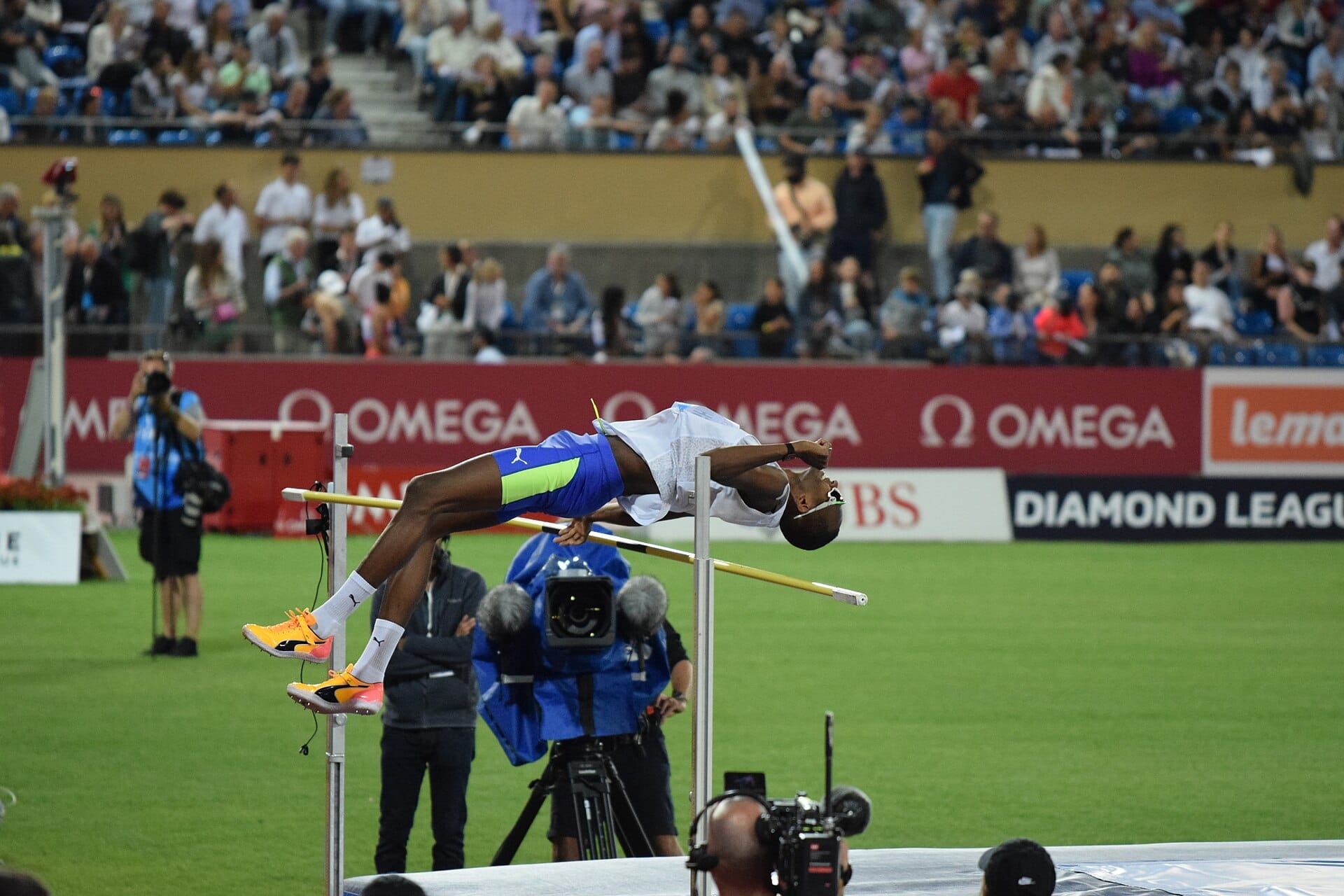
Eight Points for a Win
Every meeting on the tour scores the same way: the first eight finishers in each event take 8-7-6-5-4-3-2-1 points, and the running totals decide who books a lane at the final. That is the whole currency of the regular season — win in Rome and you bank eight points, scrape sixth in Monaco and you bank three, and at the end of August the best-placed athletes in each discipline get the invitation to Brussels.
The title itself is settled in one race. Since 2017 the Diamond League has used a championship format: the fourteen meetings are qualifiers, the points table empties at the door of the final, and whoever wins the final is the Diamond League champion, full stop. It was not always so — from 2010 to 2016 the Diamond Race went to whoever accumulated the most points across the season, and an athlete could take the title without winning the last race. The sport decided a champion should be crowned on the track, not on a spreadsheet.
Thirty-two disciplines carry a Diamond Trophy — sixteen events each for men and women across sprints, hurdles, middle and long distance, jumps and throws. Since 2026, eight of them at every meeting are designated Diamond+ disciplines — two sprint or hurdles events, two distance races, two field events and two others, split evenly between men and women — and pay double at the top.
What a Night Pays
The 2026 season pays US$9.24 million across the series, the same for men and women down to the dollar. At a regular meeting, winning a standard Diamond discipline is worth US$10,000, on a scale that runs down to US$1,000 for eighth place; in the eight Diamond+ disciplines the winner's share doubles to US$20,000. At the final in Brussels the numbers step up again: US$30,000 for a standard title, US$60,000 for a Diamond+ one — the largest individual payout in the series' seventeen seasons.
The champion of each discipline leaves with more than the cheque. There is the Diamond Trophy itself — and in 2026 there is a door attached: every Diamond League champion crowned in Brussels qualifies automatically for the World Athletics Ultimate Championship in Budapest the following week, the sport's new season-ending championship and its richest prize pot. Win the final, and September is already planned for you.
The 2026 Tour, as It Was Run
The 2026 route opened in Doha on 8 May and closed in Zurich on 27 August: three stops in China and the Gulf, one in Morocco, one in the United States, and the long European spine from Rome to the Weltklasse. The names on the route are institutions in their own right — the Bislett Games in Oslo, the Prefontaine Classic in Eugene, Herculis in Monaco, Athletissima in Lausanne — each a meeting older than the series that now strings them together.
Hover or tab on the record stops and the final for the detail. Sources: World Athletics 2026 calendar; World Athletics and Diamond League meeting reports, July–August 2026. Verified August 2026.
The 2026 route, stop by stop
| Date | City | Meeting | Continent | Note |
|---|---|---|---|---|
| 8 May | Doha | Doha Diamond League | Asia | Season opener |
| 16 May | Shanghai | Shanghai Diamond League | Asia | |
| 23 May | Xiamen | Xiamen Diamond League | Asia | |
| 31 May | Rabat | Rabat Diamond League | Africa | |
| 4 June | Rome | Golden Gala | Europe | |
| 7 June | Stockholm | Stockholm Diamond League | Europe | |
| 10 June | Oslo | Bislett Games | Europe | |
| 26 June | Paris | Meeting de Paris | Europe | |
| 4 July | Eugene | Prefontaine Classic | North America | |
| 10 July | Monaco | Herculis | Europe | |
| 18 July | London | London Athletics Meet | Europe | World mile record: Josh Kerr 3:42.66 |
| 21 August | Lausanne | Athletissima | Europe | |
| 23 August | Silesia | Skolimowska Memorial | Europe | |
| 27 August | Zurich | Weltklasse | Europe | Two world records: Masai Russell 12.09 (100 m hurdles), Alison dos Santos 45.80 (400 m hurdles) |
| 4–5 September | Brussels | Memorial Van Damme (final) | Europe | Two-day final; all 32 titles decided |
Three world records fell on the tour. In London on 18 July, Josh Kerr ran the mile in 3:42.66 — the first man under 3:43, closing out the 3:43.13 that Hicham El Guerrouj had held since 1999. Then Zurich, the last night of the regular season, produced two more inside an hour: Masai Russell took the 100 m hurdles record to 12.09, beating the 12.12 Tobi Amusan had held since 2022, and Alison dos Santos became the first man under 46 seconds in the 400 m hurdles with 45.80, taking down the 45.94 Karsten Warholm had set at the Tokyo Olympics — with Warholm himself second in the race.

Two Nights in Brussels
The season ends where the points run out. The 2026 final is a two-day meeting in Brussels on 4 and 5 September, hosted by the Memorial Van Damme at the King Baudouin Stadium — the fiftieth edition of the meeting, and the second time it stages the final in three seasons. All 32 champions are crowned across the two nights, every title decided by a single race or a single competition.
The final deserves — and will get — a chapter of its own in this series: its history runs through Zurich and Brussels and carries some of the fastest nights the sport has seen. For this page, what matters is its place in the machine: fourteen meetings feed it, nobody arrives with an advantage, and whoever wins on the night takes the trophy, the biggest cheque of the season and the ticket to Budapest.
Sponsor Kit, Not Federation Kit
One rule sorts every competition we cover into two universes: championships mean federation kit, and meetings mean sponsor kit. A Diamond League night belongs to the second universe. There are no national teams in Doha or Monaco — each athlete is invited as an individual and races in the gear of the brand or team that sponsors them, which is why a Diamond League start line reads like a catalogue: Nike, adidas, Asics, On, and the liveries of professional squads such as the NN Running Team, today racing as the dsm-firmenich squad, or the Rosa & Co stable.
The house rule for reading any competition: championships mean federation kit, leagues and meetings mean sponsor kit. At a Worlds, an Olympics or the Ultimate Championship, everyone wears national colours; on the Diamond League tour, contracted athletes race in their brand's gear. That second universe — the sponsor and team lines — is exactly what our brand archive collects.
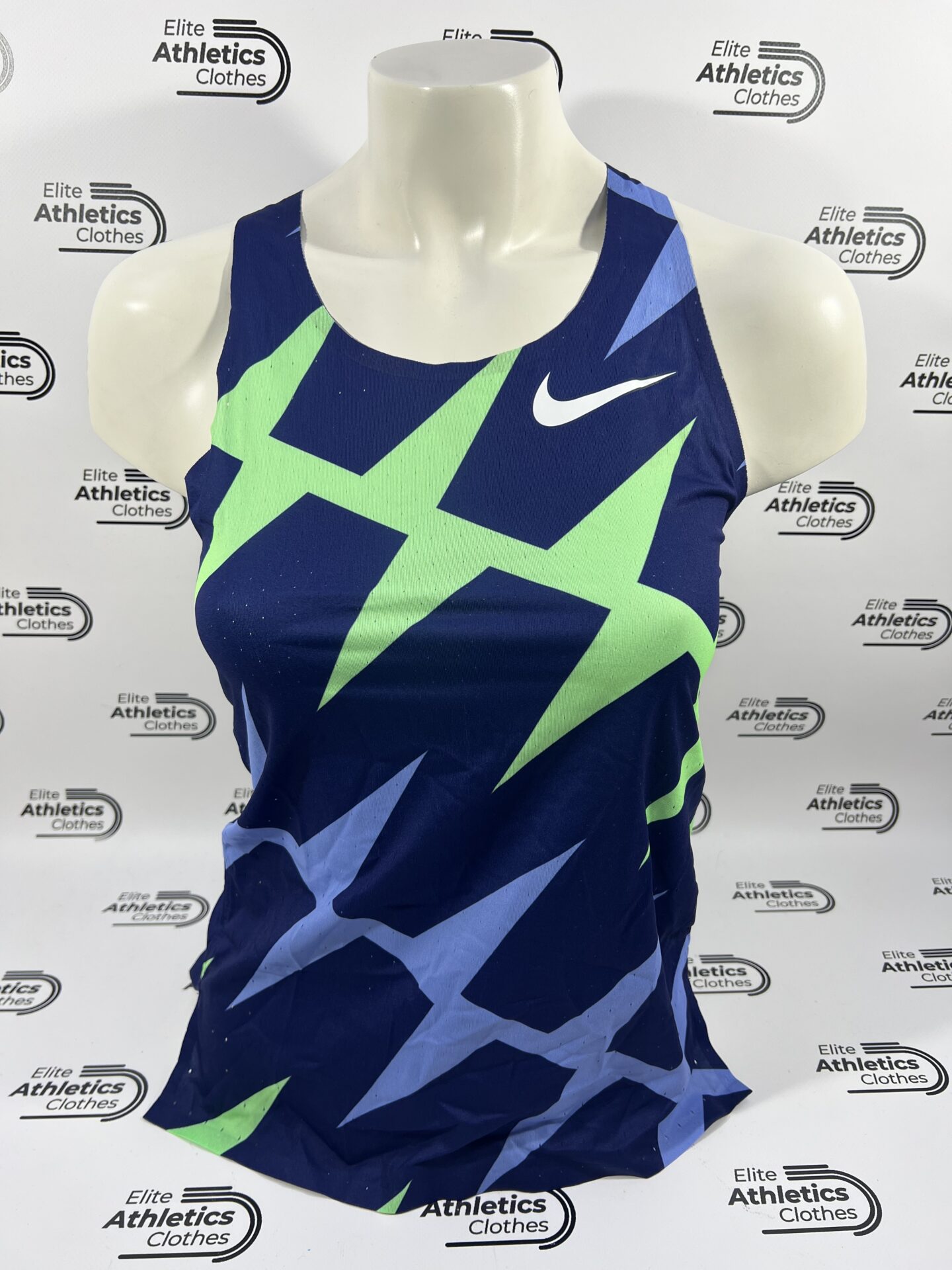 Sponsor kit · in the archiveNike Pro Elite 2020/2021 Women Distance SingletA race singlet from the Nike Pro Elite line — the sponsor-issue universe that takes the track on Diamond League nights, athlete-issued and never retail.150,00 €View piece →
That is why this page points at the brand shelves rather than at any national rail. The athlete-issued lines behind those start lists each have their own story in the journal — Nike Pro Elite, adidas Pro Elite, Asics Pro Elite and On — and the rail below holds one piece from each of the eight lines in the archive.
The Start-List Brands
A Diamond League start line is a brand catalogue, and so is this rail: one athlete-issued piece from each of the eight sponsor and team lines in the Pro Elite archive.
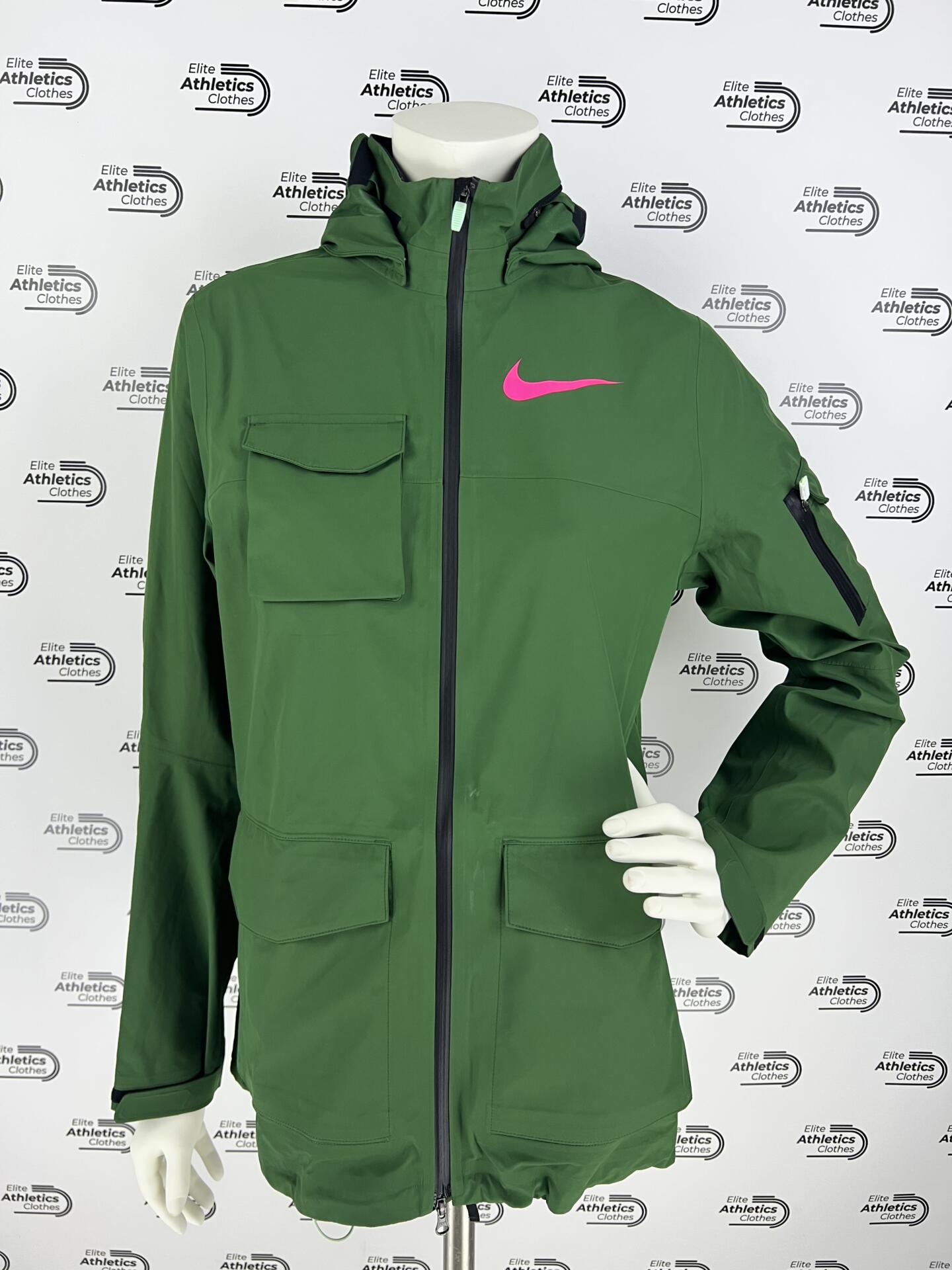 Nike Pro Elite 2023 Women Storm Fit Jacket150,00 €View Piece →adidas
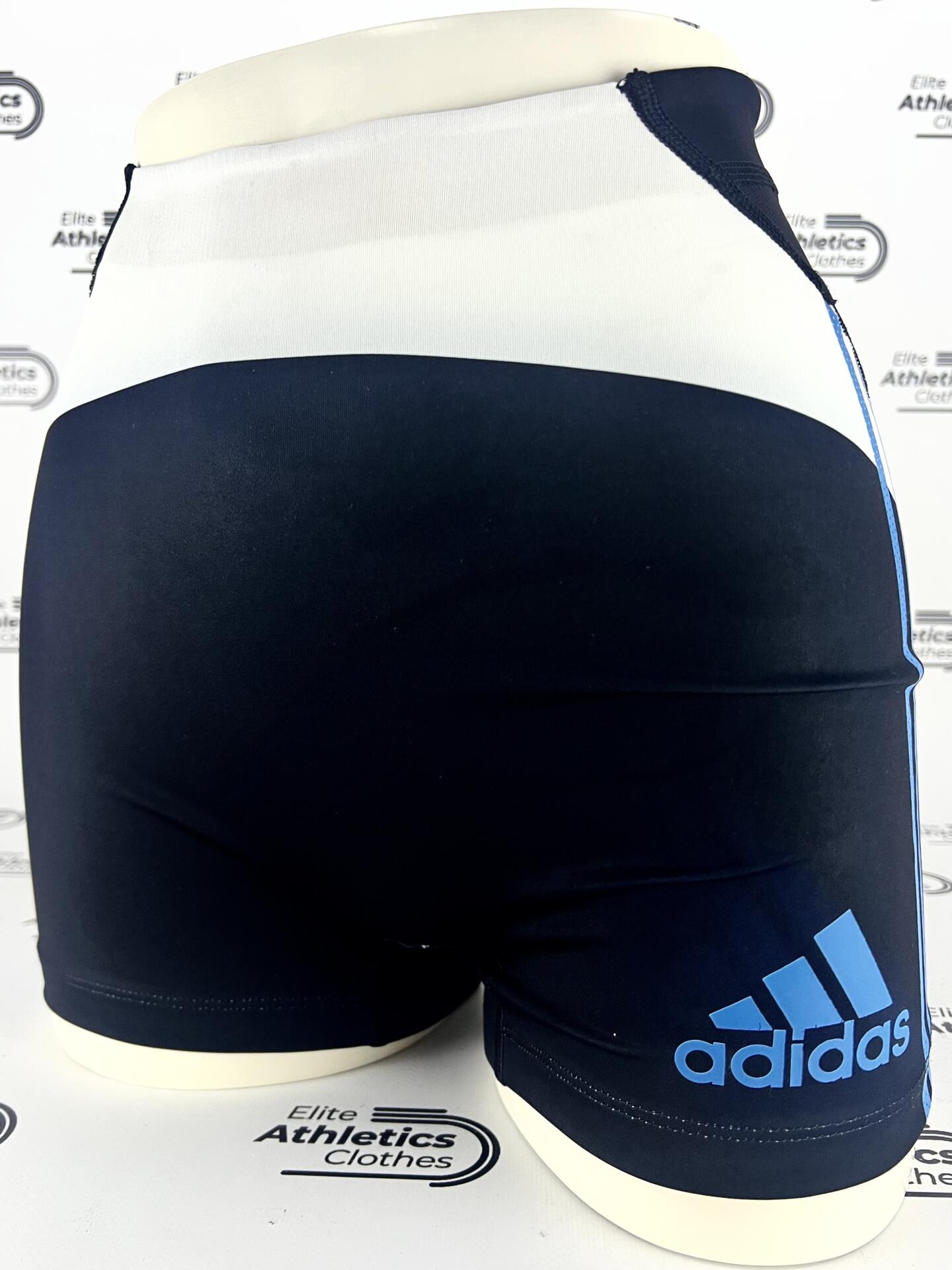 Adidas Pro Elite 2022 Women Booty Short Tights100,00 €View Piece →NN Running
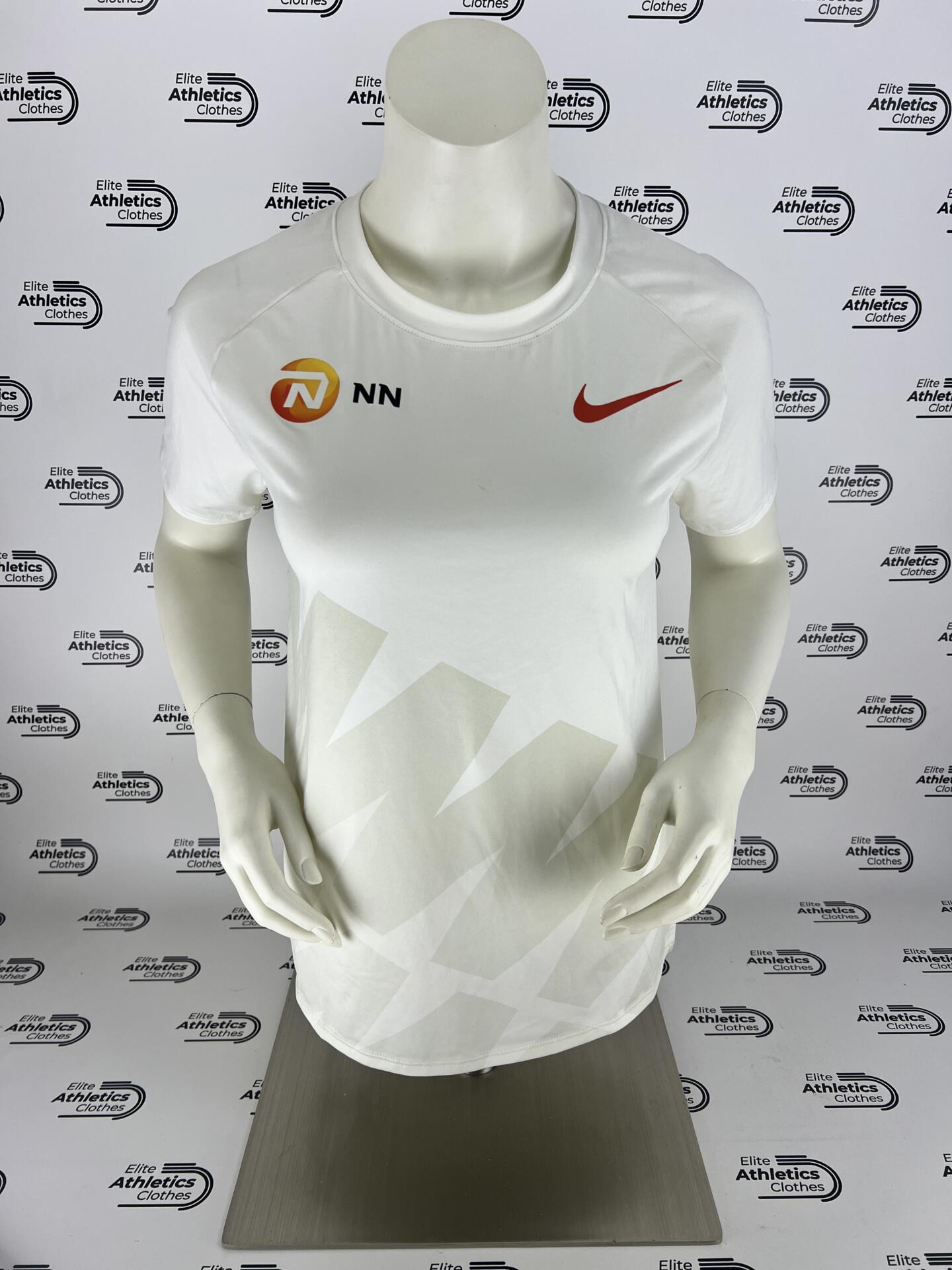 INEOS X Nike NN Running Team Pro Elite 2020/2021 Women T-Shirt150,00 €View Piece →Rosa & Co
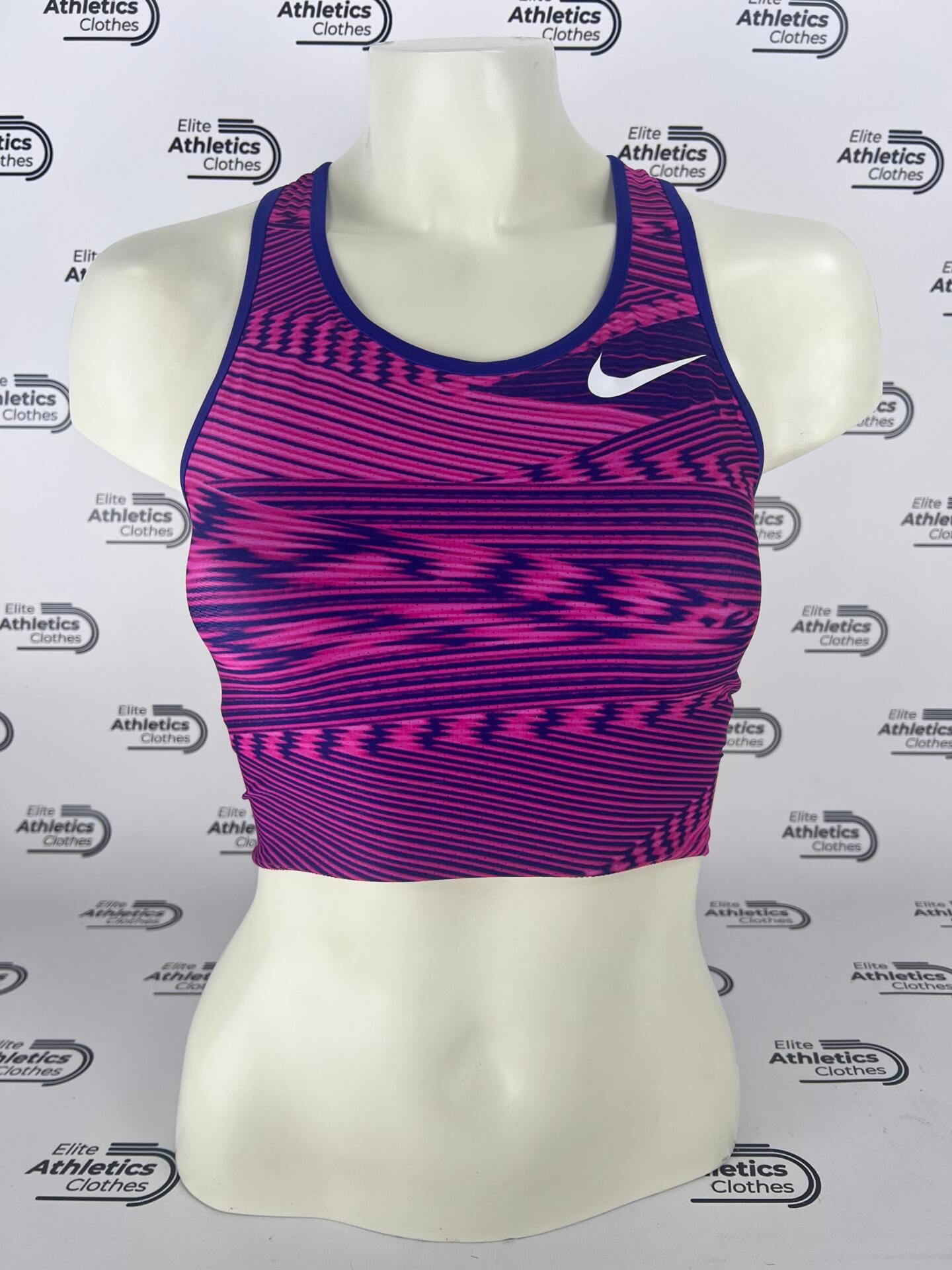 Nike Rosa & Co. Pro Elite 2019 Women Crop Top250,00 €View Piece →Asics
 Asics Actibreeze Distance Singlet100,00 €View Piece →On
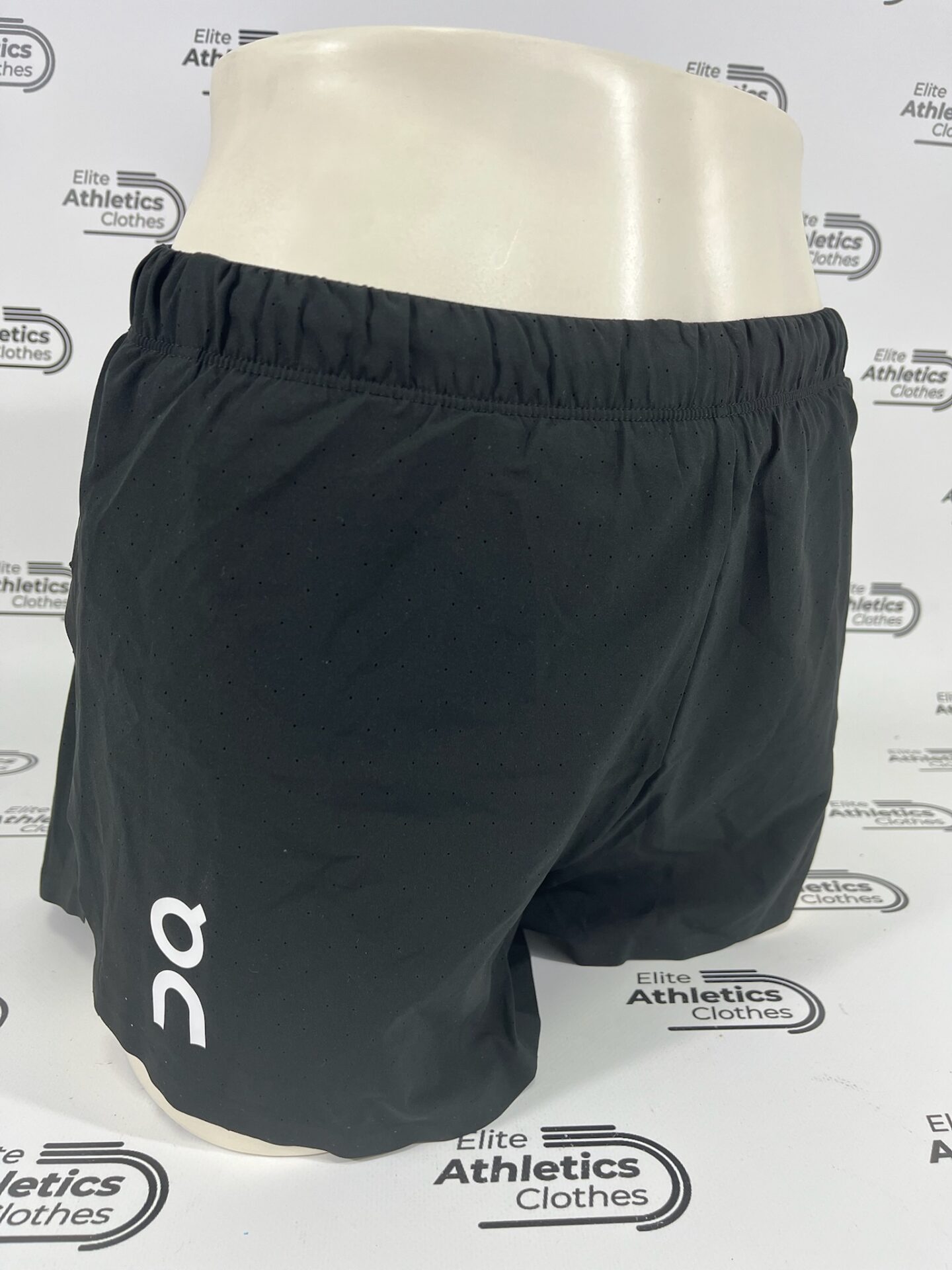 ON Running Pro Elite 2025 Women Black Racing Shorts120,00 €View Piece →Gold Medallist
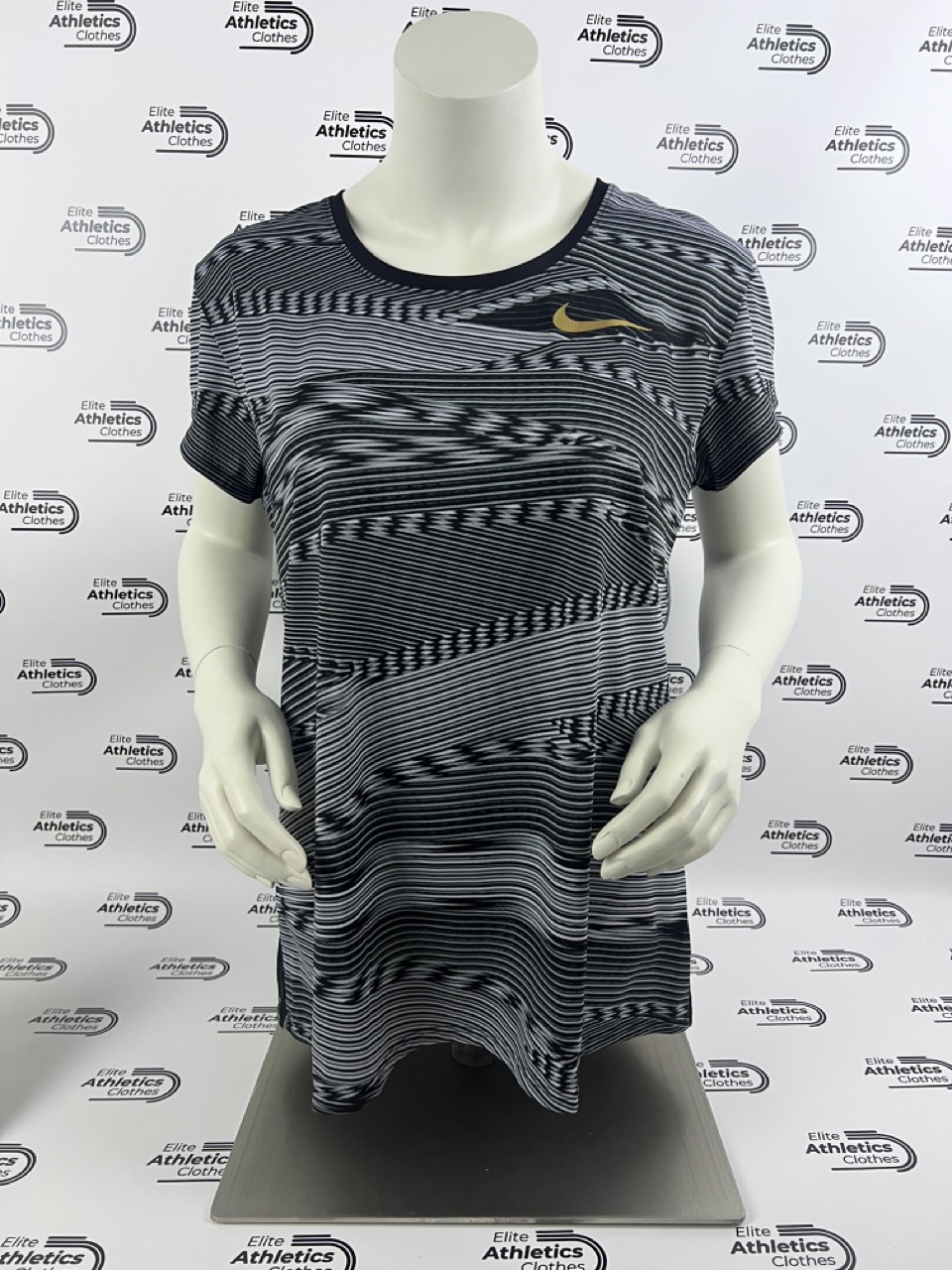 Nike Gold Medallist Pro Elite 2019 Women T-Shirt140,00 €View Piece →Clubs
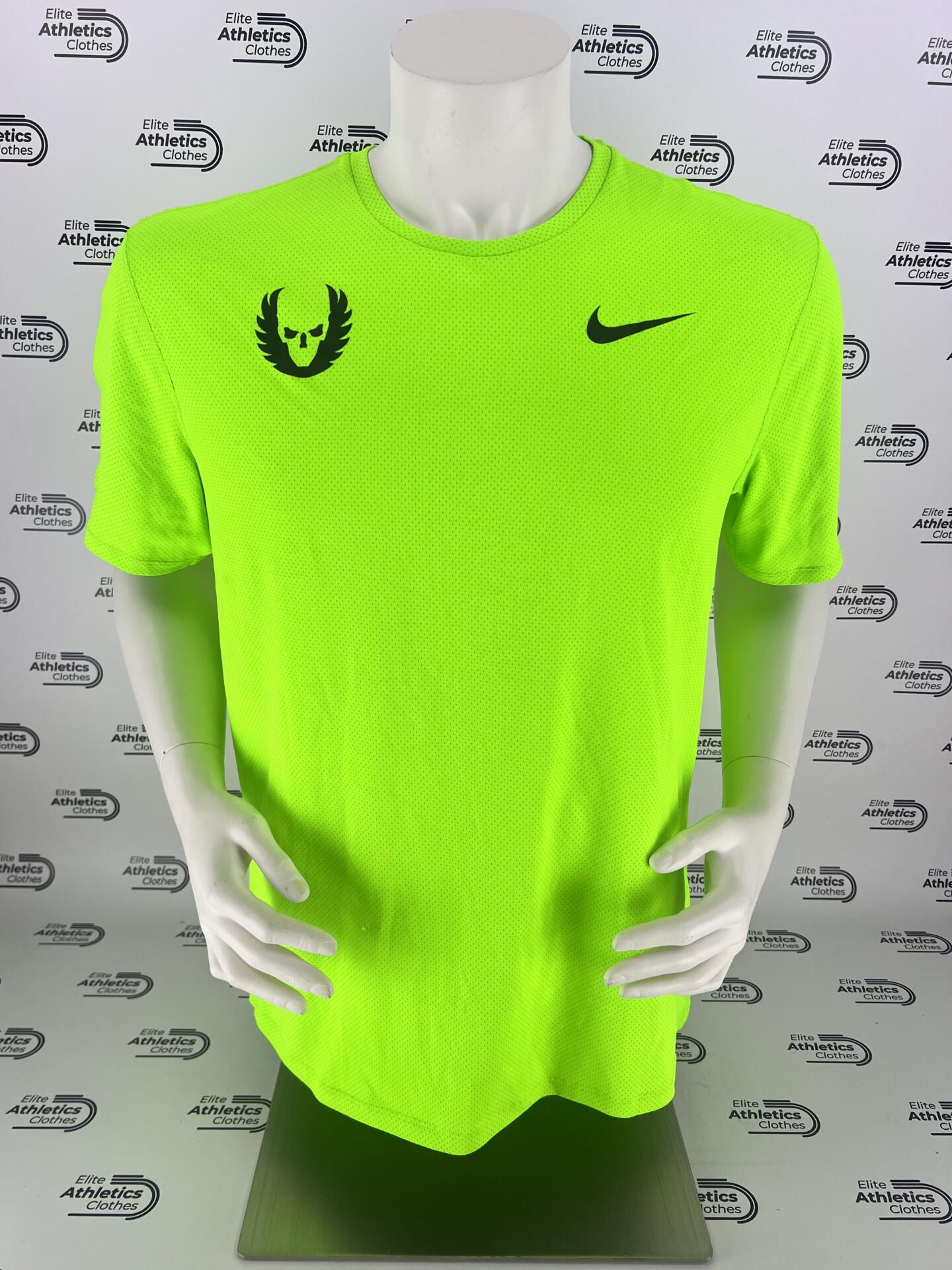 Nike Oregon Project Team Pro Elite T-Shirt240,00 €View Piece →
What is the Diamond League?
The Wanda Diamond League is track and field's top annual series of one-day meetings, founded in 2010 as the successor to the Golden League. In 2026 it has fourteen scoring meetings across four continents, from Doha on 8 May to Zurich on 27 August, plus a two-day final in Brussels on 4–5 September where all 32 Diamond League champions are decided.
How does the Diamond League points system work?
At every meeting the first eight finishers in each event score points on a 8-7-6-5-4-3-2-1 scale. Those points only decide who qualifies for the final: since 2017 the title in each discipline goes to whoever wins at the final itself, in a winner-takes-all race. From 2010 to 2016 the old Diamond Race format awarded the title on accumulated season points instead.
How much prize money does the Diamond League pay?
US$9.24 million across the 2026 season, identical for men and women. At regular meetings a win pays US$10,000 in standard disciplines and US$20,000 in the eight Diamond+ disciplines, scaling down to US$1,000 for eighth. At the Brussels final a title pays US$30,000, or US$60,000 in Diamond+ events — the biggest individual payout in the series' history.
What does a Diamond League champion win?
Each of the 32 champions crowned at the final receives the Diamond Trophy and the top cheque — US$30,000, or US$60,000 in Diamond+ disciplines. In 2026 champions also qualify automatically for the World Athletics Ultimate Championship in Budapest, held the week after the final.
Do athletes wear national kit at Diamond League meetings?
No. Diamond League meetings are invitationals, not championships: athletes compete as individuals and race in the kit of their sponsor brand or professional team — Nike, adidas, Asics, On, or squads like the NN Running Team, now racing as dsm-firmenich. National federation kit belongs to the championships — the Olympics, the Worlds and the Ultimate Championship.
Sources and References
- World Athletics — 2026 Wanda Diamond League calendar — the 14 meetings, dates and the two-day Brussels final
- Wanda Diamond League — prize money — the US$9.24M pot, per-place payouts and Diamond+ scale
- Wanda Diamond League — WDL Classics: Doha 2010 — the first meeting, 14 May 2010
- World Athletics — new format and scoring system (2017) — the switch from the Diamond Race to the championship final
- World Athletics — Kerr breaks the world mile record in London — the 3:42.66 of 18 July 2026
- Olympics.com — Russell breaks the 100 m hurdles world record in Zurich — the 12.09 of 27 August 2026
- Olympics.com — dos Santos breaks the 400 m hurdles world record in Zurich — the 45.80 of 27 August 2026
- Memorial Van Damme — 50th edition hosts the 2026 final — the King Baudouin Stadium and the anniversary edition