
World
Championships
Twenty editions, forty-two years, one two-year heartbeat: how track and field's own world championships went from a boycott-era experiment in Helsinki to the sport's biggest recurring stage.
The World Athletics Championships is track and field's own global title event — every discipline, one stadium, world titles on the line. First held in Helsinki in 1983 with 1,355 athletes from 153 countries, it has run 20 editions and settled into a two-year rhythm: the 20th took place in Tokyo in September 2025, and the 21st goes to Beijing in 2027.
This page tells the whole story: why the sport had to invent its own championships at all, how a four-year experiment became a two-year heartbeat — broken exactly once, by a pandemic — the records born on this stage that still have not fallen, and what the winners get paid now that they get paid at all.
Part of our Competition Files — one competition at a time, explained. The kits behind the championships live in the Pro Elite archive. Jump to the federation kits or follow one team through one edition in USA 2023: Budapest.
- What it is
- Track and field's standalone global championships, run by World Athletics (formerly the IAAF) since 1983
- First edition
- Helsinki, 7–14 August 1983 — 1,355 athletes from 153 countries
- How often
- Every two years since 1991; the first three editions were four years apart
- Editions held
- 20, most recently Tokyo 2025 — the 2021 edition slid to 2022 with the Olympic calendar
- Next edition
- Beijing 2027, National Stadium — its second Worlds after 2015
- Most decorated
- Allyson Felix: 20 medals, 14 gold — both all-time records
- Top nation
- United States: 469 medals, 211 gold — more than double the next country
- Longest-standing record set there
- Mike Powell's 8.95 m long jump, Tokyo 1991 — still the world record 35 years on
A Title the Sport Did Not Have
For its first hundred years of international life, track and field had no world championships of its own. The Olympic final doubled as the world title, and that arrangement broke exactly when athletes needed it most: the boycotts of 1976 and 1980 (with 1984 still to come) meant a runner could train four years and lose their only shot at a global title to politics they had no part in.
The fix took a decade of committee work. The IAAF set up a World Championships study group at its 1974 congress in Rome, and at the 1978 congress in Puerto Rico the proposal driven by Adriaan Paulen and Primo Nebiolo passed unanimously. Helsinki beat Stuttgart to stage the first edition, 7–14 August 1983, and the federation paid every team's travel and twelve days of lodging — the event had to prove the whole sport would show up. It did: 1,355 athletes from 153 countries filled the 1912 Olympic stadium.
The first champions list reads like a sealed time capsule. Grete Waitz took the first women's world marathon title, and Jarmila Kratochvilova won the 400 m in 47.99 — a mark that would sit at the top of the championship record book for the next 42 years.
Four-Year Experiment, Two-Year Heartbeat
The championships began cautiously, spaced like the Games they were built to escape: Helsinki 1983, Rome 1987, Tokyo 1991, four years apart. Demand ended the caution. From 1991 the calendar flipped to a two-year cycle — Stuttgart 1993, Gothenburg 1995, and on — and that beat has carried the event through three decades and five continents' worth of bids.
Hover or tab on a tick for host and year. Sources: World Athletics Heritage; World Athletics press releases on the 2022 rescheduling and the 2027 award. Verified August 2026.
All 21 editions, host by host
| No. | Year | Host | Years since previous |
|---|---|---|---|
| 1 | 1983 | Helsinki, Finland | — |
| 2 | 1987 | Rome, Italy | +4 |
| 3 | 1991 | Tokyo, Japan | +4 |
| 4 | 1993 | Stuttgart, Germany | +2 |
| 5 | 1995 | Gothenburg, Sweden | +2 |
| 6 | 1997 | Athens, Greece | +2 |
| 7 | 1999 | Seville, Spain | +2 |
| 8 | 2001 | Edmonton, Canada | +2 |
| 9 | 2003 | Paris, France | +2 |
| 10 | 2005 | Helsinki, Finland | +2 |
| 11 | 2007 | Osaka, Japan | +2 |
| 12 | 2009 | Berlin, Germany | +2 |
| 13 | 2011 | Daegu, South Korea | +2 |
| 14 | 2013 | Moscow, Russia | +2 |
| 15 | 2015 | Beijing, China | +2 |
| 16 | 2017 | London, Great Britain | +2 |
| 17 | 2019 | Doha, Qatar | +2 |
| 18 | 2022 | Eugene, United States | +3 |
| 19 | 2023 | Budapest, Hungary | +1 |
| 20 | 2025 | Tokyo, Japan | +2 |
| 21 (next) | 2027 | Beijing, China | +2 |
The beat has been broken once. After Doha 2019, the next Worlds were set for Eugene in August 2021 — but when the Tokyo Olympics slid a year, the championships moved to July 2022 to clear the calendar. Eugene became the first Worlds ever held in the United States, at the rebuilt Hayward Field, and Budapest followed in 2023: the only time in the event's history that two editions have been a single year apart.
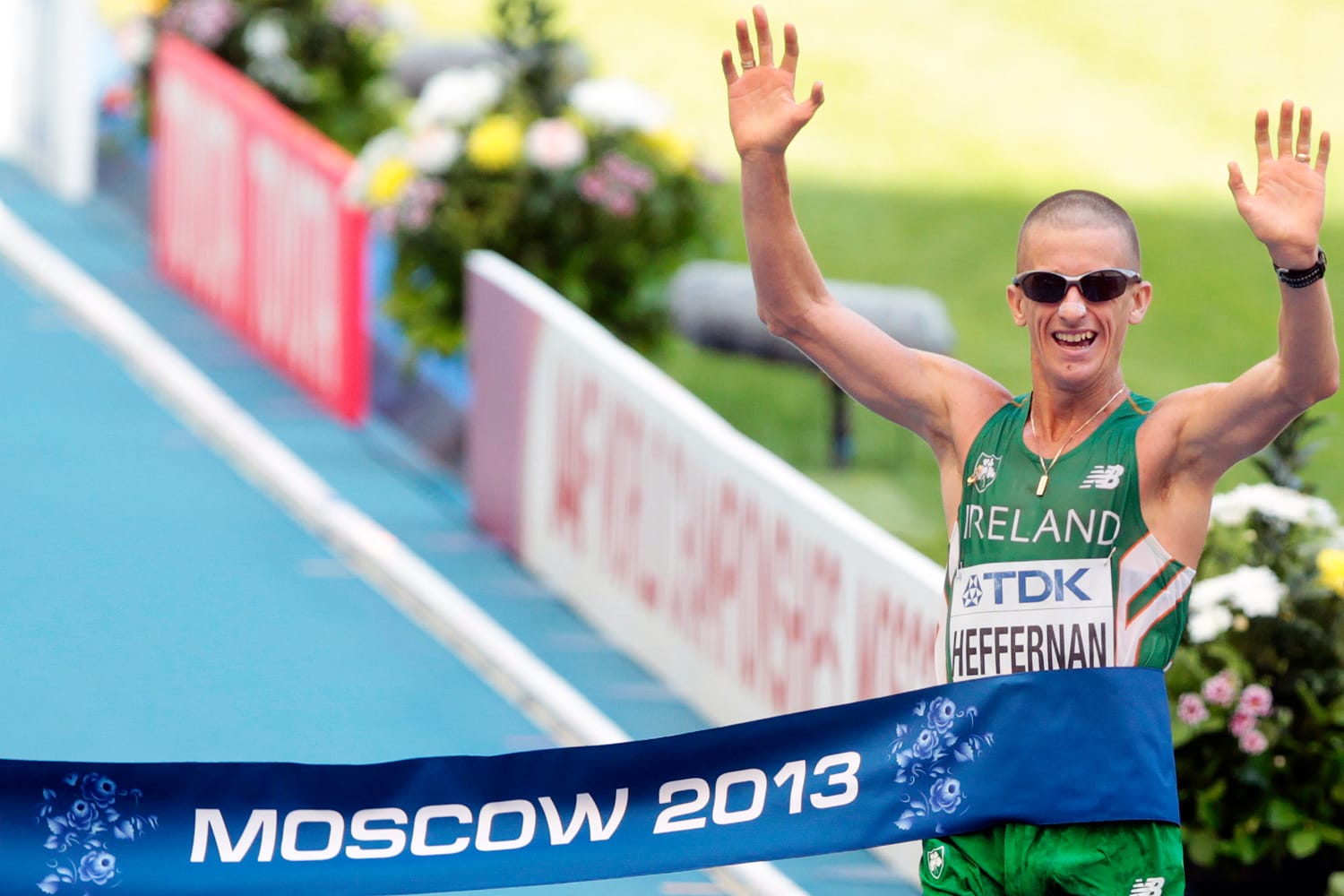
The next tick is already on the axis. Beijing hosts the 2027 edition at the National Stadium — the 2008 Olympic venue, staging its second Worlds after 2015 — awarded at the World Athletics council meeting in Glasgow in February 2024, after Rome withdrew its bid when government funding fell through. What happens on that track is 2027's business, not this page's.
The Marks That Would Not Fall
Some of the sport's most stubborn numbers were born at a Worlds. The most stubborn of all: Mike Powell's 8.95 m long jump from Tokyo 1991, set in a head-to-head with Carl Lewis that took down Bob Beamon's 23-year-old world record. It passed its 35th anniversary on 30 August 2026, still unbeaten — longer-lived now than the record it replaced.
Berlin 2009 gave the championships their loudest week. Usain Bolt ran 9.58 for 100 m and 19.19 for 200 m within five days, and in 2026 both are still the world records. No athlete has been within a tenth of either at sea level since.
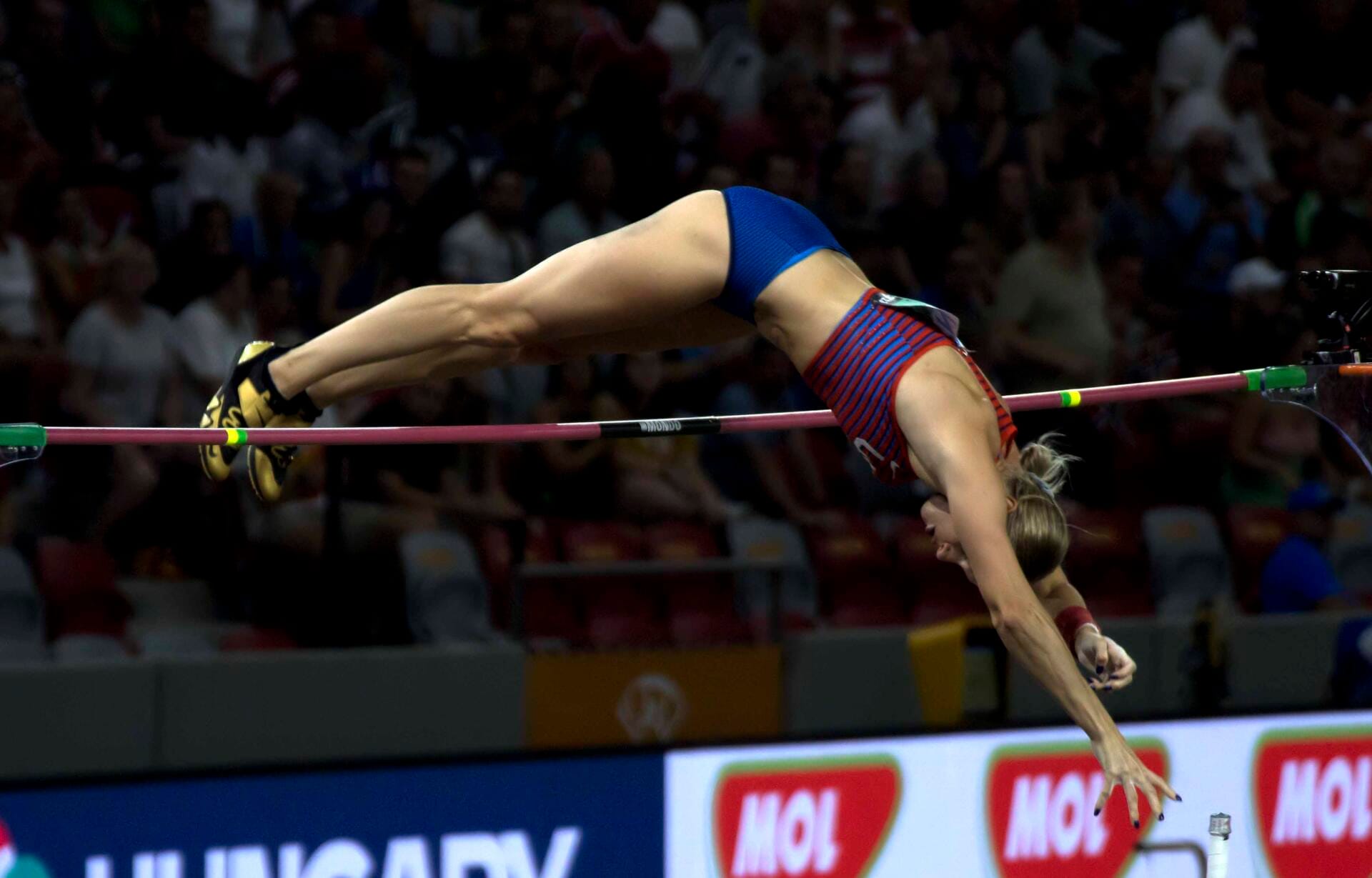
The record book is still being written on this stage. At Tokyo 2025, Mondo Duplantis cleared 6.30 m — a world record set in a Worlds final, worth a US$100,000 bonus on top of the title — before nudging it to 6.31 m in Uppsala in March 2026. And the oldest championship record finally gave way the same week: Sydney McLaughlin-Levrone won the 400 m in 47.78, erasing Kratochvilova's 47.99 from Helsinki 1983 after 42 years with the second-fastest run in history, 0.18 from Marita Koch's 1985 world record.
From Paid Expenses to a $70,000 Night
In 1983 the reward structure was simple: the IAAF covered your travel and your bed, and the title was the payment. Winning the first World Championships earned exactly nothing in cash — the amateur rules of the era would not have allowed it anyway.
Prize money arrived at Athens 1997, the first Worlds to pay its finalists: US$60,000 for gold, scaling down to US$4,000 for eighth place. It rewired what the event meant for a professional — from that edition on, a world title was both the peak of the sport and its biggest payday outside a shoe contract.
At Tokyo 2025 the scale ran US$70,000 for an individual gold, US$35,000 for silver and US$22,000 for bronze, with relay golds worth US$80,000 per team — the same rates as Budapest 2023 — plus a US$100,000 bonus for a world record, which Duplantis collected. Only the sport's new season-ending Ultimate Championship, with US$150,000 per title, pays a bigger winner's cheque.
Fifty-Three Flags on the Medal Table
The event has grown in every direction since Helsinki's 153 nations. At Tokyo 2025, a record 53 countries won at least one medal — beating the mark of 46 set at Osaka 2007 and equalled at Budapest 2023. Samoa, Saint Lucia and Uruguay medalled for the first time in their history, and Tanzania won its first world title.
The all-time table still has one runaway leader: the United States, with 469 medals and 211 golds through Tokyo 2025 — more than double the total of Kenya, the next nation on the list. The most decorated athlete in championship history is Allyson Felix, who closed her career in 2022 with 20 world medals, 14 of them gold; both counts are records for any athlete, man or woman.
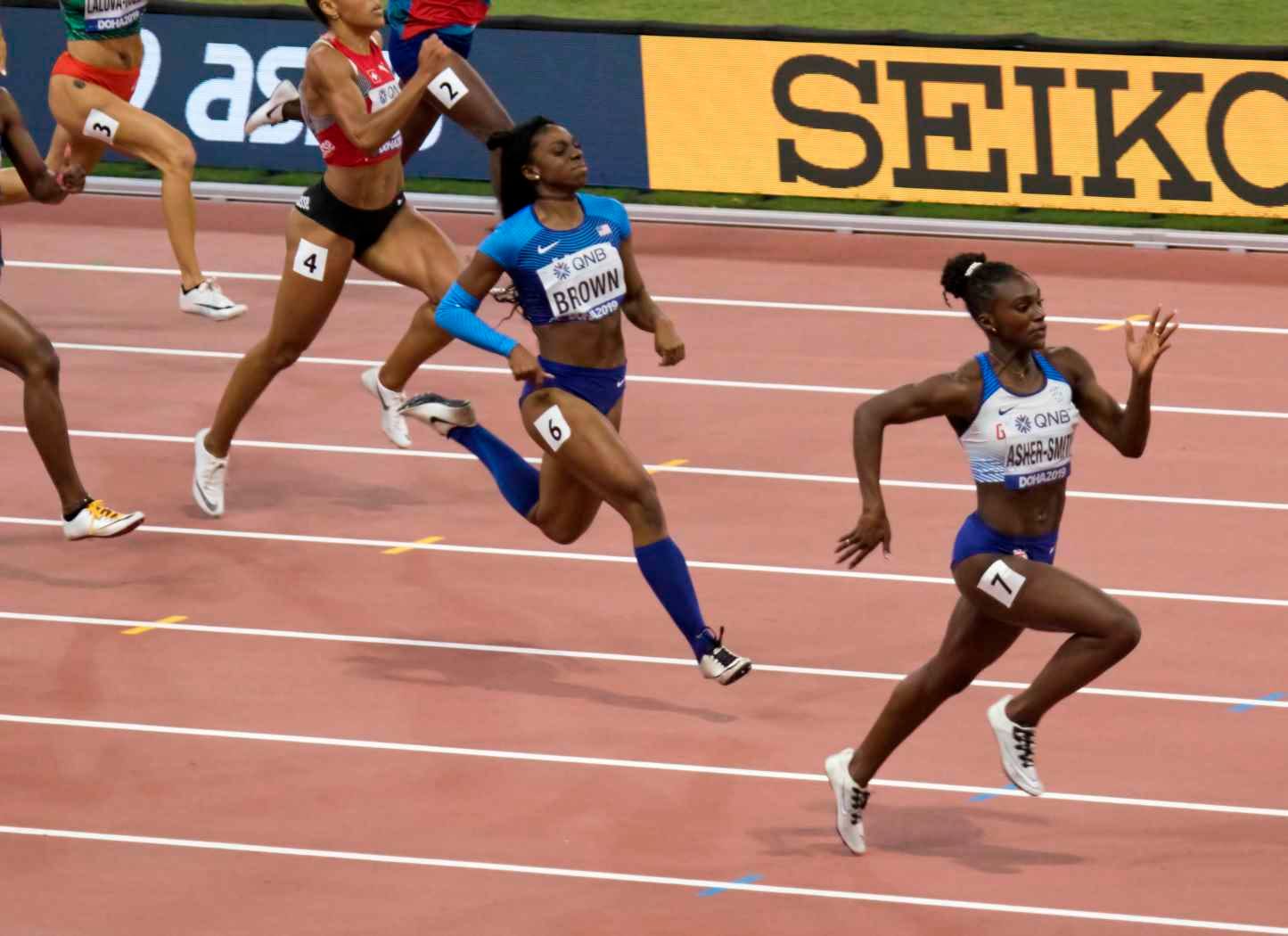
The championships also carry the sport's experiments. Doha 2019 staged its marathons at midnight to beat the Gulf heat and gave the mixed 4×400 m relay its global debut — an event that went straight onto the Olympic programme. Tokyo 2025 drew 619,288 spectators across nine days, the third-highest total in Worlds history behind Beijing 2015 and London 2017, and ahead of the 581,462 who watched Tokyo's first Worlds in 1991.
Championship Kit Means Federation Kit
One rule has held from Helsinki 1983 to Tokyo 2025, and it is the rule this shop is built on: at a World Championships, every athlete competes in national federation kit. Whatever a sprinter's personal shoe deal says, on championship night the singlet says USA, Ethiopia or Poland — and the athlete-issued versions of those singlets are what our archive collects.
The house rule for reading any competition: championships mean federation kit, leagues and meetings mean sponsor kit. At a Worlds or an Olympics everyone wears national colours; at a Diamond League meeting, contracted athletes race in their brand's gear. This series flags which universe each competition belongs to — the World Championships built the federation universe.
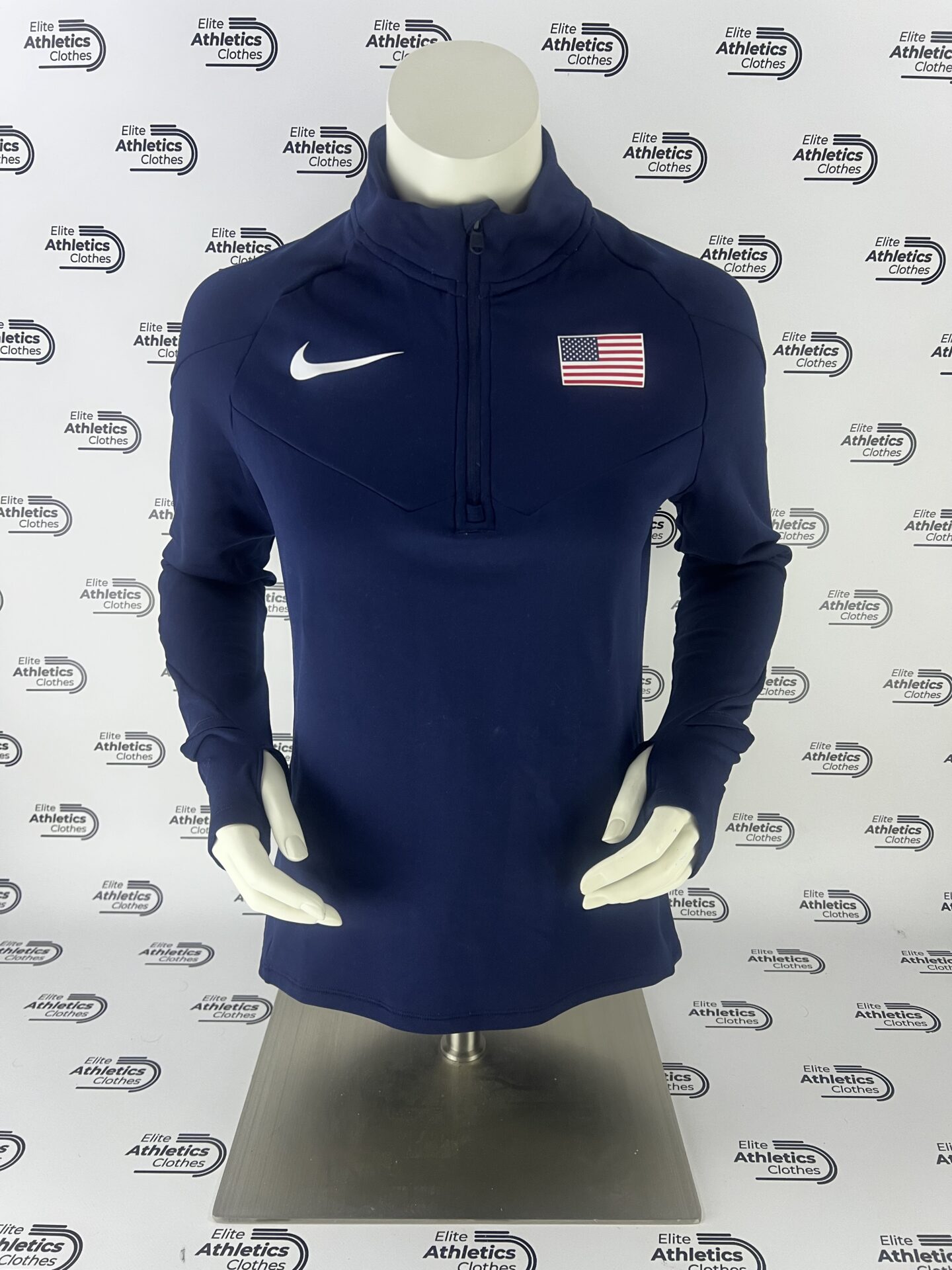 Federation kit · in the archiveNike USA Pro Elite 2025 Women Half Zip JerseyNike USA women's half-zip jersey marked for 2025 — team-issue federation gear from the season the 20th World Championships were raced in Tokyo.200,00 €View piece →
Our Season Series reads single editions from one nation's corner — how a Worlds looks when you follow one team through it: the USA at Budapest 2023, Germany at Doha 2019 and the USA at Tokyo 2025. The rails below hold one championship-season piece per federation, from the deepest national archive we keep outward.
Worn Where the Titles Are Won
Every World Championships since 1983 has been raced in national team kit. These are athlete-issued federation pieces from the archive — one per nation, several from World Championship seasons.
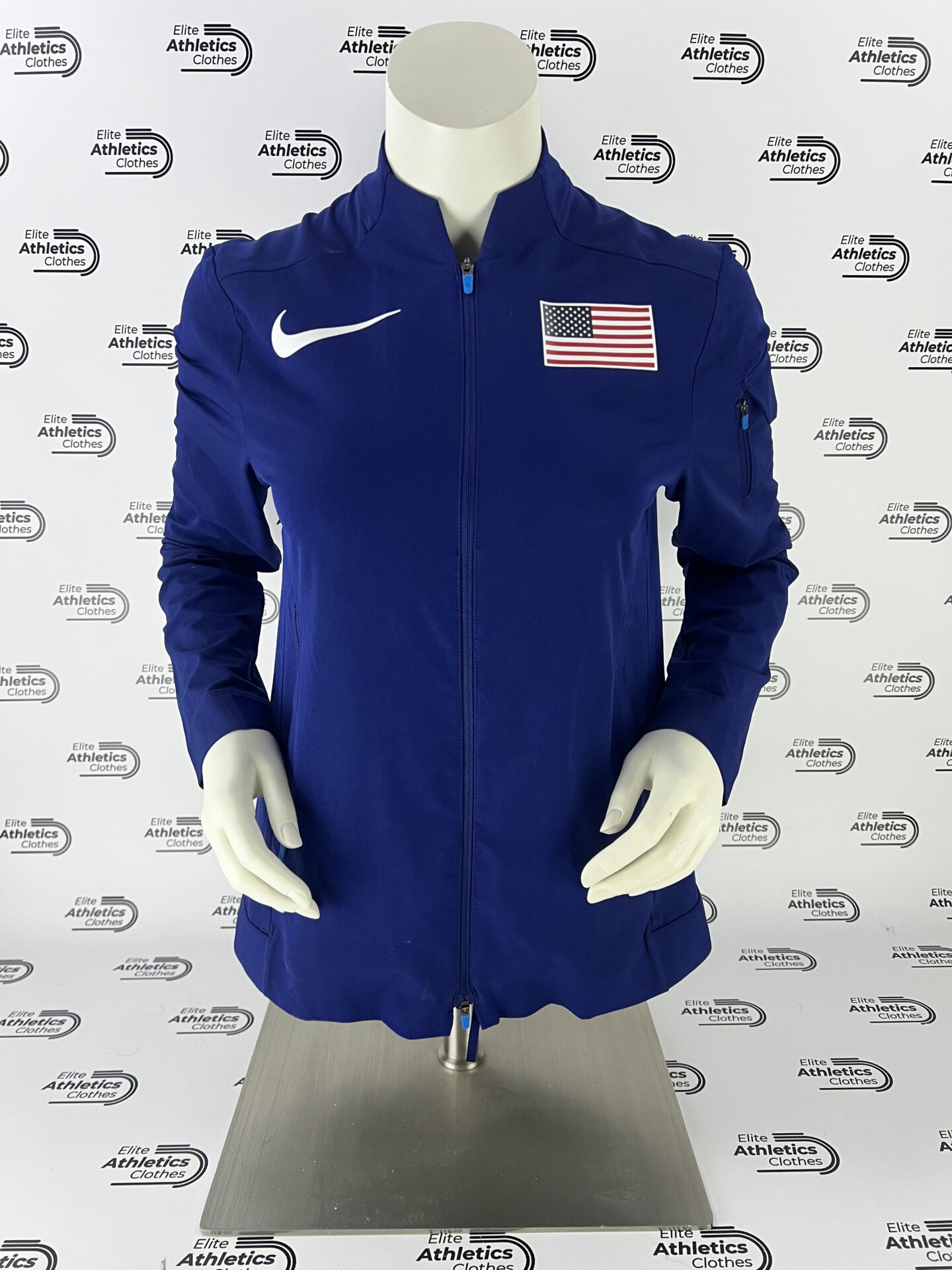 Nike USA Pro Elite 2023 Women Podium Jacket300,00 €View Piece →Great Britain
 Nike Great Britain Pro Elite 2019 Storm Jacket180,00 €View Piece →Ethiopia
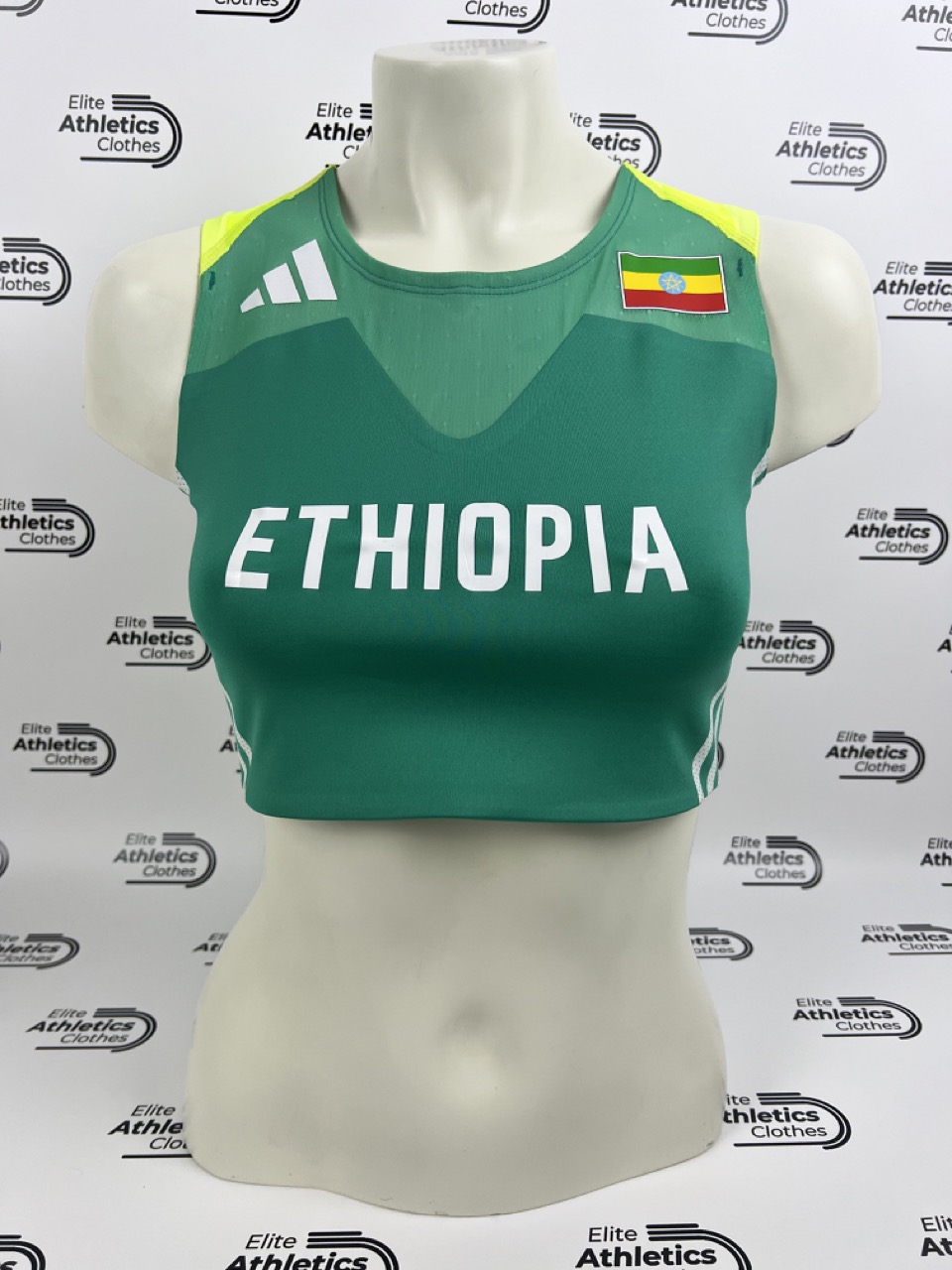 Adidas Ethiopia Pro Elite 2023 Women Crop Top80,00 €View Piece →Germany
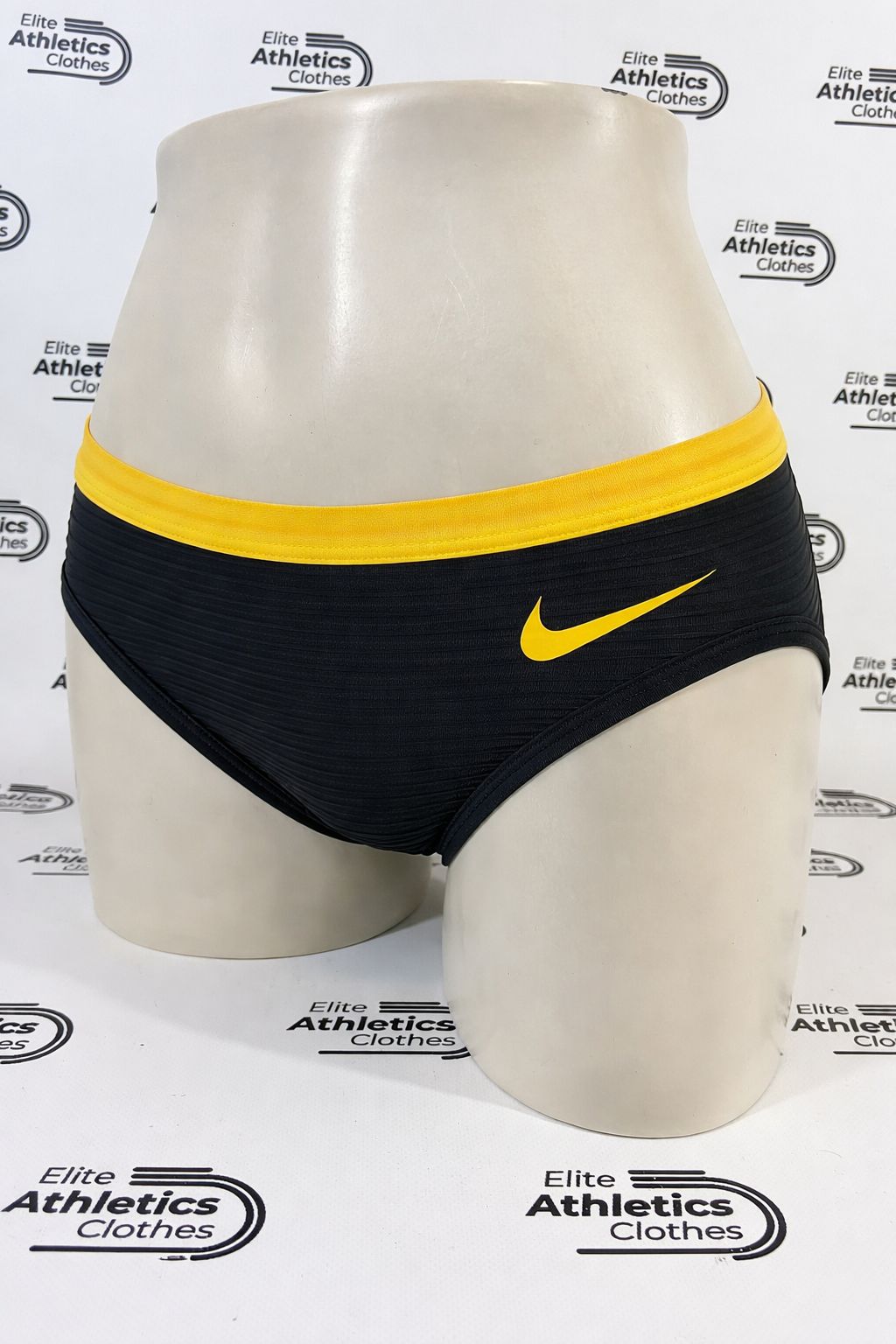 Nike Germany Pro Elite 2023 Women Sprint Competition Briefs100,00 €View Piece →France
 Asics France Pro Elite 2019 Long Tights70,00 €View Piece →Netherlands
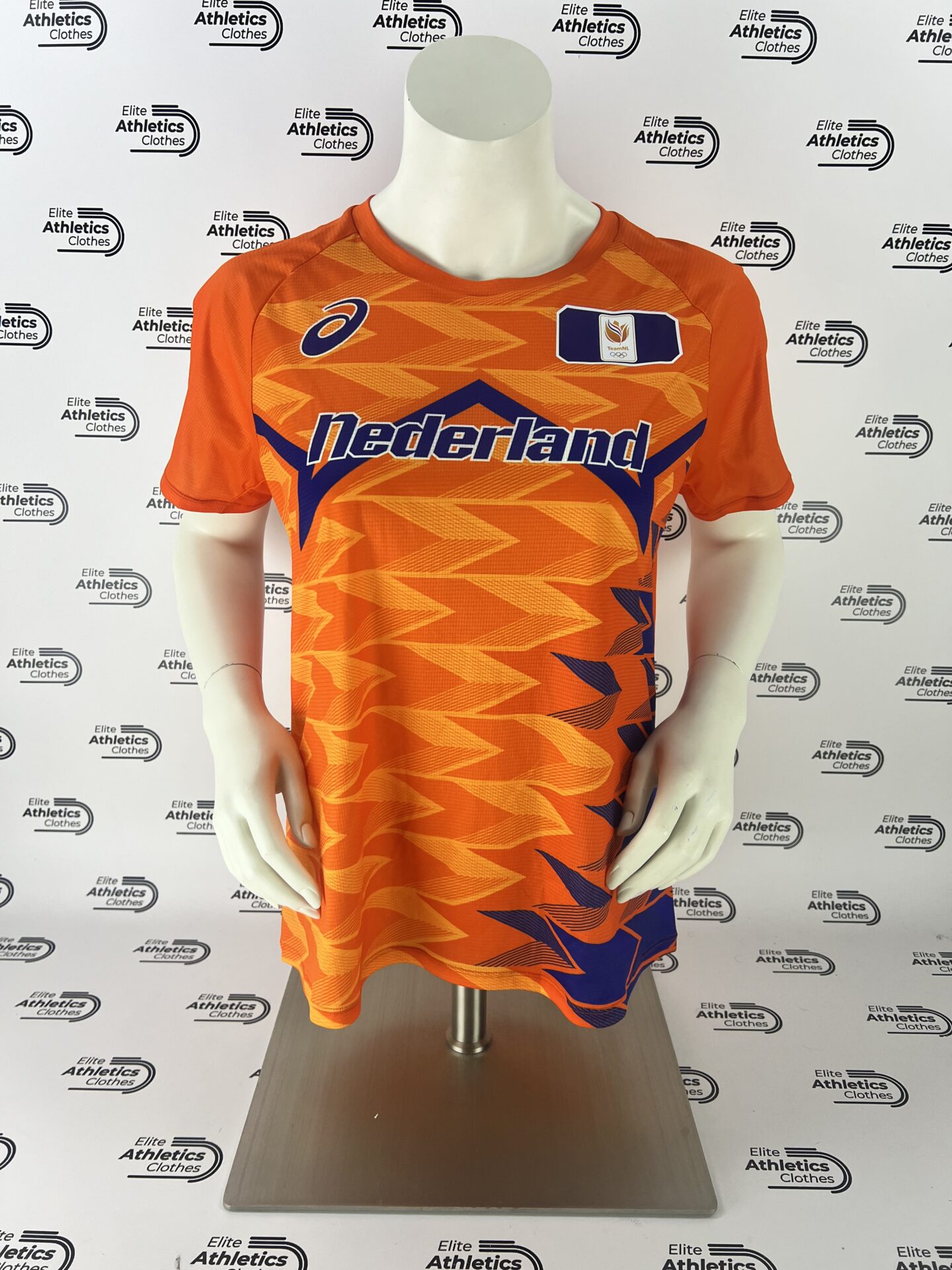 Asics Netherlands Pro Elite 2024 OLY Women T-Shirt150,00 €View Piece →Spain
 Joma Spain Pro Elite 2022 Women Competition Briefs50,00 €View Piece →Poland
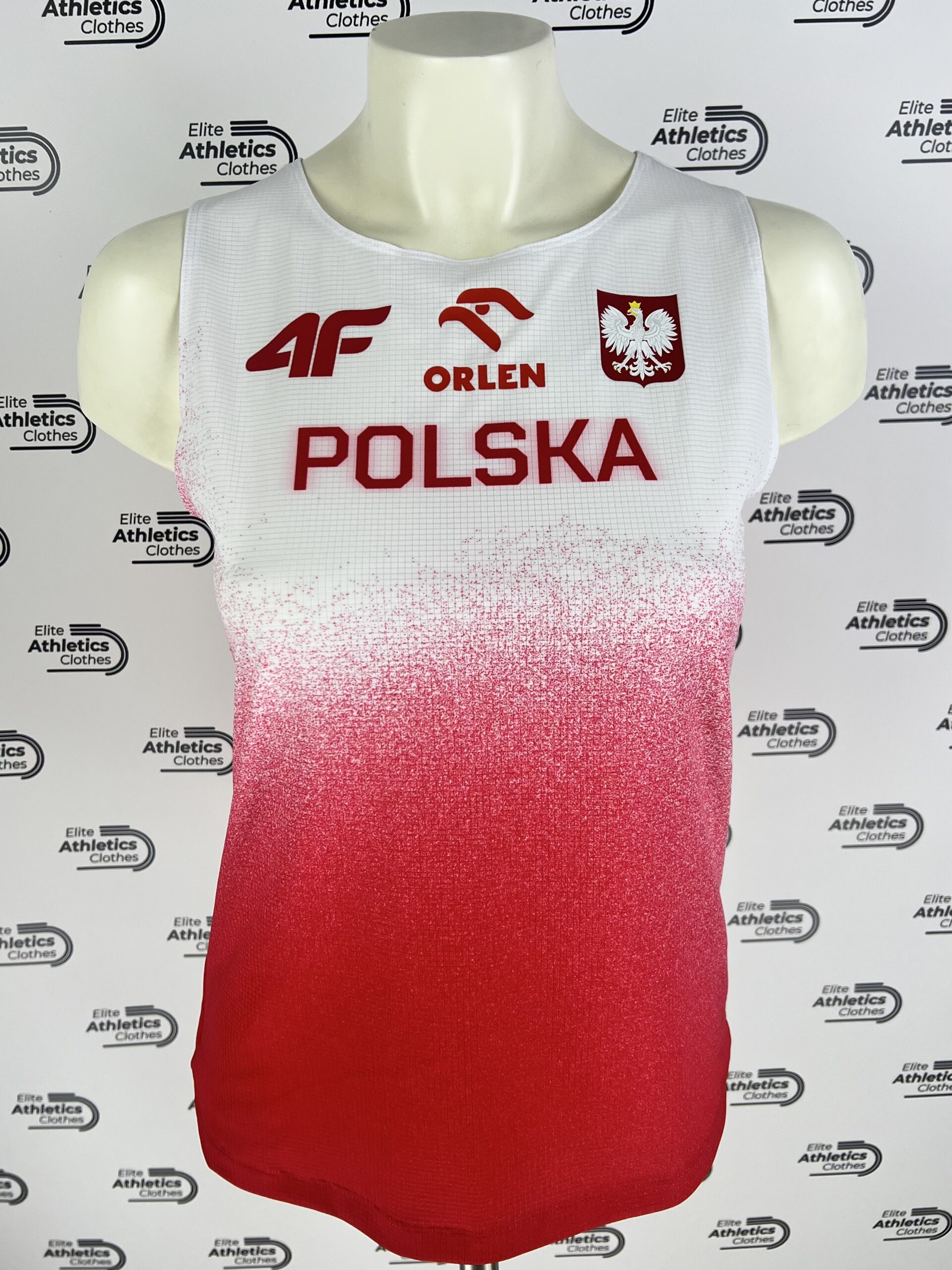 4F Poland International Team Pro Elite 2026 Women Distance Singlet160,00 €View Piece →
When was the first World Athletics Championships?
In Helsinki, Finland, from 7 to 14 August 1983, with 1,355 athletes from 153 countries. Before that, track and field had no standalone world championships — the Olympic final doubled as the world title, an arrangement the boycotts of 1976 and 1980 broke.
How often is the World Athletics Championships held?
Every two years, in odd-numbered years, since 1991 — the first three editions (1983, 1987, 1991) were four years apart. The one exception: the 2021 edition in Eugene moved to July 2022 when the Tokyo Olympics were postponed, which put it just one year before Budapest 2023.
Who is the most decorated athlete in World Championships history?
Allyson Felix of the United States, with 20 medals and 14 golds between 2005 and 2022 — both records for any athlete. The United States also leads the all-time nation table with 469 medals and 211 golds through Tokyo 2025, more than double second-placed Kenya.
Where is the next World Athletics Championships?
Beijing, in 2027, at the National Stadium built for the 2008 Olympics — the second Worlds at that venue after 2015. World Athletics awarded it at its Glasgow council meeting in February 2024 after Rome withdrew its bid.
Sources and References
- World Athletics Heritage — the 1980s and the birth of the Worlds — the 1978 approval, Helsinki 1983, athletes and nations, paid travel
- Athletics Weekly — Origins of the World Athletics Championships — the boycott context and the 1974–78 committee work
- World Athletics Heritage — thirty years on from Powell's 8.95 — the Tokyo 1991 long jump record and the Lewis duel
- World Athletics — McLaughlin-Levrone breaks the championship record — the 47.78 and the 42-year-old record it replaced
- ESPN — prize money at the 2025 World Championships — the Tokyo 2025 payment scale and the world-record bonus
- World Athletics — record number of nations win medals at Tokyo 25 — the 53 medal-winning nations and the first-time medallists
- World Athletics — Beijing to host the 2027 World Championships — the 2027 award, the venue and the Glasgow council decision
- Olympics.com — Allyson Felix's career in numbers — the 20 medals and 14 golds