
Marathon
Majors
Seven city marathons, one shared scoreboard and a medal for finishing them all: how the Majors work, where the records fall — and why the eighth stamp is already dated for Cape Town, 2027.
The Abbott World Marathon Majors are the seven biggest marathons in the world — Tokyo, Boston, London, Sydney, Berlin, Chicago and New York — joined in one series with a points title for the elites and the Six Star Medal for everyone who completes the original six. Founded in 2006 with five races, the club added Tokyo in 2013, Sydney in 2025, and has confirmed Cape Town as the eighth Major from 23 May 2027.
The records live here too: Sabastian Sawe's 1:59:30 — the first ratified sub-two-hour marathon — fell at London 2026, Berlin hosted all eight men's world records between 2003 and 2022, and Chicago holds the women's mark. All of it raced in sponsor kit, the universe our brand shelves collect.
Part of our Competition Files — one competition at a time, explained. The athlete-issued lines behind the start lists live in the Pro Elite archive. Jump to the brand rail or start with the team built around Kipchoge.
- What it is
- The series joining the world's seven biggest marathons, with an elite points title and the Six Star Medal for amateurs
- The seven
- Tokyo · Boston · London · Sydney · Berlin · Chicago · New York, in calendar order
- Founded
- 2006, with five races; Tokyo joined 2013, Sydney 2025
- The next stamp
- Cape Town, confirmed 10 June 2026 as the eighth Major — first in Africa, joins 23 May 2027
- Men's world record
- Sabastian Sawe, 1:59:30 — London, 26 April 2026; the first ratified sub-two marathon
- Women's marks
- 2:09:56 Chepngetich (Chicago 2024) · women-only 2:15:41 Assefa (London 2026)
- Six Star Medal
- Finish the six original Majors — 23,000+ runners had by the end of 2025
- The series title
- US$50,000 per champion, points 25-16-9-4-1, best two races count; wheelchair divisions paid equally
Five Races That Became a Series
The World Marathon Majors began in 2006 as an agreement between five races that were already the biggest in the sport — Boston, London, Berlin, Chicago and New York — to keep a shared scoreboard and crown a champion across them. Tokyo joined as the sixth in 2013, the first race in the series from outside Europe and North America, and the group has carried its title sponsor's name, Abbott, for most of its existence.
For nearly a decade the club did not move. Then it did, twice in two years: Sydney was confirmed as the seventh Major in November 2024 and ran its first edition with the star on 31 August 2025, and on 10 June 2026 the Cape Town Marathon passed its final assessment to become the eighth — the first Major on African soil, formally joining at its 23 May 2027 edition. Shanghai is still working through the same candidate process. The six-race club is becoming a nine-race one, on purpose and in public.
Seven Stamps, One Collection
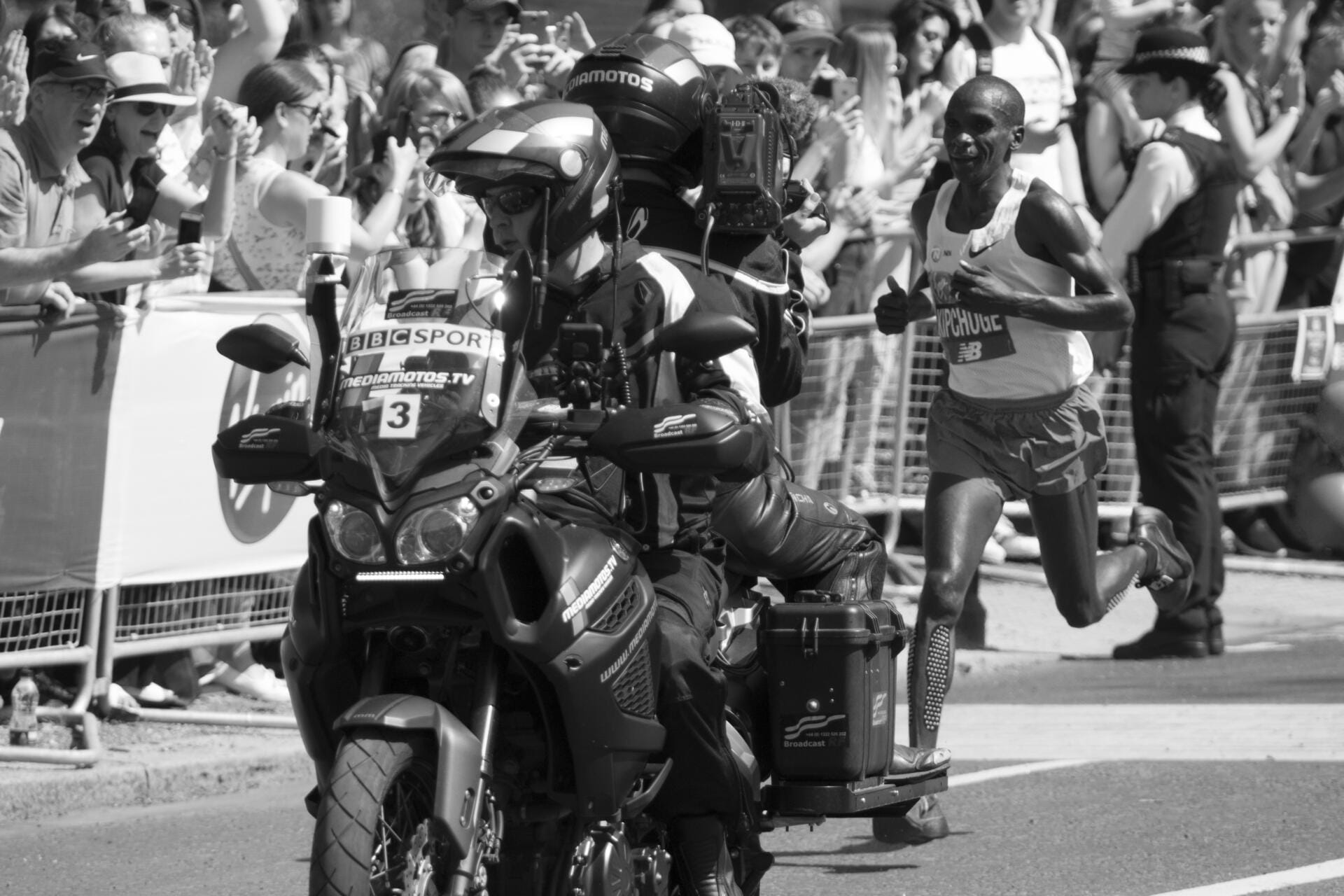
What separates the Majors from every other label in running is that people collect them. The series is arranged like a passport: seven cities in a fixed calendar order, from Tokyo opening the year in early March to New York closing it on the first Sunday of November. Each one keeps its own character — Boston has run every year since 1897 and is the oldest annual marathon there is; Sydney is the race the city kept going after its 2000 Olympics; Berlin is where records go to fall.
Hover or tab on a stamp for the detail. Sources: Abbott World Marathon Majors press releases, race organisers and World Athletics. Verified September 2026.
The eight stamps, race by race
| Race | First run | In the series | When it is run | The line on the stamp |
|---|---|---|---|---|
| Tokyo | 2007 | Since 2013 | Early March | Opens the year for the series |
| Boston | 1897 | Founding race, 2006 | Third Monday of April | Oldest annual marathon; not record-eligible |
| London | 1981 | Founding race, 2006 | Late April | Sawe's 1:59:30, the first ratified sub-two (2026) |
| Sydney | 2001 | Since 2025 | Late August | Held over from the 2000 Olympic course |
| Berlin | 1974 | Founding race, 2006 | Late September | All eight men's world records 2003–2022 |
| Chicago | 1977 | Founding race, 2006 | Mid October | Kiptum 2:00:35 (2023); Chepngetich 2:09:56 (2024) |
| New York | 1970 | Founding race, 2006 | First Sunday of November | 59,226 finishers in 2025, the largest ever |
| Cape Town | 2007 (modern race) | Joins 23 May 2027 | Late May | Confirmed 10 June 2026 as the first African Major |
Where the Records Live
The reason the Majors dominate the record books is simple: the fastest fields, the deepest pacing budgets and, in three cases, courses engineered for speed. Berlin owned the men's world record outright for two decades — every time it was broken between 2003 and 2022, it was broken there, eight records in a row, from Paul Tergat's 2:04:55 to Eliud Kipchoge's 2:01:09. Chicago took the baton in 2023 with Kelvin Kiptum's 2:00:35, run five months before his death in a road accident at 24 — a mark remembered as much for the man as for the time.
And then London ended the sport's longest countdown. On 26 April 2026, Sabastian Sawe ran 1:59:30 — the first sub-two-hour marathon ever recorded in an open race, ratified by World Athletics, 65 seconds inside Kiptum's record. It was not even a solo act: Yomif Kejelcha crossed second in 1:59:41, and Jacob Kiplimo third in 2:00:28. The same morning, Tigst Assefa took the women-only world record to 2:15:41. One race, one day, two record books rewritten.
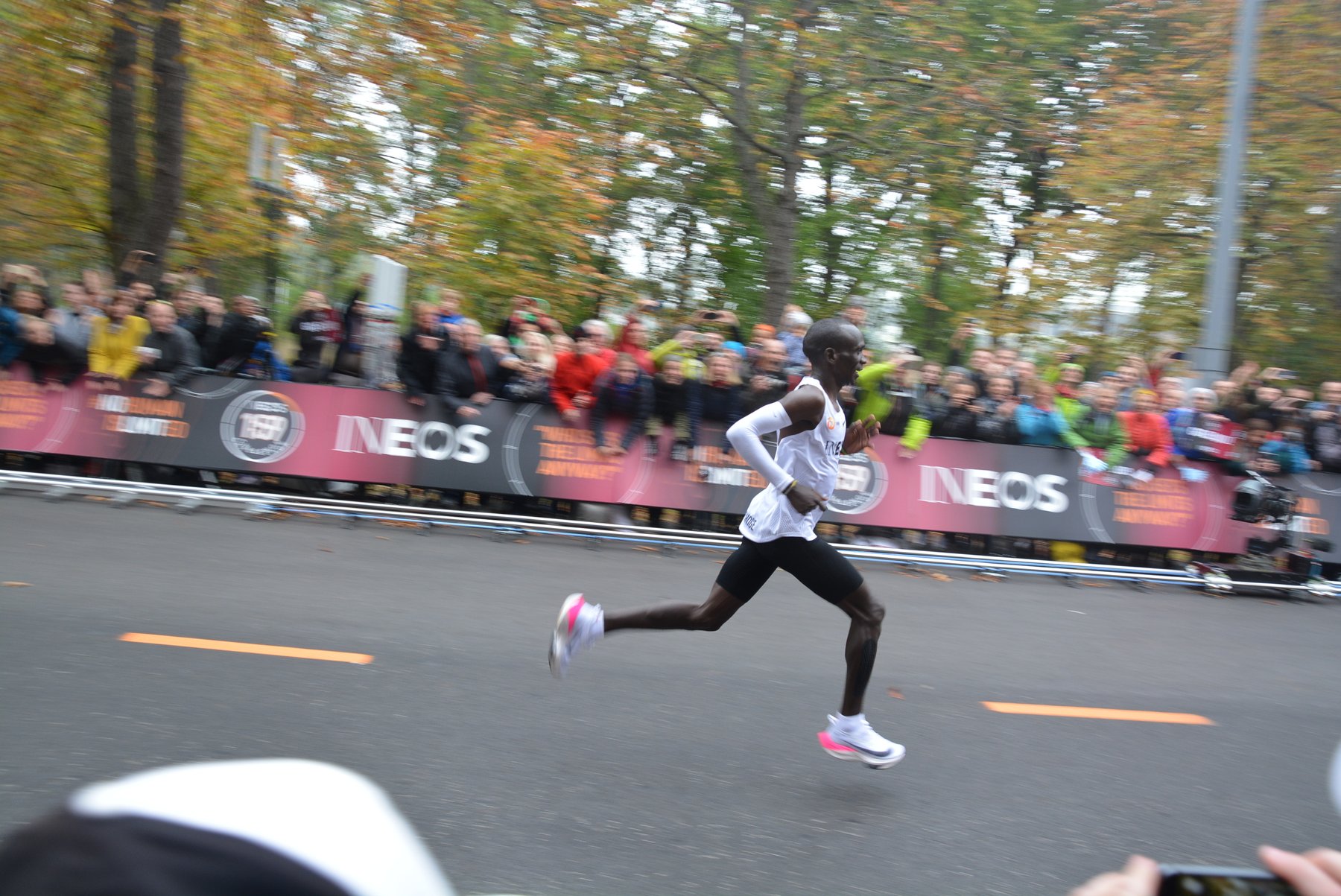
The wall had been cracked before, but never in competition. Kipchoge's 1:59:40 in Vienna in 2019 was an exhibition — rotating pacers, no rivals, no ratification — which is exactly why Sawe's London run mattered so much: it did in a Major, under racing rules, what had previously needed laboratory conditions.
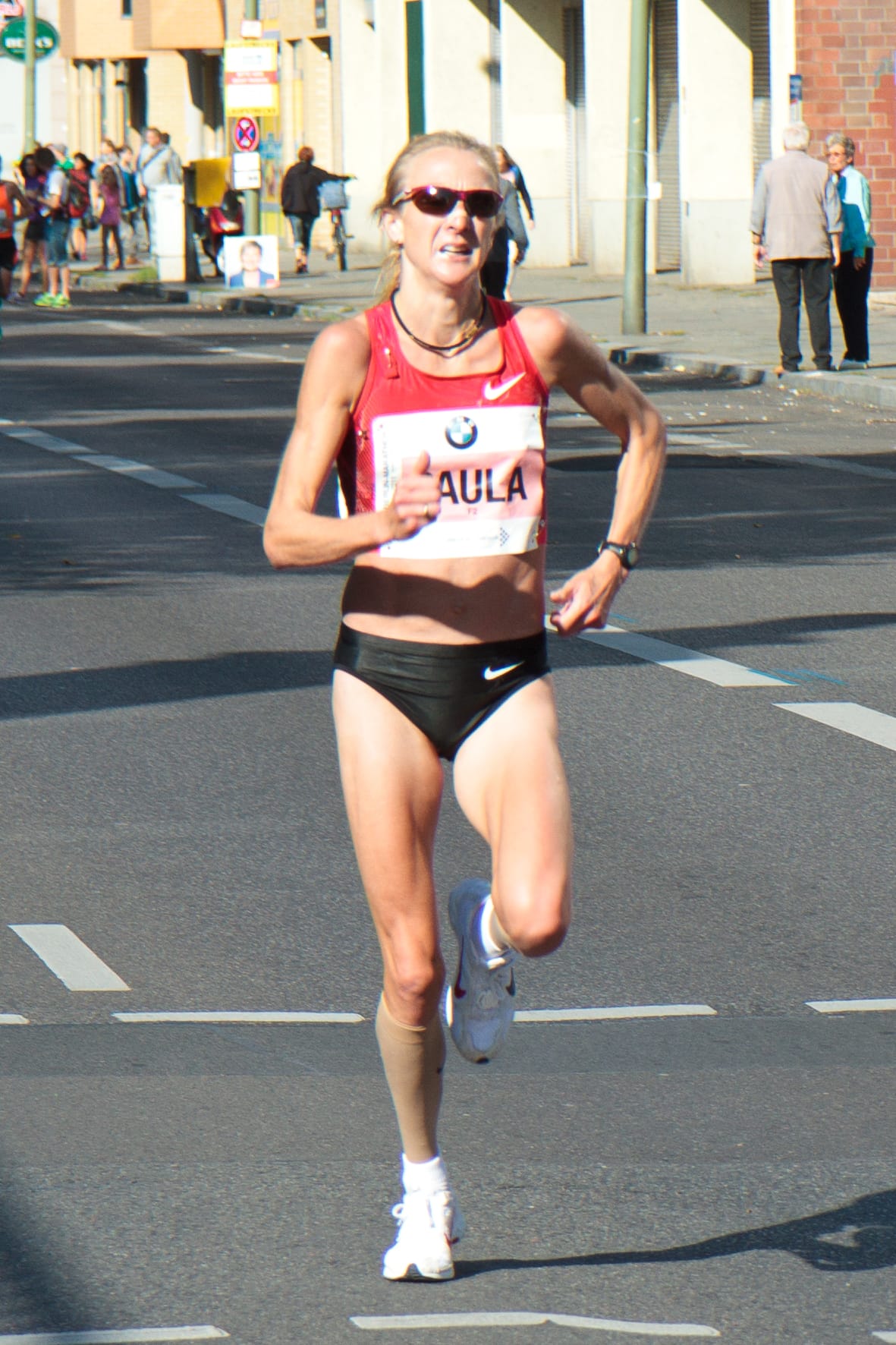
The women's ledger runs through the same cities. Paula Radcliffe's 2:15:25 from London 2003 survived sixteen years of attacks; Brigid Kosgei finally took it down in Chicago in 2019, Assefa moved the mixed-race mark to 2:11:53 in Berlin in 2023, and Ruth Chepngetich became the first woman under 2:10 with 2:09:56 in Chicago in 2024. That last mark still stands in the books; Chepngetich herself is serving a three-year doping ban imposed in October 2025, from a positive sample given months after the record — both facts belong in the same sentence.
One asterisk on the map: Boston's times never count as world records. The course drops too much from Hopkinton to Boylston Street and its start and finish are too far apart, so World Athletics treats it as record-ineligible — its fastest times are course records only. It is the slowest record page of the seven, and the hardest race to win, and Bostonians consider both facts a compliment.
Six Stars on One Medal
For everyone who is not chasing the win, the series has a finish line of its own: the Six Star Medal, awarded for completing the six original Majors — Tokyo, Boston, London, Berlin, Chicago and New York. By the end of 2025, more than 23,000 runners had done it. Sydney now counts as a seventh star — over 4,500 people already hold all seven — and the organisers have said that once the series reaches nine races, a Nine Star Medal will follow. The six-star mark itself stays exactly as it is.
The medal chase explains a number that would otherwise make no sense: the 2025 New York City Marathon finished 59,226 runners, the largest marathon ever staged, beating the 56,640 of that spring's London. The Majors are the only races in the sport where the last finisher and the first are collecting the same thing.
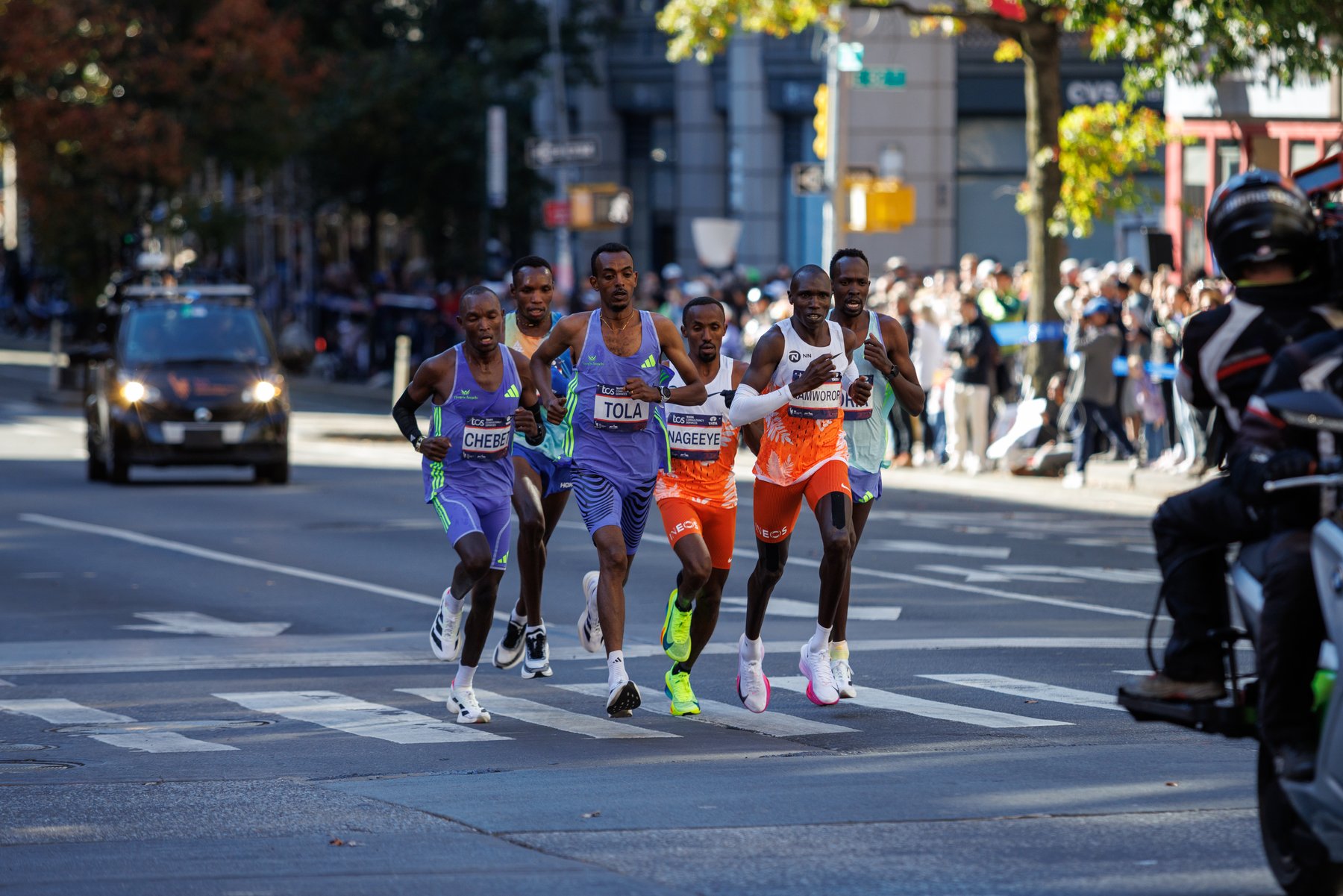
Even the greatest of them wanted the medal. Eliud Kipchoge — eleven Major wins, five of them in Berlin, twice Olympic champion — closed his professional Majors career at New York on 2 November 2025, finishing 17th in 2:14:36 for his sixth star. His set of six averages 2:05:46 per race, the fastest Six Star collection ever assembled, ahead of Geoffrey Kamworor's 2:07:05. He left the record books to others and took the medal.
The Title Nobody Watches the Clock For
Underneath the mass-participation story, the Majors still run the scoreboard they were founded for. Elite runners score points by finishing position — 25 for a win, then 16, 9, 4 and 1 down to fifth — with each athlete's best two races counting in a scoring cycle. The champions of each series take US$50,000, and the same scale is paid to the wheelchair division champions, equal to the cent.
The 2026 scoreboard is four races old and already historic. Every Major run this year has ended with a record of some kind: Tadese Takele repeated in Tokyo (2:03:37) while Brigid Kosgei took the course record with 2:14:29; John Korir's 2:01:52 and Sharon Lokedi's repeat win rewrote Boston; London produced the world records above; and in Sydney, Addisu Gobena's 2:04:42 broke the course record while Peres Jepchirchir collected her fourth Major title in 2:18:31. Berlin (27 September), Chicago (11 October) and New York (1 November) are still to come — what happens there is their business, not this page's.
Sponsor Kit, Not Federation Kit
One reading rule matters to what we do at Elite Athletics Clothes: a Major is not a championship. Nobody lines up in national colours — every athlete races in the kit of the brand or the team that pays them. Sawe broke two hours in adidas; Kipchoge ran his whole Majors career inside the Nike-supplied NN Running Team setup, renamed dsm-firmenich in 2026; Kiplimo and Chepngetich come out of the Rosa & Co camp; and Boston itself has been an adidas race since 1989, under contract to 2030, while Sydney carries Asics in its official name.
The house rule for reading any competition: championships mean federation kit, leagues and meetings mean sponsor kit. A Worlds or an Olympics is raced in national colours; a Major is raced in brand gear. This series flags which universe each competition belongs to — the Majors belong to the brands.
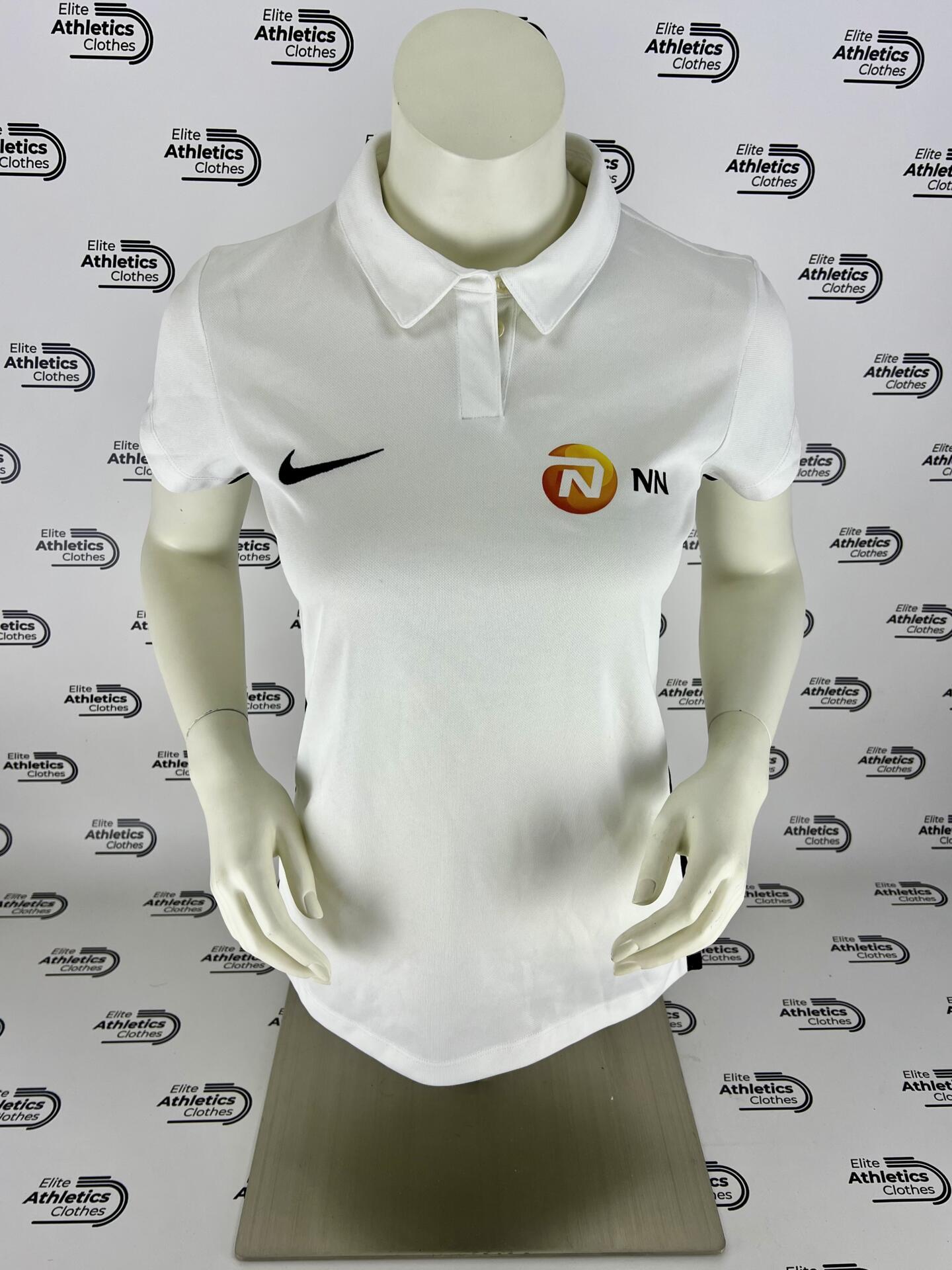 Sponsor kit · in the archiveNike NN Running Team Pro Elite Training Women PoloTeam-issue kit from the NN Running line — the crew built around Eliud Kipchoge, whose eleven Major wins are still the series record.80,00 €View piece →
That is why this page points at the brand shelves rather than at any national rail. The lines those marathon crews wear each have their own story in the journal — Nike Pro Elite, adidas Pro Elite and Asics Pro Elite among them — and the rail below holds one athlete-issued piece from each of the eight lines in the archive.
The Start-List Brands
A Major start line is a brand catalogue, not a parade of nations — and so is this rail: one athlete-issued piece from each of the eight sponsor and team lines in the Pro Elite archive.
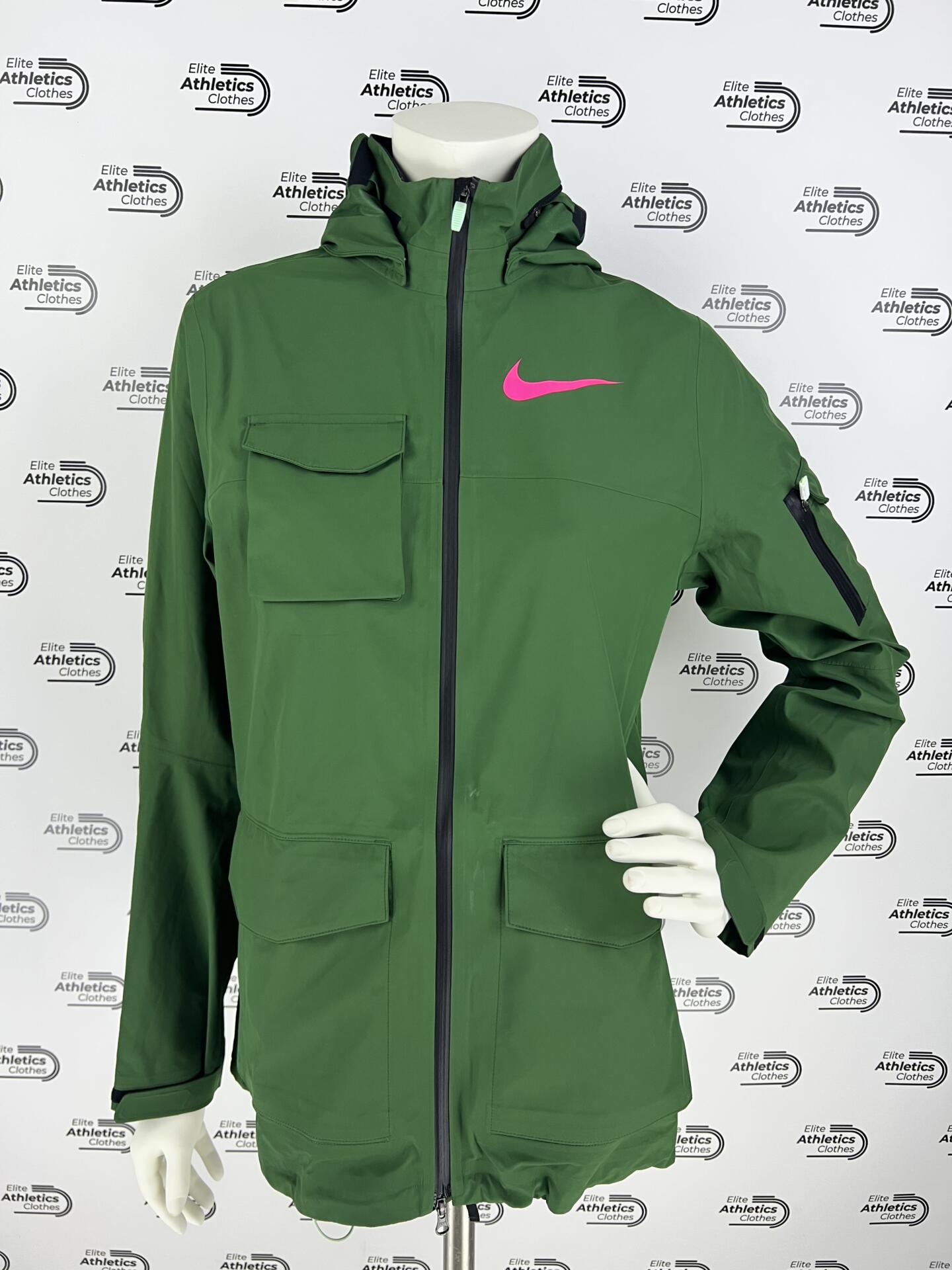 Nike Pro Elite 2023 Women Storm Fit Jacket150,00 €View Piece →adidas
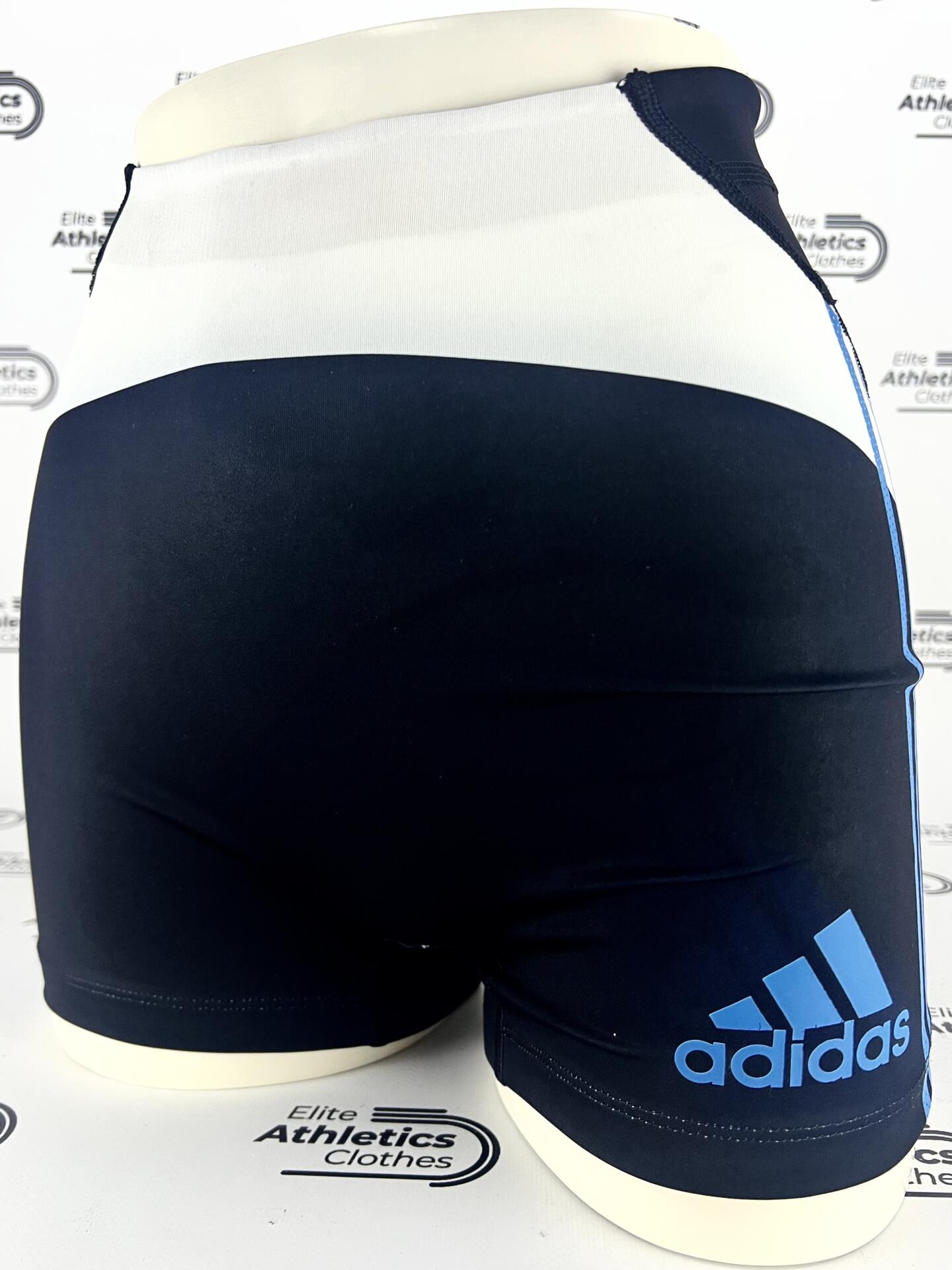 Adidas Pro Elite 2022 Women Booty Short Tights100,00 €View Piece →NN Running
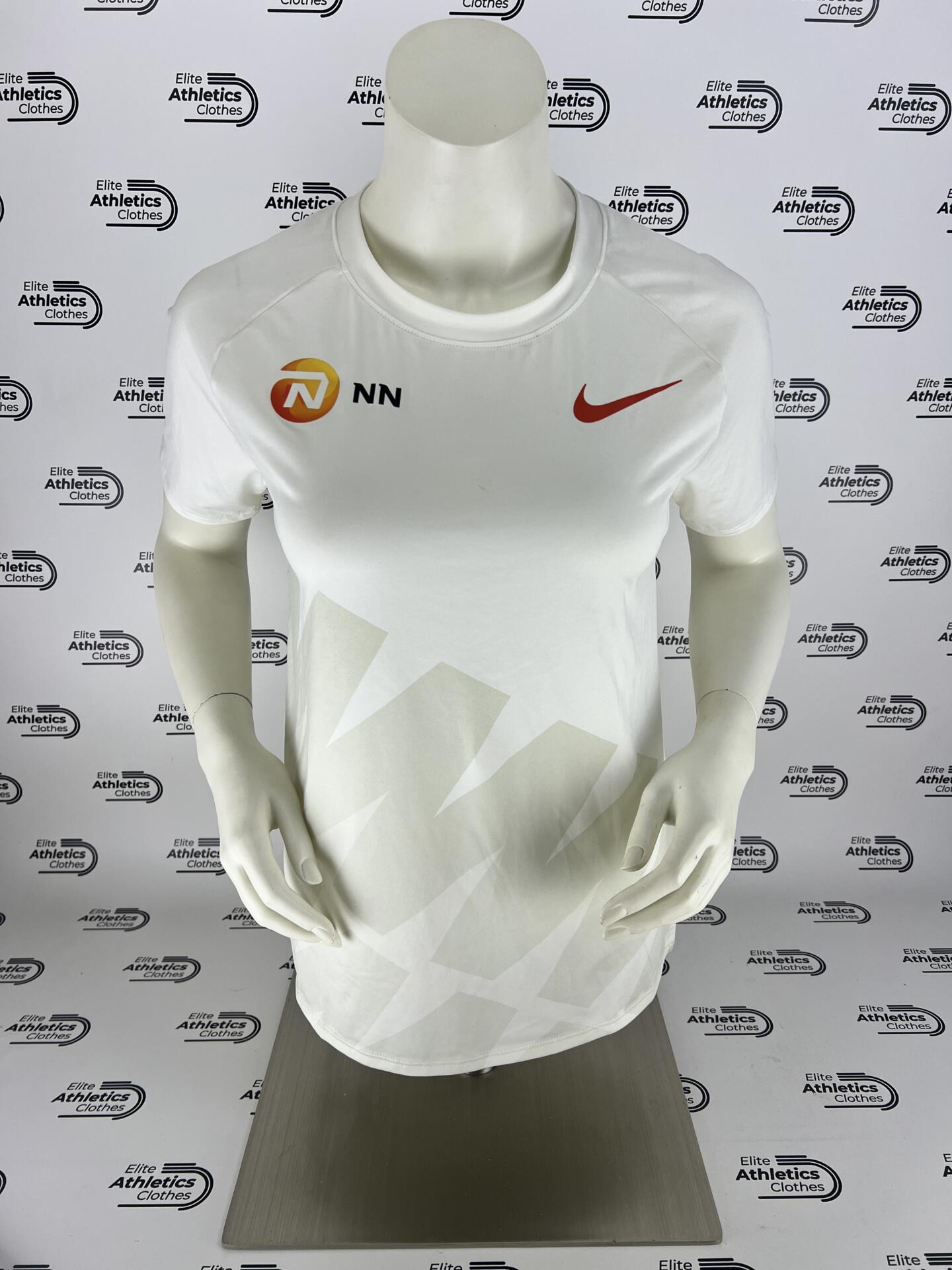 INEOS X Nike NN Running Team Pro Elite 2020/2021 Women T-Shirt150,00 €View Piece →Rosa & Co
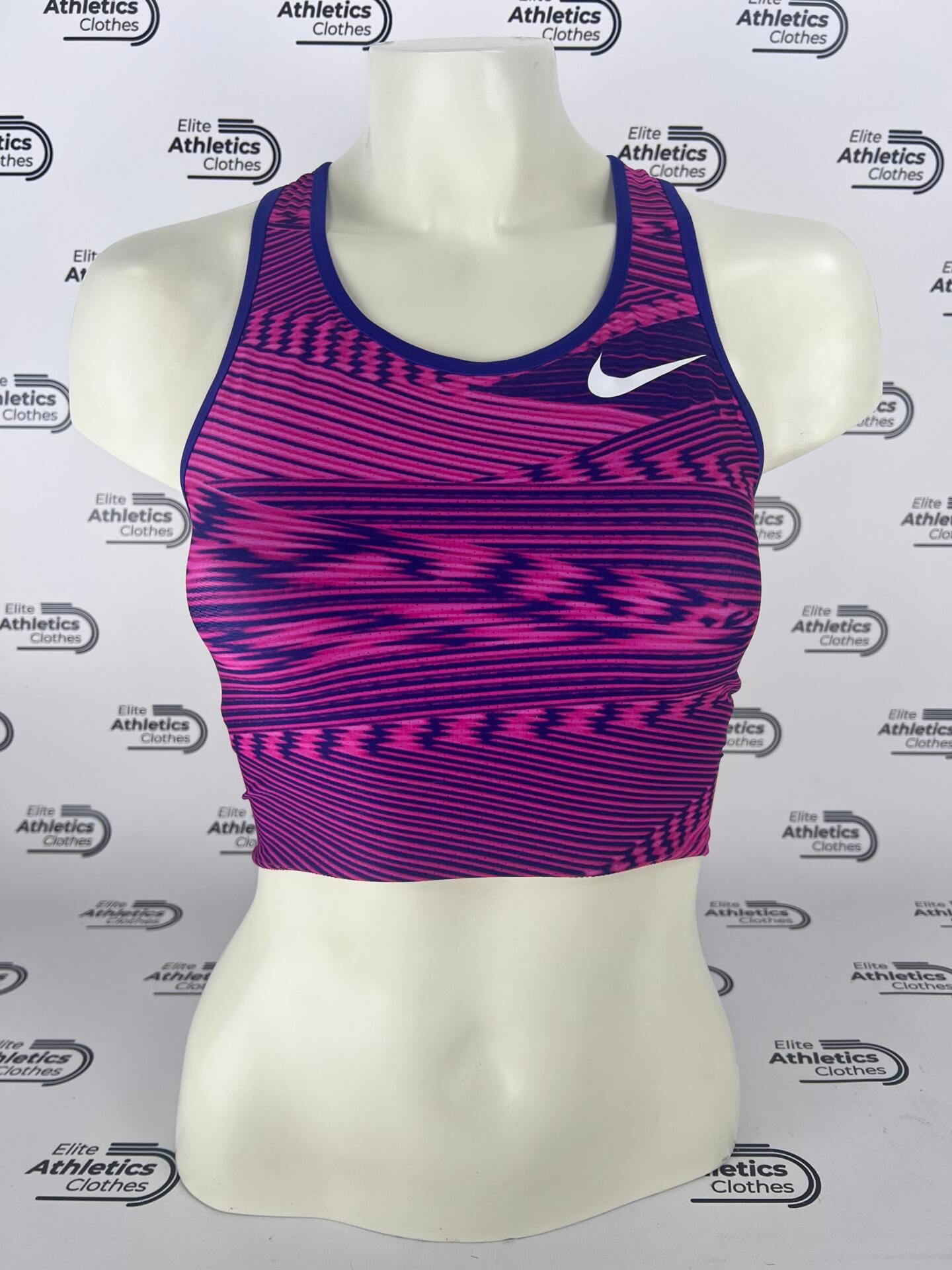 Nike Rosa & Co. Pro Elite 2019 Women Crop Top250,00 €View Piece →Asics
 Asics Actibreeze Distance Singlet100,00 €View Piece →On
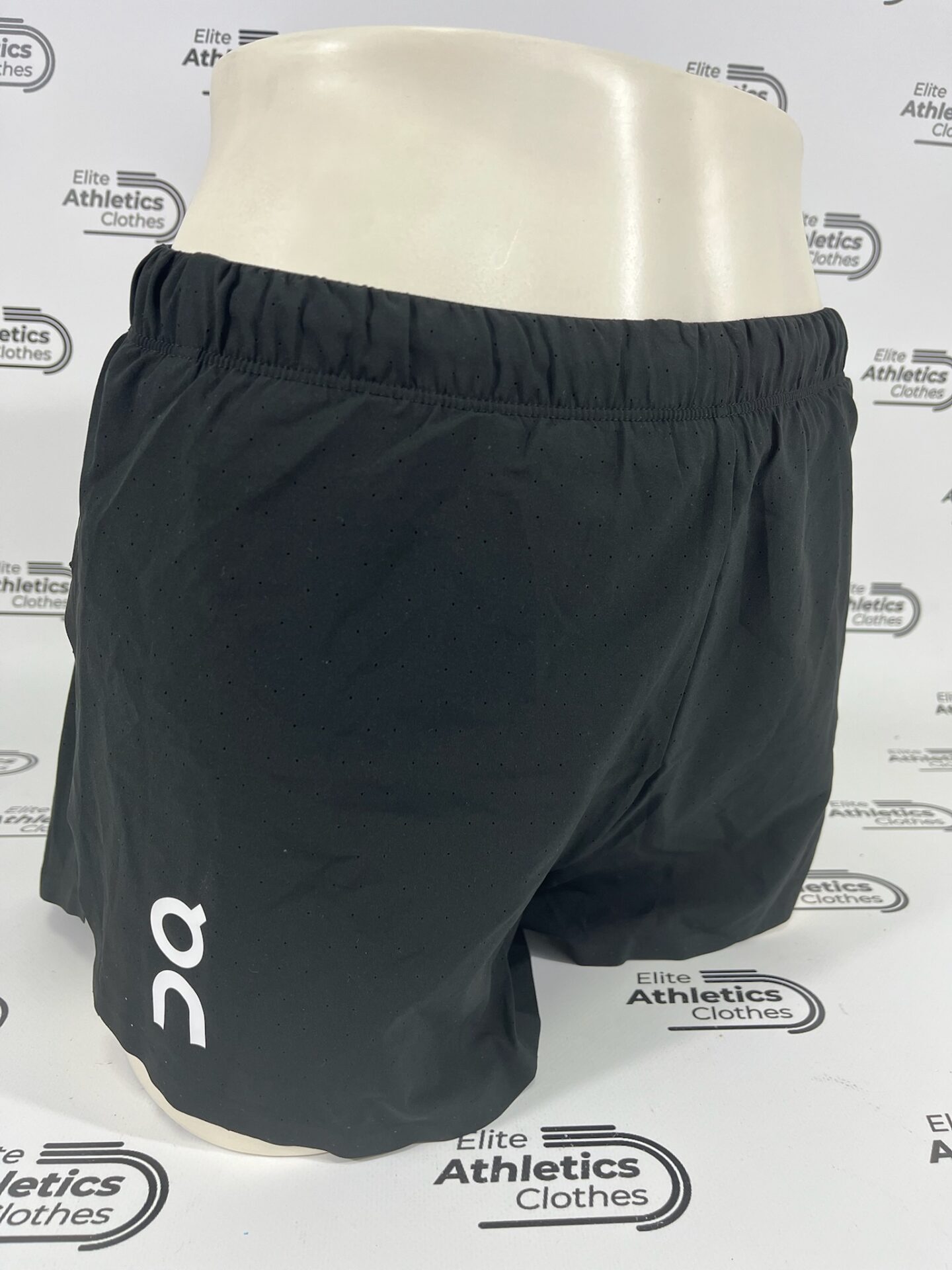 ON Running Pro Elite 2025 Women Black Racing Shorts120,00 €View Piece →Gold Medallist
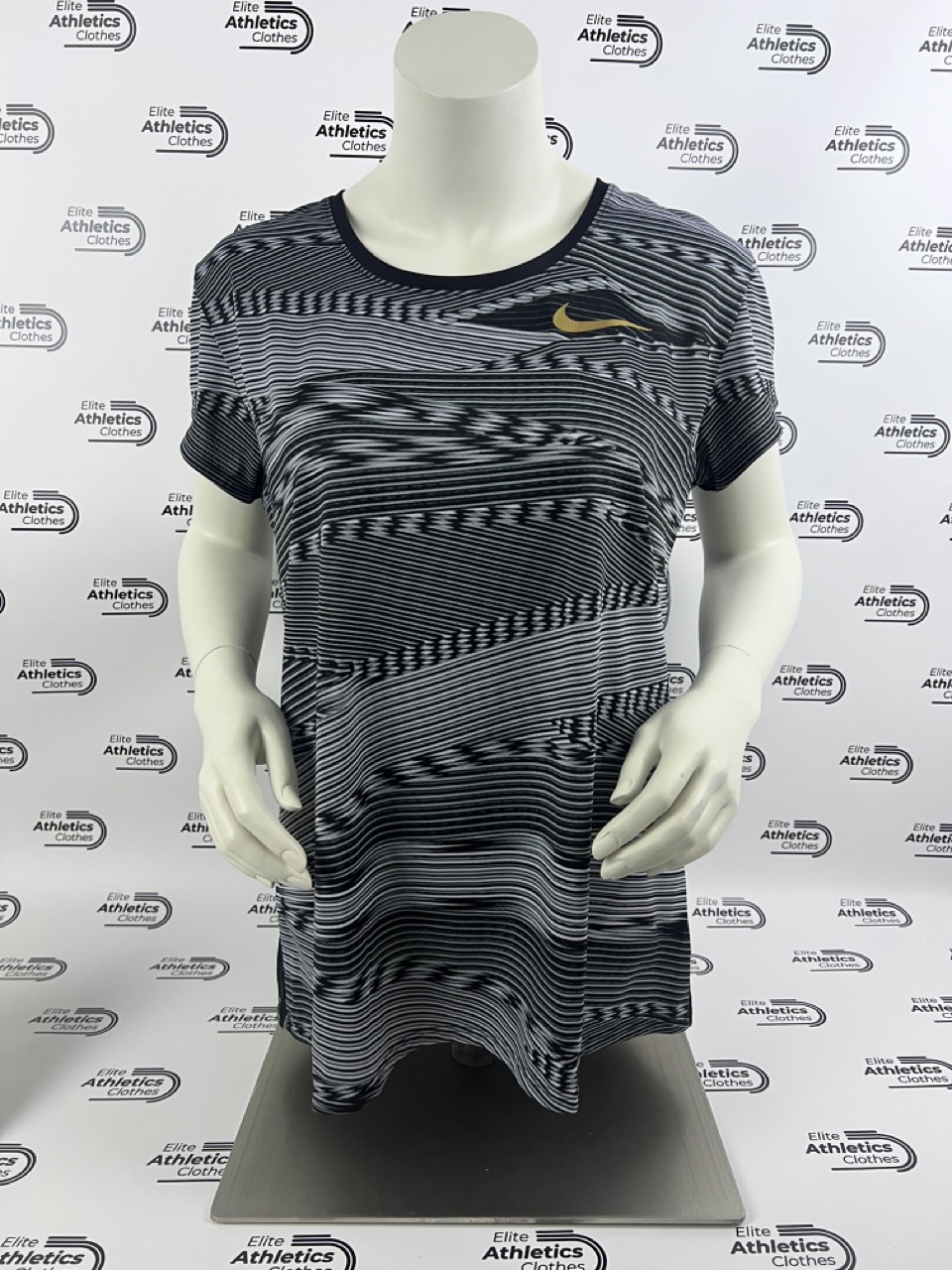 Nike Gold Medallist Pro Elite 2019 Women T-Shirt140,00 €View Piece →Clubs
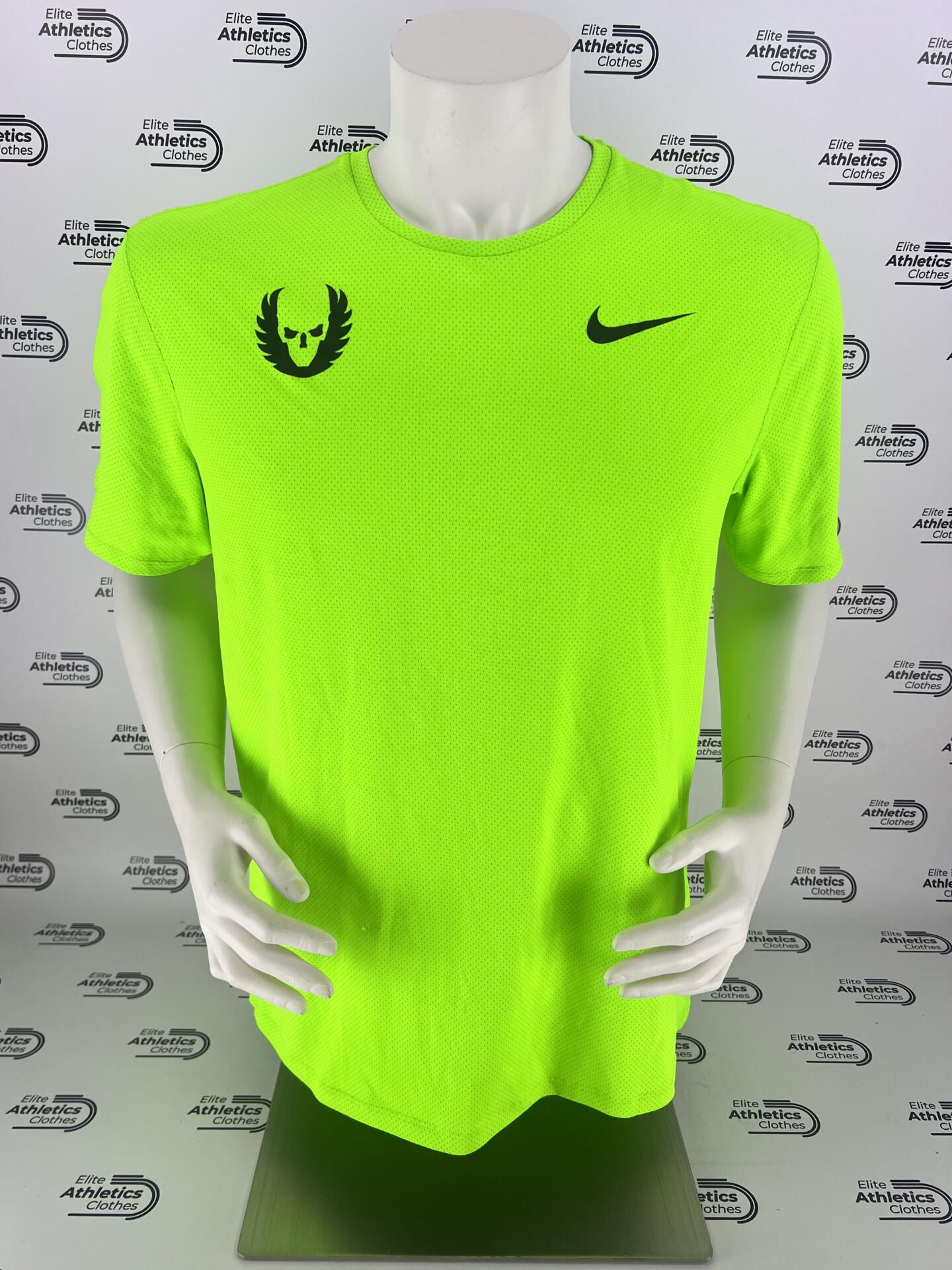 Nike Oregon Project Team Pro Elite T-Shirt240,00 €View Piece →
What are the Abbott World Marathon Majors?
They are the seven biggest marathons in the world — Tokyo, Boston, London, Sydney, Berlin, Chicago and New York — run as one series with a points championship for elite runners and the Six Star Medal for amateurs who finish the six original races. The series was founded in 2006 with five races; Tokyo joined in 2013 and Sydney in 2025.
How many Marathon Majors are there now?
Seven are on the calendar in 2026. Cape Town was confirmed as the eighth Major on 10 June 2026 — the first in Africa — and formally joins the series at its 23 May 2027 edition. Shanghai is still in the candidate process, so the organisers' stated path leads to nine races and, eventually, a Nine Star Medal.
What is the Six Star Medal and how do you earn it?
It is the medal Abbott World Marathon Majors awards to anyone who completes the six original Majors: Tokyo, Boston, London, Berlin, Chicago and New York. More than 23,000 runners had earned it by the end of 2025. Sydney now counts as a seventh star, and Eliud Kipchoge holds the fastest six-race set ever recorded, averaging 2:05:46.
What is the marathon world record?
Sabastian Sawe's 1:59:30, set at the London Marathon on 26 April 2026 and ratified by World Athletics — the first sub-two-hour marathon run in open competition. The women's record is Ruth Chepngetich's 2:09:56 from Chicago 2024, still on the books although she is serving a doping ban imposed in 2025; the women-only record is Tigst Assefa's 2:15:41 from London 2026.
Why don't Boston Marathon times count as world records?
Because the course fails two World Athletics rules for record eligibility: it drops more elevation from start to finish than the limit allows, and its point-to-point start and finish are too far apart. Times run at Boston stand only as course records — which is why the oldest and most famous Major appears nowhere in the record book.
Sources and References
- World Marathon Majors — formation announcement — the 2006 founding and the five original races
- Abbott — Sydney Marathon is the 7th Abbott World Marathon Major — the November 2024 confirmation and the candidate pipeline
- RUN247 — Cape Town confirmed as the eighth Major — the 10 June 2026 confirmation and the 23 May 2027 joining date
- World Athletics — Sawe breaks two-hour barrier in London — the 1:59:30, Kejelcha's 1:59:41 and Assefa's 2:15:41
- Canadian Running — Sawe's world record officially ratified — ratification of the first sub-two marathon
- Athletics Weekly — world records at the Berlin Marathon — the eight consecutive men's records, 2003–2022
- Running USA — NYC 2025 becomes the world's largest marathon — the 59,226 finishers and the London 2025 comparison
- World Marathon Majors — how the Six Star Medal works — the six qualifying races and the claim process
- World Marathon Majors — equal prize money for series champions — the 25-16-9-4-1 scoring and the US$50,000 title
- Olympics.com — Sydney Marathon 2026 results — Gobena's course record and Jepchirchir's fourth Major win
- Wikipedia — World Marathon Majors — series chronology and race histories