
Nike Pro Elite is not a product line you’ll find in any retail store — it’s the hidden engine room of the most decorated athletes in track and field. Born inside Nike’s secret athlete labs and refined over four decades of Olympic and World Championship history, the Pro Elite program represents the brand’s most extreme expression of performance design: featherweight singlets, aerodynamic speedsuits and tour-only tracksuits built exclusively for athletes on Nike’s elite roster. In this guide we trace the full evolution of Nike Pro Elite — from its origins in the 1980s to the cutting-edge Aeroswift era that defines modern racing today.
What Exactly Is Nike Pro Elite?
Nike Pro Elite is the brand’s invitation-only kit program reserved for sponsored athletes, national federations and professional training groups like NN Running Team or the Bowerman Track Club. Every garment is produced in tiny batches, often fewer than 100 units per design, and is never sold to the general public through Nike’s official channels. The internal tag reads Pro Elite and the cut, fabric weight and seam construction are noticeably more aggressive than anything you can buy at retail.
The Origins: The 1980s and the Birth of “Tour-Only” Kit
The roots of Pro Elite go back to the early 1980s, when Nike began producing one-off racing kit for its track athletes ahead of the 1984 Los Angeles Olympics. Names like Carl Lewis, Mary Decker and Joaquim Cruz wore Nike singlets that were never available in stores — lighter mesh, shorter cuts and bolder colorways than anything on the shelves. These pieces weren’t yet called “Pro Elite,” but they established the template: design from the athlete back, not from the catalogue forward.
The 1990s: Mercury and the Foundation of the Pro Elite Concept
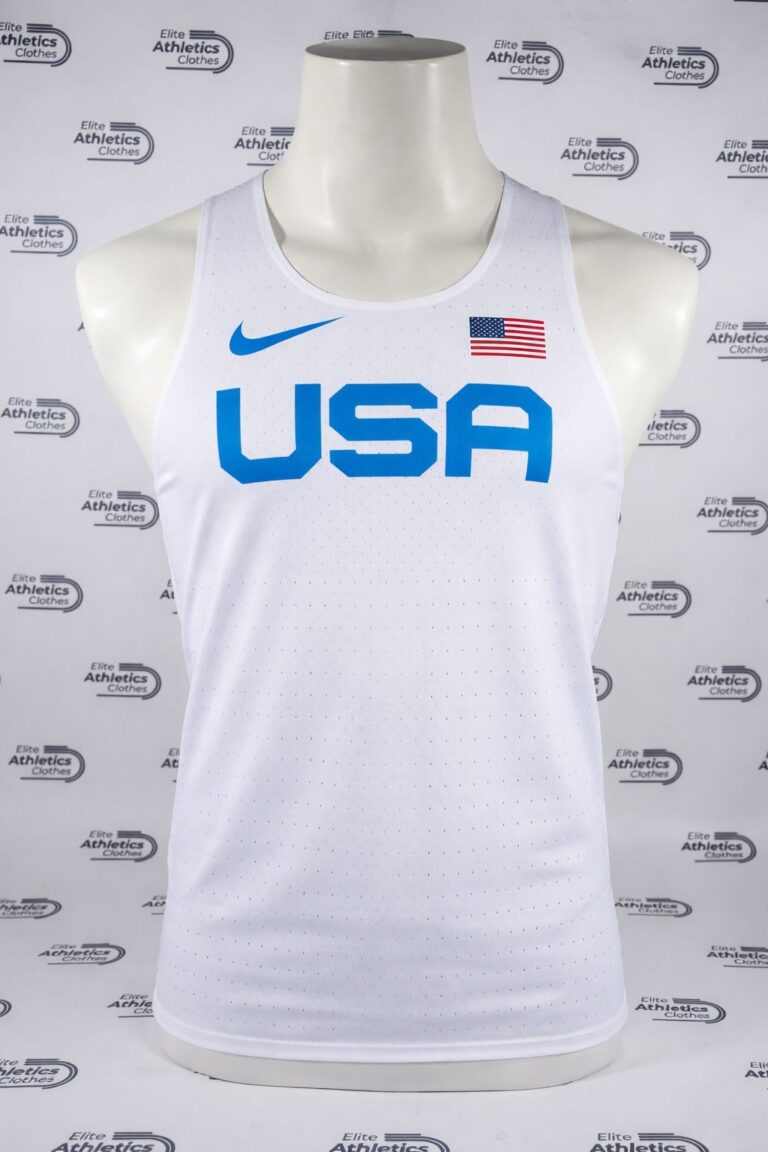
In the mid-1990s Nike formalized its in-house elite athlete program and introduced the first internally labeled Pro Elite kit, often paired with technologies like Mercury Mesh and early Dri-FIT. The 1996 Atlanta and 2000 Sydney Olympic cycles saw the program explode in visibility, with Michael Johnson’s golden Nike spikes and the iconic USA Pro Elite singlets that fans still chase on the resale market thirty years later.
The 2000s: Swift Suit and the Rise of Aerodynamic Speedsuits

The 2000s brought one of the most influential technologies in track and field: the Nike Swift Suit. Developed in collaboration with sprint coaches and wind-tunnel engineers, the Swift Suit introduced dimpled fabrics, drag-reducing seams and a one-piece silhouette that became the blueprint for every modern speedsuit. Sprinters like Maurice Greene and Marion Jones helped popularize the concept, and the Pro Elite program absorbed every learning straight into its next generation of singlets and shorts.
The 2010s: Aeroswift and the Era of Ultra-Lightweight Racing
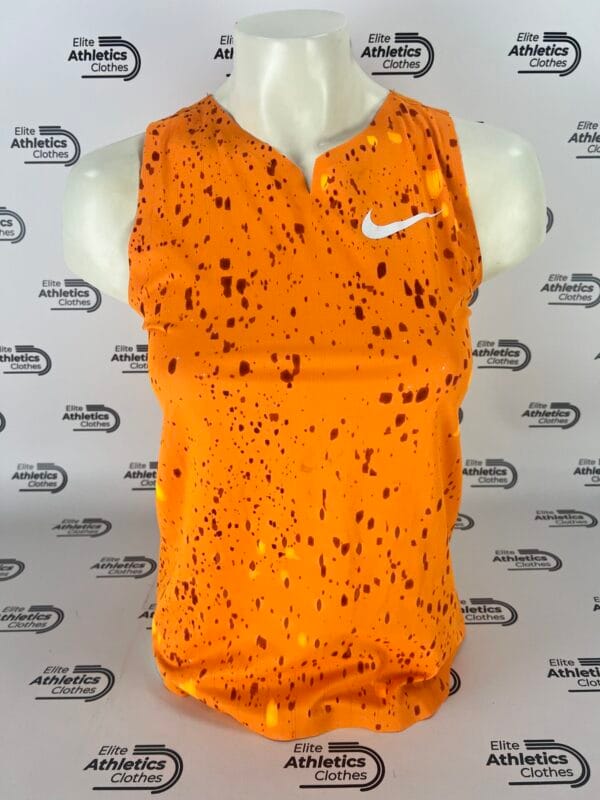
Aeroswift is arguably the most important technology ever to come out of Nike’s track lab. Launched around 2015 and refined ever since, Aeroswift fabric weighs roughly 30% less than traditional Dri-FIT, has near-zero water absorption and uses a four-way mechanical stretch instead of elastane to hold its shape. The 2016 Rio Olympics was the global debut: Mo Farah, Allyson Felix and the Kenyan distance squad raced in Aeroswift Pro Elite singlets that defined an entire generation of competition kit.
The 2020s: NN Running Team, Bowerman and Custom Federation Kits
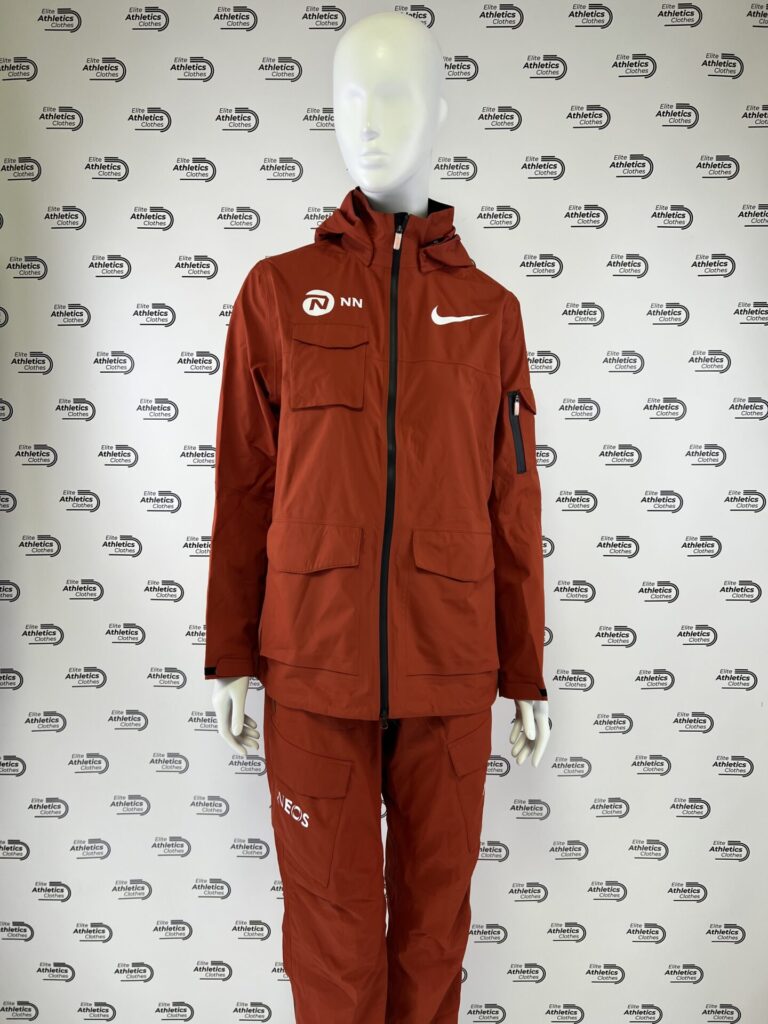
The current era of Pro Elite is defined by collaboration with elite training groups. NN Running Team kits worn by Eliud Kipchoge during the Ineos 1:59 Challenge, Bowerman Track Club racing singlets and federation-specific designs for the USA, Kenya and Ethiopia all sit under the Pro Elite umbrella. Each kit is custom-built for the athlete’s body, race distance and weather conditions — sometimes manufactured in single units for a single race.
Why Pro Elite Kit Became a Collector’s Item
Because Pro Elite is produced in micro-batches and never sold at retail, every piece carries a layer of scarcity that retail kit can’t replicate. A 2008 Beijing Olympics USA Pro Elite singlet, for example, exists in fewer than a few hundred units worldwide. That scarcity, combined with the link to historic performances, has built a global collector community around Pro Elite — and that’s exactly why Elite Athletics Clothes exists: to give athletes and collectors a legitimate path to own these pieces.
How to Identify Authentic Nike Pro Elite
- Internal label: a small Pro Elite tag stitched into the inside seam, often with year and athlete code.
- Athlete-specific tailoring: shorter torso, narrower chest, higher hip cutaway on singlets.
- Fabric weight: Aeroswift Pro Elite singlets weigh between 35 and 55 grams in a men’s medium.
- Seam construction: bonded or ultra-flat seams instead of standard stitching.
- No retail SKU: Pro Elite items don’t appear on Nike.com — only on resale and specialist stores.
Conclusion: A Living Archive of Track and Field
Nike Pro Elite isn’t just clothing — it’s a 40-year record of how track and field technology has evolved, told through the kit worn by the fastest humans on the planet. Owning a Pro Elite singlet today connects you to a lineage that runs from Carl Lewis’s 1984 LA spikes to Kipchoge’s sub-2 marathon kit. Explore the full collection of authentic Nike Pro Elite singlets, speedsuits and tracksuits at eliteathleticsclothes.com and add a piece of running history to your kit bag.