
Qualifying
Explained
Two doors into every global final: hit the entry standard once, or let a season of results carry you through the world rankings. How the sport decides who gets a lane — and how the maths is shifting for Beijing 27.
Athletes qualify for the World Championships and the Olympics through a dual pathway: achieve the entry standard — a single qualifying mark, set within the qualification window — or earn a high enough place in the world rankings, which average an athlete's best five scored performances. For the Beijing 2027 Worlds the system is designed to fill about 40% of the field by standard and 60% through the rankings, from a window that opened on 23 August 2026.
Wild cards add a fourth place beyond the usual three per country — for defending world champions, Ultimate Championship and Diamond League winners — while relays qualify as teams through the World Relays. The Olympic version runs the same two doors under a fixed quota: 1,810 athletes in Paris, with LA28's fine print still unpublished.
Part of our Competition Files — one competition at a time, explained. The kits behind the championships live in the Pro Elite archive. Jump to the federation kits or start with a nation's story.
- The system
- A dual pathway: hit the entry standard once, or qualify by world ranking; the rankings fill every place the standards leave open
- The Beijing 27 split
- Designed for ≈40% by standard, ≈60% by ranking — Tokyo 25 and Paris 24 were built around 50/50
- The window
- 23 Aug 2026 – 22 Aug 2027 for most events — already open; marathon runs 18 months, 3 Nov 2025 – 2 May 2027
- Sample standards
- 100 m: 9.95 men / 10.96 women · marathon: 2:06:00 / 2:23:20 — tighter than Tokyo 25 in every case
- The ranking maths
- Performance score = result score + placing score; ranking = average of the best 5 (3 in the 5000 m; 2 in the 10,000 m, marathon, combined)
- The 2026 recalibration
- Placing scores cut ≈30% from 1 Jan 2026 — a Diamond League win fell from 200 to 140 placing points; the mark now outweighs the scalp
- The team cap
- 3 athletes per country per event, 4 with a wild card; one team per relay, 16 lanes per relay event
- Next stops
- Worlds: Beijing, 11–19 Sep 2027 · Olympics: LA28 athletics 15–30 Jul 2028, its entry standards not yet published
Two Doors, One Start Line
Since the Doha and Tokyo cycles, getting into a World Championships or an Olympic Games has worked the same way: there is a qualification window, and inside it every athlete is chasing one of two things — the entry standard, a single mark hard enough to settle the question on its own, or a high enough place in the world rankings, which reward a whole season of results. Hit the number once and you are in. Miss it, and the rankings fill the rest of the field, place by place, until each event reaches its target size.
The mix between those two doors is set on purpose, and it is moving. Paris 2024 and Tokyo 2025 were both designed so that roughly half the field arrived through the standard and half through the rankings. For Beijing 2027 — the next Worlds, 11–19 September 2027 in the National Stadium — World Athletics has shifted the target to about 40% by standard and 60% through the rankings. The one perfect day is worth a little less; the long season is worth more.
Door One: The Entry Standard
The entry standard is the sport's cleanest sentence: run, jump or throw this, and you have qualified. For Beijing 27 the men's 100 m bar sits at 9.95 and the women's at 10.96; the marathon asks 2:06:00 of the men and 2:23:20 of the women. Each cycle the numbers tighten — Tokyo 25 wanted 10.00 in the men's 100 m and 2:06:30 in their marathon, and the women's marathon standard had already jumped from 2:26:50 for Paris to 2:23:30 for Tokyo. Fewer athletes are meant to clear the bar each time: that is how the share of the field taken by the standard shrinks toward 40%.
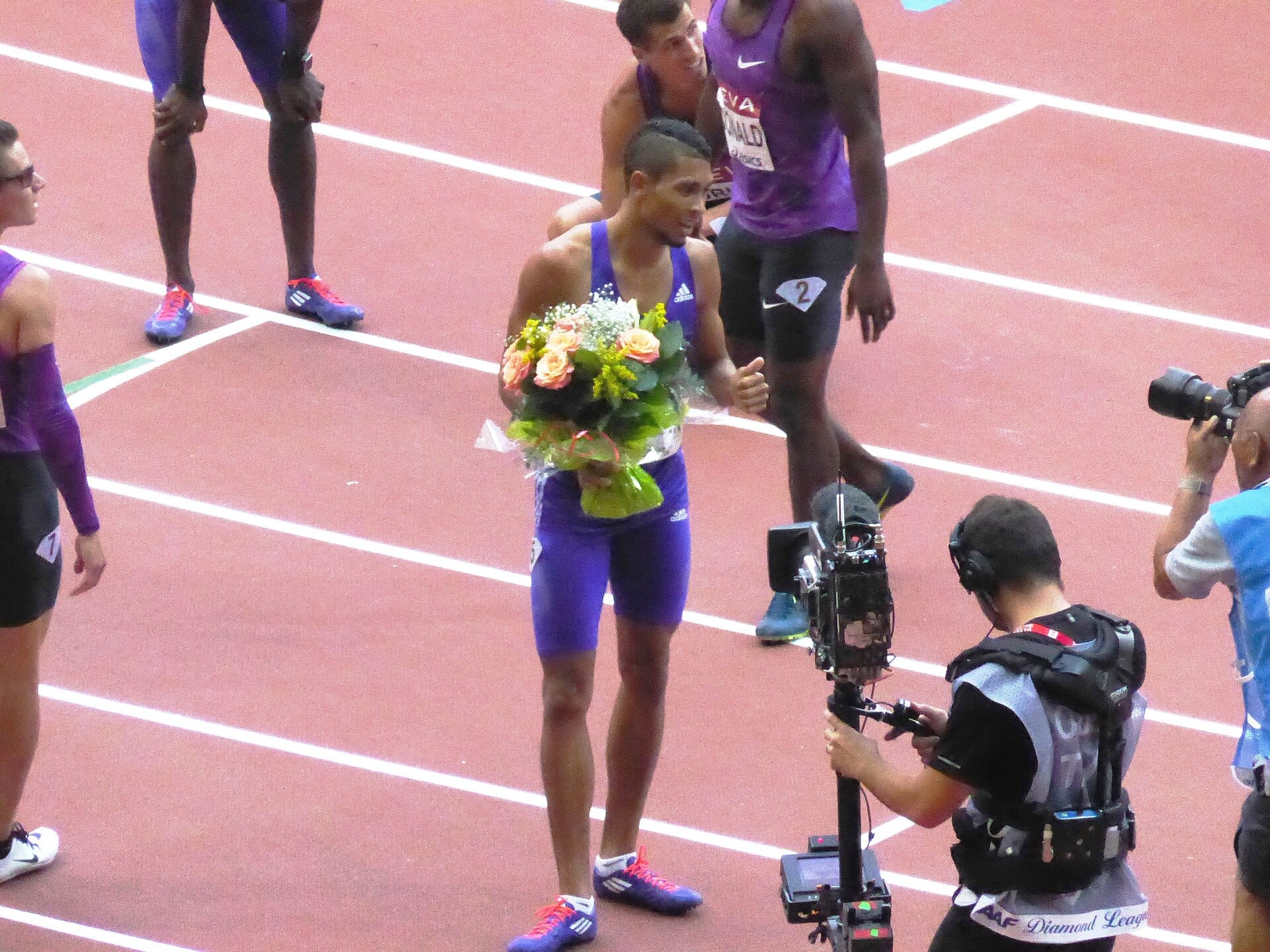
The window matters as much as the number. For Beijing, standards count from 23 August 2026 to midnight on 22 August 2027 — the window is already open — while the marathon gets 18 months, from 3 November 2025 to 2 May 2027. And the mark has to be set somewhere that counts: at a competition of Category C or better on the world calendar, with two road-running exceptions — 5 km and 10 km performances in Label road races can serve the 5000 m and 10,000 m, and marathon marks may come from Label marathons.
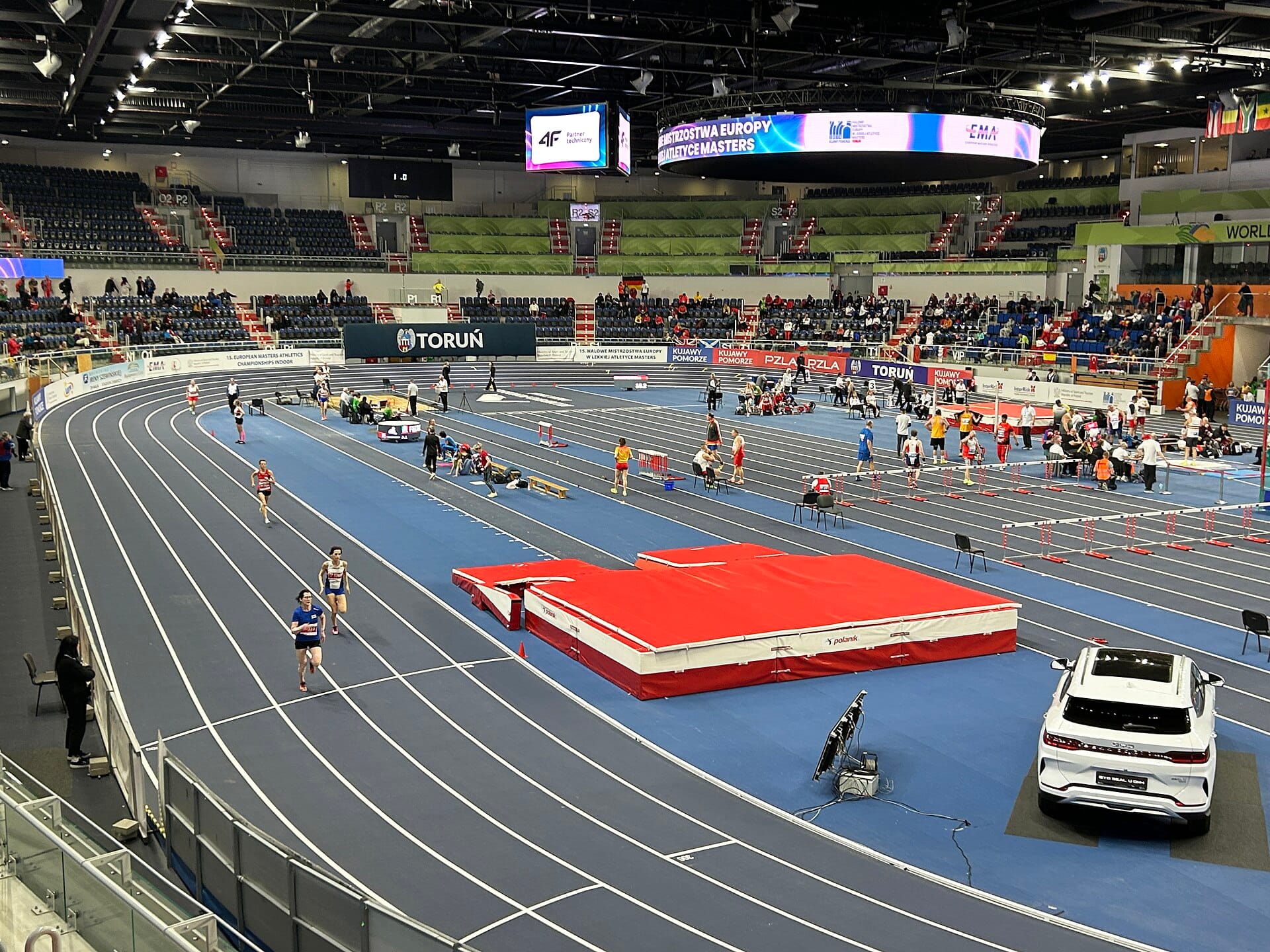
One rule changed quietly for this cycle: indoor performances at 200 m and longer no longer count toward the entry standard. An indoor 1500 m can still earn ranking points — but the direct door now opens outdoors only.
Door Two: The World Rankings
The rankings door is where most of the field now comes from, and the maths is simpler than its reputation. Every eligible competition gives an athlete a performance score with two parts: a result score — the mark itself, converted through the World Athletics scoring tables — plus a placing score, which depends on where they finished and how big the meeting was. Competitions sit in ten categories: OW at the top for the Olympics and World Championships, then the Diamond League and the rest of the calendar in descending steps, with more placing points on offer the higher the category.
An athlete's ranking score is the average of their best five performance scores inside the window — best three in the 5000 m, best two in the 10,000 m, the marathon and the combined events. At least three of the five have to come from the athlete's main event. That averaging is the point of the whole system: one hot race does not move it much, but a season of them does.
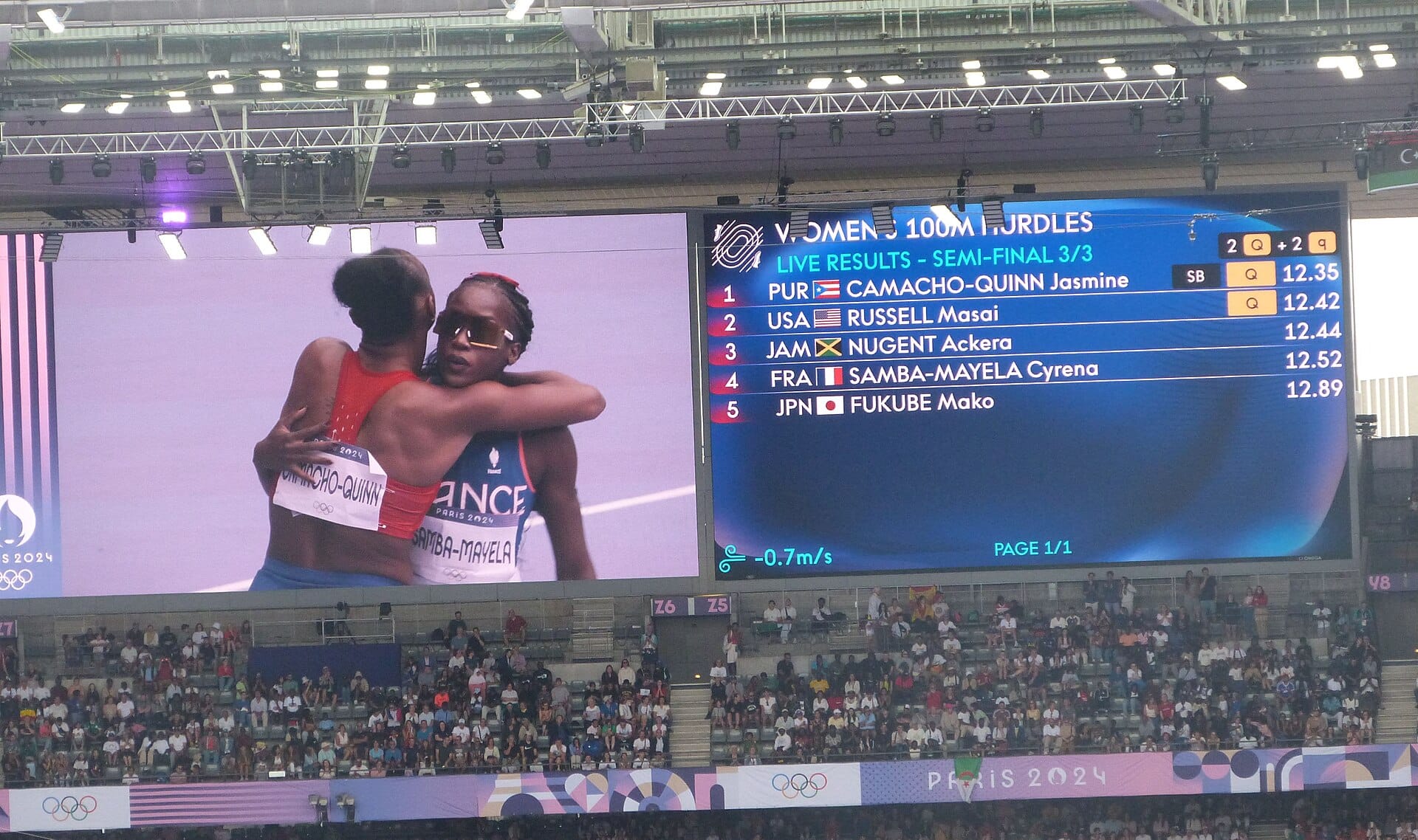
The system was recalibrated on 1 January 2026, and the change tells you what World Athletics wants it to reward. Placing scores were cut by about 30% across every category — winning a Diamond League meeting, a GW-category event, dropped from 200 placing points to 140. Since result scores were untouched, the mark on the clock now weighs more against the podium photo. Chase times, the tables are saying, more than scalps.
Run 9.95, or 2:06:00, once. A single mark inside the window, set at a meeting of Category C or better, and you are in — no committee, no maths.
Every meeting files a receipt: the mark scores points, the placing adds more. Your best five average into a ranking score — and the rankings fill every place the standard leaves open.
Declared targets, not final tallies — the split each system was designed to produce. Hover or tab on a bar for the detail. Sources: World Athletics qualification releases for Paris 2024, Tokyo 25 and Beijing 27. Verified September 2026.
The declared split and the windows, cycle by cycle
| Cycle | By entry standard | By world ranking | Main window | Marathon window |
|---|---|---|---|---|
| Paris 2024 Olympics | ≈50% | ≈50% | 1 Jul 2023 – 30 Jun 2024 | 1 Nov 2022 – 30 Apr 2024 |
| Tokyo 2025 Worlds | ≈50% | ≈50% | 1 Aug 2024 – 24 Aug 2025 | 5 Nov 2023 – 4 May 2025 |
| Beijing 2027 Worlds | ≈40% | ≈60% | 23 Aug 2026 – 22 Aug 2027 | 3 Nov 2025 – 2 May 2027 |
The Side Doors
Around the two main doors runs a set of side entrances. The biggest are the wild cards: for Beijing 27 they go to the defending world champions from Tokyo 25, the winners at the 2026 World Athletics Ultimate Championship, the winners of the 2026 World Race Walking Tour and Combined Events Tour, the leading hammer throwers on the 2026 Continental Tour, and the event winners of the 2027 Diamond League. A wild card is a bonus place: a country capped at three athletes per event may line up four when one of them holds a card. In August 2025 that door was worth watching in real time — Brittany Brown and Vernon Norwood both booked their Tokyo spots by winning at the Diamond League Final in Zurich.
Relays qualify as teams. Sixteen lanes per event at a Worlds: fourteen went to the best finishers at the World Athletics Relays in Guangzhou in May 2025, and the last two to the fastest times run during the qualification period. One team per country, and the relay pool doubles as cover — a federation with a qualified relay can bring alternates who race nothing else.
And then there is the quietest door, the one the sport keeps for its own reach: a member federation with no qualified athlete at all may enter one man or one woman in a single individual event — track events only, no road races, no field, no combined events, no 10,000 m. It is why the first rounds of a World Championships 100 m carry flags you will not see anywhere else in the nine days.
The Olympic Version
The Olympic system is the same machine with a harder ceiling. Paris 2024 worked from a fixed quota of 1,810 athletes across 48 events, split by the same double pathway — entry standards set for about half the field, world rankings for the rest — with the same cap of three per country per event and no wild cards at all: at the Games, being a defending champion buys nothing.
The marathon showed how the Olympic version bites. The quota was 80 runners per race, and the first 65 places went to athletes ranked inside the top 65 of the filtered Road to Paris list on 30 January 2024 — six months before the race — with the remaining fifth of the field settled by the usual two doors as the window closed. Miss the January cut, and your Olympic marathon came down to a handful of leftover places.
For Los Angeles, the calendar is public and the fine print is not. LA28 will run athletics across the entire span of the Games for the first time — 15 to 30 July 2028, track and field in the Coliseum through 24 July, the marathons closing the Games on 29 and 30 July. The IOC has approved its qualification frameworks in batches built on the Paris pathways, but as of September 2026 World Athletics had not yet published the LA28 entry standards or windows. When it does, expect the shape you have just read: two doors, one moving split.
Championship Kit Is Federation Kit
Everything on this page funnels toward one wardrobe rule. Qualification, however it is earned, delivers an athlete to a championship — and at a Worlds or an Olympics nobody wears sponsor kit on the start line. The federation dresses the team: the same Nike USA, adidas Ethiopia and 4F Poland gear whose athlete-issued versions are what we collect.
The house rule for reading any competition: championships mean federation kit, leagues and meetings mean sponsor kit. The qualifying season largely happens in brand gear at Diamond League and Continental Tour meetings — but the moment the ranking window closes and the team is named, the national kit comes out. This series flags which universe each competition belongs to; the championships this page leads to belong to the federations.
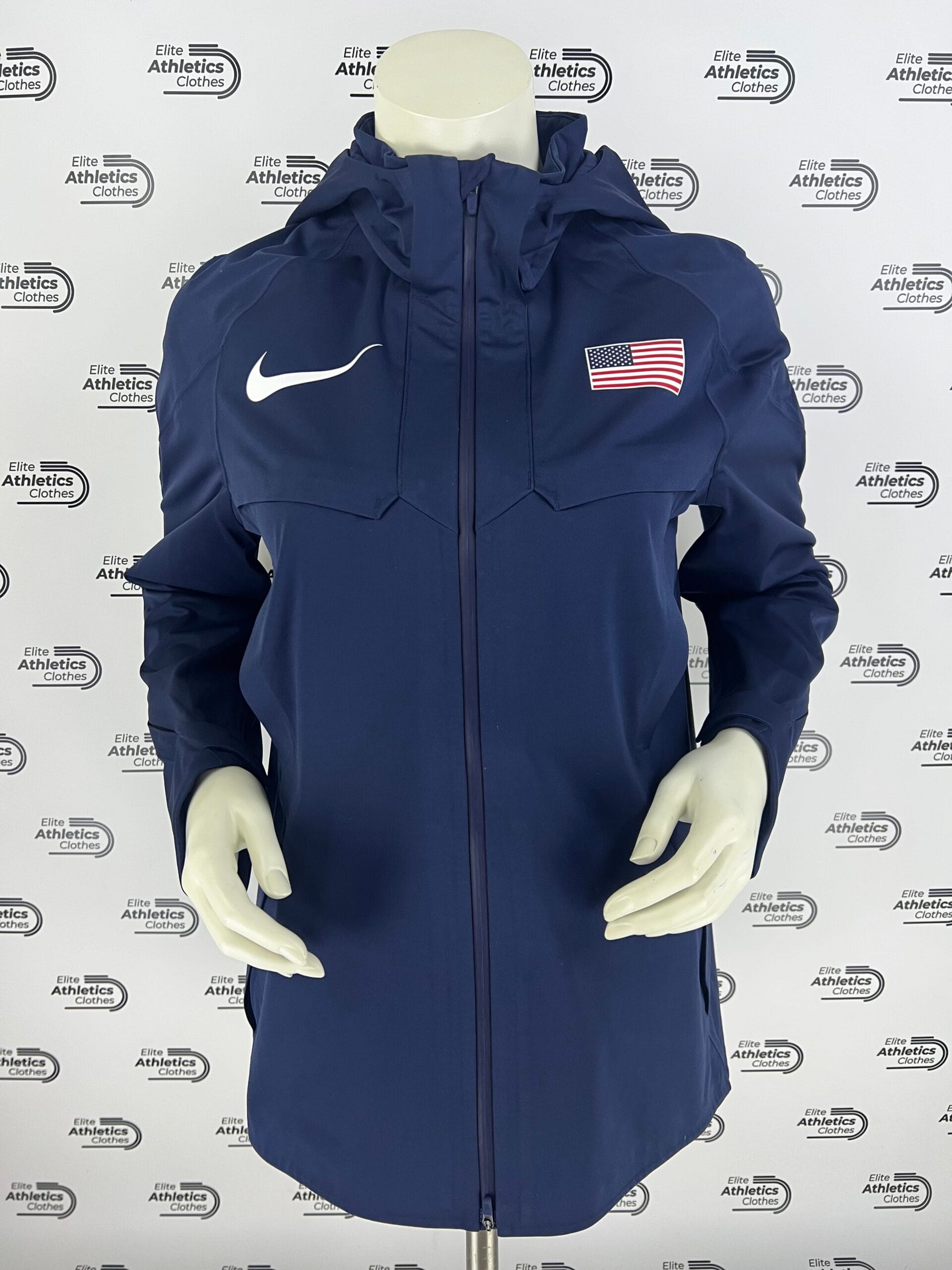 Federation kit · in the archiveNike USA Team Pro Elite 2026 Women Storm Fit JacketNike USA women's Storm Fit jacket marked for 2026 — team-issue federation outerwear from the first season of the Beijing 27 qualification window.240,00 €View piece →
That is why the rails below hold federation pieces rather than any single brand: the reward at the end of every qualification story told here is a national vest with a number on it. Start with the USA's story, follow Great Britain's or Kenya's — the kits their qualifiers wear are the ones in the archive.
What Qualifying Wins You
Every route on this page ends at the same wardrobe: the national team kit worn at a Worlds or a Games. These are athlete-issued federation pieces from the archive — one per nation, from the universe the qualifiers race in.
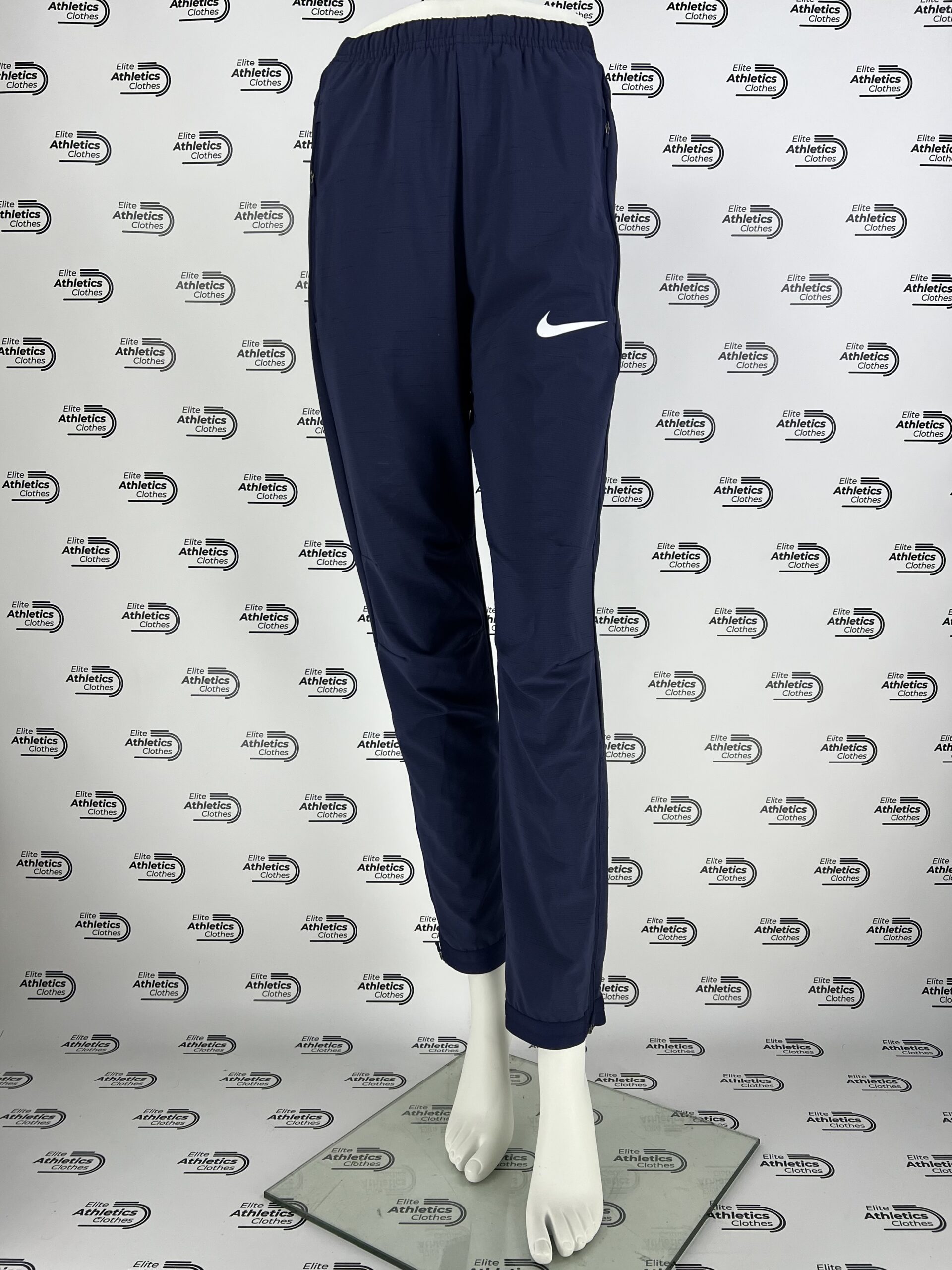 Nike USA International Team Pro Elite 2025 Women Lightweight Pants140,00 €View Piece →Great Britain
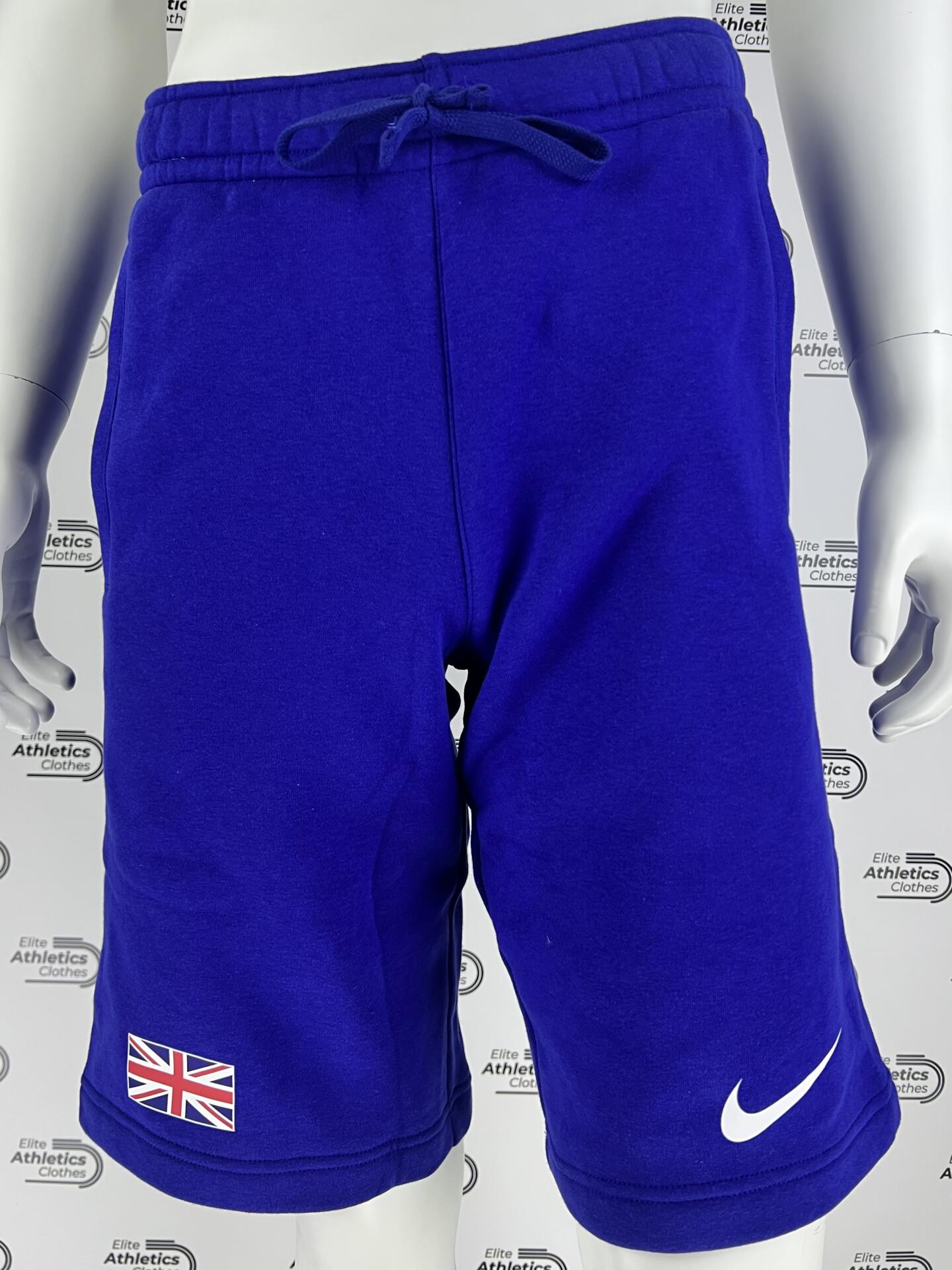 Nike Great Britain Pro Elite 2019 Cotton Short Pants50,00 €View Piece →Ethiopia
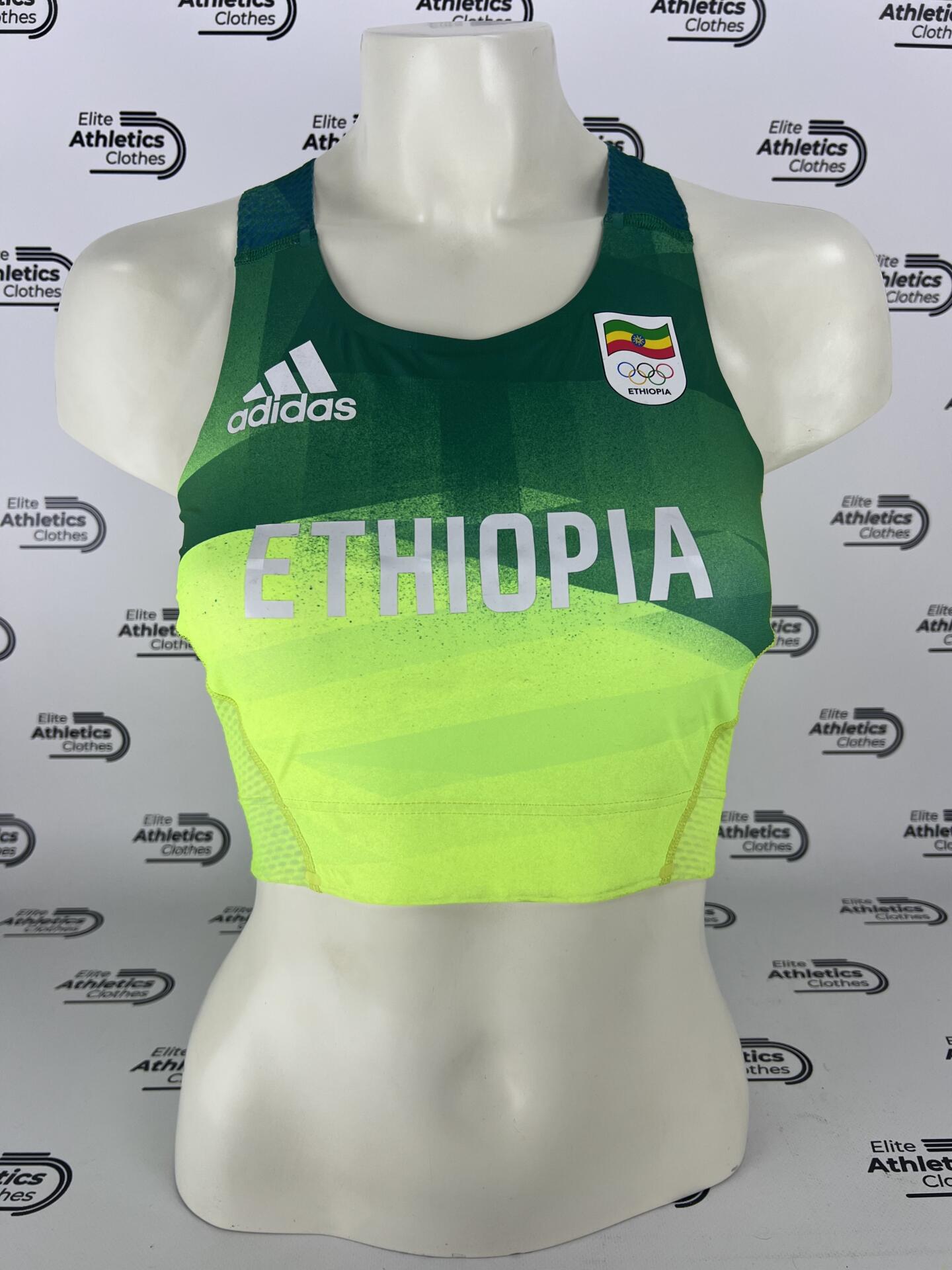 Adidas Ethiopia Olympic Team Pro Elite 2020 Women Crop Top90,00 €View Piece →Germany
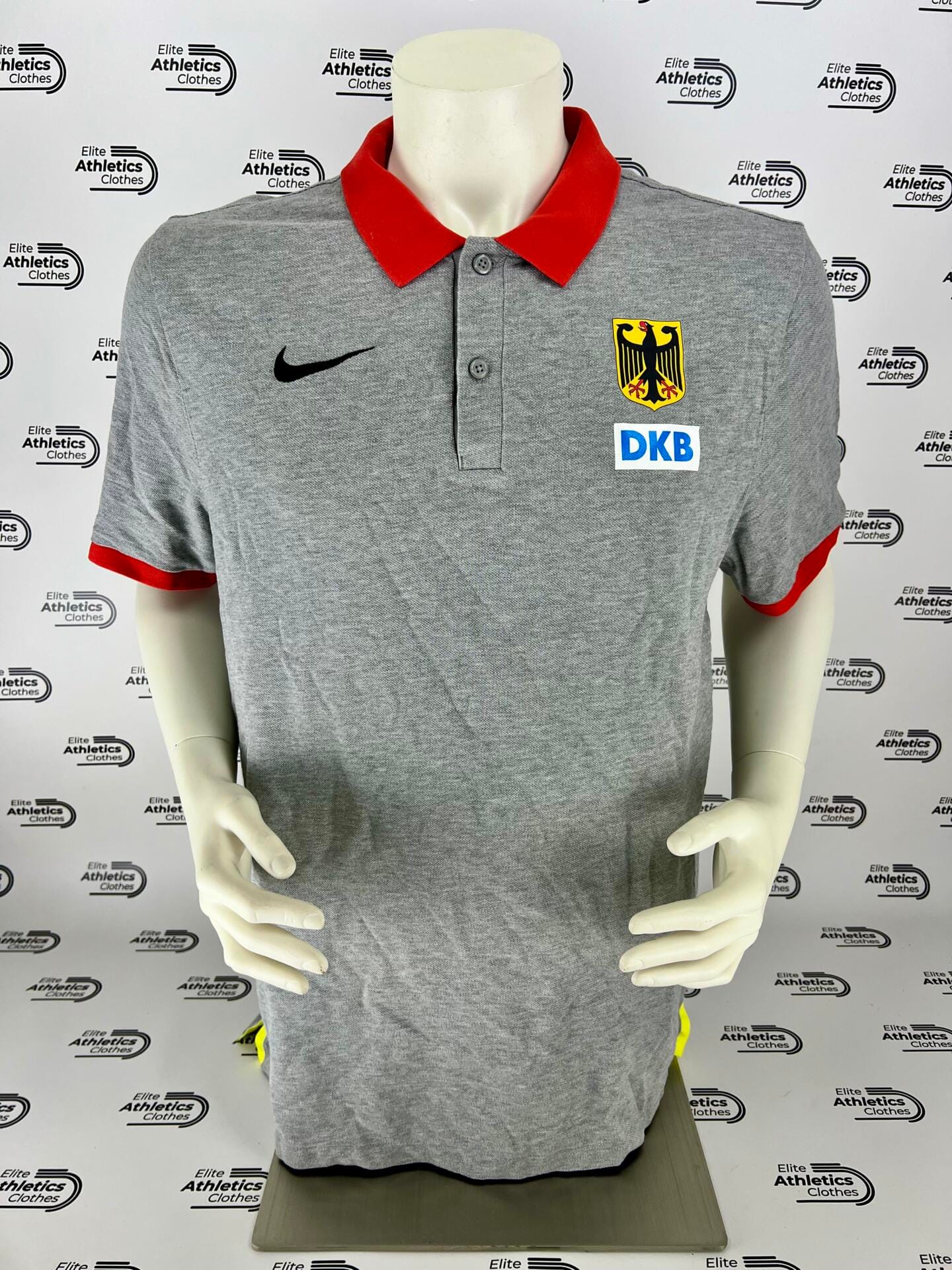 Nike Germany International Team Pro Elite 2019 Polo Shirt70,00 €View Piece →France
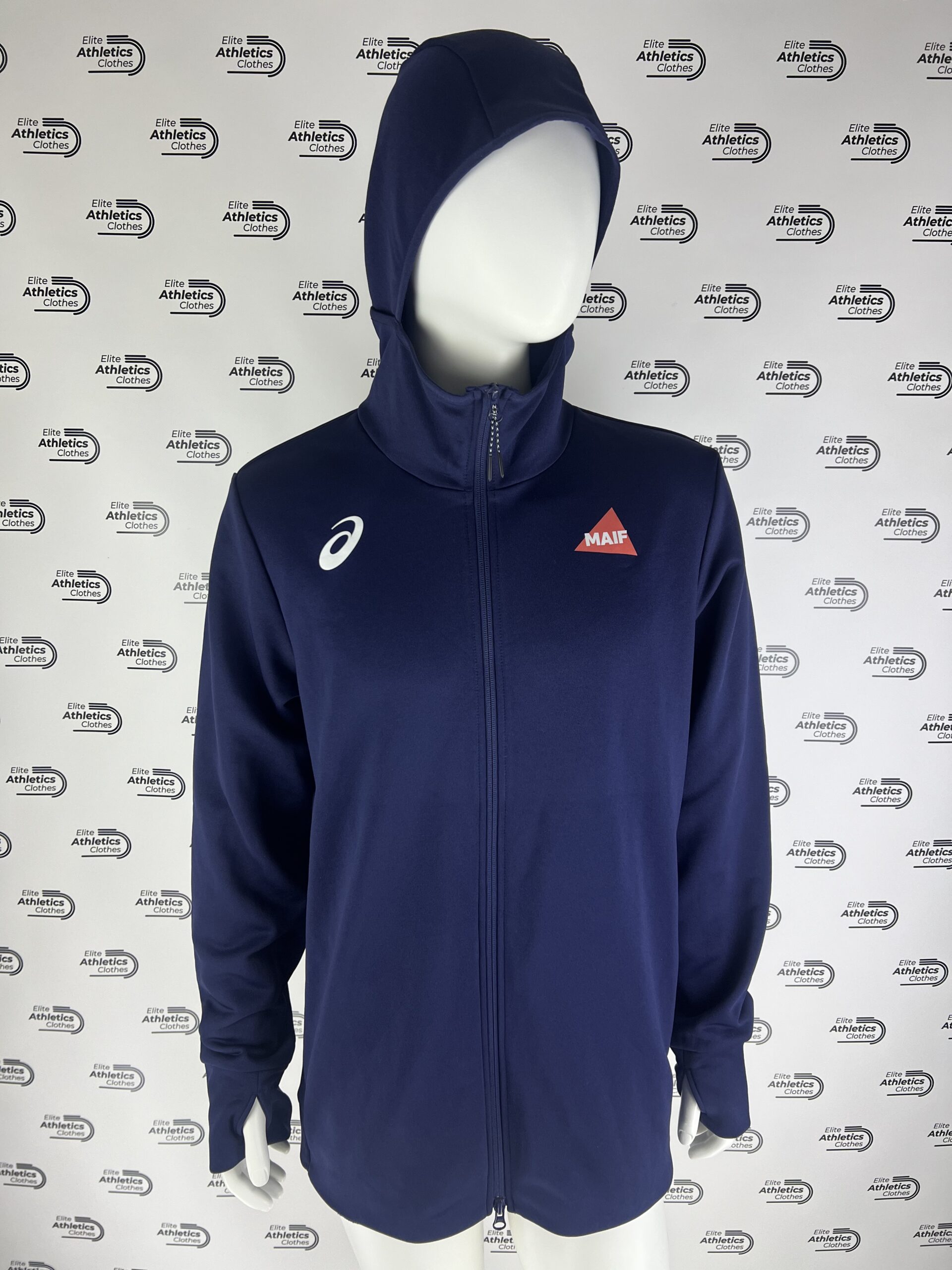 Asics France International Team Pro Elite 2021 Hoodie Jacket120,00 €View Piece →Netherlands
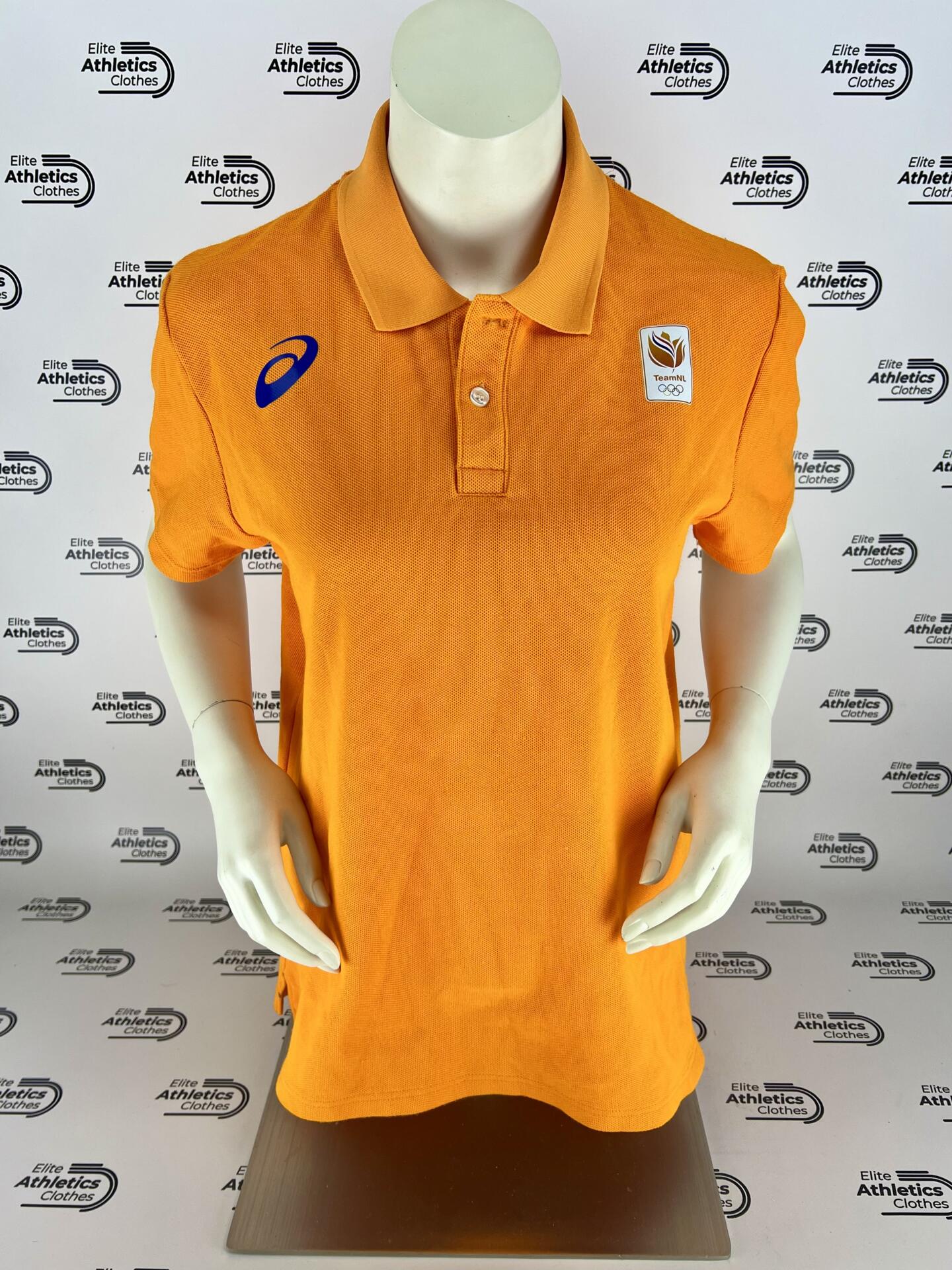 Asics Netherlands International Team Pro Elite 2018 Women Polo Shirt60,00 €View Piece →Spain
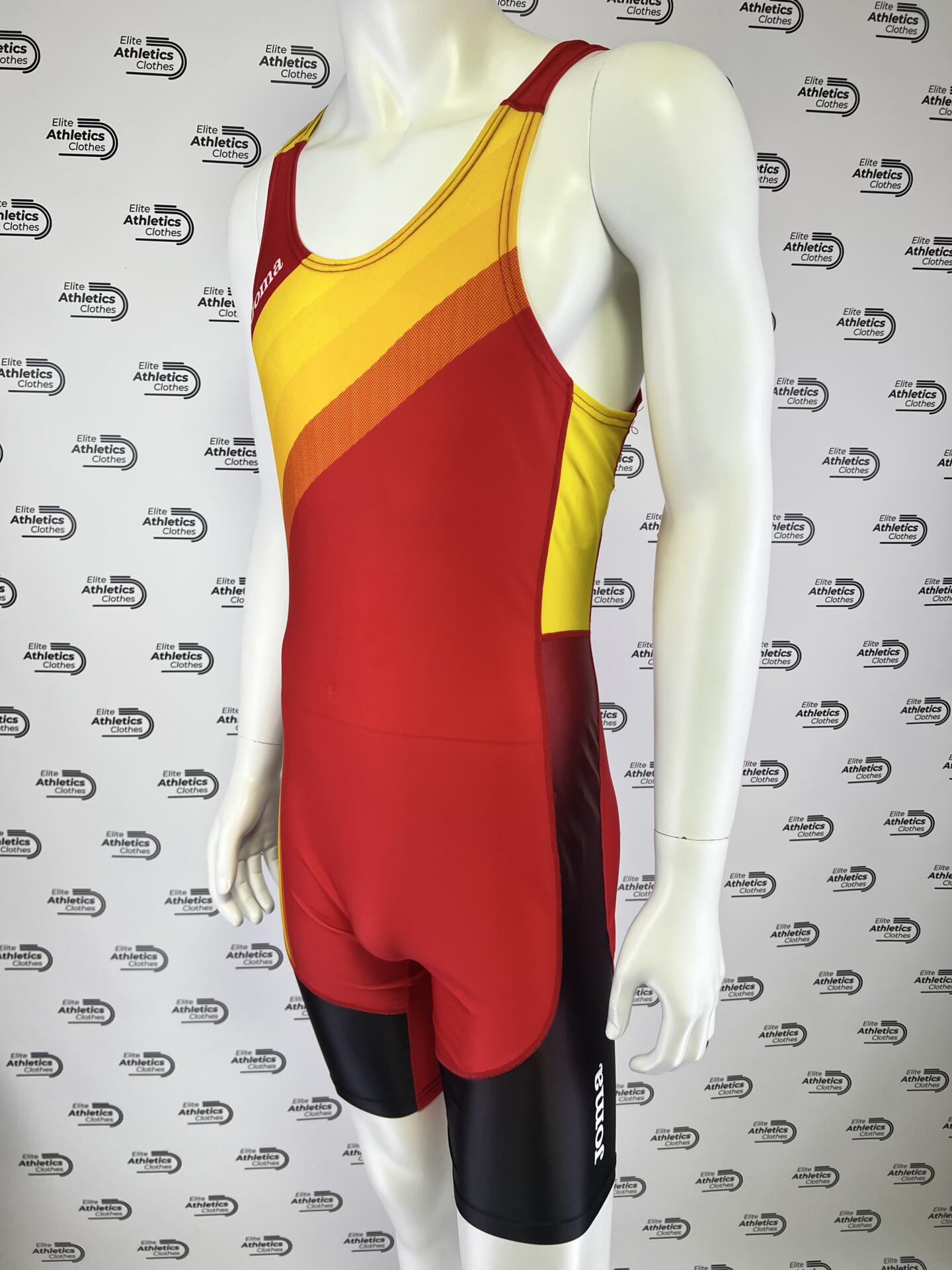 Joma Spain Pro Elite Team 2018 Speedsuit100,00 €View Piece →Poland
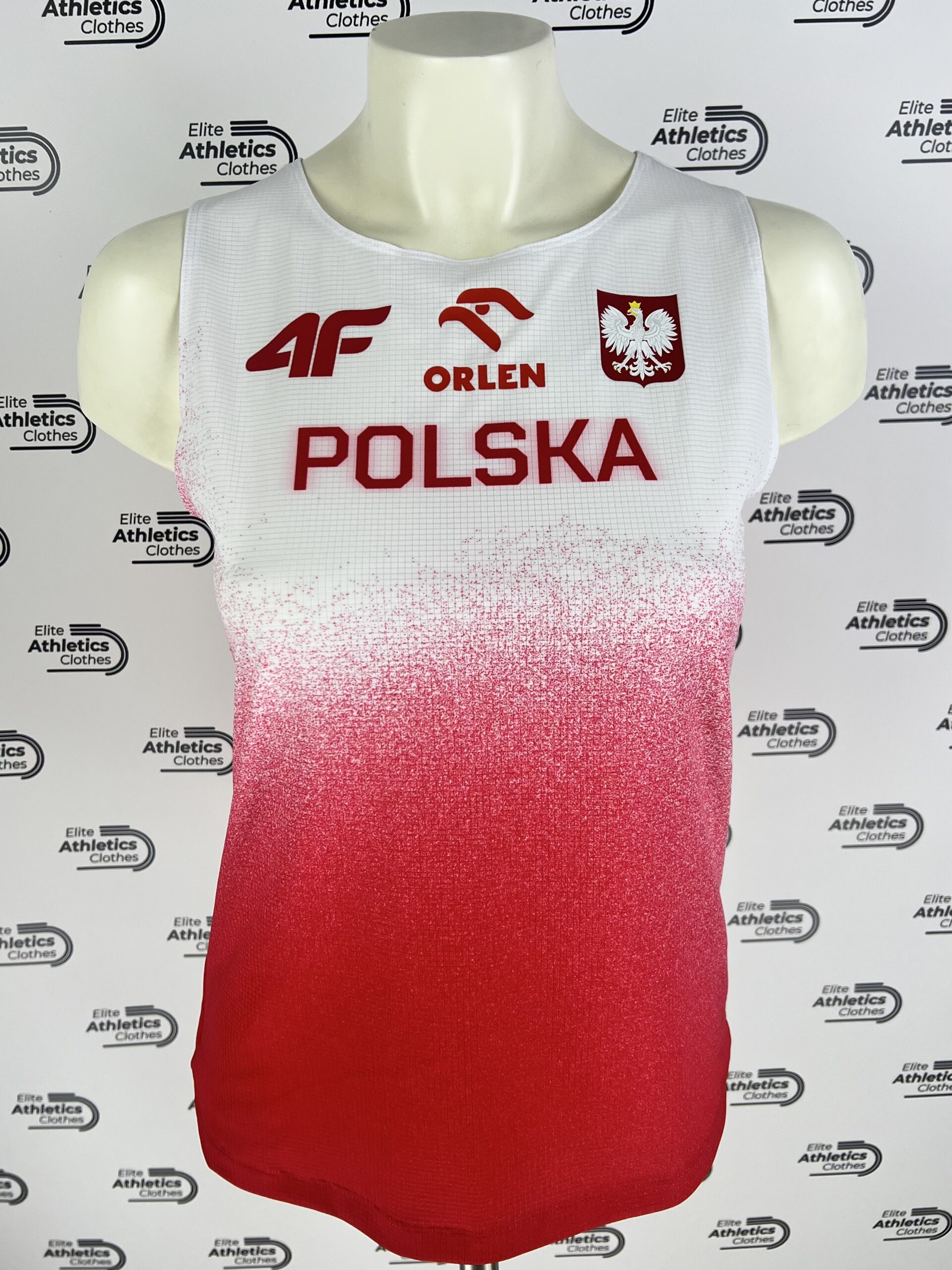 4F Poland International Team Pro Elite 2026 Women Distance Singlet160,00 €View Piece →
How do athletes qualify for the World Athletics Championships?
Through a dual pathway: achieve the entry standard — a single qualifying mark set within the qualification window — or qualify via the world rankings, which average an athlete's best five performance scores. For Beijing 2027 the window runs from 23 August 2026 to 22 August 2027 (the marathon window is 3 November 2025 to 2 May 2027) and the system is designed to fill about 40% of the field by standard and 60% through the rankings.
How are the World Athletics world rankings calculated?
Each competition gives a performance score: a result score from the mark itself, via the World Athletics scoring tables, plus a placing score based on finishing position and the competition's category. An athlete's ranking score is the average of their best five performance scores — best three in the 5000 m, best two in the 10,000 m, marathon and combined events. Since 1 January 2026, placing scores are about 30% lower across all categories, so the mark itself carries more weight.
What are the qualifying standards for the Beijing 2027 World Championships?
Examples published by World Athletics: 9.95 for the men's 100 m, 10.96 for the women's, 2:06:00 for the men's marathon and 2:23:20 for the women's — all tougher than the Tokyo 2025 standards. Marks must be set at competitions of Category C or above, and indoor performances at 200 m and longer no longer count toward entry standards, though they still earn ranking points.
How many athletes can each country enter per event?
Three qualified athletes per individual event, and four when one of them holds a wild card — awarded to defending world champions and winners of the Ultimate Championship, the Diamond League, the World Race Walking Tour and Combined Events Tour, plus leading Continental Tour hammer throwers. Relays are one team per country; countries with no qualified athlete may enter one man or one woman in a single track event.
How is qualifying for the Olympics different from the Worlds?
Same two doors, harder ceiling: Paris 2024 worked from a fixed quota of 1,810 athletes with entry standards aimed at filling about half the field and world rankings the rest — and no wild cards. In the marathon, the top 65 on the Road to Paris list of 30 January 2024 qualified six months early. The LA28 athletics programme runs 15–30 July 2028, but World Athletics had not published its entry standards as of September 2026.
Sources and References
- World Athletics — qualification system approved for Beijing 27 — the 40/60 target, the windows, the wild cards, Category C and the indoor rule
- World Athletics — Tokyo 25 timetable and qualification system — the 50/50 design, the Tokyo windows and the Road to tool
- World Athletics — World Ranking Rules: basics — result score, placing score, the ten categories and semifinal placing points
- World Athletics — World Rankings introduction — the averages: five performances, three for the 5000 m, two for the longest events
- CITIUS Mag — the 2026 world rankings adjustments — the ≈30% placing-score cut and the 200→140 Diamond League example
- World Athletics — qualification system for the Paris 2024 Olympic Games — the 1,810 quota, the Olympic windows and the marathon top-65 rule
- World Athletics — first 40 relay teams qualified for Tokyo 25 — the 14 World Relays places plus two from the top lists
- NBC Sports — Diamond League Final wild cards for Tokyo — Brown and Norwood booking their Tokyo places in Zurich