
Berlin
Marathon
Thirteen marathon world records — nine men's, four women's — have fallen on one flat loop through Berlin, more than anywhere else on Earth. How a pastry chef's forest run became the fastest course in the sport.
The Berlin Marathon is where marathon records go to fall: thirteen world records have been set on its course — nine men's and four women's, more than on any other marathon — including every men's record from 2003 to 2022. Founded in 1974 by Horst Milde as a forest run with 286 starters, it is now a founding World Marathon Major with more than 50,000 finishers, run each late September through the Brandenburg Gate.
The course records — Eliud Kipchoge's 2:01:09 from 2022 and Tigst Assefa's 2:11:53 from 2023 — are the fastest marks in the race's history, though the world record itself now lives in London: Sabastian Sawe's ratified 1:59:30 from April 2026. All of it raced in sponsor kit, the universe our brand shelves collect.
Part of our Competition Files — one competition at a time, explained. The athlete-issued lines behind the start lists live in the Pro Elite archive. Jump to the brand rail or start with the brand behind the race.
- What it is
- A founding World Marathon Major, run each late September through Berlin — the fastest record-eligible course in the sport
- First run
- 13 October 1974: 286 starters, 244 finishers, through the Grunewald forest of West Berlin
- World records
- 13 set on this course — 9 men's and 4 women's, more than on any other marathon
- The streak
- Every men's world record from 2003 to 2022 — eight in a row, Tergat's 2:04:55 to Kipchoge's 2:01:09 — fell in Berlin
- Course records
- 2:01:09 Kipchoge (2022) · 2:11:53 Assefa (2023)
- The record today
- Sawe 1:59:30, London, April 2026 — the first ratified sub-two marathon; the men's record left Berlin in 2023
- Most wins
- Kipchoge, five (2015–2023); Gebrselassie the only man with four straight (2006–09)
- Next edition
- 27 September 2026 — the 52nd
A Bakery, a Forest, 286 Runners
The race that owns the record books started about as far from them as a marathon can. On 13 October 1974, a West Berlin pastry chef named Horst Milde put 286 runners on a course through the Grunewald forest on the city's western edge — Germany's first mass-participation marathon. 244 of them finished: 234 men and 10 women. Günter Hallas won in 2:44:53, Jutta von Haase in 3:22:01, and nobody outside Berlin noticed. Milde stayed on as race director for three decades and built the thing methodically, edition by edition.
In 1981 the marathon left the forest for the city streets — still entirely inside West Berlin, because there was a wall in the way. That move changed its nature: from a runners' outing to a city-scale event, and eventually to the fastest ground in the sport.
Through the Gate
The race's defining morning had nothing to do with the clock. On 30 September 1990 — three days before German reunification became official — the Berlin Marathon ran through the Brandenburg Gate and into East Berlin for the first time. More than 25,000 runners crossed under the arches that had stood behind a wall for 28 years. Steve Moneghetti of Australia won in 2:08:16; the women's race went to Uta Pippig, an East German, in 2:28:37 — she later described getting goose bumps as she passed through the Gate into the half of the city she came from.
The course has kept that geography ever since: start and finish by the Tiergarten, the final few hundred metres carrying runners through the Brandenburg Gate. It is the rare big-city marathon where the emotional high point and the finish line are nearly the same place.
Anatomy of a Fast Course
Berlin's speed is engineered, but not artificially. The loop through the city climbs only about 73 metres in total across 42.195 km — no hill on the course is worth the name — and it runs on wide boulevards of smooth asphalt with long straights and sweeping corners, so the leaders almost never break rhythm. Late September brings cool, still mornings. Add the deepest pacemaking budgets in the sport, and the calendar's expectations do the rest: athletes come to Berlin specifically to run fast, which is itself part of why they do.
The rulebook matters as much as the profile. World Athletics only ratifies road world records on courses where the drop from start to finish averages no more than 1 metre per kilometre and the start and finish are no further apart than half the race distance. Berlin's near-closed loop passes both tests easily. Boston — point to point, downhill overall — fails both, which is why the oldest marathon on Earth appears nowhere in the record book and Berlin is all over it.
Nine Records on One Plumb Line
The men's ledger reads like a house style. Ronaldo da Costa opened it in 1998, taking 45 seconds off a record that had stood for ten years and cartwheeling across the line. Then Paul Tergat's 2:04:55 in 2003 began the streak that made the race's name: for nineteen years, every men's marathon world record — all eight of them — was set in Berlin. Haile Gebrselassie broke it twice and became the first man under 2:04; Patrick Makau, Wilson Kipsang and Dennis Kimetto each moved it on; Kimetto's 2:02:57 in 2014 was the first time under 2:03.
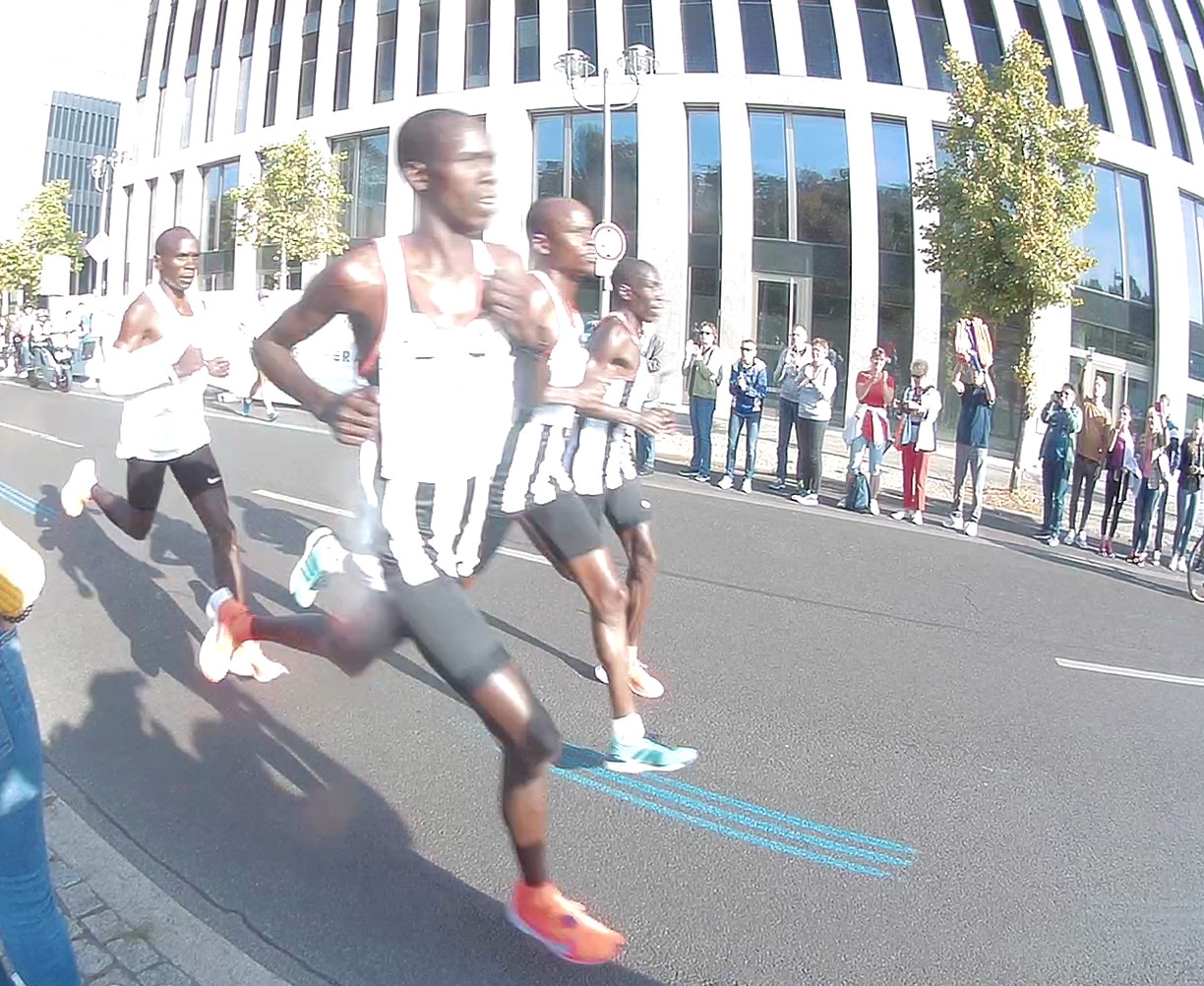
Eliud Kipchoge finished the job. His 2:01:39 in 2018 removed 78 seconds at a stroke — the biggest single improvement in the men's record since 1967 — and his 2:01:09 four years later is still the fastest marathon ever run in this city. Berlin is also where he became the race's most decorated champion: five wins, in 2015, 2017, 2018, 2022 and 2023, one clear of Gebrselassie's four straight from 2006 to 2009.
Hover or tab on a mark for the detail. The four women's world records set in Berlin are in the table below. Sources: World Athletics reports, Athletics Weekly and the marathon world record progression. Verified September 2026.
Every world record set in Berlin — and where the record went next
| Year | Athlete | Time | The line under it |
|---|---|---|---|
| 1977 | Christa Vahlensieck | 2:34:48 | The first world record on this course — women's, three years into the race's life |
| 1998 | Ronaldo da Costa | 2:06:05 | Ended a ten-year-old men's record; first man to pass 40 km inside two hours |
| 1999 | Tegla Loroupe | 2:20:43 | Took four seconds off her own women's record |
| 2001 | Naoko Takahashi | 2:19:46 | First woman under 2:20, a year after her Sydney Olympic title |
| 2003 | Paul Tergat | 2:04:55 | Start of the eight-record men's streak |
| 2007 | Haile Gebrselassie | 2:04:26 | First of his two Berlin records |
| 2008 | Haile Gebrselassie | 2:03:59 | First man under 2:04 |
| 2011 | Patrick Makau | 2:03:38 | 21 seconds faster |
| 2013 | Wilson Kipsang | 2:03:23 | Ratified and standing; Kipsang later served a four-year ban from 2020, unconnected to this run |
| 2014 | Dennis Kimetto | 2:02:57 | First man under 2:03 |
| 2018 | Eliud Kipchoge | 2:01:39 | The 78-second cut |
| 2022 | Eliud Kipchoge | 2:01:09 | Berlin's ninth men's record — still the course record |
| 2023 | Tigst Assefa | 2:11:53 | Women's world record until Chicago 2024; still the women's course record |
| 2023 | Kelvin Kiptum · Chicago | 2:00:35 | The men's record leaves Berlin; Kiptum died in February 2024 |
| 2026 | Sabastian Sawe · London | 1:59:30 | The first ratified sub-two marathon |
The Women's Ledger Started Here First
Before any man set a world record in Berlin, a woman had. Christa Vahlensieck's 2:34:48 in 1977 — three years into the race's existence — was the course's first, run when the women's marathon was still fighting for a place on the Olympic programme. Tegla Loroupe trimmed her own record to 2:20:43 here in 1999, and in 2001 Naoko Takahashi, the reigning Olympic champion, ran 2:19:46 to become the first woman inside 2:20.
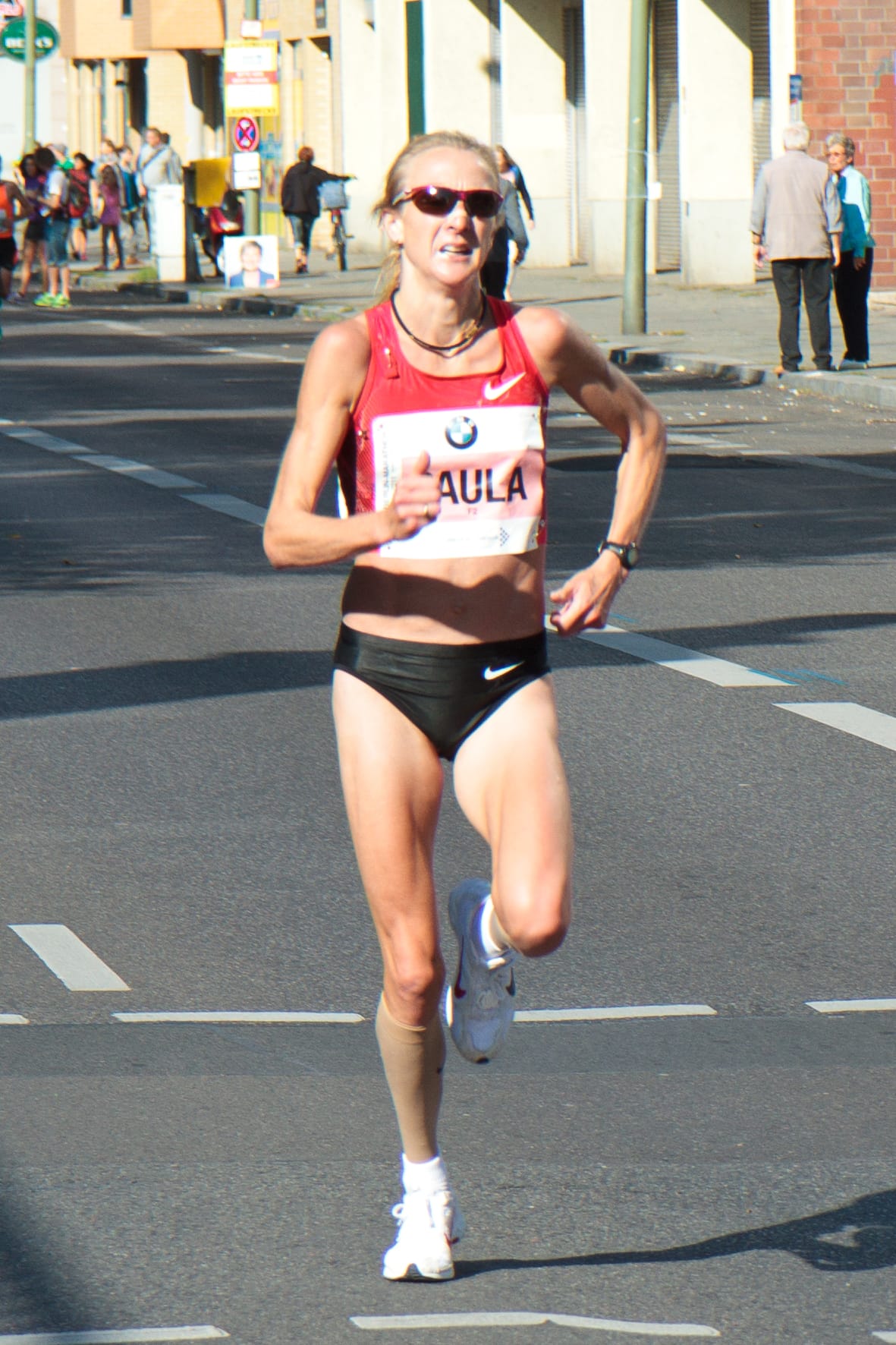
The fourth women's record was the loudest. Tigst Assefa's 2:11:53 in 2023 took more than two minutes off the world record and stood as the outright mark until Chicago 2024; it remains the Berlin course record. Between those bookends the race pulled in every generation's fastest — Paula Radcliffe, whose own 2:15:25 from London ruled the books for sixteen years, raced here in 2011 — because Berlin in late September is simply where quick times live.
Life After the Record
The crown left town in October 2023, when Kelvin Kiptum ran 2:00:35 in Chicago — the first men's record set outside Berlin since 2002. Kiptum died in a road accident four months later, at 24, and the mark is remembered together with the man. Then London finished what Berlin had spent two decades setting up: on 26 April 2026, Sabastian Sawe ran 1:59:30, the first sub-two-hour marathon ever ratified in open competition.
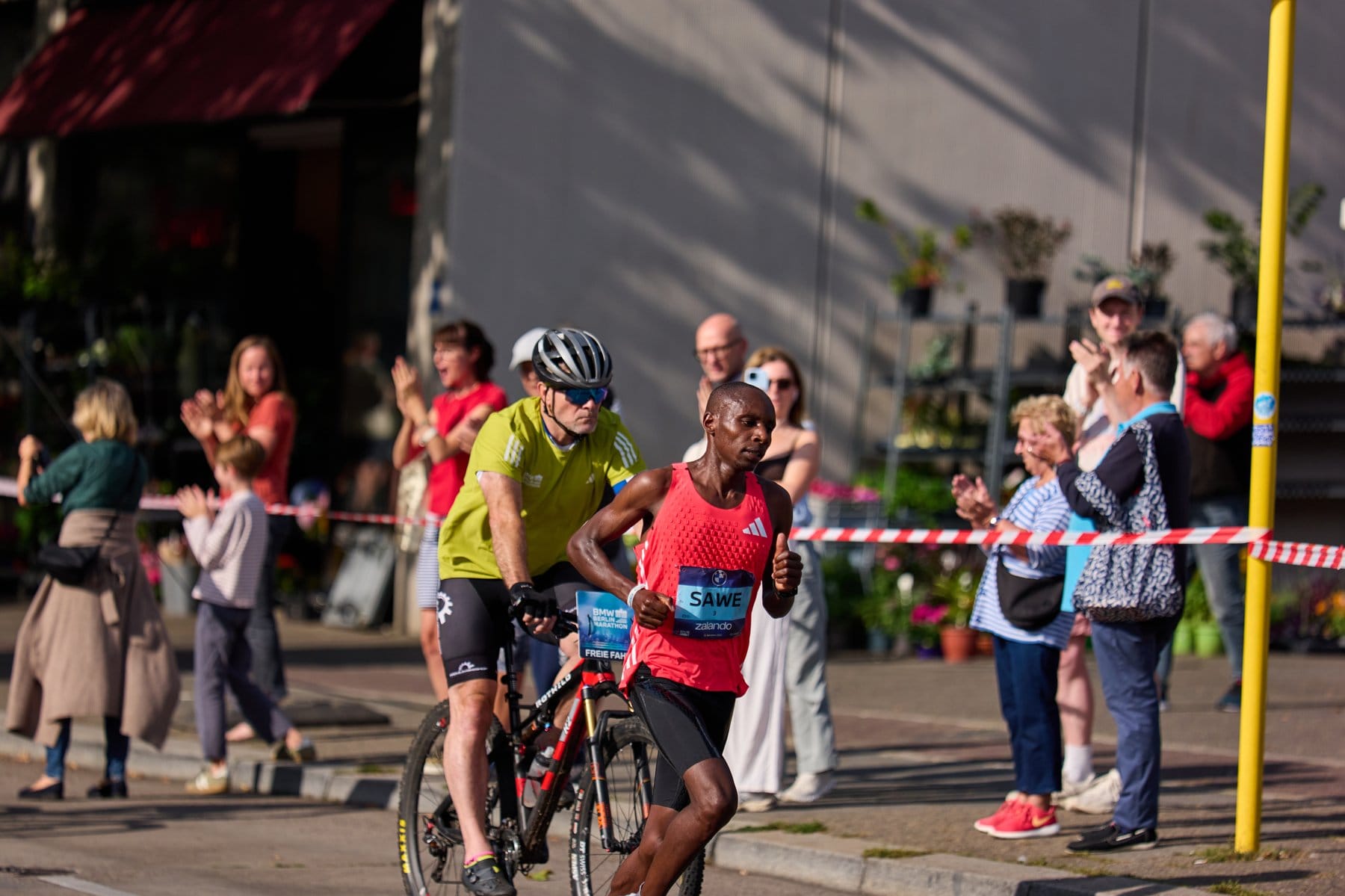
Berlin's reply is on the calendar rather than in the record book. Sawe himself won here in September 2025, in 2:02:16, after passing halfway inside record pace before the heat closed in; Rosemary Wanjiru took the women's race in 2:21:05. The 2024 edition — the 50th — went to Milkesa Mengesha in 2:03:17 and Tigist Ketema in 2:16:42. The 52nd edition runs on 27 September 2026, and whether the plumb line grows a tenth Berlin mark is the one thing this page will not guess at.
Sponsor Kit, Not Federation Kit
One reading rule matters to what we do at Elite Athletics Clothes: Berlin is a World Marathon Major, not a championship, so nobody on the start line wears national colours. Every record on this page was run in sponsor kit. The race itself is an adidas event — the brand is the marathon's official partner and produces its official collection each year — and Sawe, an adidas athlete, won the 2025 edition in the three stripes. Kipchoge ran his five Berlin wins inside the Nike-supplied NN Running Team setup, and both of his world records in Nike race kit.
The house rule for reading any competition: championships mean federation kit, leagues and meetings mean sponsor kit. A Worlds or an Olympics is raced in national colours; a Major like Berlin is raced in brand gear. This series flags which universe each competition belongs to — Berlin belongs to the brands.
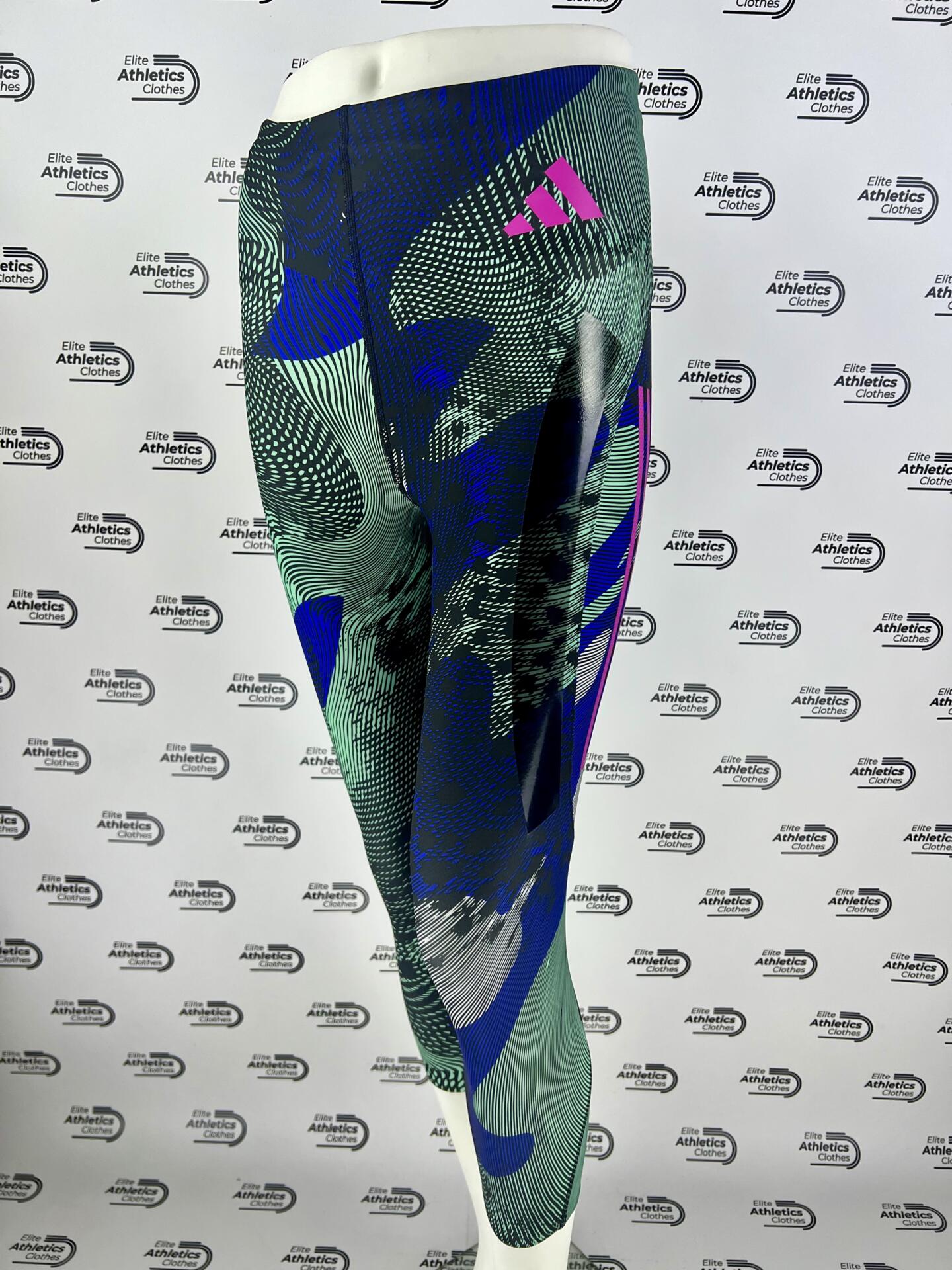 Sponsor kit · in the archiveAdidas Pro Elite Team 2023 Women Capri Long TightsTeam-issue kit from the adidas line — the brand on the Berlin start banner, on the race's official collection, and on Sabastian Sawe when he won here in 2025.140,00 €View piece →
That is why this page points at the brand shelves rather than at any national rail. The lines those Berlin crews wear have their own stories in the journal — adidas Pro Elite and Nike Pro Elite first among them — and the rail below holds one athlete-issued piece from each of the eight sponsor and team lines in the archive.
The Start-List Brands
Every Berlin record was run in brand kit, from Sawe's adidas to Kipchoge's Nike. This rail holds one athlete-issued piece from each of the eight sponsor and team lines in the Pro Elite archive.
 Adidas Pro Elite 2022 Women Booty Short Tights100,00 €View Piece →Nike Pro Elite
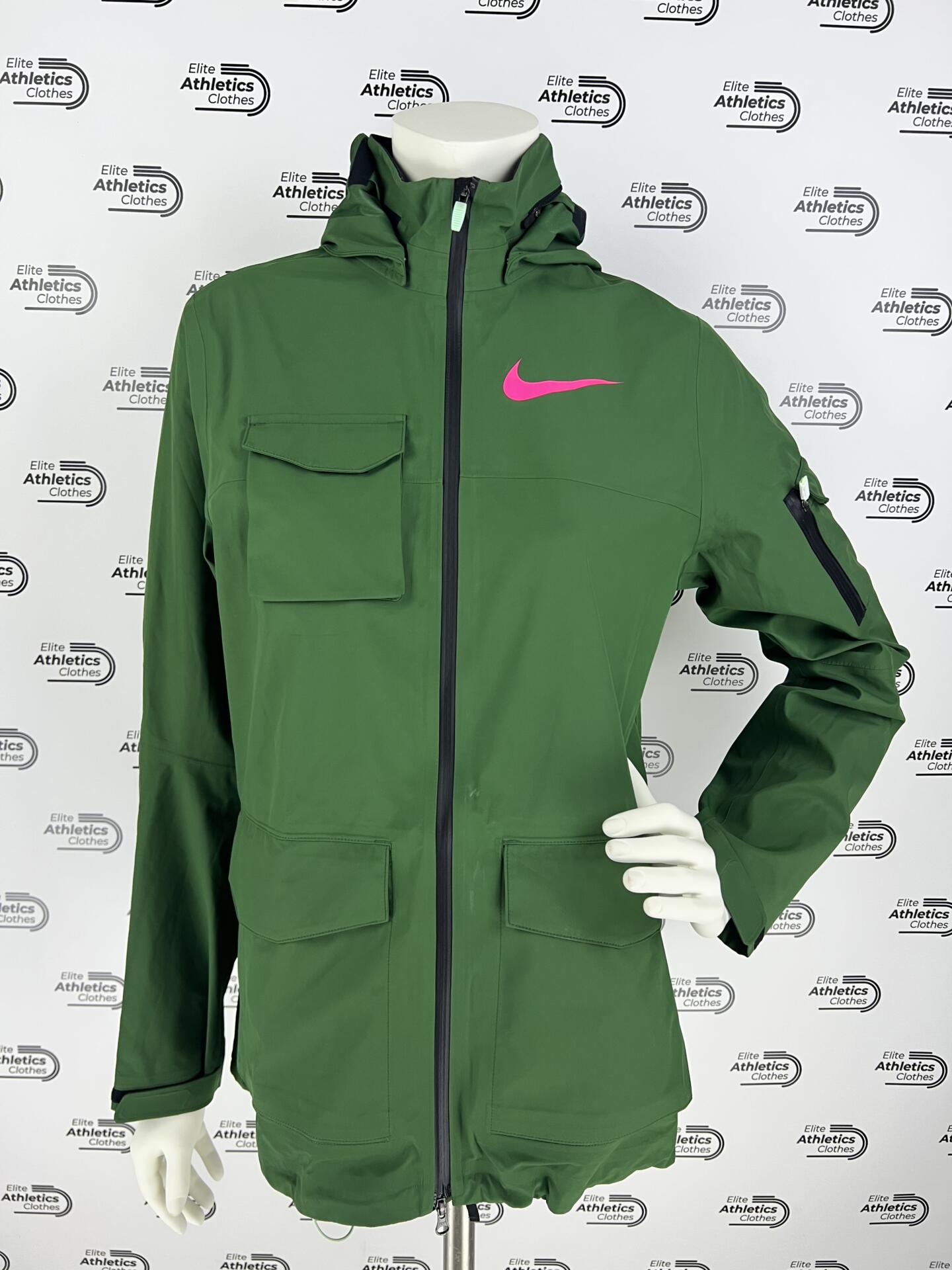 Nike Pro Elite 2023 Women Storm Fit Jacket150,00 €View Piece →NN Running
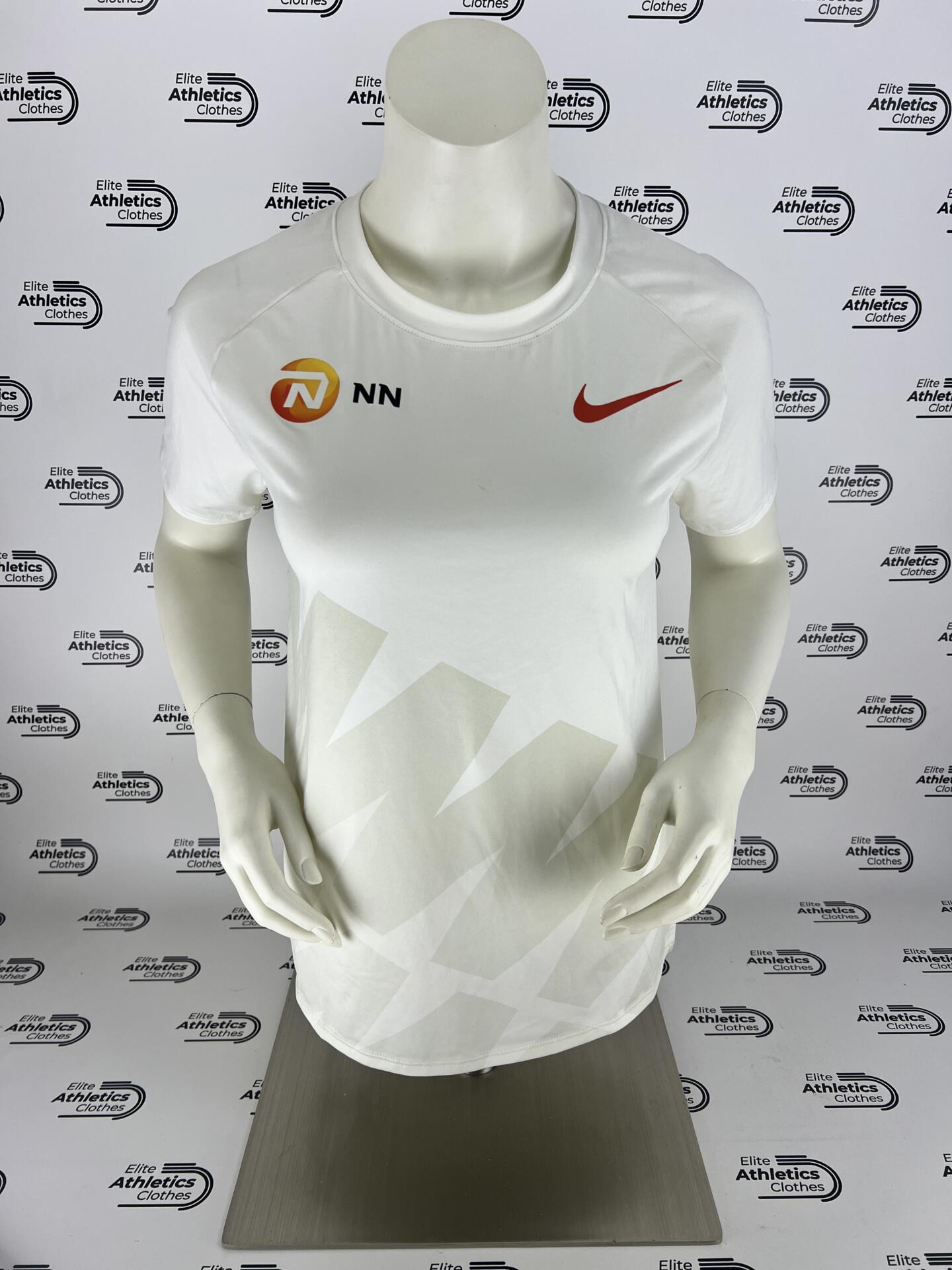 INEOS X Nike NN Running Team Pro Elite 2020/2021 Women T-Shirt150,00 €View Piece →Rosa & Co
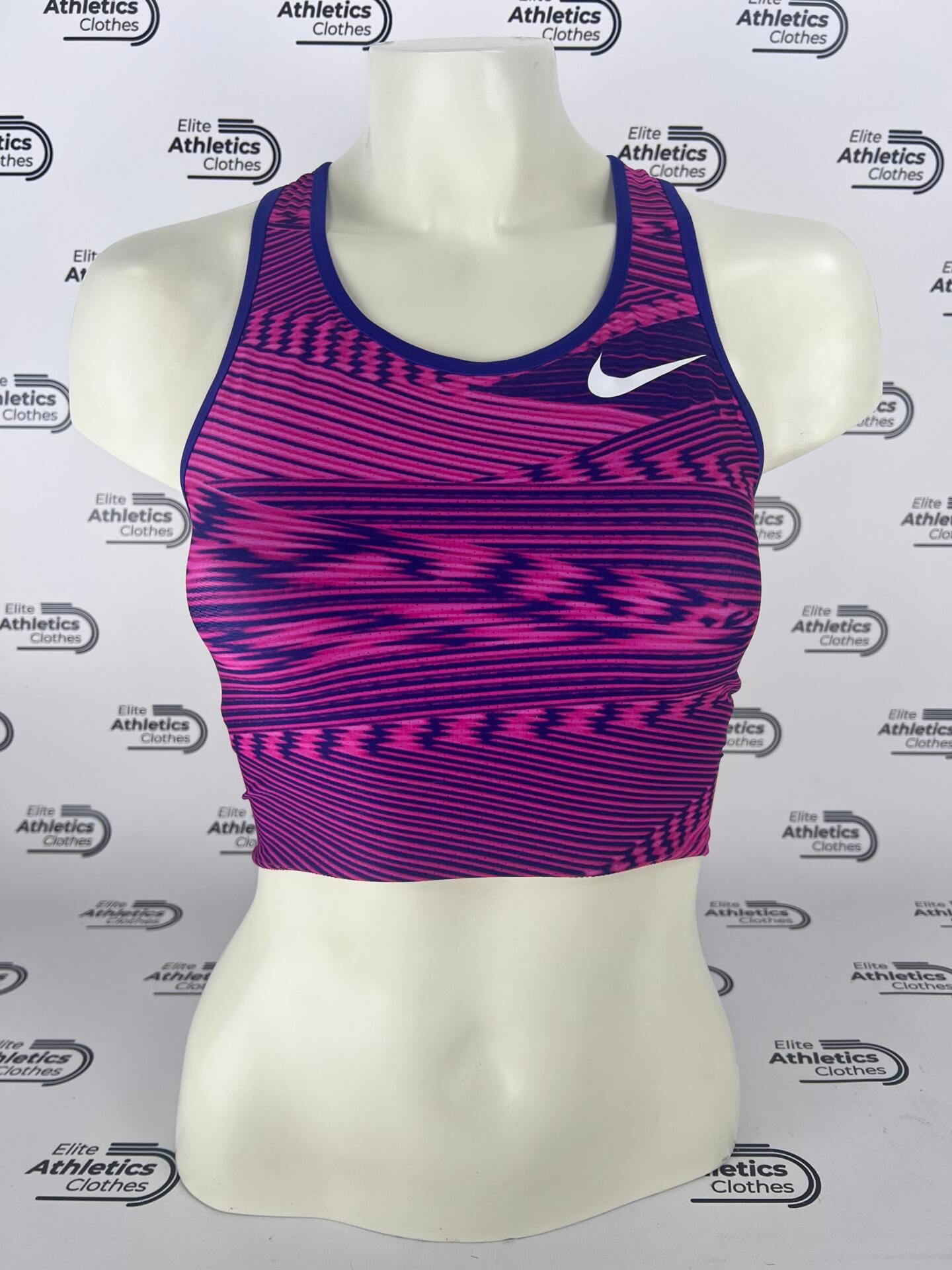 Nike Rosa & Co. Pro Elite 2019 Women Crop Top250,00 €View Piece →Asics
 Asics Actibreeze Distance Singlet100,00 €View Piece →On
 ON Running Pro Elite 2025 Women Black Racing Shorts120,00 €View Piece →Gold Medallist
 Nike Gold Medallist Pro Elite 2019 Women T-Shirt140,00 €View Piece →Clubs
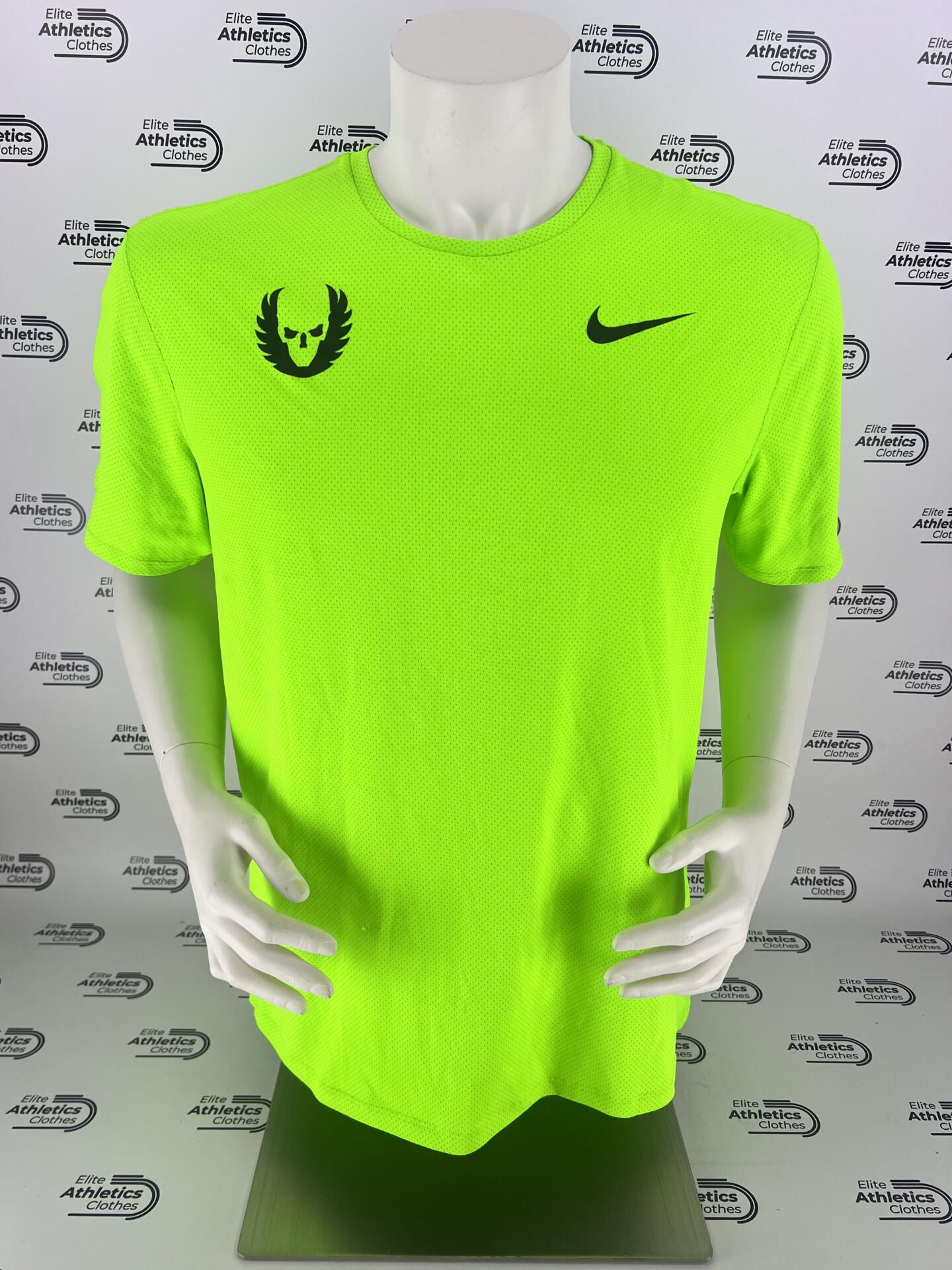 Nike Oregon Project Team Pro Elite T-Shirt240,00 €View Piece →
Why is the Berlin Marathon so fast?
Because almost everything about it favours speed: the course climbs only about 73 metres in total, runs on wide asphalt boulevards with long straights and gentle corners, starts and finishes by the Tiergarten so it easily meets World Athletics' record-eligibility rules, and takes place in the cool of late September with the sport's best pacemakers. That combination has produced thirteen world records, more than on any other marathon course.
How many world records have been set at the Berlin Marathon?
Thirteen: nine men's and four women's. The women's records are Christa Vahlensieck (2:34:48, 1977), Tegla Loroupe (2:20:43, 1999), Naoko Takahashi (2:19:46, 2001) and Tigst Assefa (2:11:53, 2023). The men's run from Ronaldo da Costa's 2:06:05 in 1998 to Eliud Kipchoge's 2:01:09 in 2022 — including every men's world record set between 2003 and 2022.
What is the Berlin Marathon course record?
Eliud Kipchoge's 2:01:09 from 2022 for the men and Tigst Assefa's 2:11:53 from 2023 for the women. Both were world records when they were run. The current world records were set elsewhere: Sabastian Sawe's ratified 1:59:30 at London in April 2026, and Ruth Chepngetich's 2:09:56 at Chicago in 2024 — a mark still in the books while she serves a doping ban imposed in 2025.
Who has won the Berlin Marathon the most times?
Eliud Kipchoge, with five wins: 2015, 2017, 2018, 2022 and 2023. Haile Gebrselassie is the only other man with four, taken consecutively from 2006 to 2009. Two of Kipchoge's wins — 2018 and 2022 — were world records.
When is the next Berlin Marathon?
The 52nd edition runs on 27 September 2026. Berlin is one of the seven Abbott World Marathon Majors and one of the six races that count toward the Six Star Medal, so it fills months in advance — and as a Major it is raced in sponsor kit, not national federation kit.
Sources and References
- BMW BERLIN-MARATHON — official history — the 1974 founding, the move into the city and the 1990 Brandenburg Gate crossing
- World Marathon Majors — Berlin and the men's marathon world record — the record chronology and the course's history from forest to city
- Athletics Weekly — world records at the Berlin Marathon — the full list of Berlin world records, men's and women's
- World Athletics — Gebrselassie again: 2:03:59 world record in Berlin — the 2008 run and the first sub-2:04
- World Athletics — Kipchoge breaks marathon world record with 2:01:39 — the 2018 record and the 78-second improvement
- World Athletics — Kipchoge breaks world record in Berlin with 2:01:09 — the 2022 record, still the course record
- World Athletics — Sawe and Wanjiru secure Kenyan double at Berlin 2025 — the 2025 winners and Sawe's 2:02:16
- World Athletics — Mengesha and Ketema claim Berlin Marathon crowns — the 50th edition's winners and times
- Canadian Running — Sawe's world record officially ratified — the ratified 1:59:30 at London 2026
- AIMS / World Athletics — world record criteria for road races — the 1 m/km drop and 50% separation rules for record-eligible courses
- Sky Sports — Wilson Kipsang handed four-year ban — the 2020 suspension for whereabouts failures and tampering
- Wikipedia — 1974, 1990 and 2025 Berlin Marathon — edition details: the first race, the reunification run and recent results