
World
Relays
The only global championship raced entirely in relays: two evenings, six events, and most of the next Olympic and World Championships relay fields decided before the weekend is out. Gaborone 2026 made it the first global track championship on African soil.
The World Athletics Relays is the relay-only global championship World Athletics has staged since 2014 — eight editions from Nassau to Gaborone 2026, the first global track championship ever held in Africa. Its two evenings decide most of the relay fields for the next Olympics or World Championships: Gaborone settled 72 of the 96 Beijing 2027 lanes, 12 of 16 in each of the six events.
The 2026 edition also produced a mixed 4×100 world record broken twice by Jamaica — 39.99, then 39.62 — and a home Botswana win in the men's 4×400 at 2:54.47, the third-fastest ever. All of it raced in national federation kit — the universe our archive collects.
Part of our Competition Files — one competition at a time, explained. The kits behind the championships live in the Pro Elite archive. Jump to the federation kits or start with a nation's story.
- What it is
- The only global track championship raced entirely in relays — every event a team event, run over two evening sessions
- First edition
- 24–25 May 2014, Thomas Robinson Stadium, Nassau (Bahamas)
- Editions so far
- Eight: Nassau ×4, Yokohama 2019, Silesia 2021, Guangzhou 2025, Gaborone 2026 — the first in Africa
- Next edition
- Nassau, 22–23 April 2028 — the fifth time the Bahamian capital hosts
- The programme
- Six events: men's and women's 4×100 and 4×400, mixed 4×400 and mixed 4×100
- What it decides
- Most of the next global relay fields: Gaborone handed out 72 of the 96 Beijing 2027 lanes in one weekend
- The record book
- Jamaica's 39.62 mixed 4×100 world record (Gaborone final, 3 May 2026) after 39.99 in the heats
- The kit
- Federation kit only — no individual entries exist, so every baton passes between national uniforms
A Championship Run Entirely in Teams
The World Athletics Relays is the one global championship where nobody competes alone: every race on the programme is a relay, every result belongs to a country, and the whole thing fits into two evening sessions. World Athletics created it in 2014 — the first edition ran on 24 and 25 May at the Thomas Robinson Stadium in Nassau, in the Bahamas — and has staged it eight times since, roughly every two years.
The map of hosts tells the story of the event's ambitions. Nassau staged the first three editions and a fourth in 2024. Yokohama took it to Asia in 2019, Chorzów's Silesian Stadium kept it alive through the pandemic spring of 2021 — a home weekend Poland fans still talk about — and Guangzhou brought it to China in 2025. In May 2026 Gaborone, Botswana made it the first global track championship ever held in Africa. Next stop: back to Nassau, 22 and 23 April 2028, the fifth time the Bahamian capital hosts.
Today's programme is six events: the classic 4×100 and 4×400 for men and women, plus the mixed 4×400 and the mixed 4×100. But the fixture's real power is not what gets raced — it is what the results decide.
The Weekend That Fills the Lanes
Since 2024, the World Relays has been the main gateway to every other relay final that matters. The mechanics are simple and brutal: finish in the top two of your heat and your country's lane at the next global championship is booked. Miss it, and you get exactly one more chance the following evening. Teams fly home either qualified or not.
The numbers make the point better than any description. At Nassau 2024, the top 14 teams in each of the five events took the Olympic lanes for Paris — out of fields of 16, leaving just two per event to the season's top lists. At Gaborone 2026, the split moved to 12 of 16, but across six events: 72 of the 96 relay places at the Beijing 2027 World Championships were settled in a single weekend in May.
Hover or tab on a row for the mechanics. The previous cycle worked the same way with a different split: Nassau 2024 handed out 14 of the 16 Olympic lanes per event for Paris, with two left to the lists. Sources: World Athletics qualification releases for Nassau 24 and Gaborone 26. Verified September 2026.
How the Beijing 27 relay lanes were allocated, event by event
| Event | Field in Beijing | Decided in Gaborone | Decided by top lists |
|---|---|---|---|
| Men's 4×100 m | 16 | 12 | 4 |
| Women's 4×100 m | 16 | 12 | 4 |
| Men's 4×400 m | 16 | 12 | 4 |
| Women's 4×400 m | 16 | 12 | 4 |
| Mixed 4×400 m | 16 | 12 · top 6 also reached the Ultimate in Budapest | 4 |
| Mixed 4×100 m | 16 | 12 · top 6 also reached the Ultimate in Budapest | 4 |
Gaborone carried a second prize on top. The top six teams in each mixed relay also punched their ticket to the first Ultimate Championship in Budapest in September 2026 — Canada, Germany, Jamaica, Nigeria, Spain and the United States in the mixed 4×100; Great Britain, Italy, Jamaica, Kenya, Spain and the United States in the mixed 4×400. One race, two championships decided.
Why this matters for reading a season: a country's relay programme lives or dies in May. The United States, for instance, chose not to enter the men's and women's 4×400 in Gaborone — betting on qualifying through the top lists — while qualifying on day one in the three events it did contest. The World Relays is where those bets get placed.
The Relay Laboratory
No other championship has rewritten its own programme this often, and that is by design: the World Relays is where World Athletics tries things. The 2014 edition ran ten events, including a 4×800 and a 4×1500 — and the very first night produced a world record that still stands, Kenya's 14:22.22 in the men's 4×1500 with Asbel Kiprop on the anchor, fourteen seconds under the old mark. Jamaica added a 4×200 world record of 1:18.63 with Yohan Blake closing.
In 2015 the 4×1500 gave way to the distance medley, and the United States promptly set both world records in it on the same night — 9:15.50 for the men, 10:36.50 for the women. Both are still the fastest ever run, largely because the event vanished from the programme two years later. The 4×800 followed it out in 2019, replaced by a 2×2×400 and a mixed shuttle hurdles relay that lasted two editions themselves.
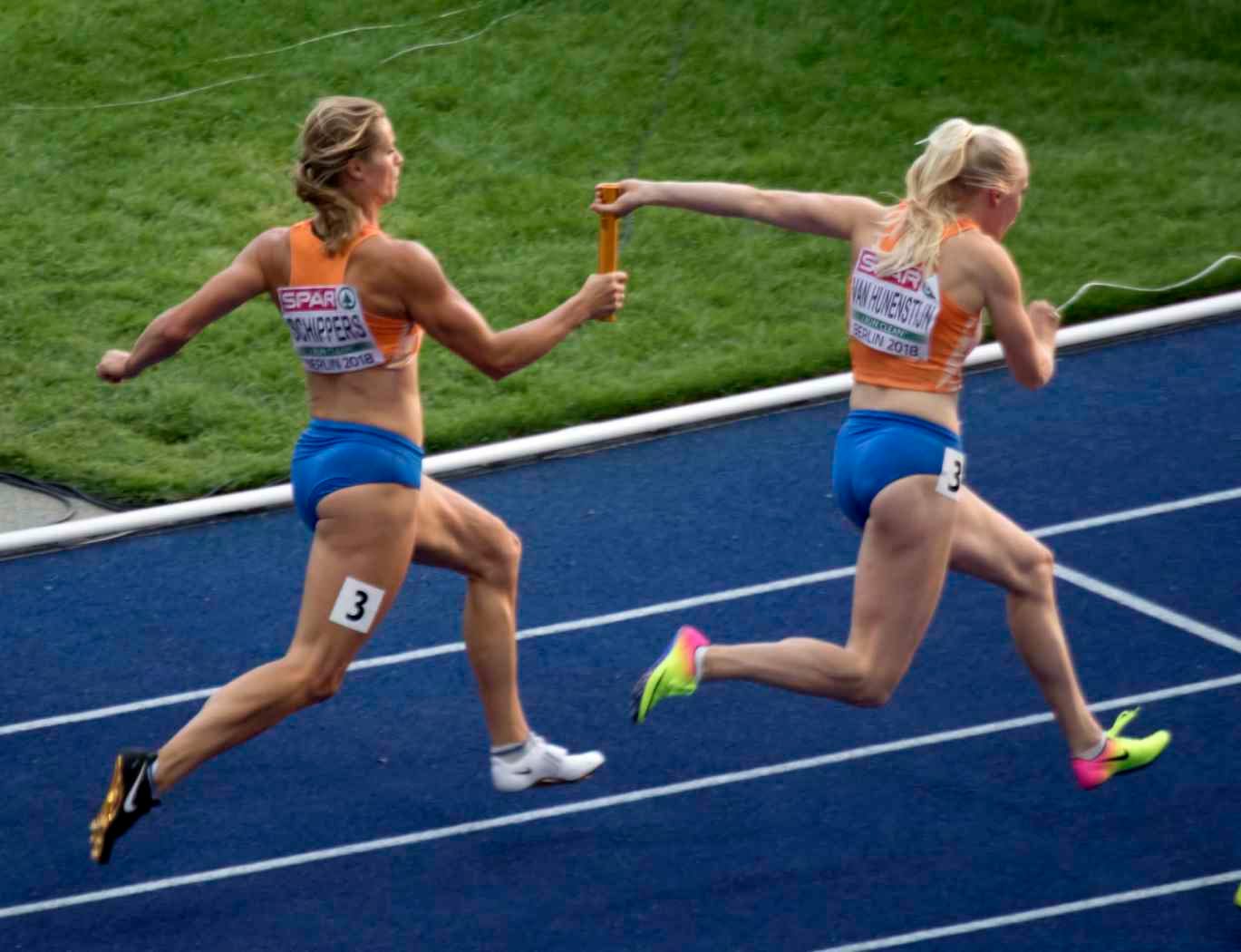
One experiment outgrew the laboratory. The mixed 4×400 was raced for the first time anywhere at the 2017 World Relays — and the host Bahamas won it, Steven Gardiner and Shaunae Miller among the four, to the loudest roar Nassau produced all weekend. Two years later it was a World Championships event in Doha; a year after that, an Olympic one. The mixed 4×100 is now walking the same road: world debut at Guangzhou 2025, won by Canada, and a place already reserved at the Ultimate Championship and the Beijing Worlds.
The laboratory years also produced the fixture's great upsets — Brazil beating a Noah Lyles-led US quartet by 0.02 in Yokohama in 2019, Italy winning the mixed 4×400 and the women's 4×100 in Silesia in 2021, months before its Tokyo sprint triumphs.
Gaborone 2026: Africa Takes the Baton
The eighth edition was the one the record books will keep. Jamaica opened the weekend by breaking the mixed 4×100 world record in the heats — 39.99, the first time under 40 seconds — and closed it by breaking it again in the final: 39.62, with Ackeem Blake, Tina Clayton, Kadrian Goldson and Tia Clayton. The same evening, Elaine Thompson-Herah anchored Jamaica's women's 4×100 to gold in 42.00 — her first competition in Jamaican colours since 2023, after nearly two years out injured.
The last race of the weekend belonged to the hosts. Botswana — world champions in the event since Tokyo 2025, where Collen Kebinatshipi had also become the country's first male world champion over 400 m — won the men's 4×400 in front of their own crowd in 2:54.47, the third-fastest time ever run, behind only the United States' 2:54.29 world record from 1993 and its 2:54.43 from the Paris final. Letsile Tebogo ran in that quartet a year after leading Botswana to the same title in Nassau.
Even the runners-up made history. South Africa's silver carried the single fastest 4×400 leg ever recorded — 42.66 — taking down the 42.94 Michael Johnson had held since the Stuttgart Worlds of 1993. And in the women's 4×400, Norway won its first World Relays title in 3:20.96, a national record and world lead, with Henriette Jæger's 48.91 anchor the fastest split of the championship; Spain — the reigning champions from Guangzhou — took silver in a national record of their own.
From the Relays to the Olympic Podium
Follow the teams that qualified at Nassau 2024 into the Paris Games and the fixture's weight becomes obvious. The men's 4×100 podium in Paris — Canada, South Africa, Great Britain — was three nations that had punched their tickets at the World Relays in May.
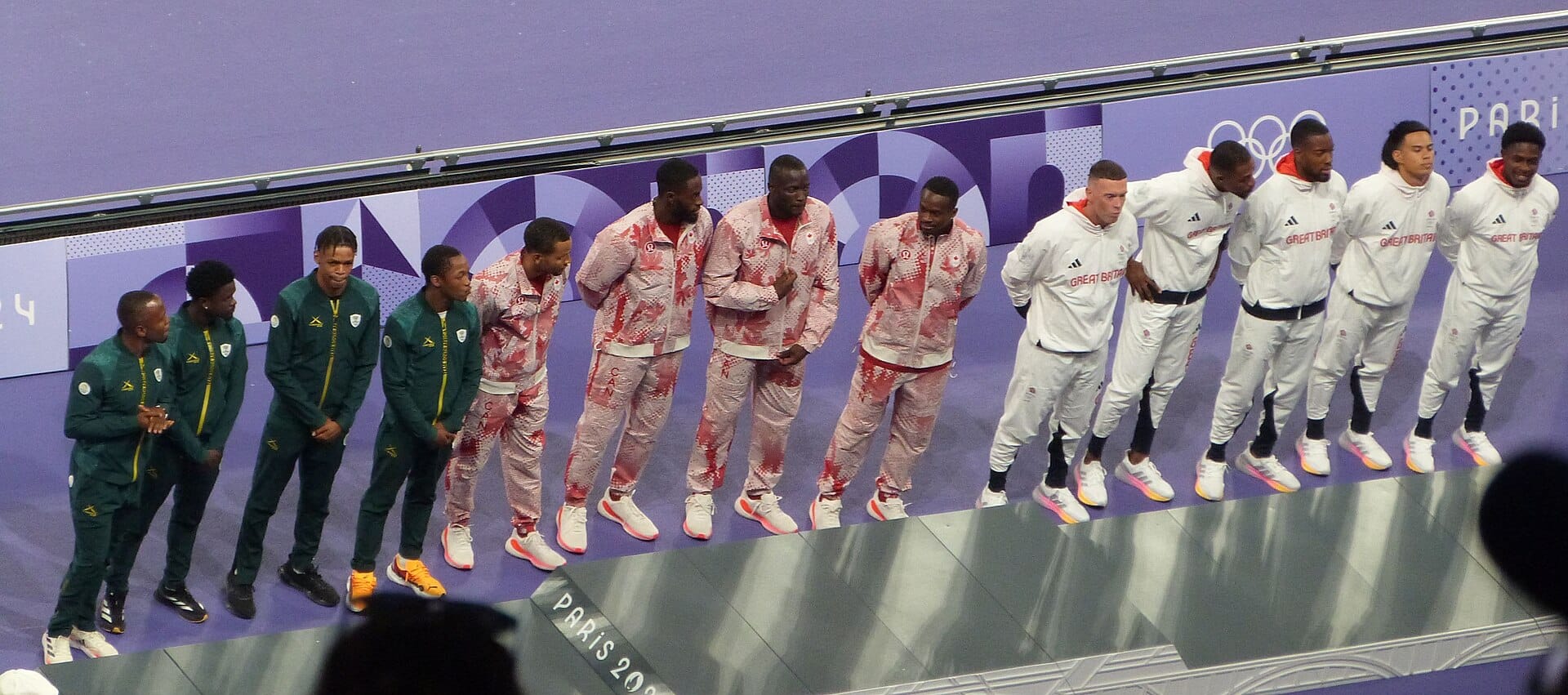
Great Britain turned its Nassau qualifications into a medal in all five relay events — the full story of that haul is in our Great Britain 2024 season post. The Netherlands won the Paris mixed 4×400 final in a European record 3:07.43, covered in the Netherlands 2024 post — two days after the United States had set the world record of 3:07.41 in the heats.
And the United States remains the fixture's reference point. Through 2025 the Americans have taken 38 World Relays medals, 27 of them gold — more than any other nation — and won the Golden Baton, the trophy for the best overall team, at each of the first four editions. The men's 4×400 world record of 2:54.29, set at the 1993 Stuttgart Worlds, has now outlived every challenge for more than three decades — including Botswana's home masterpiece in Gaborone.
Federation Kit, Nothing Else
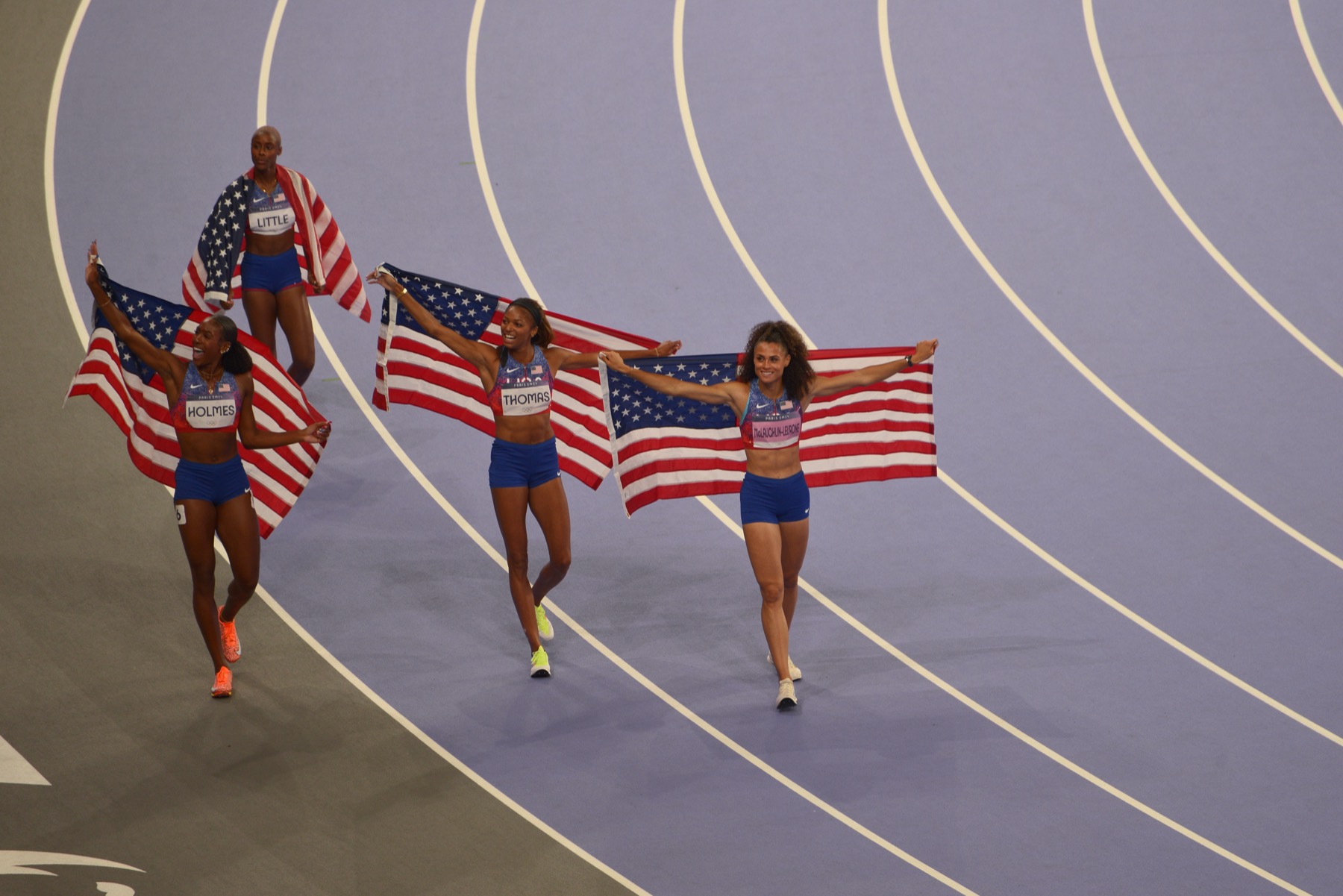
Here is the house rule of this series applied to its purest case: championships mean federation kit, leagues and meetings mean sponsor kit. The World Relays is the federation-kit event taken to its logical end — there are no individual entries at all, so every single baton pass happens in national team colours. The Nike USA kit in the American exchanges, the adidas pieces on other federations, the 4F of a Polish quartet: that is the entire visual language of the weekend.
A relay squad wears exactly what our archive collects: athlete-issued federation kit — the team-channel versions, not the replica racks. When a country books its lane for Beijing in one of these finals, the uniform it will race in belongs to the universe below.
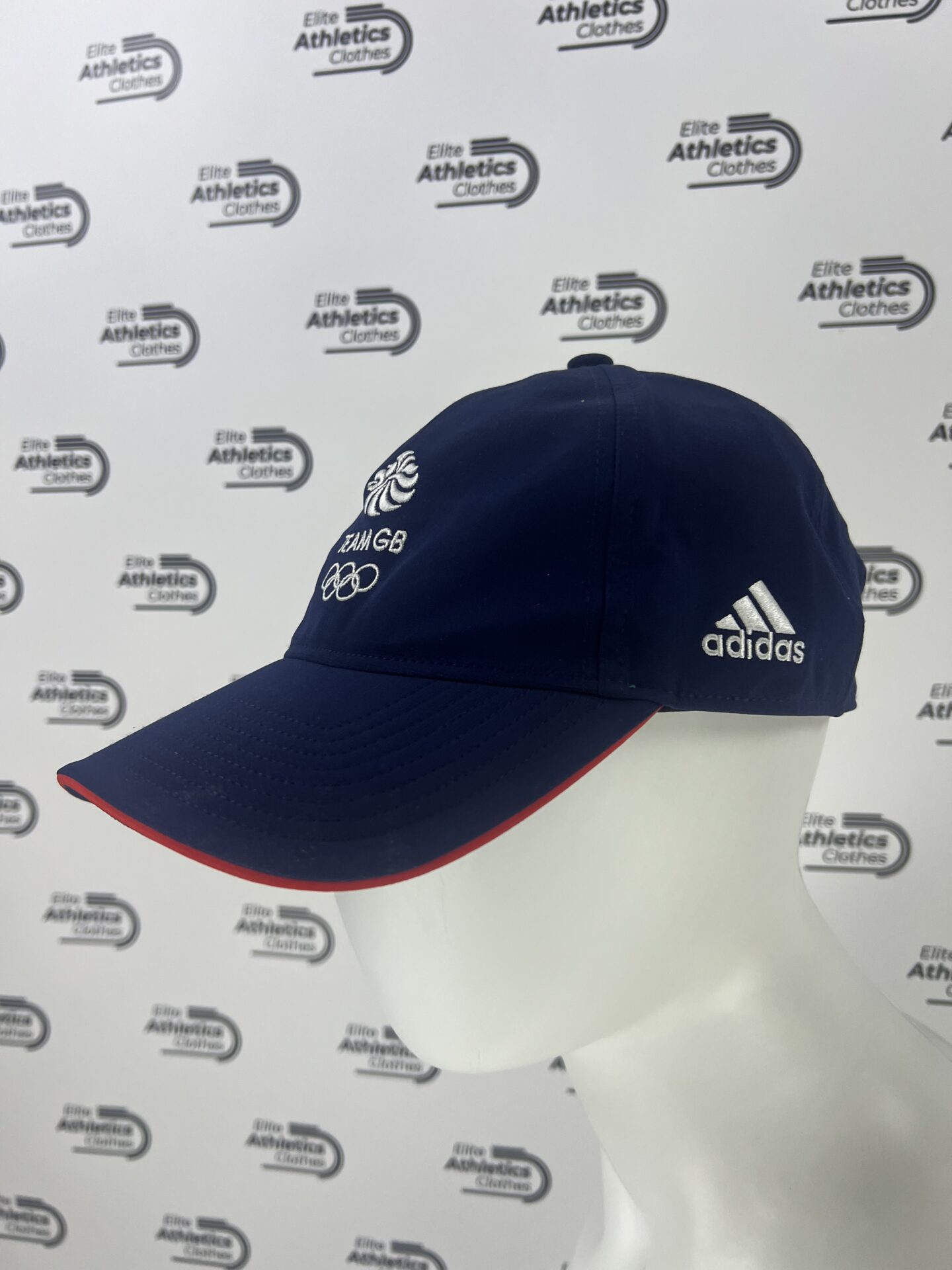 Federation kit · in the archiveAdidas Great Britain Pro Elite 2024 Running CapTeam-issue adidas Great Britain piece from the 2024 cycle — the season Britain turned its Nassau qualifications into a medal in all five Olympic relay events.90,00 €View piece →
That is why this page points at the nations archive. Start with the United States — the fixture's dominant force — or with Jamaica, its record-breaker in Gaborone, and the rails below hold one athlete-issued piece per federation.
Relay Colours
Every World Relays baton travels inside a national team uniform. These are athlete-issued federation pieces from the archive — one per nation, from the same universe that carries the batons in Nassau, Guangzhou or Gaborone.
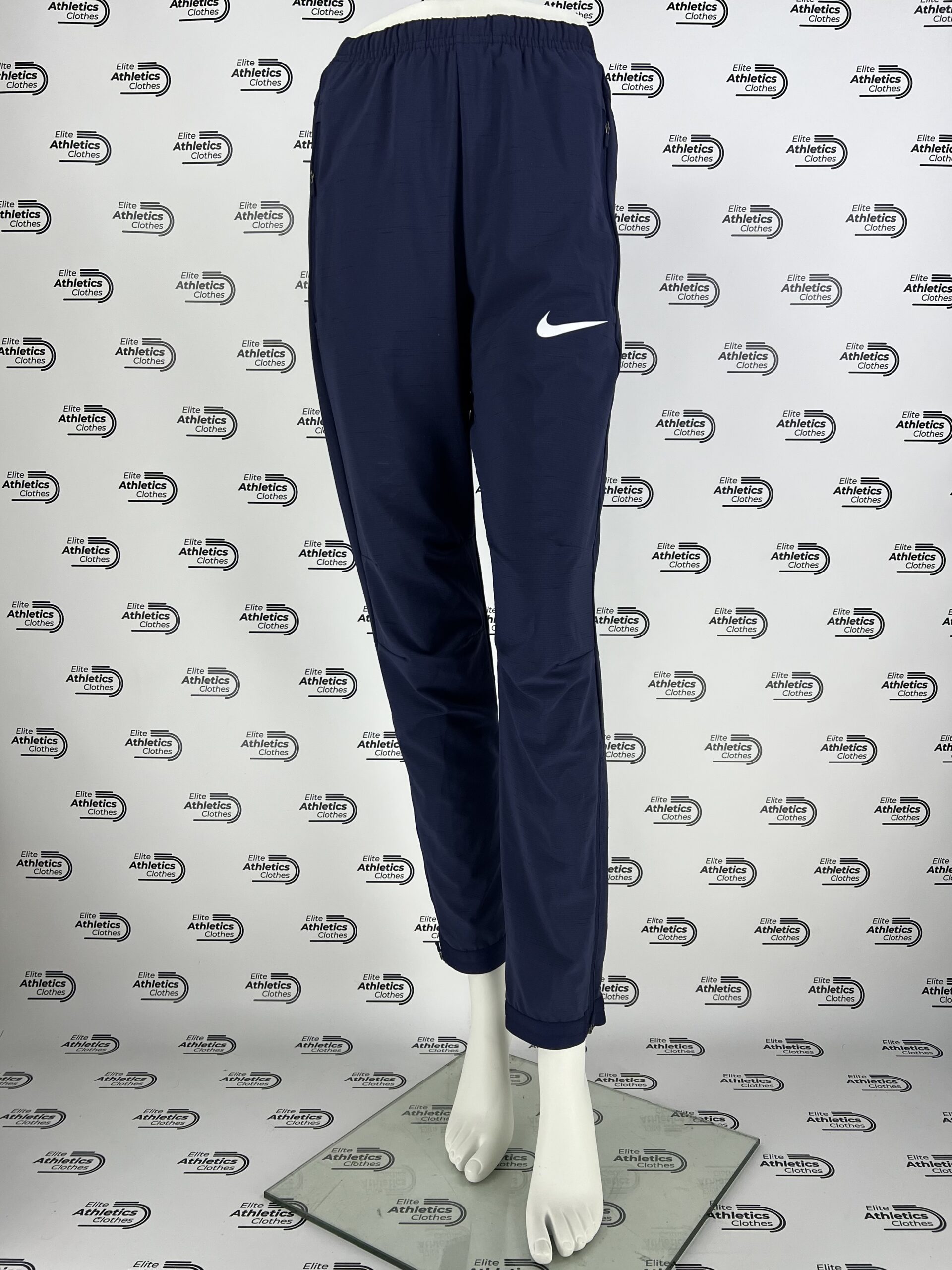 Nike USA International Team Pro Elite 2025 Women Lightweight Pants140,00 €View Piece →Great Britain
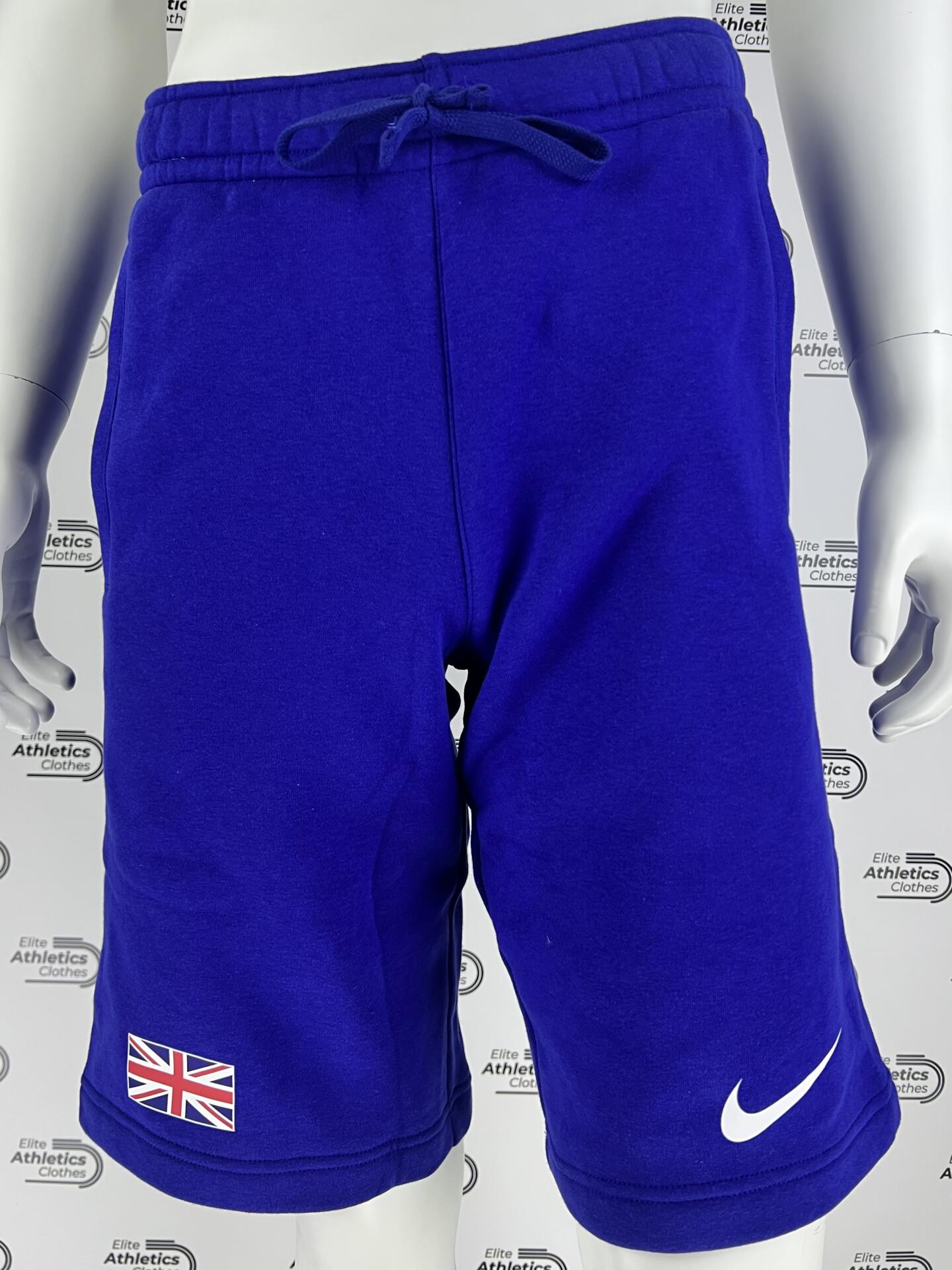 Nike Great Britain Pro Elite 2019 Cotton Short Pants50,00 €View Piece →Ethiopia
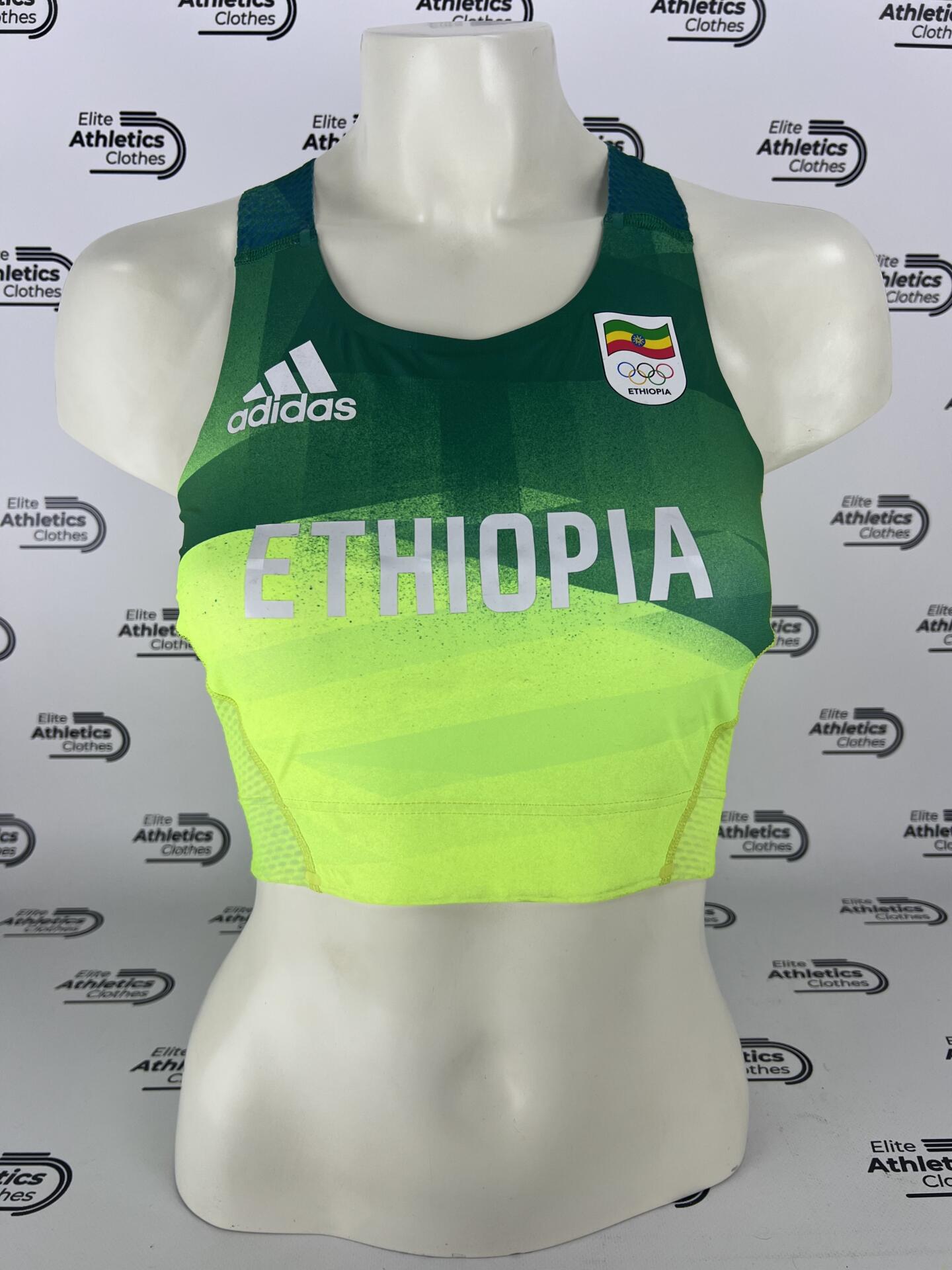 Adidas Ethiopia Olympic Team Pro Elite 2020 Women Crop Top90,00 €View Piece →Germany
 Nike Germany International Team Pro Elite 2019 Polo Shirt70,00 €View Piece →France
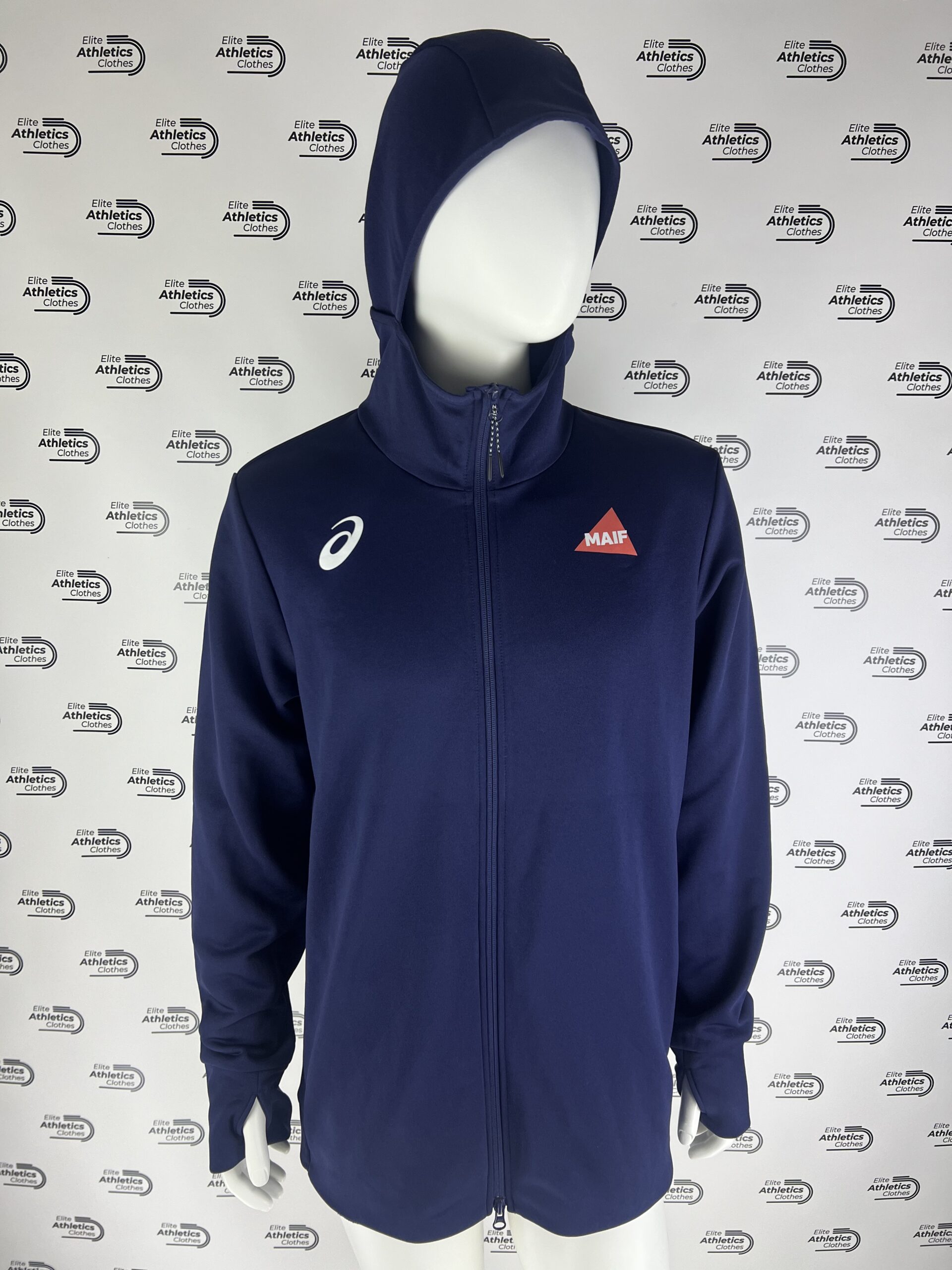 Asics France International Team Pro Elite 2021 Hoodie Jacket120,00 €View Piece →Netherlands
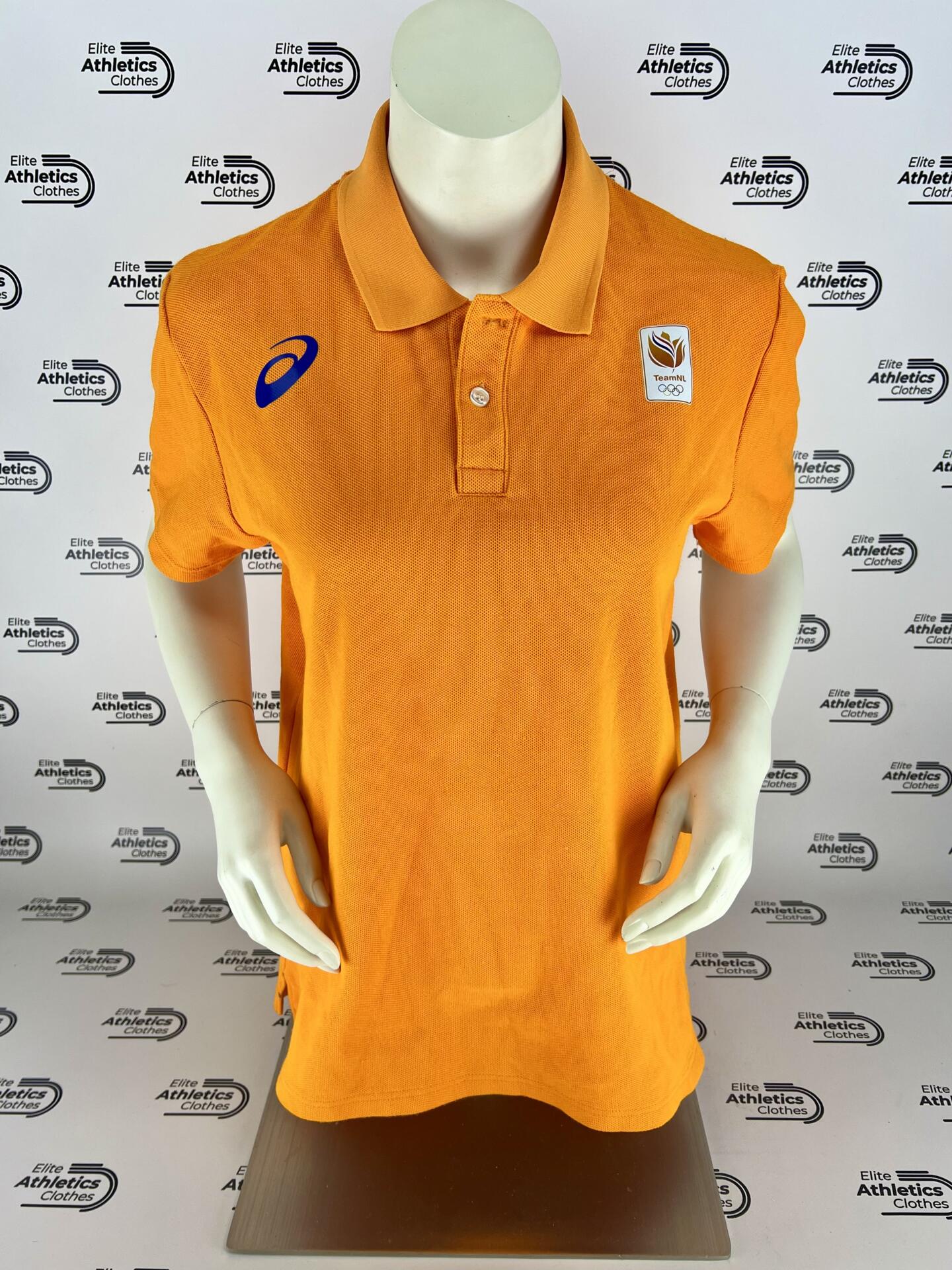 Asics Netherlands International Team Pro Elite 2018 Women Polo Shirt60,00 €View Piece →Spain
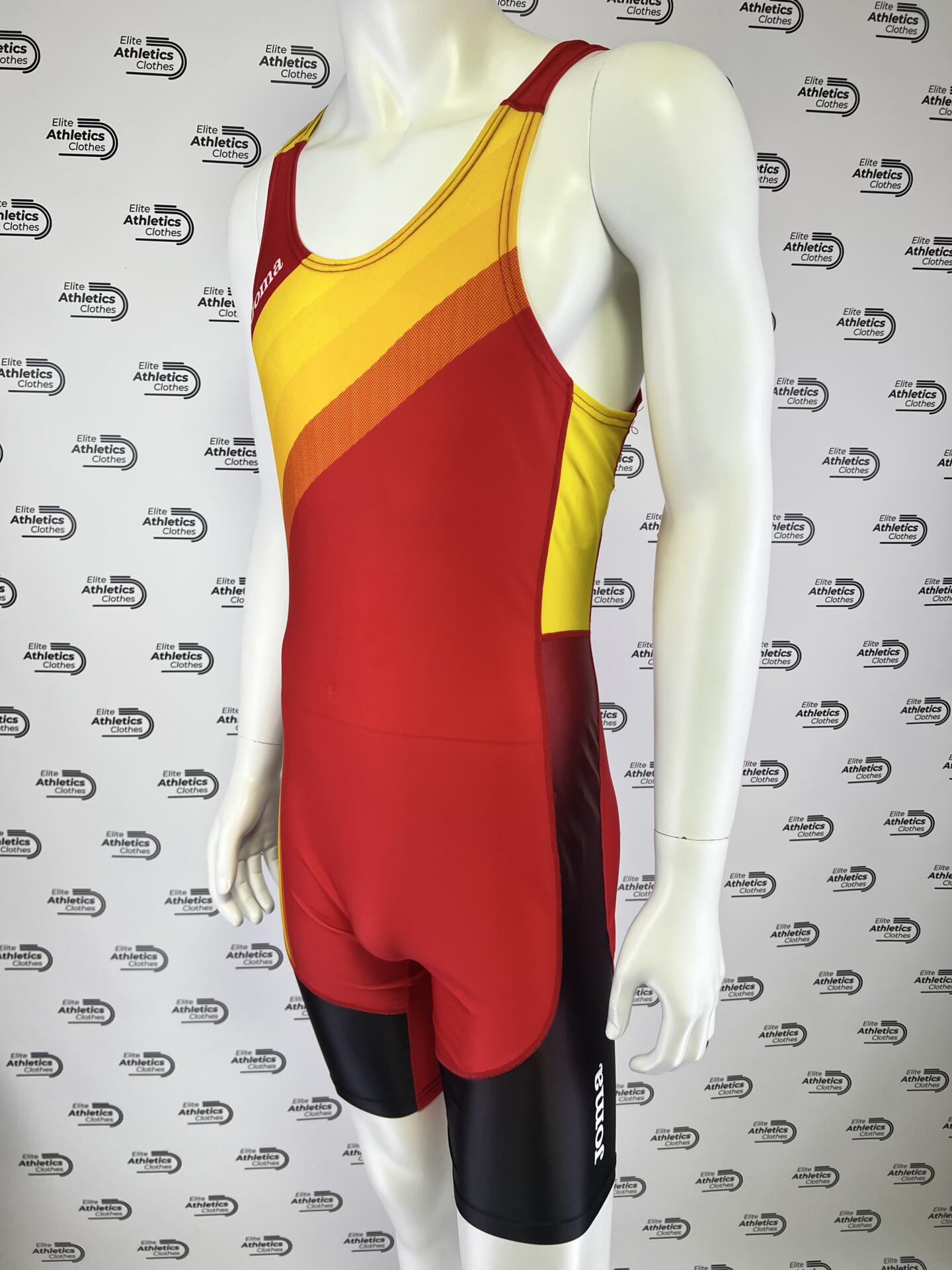 Joma Spain Pro Elite Team 2018 Speedsuit100,00 €View Piece →Poland
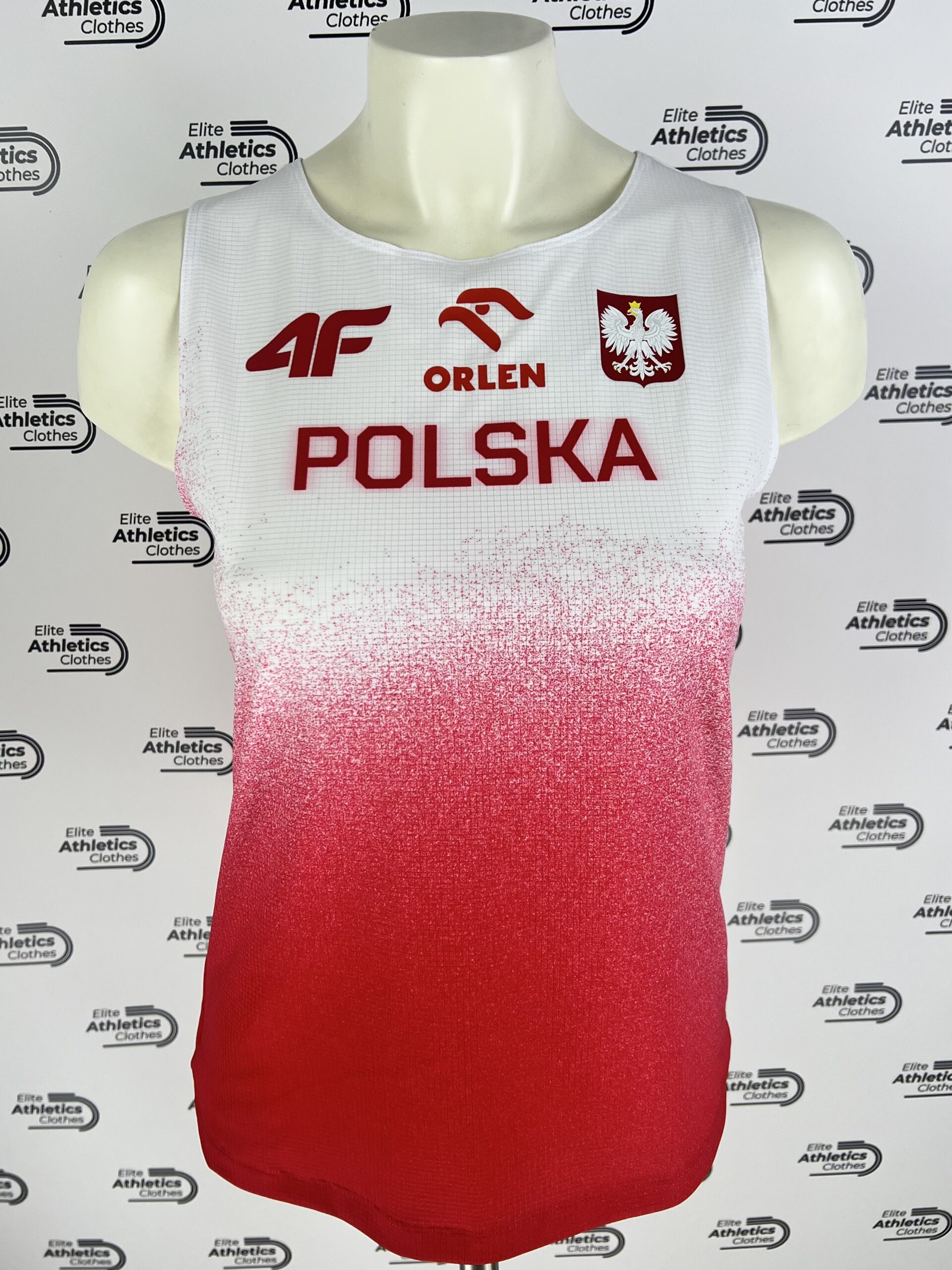 4F Poland International Team Pro Elite 2026 Women Distance Singlet160,00 €View Piece →
What is the World Athletics Relays?
It is the relay-only global championship of track and field, first held in Nassau in May 2014 and staged eight times since — most recently in Gaborone, Botswana, on 2–3 May 2026, the first global track championship held in Africa. The current programme is six events: men's and women's 4×100 and 4×400, plus the mixed 4×400 and mixed 4×100. The next edition is in Nassau on 22–23 April 2028.
What does the World Athletics Relays decide?
Most of the relay fields at the next Olympics or World Championships. At Nassau 2024, the top 14 teams per event took Olympic lanes for Paris out of fields of 16; at Gaborone 2026, 12 of the 16 Beijing 2027 lanes per event — 72 places across six events — were decided in one weekend, with the rest going to the world top lists. The top six in each mixed relay in Gaborone also qualified for the 2026 Ultimate Championship in Budapest.
Which country has won the most at the World Relays?
The United States, by a distance: 38 medals through 2025, 27 of them gold, plus the Golden Baton team trophy at each of the first four editions. Jamaica has been the most frequent runner-up and holds the newest world record — 39.62 in the mixed 4×100, set in Gaborone in 2026.
What records were set at the 2026 World Relays in Gaborone?
Jamaica broke the mixed 4×100 world record twice in one weekend — 39.99 in the heats, 39.62 in the final. Botswana won the men's 4×400 at home in 2:54.47, the third-fastest time in history, and South Africa's silver included a 42.66 closing leg, the fastest 4×400 split ever run, beating Michael Johnson's 42.94 from 1993. Norway won the women's 4×400 in a world-leading national record of 3:20.96.
Sources and References
- World Athletics — qualification system for Nassau 24 — the 14-of-16 Olympic allocation and the two-day mechanics
- World Athletics — first 48 relay teams qualify for Beijing 27 — the 12-per-event allocation and the 72 automatic places
- World Athletics — Budapest and Beijing qualifiers confirmed in Gaborone — the top-6 mixed-relay route to the Ultimate Championship
- World Athletics — Jamaica improve the mixed 4×100 world record to 39.62 — the 39.99 and 39.62 world records and the Jamaican quartet
- World Athletics — Botswana bring the World Relays to an epic close — the 2:54.47, the third-fastest-ever claim and the 42.66 split
- World Athletics — Thompson-Herah anchors Jamaica in Gaborone — the 42.00 win and the first race for Jamaica since 2023
- World Athletics — Norway run world lead to win the women's 4×400 — the 3:20.96 national record and the 48.91 anchor
- Wikipedia — United States at the World Athletics Relays — the all-time 38-medal, 27-gold count
- The Tribune (Bahamas) — Bahamas to host the 2028 World Relays — the 22–23 April 2028 dates in Nassau