
Weltklasse
Zurich
One stadium, one evening, nearly a century of finish lines: the Diamond League night where 27 world records have fallen — the latest two inside forty minutes, in August 2026.
Weltklasse Zurich is the biggest one-night meeting in track and field: an invitational held at the Letzigrund stadium since 1928, a founding Diamond League meeting, and the place where 27 world records have been set. The latest two came on 27 August 2026, when Alison dos Santos ran the 400 m hurdles in 45.80 and, less than forty minutes later, Masai Russell ran the 100 m hurdles in 12.09.
In the 1980s the meeting was dubbed the Olympic Games in one day, because that is what its start lists looked like. This page tells how a club track from 1924 became that night: the record evenings, the 1988 Lewis–Johnson duel before Seoul, the 2026 double — and why a meeting night is raced in sponsor kit, not national kit.
Part of our Competition Files — one competition at a time, explained. A meeting night is a brand-kit night: start with the story of On, the hometown brand, or jump to the brand lines in the archive.
- What it is
- The sport's biggest one-night invitational, held at the Letzigrund in Zurich since 1928
- The nickname
- Dubbed 'the Olympic Games in one day' in the 1980s, for what its start lists looked like
- First edition
- 12 August 1928 — Paavo Nurmi won the 5000 m in 15:18.3 before some 3,000 spectators
- The stadium
- Letzigrund, rebuilt in 2007 — 25,773 seats in athletics configuration
- World records
- 27 set at the meeting — including three in 70 minutes on 13 August 1997
- The 2026 night
- Dos Santos 45.80 (400 m hurdles) and Russell 12.09 (100 m hurdles), under 40 minutes apart — the first records here in 17 years
- The circuit
- Golden League pillar 1998–2009; founding Diamond League meeting in 2010; hosted the 2025 final
- The kit rule
- A meeting runs on sponsor kit — federation kit belongs to the championships
One Evening, the Whole Sport
The first Weltklasse was run on 12 August 1928, and the bill was simple: get Paavo Nurmi. Around 3,000 people came to the Letzigrund — a dirt track that the LC Zürich club had laid four years earlier — and watched the Finn win the 5000 m in 15:18.3. For years the public simply called it the Nurmi meeting: one star, one night, and a habit was born.
The habit grew into the sport's biggest one-night show. By the 1980s the meeting had earned the name it still carries — the Olympic Games in one day — because that is roughly what the start lists were: nearly every reigning champion, in one stadium, settled inside three hours. The Letzigrund was rebuilt in 2007 as a 25,773-seat athletics bowl, and it still fills: the 2026 edition sold out faster than any in the meeting's history.
On the calendar, Weltklasse has sat at the top of whatever circuit existed. It was a pillar of the Golden League from 1998 to 2009, became a founding meeting of the Diamond League in 2010, and shared hosting of the series final with Brussels through that decade. In 2025 the whole final came to Zurich across two days — the opening events staged on the Sechseläutenplatz, the city's opera square, before 26 finals at the Letzigrund. In 2026 it was the last regular stop of the tour, one week before the Brussels final.
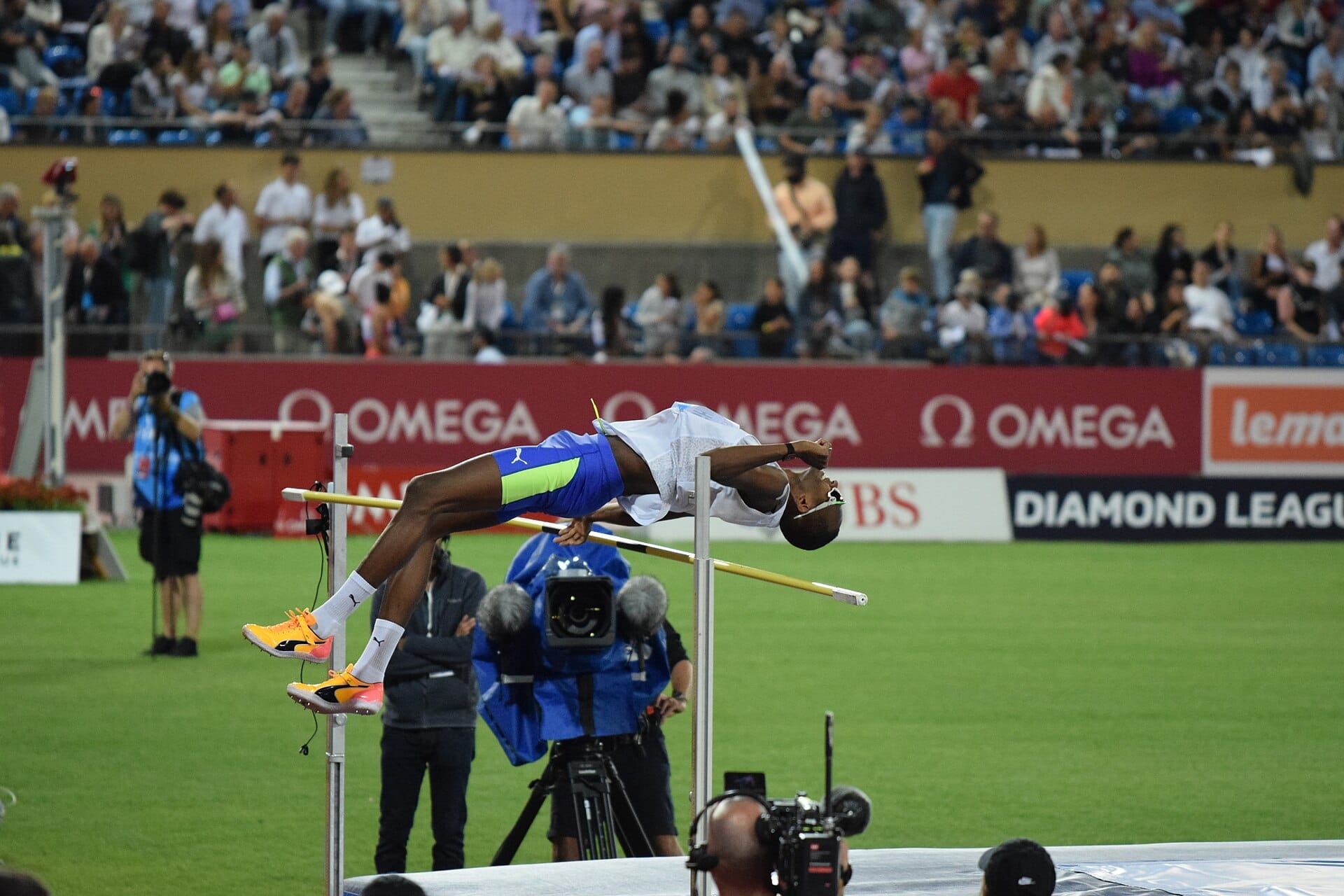
The Book of Record Evenings
The meeting's record book opens properly with Sebastian Coe. On 15 August 1979 he took Filbert Bayi's five-year-old 1500 m record by thirteen hundredths with 3:32.03. Two summers later, on 19 August 1981, he ran the mile in 3:48.53 — a race big enough that BBC television broke away from its evening news to show it live. The record lasted seven days before Steve Ovett took it in Koblenz; Coe answered in Brussels nine days after Zurich. That was the sport in 1981, and Zurich was its main stage.
The distance era belonged to Haile Gebrselassie. In 1995 he took roughly eleven seconds off Moses Kiptanui's 5000 m record with 12:44.39, a run voted Performance of the Year by Track & Field News. Two years later came the evening nothing has matched: on 13 August 1997, inside seventy minutes, Gebrselassie lowered his own 5000 m record to 12:41.86, Kenya's Wilson Boit Kipketer broke the steeplechase record with 7:59.08, and Denmark's Wilson Kipketer ran 800 m in 1:41.24 — three world records before the crowd had finished its first drink. Kipketer was not even done: eleven days later in Cologne he lowered his mark again.
Then the book closed for a long time. Yelena Isinbayeva's 5.06 m pole vault of 28 August 2009 — one centimetre over her own record, cleared at the first attempt — turned out to be the last world record the Letzigrund would see for seventeen years. It is also the only mark in this ledger still unbroken: no woman has vaulted higher outdoors since.
Hover or tab on an evening for the detail. Sources: World Athletics reports and heritage pages; contemporary coverage of 13 August 1997 and 27 August 2026. Verified September 2026.
The record evenings, line by line
| Evening | Event | Athlete | Mark | Note |
|---|---|---|---|---|
| 15 Aug 1979 | 1500 m | Sebastian Coe | 3:32.03 | Broke Filbert Bayi's 3:32.16 from 1974 |
| 19 Aug 1981 | Mile | Sebastian Coe | 3:48.53 | Steve Ovett re-broke it seven days later |
| 15 Aug 1995 | 5000 m | Haile Gebrselassie | 12:44.39 | Took about eleven seconds off Moses Kiptanui's record |
| 13 Aug 1997 | 5000 m | Haile Gebrselassie | 12:41.86 | First of three world records in seventy minutes |
| 13 Aug 1997 | 3000 m steeplechase | Wilson Boit Kipketer | 7:59.08 | Second of the three |
| 13 Aug 1997 | 800 m | Wilson Kipketer | 1:41.24 | Third of the three; he lowered it again eleven days later in Cologne |
| 28 Aug 2009 | Pole vault | Yelena Isinbayeva | 5.06 m | Still the world record in 2026 |
| 27 Aug 2026 | 400 m hurdles | Alison dos Santos | 45.80 | Broke Karsten Warholm's 45.94 from Tokyo 2021 |
| 27 Aug 2026 | 100 m hurdles | Masai Russell | 12.09 | Broke Tobi Amusan's 12.12 from Eugene 2022; wind 0.0 |
The Duel Before Seoul
The meeting's most famous night produced no record at all. On 17 August 1988, Zurich staged the first 100 m between Carl Lewis and Ben Johnson since Johnson had beaten him at the Rome World Championships the year before. The Letzigrund got the rematch the whole sport wanted: Lewis won in 9.93, Calvin Smith split the two at 9.97, and Johnson — the world record holder — finished third in 10.00.
Five weeks later they met again in the Olympic final in Seoul. Johnson crossed the line first in 9.79, tested positive for stanozolol, was disqualified, and the gold went to Lewis at 9.92. The dates are the story: before the most examined race in Olympic history, it was a Wednesday in Zurich that put the two men on the same track — because only an invitational can simply pay to build the race everyone wants to see.
That is the quiet difference between a meeting and a championship. A championship's field is whoever qualifies; a meeting's field is whoever the organisers assemble. Zurich's whole reputation — the nickname included — rests on assembling it better than anyone else for nearly a century.
Two Records in Forty Minutes
On 27 August 2026, the drought ended twice in one evening. Alison dos Santos ran the 400 m hurdles in 45.80, taking down the 45.94 Karsten Warholm had run in the Tokyo Olympic final of 2021 — a record that had stood for more than five years and that many considered out of reach. The Brazilian's previous best, 46.29, dated from his world title in Eugene in 2022.
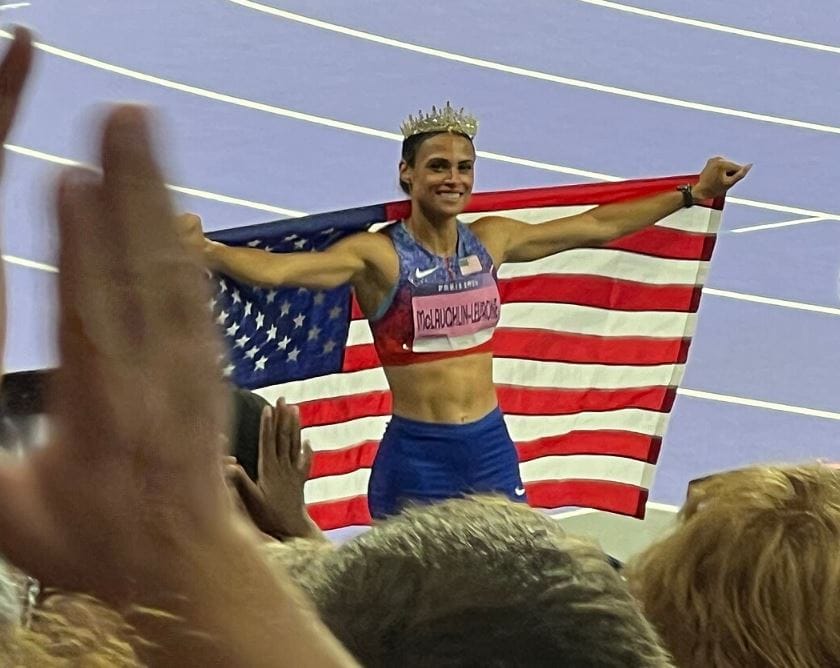
Less than forty minutes later, Masai Russell cleared the last barrier of the 100 m hurdles and stopped the clock at 12.09, with the wind gauge reading exactly zero. Tobi Amusan's 12.12 from Eugene 2022 was gone too. Dos Santos's run was the 26th world record in the meeting's history and the first since Isinbayeva in 2009; Russell's, minutes later, was the 27th. Both marks now go through the routine ratification process.
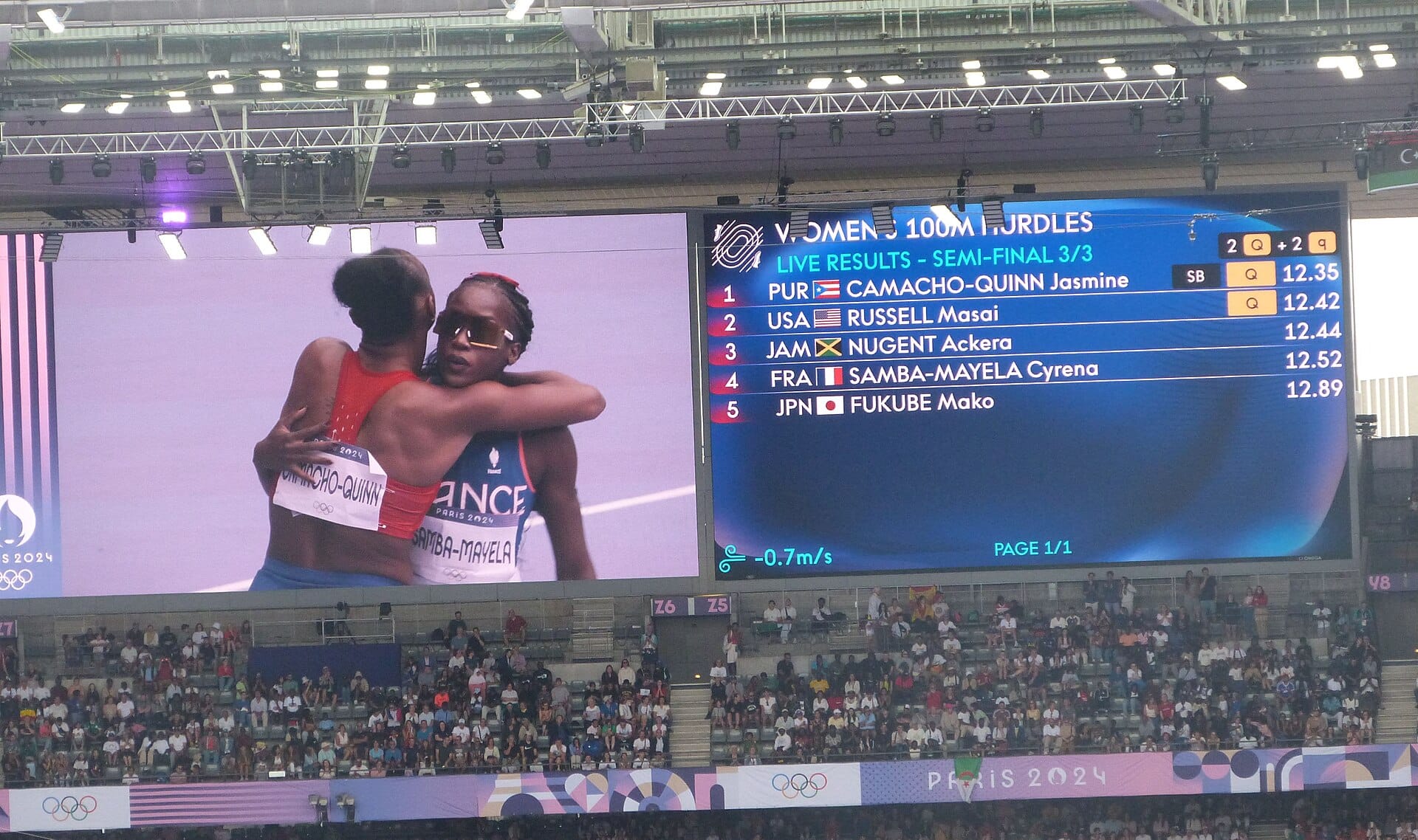
The rest of the card would have carried the night on its own. Audrey Werro won the 800 m in 1:53.70 — a Swiss record and a Diamond League record, and the third-fastest run in the history of the event, behind only Nadezhda Olizarenko's 1:53.43 from 1980 and Jarmila Kratochvílová's 1:53.28 from 1983 — with Femke Broeders-Bol second in a Dutch record 1:54.71. Julien Alfred beat Melissa Jefferson-Wooden by a photo finish, both at 10.70, a St Lucian record. Armand Duplantis won the vault at 6.25 on his first attempt, with Emmanouil Karalis's 6.20 a Greek record in second. The evening before, the vaulters had opened the meeting inside Zurich's main railway station, competing for the first Zurich Trophy.
Two weeks on, the night read like a dress rehearsal for the season's finale: at the first World Athletics Ultimate Championship in Budapest, dos Santos beat Rai Benjamin and Warholm — the three fastest men the event has known, in one final — for the title in 45.98, and Werro outran Keely Hodgkinson for the 800 m crown.
Meeting Night Is Sponsor-Kit Night
The house rule for reading any competition: championships mean federation kit, leagues and meetings mean sponsor kit. At a Worlds or an Olympics, everyone wears national colours; on a Diamond League night in Zurich, contracted athletes race in their brand's gear. Weltklasse belongs to the brands.
Zurich holds a special card in that universe: it is a brand's hometown. On was founded in this city in January 2010 — the same year the Diamond League began — and still designs everything at its Zurich lab. The rest of the circuit's wardrobe is the familiar one: the Nike Pro Elite line, adidas and the team kits of the professional running groups, all of it sponsor issue rather than national issue.
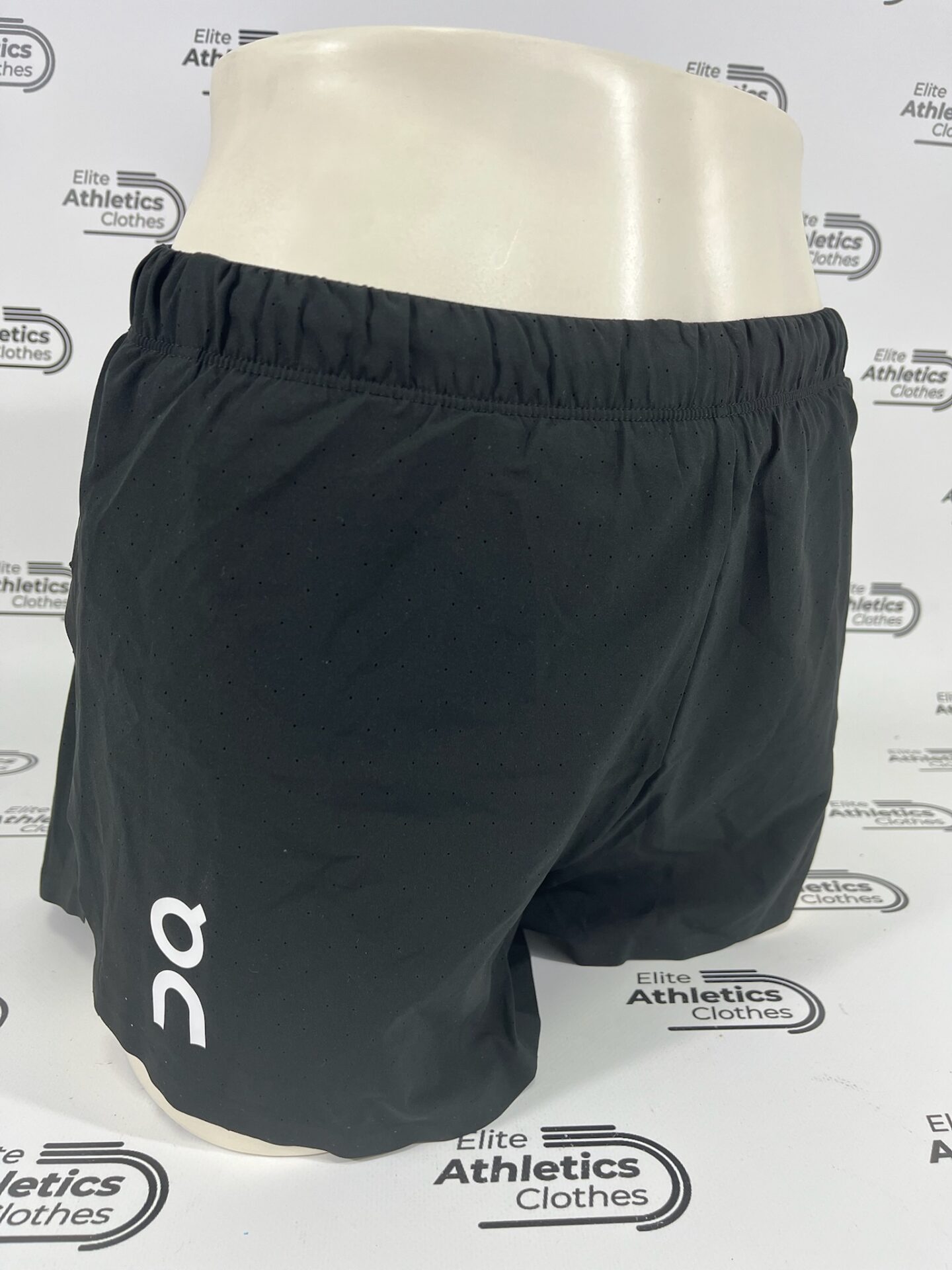 The hometown brand · in the archiveON Running Pro Elite 2025 Women Black Racing ShortsRacing shorts from On's Pro Elite line — the brand founded in this meeting's city in 2010, the same year the Diamond League itself began.120,00 €View piece →
That is why this page points at the brand lines rather than at any federation rail. The athlete-issued versions of what a meeting night wears — Pro Elite pieces that never reached retail — are exactly what the rail below holds, one piece per line.
What a Meeting Night Wears
Diamond League nights are raced in brand gear, and Zurich even has a brand of its own. One athlete-issued piece per line, from the same universe that takes the track at the Letzigrund.
ON Running Pro Elite 2025 Women Black Racing Shorts120,00 €View Piece →Nike Pro Elite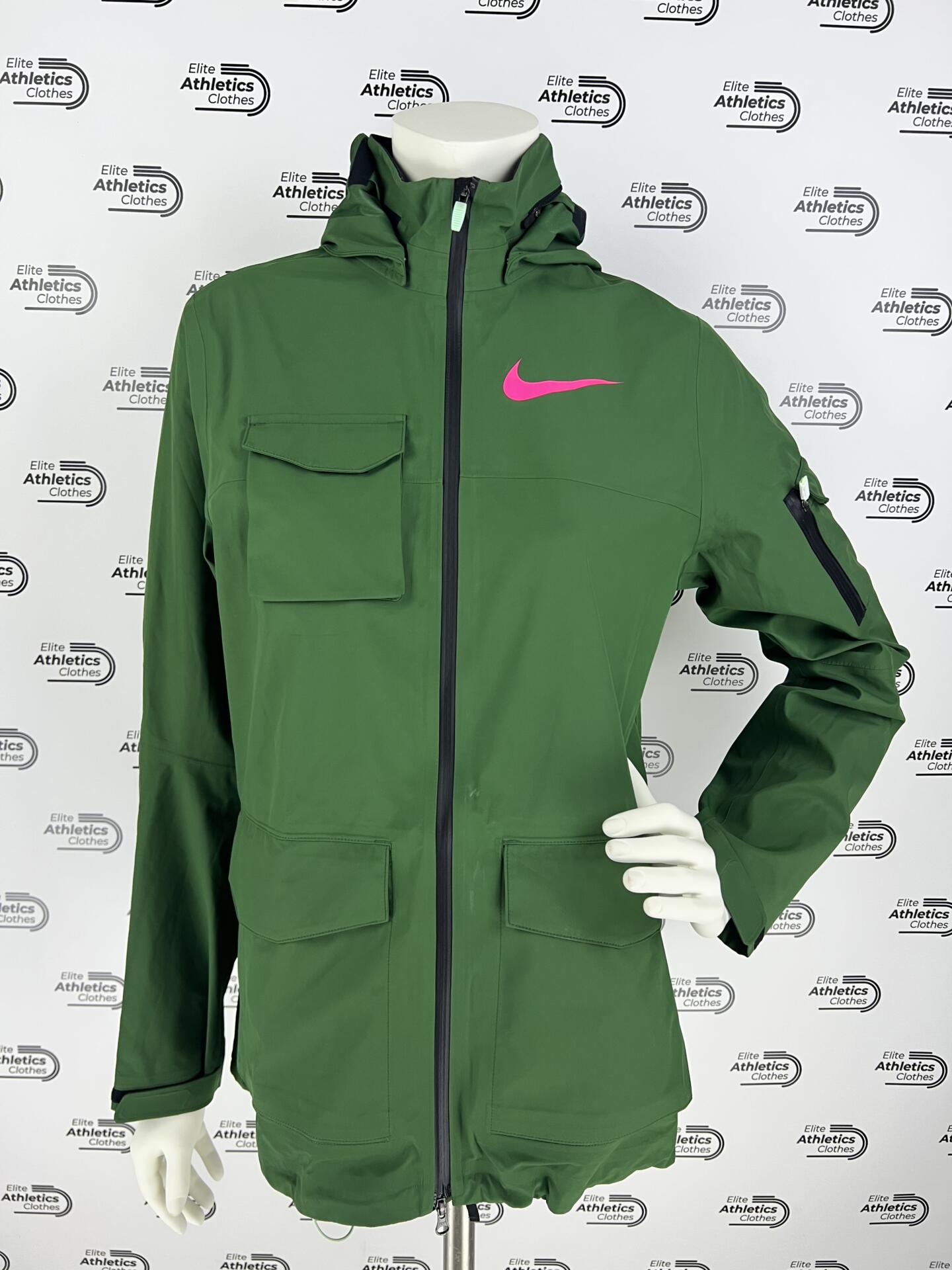 Nike Pro Elite 2023 Women Storm Fit Jacket150,00 €View Piece →adidas
 Adidas Pro Elite 2022 Women Booty Short Tights100,00 €View Piece →NN Running
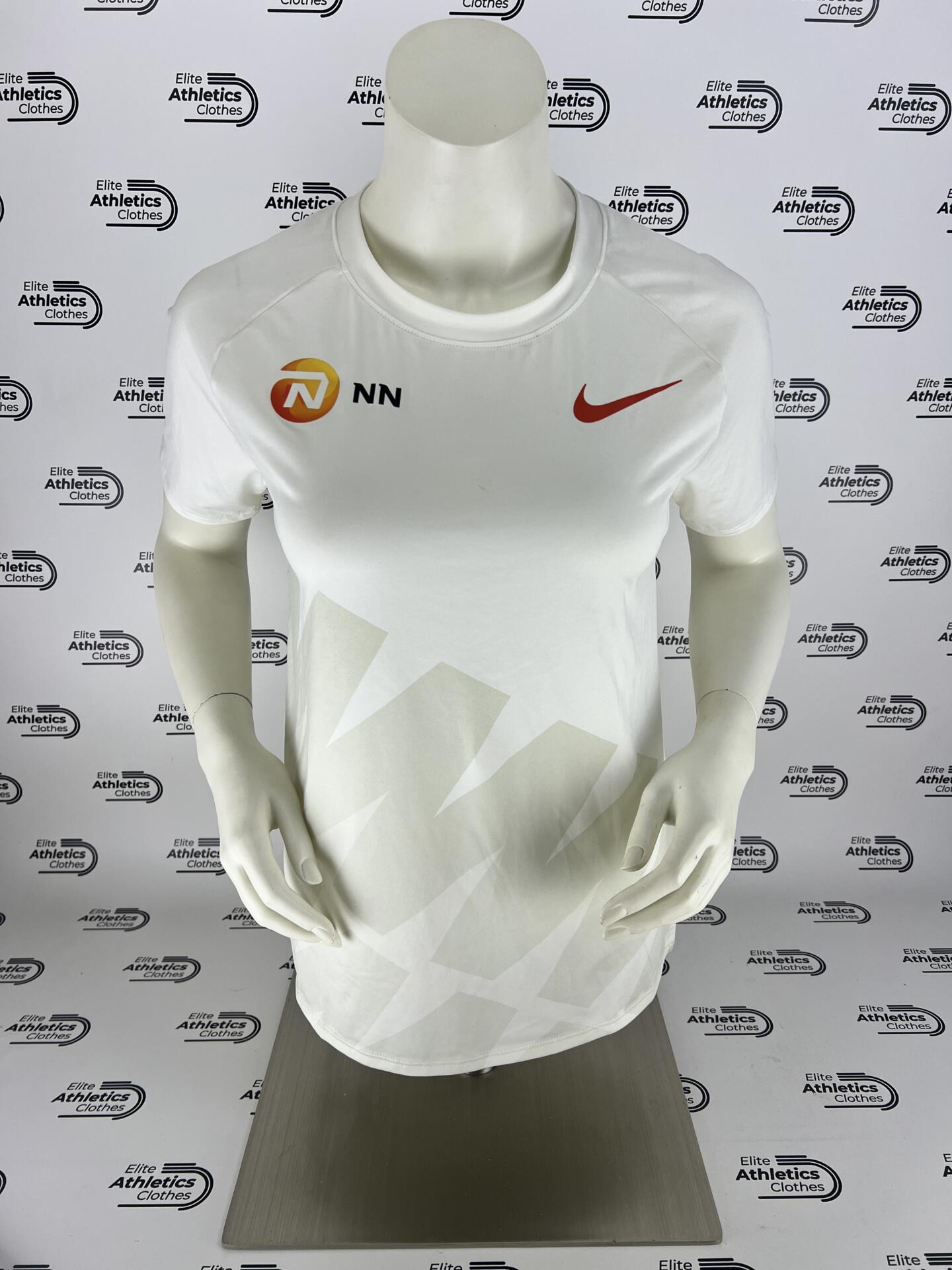 INEOS X Nike NN Running Team Pro Elite 2020/2021 Women T-Shirt150,00 €View Piece →Rosa & Co
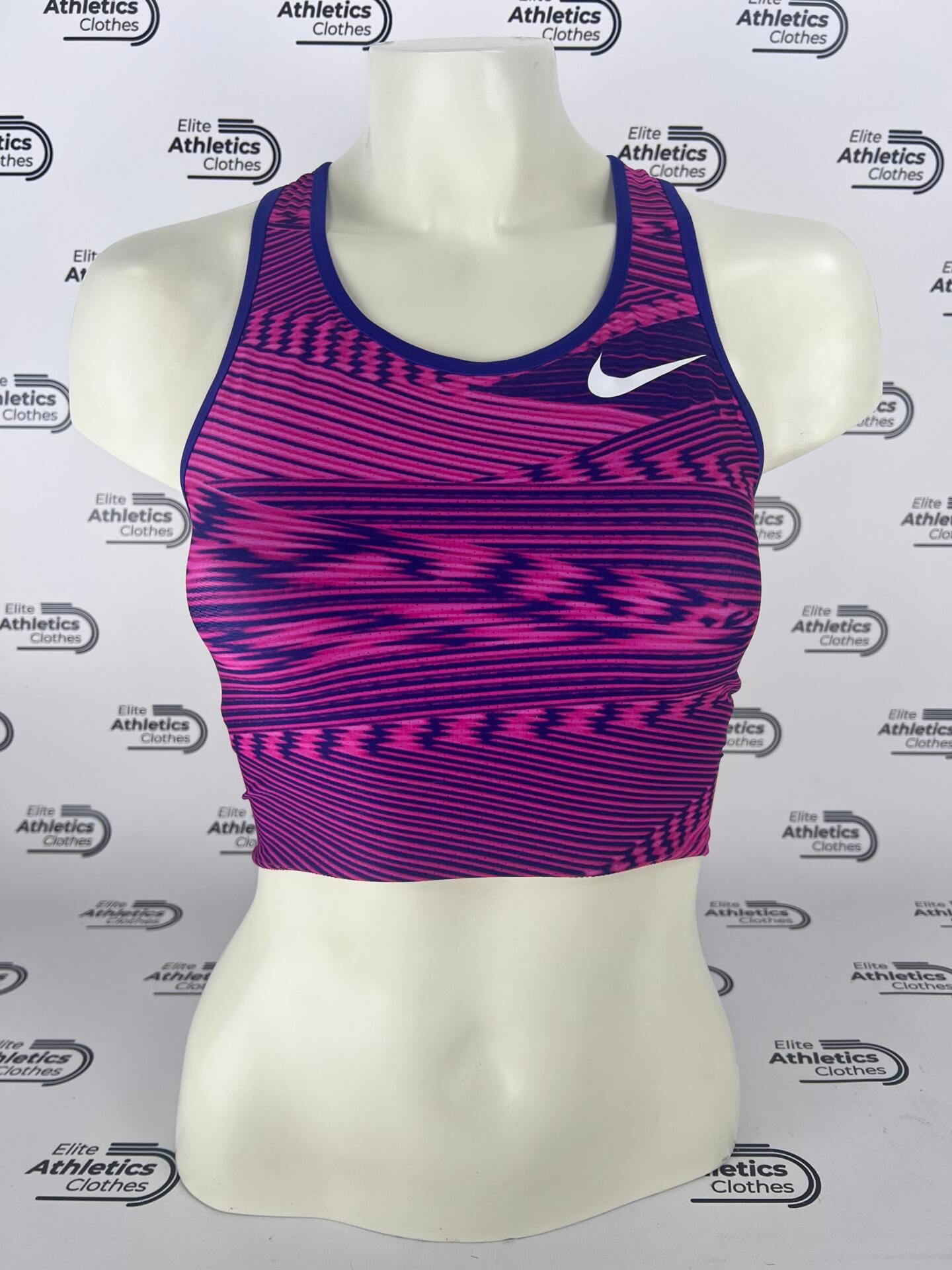 Nike Rosa & Co. Pro Elite 2019 Women Crop Top250,00 €View Piece →Asics
 Asics Actibreeze Distance Singlet100,00 €View Piece →Gold Medallist
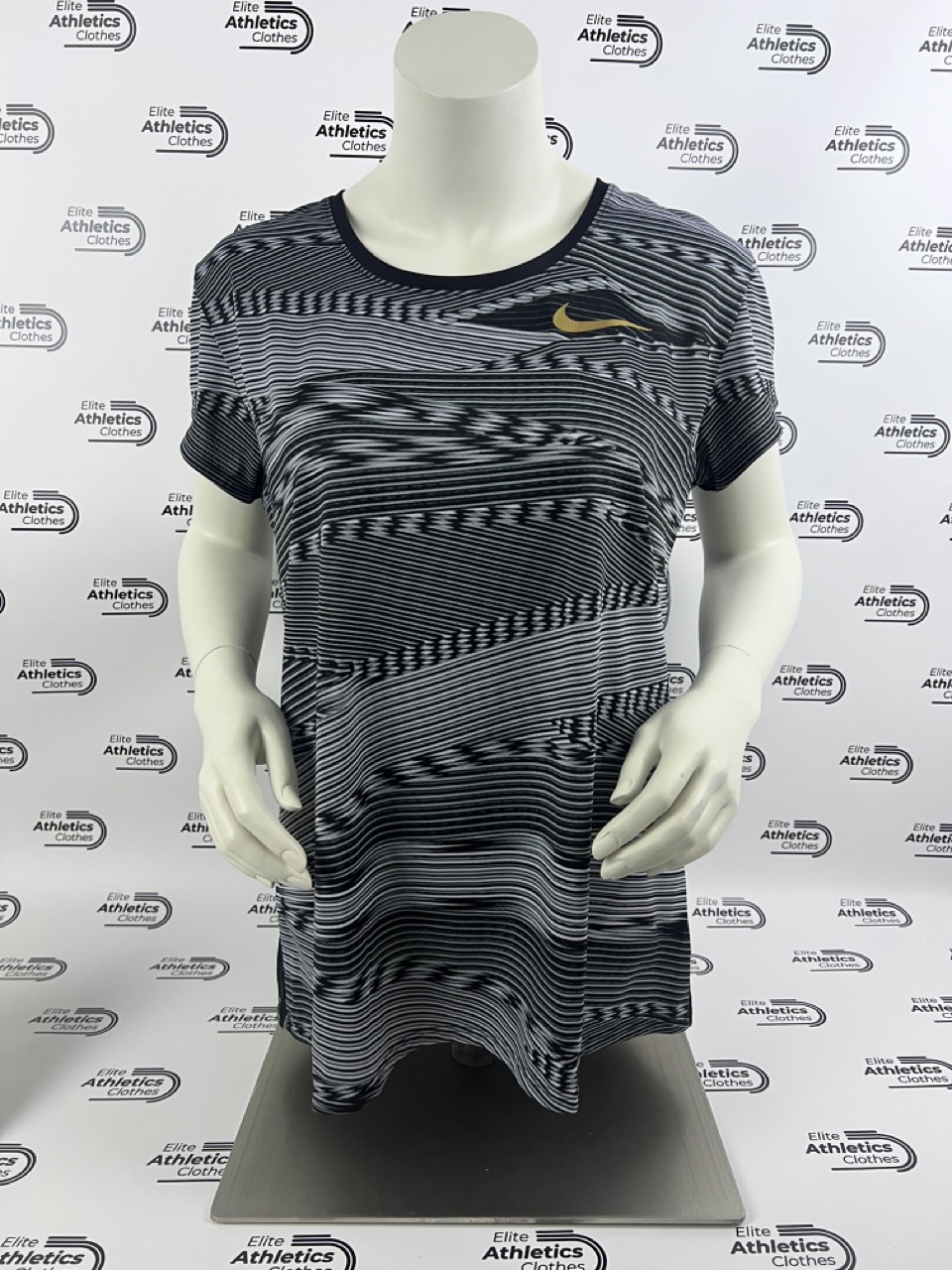 Nike Gold Medallist Pro Elite 2019 Women T-Shirt140,00 €View Piece →Clubs
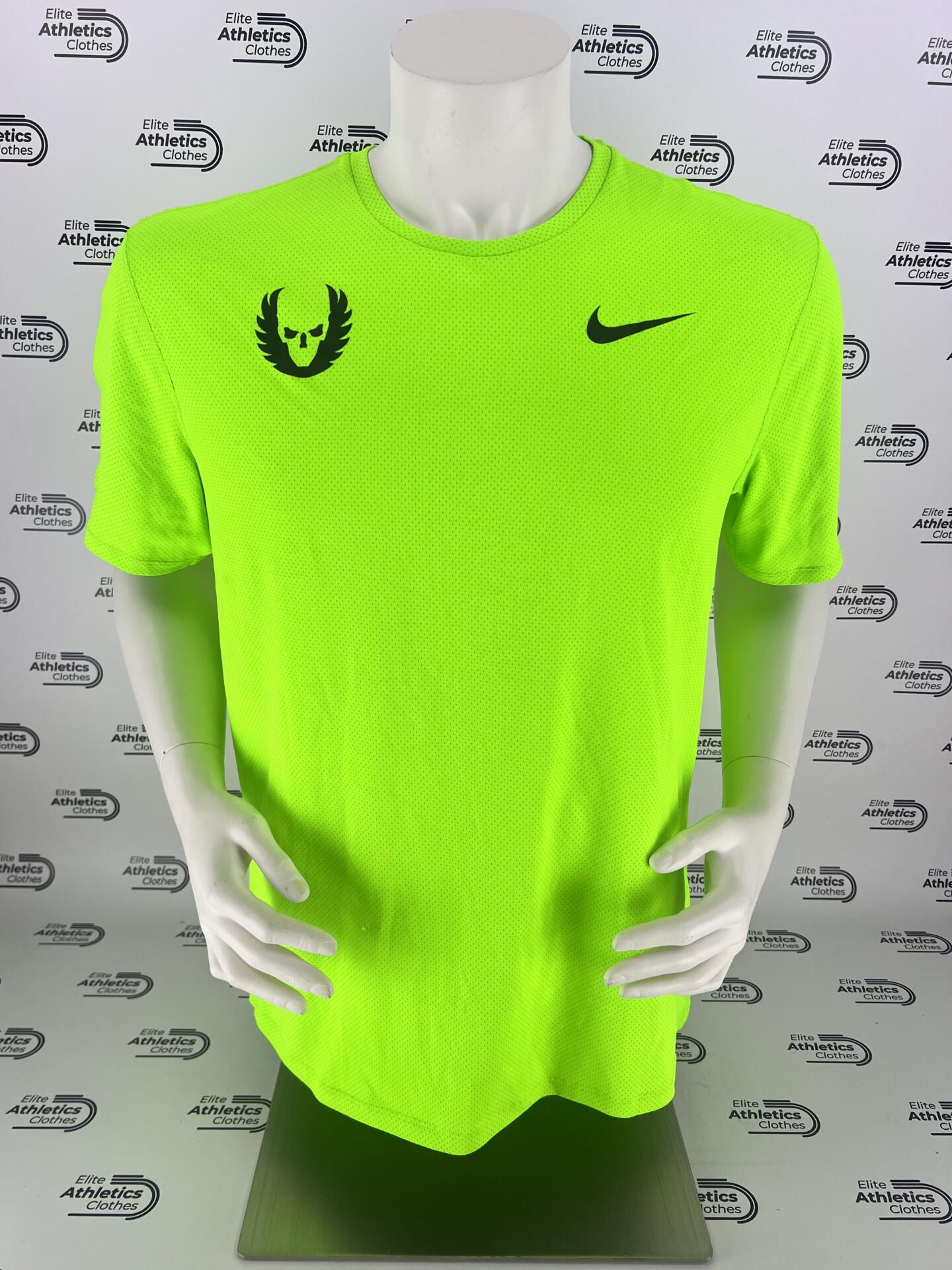 Nike Oregon Project Team Pro Elite T-Shirt240,00 €View Piece →
What is Weltklasse Zurich?
Weltklasse Zurich is an invitational track and field meeting held at the Letzigrund stadium in Zurich since 1928, and one leg of the Diamond League since the series was founded in 2010. It is widely considered the biggest one-night meeting in the sport, and 27 world records have been set there.
Why is Weltklasse Zurich called the Olympics in one night?
The nickname — originally 'the Olympic Games in one day', coined in the 1980s — comes from its start lists: as an invitational with the sport's biggest budget for assembling fields, it routinely gathered nearly every reigning Olympic and world champion in a single evening session at the Letzigrund.
What world records have been set at Weltklasse Zurich?
Twenty-seven. The best-known evenings: Sebastian Coe's 1500 m record in 1979 and mile record in 1981, Haile Gebrselassie's 5000 m records in 1995 and 1997, three records in seventy minutes on 13 August 1997, Yelena Isinbayeva's pole vault 5.06 m in 2009 — still the record — and, on 27 August 2026, Alison dos Santos's 45.80 in the 400 m hurdles and Masai Russell's 12.09 in the 100 m hurdles, less than forty minutes apart.
Is Weltklasse Zurich part of the Diamond League?
Yes — it has been part of the series since the Diamond League began in 2010, after a decade as a pillar of the Golden League. Zurich shared hosting of the series final with Brussels through the 2010s and staged the full two-day final in 2025, on the Sechseläutenplatz square and at the Letzigrund. In 2026 it was the last regular-season stop before the Brussels final.
Sources and References
- World Athletics — Dos Santos and Russell break world records in unforgettable Zurich — the 2026 records, the 40-minute gap, Werro's 1:53.70 and the sold-out Letzigrund
- Weltklasse Zurich — About the meeting — the 1928 first edition, Nurmi's 15:18.3 and the meeting's record count
- The Sports Examiner — sensational Weltklasse Zurich — the 26th and 27th meeting records and the seventeen-year gap since Isinbayeva
- World Athletics Heritage — when Coe broke Bayi's world 1500m record — the 3:32.03 of 15 August 1979
- The Spokesman-Review, 14 August 1997 — no one's world record safe in Zurich — the three world records of 13 August 1997 and the 70-minute span
- France 24 — Isinbayeva betters own pole vaulting world record — the 5.06 m of 28 August 2009
- Weltklasse Zurich 1988 — complete results — Lewis 9.93, Smith 9.97 and Johnson 10.00 on 17 August 1988
- Wikipedia — Letzigrund — the 2007 rebuild, the 25,773 athletics capacity and the meeting's circuit history
- World Athletics — Dos Santos wins epic 400m hurdles clash in Budapest — the Ultimate title of September 2026, over Benjamin and Warholm