
New York
Marathon
The biggest stage in marathoning: five boroughs, five bridges, no pacemakers and no records — 59,226 finishers in 2025, a photo-finish decided by 0.03 seconds, and a course that crowns champions instead of clocks.
The New York City Marathon is the largest marathon in the world by any honest measure — 59,226 finishers in November 2025, a world record at the time — and the least interested in fast times. Run through all five boroughs since 1976, over five bridges and without pacemakers since 2007, it has not produced a world record since 1980: the current course records, 2:04:58 and 2:19:51, sit minutes away from the world marks.
That trade is deliberate. New York is raced for position, not for the clock — its 2025 men's race was decided by 0.03 seconds — and its winners' board runs from Grete Waitz's nine titles to Hellen Obiri's course record. The 2026 edition, on 1 November, is the 50th anniversary of the five-borough course. Like every Major, it is raced in sponsor kit — the universe our brand shelves collect.
Part of our Competition Files — one competition at a time, explained. Start from the hub: the Abbott World Marathon Majors explained, or jump to the sponsor lines.
- What it is
- The world's largest marathon, run through all five boroughs of New York on the first Sunday of November
- Founded
- 13 September 1970 — laps of Central Park, a $1 entry fee, 55 finishers
- Five boroughs since
- 1976, for the US bicentennial — the 1 November 2026 race is the 50th anniversary
- Size
- 59,226 finishers in 2025 — the largest marathon ever run at the time, passed by London in April 2026
- Course record, men
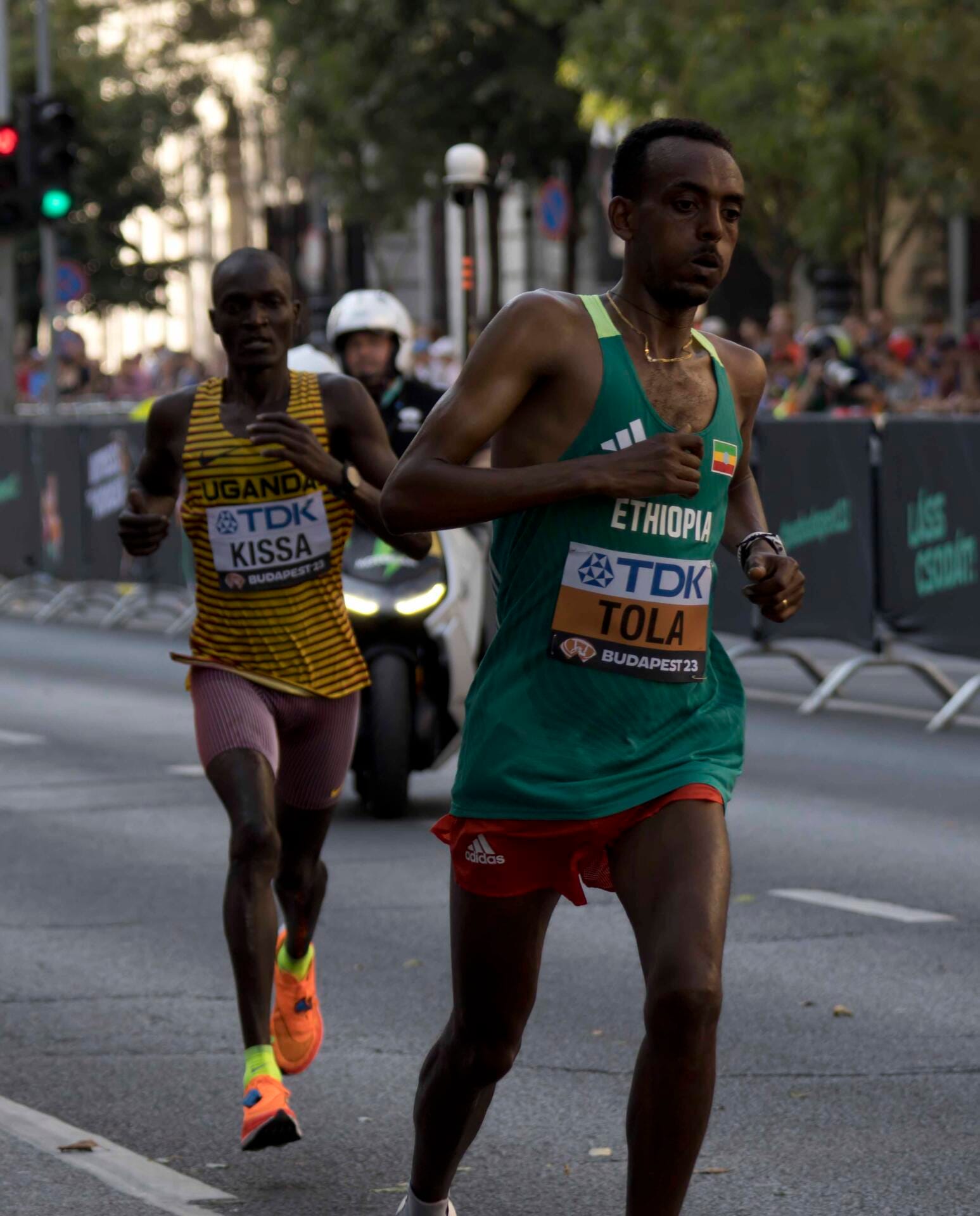
- 2:04:58 — Tamirat Tola, 2023 (the world record is 1:59:30, London 2026)
- Course record, women
- 2:19:51 — Hellen Obiri, 2025, in a women-only race
- World records set here
- None since 1980 — Grete Waitz's three world bests (1978–80); the two 1981 marks were annulled, course 151 m short
- Pacemakers
- None since 2007 — removed on purpose, in favour of championship-style racing
From a One-Dollar Park Race to the Five Boroughs
The New York City Marathon began about as small as a marathon can begin. On 13 September 1970, 127 runners paid one dollar each to run laps of Central Park on a total race budget of a thousand dollars. Fifty-five of them finished. The winner, Gary Muhrcke, was a New York firefighter who had spent the night before the race putting out fires.
The race that exists today was born six years later. For the United States bicentennial in 1976, the organisers took the marathon out of the park and ran it through all five boroughs of the city — Staten Island, Brooklyn, Queens, the Bronx, Manhattan. 2,090 runners entered, 1,549 finished, and Bill Rodgers won in 2:10:10, the fastest marathon anyone ran anywhere that year. Rodgers won the next three editions too, and the five-borough course became the template every big-city marathon has copied since. The 2026 race, on 1 November, is the 50th anniversary of that first crossing.
It is now the biggest sporting event in New York and, for one November in 2025, the biggest marathon ever run anywhere: 59,226 finishers, a world record for the distance, until London edged past it with 59,830 the following April. The two races have been trading that title back and forth — scale is the one contest New York never loses for long.
Five Boroughs, Five Bridges
The course is a tour of the city stitched together by five bridges, and the bridges are the story. The start line is on the Verrazzano-Narrows Bridge itself, closed to traffic for the morning, climbing from Staten Island into Brooklyn across the first two miles. Brooklyn takes the race to halfway; the Pulaski Bridge at mile 13 hands it to Queens.
Then comes the one everybody talks about. The Queensboro Bridge, around mile 15, is the quietest place on the course — no spectators allowed, just footsteps and breathing on the lower deck — and it empties onto First Avenue, where the crowd stands fifteen deep and the noise arrives like a slap. The Willis Avenue Bridge at mile 20 sends the race into the Bronx exactly where marathons start to hurt; the Madison Avenue Bridge at mile 21 brings it back into Harlem for the long run down Fifth Avenue and into Central Park. The finish is inside the park, near West 67th Street, a few hundred metres from where the whole thing began in 1970.
Every one of those five bridges is a climb followed by a descent, several of them late in the race — and unlike the flat record courses, there is nobody to hide behind. That is the design: New York was never built to be fast. It was built to be won.
The Course That Stopped Giving Records
For a few years at the start, this course did give records. Grete Waitz — invited in 1978 as a track runner who had never raced the distance — won her first New York in a world best 2:32:30, came back in 1979 to run 2:27:33, the first woman ever under two and a half hours, and lowered it again to 2:25:41 in 1980. Three Novembers, three world bests, all on the five boroughs.
1981 is where the vein closed, and it closed with a tape measure. Alberto Salazar ran 2:08:13 and Allison Roe 2:25:29, and both were celebrated as world records — until the course was re-measured and found to be 151 metres short. Both marks were struck from the books. No world record has been set in New York since, and Salazar's later story belongs to another page of this journal.
Hover or tab on a mark for the detail. Sources: World Athletics heritage feature on Grete Waitz; contemporary reporting on the 1981 re-measurement; NYRR results releases 2023 and 2025. Verified September 2026.
Every world record New York has produced — and the ones it lost
| Year | Athlete | Mark | Status in 2026 |
|---|---|---|---|
| 1978 | Grete Waitz | 2:32:30 | World best when set; long since surpassed |
| 1979 | Grete Waitz | 2:27:33 | World best when set; first woman under 2:30 |
| 1980 | Grete Waitz | 2:25:41 | World best when set; her third here |
| 1981 | Alberto Salazar | 2:08:13 | Annulled — course 151 m short |
| 1981 | Allison Roe | 2:25:29 | Annulled — course 151 m short |
| 2023 | Tamirat Tola | 2:04:58 | Course record, men — never a world record |
| 2025 | Hellen Obiri | 2:19:51 | Course record, women — never a world record |
The modern race does not even pretend to chase the clock. Since 2007 New York has run without pacemakers — the organisers pulled them deliberately, in favour of what they called championship-style racing — and the course records show what that costs: Tamirat Tola's 2:04:58 from 2023 sits five and a half minutes off the world record that fell at London in April 2026, and Hellen Obiri's 2:19:51 from 2025 is more than four minutes off the women-only world mark. If Berlin is the course that makes records, New York is the course that makes champions — the two poles of the Majors.
The Names of New York
No one owns this race like Grete Waitz owned it. Nine victories between 1978 and 1988 — a total no runner, man or woman, has approached at any major marathon. She died in 2011, and the race has been honouring her ever since; her nine wins are the deepest line in its book. Bill Rodgers won the first four five-borough editions outright, 1976 through 1979. Mary Keitany, who retired in 2021, won four — 2014, 2015, 2016 and 2018 — the only woman beside Waitz to reach that many, and her 2017 defeat came at the hands of Shalane Flanagan, the first American woman to win New York in forty years, since Miki Gorman in 1977.

Geoffrey Kamworor took two titles, in 2017 and 2019, racing in the colours of the NN Running Team. And the 2025 edition compressed the whole character of the race into one morning: Benson Kipruto beat Alexander Mutiso by 0.03 seconds, the closest men's finish in New York's history; Hellen Obiri of the On Athletics Club took her second title in a course record 2:19:51 that finally retired Margaret Okayo's 2003 mark; and Eliud Kipchoge, running New York for the first time at the end of his championship years, finished 17th in 2:14:36 — completing, with his sixth of the six original Majors, the Six Star set he had chased across two decades.
One more New York thread belongs here. Since February 2026, New York Road Runners has been working with the foundation built in memory of Agnes Tirop by her training partners — its first visit to Kenya, helping the charity take shape in the United States. That story, and the kit that carries her name, is told in full in our page on Tirop's Angels.
Sponsor Kit, Not Federation Kit
The house rule for reading any race: championships mean federation kit, and the Majors mean sponsor kit. Nobody wears national colours down First Avenue. Kamworor won New York in NN Running white and orange; Obiri set her course record in the gear of the On Athletics Club; the pelotons behind them raced in the uniforms of their trade teams and shoe contracts. New York belongs to the brand universe, and its archive lives on the brand shelves of this journal.
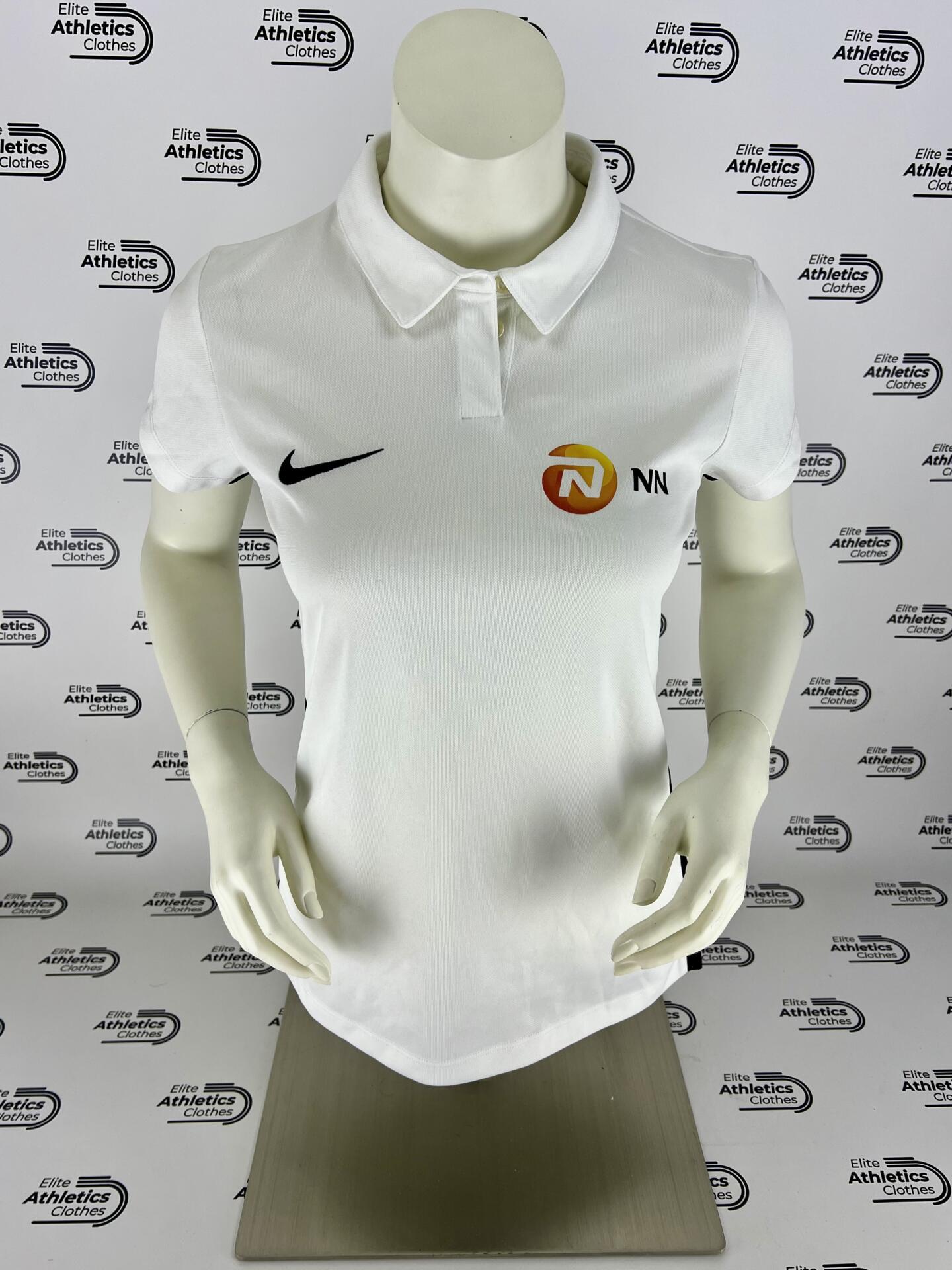 Sponsor kit · in the archiveNike NN Running Team Pro Elite Training Women PoloAthlete-issued kit from the NN Running line — the team colours Geoffrey Kamworor wore through both of his New York wins.80,00 €View piece →
The lines behind the Majors each have their own page here — Nike Pro Elite, adidas Pro Elite, NN Running and On — and the rail below holds one athlete-issued piece from each of the four, the same universe that fills the professional field every November.
The Uniforms of the Five Boroughs
New York is raced in trade kit, not national kit. These are athlete-issued pieces from four of the lines behind the race's modern podiums — the team that won it twice with Kamworor, the club that holds its course record, and the houses that dress the field.
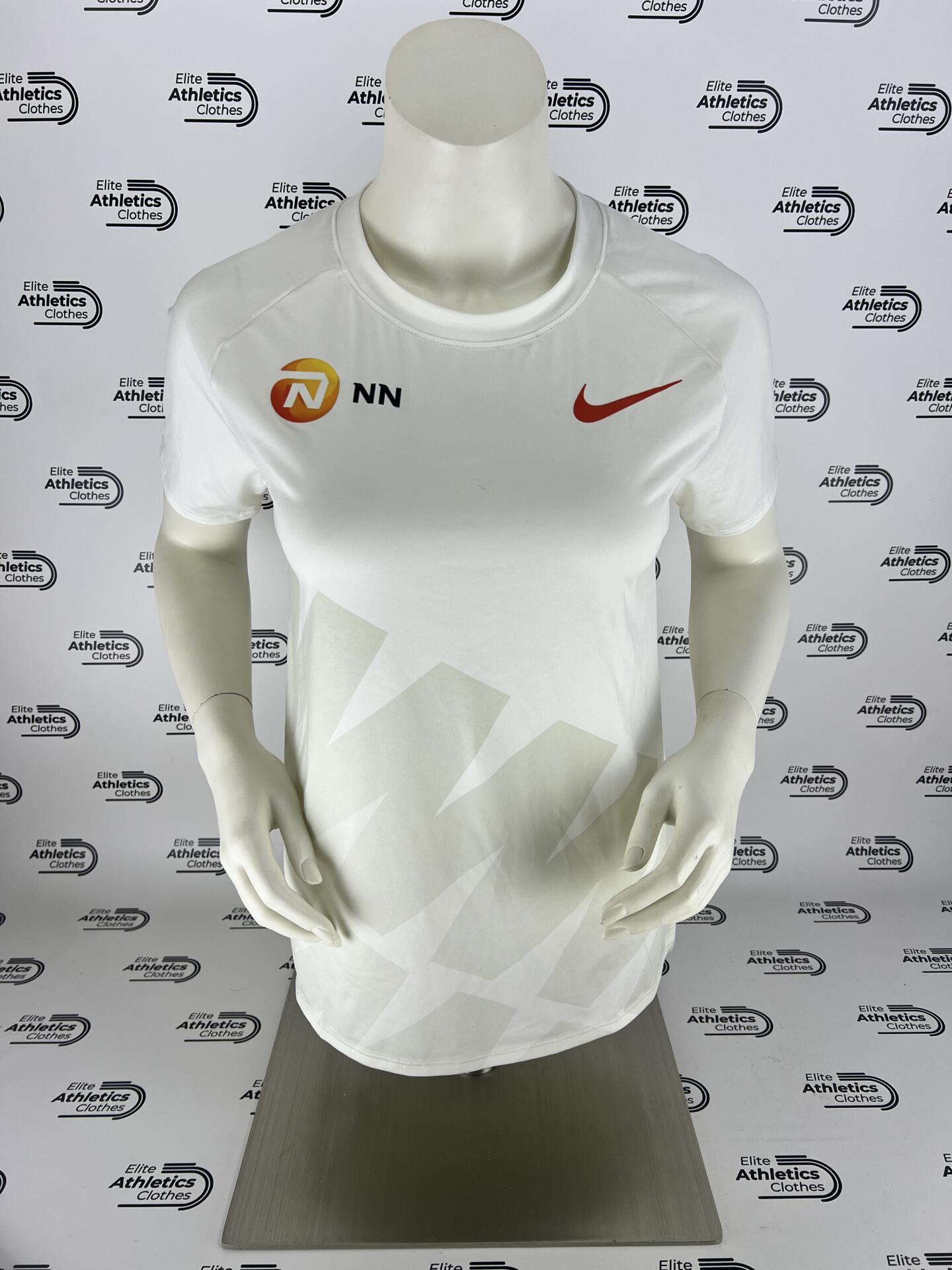 INEOS X Nike NN Running Team Pro Elite 2020/2021 Women T-Shirt150,00 €View Piece →On · OAC
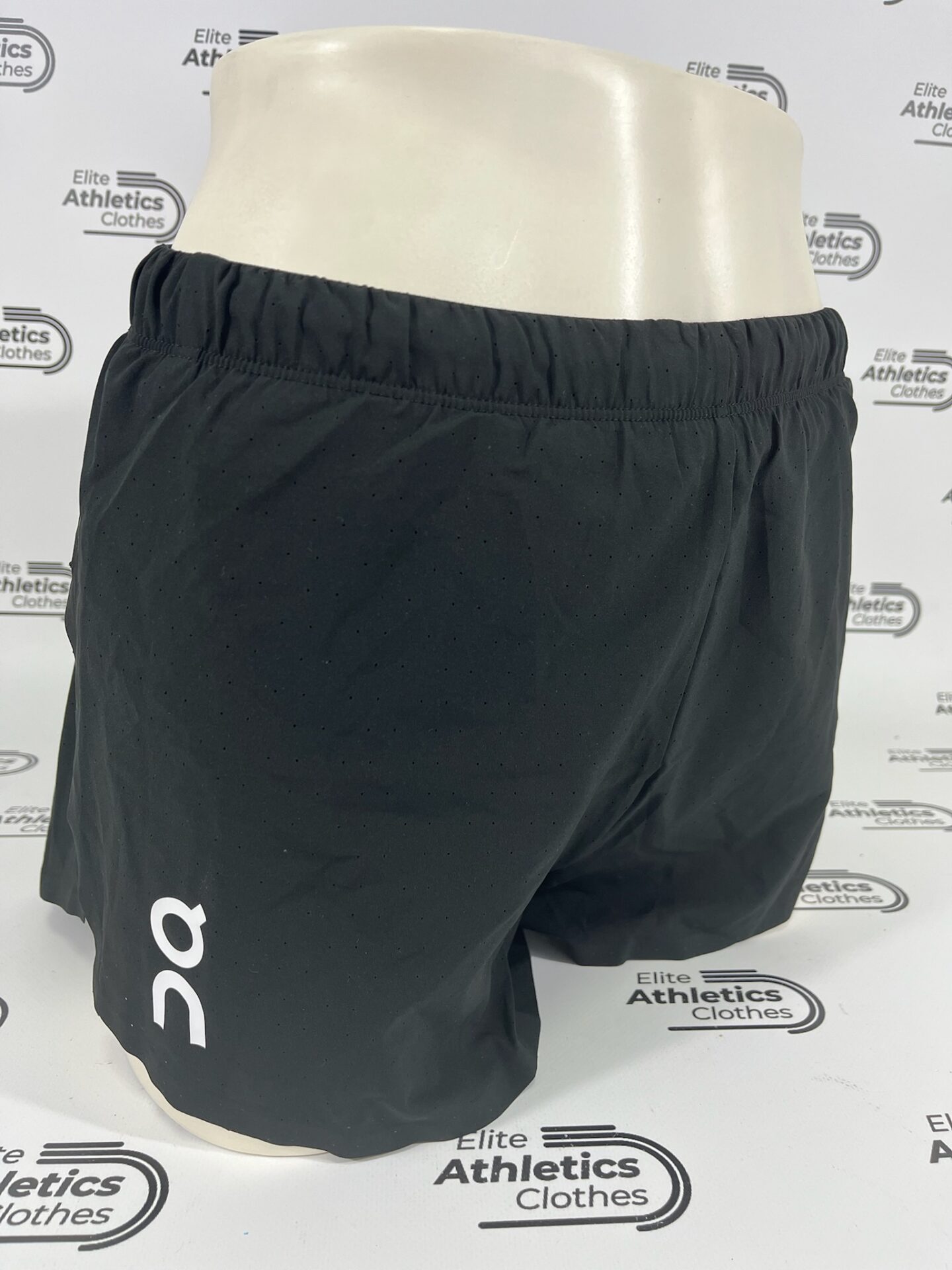 ON Running Pro Elite 2025 Women Black Racing Shorts120,00 €View Piece →Nike Pro Elite
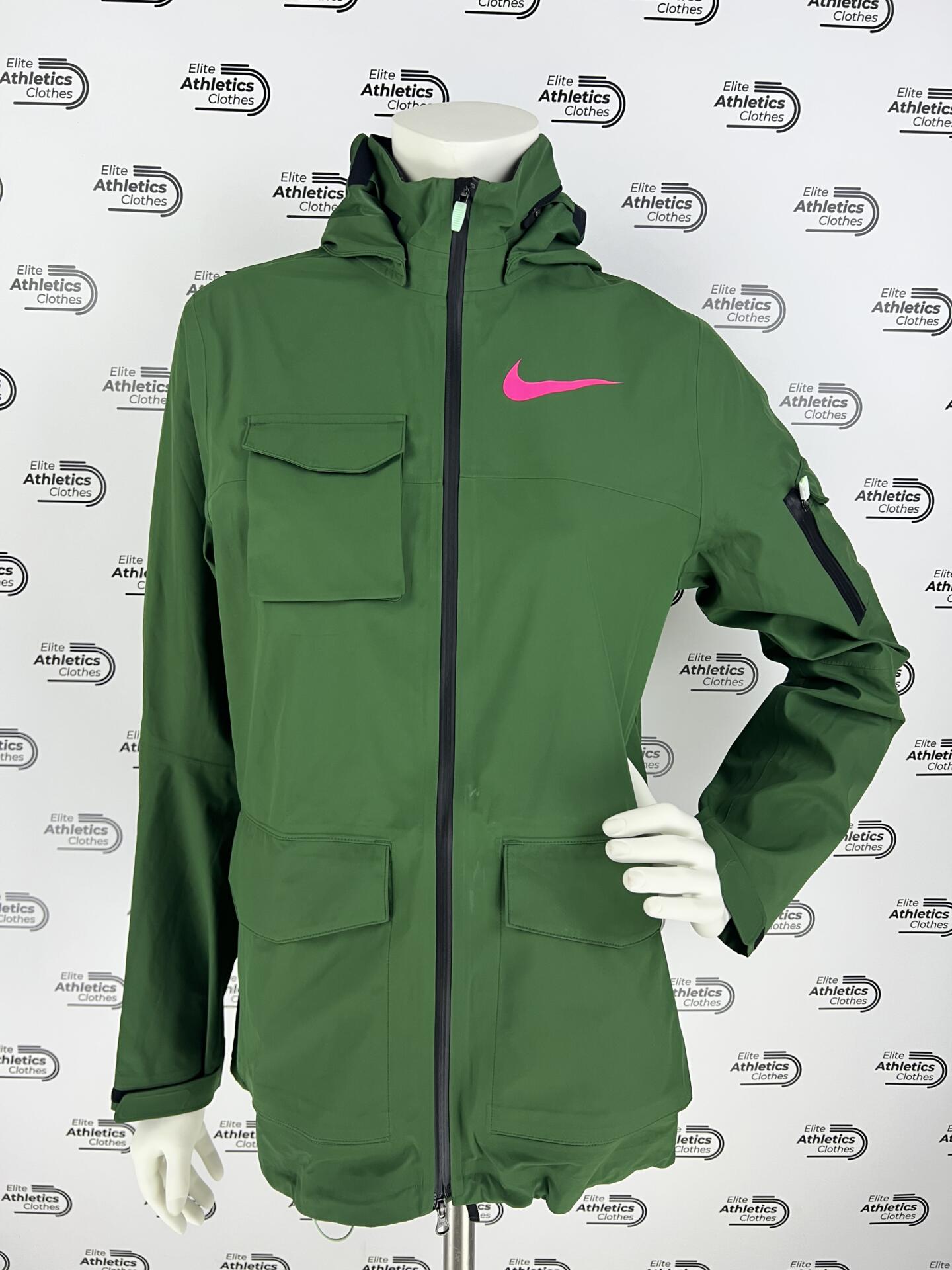 Nike Pro Elite 2023 Women Storm Fit Jacket150,00 €View Piece →adidas
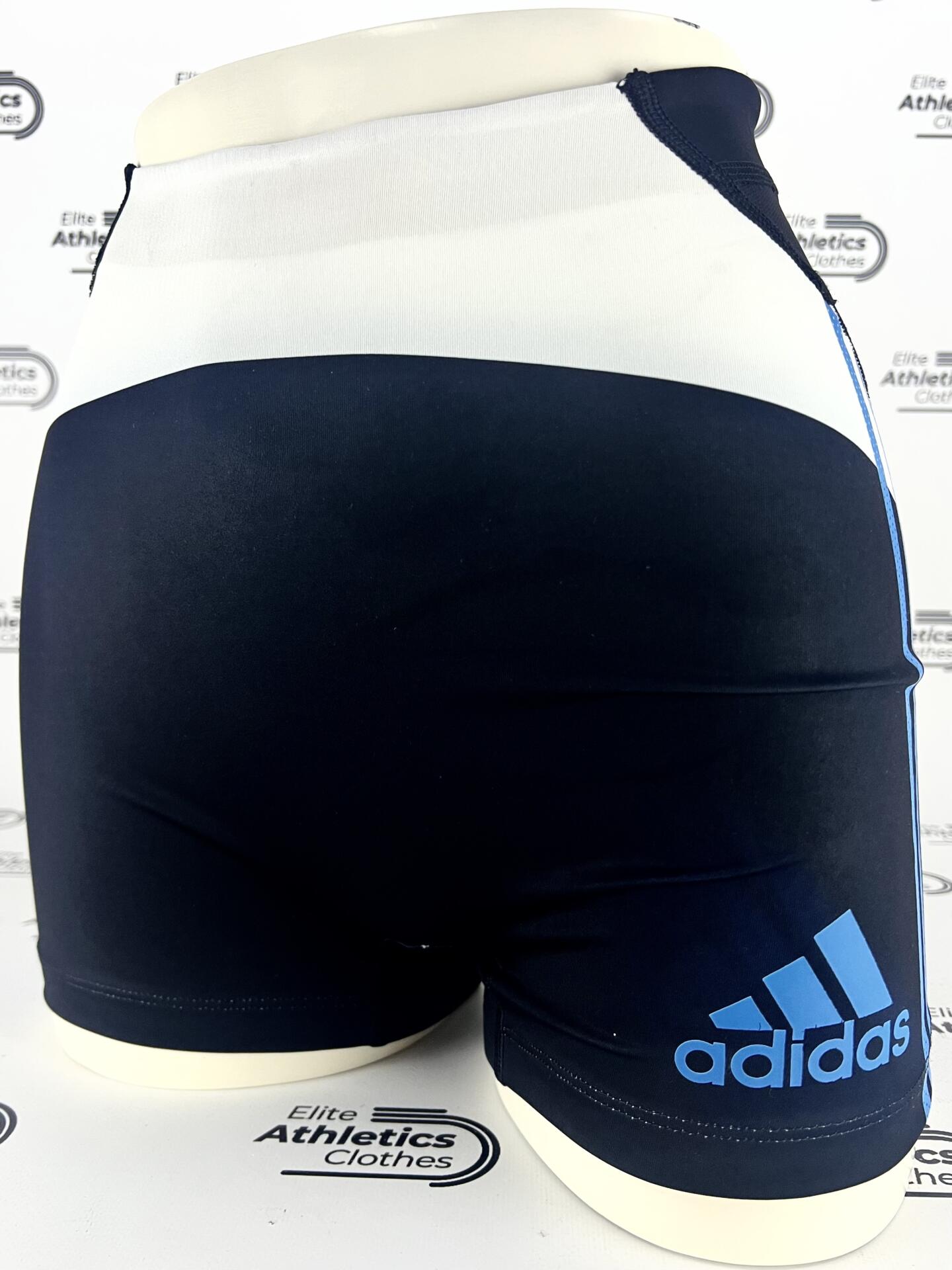 Adidas Pro Elite 2022 Women Booty Short Tights100,00 €View Piece →
Who won the 2025 New York City Marathon?
Benson Kipruto of Kenya won the men's race in 2:08:09, beating Alexander Mutiso by 0.03 seconds in the closest men's finish in the race's history. Hellen Obiri won the women's race in 2:19:51, a course record, taking her second New York title. The race, on 2 November 2025, had 59,226 finishers — the largest marathon ever run at the time.
What is the New York City Marathon course record?
The men's course record is 2:04:58, set by Tamirat Tola of Ethiopia in 2023. The women's course record is 2:19:51, set by Hellen Obiri of Kenya in 2025, which broke Margaret Okayo's 2:22:31 from 2003. Both sit minutes away from the world records: the course crosses five bridges and the race has used no pacemakers since 2007.
Why are no world records set at the New York City Marathon?
The course climbs and descends five bridges, several of them late in the race, and since 2007 the race has deliberately used no pacemakers. The last world bests set in New York were Grete Waitz's, in 1978–1980. The 1981 marks of Alberto Salazar and Allison Roe were annulled when the course was found 151 metres short, and no world record has been set there since.
Who has won the New York City Marathon the most times?
Grete Waitz of Norway won nine times between 1978 and 1988 — the record for any runner at the race. Bill Rodgers won the first four five-borough editions, 1976 to 1979, the men's record. Mary Keitany's four titles (2014–2016 and 2018) are the most by any woman since Waitz.
When is the 2026 New York City Marathon?
The 2026 TCS New York City Marathon is on Sunday 1 November 2026 — the 50th anniversary of the five-borough course first run for the US bicentennial in 1976.
Sources and References
- NYRR — 2025 TCS New York City Marathon results release — the 2025 winners, Obiri's course record and the 0.03 s finish
- ESPN — Tola sets NYC Marathon record (2023) — the 2:04:58 men's course record
- World Athletics — Grete Waitz's nine New York victories — the nine wins and the world bests of 1978–1980
- Wikipedia — 1981 New York City Marathon — the annulled 1981 marks and the 151-metre re-measurement
- NYRR — marathon history — the 1970 founding and the 1976 five-borough expansion
- World Marathon Majors — NYRR drops pacemakers — the 2007 removal of pacemakers and the reasoning
- Running USA — 2025 race becomes the largest marathon ever — the 59,226 finishers world record
- Olympics.com — Kipchoge finishes his first New York in 17th — the 2:14:36, the debut and the Six Star set
- On — Hellen Obiri, On Athletics Club — Obiri's club and sponsor