
World
Cross Country
Athletics' oldest championship title has been contested since 1903 — nine years before the IAAF existed. Mud, hills, no lanes, no pacers: the World Cross Country Championships, explained.
The World Athletics Cross Country Championships is the oldest world championship title in athletics: its lineage runs unbroken from the first International Cross Country Championship at Hamilton Park, Scotland, in 1903 — via the IAAF takeover at Waregem 1973 — to the 46th edition in Tallahassee, Florida, on 10 January 2026, where Uganda's Jacob Kiplimo won a third consecutive men's title and Kenya's Agnes Jebet Ngetich took the women's crown.
Both senior races cover 10 km — equal since Kampala 2017 — plus under-20 races and a mixed relay that Australia won in 2026, the first champion from outside Kenya and Ethiopia. The event is biennial, and the next edition is set for 2029. Like every championship, it is raced in national federation kit — the universe our archive collects.
Part of our Competition Files — one competition at a time, explained. The kits behind the championships live in the Pro Elite archive. Jump to the federation kits or start with a nation's story.
- What it is
- The world championship of cross country running — and athletics' oldest championship title, first contested in 1903
- The lineage
- Hamilton Park 1903 (45 runners, 4 nations) → IAAF takeover at Waregem 1973 → 46 editions by 2026
- The races
- Senior men and women both run 10 km — equal distances since Kampala 2017 — plus U20 races and a 4×2 km mixed relay
- How often
- Annual from 1973 to 2011, biennial since; the next edition is set for 2029, hosts in bidding
- 2026 champions
- Jacob Kiplimo (28:18, third straight title) and Agnes Jebet Ngetich (31:28) in Tallahassee
- The record holder
- Kenenisa Bekele: 11 senior world titles — 6 long course, 5 short course, both races won five years running
- The team streak
- Kenya's senior men won 18 straight team titles, 1986–2003
- The 2026 upset
- Australia won the mixed relay — the first champion nation beyond Kenya and Ethiopia
Older Than the Federation That Runs It
On 28 March 1903, forty-five runners from England, Scotland, Ireland and Wales lined up at Hamilton Park racecourse in Scotland and raced across its turf. Alf Shrubb of England won. That afternoon is the direct ancestor of the championship Jacob Kiplimo won in Tallahassee in January 2026 — an unbroken line of title-holders that starts nine years before the IAAF itself was founded in 1912. No other world championship in athletics reaches back so far.
For seventy years the race belonged to the International Cross Country Union, and it barely left Europe: the "Cross des Nations" was in practice a home-nations affair that slowly admitted France, Belgium and their neighbours. It was the ICCU itself that asked the IAAF to take the event over and make it genuinely global. The federation relaunched it in Waregem, Belgium, on 17 March 1973 as the World Cross Country Championships: 286 athletes from 21 countries, a senior men's race over 12 km, a women's race over roughly 4 km.
The count since Waregem reached 46 editions in Tallahassee. The event ran every year until 2011; a 2009 vote made it biennial after that. Winning it still means what it meant in 1903 — beating everyone, over real ground, on the same start line: no lanes, no pacers, no splits worth hiding behind.
The Shape of the Race Today
The modern programme is short and hard. Two senior races of 10 km, two under-20 races, and a mixed relay of four legs of 2 km — run off in a single day, usually on a looped parkland circuit built to punish: grass, mud, sand pits, man-made hills. Tallahassee 2026 packed 485 athletes from 52 nations into one Saturday at Apalachee Regional Park.
It took the championship 44 years to make its two main races equal. The men's distance was 12 km from 1973; the women started at roughly 4 km and were still running 8 km through the 2010s. Kampala 2017 ended the asymmetry — both senior races moved to 10 km, and the mixed relay made its world debut the same day. In between, the event tried a second, shorter individual race: a 4 km "short course" for each sex, run from 1998 to 2006 and then quietly dropped.
Hover or tab on a bar for the detail. Sources: World Athletics Heritage and championship records, 1973–2026. Verified September 2026.
The senior programme, cut by cut
| Year | Senior men | Senior women | Also on the programme |
|---|---|---|---|
| 1973 (Waregem) | 12 km | about 4 km | U20 men's race |
| 1998 | 12 km | 8 km | Short course 4 km (men and women), run until 2006 |
| 2017 (Kampala) | 10 km | 10 km | Mixed relay 4×2 km — world debut |
| 2026 (Tallahassee) | 10 km | 10 km | Mixed relay — won by Australia |
One card the World Cross no longer plays is frequency: after Punta Umbría 2011 it went from annual to biennial, and the edition after Tallahassee is set for 2029 — World Athletics opened bidding for the 2029 hosting slot with a pre-qualification deadline of 3 April 2026. No host had been announced when this page was verified.
Streaks, Dynasties and the Ugandan Turn
The record book of this event is a story of streaks. Kenya's senior men won the team title eighteen years in a row, from 1986 to 2003 — a stranglehold no nation has matched at a world championship in this sport. Inside that run, Paul Tergat won five straight individual crowns from 1995 to 1999, the first man to do it. Then Ethiopia answered with the single greatest cross country runner the sport has produced: Kenenisa Bekele, eleven senior world titles — six over the long course between 2002 and 2008, five over the short course — and he won both races at the same championships five years running, 2002 to 2006, something no other man has done even once.
The women's book opens earlier and further north. Norway's Grete Waitz — later the first great New York City Marathon champion, and remembered since her death in 2011 as one of distance running's founding figures — took five titles between 1978 and 1983, a record she shares with the American pioneer Doris Brown from the ICCU years. The current era belongs to East Africa here too: Beatrice Chebet of Kenya won 2023 and 2024, and her compatriot Agnes Jebet Ngetich took the 2026 title in 31:28, with the second-largest winning margin the championship has seen.
The newest dynasty wears Uganda's colours. Kampala hosted the 2017 edition — where Joshua Cheptegei, leading at home, famously came apart in the final kilometres — and the redemption arrived two years later in Aarhus, on a course that climbed over the roof of the Moesgaard Museum: Cheptegei won by four seconds, with an 18-year-old Jacob Kiplimo making it a Ugandan one-two. Kiplimo has since turned that silver into three consecutive titles — Bathurst 2023, Belgrade 2024 and Tallahassee 2026 — while already winning big-city marathons in the same seasons.
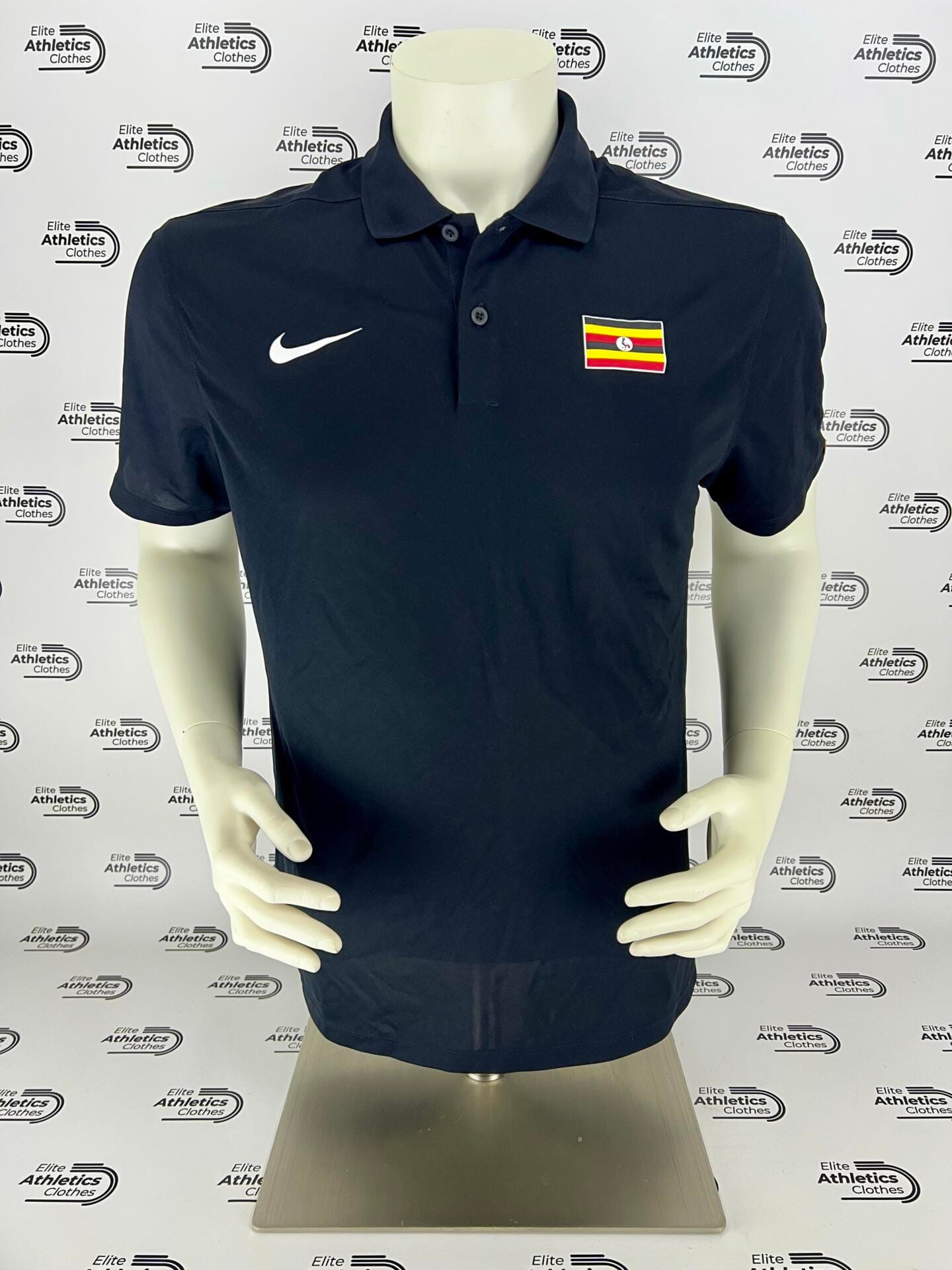 Federation kit · in the archiveNike Uganda Olympic Team Pro Elite 2024 Polo ShirtNike Uganda Olympic Team polo from the 2024 cycle — team-issue kit from the federation whose runners have owned the last three men's world cross titles.120,00 €View piece →
Boston 1992 to Tallahassee 2026
The 46th edition, on 10 January 2026, was the championship's first visit to the United States since Boston in 1992. Kiplimo won the men's race in 28:18 from Ethiopia's Berihu Aregawi — silver behind him for the second edition running — and Kenya's Daniel Simiu Ebenyo. Ngetich ran away with the women's race in 31:28. Ethiopia took both senior team titles, the women's with 19 points to Kenya's 36; Kenya still topped the overall medal table, with three golds apiece for the two rivals.
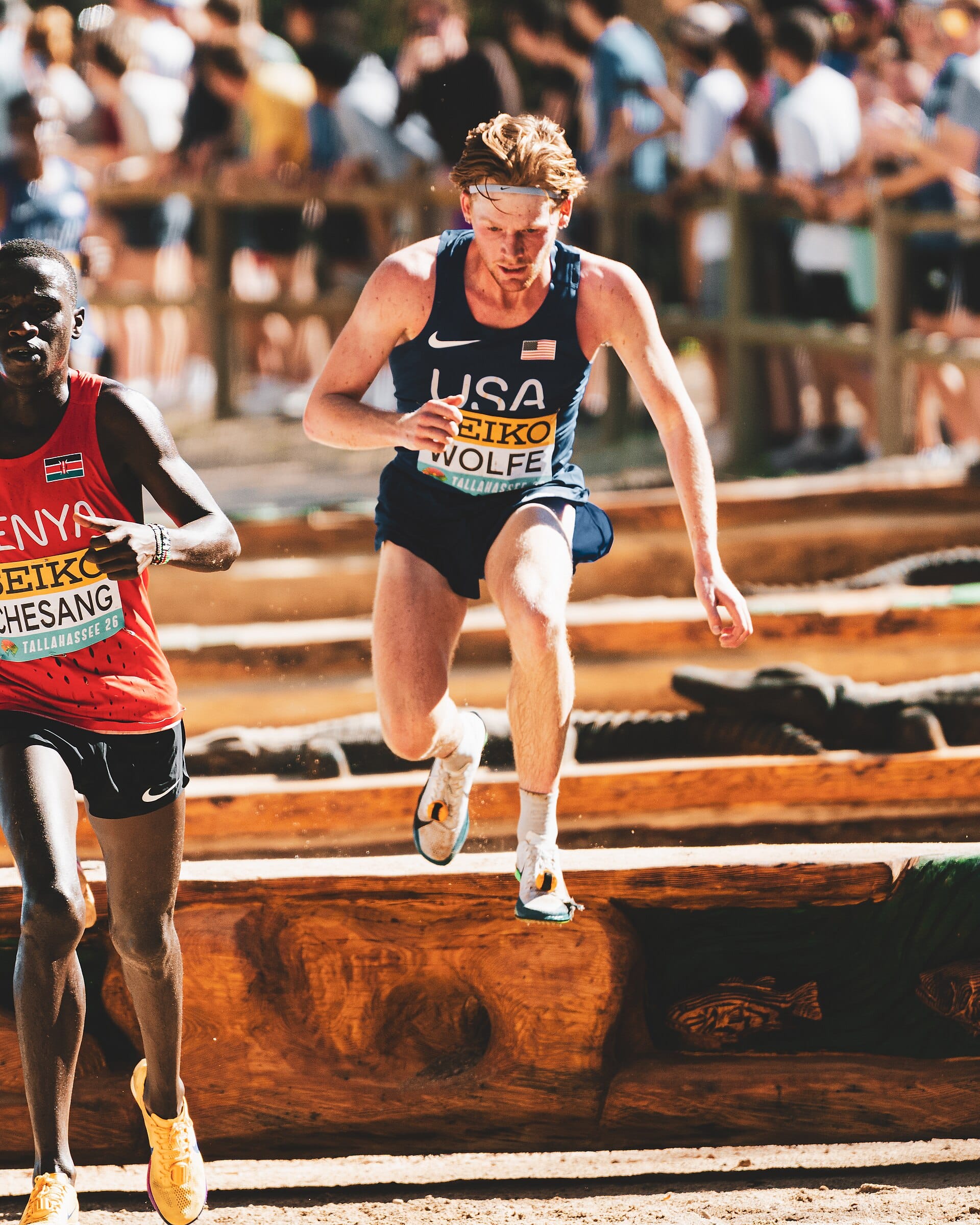
The upset of the day came in the relay. Kenya had won the mixed relay in 2017, 2023 and 2024 — Ethiopia's 2019 gold the only interruption — and arrived as favourites again. Australia had other plans: Olli Hoare, Linden Hall, Jack Anstey and Jessica Hull, the Olympic 1500 m silver medallist, on the anchor, won in 22:23 — the first nation outside Kenya and Ethiopia ever to take the event. The host team's best senior finisher was Parker Wolfe, twelfth, and the American under-20 men took a team bronze on home grass.
Federation Kit, Championship Rules
The World Cross sits firmly on one side of the line this series draws through every competition: it is a championship, so everyone on the start line wears federation kit. The vests that cross the line first in this event — Kenya, Ethiopia, Uganda — are national team issue, the same universe our archive collects, piece by piece, from the USA outwards.
The house rule for reading any competition: championships mean federation kit, leagues and meetings mean sponsor kit. At the World Cross, a contracted Nike or adidas athlete still races in national colours — the brand lives in the shoes. That is why the rail below holds one federation piece per nation, not one brand per athlete.
Championship Colours
The World Cross is raced in national team kit. These are athlete-issued federation pieces from the archive — one per nation, from the same universe that lines up on the grass.
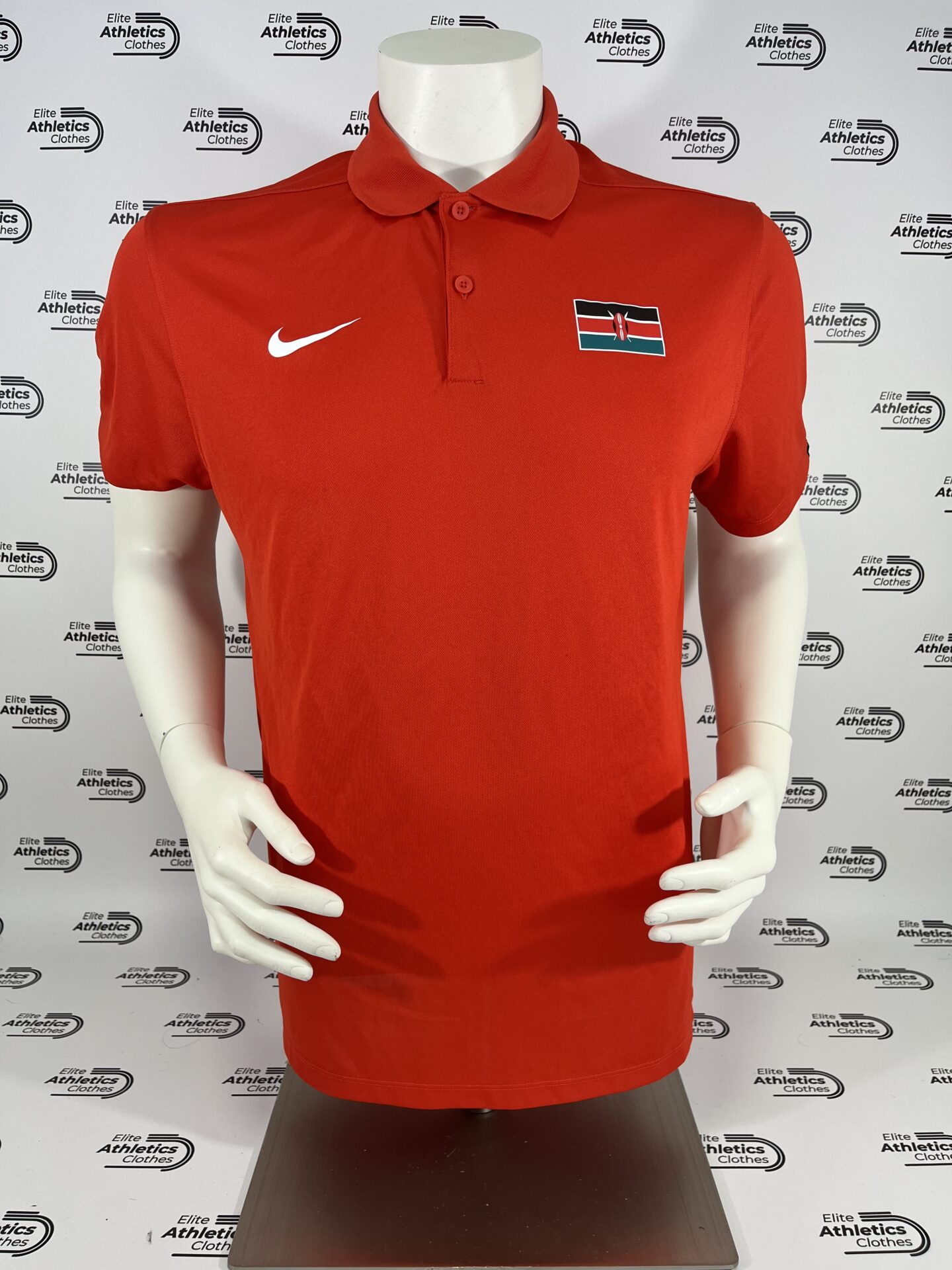 Nike Kenya Olympic Team Pro Elite 2024 Polo Shirt120,00 €View Piece →Ethiopia
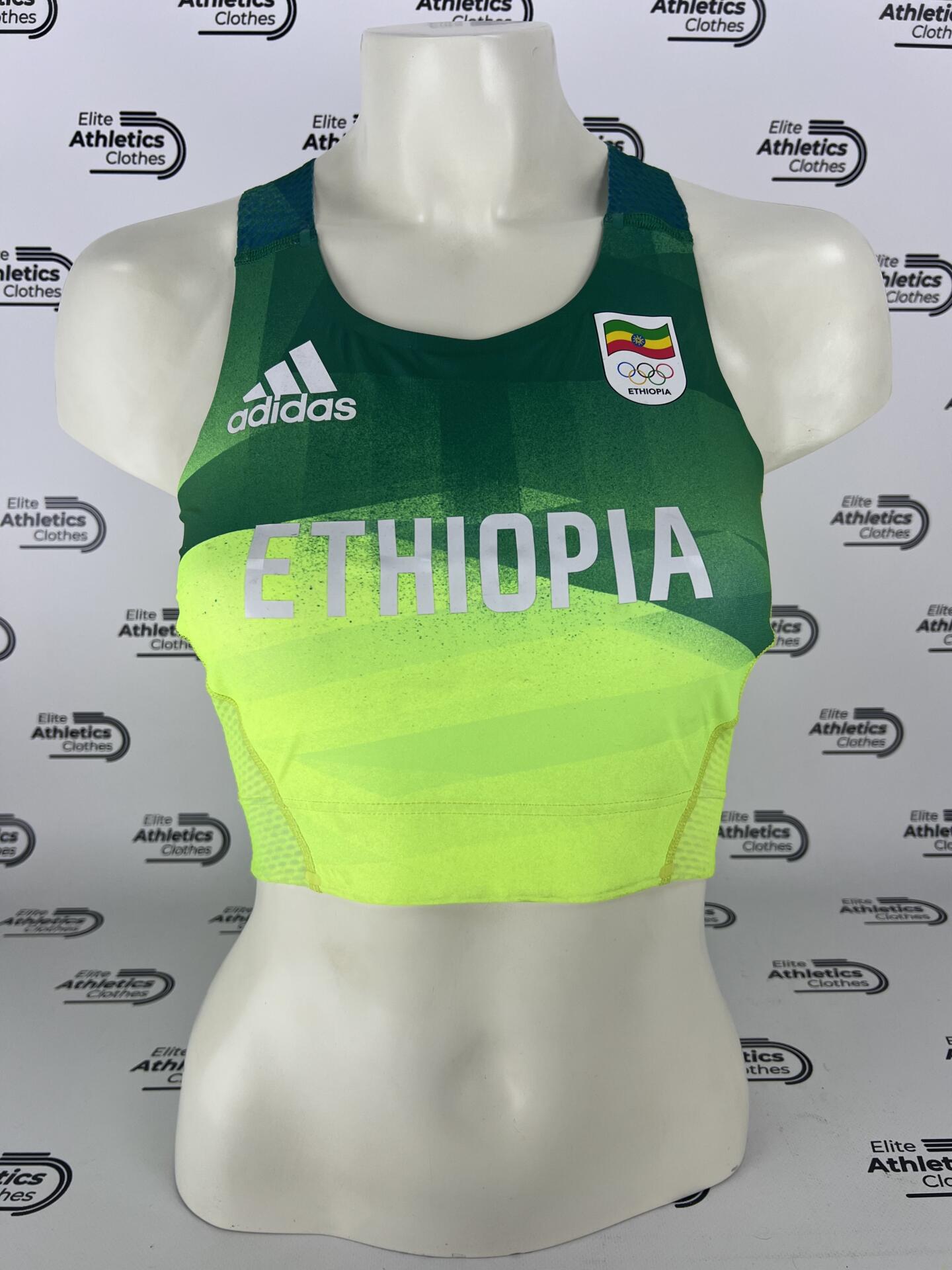 Adidas Ethiopia Olympic Team Pro Elite 2020 Women Crop Top90,00 €View Piece →USA
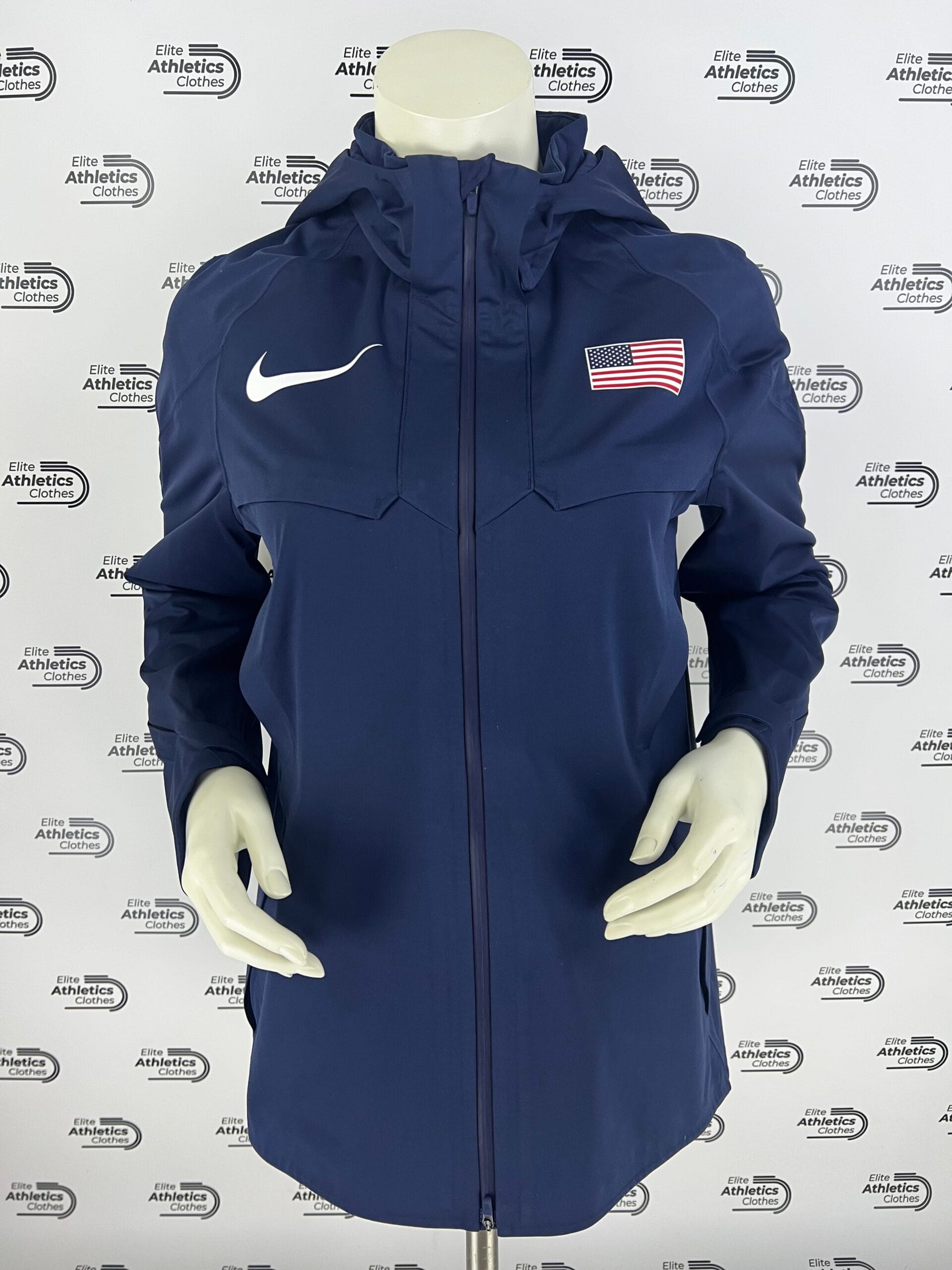 Nike USA Team Pro Elite 2026 Women Storm Fit Jacket240,00 €View Piece →Great Britain
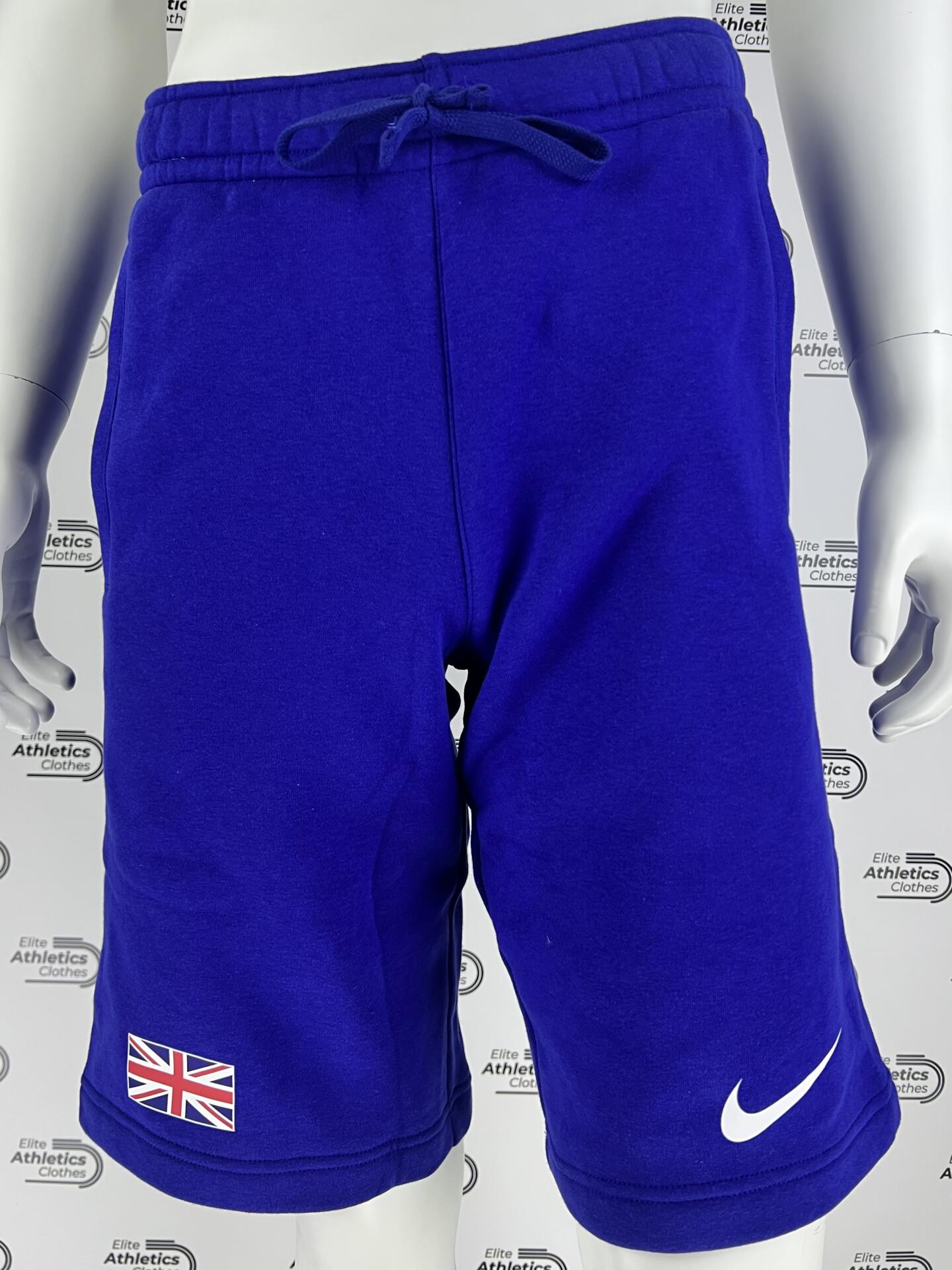 Nike Great Britain Pro Elite 2019 Cotton Short Pants50,00 €View Piece →Spain
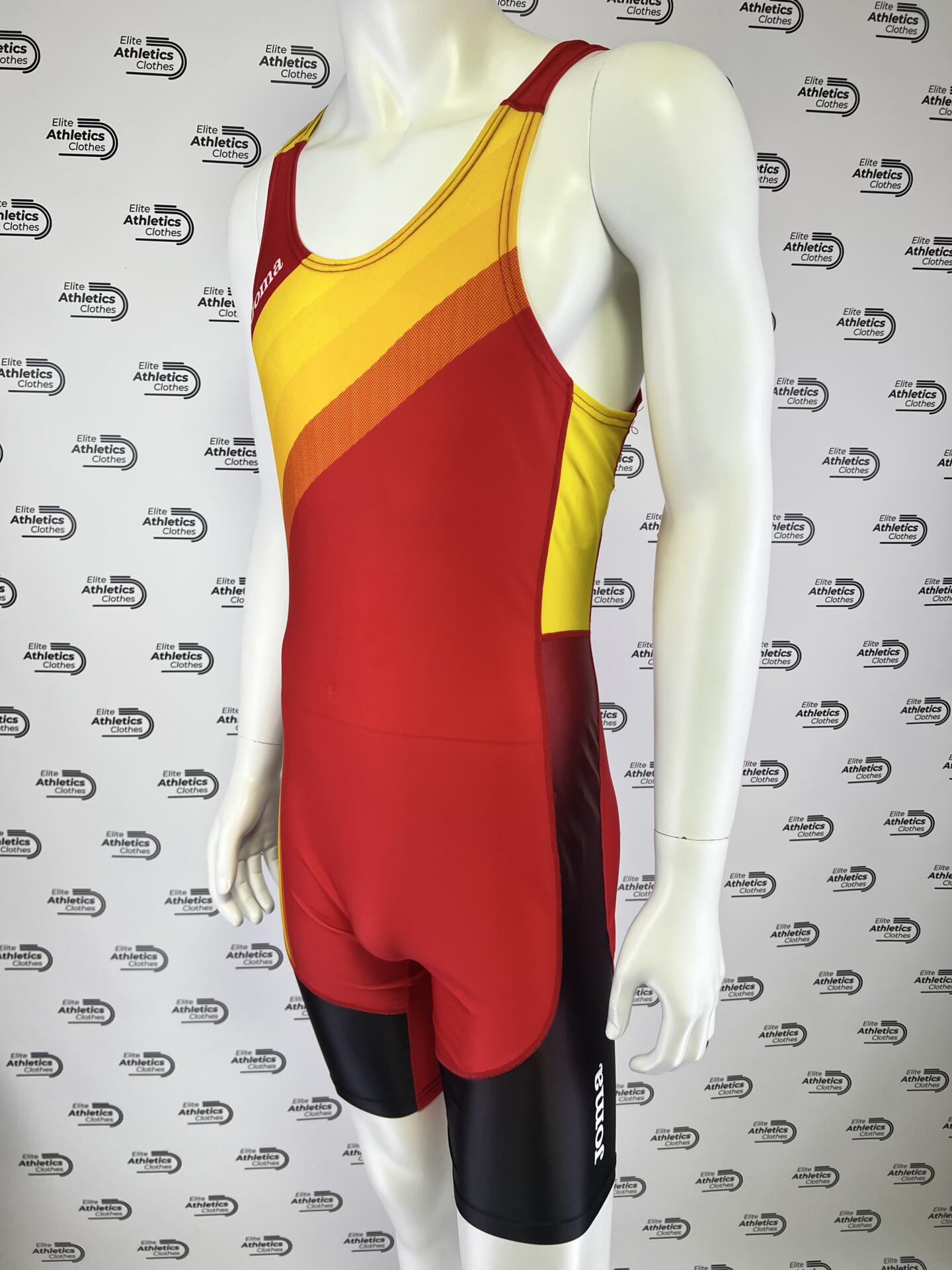 Joma Spain Pro Elite Team 2018 Speedsuit100,00 €View Piece →France
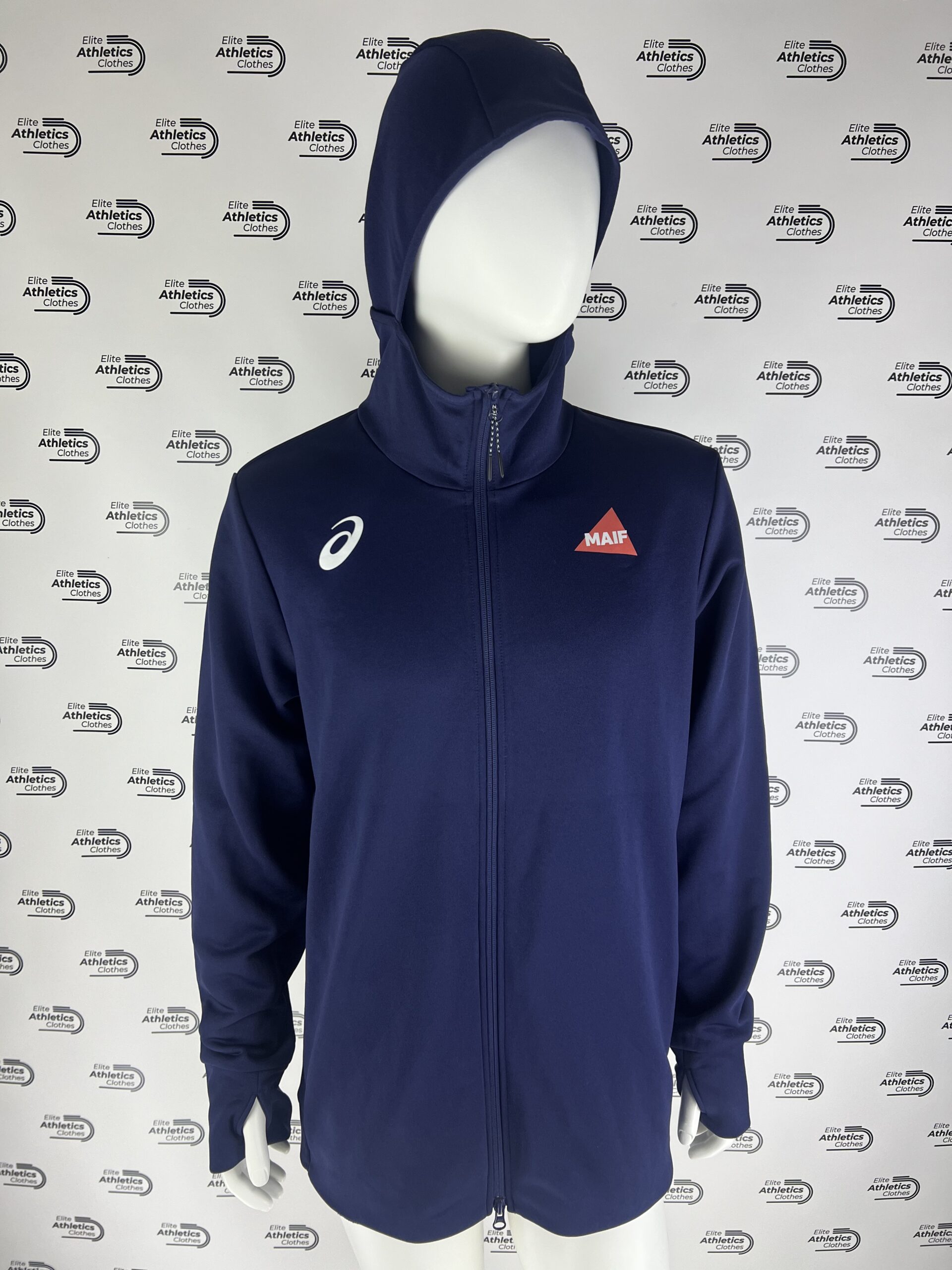 Asics France International Team Pro Elite 2021 Hoodie Jacket120,00 €View Piece →Germany
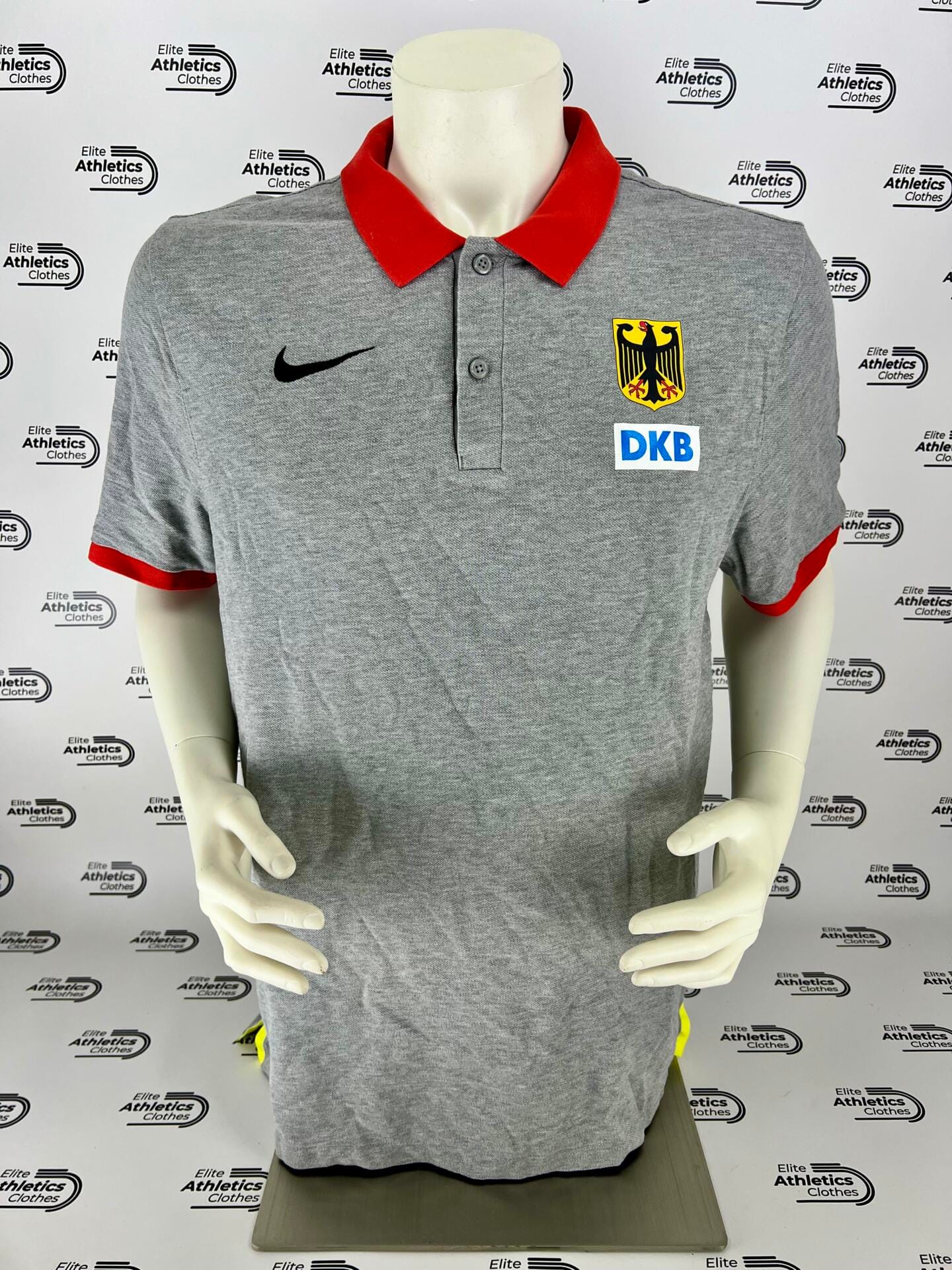 Nike Germany International Team Pro Elite 2019 Polo Shirt70,00 €View Piece →Netherlands
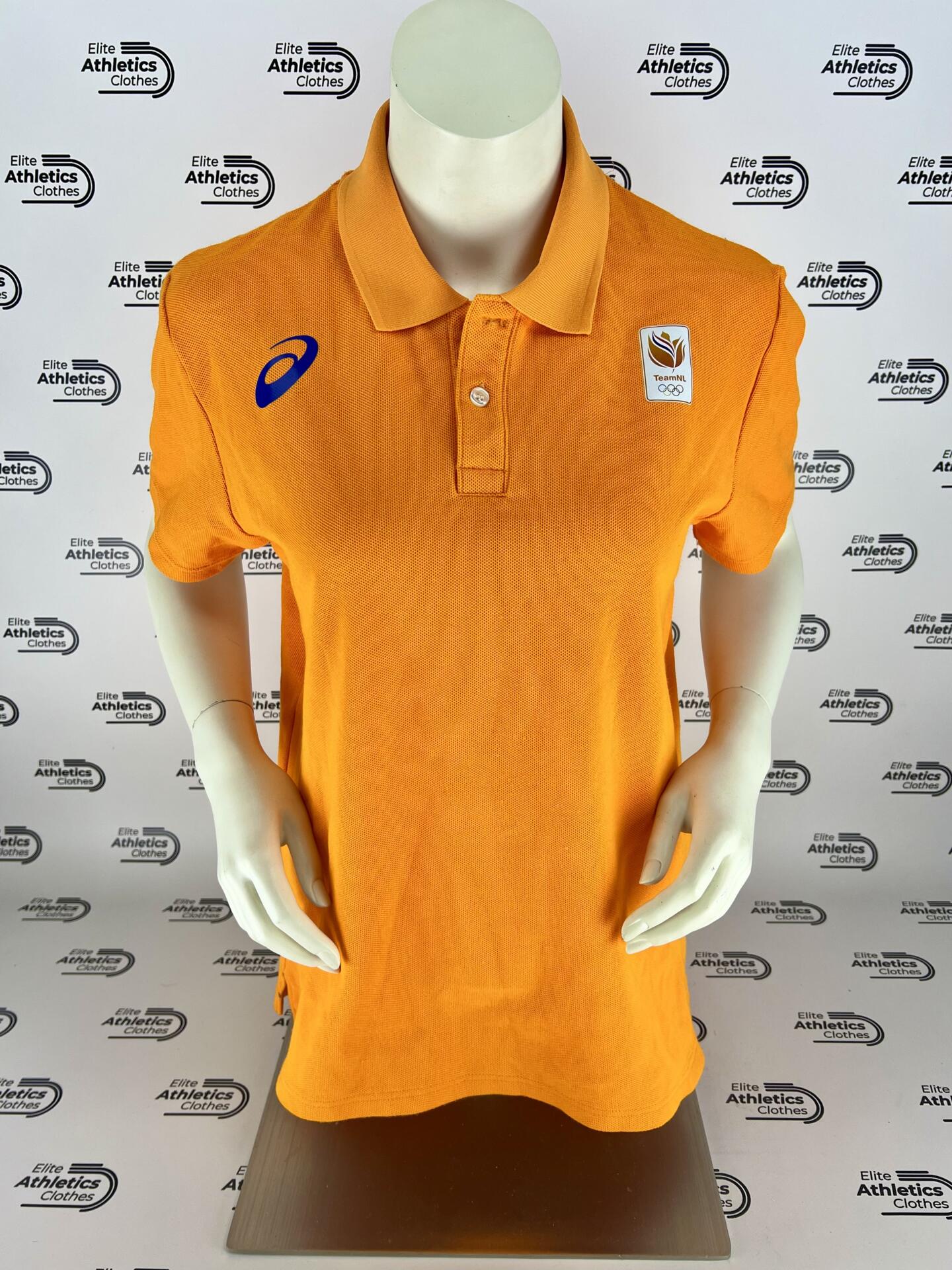 Asics Netherlands International Team Pro Elite 2018 Women Polo Shirt60,00 €View Piece →
What is the World Cross Country Championships?
It is the world championship of cross country running, organised by World Athletics, and the oldest world championship title in athletics: its lineage runs unbroken from the first International Cross Country Championship in 1903 at Hamilton Park, Scotland, through the IAAF takeover in 1973, to the 46th edition in Tallahassee, Florida, in January 2026.
How long are the races at the World Cross Country Championships?
Both senior races cover 10 km, equal since Kampala 2017. Before that the men ran 12 km and the women 8 km (roughly 4 km back in 1973). The programme also has under-20 races and a mixed relay of four 2 km legs, introduced in 2017. A 4 km short course race for each sex was run from 1998 to 2006.
Who has won the most World Cross Country titles?
Kenenisa Bekele of Ethiopia, with 11 senior world titles: six long course (2002–2006 and 2008) and five short course (2002–2006), winning both races at the same championships five years running. Paul Tergat won five straight titles for Kenya (1995–1999), and Grete Waitz's five women's titles are matched only by Doris Brown. Jacob Kiplimo of Uganda has won the last three men's titles (2023, 2024, 2026).
When is the next World Cross Country Championships?
In 2029. The event has been biennial since 2011, and after Tallahassee 2026 World Athletics opened the bidding for the 2029 edition, with pre-qualification closing on 3 April 2026. The host city had not been announced when this page was last verified, in September 2026.
Sources and References
- World Athletics Heritage — 50 years of the World Cross: the 1973 launch — Hamilton 1903, Alf Shrubb, the ICCU handover and Waregem 1973
- Wikipedia — 1903 International Cross Country Championships — the 28 March 1903 race, 45 runners and four nations
- Wikipedia — World Athletics Cross Country Championships — distances by era, the short course years and the biennial switch
- Olympics.com — Tallahassee 2026 senior race results — Kiplimo 28:18, Ngetich 31:28 and the team standings
- World Athletics — Hull anchors Australia to mixed relay gold — the 22:23 relay win and the end of the Kenya–Ethiopia lock
- Guinness World Records — cross country individual wins — Bekele's six long-course and five short-course titles
- World Athletics Heritage — the rise of Africa — Kenya's 18 consecutive senior men's team titles
- World Athletics — Aarhus 2019 senior men's report — Cheptegei's title, the Ugandan one-two and the museum-roof course
- World Athletics — bidding opens for 2028-2029 events — the 2029 edition and the 3 April 2026 pre-qualification deadline