
World Indoor
Championships
The sport's winter world championship: three days on a 200 m banked oval, every two years, in national team kit. Toruń 2026 packed 674 athletes, 27 events and the youngest world champion ever crowned into one Polish arena.
The World Athletics Indoor Championships are track and field's global indoor title meeting, held every two years in the even years. The 21st edition ran 20–22 March 2026 in Toruń, Poland, with 674 athletes from 118 federations across 27 events — sprints over 60 m on a banked 200 m oval, one world record, and 17-year-old Cooper Lutkenhaus becoming the youngest individual world champion in the history of men's athletics.
The programme is the outdoor sport translated for a hall: the 100 m becomes a 60 m, the throws reduce to the shot put, the 200 m disappeared in 2004 — and since 2026 a mixed 4×400 relay exists only here and outdoors at the World Relays. The next edition is Bhubaneswar, India, in March 2028.
Part of our Competition Files — one competition at a time, explained. Championships are raced in federation kit, and that kit lives in the Pro Elite archive. Jump to the federation kits or start with the host nation's story.
- What it is
- The global indoor title meeting, held every two years in the even years, on a 200 m banked track
- First edition
- Paris 1985 as the World Indoor Games; official world championships from Indianapolis 1987
- Latest edition
- Toruń 2026 (Kujawy Pomorze 26), 20–22 March — the 21st, and the biggest: 674 athletes, 118 federations
- The programme
- 27 events: sprints over 60 m, distance capped at 3000 m, shot put the only throw — and no 200 m since 2004
- New for 2026
- The mixed 4×400 relay made its world indoor debut in Toruń
- Youngest champion
- Cooper Lutkenhaus (USA), 800 m gold in 1:44.24 at 17 years, 93 days — a first in men's athletics
- The world record
- Simon Ehammer (SUI), heptathlon 6670 — past Ashton Eaton's 6645 from 2012
- Next edition
- Bhubaneswar, India, 3–5 March 2028 — the first global World Athletics championship in India; Astana follows in 2030
A World Title Every Even Year
The World Athletics Indoor Championships are the sport's global title meeting for the indoor season: every two years, in the even years, the best athletes in the world spend three days racing on a 200-metre banked oval and jumping and throwing inside the same hall. It is a real world championship — world titles, world records, national teams — compressed into the smallest room athletics ever fits into.
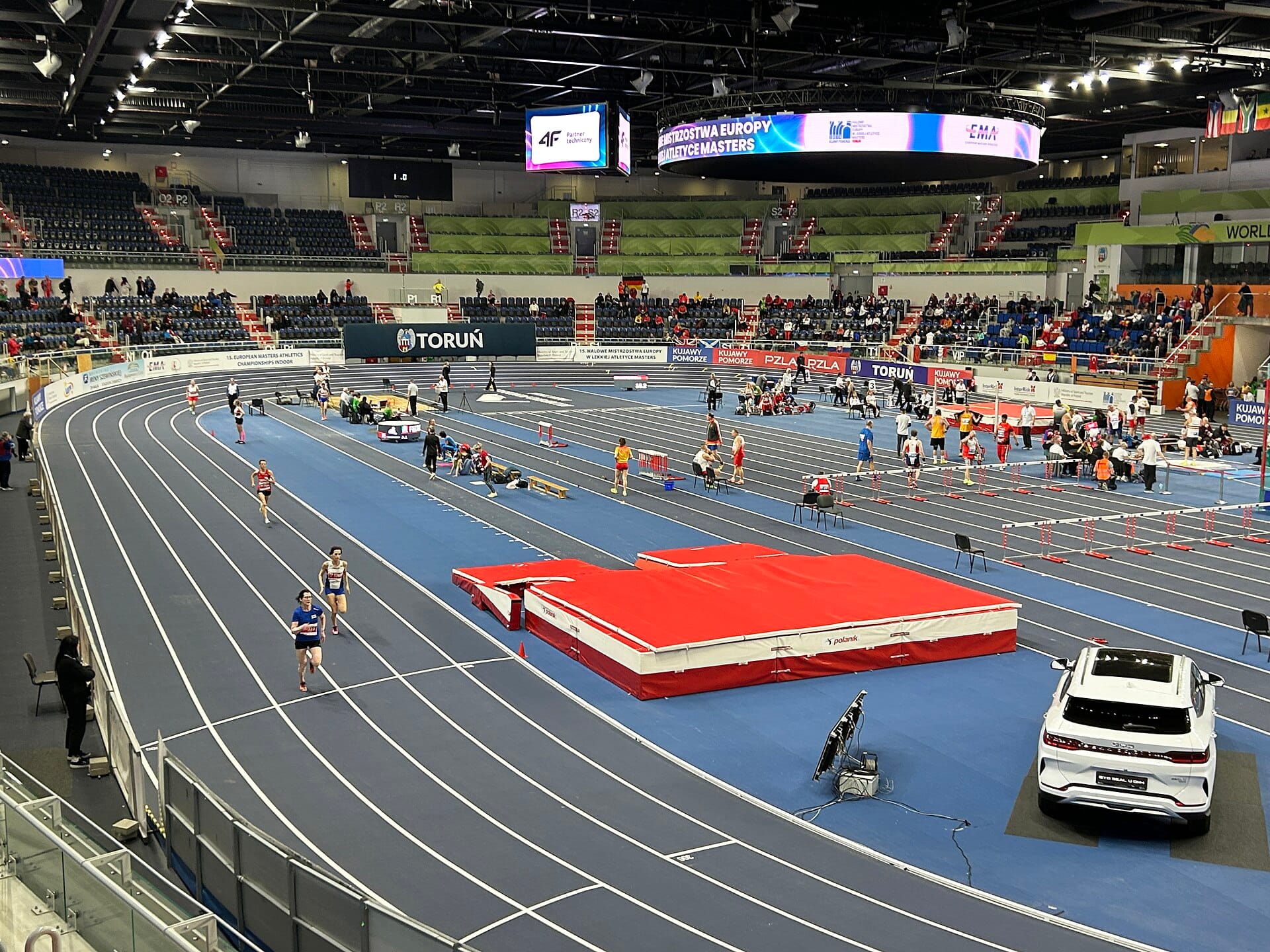
The most recent edition, branded Kujawy Pomorze 26, ran from 20 to 22 March 2026 in Toruń, Poland — the twenty-first since the event began. It was the biggest yet by entry: 674 athletes from 118 federations across 27 events, and it produced a world record, six championship records and the youngest world champion the sport has ever crowned.
What Survives the Winter
The fastest way to understand the World Indoors is to follow the outdoor programme through the door and watch what happens to it. The hall dictates everything: a 200-metre oval with banked bends, a sprint straight down the middle, and a roof. So the 100 m becomes a 60 m, the sprint hurdles drop from ten barriers to five, and the 200 m is gone entirely — it was run for the last time in Budapest in 2004, because on bends that tight the athletes drawn inside never had a fair chance.
Distance running condenses too: no 5000 m or 10,000 m, just a 3000 m that carries the whole endurance argument. Of the four throws, only the shot put fits under a roof. The decathlon shrinks to a heptathlon, the women's heptathlon to a pentathlon. And one event moves the other way: since Toruń 2026 the programme includes a mixed 4×400 — the first time the event has ever been run at a world indoor championship.
Hover or tab on a row for the detail. Sources: the 27-event Toruń 2026 programme and World Athletics' rule-book addition of the indoor mixed relay. Verified September 2026.
The outdoor programme and its indoor translation, line by line
| Outdoor | Indoors | What happened |
|---|---|---|
| 100 m | 60 m | Shortened to the straight |
| 110 m / 100 m hurdles | 60 m hurdles | Shortened; five barriers instead of ten |
| 200 m | — | Dropped after Budapest 2004: tight bends punished the inside lanes |
| 400 m, 800 m, 1500 m | 400 m, 800 m, 1500 m | Unchanged; more laps per race |
| 5000 m and 10,000 m | 3000 m | Condensed into one distance race |
| Steeplechase, race walks, marathon | — | No indoor version exists |
| High, pole vault, long, triple jump | All four | Unchanged |
| Shot put, discus, hammer, javelin | Shot put | Only throw contested indoors |
| Decathlon / heptathlon | Heptathlon / pentathlon | Condensed combined events |
| 4×400 relays (men, women) | Men's, women's and mixed 4×400 | Mixed relay added: world debut in Toruń 2026 |
From a Paris Experiment to a Fixture
The event began as a trial run. In January 1985 the IAAF staged the World Indoor Games at the Palais Omnisports in Paris-Bercy — two days, 319 athletes from 69 countries, and no certainty there would be a second. There was: Indianapolis 1987 carried the first official IAAF World Indoor Championships, with 402 athletes from 84 countries, and the meeting has run on a two-year cycle ever since.
The calendar bent twice. In 2003 and 2004 the championships ran in consecutive years — Birmingham, then Budapest — a one-off double staged to move the event from odd years to even ones, so it would stop sharing summers with the outdoor Worlds. And one edition took the long way round: Nanjing was awarded the 2020 championships, postponed them to 2021, then to 2023, and finally held them in March 2025 — five years after the original date, with Belgrade 2022 and Glasgow 2024 slotting in along the way.
Toruń 2026: Records in a Small Room
The Toruń edition needed one result to become historic, and got it on the middle evening. Cooper Lutkenhaus of the United States — a high-school junior from Justin, Texas — won the 800 m in 1:44.24 at 17 years and 93 days old, the youngest individual world champion, indoor or outdoor, in the history of men's track and field. No Olympic or world title, on any surface, had ever gone to a man that young.

The rest of the meeting kept pace. Armand Duplantis cleared 6.25 m at the first attempt for a fourth consecutive world indoor pole vault title, breaking his own championship record of 6.20 from Belgrade 2022, in the first indoor competition ever to put three men over six metres — Emmanouil Karalis took silver at 6.05 and Kurtis Marschall bronze at 6.00. Simon Ehammer of Switzerland reclaimed the heptathlon title with a world record 6670 points, 25 more than the mark Ashton Eaton had held since Istanbul 2012. And Keely Hodgkinson of Great Britain — Olympic 800 m champion in Paris, but never before a world champion — finally took a world title, her 1:55.30 championship record standing second all-time indoors behind the 1:54.87 world record she had set in Liévin a month earlier.
The ledger for the three days: one world record, six championship records — Christopher Morales Williams's 44.76 in the 400 m and the United States' 3:01.52 in the 4×400 among them, with Devynne Charlton equalling her own 60 m hurdles mark of 7.65 — plus twelve world-leading marks, seven area records and 46 national records. The United States topped the medal table with five golds among eighteen medals; Jordan Anthony, 21, took the 60 m in 6.41 ahead of a 6.45 photo finish for silver and bronze. The home crowd's wait went unrewarded: Ewa Swoboda, world indoor silver medallist in Glasgow two years earlier, finished sixth in a 60 m final won by Italy's Zaynab Dosso in 7.00.
Bhubaneswar, Then Astana
The next chapter was announced in Toruń itself, mid-championships. On 19 March 2026 the World Athletics Council awarded the 2028 edition to Bhubaneswar, in the Indian state of Odisha — 3 to 5 March 2028 at the Kalinga Stadium complex, and the first time the world's most populous country has hosted a global World Athletics championship. The 2030 edition goes to Astana, Kazakhstan.
Read the pattern: after Toruń came a first-time host in India, and after that a first-time host in Central Asia. The World Indoors is the championship World Athletics uses to open new territory — three days, one arena, and a programme compact enough to travel anywhere.
Federation Kit, Under a Roof
For our archive the World Indoors sits in the same universe as the outdoor Worlds and the Olympics: everyone competes for their country, in their federation's kit. The singlets on the Toruń podium were the same Nike USA, adidas GB and 4F Poland team issue whose athlete versions we collect — winter changes the track, not the colours.
The house rule for reading any competition: championships mean federation kit, leagues and meetings mean sponsor kit. A World Indoors is national colours from first gun to last; a World Indoor Tour meeting a month earlier is brand gear. This series flags which universe each competition belongs to — this one belongs to the federations.
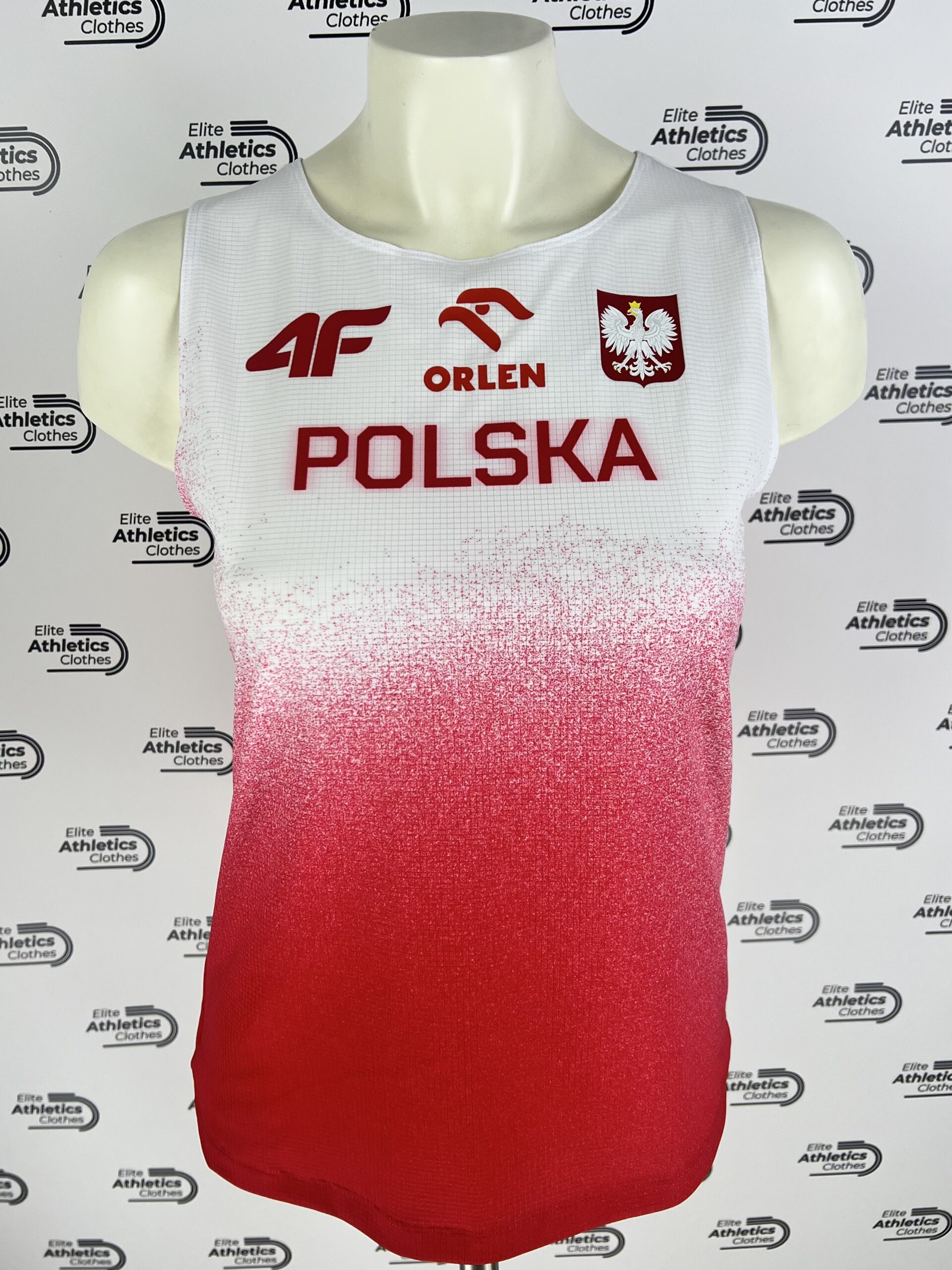 Federation kit · the host's colours4F Poland International Team Pro Elite 2026 Women Distance Singlet4F Poland International Team Pro Elite 2026 women's distance singlet — team-issue kit from the federation that put the world indoor title fight in Toruń.160,00 €View piece →
The host federation is the easy example: Poland's athletes raced Toruń in 4F, the supplier whose logo sat on the arena screens, and the piece above is that same programme's team issue. For the longer story of the country that staged the meeting, start with our history of Polish athletics or the season file on Poland's 2026.
National Colours, Indoor Season
The World Indoors is raced in national team kit. These are athlete-issued federation pieces from the archive — one per nation, led by the host federation that dressed Toruń in 4F.
4F Poland International Team Pro Elite 2026 Women Distance Singlet160,00 €View Piece →USA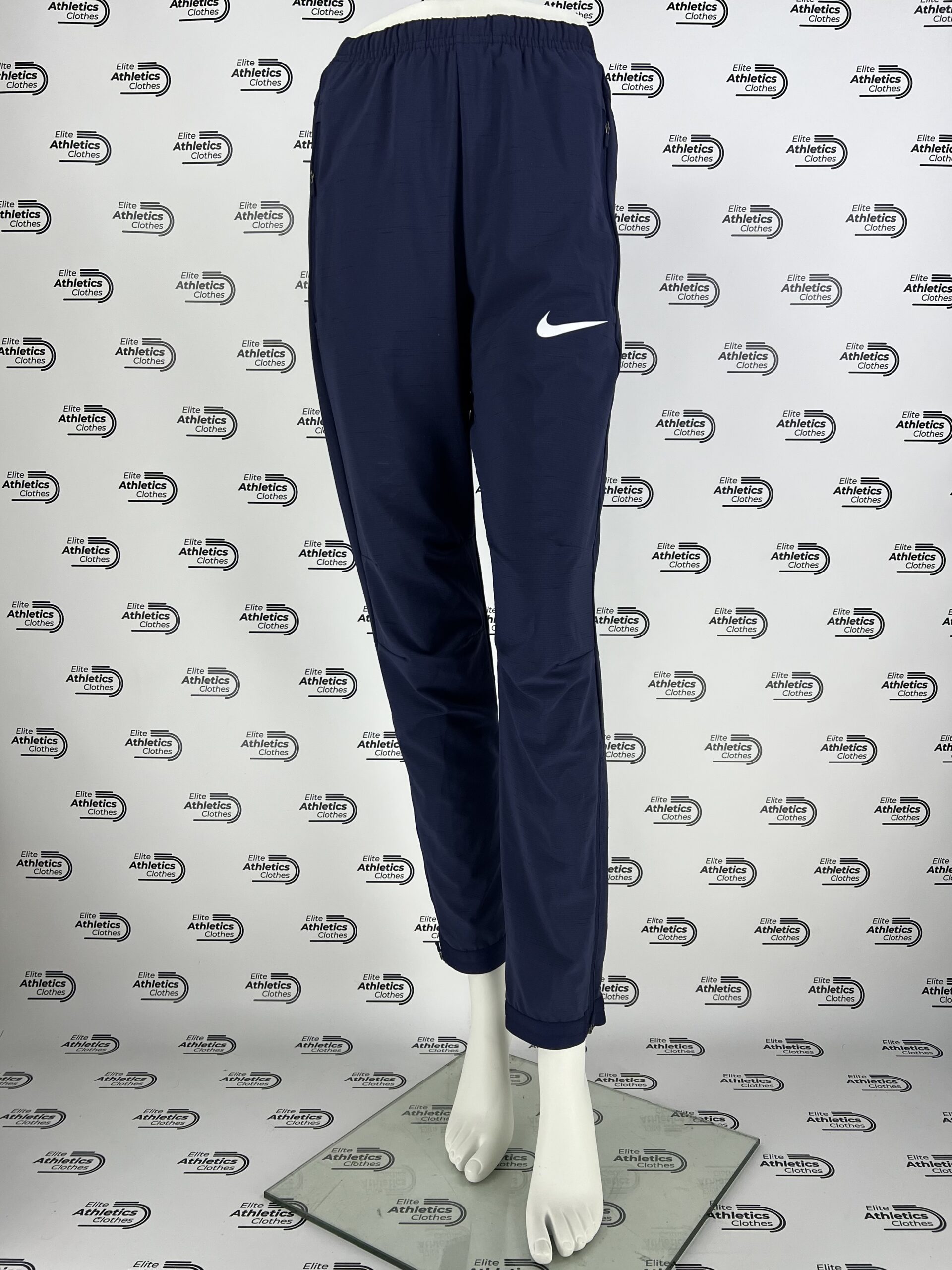 Nike USA International Team Pro Elite 2025 Women Lightweight Pants140,00 €View Piece →Great Britain
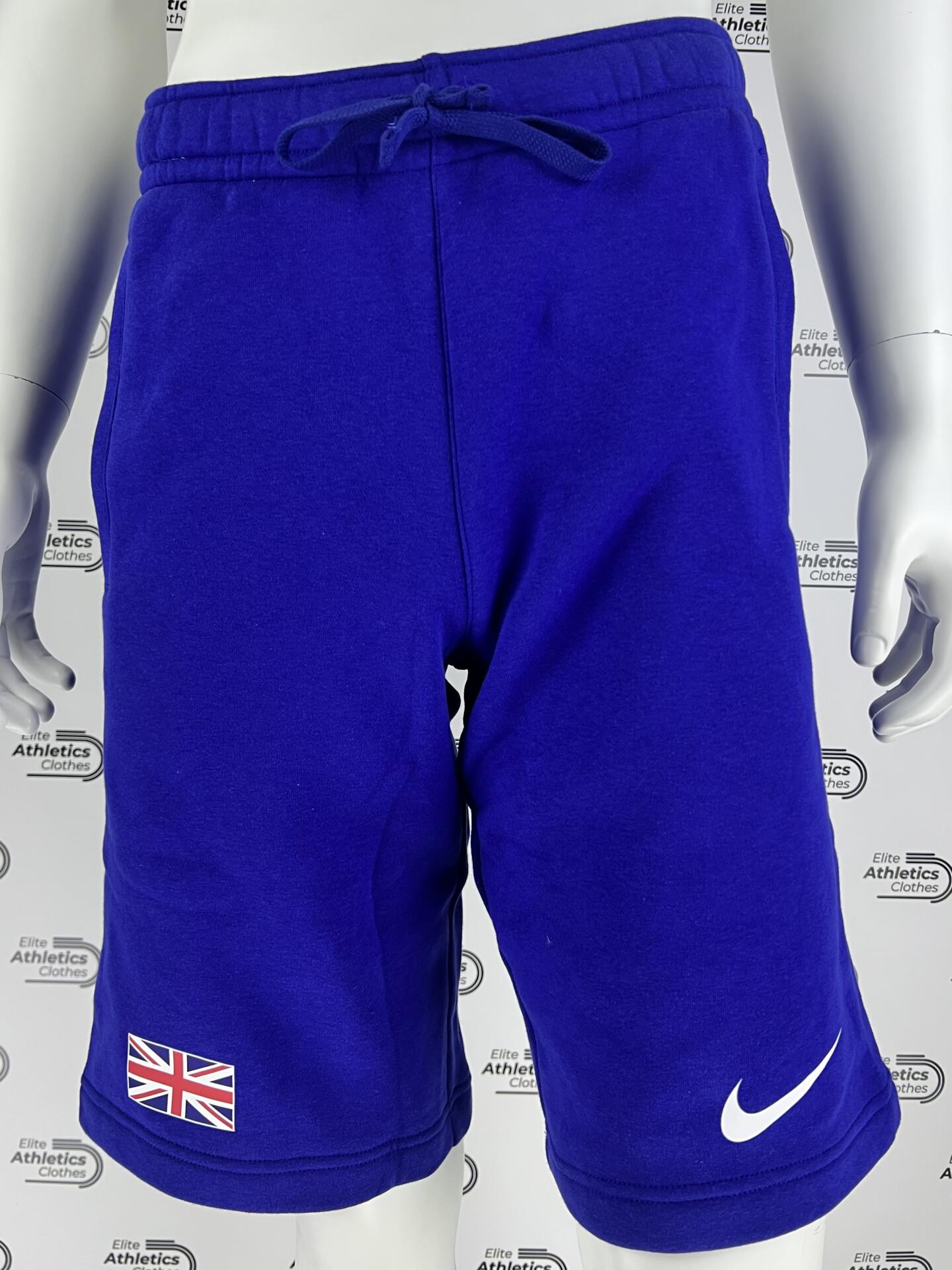 Nike Great Britain Pro Elite 2019 Cotton Short Pants50,00 €View Piece →Ethiopia
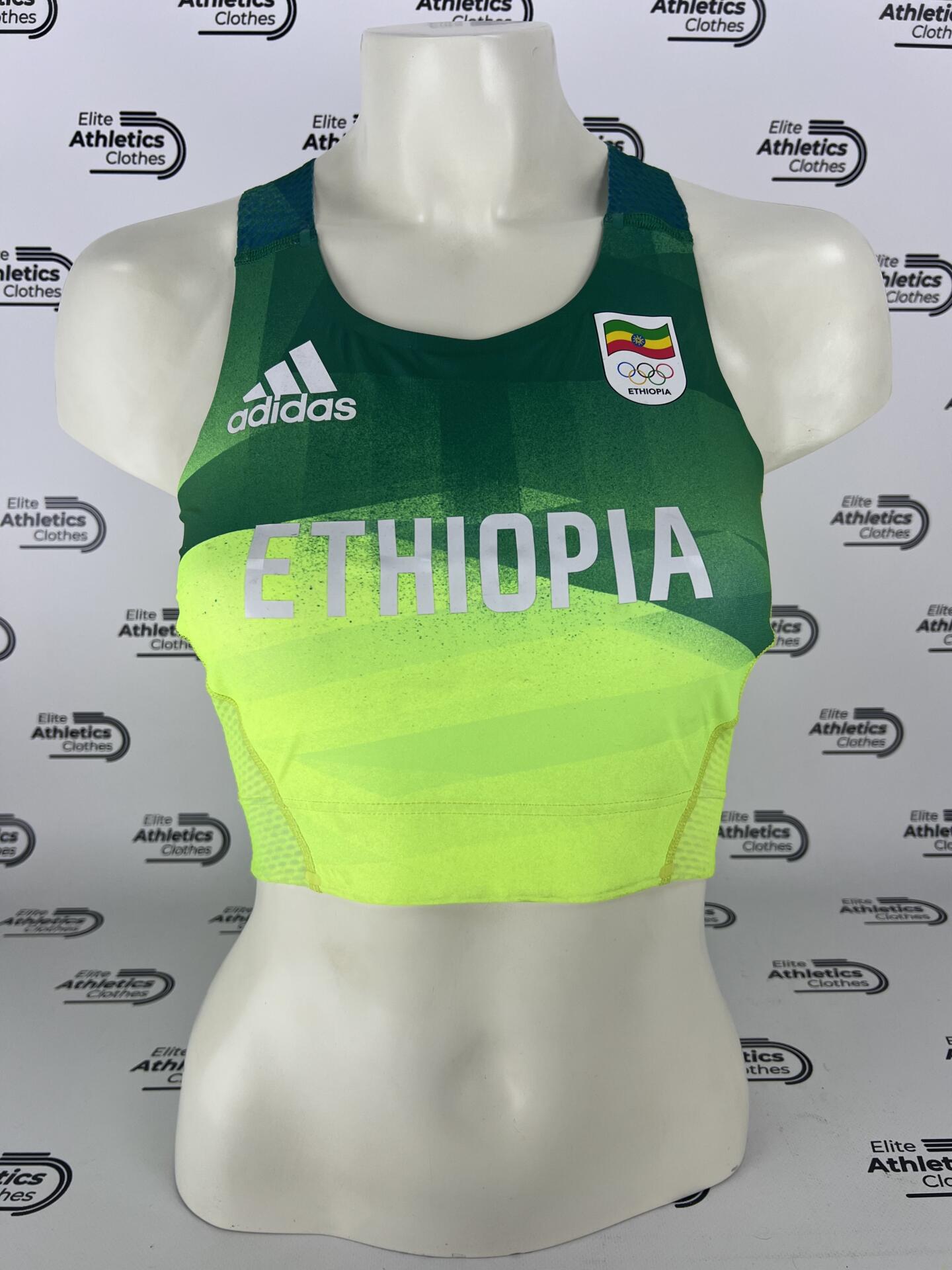 Adidas Ethiopia Olympic Team Pro Elite 2020 Women Crop Top90,00 €View Piece →Germany
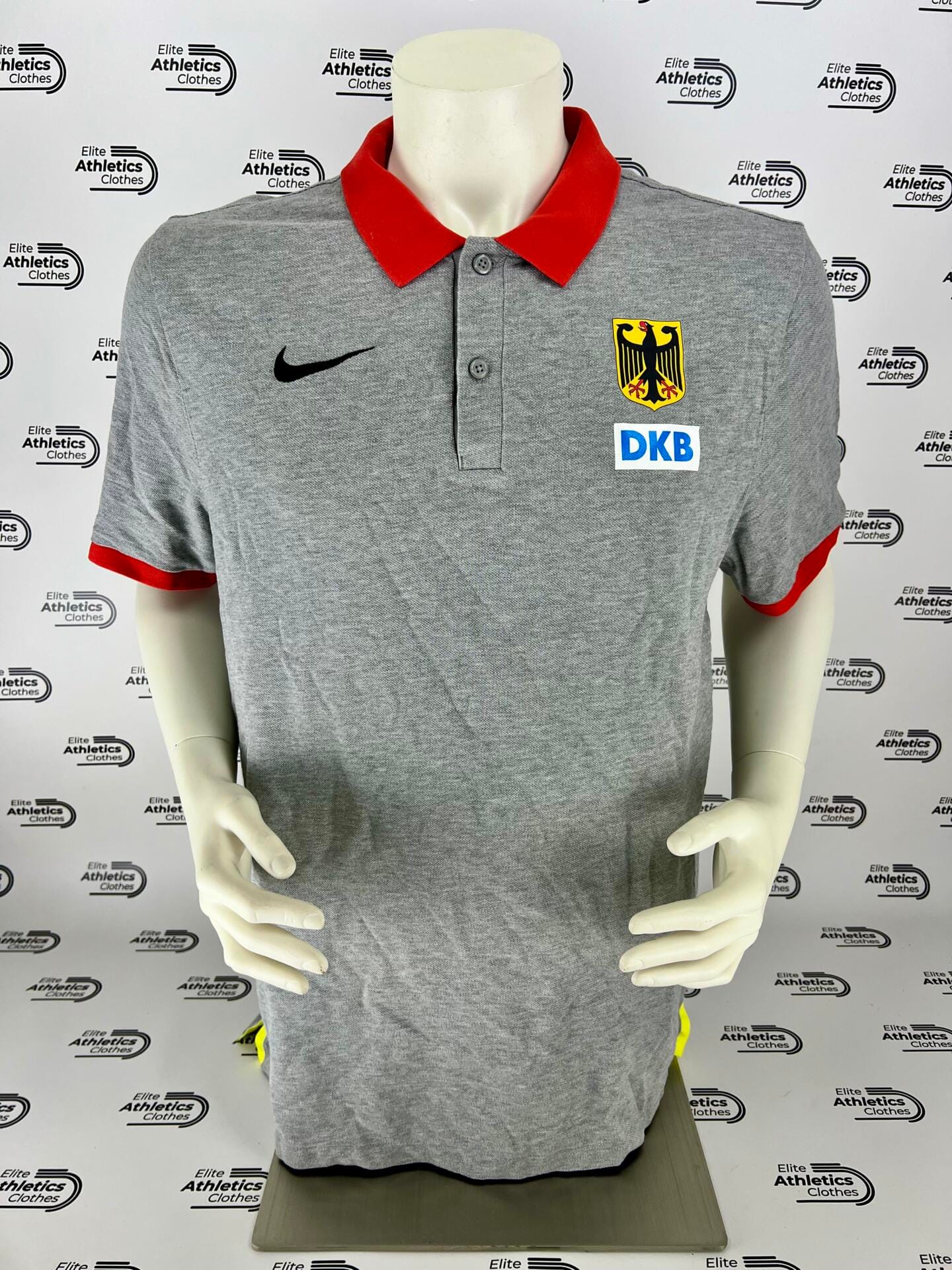 Nike Germany International Team Pro Elite 2019 Polo Shirt70,00 €View Piece →France
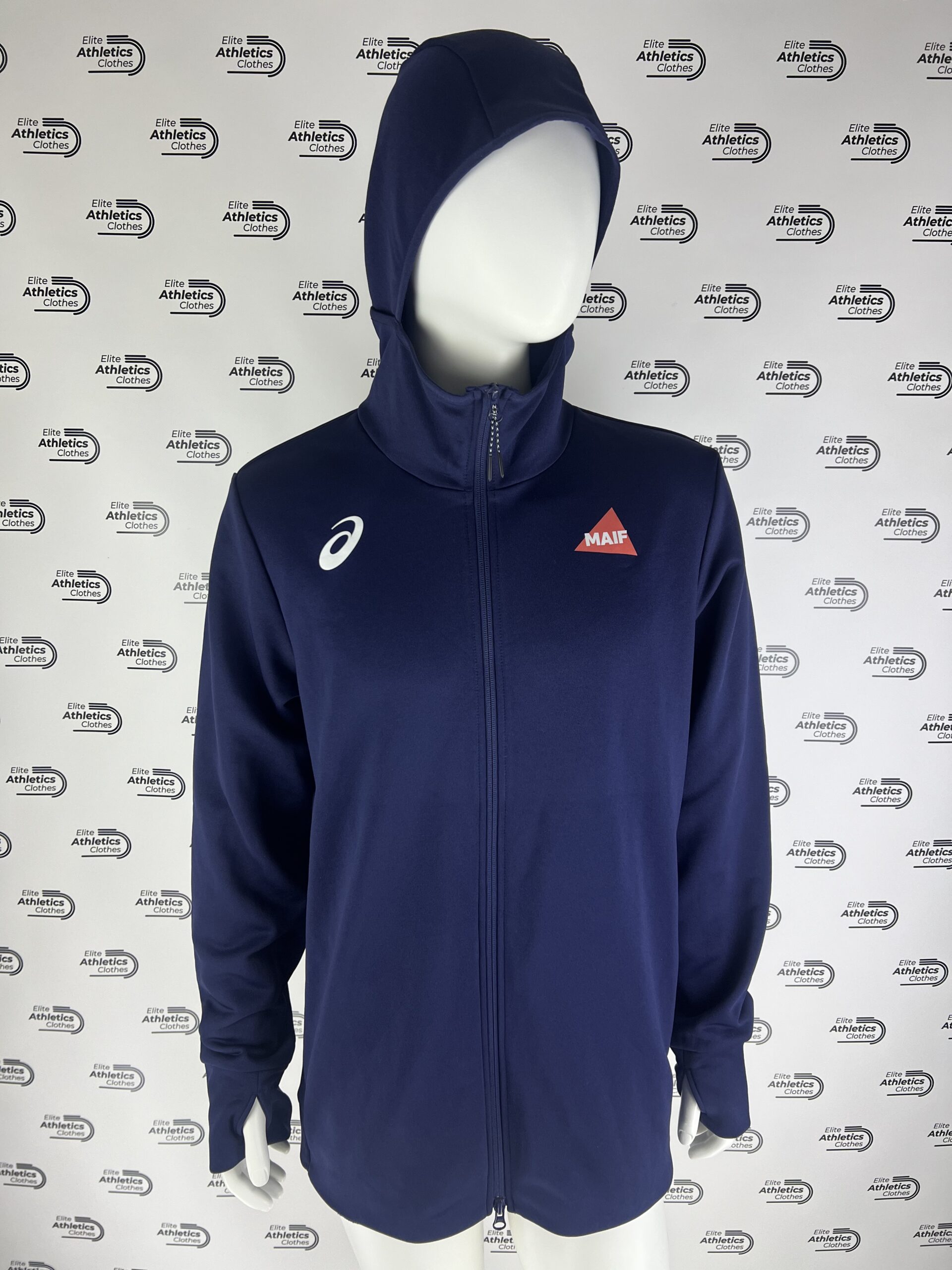 Asics France International Team Pro Elite 2021 Hoodie Jacket120,00 €View Piece →Netherlands
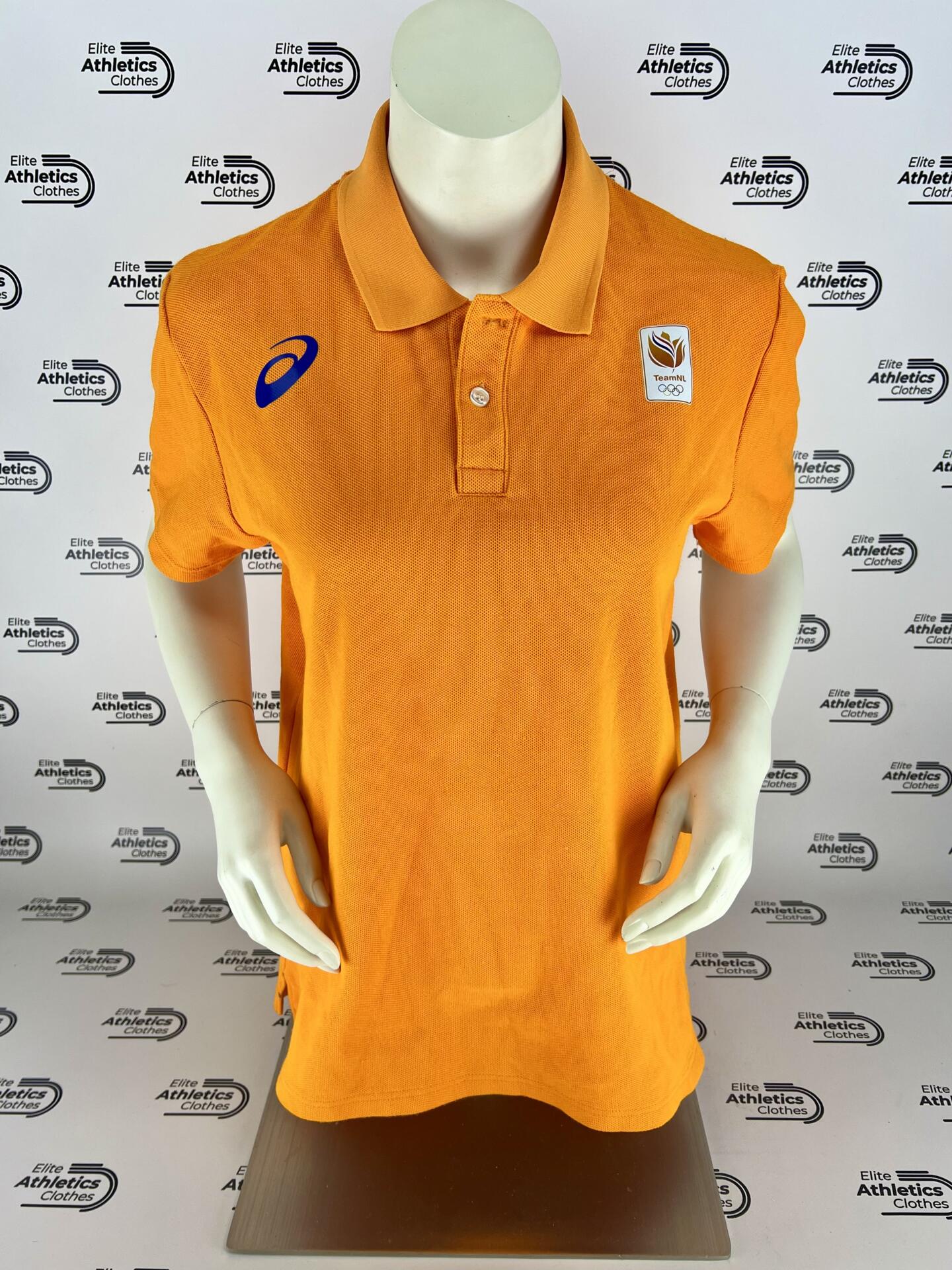 Asics Netherlands International Team Pro Elite 2018 Women Polo Shirt60,00 €View Piece →Kenya
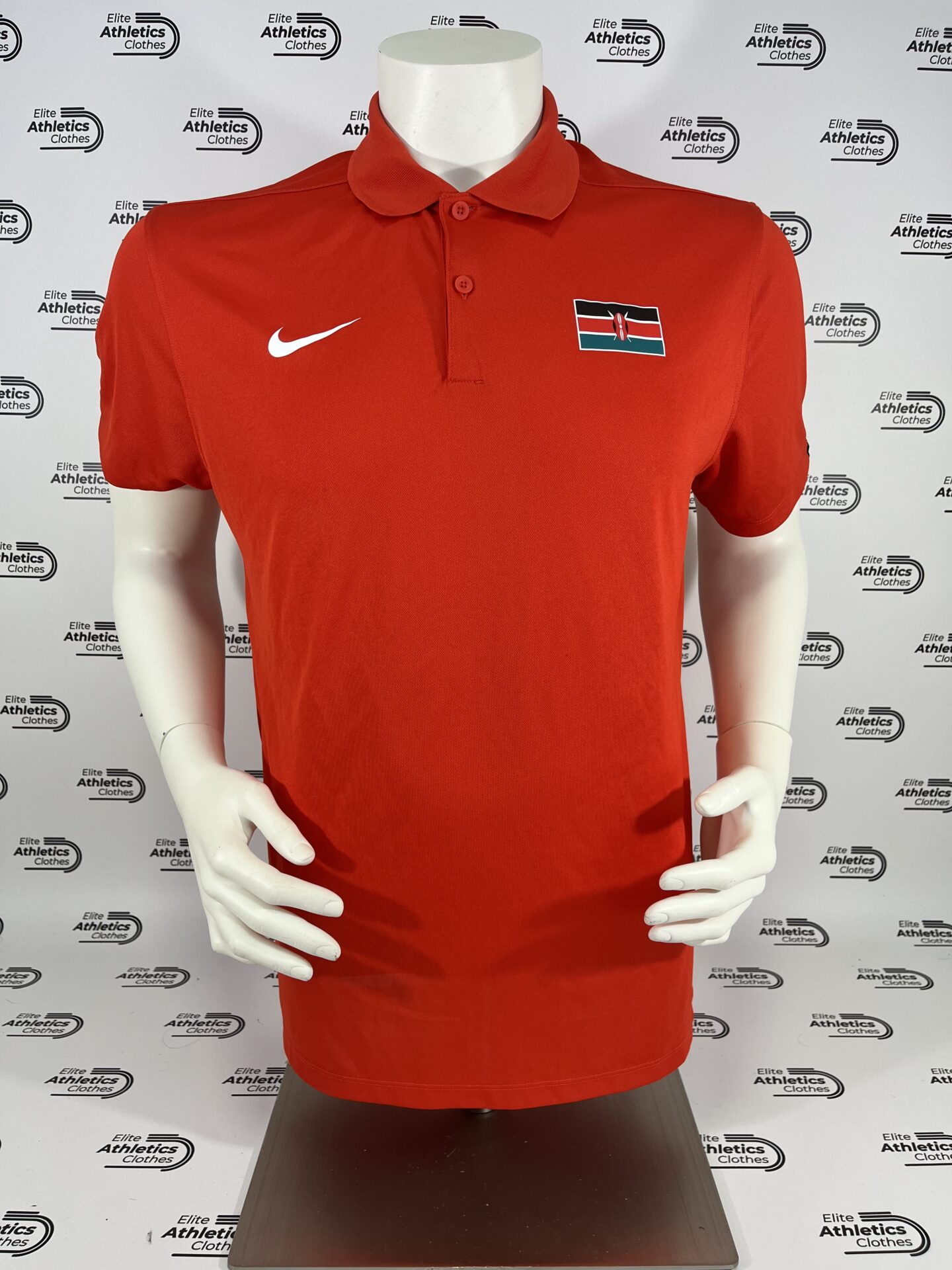 Nike Kenya Olympic Team Pro Elite 2024 Polo Shirt120,00 €View Piece →
What are the World Athletics Indoor Championships?
They are track and field's global indoor championship, held every two years in the even years over three days on a 200 m banked track. The 2026 edition in Toruń, Poland (20–22 March) was the 21st, with 674 athletes from 118 federations contesting 27 events. The next edition is in Bhubaneswar, India, on 3–5 March 2028.
Why do the World Indoors run a 60 m instead of a 100 m?
Because the arena only has room for a straight of about 60 metres — the oval itself is 200 m with banked bends. For the same reason the 200 m was dropped after Budapest 2004, since athletes drawn in the tight inside lanes had no fair chance, and the only throw contested indoors is the shot put.
Who starred at the 2026 World Indoor Championships in Toruń?
Cooper Lutkenhaus (USA) won the 800 m in 1:44.24 at 17 years and 93 days, the youngest individual world champion in men's athletics history. Armand Duplantis took a fourth straight pole vault title with a 6.25 m championship record, Simon Ehammer set a heptathlon world record of 6670, and Keely Hodgkinson won her first world title in a championship record 1:55.30. The United States topped the medal table with five golds among 18 medals.
Do athletes wear national team kit at the World Indoors?
Yes. Like the outdoor World Championships and the Olympics, the World Indoors is contested in federation kit — Poland's team raced Toruń 2026 in 4F, its federation supplier. Brand kit belongs to the meeting circuit, like the World Indoor Tour. The athlete-issued versions of those federation kits are what our archive collects.
Sources and References
- Wikipedia — World Athletics Indoor Championships — the biennial cycle, the 2003–2004 switch to even years and the list of editions
- Wikipedia — 1985 IAAF World Indoor Games — the Paris-Bercy origin: dates, 319 athletes, 69 countries
- World Athletics — Nanjing 2023 postponed to 2025 — the five-year Nanjing postponement, 2020 to 2025
- World Athletics — indoor mixed 4×400 added as official discipline — the mixed relay's addition to the rule book and its Toruń debut
- World Athletics — record-breaking Kujawy Pomorze 26 — the six championship records, 12 world leads, 7 area and 46 national records
- LetsRun — Lutkenhaus wins 800 m, youngest world indoor champion ever — the 1:44.24 and the age of 17 years, 93 days
- Olympics.com — Duplantis claims fourth successive indoor title — the 6.25 m championship record and the first three-over-six-metres indoor final
- Olympics.com — records fall for Morales Williams and Ehammer — the heptathlon world record of 6670 and the 44.76 in the 400 m
- Olympics.com — Hodgkinson's championship record 800 m title — the 1:55.30 title run and her 1:54.87 world record from Liévin
- World Athletics — championships awarded to China, India and Kazakhstan — Bhubaneswar 2028 (3–5 March, Kalinga Stadium) and Astana 2030