
Prize
Money
What winning actually pays, with sources: US$70,000 for a world title, US$50,000 for Olympic gold, US$150,000 at the new Ultimate Championship — and US$10,000 for the same race on an ordinary Diamond League night.
Prize money in track and field runs from US$10,000 for winning an event at a regular 2026 Diamond League meeting to US$150,000 per champion at the World Athletics Ultimate Championship in Budapest — the sport's biggest winner's cheque. In between sit a World Championships gold at US$70,000 (Tokyo 2025), Olympic gold at US$50,000 (paid by World Athletics in Paris 2024, the first Olympic prize money in any sport), a World Indoor gold at US$40,000, and marathon major wins at US$100,000–150,000.
Every figure on this page is a published rate with a source and a date; appearance fees and sponsorship deals are private and are labelled that way. The biggest cheques are earned in national federation kit — the same universe our archive collects.
Part of our Competition Files — one competition at a time, explained. The kits behind the championships live in the Pro Elite archive. Jump to the federation kits or start with the nation the road money built.
- Biggest winner's cheque
- US$150,000 per champion at the Ultimate Championship (Budapest, Sep 2026) — from a US$10M pot, the sport's largest
- World Championships gold
- US$70,000 at Tokyo 2025; silver US$35,000, bronze US$22,000, paid down to 8th; relay gold US$80,000 per team
- Olympic gold
- US$50,000 at Paris 2024, paid by World Athletics — the first Olympic prize money in any sport; silver and bronze promised for LA28
- Diamond League win
- US$10,000 at a 2026 series meeting, US$30,000 at the Final — doubled in Diamond+ disciplines (US$20,000 / US$60,000)
- Marathon majors
- Boston 2026 paid champions US$150,000; New York and Chicago US$100,000; London's base is about US$55,000 plus bonuses
- World record bonus
- US$100,000 at the World Championships; Boston and New York pay US$50,000 for a course record
- First prize money
- Athens 1997 — the first Worlds to pay: US$60,000 per individual gold, after a century of official amateurism
- What is never published
- Appearance fees and sponsorship contracts — private, negotiated, and larger than most cheques on this page
The Sport That Paid Nobody, Officially
For most of the 20th century, track and field's rulebook said its athletes earned nothing. The reality was different — under-the-table appearance money was an open secret for decades — but the official position held until the early 1980s, when the IAAF dropped formal amateurism and let payments flow through athlete trust funds. The word people used for the era before that, “shamateurism”, tells you how seriously anyone took the fiction.
Prize money at the sport's own championships arrived later than you would guess. The first World Championships to pay its medallists was Athens 1997 — the sixth edition. An individual gold that summer was worth US$60,000, silver US$30,000, bronze US$20,000, and a world record carried a US$100,000 bonus that nobody collected. Nearly thirty years on, those numbers have barely moved at the Worlds itself; what changed is everything around it.
What a Championship Title Pays
The scale at a modern World Championships is public and precise. At Tokyo 2025 an individual gold paid US$70,000, silver US$35,000 and bronze US$22,000, with money down to US$5,000 for eighth place; relay teams shared US$80,000 for gold. The whole pot came to US$8,498,000, and a ratified world record added a US$100,000 bonus. Athletes earn every cent of it in federation kit — the national team issue this archive is built on.
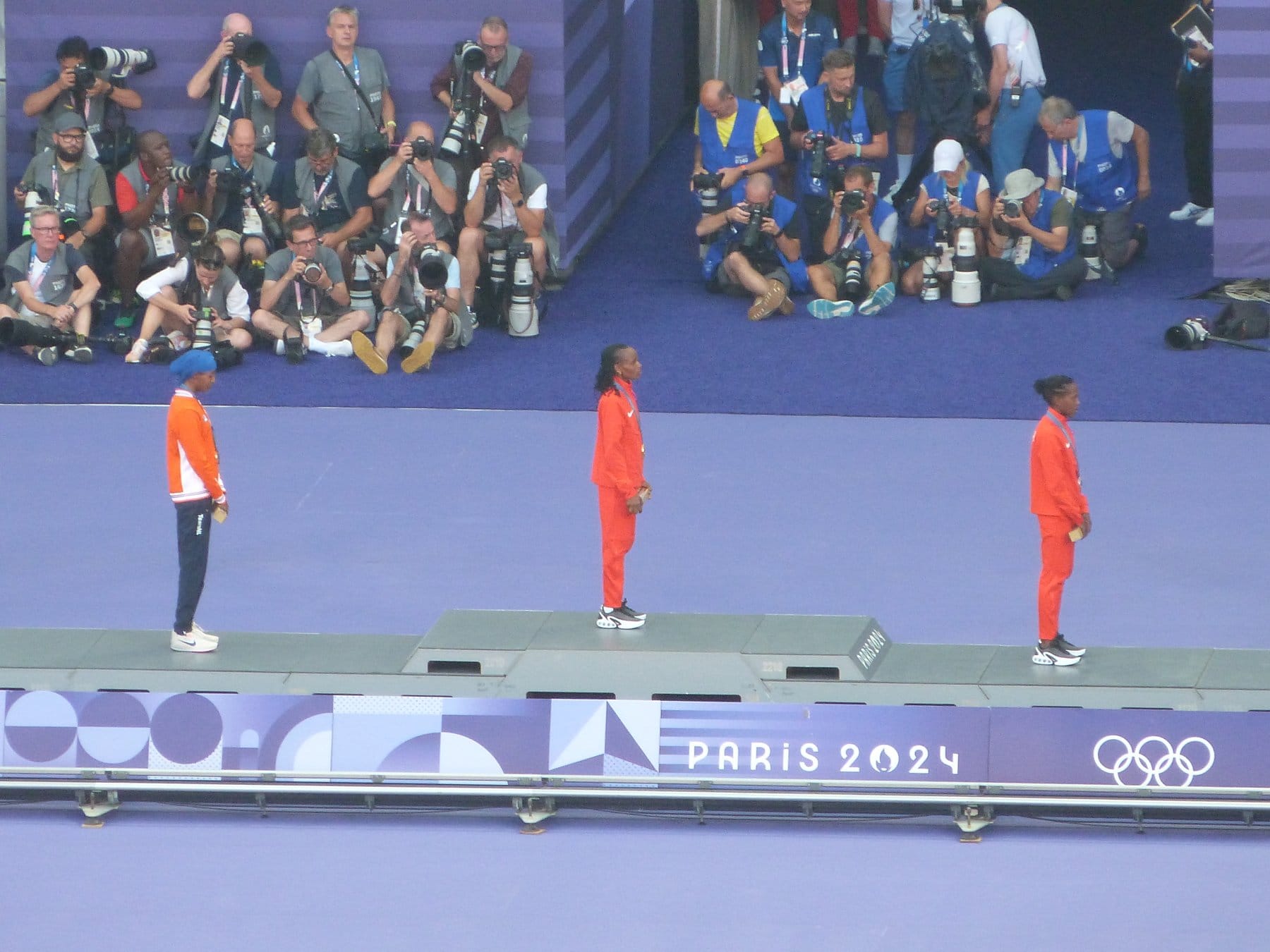
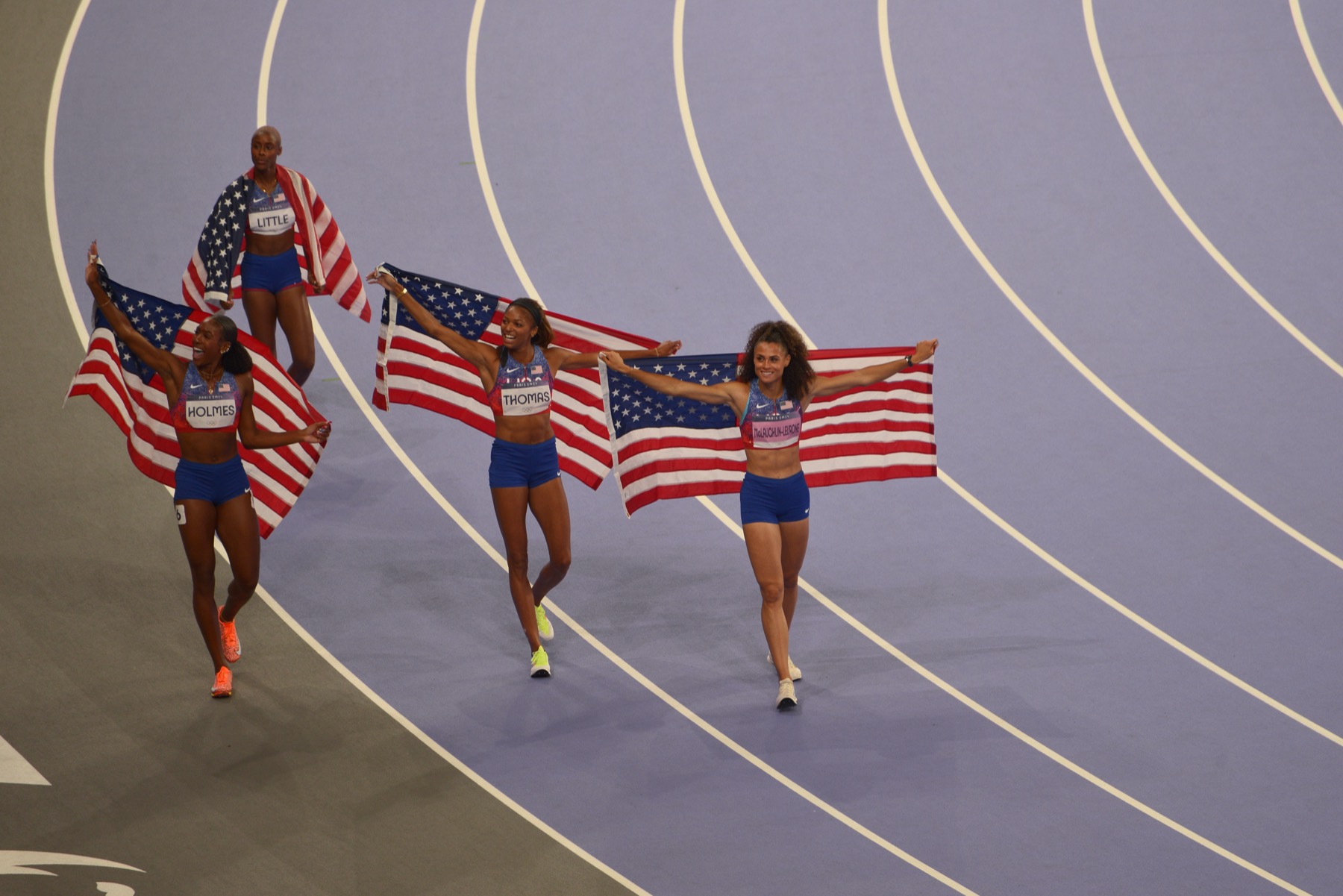
The Olympics were the last holdout. The IOC has never paid medallists, and for a century neither did anyone else — until April 2024, when World Athletics announced it would pay US$50,000 to the winner of each of the 48 athletics events in Paris out of its own share of Olympic revenue. It made athletics the first sport in Olympic history to put prize money behind a gold medal. Relay squads split the sum between them, and the federation has committed to extending payments to silver and bronze at Los Angeles 2028.
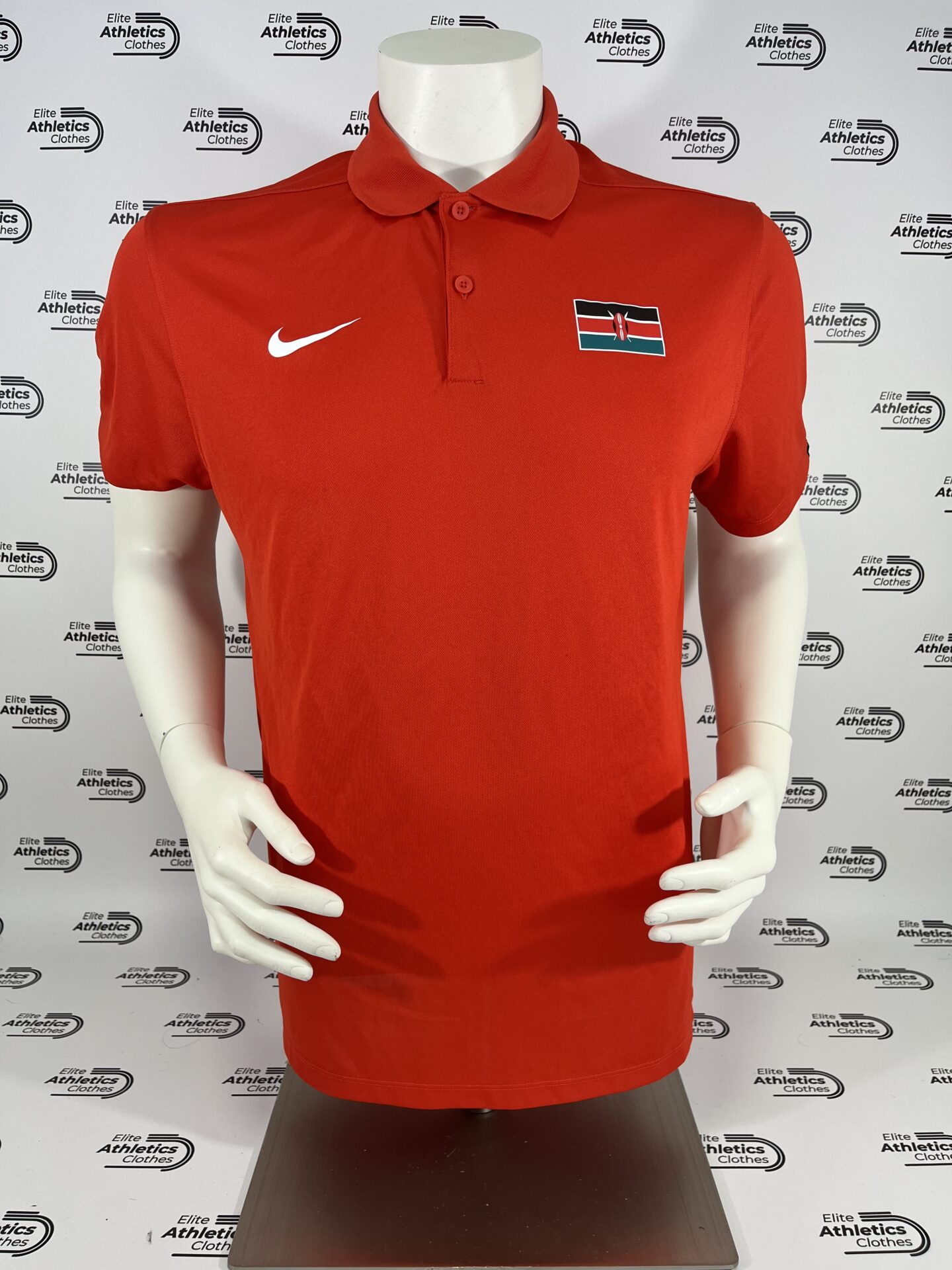 Federation kit · in the archiveNike Kenya Olympic Team Pro Elite 2024 Polo ShirtNike Kenya Olympic team polo from the Paris 2024 cycle — the federation issue worn by the delegation whose champions collected the first Olympic prize money.120,00 €View piece →
Then the ceiling moved again. The new Ultimate Championship in Budapest — 11 to 13 September 2026, the sport's first season-ending global title — carries a US$10 million pot, the largest ever staged, and pays US$150,000 per champion: more than double a world title, three times an Olympic gold. Even the winter branch pays properly now — a World Indoor gold was worth US$40,000 at Nanjing 2025.
The Circuit's Pay Slip
Between championships, the money lives on the one-night circuit — and it is thinner than most fans assume. In the 2026 Wanda Diamond League, winning your event at one of the 14 series meetings pays US$10,000, and winning at the Final in Brussels pays US$30,000. Since 2025 each meeting also nominates Diamond+ disciplines where those figures double, to US$20,000 and US$60,000 — eight disciplines per meeting in 2026, split evenly between men's and women's events. The season's whole pool is US$9.24 million, spread across hundreds of athletes; these races are run in sponsor kit, not national colours.
The house rule for reading any competition: championships mean federation kit, leagues and meetings mean sponsor kit. The big cheques in this piece — Worlds, Olympics, Ultimate — are all earned in national team issue, the universe our archive collects. The circuit money is brand-kit territory.
The circuit is also where the sport's hardest money lesson was taught. Grand Slam Track, the league launched by Michael Johnson in April 2025, advertised US$100,000 for every Race Group winner at each Slam from a US$12.6 million season pool — the richest per-race pay track had seen. Its fourth meeting was cancelled that June; by August the league was reported to owe athletes around US$13 million, Johnson apologised publicly for the missed payments, and after an emergency financing round athletes had received roughly half of what they were owed by April 2026. The figure on the announcement only counts once it clears — a story this series will tell in full in its own chapter.
The Road Pays Differently
The biggest guaranteed winner's cheques in the sport are not on the track at all. Boston paid its 2026 champions US$150,000 each from the first purse in its history to clear a million dollars — US$1,284,500 in total — and John Korir added the US$50,000 course-record bonus by running 2:01:52. New York paid US$100,000 to its 2025 winners, Benson Kipruto and Hellen Obiri, from a US$900,000 guaranteed purse; Chicago paid US$100,000 to Jacob Kiplimo and Hawi Feysa from US$908,000. A marathon major win pays like a world title or better, and there are six of them a year.
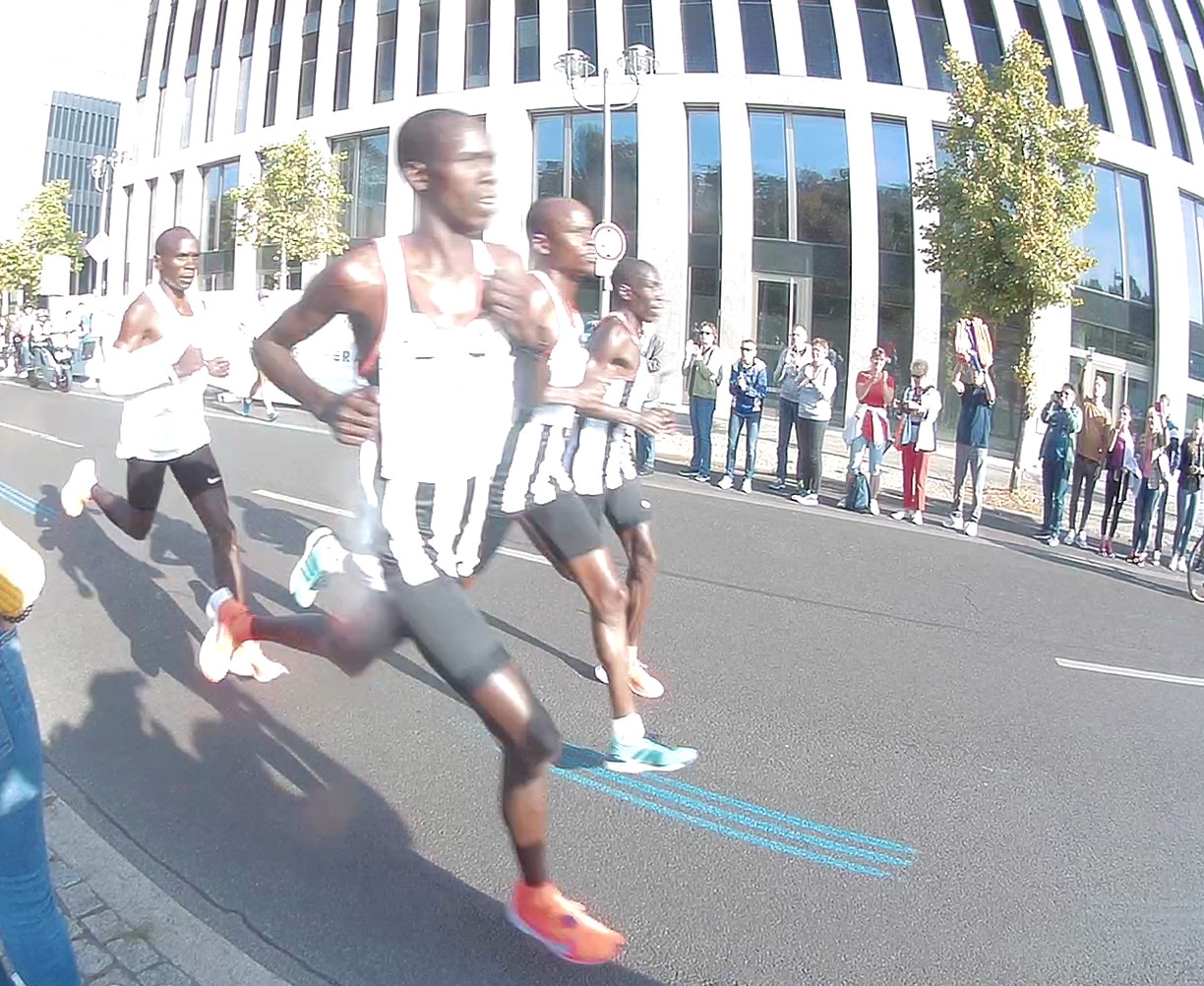
London is the honest reminder that the headline number is only the base layer. Its winner's prize is £40,000 — about US$55,000, a third of Boston — yet when Sabastian Sawe ran his 1:59:30 there in April 2026, the first ratified sub-two-hour marathon in history, the British press reported his record bonuses at roughly US$300,000 on top of it. Road money stacks: base prize, time bonuses, record bonuses, and appearance fees negotiated privately before anyone laces up. The runners collecting it come overwhelmingly from the Kenyan distance system, racing in trade-team and sponsor kit — and the brands know what the roads are worth, which is why adidas has sponsored Boston since 1989.
Ten Cheques, One Scale
Put every published winner's prize on the same ruler and the sport's pay geography gets sharp. Winning the same 100 metres pays US$10,000 on an ordinary Diamond League night, US$70,000 at a Worlds, and US$150,000 at the Ultimate Championship — a fifteen-fold spread for the identical act. The ledger below is the deliberate outliers and the workhorse rates side by side.
Hover or tab on a row for the detail. Sources: World Athletics and Wanda Diamond League prize releases; Boston, NYRR and Chicago published purses; ESPN's Tokyo 2025 prize table. Verified September 2026.
Every cheque on the ledger, with its source year
| What was won | Where and when | Winner's cheque | Note |
|---|---|---|---|
| Ultimate Championship title | Budapest, Sep 2026 | US$150,000 | US$10M pot, the sport's largest; every entrant paid |
| Boston Marathon | April 2026 | US$150,000 | US$50,000 more for the course record |
| New York City Marathon | November 2025 | US$100,000 | US$900,000 guaranteed purse |
| Chicago Marathon | October 2025 | US$100,000 | US$908,000 total purse |
| World Championships gold | Tokyo, Sep 2025 | US$70,000 | Relay gold US$80,000 per team |
| London Marathon | April 2026 | US$55,000 | Base prize; record bonuses sit on top |
| Olympic athletics gold | Paris, Aug 2024 | US$50,000 | Paid by World Athletics, a first |
| World Indoor gold | Nanjing, Mar 2025 | US$40,000 | Silver US$20,000, bronze US$10,000 |
| Diamond League Final win | 2026 season | US$30,000 | US$60,000 in Diamond+ disciplines |
| Diamond League meeting win | 2026 season | US$10,000 | US$20,000 in Diamond+ disciplines |
Two things the ledger cannot show, because nobody publishes them: appearance fees, negotiated meeting by meeting through managers and never disclosed, and sponsorship contracts, which for the sport's biggest names are worth more than any cheque here. Those numbers exist only in private agreements, so they stay off this page — every figure above is a published rate with a date on it.
The Kit the Cheques Are Won In
Every championship figure on this page — Worlds, Olympics, Ultimate — is earned in national team issue. These are athlete-issued federation pieces from the archive, one per nation.
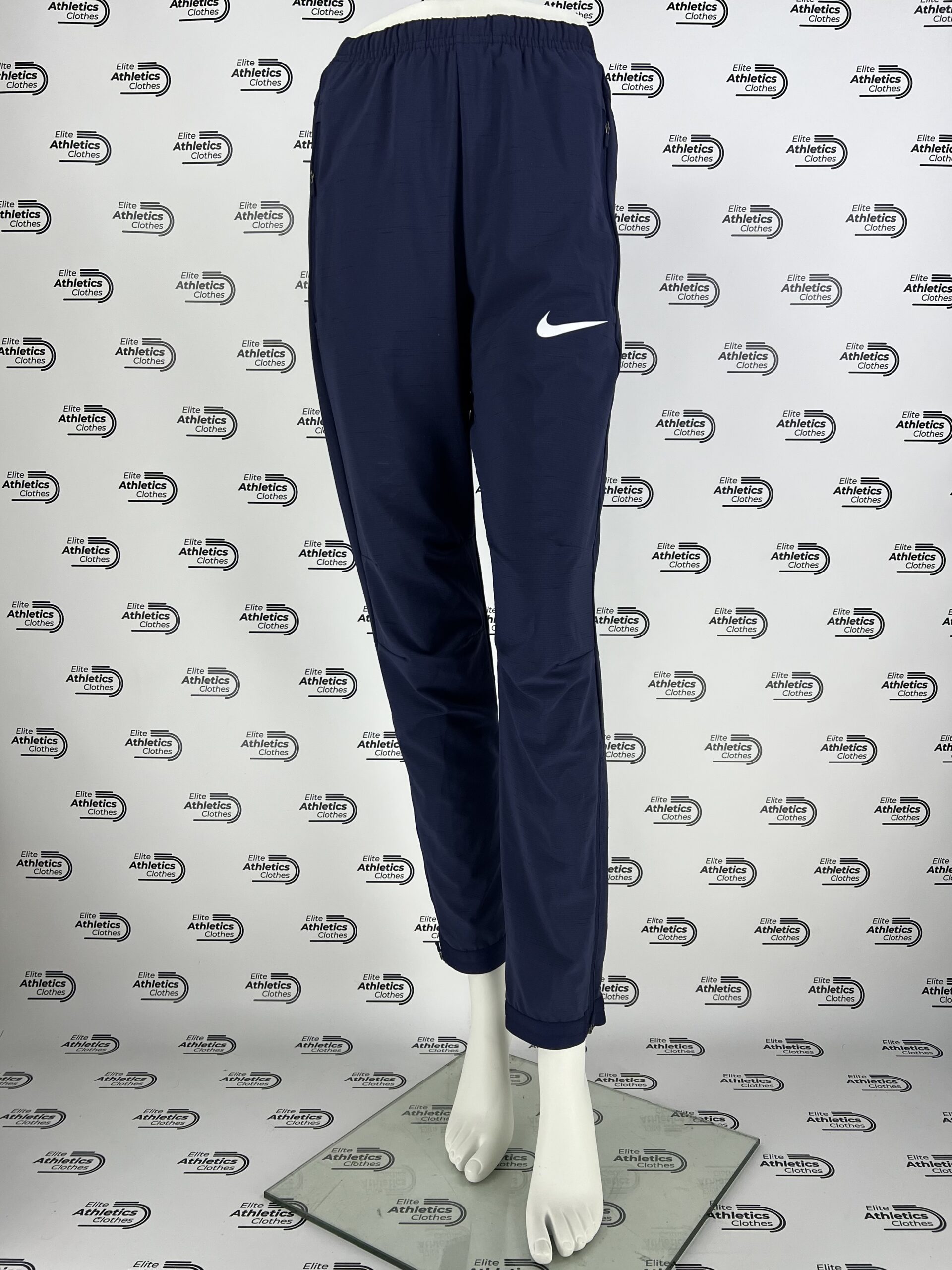 Nike USA International Team Pro Elite 2025 Women Lightweight Pants140,00 €View Piece →Great Britain
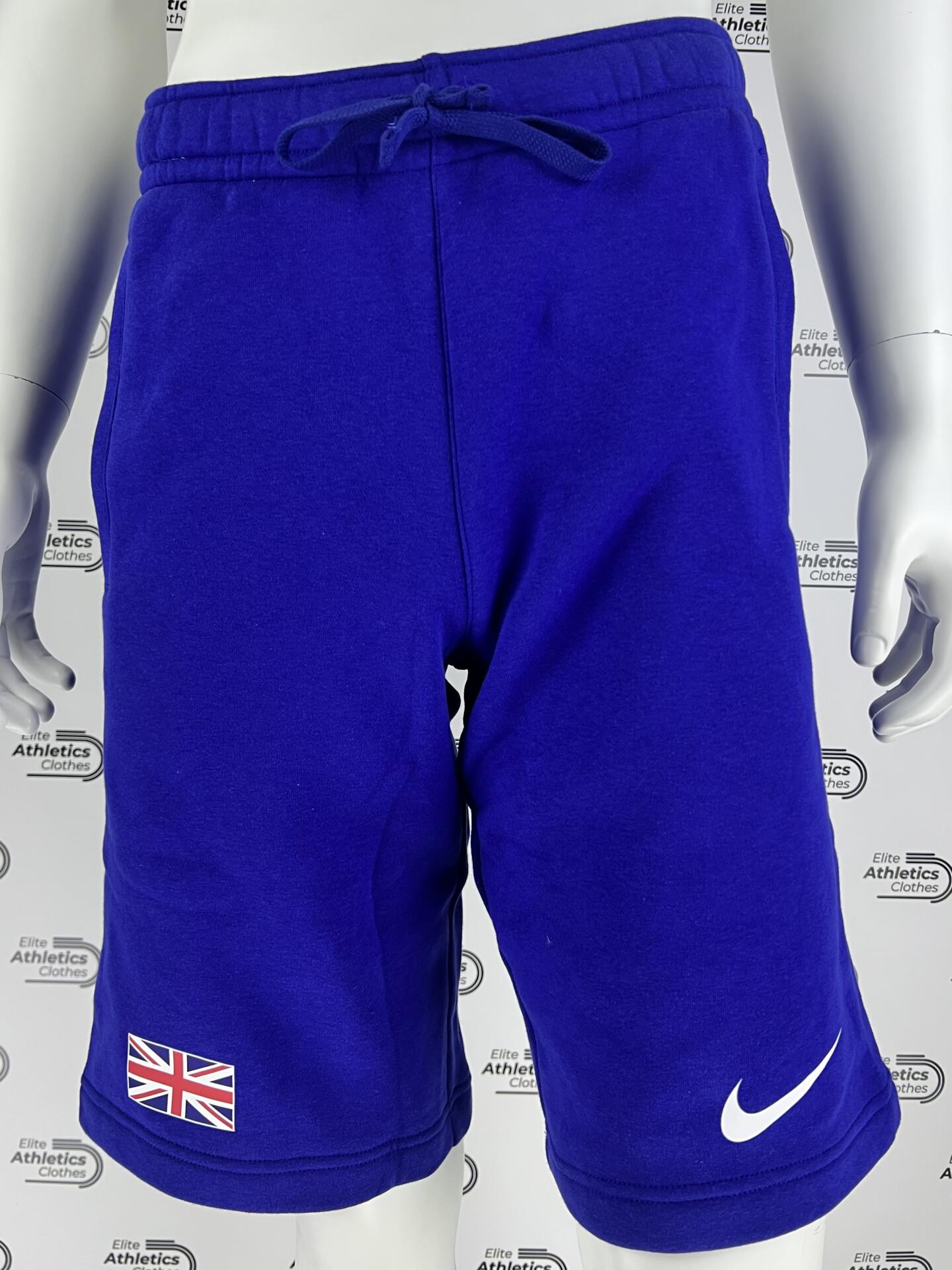 Nike Great Britain Pro Elite 2019 Cotton Short Pants50,00 €View Piece →KenyaNike Kenya Olympic Team Pro Elite 2024 Polo Shirt120,00 €View Piece →Ethiopia
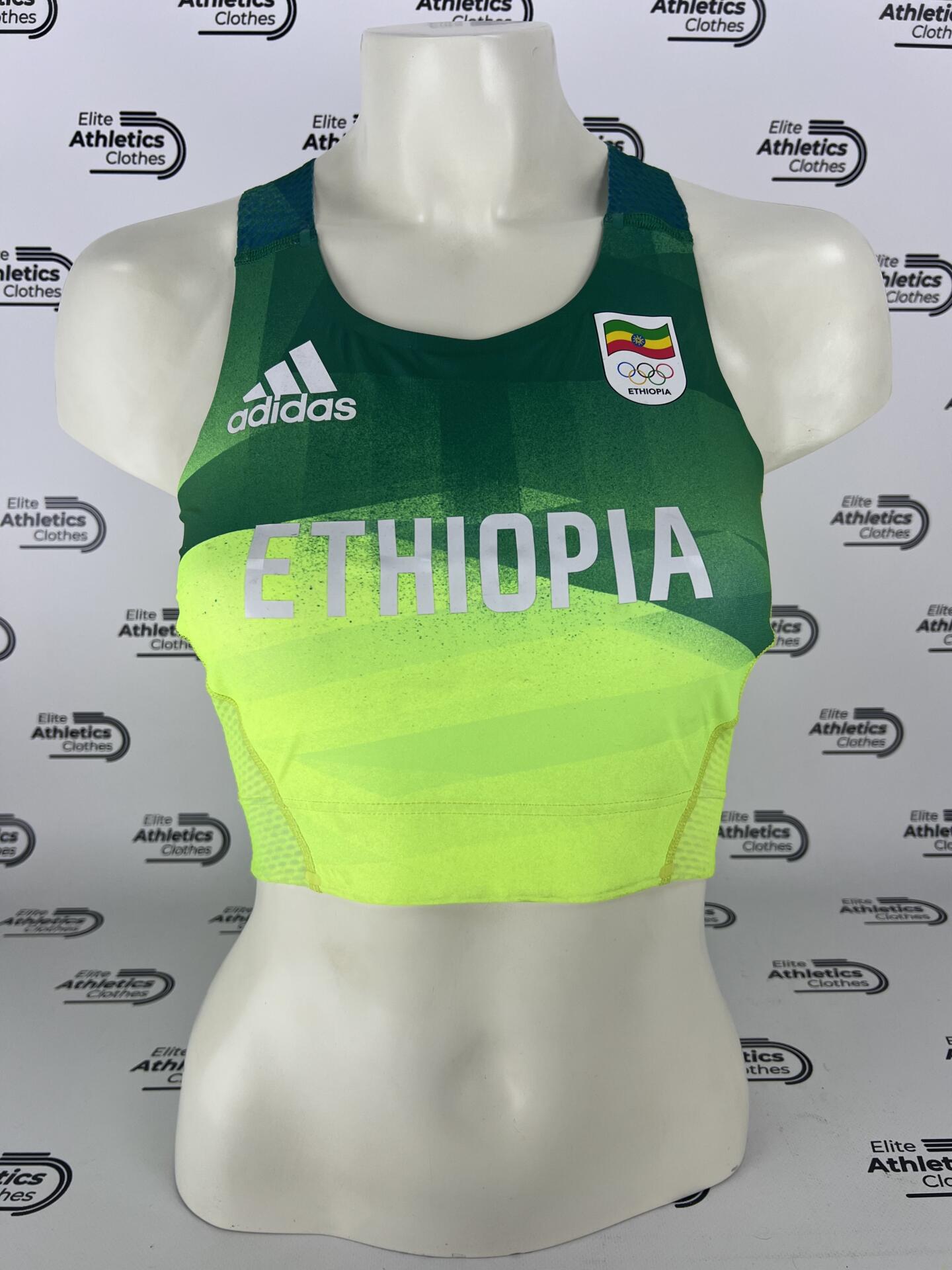 Adidas Ethiopia Olympic Team Pro Elite 2020 Women Crop Top90,00 €View Piece →Germany
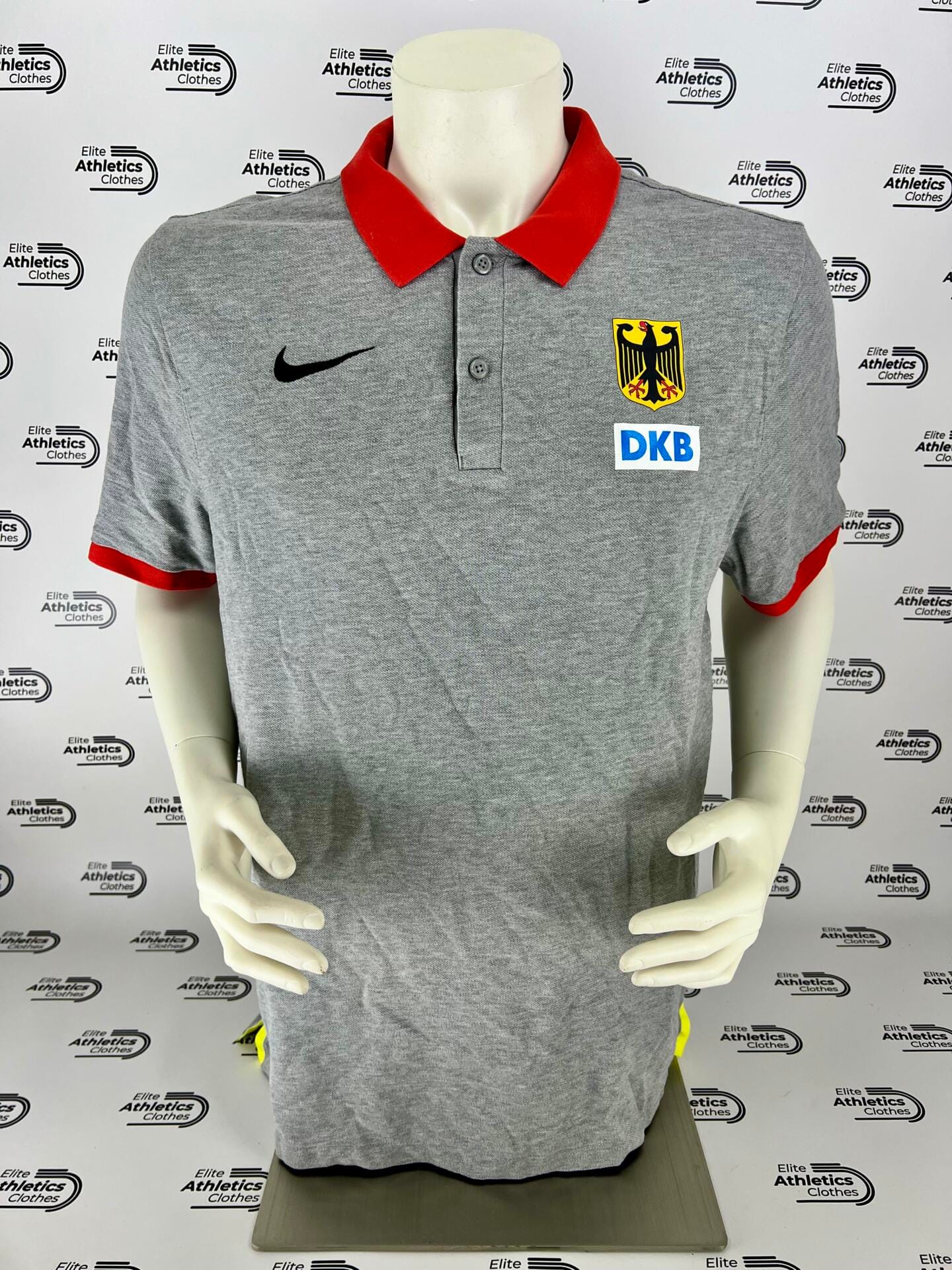 Nike Germany International Team Pro Elite 2019 Polo Shirt70,00 €View Piece →France
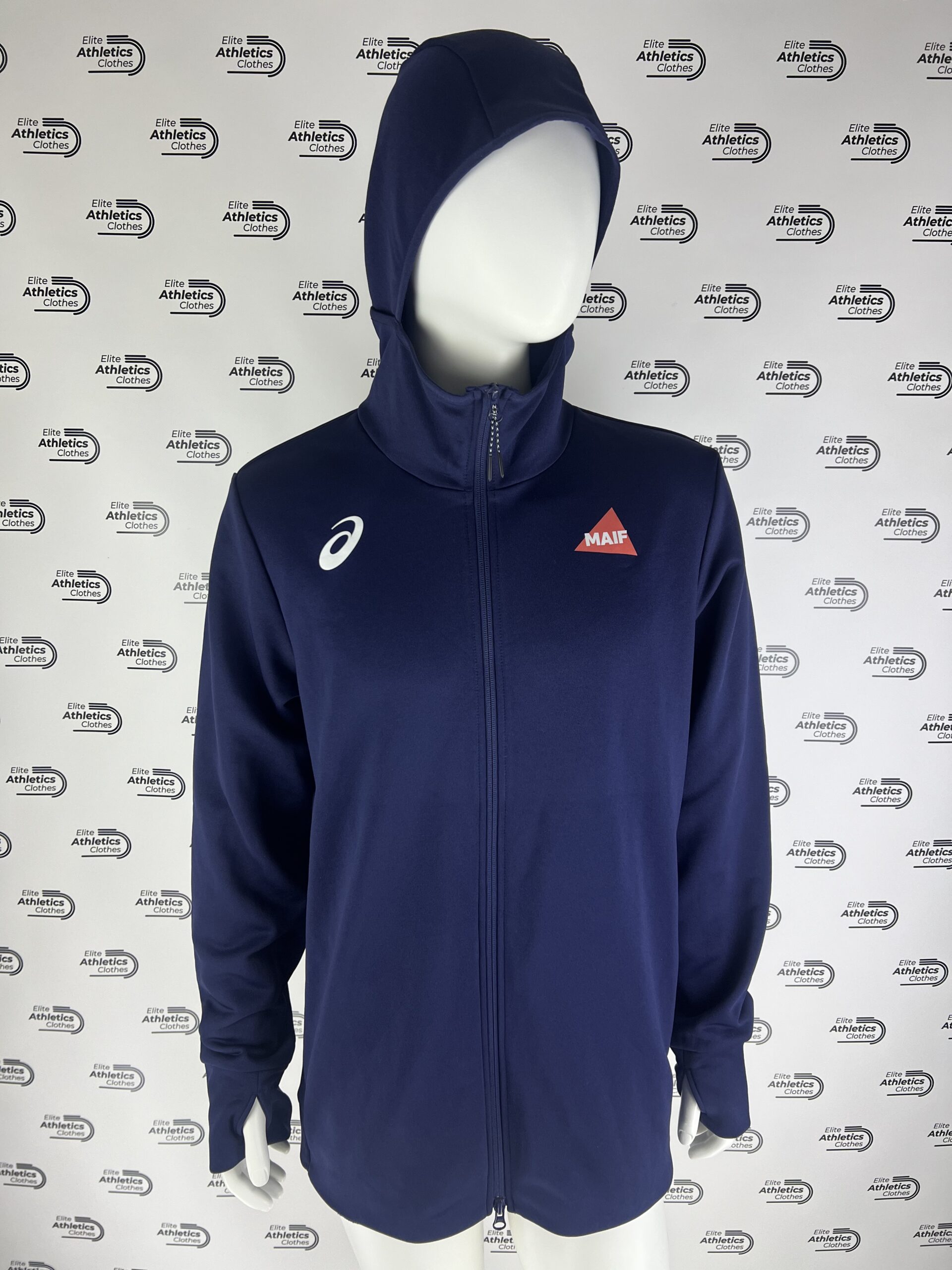 Asics France International Team Pro Elite 2021 Hoodie Jacket120,00 €View Piece →Netherlands
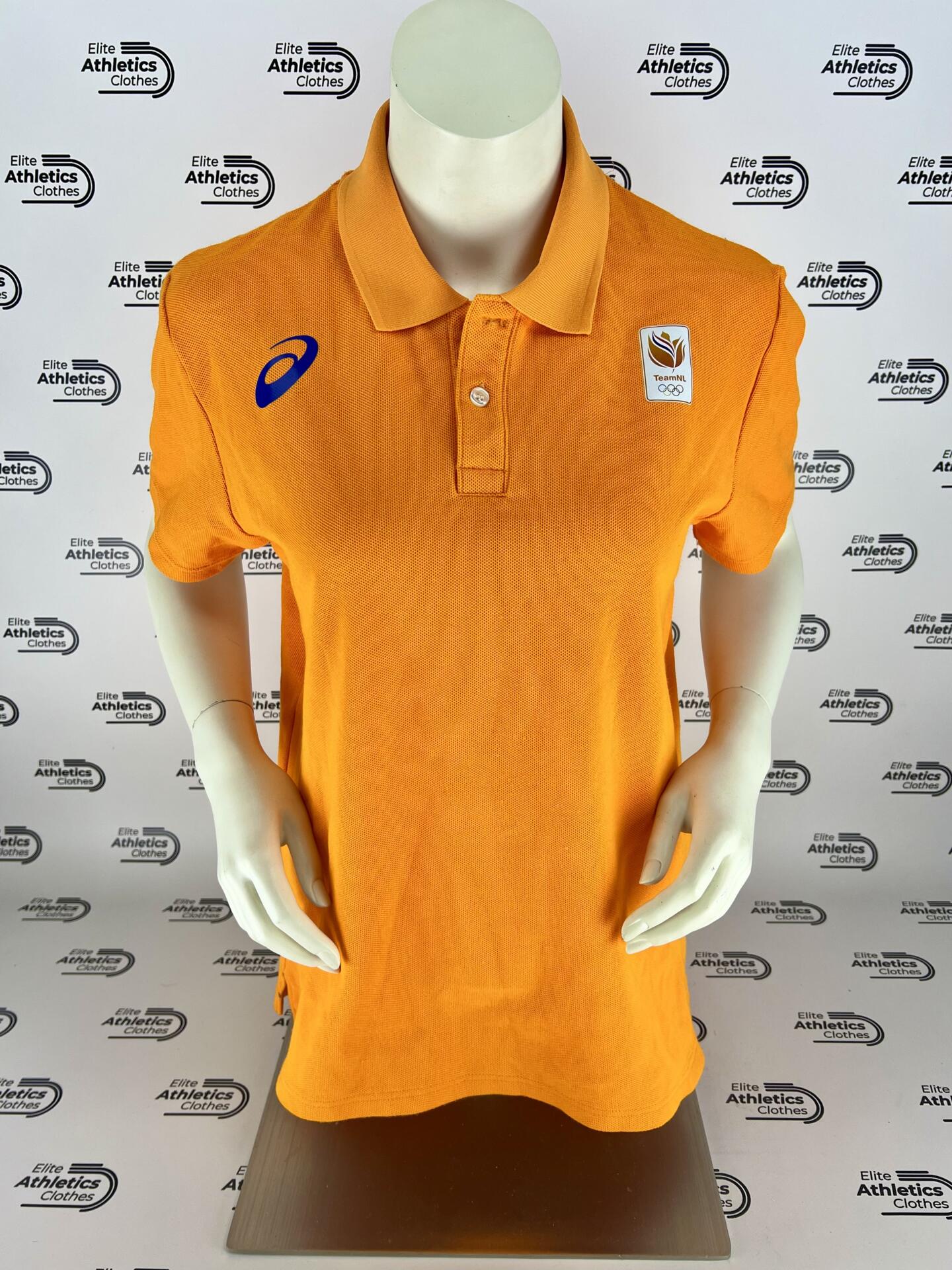 Asics Netherlands International Team Pro Elite 2018 Women Polo Shirt60,00 €View Piece →Poland
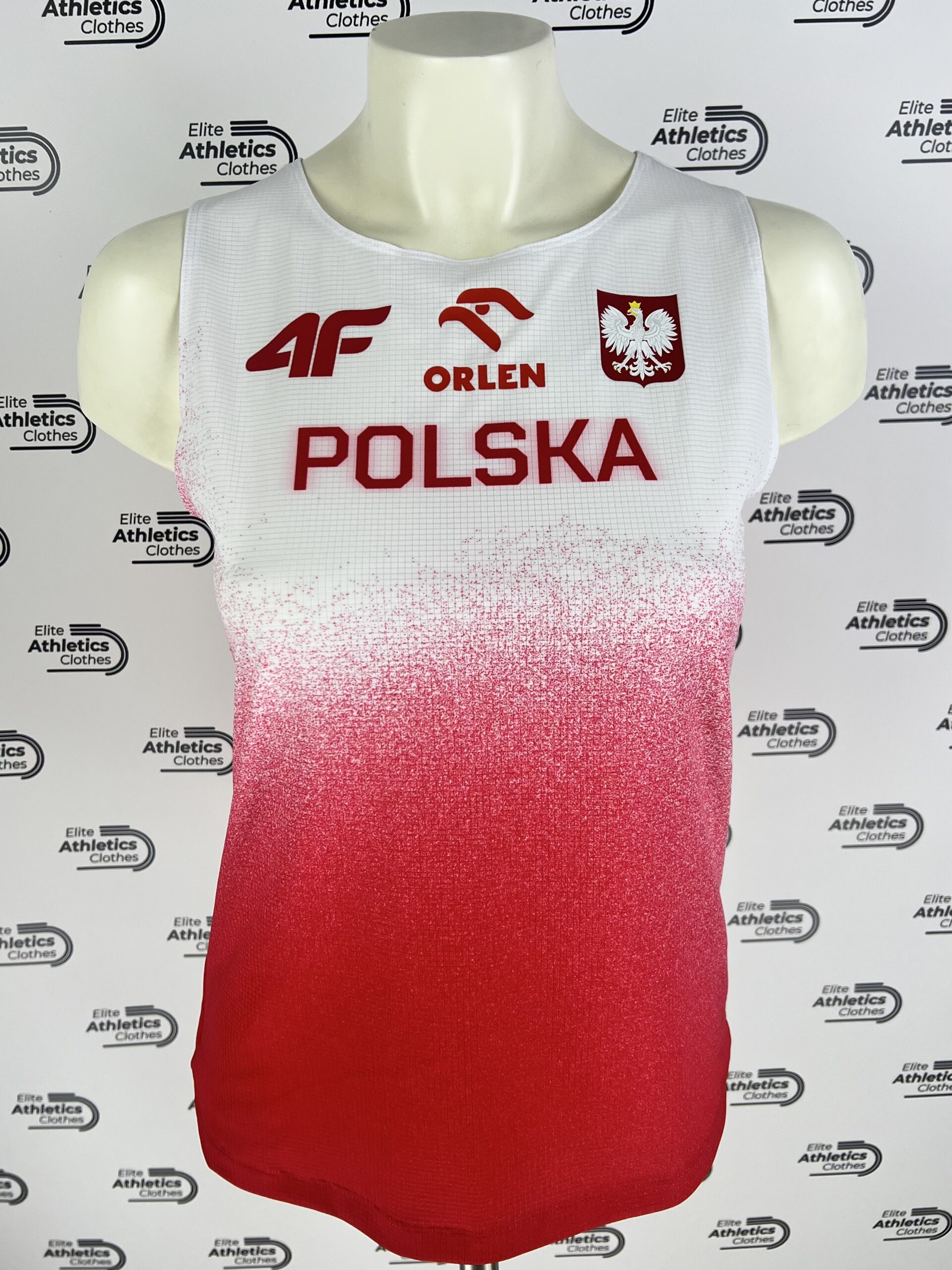 4F Poland International Team Pro Elite 2026 Women Distance Singlet160,00 €View Piece →
How much do athletes earn for winning a World Championships gold medal?
US$70,000 at the Tokyo 2025 World Championships. Silver paid US$35,000 and bronze US$22,000, with prize money down to US$5,000 for eighth place. Relay teams shared US$80,000 for gold, and a ratified world record carried a US$100,000 bonus. The total pot was US$8,498,000.
Do Olympic gold medallists get prize money?
Since Paris 2024, athletics gold medallists do: World Athletics pays US$50,000 per gold from its share of Olympic revenue — the first international federation ever to pay Olympic prize money. Relay teams split the sum. The IOC itself pays nothing, and World Athletics has committed to adding silver and bronze payments at Los Angeles 2028.
How much does a Diamond League win pay?
In 2026, US$10,000 for an event win at one of the 14 series meetings and US$30,000 at the Final — doubled to US$20,000 and US$60,000 in the eight Diamond+ disciplines each meeting nominates. The season's total pool is US$9.24 million.
What do marathon major winners earn?
Boston paid its 2026 champions US$150,000 each from a US$1,284,500 purse, with a US$50,000 course-record bonus on top. New York paid US$100,000 in 2025 from a US$900,000 guaranteed purse, and Chicago US$100,000 from US$908,000. London's base winner's prize is about US$55,000, but record bonuses stack on top of it — press reports put Sabastian Sawe's 2026 world-record bonuses at roughly US$300,000.
When did track and field start paying prize money?
Officially, in 1997: the Athens World Championships was the first to pay its medallists, with US$60,000 per individual gold. The sport had dropped formal amateurism in the early 1980s, moving athlete income through trust funds before open prize money arrived.
Sources and References
- ESPN — prize money revealed for the 2025 World Athletics Championships — the full Tokyo 2025 table, the US$8,498,000 pot and the record bonus
- World Athletics — prize money introduced for Olympic gold medallists — the US$50,000 Paris payments, the relay split and the LA28 commitment
- World Athletics — Ultimate Championship: a new global event — the US$10M pot and the US$150,000 per champion
- Wanda Diamond League — individual prize money raised for 2026 — the US$9.24M pool, meeting and Final rates, and the Diamond+ doubling
- Sportico — Boston Marathon 2026 prize money — the US$1,284,500 purse, the US$150,000 first prize and Korir's record
- NYRR — New York City Marathon prize money — the US$100,000 first prize and the US$900,000 guaranteed purse
- Sportico — Chicago Marathon 2025 results and prize money — the US$100,000 first prize and the US$908,000 purse
- The Scotsman — World Indoor Championships 2025 prize money — the US$40,000 / 20,000 / 10,000 Nanjing scale
- Athletics Weekly — World Championships history: Athens 1997 — the first Worlds with prize money and the US$60,000 gold
- NBC News — Grand Slam Track's cash crunch — the advertised rates, the cancelled Slam and the unpaid prize money