
Boston
Marathon
The oldest marathon on Earth — run every year since 1897 — and since April 2026 one of the fastest: John Korir's 2:01:52 course record, on the one course where no time can ever be a world record.
The Boston Marathon is the world's oldest annually contested marathon, run from Hopkinton to Boylston Street every Patriots' Day since 19 April 1897 and organised by the Boston Athletic Association. Its 130th running, on 20 April 2026, was the fastest in its history: John Korir defended his title in 2:01:52, a course record, with three men inside the old mark — and none of it can be ratified as a world record, because the course drops about 140 metres point-to-point, over three times what World Athletics allows.
Entry for the public is by qualifying time — the "BQ", 2:55:00 for men and 3:25:00 for women aged 18-34 in 2026, plus a cut-off beyond it. Like every Major it is raced in sponsor kit, not national kit, and the race itself has worn adidas since 1989 — the universe our brand shelves collect.
Part of our Competition Files — one competition at a time, explained. The kits behind the racing live in the Pro Elite archive. Jump to the sponsor lines or start with the World Marathon Majors explainer.
- What it is
- The world's oldest annually contested marathon, run every year since 1897 by the Boston Athletic Association
- First edition
- 19 April 1897 — 15 starters from Ashland; John J. McDermott won in 2:55:10
- When it runs
- Patriots' Day, the third Monday of April — the 130th running was 20 April 2026
- The course
- Point-to-point, Hopkinton to Boylston Street: a net drop of about 140 m through the Newton hills and Heartbreak Hill
- Course records
- Men 2:01:52, John Korir (2026) · women 2:17:22, Sharon Lokedi (2025)
- Why no world records
- The drop (≈3.2 m/km vs 1 allowed) and the start-finish gap break both World Athletics record conditions
- How you get in
- By qualifying time: 2:55:00 men / 3:25:00 women (18-34) for 2026, and the cut-off still demanded 4:34 more
- The kit
- Sponsor-kit universe: adidas has dressed the race since 1989 (through 2030); Bank of America is title sponsor since 2024
The Race That Invented the Rest
On 19 April 1897, fifteen men set off from Ashland on a roughly 24.5-mile run into Boston, staged by the Boston Athletic Association after its members had watched the first Olympic marathon in Athens the year before. John J. McDermott of New York won it in 2:55:10. Nobody involved could have known they had founded the race every other marathon would measure itself against: Boston has been run every year since, which makes it the world's oldest annually contested marathon.
The frame has barely moved in thirteen decades. The race still belongs to the B.A.A., still runs on Patriots' Day — the third Monday of April, a Massachusetts holiday — and has started in Hopkinton since 1924, when the line moved out of Ashland to stretch the course to the standard 26.2 miles. The 130th running went off on 20 April 2026. Its five sibling World Marathon Majors are all children of the road-running boom of the 1970s and later; Boston had already been run 74 times before the oldest of them existed.
The Course Outside the Law
Everything that makes Boston Boston comes from one geographical fact: the course runs downhill, in a nearly straight line, from 490 feet up in Hopkinton to 10 feet above sea level on Boylston Street. That drop — about 140 metres net — is around 3.2 metres per kilometre, more than three times what World Athletics allows on a record-eligible course. And because start and finish sit far more than 13.1 miles apart, a west wind can push the field the whole way home. Two rules broken, one consequence: no time run at Boston, however historic, can ever be ratified as a world record.
Hover or tab on a point for the detail. Elevations from the B.A.A. course guides; record conditions from the World Athletics technical rules. Verified September 2026.
The record rules, against the Boston course
| Requirement | World Athletics limit | The Boston course |
|---|---|---|
| Net elevation drop | 1 m per km — 42 m over the marathon distance | About 140 m (459 ft), roughly 3.2 m per km |
| Start-to-finish separation | No more than 50% of race distance: 13.1 miles | Point-to-point from Hopkinton to Boylston Street, far beyond the cap |
| What counts here | Course records only | Men 2:01:52 (John Korir, 2026) · women 2:17:22 (Sharon Lokedi, 2025) |
| The world record instead | Set on record-eligible courses | Sabastian Sawe's 1:59:30, London, 26 April 2026 |
The sport has felt that clause bite. In 2011 Geoffrey Mutai ran 2:03:02 — the fastest marathon anyone had run anywhere, almost a minute inside the official world record of the day — and the books recorded it only as a course record. The hill that does the opposite work sits late: after the course bottoms out around mile 16, four rises through Newton finish in the 88-foot climb that crests near mile 21 — Heartbreak Hill, named in 1936 after Ellison "Tarzan" Brown dropped Johnny Kelley on its slope. By then a marathoner's glycogen is spent; the descent into Boston afterwards is where quadriceps go to die.
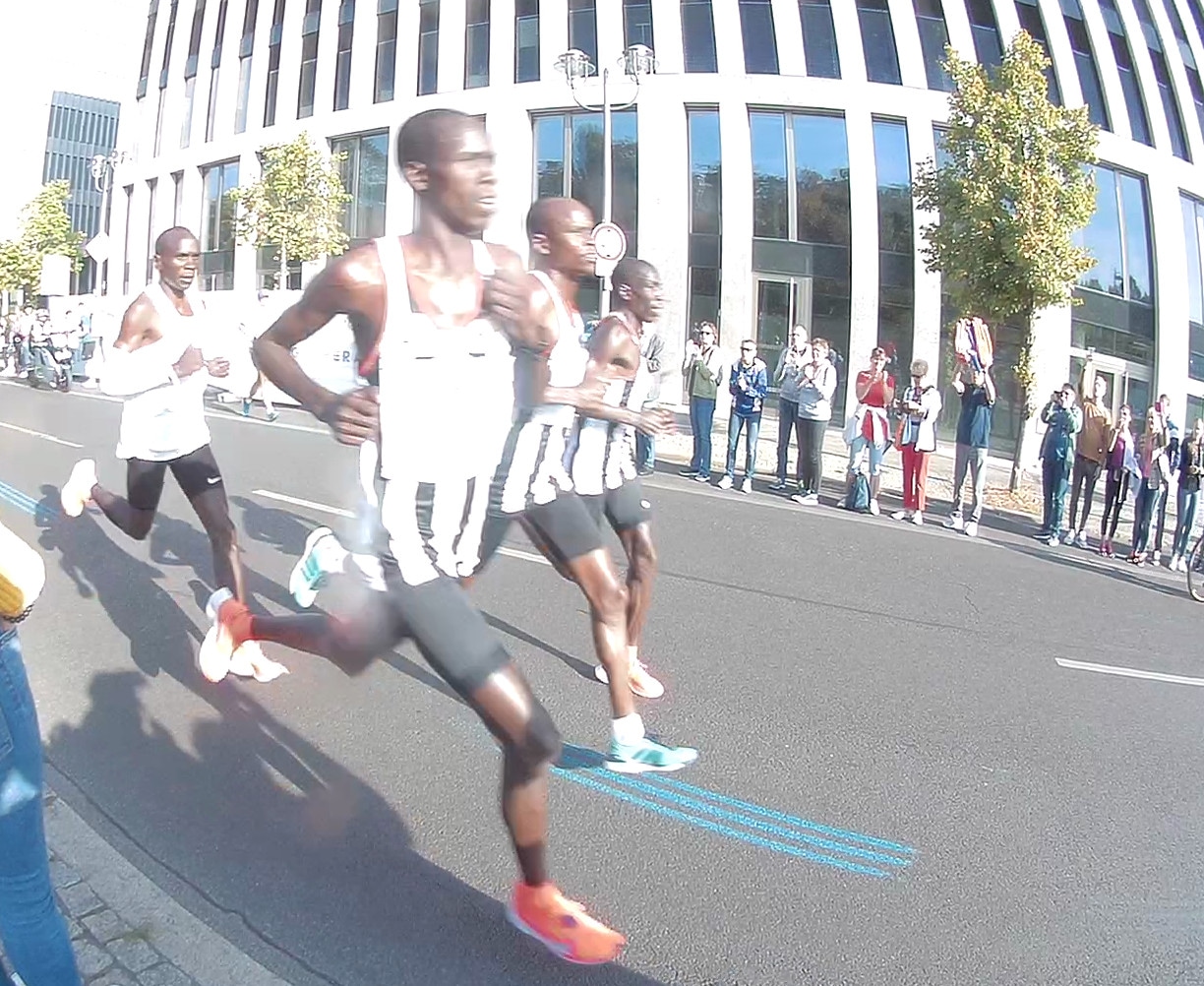
That double edge — a course that hands out speed and takes it back — is why Boston humbles record holders. Eliud Kipchoge arrived in 2023 as world record holder and the greatest marathoner of his era, on the one Major he had never raced: the course gave him his then-slowest marathon, 2:09:23, in sixth. Records are Berlin's business; Boston's business is racing the ground itself.
April 2026: The Fastest Boston Ever Run
Then came the morning the course decided to give. On 20 April 2026, with the temperature in the low 40s Fahrenheit and a nine-to-ten-mile-per-hour tailwind out of the west — exactly the wind the record rules exist to discount — defending champion John Korir covered the second half in 60:02 and won in 2:01:52, taking a minute and ten seconds off Mutai's fifteen-year-old course record. Alphonce Felix Simbu of Tanzania ran 2:02:47 and Benson Kipruto 2:02:50: three men inside the old record in one race, on a day the sport immediately filed among the fastest ever run. None of it, of course, counts an inch towards the world record — which remains Sabastian Sawe's 1:59:30 from London, set six days later.
Korir's win carried a second piece of history: his brother Wesley won Boston in 2012, and they are the first brothers — the first relatives of any kind — to both win the race. It is a thoroughly Kenyan dynasty in miniature, and it ran back-to-back: Korir had taken the 2025 race in 2:04:45. Sharon Lokedi matched him on the women's side, defending her title in 2:18:51 ahead of Loice Chemnung and Mary Ngugi-Cooper — a Kenyan sweep of the podium. Her own course record, the 2:17:22 with which she broke Hellen Obiri's three-peat bid and Buzunesh Deba's 2:19:59 course record in 2025, still stands.
The rest of the 2026 ledger filled quickly. Jess McClain's 2:20:49 in fifth is the fastest an American woman has ever run at Boston, past Shalane Flanagan's 2:22:02 from 2014. Marcel Hug won his ninth men's wheelchair title in 1:16:06 — his own course record of 1:15:33, from 2024, survived — and Eden Rainbow-Cooper, the first British winner of the women's chair race in 2024, took her second title. Winning paid US$150,000 from a US$1,284,500 purse, and Korir's course record added a US$50,000 bonus.
A Hundred and Thirty Runnings of Hard Stories
Boston's age means every kind of marathon story happened here first — including the ones about who was allowed to run. Bobbi Gibb ran the whole 1966 race without a number in 3:21:40, and the B.A.A. now recognises her as the winner of a pre-sanctioned era; Kathrine Switzer ran 1967 with bib 261, entered as "K.V. Switzer". An official women's division only arrived in 1972, after Nina Kuscsik's petitioning pushed the American federation to sanction women's marathons at all — and Kuscsik, who died in June 2025 at 86, won that first official race. Three years later Boston became the first major marathon with a wheelchair division, recognising Bob Hall's 1975 run.
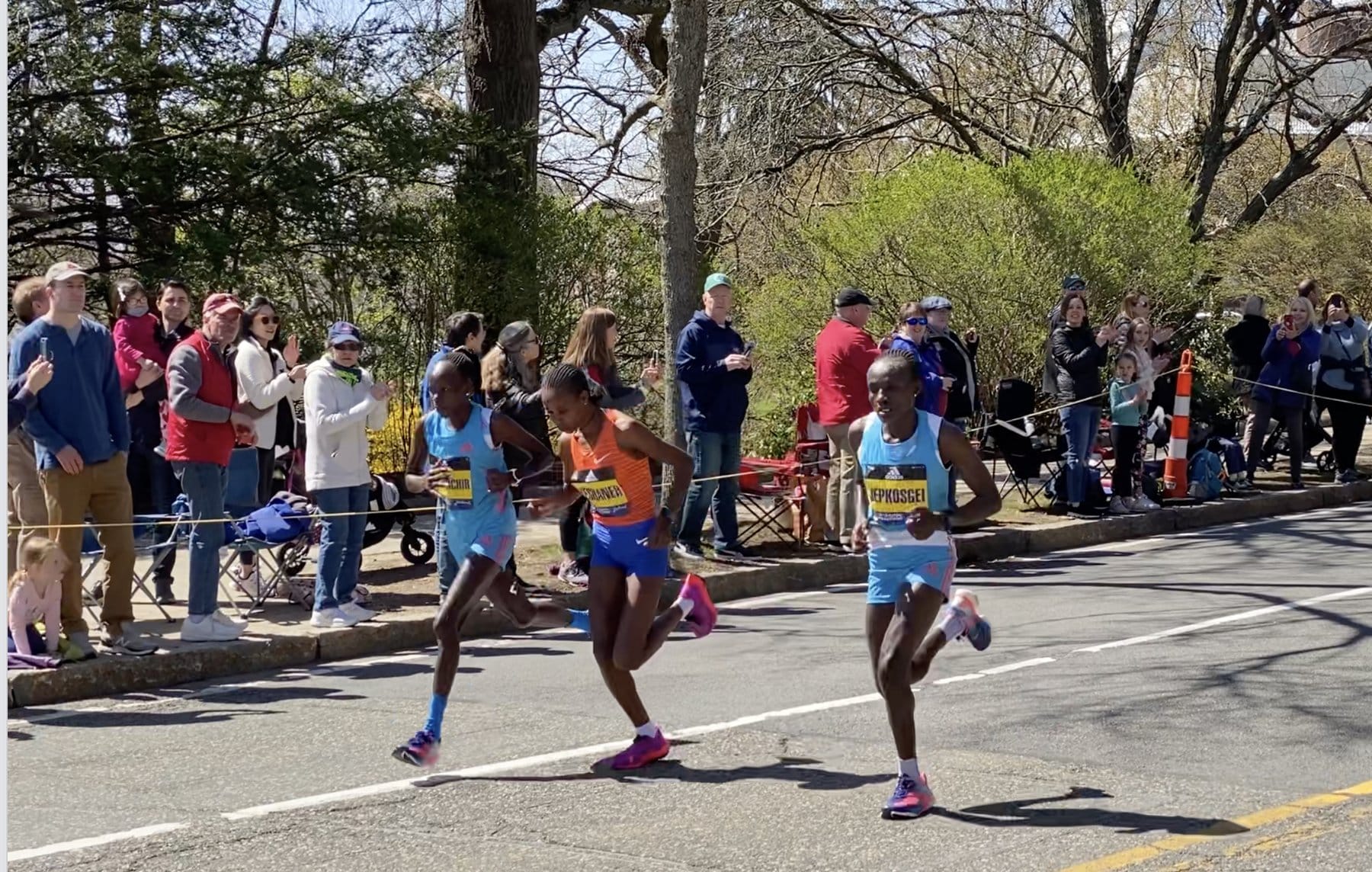
The rogues and the duels are Boston lore too. In 1980 Rosie Ruiz was first across the line in 2:31:56; eight days later the B.A.A. withdrew the title, having established she had entered the course in its final mile, and named Jacqueline Gareau of Canada champion in 2:34:28. In 1982 Alberto Salazar and Dick Beardsley ran the entire course shoulder to shoulder in the "Duel in the Sun", settled by two seconds — Salazar's racing peak, decades before the coaching years told in our Oregon Project file.
The hardest chapter is recent. On 15 April 2013, two bombs near the Boylston Street finish killed three people and wounded hundreds; the race was stopped with thousands still on the course. What the event did next is the part the sport keeps: the 2014 race drew one of the largest fields in its history, and Meb Keflezighi won it in 2:08:37, the first American men's champion since 1983. Four years later Desiree Linden ground through cold rain and a headwind to become the first American woman to win since 1985.
The Hardest Bib in Running
Boston is the only World Marathon Major where the ordinary runner's entry ticket is a stopwatch. To apply for one of the roughly 30,000 places you must first run a certified marathon inside your age-and-sex qualifying standard — the famous "BQ". For the 2026 race the open standards were 2:55:00 for men and 3:25:00 for women aged 18 to 34, after the B.A.A. cut every band by five minutes, its sharpest tightening since 1990.
Even that is not enough. Because more qualifiers apply than the field can hold, the B.A.A. accepts the fastest first: 33,249 qualifiers applied for 2026, and the cut-off landed at 4 minutes 34 seconds — meaning you needed to beat your own standard by that margin just to get in. The result is the only mass race in the world where the mass has been vetted for speed, and where a bib is a certificate: for tens of thousands of amateur runners, "qualifying for Boston" is the finish line of years of training, before the race itself has even started.
Sponsor Kit: The Race adidas Dresses
One reading rule matters to what we do at Elite Athletics Clothes: Boston is a Major, not a championship, so nobody on the start line wears national colours. The elites race in the kit of the brand or trade team that pays them, and the race itself has a brand: adidas has been the official footwear and apparel sponsor of the B.A.A. since 1989, a deal extended through 2030 — four decades of celebration jackets and finish-line branding told from the other side in our adidas Pro Elite pillar. The banking name changed more recently: Bank of America became title sponsor in 2024, ending John Hancock's 38-year run.
The house rule for reading any competition: championships mean federation kit, leagues and meetings mean sponsor kit. A Worlds or an Olympics is raced in national colours; a Major like Boston is raced in trade kit — the universe mapped in our World Marathon Majors explainer. We do not attribute the 2026 podium's kit to any brand: we could not verify it, so we don't.
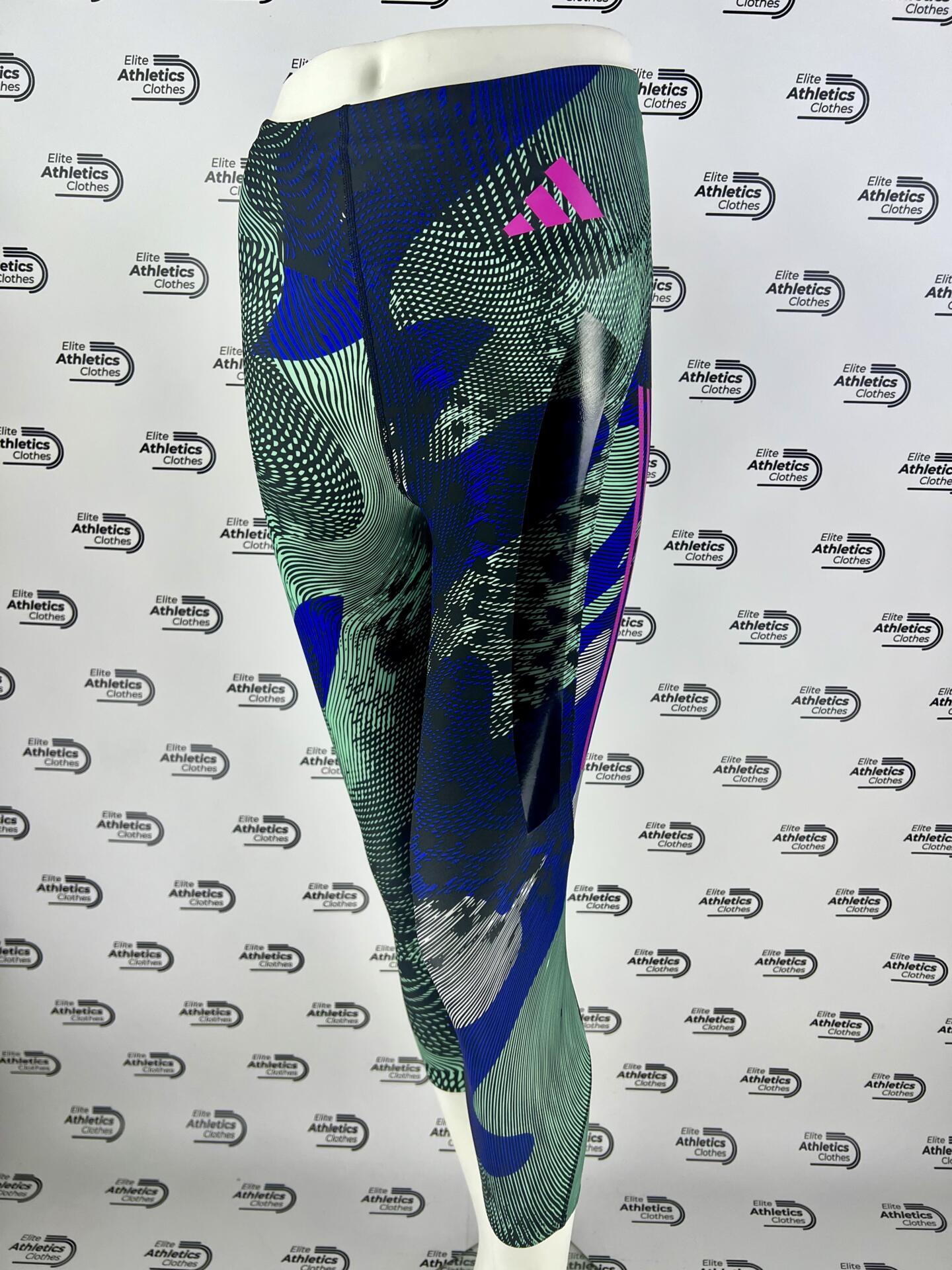 Sponsor kit · in the archiveAdidas Pro Elite Team 2023 Women Capri Long TightsAthlete-issued kit from the adidas line — the brand that has dressed the Boston Marathon itself since 1989.140,00 €View piece →
That is why this page points at the brand shelves rather than at any national rail. The lines behind the sport's marathon crews each have their own story in the journal — adidas Pro Elite, Nike Pro Elite, NN Running and Rosa & Co — and the rail below holds one athlete-issued piece from each.
The Brands Behind the Bibs
Boston is raced in trade kit, not national kit — and the race itself has worn adidas since 1989. These are athlete-issued pieces from the four lines behind the sport's marathon podiums.
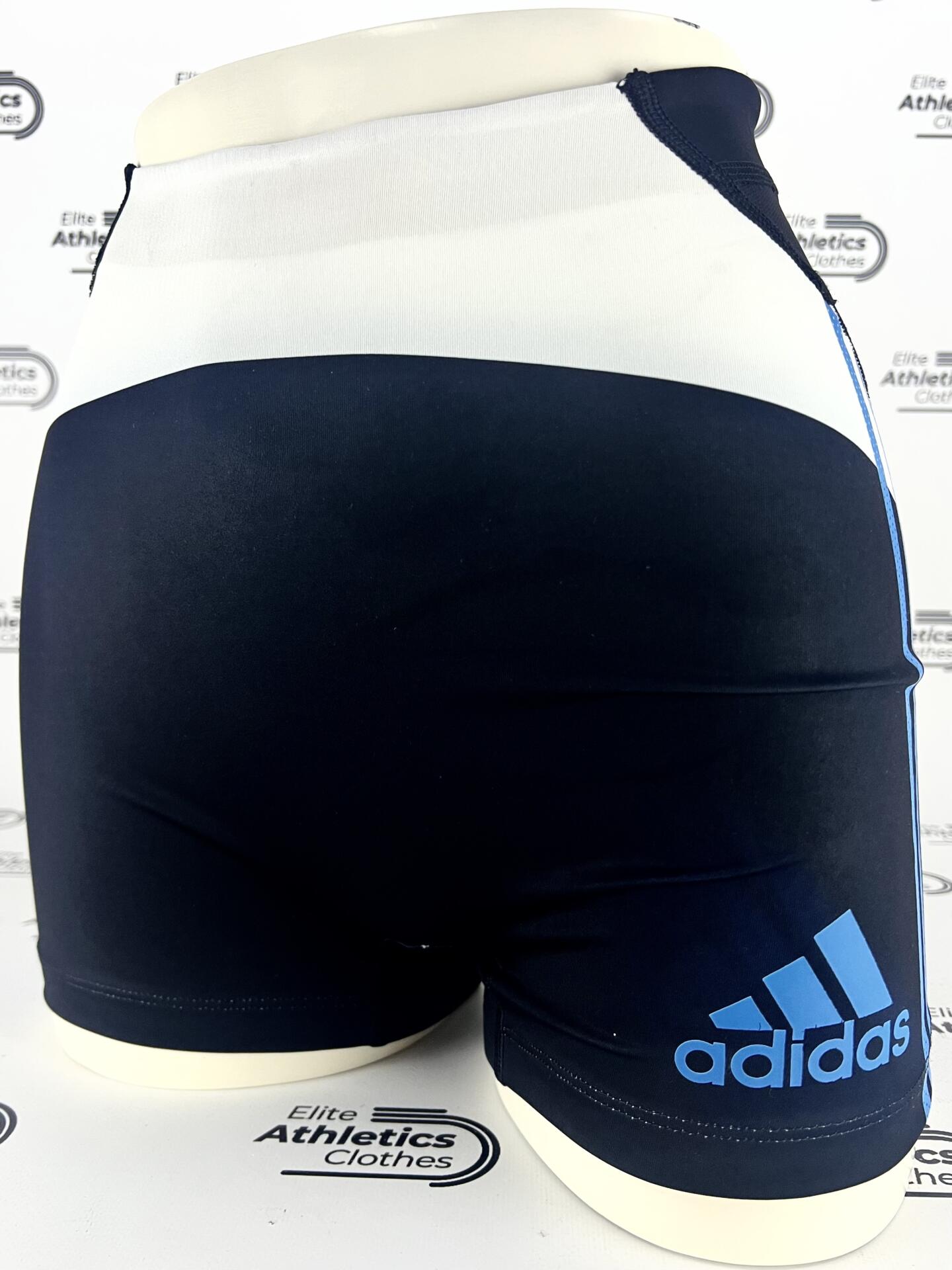 Adidas Pro Elite 2022 Women Booty Short Tights100,00 €View Piece →Nike Pro Elite
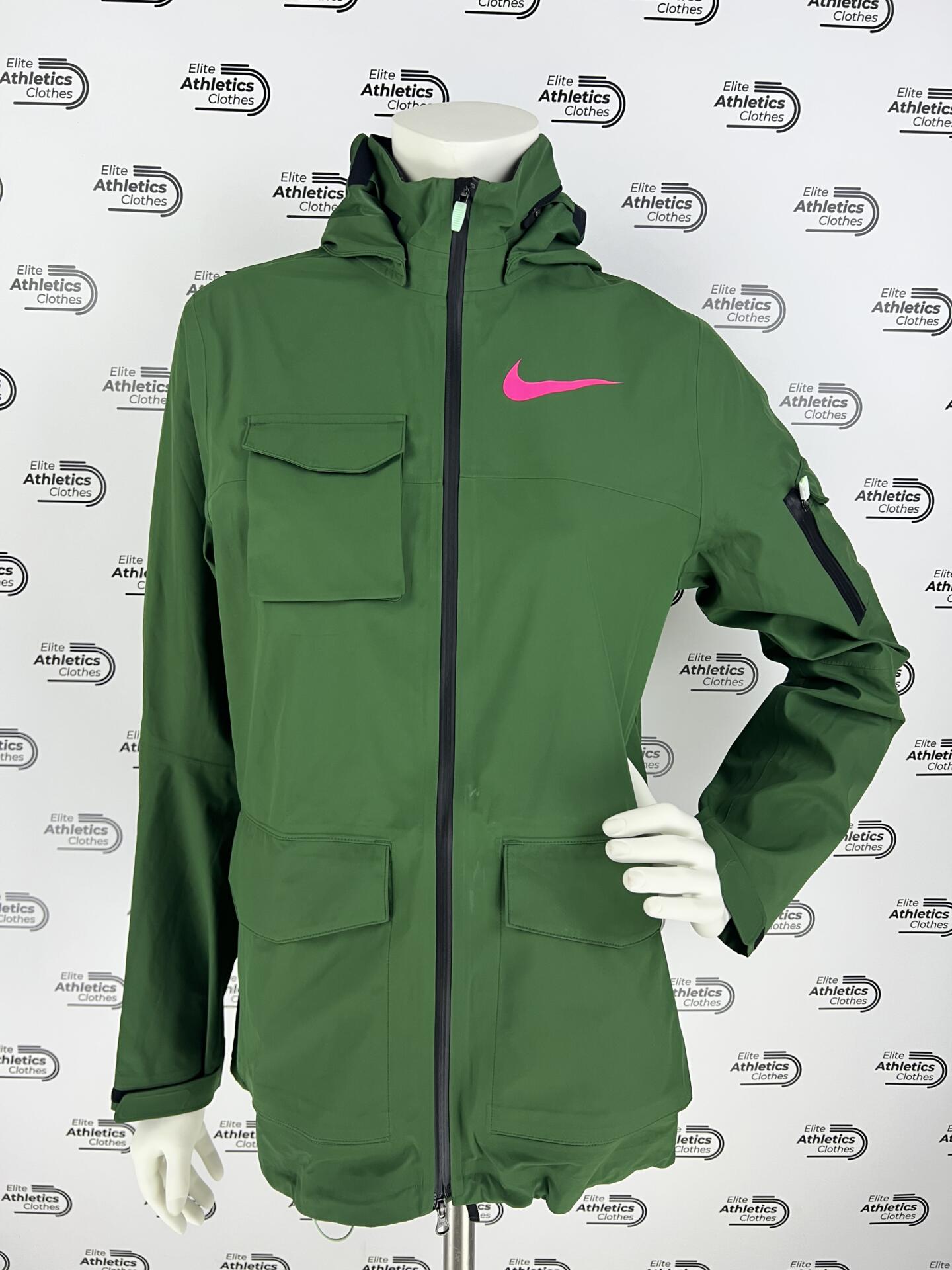 Nike Pro Elite 2023 Women Storm Fit Jacket150,00 €View Piece →NN Running
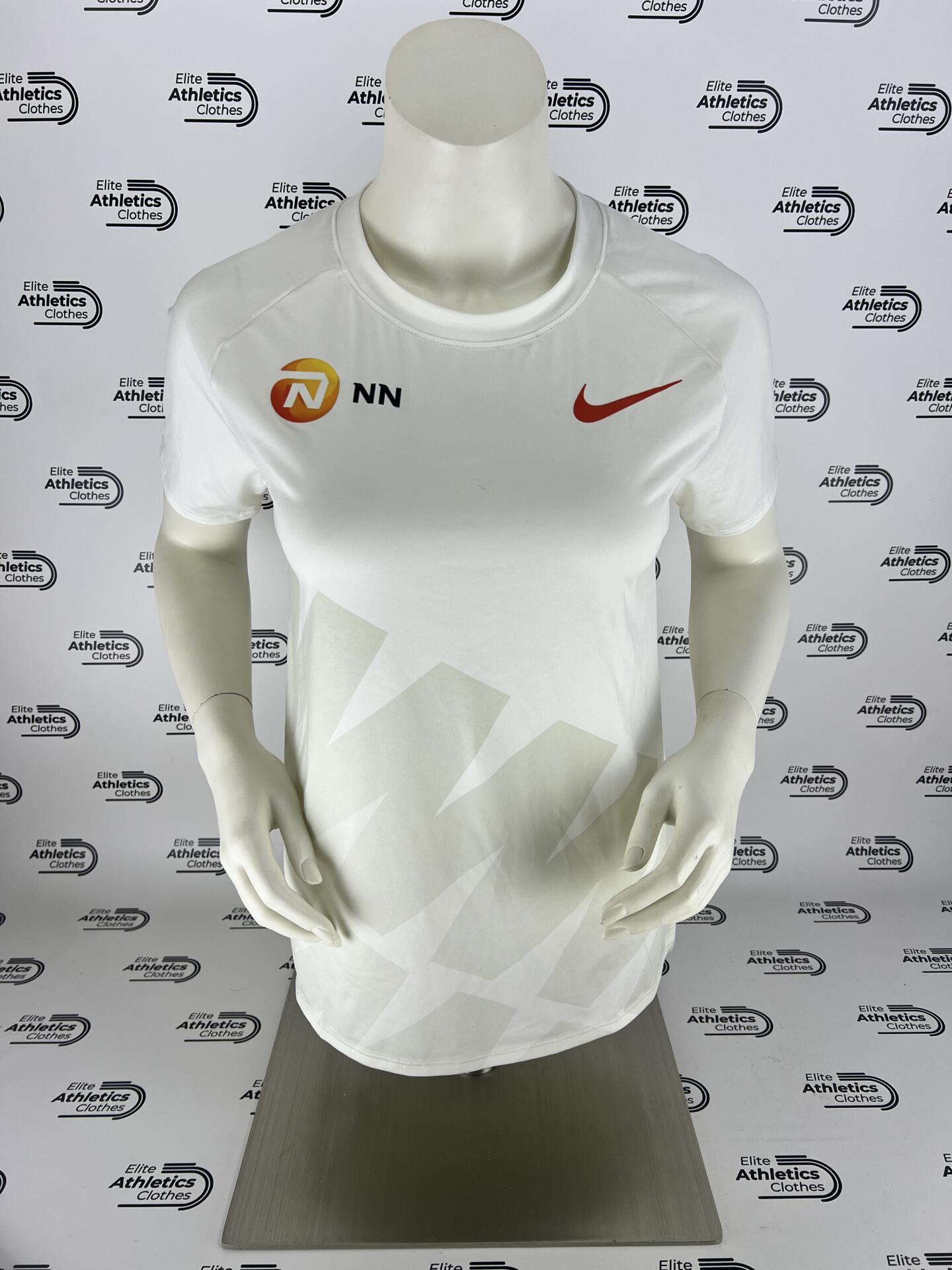 INEOS X Nike NN Running Team Pro Elite 2020/2021 Women T-Shirt150,00 €View Piece →Rosa & Co
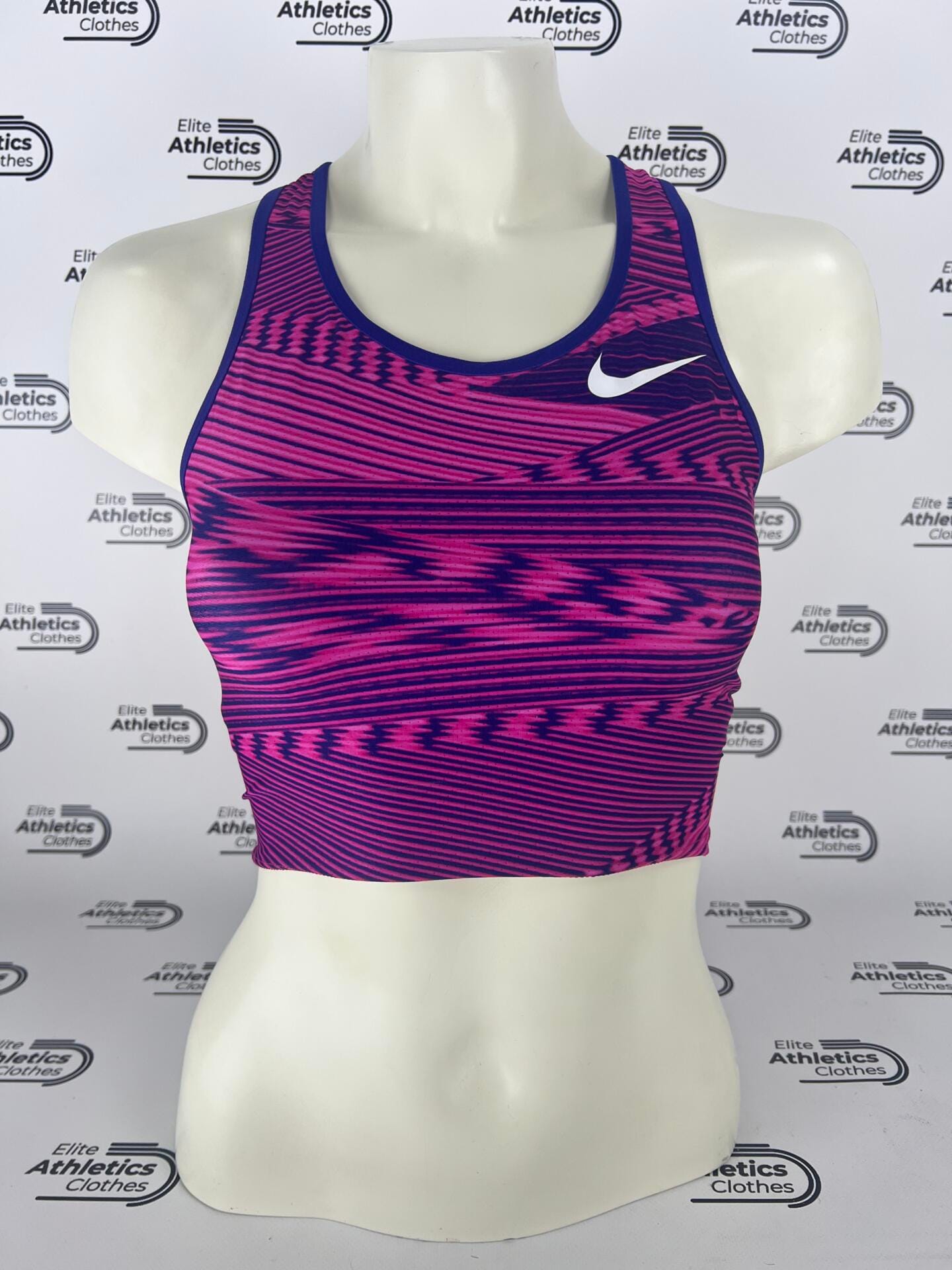 Nike Rosa & Co. Pro Elite 2019 Women Crop Top250,00 €View Piece →
Why is the Boston Marathon not eligible for world records?
Two World Athletics conditions rule it out. A record-eligible course may drop no more than 1 metre per kilometre — Boston falls about 140 metres from Hopkinton to Boylston Street, roughly 3.2 m/km — and its start and finish may be no further apart than half the race distance, while Boston runs point-to-point. Times at Boston count only as course records: John Korir's 2:01:52 from 2026 is not a world record.
What are the Boston Marathon qualifying times?
For the 2026 race, runners aged 18-34 needed 2:55:00 (men) or 3:25:00 (women), after the B.A.A. tightened every age band by five minutes — and because 33,249 qualifiers applied for about 30,000 places, acceptance required beating your standard by a further 4:34. The "BQ" is the only mass-entry ticket in the World Marathon Majors earned purely by running fast.
Who won the 2026 Boston Marathon?
John Korir of Kenya, in a course-record 2:01:52 — the fastest Boston ever run, with Alphonce Felix Simbu (2:02:47) and Benson Kipruto (2:02:50) also inside the old record. Sharon Lokedi won the women's race in 2:18:51; her 2:17:22 from 2025 remains the women's course record. Marcel Hug took a ninth wheelchair title and Eden Rainbow-Cooper her second.
When was the first Boston Marathon?
On 19 April 1897, when fifteen runners started in Ashland and John J. McDermott of New York won in 2:55:10. The race, organised by the Boston Athletic Association and inspired by the 1896 Olympic marathon, has been run every year since — making it the world's oldest annually contested marathon. The start moved to Hopkinton in 1924, and the 130th edition was run on 20 April 2026.
Sources and References
- B.A.A. — History of the Boston Marathon — 1897, McDermott, the oldest-marathon line, Gibb, Kuscsik and the 1975 wheelchair division
- Boston.com — why a world record at Boston would not count — the 1 m/km drop rule, the 50% separation rule and the 459 ft figure
- LetsRun — inside the fastest Boston in history — the 2026 conditions, Korir's 2:01:52 and 60:02 second half, Simbu and Kipruto under the old record
- Sportico — Boston Marathon 2026 prize money — the US$1,284,500 purse, US$150,000 winners and the US$50,000 record bonus
- NBC Boston — the 2026 qualifying standards — the 2:55:00 / 3:25:00 standards and the five-minute tightening
- B.A.A. — adidas sponsorship extended through 2030 — the 1989 start of the adidas deal and its extension
- WBUR — the Korir brothers, Boston champions — Wesley 2012, John 2025, the first brothers to win
- Boston.com — Nina Kuscsik, 1939-2025 — the 1972 first official women's race and her death in June 2025
- Reuters via Cyprus Mail — Jepchirchir provisionally suspended — the AIU announcement of 23 October 2026